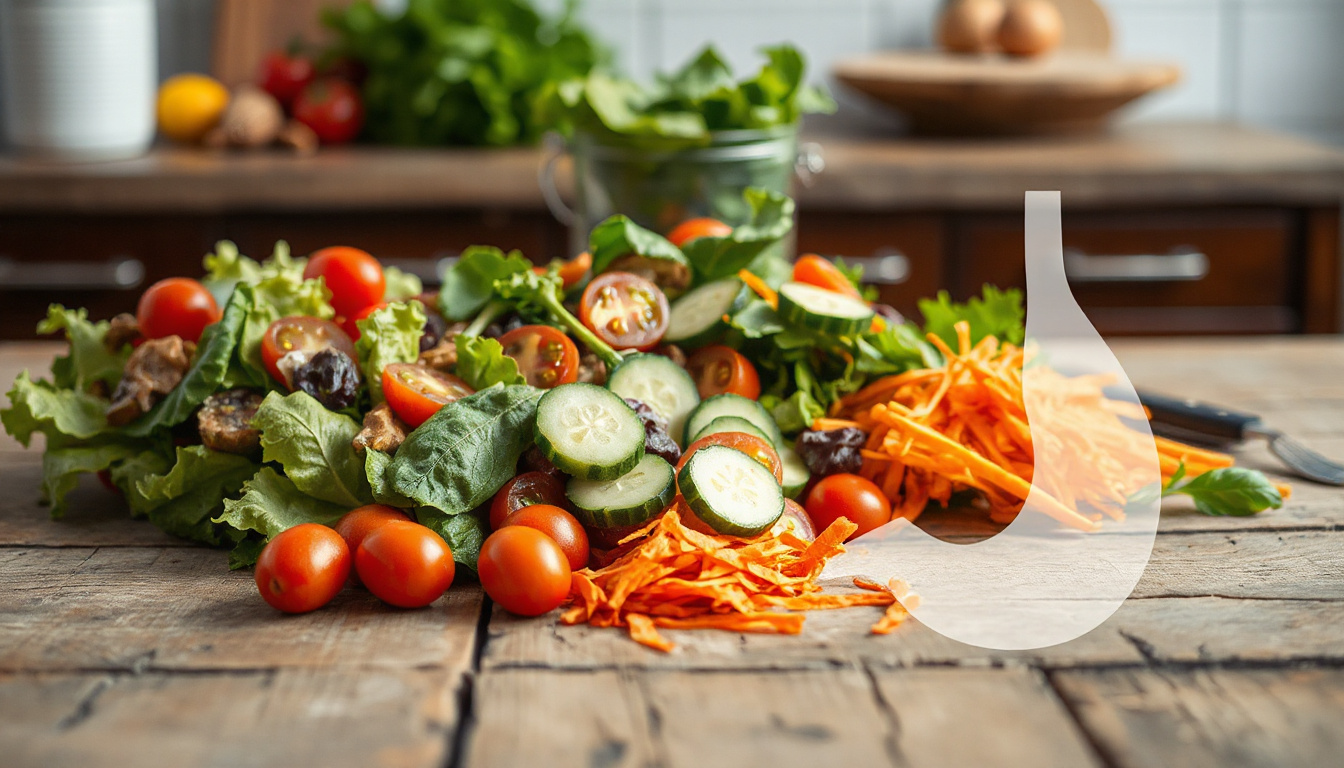
Have you ever sat down to enjoy a fresh, colorful salad only to find that your stomach starts acting up soon after? You’re not alone in wondering why salads can trigger digestive discomfort. While salads are often touted as a healthy choice, for some of us, they can cause bloating, gas, or even cramping. It can be confusing—after all, they are packed with vitamins and nutrients, right?
I remember a time when I indulged in a giant bowl of leafy greens topped with all the goodies—nuts, beans, and a tangy dressing. I felt virtuous… until my stomach reminded me that maybe that wasn’t such a great idea. This experience led me on a journey to understanding how something so healthy could lead to digestive distress. I want to share what I learned with you, because there’s no reason you should have to choose between eating healthy and feeling good. Let’s explore this together.
Key Takeaways
- Salads can cause digestive discomfort due to high fiber content and certain ingredients.
- Common salad ingredients like raw vegetables and dressings may trigger symptoms in sensitive individuals.
- Understanding food sensitivities and allergies is crucial for preventing digestive issues from salads.
- Preparation methods such as cooking or soaking ingredients can help reduce potential digestive discomfort.
- If digestive problems persist after consuming salads, it’s important to seek medical advice.
Understanding Digestive Discomfort
Why Salads Can Trigger Digestive Discomfort
It’s quite ironic how a dish packed with fresh vegetables, which are usually seen as the cornerstone of healthy eating, can sometimes lead to discomfort. Many of us have experienced that moment of surprise when our beloved salads result in bloating, cramping, or even a rumbling stomach. We might find ourselves scratching our heads, asking: why salads can trigger digestive discomfort?
Firstly, let’s acknowledge that experiencing digestive discomfort is common and absolutely nothing to be ashamed of. It’s our body’s way of signaling that something might not sit well with it. Now, you might be wondering, ‘Am I the only one who faces this?’ Rest assured, you’re not alone. Many people, including myself, have dealt with the aftermath of a hearty salad for lunch. It’s almost like a tricky puzzle, trying to figure out why something so seemingly innocent can cause such turmoil.
The Complex Nature of Digestion
Our digestive systems are incredibly complex, and what works for one person’s tummy might not work for yours. When we dive into understanding why salads might trigger discomfort, we can break it down a bit. You see, salads often incorporate diverse ingredients, such as greens, raw vegetables, and dressings—all of which can affect our digestion differently.
Raw Vegetables and Their Impact
Raw vegetables—while nutritious—can be tough for some of us to digest because they contain fiber and certain compounds that can irritate the gut. For example, broccoli and cauliflower belong to the cruciferous family and, while they’re fantastic for you, they can produce gas as they’re broken down. It’s a bit like a rollercoaster ride in your stomach.
Imagine your stomach as a busy subway station: each vegetable arrives, but not every train can handle the rush hour. Well, sometimes our gut just gets overwhelmed. If you find that certain veggies cause you distress, it might be a good idea to cook them lightly before adding them to your salad. Cooking can break down some of those tougher fibers, making them kinder on your digestive system.
Dressing Dilemmas
Additionally, we can’t overlook the salad dressings. These creamy, zesty concoctions are often laden with ingredients that can cause issues. Think about it: high-fat dressings, artificial preservatives, and sugars can turn your wholesome salad into something that feels a bit heavy after the fact. Just because you’re eating salad doesn’t always mean you’re making the healthiest choice, right?
When choosing a dressing, consider going for something lighter, perhaps a simple vinaigrette made with olive oil and vinegar. Even making your own dressing can be a fun project, allowing you to control what goes in it while avoiding any unwanted surprises.
Food Combinations Matter
Another point to consider is the combination of ingredients in your salad. Mixing too many raw elements can sometimes be overwhelming for our digestive enzymes. For instance, pairing legumes (like chickpeas) with certain raw veggies may not sit well for everyone. It can often lead to an uninvited gassy situation.
To ease the burden on your digestive system, try to simplify your salads. Perhaps choose three or four main ingredients, and stick to them. This way, you’re giving your body a chance to process the food without turning it into a whole circus.
Listen to Your Body
It’s essential to listen to your body’s responses. Keeping a food diary can help you track what ingredients lead to discomfort over time. It may feel tedious, but by noting what salads leave you feeling light versus those that lead to discomfort, you empower yourself with knowledge about your body’s specific reactions.
A Gentle Step Forward
Remember, it’s okay to customize your meals based on your body’s signals. Perhaps you could try lighter options during the week and save those rich, loaded salads for the weekend when you can savor them more mindfully. If you’re suspecting a particular ingredient is causing problems, don’t hesitate to experiment with alternatives. There’s no “one-size-fits-all” when it comes to our bodies.
Helpful Tips for Enjoying Salads Without Discomfort
Here’s a quick list to help you enjoy salads while minimizing discomfort:
1. Lightly Cook Vegetables: Steam or roast veggies to make them easier to digest.
2. Simplify Combinations: Focus on a handful of ingredients to avoid overwhelming your system.
3. Opt for Natural Dressings: Avoid commercial dressings loaded with unhealthy ingredients.
4. Stay Hydrated: Drink water to aid in digestion, especially after consuming high-fiber meals.
5. Chew Thoroughly: Take your time with each bite to facilitate the digestive process.
6. Add Probiotics: Include fermented foods in your diet to support gut health.
FAQ Section
Q: Why do some salads cause gas?
A: Salads can cause gas due to high-fiber raw veggies or certain ingredients like beans that can be tough to digest, leading to gas accumulation.
Q: Can salad dressings upset my stomach?
A: Yes, heavy dressings that contain cream or added sugars can lead to digestive discomfort. Opt for lighter, homemade alternatives when possible.
Q: Are there any vegetables I should avoid in salads?
A: Some individuals may react negatively to cruciferous vegetables like broccoli and cauliflower due to their high fiber content, so consider reducing or cooking them first.
As we wrap up, I want to encourage you to be gentle and patient with yourself as you navigate the complex world of digestion. It’s perfectly okay to adjust your salad-making strategy to better suit your needs. Remember, food is meant to nourish and sustain you—not cause discomfort.
So the next time you feel that unease after enjoying a vibrant salad, remember you’re not alone. Give yourself the grace to experiment with ingredients, embrace variety but with an aware heart, and always listen to what your body is telling you. Let’s embark on this journey of understanding together, and hopefully, find the joy in salads once again!
Common Ingredients in Salads That Cause Issues
You might think that salads are a universally healthy choice, bursting with fresh flavors and nutrients. However, if you’ve ever chosen a vibrant bowl of greens only to find yourself feeling bloated or uncomfortable afterward, you might be wondering why salads can trigger digestive discomfort. Let’s dive into the common culprits in your beloved salads that can lead to these unsettling sensations.
1. Cruciferous Vegetables: Foods like broccoli, cauliflower, and kale are rich in fiber and nutrients, but they can also be quite tough on digestion. These mighty vegetables contain a type of sugar called raffinose, which can produce gas during breakdown.
2. High-Fiber Ingredients: While fiber is vital for digestive health, too much of a good thing can be overwhelming for some people. If you pile on beans, lentils, or chickpeas, your digestive system might churn and bubble in response.
3. Dairy Toppings: For those who are lactose intolerant, cheese or creamy dressings can lead to discomfort like bloating or cramping. If dairy doesn’t sit well with you, it might be worth exploring plant-based alternatives.
4. Spicy Additions: If you find yourself reaching for hot peppers or spicy dressings to jazz up your salad, be cautious! Spices can irritate sensitive stomachs, leading to discomfort.
5. Certain Dressings: Some store-bought dressings can contain high levels of sugar, preservatives, or even artificial sweeteners, all of which can wreak havoc on your sensitive belly.
6. Fruits: Unexpectedly, fruits like apples or pears may not work for everyone. While many of us enjoy their sweetness, they can also contain sorbitol, a sugar alcohol that may cause gas or discomfort in some individuals.
When preparing your next salad, keeping an open mind about these potential irritants can help you make better choices that suit your body. Remember, it’s not about cutting out healthy foods but finding the right balance that works for you. With a little mindful experimentation, you can enjoy nourishing, delicious salads without the discomfort later on.
‘Your diet is a bank account. Good food choices are good investments.’ – Bethenny Frankel
The Role of Fiber in Digestion
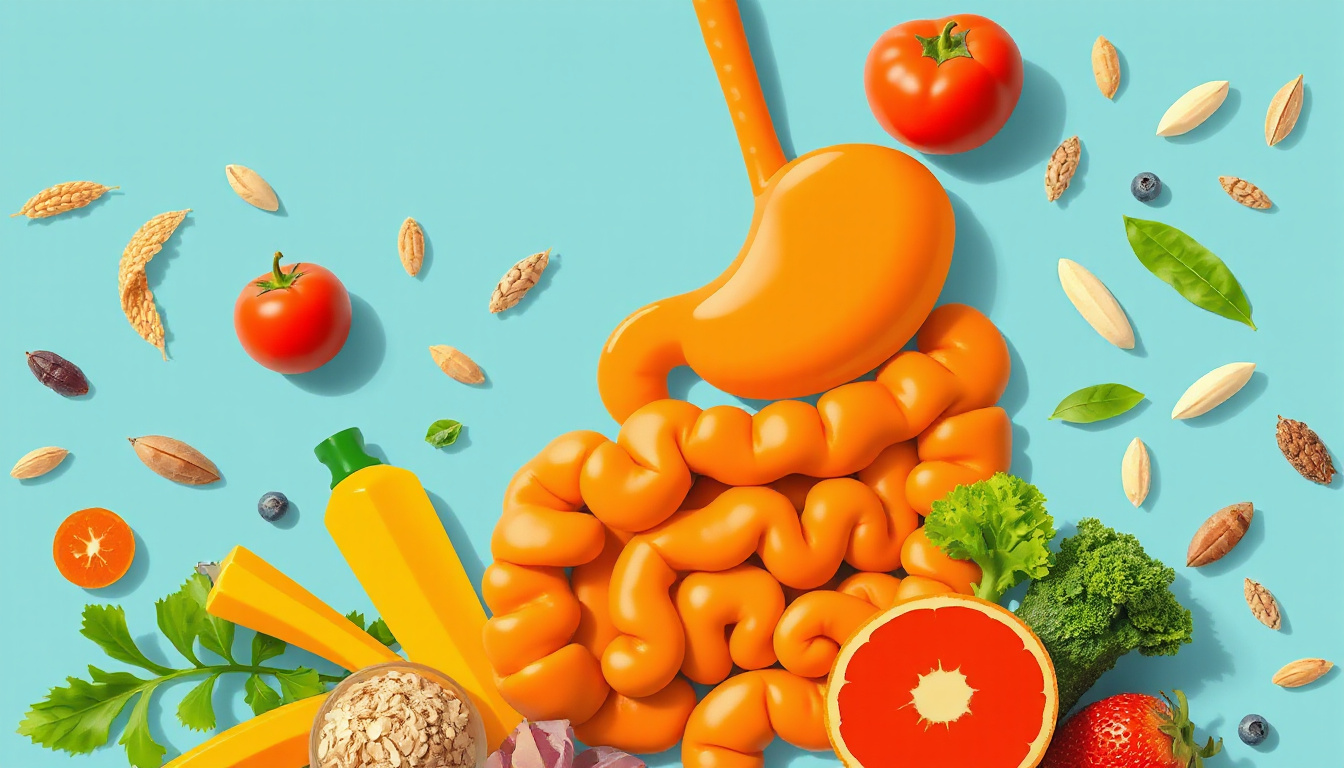
When we think about why salads can trigger digestive discomfort, it often leads us to one very important component found in many salad ingredients: fiber. Now, fiber is that unsung hero that plays a crucial role in our digestive health. It’s found in fruits, vegetables, whole grains, and legumes, and it comes in two forms: soluble and insoluble. Soluble fiber, which dissolves in water, can help slow down digestion and keep you feeling full longer. On the other hand, insoluble fiber adds bulk to your stool and helps things move along in your intestines. It’s like a bumpy road that your food travels on—without those bumps, the journey can be a bit sluggish.
But here’s where it gets interesting. When you pile a plate high with leafy greens, crunchy carrots, and maybe even some beans—think about how much fiber you’re suddenly consuming. If your body isn’t used to such a massive fiber influx, it can sometimes react negatively, leaving you feeling bloated or gassy. You might wonder, “Why is my tummy unhappy when I’m trying to be healthy?” This is your body’s way of saying, ‘Hey, slow down a moment. Let’s ease into this fiber thing together!’
So the next time you enjoy a crisp salad, consider how your body is feeling. It’s not about avoiding salads altogether but rather understanding how to introduce them into your diet in a way that feels good for you. Taking it slow might just help your tummy become friends with your new healthy habits.
Food Sensitivities and Allergies
Have you ever enjoyed a crisp salad only to find yourself battling digestive discomfort soon after? You’re not alone. Many of us experience this bewildering reaction, and it can leave us questioning one simple thing: Why salads can trigger digestive discomfort? As someone who has navigated the landmines of food sensitivities, let me share my journey and hopefully shed some light on yours.
At first, I thought salad was the go-to choice for healthy eating. It felt virtuous to fill my bowl with greens, tomatoes, cucumbers, and a drizzle of dressing. Yet, more often than I care to admit, I’d find myself feeling bloated and uncomfortable soon after the meal. I began to wonder if it was normal or if there was something more at play.
In my quest to understand why salads sometimes cause digestive issues, I learned that food sensitivities and allergies can wreak havoc on our bodies, often in ways we don’t expect. You see, our digestive systems are unique, just like fingerprints. What works for one person might not sit well with another, and that’s important to remember.
The Hidden Culprits
So, what could be triggering that discomfort? Here are some common reasons:
1. Raw Vegetables: For some individuals, raw veggies can be hard to digest. They contain fiber, which can be wonderful for health, but in excess or for those with digestive sensitivities, it can lead to bloating.
2. Certain Dressings: Have you ever considered that it might not be the salad itself, but the dressing? Creamy dressings can be rich in fats and might contain dairy, which can be problematic for some people. Even vinegar-based dressings can be harsh on a sensitive stomach.
3. High FODMAP Ingredients: Foods high in fermentable oligosaccharides, disaccharides, monosaccharides, and polyols (FODMAPs) can lead to gas and discomfort. Ingredients like onions and garlic are often used in salads and can affect those with sensitivities.
4. Food Allergies: You might be allergic to certain ingredients typically found in salads, such as nuts or certain fruits. Allergies can trigger more severe reactions, but they’re often also accompanied by digestive distress.
5. Portion Size: Sometimes, it’s simply about eating too much too quickly. Large servings of fibrous veggies can leave your gut overwhelmed, leading to discomfort.
It’s truly about tuning in to your body and what it’s trying to tell you. I remember it took me time to recognize the symptoms I experienced after eating, and there were countless salads I had to adjust or avoid altogether to pinpoint what was causing my distress.
Listening to Your Body
If this sounds familiar to you, I encourage you to become curious about your own body’s reactions. Start keeping track of what you eat and how you feel afterward. This can be as simple as journaling your meals and noting any symptoms—an easy way to identify patterns may emerge.
Are there specific vegetables that leave you feeling unsettled? Do you notice any discomfort after using a particular type of dressing? This gentle observation can provide valuable insight. And remember, it’s perfectly okay to have foods that don’t agree with you! You’re not alone in this, and it doesn’t mean you’re failing at healthy eating.
Making Adjustments
When it comes to salads, making small, mindful adjustments can lead to a more enjoyable experience. Here are a few to consider:
• Choose softer-cooked veggies when possible. Steamed broccoli or roasted bell peppers can be easier to digest while still providing nutrients.
• Experiment with different dressings. Try making your own with ingredients you know your body loves—think olive oil, lemon, or herbs—while avoiding dairy or anything that’s caused trouble in the past.
• Be mindful of salads with high FODMAP ingredients if you suspect that’s an issue for you. Opt for lighter options like cucumber, lettuce, or spinach, and skip the onions and heavy dressings.
• Start with smaller portions and eat slowly. Chewing well can help ease the digestive process.
Trust me, these small changes can make a world of difference. We deserve to enjoy nourishing foods without the aftermath of discomfort.
Understanding why salads can trigger digestive discomfort can feel overwhelming, but you’re not alone in this journey. We are all navigating food complexities, and it’s totally okay to seek what works best for you. Don’t hesitate to consult with a healthcare provider if you continue to have issues. They can help you identify specific food sensitivities, allergies, or digestive health concerns. The goal is to enjoy wholesome meals that nourish us without the uncomfortable fallout. It’s your body, and you have the right to enjoy food that feels good for you.
So, let’s take this journey together, one mindful bite at a time. If you have questions, insights, or want to share your own experience, I’m here for it! We can learn from one another and cultivate an encouraging community centered around better understanding our bodies.
Preparation Methods to Reduce Discomfort
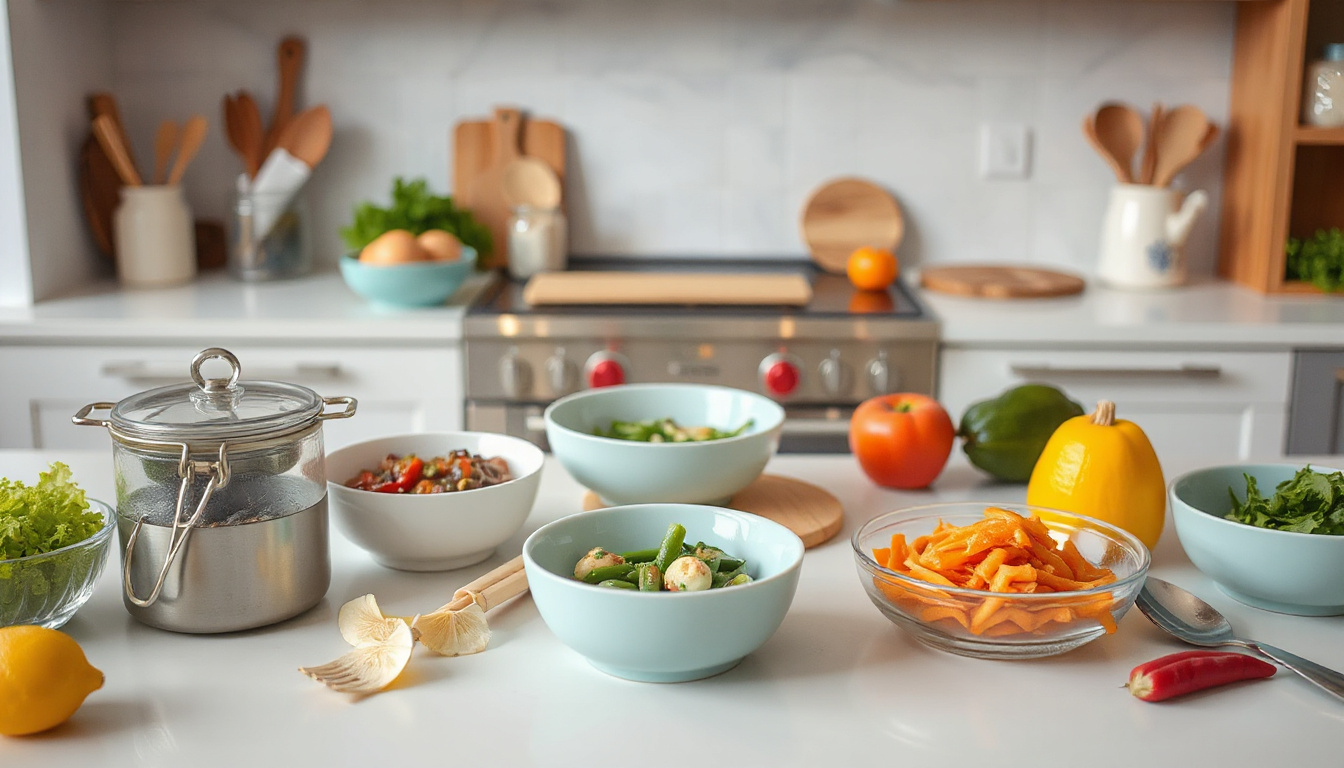
If you’re someone who loves salads but often finds yourself feeling bloated or uncomfortable after eating them, you’re certainly not alone. Many of us have found ourselves wondering, “Why do salads sometimes trigger digestive discomfort?” This question isn’t just about the greens; it’s also about how we prepare them. The way we choose to prepare our salads can significantly impact how our bodies respond to them. Here are some thoughtful preparation methods you can consider to make your salads more gentle on your digestive system:
1. Wash and Soak: Thoroughly wash your greens and soak them in cold water for a short time before eating. This can help remove any residual pesticides and dirt that may cause irritation.
2. Mind the Dressing: Creamy dressings can weigh you down. Opt for lighter dressings with olive oil and vinegar. If you have a sensitive stomach, you may want to avoid store-bought dressings that often contain preservatives and additives.
3. Add Digestive Aids: Incorporate ingredients known to ease digestion, such as ginger, mint, or yogurt-based dressings. Just a small addition can make a big difference in comfort.
4. Chew Thoroughly: It sounds simple, but chewing your food more thoroughly breaks it down into smaller pieces that are easier for your digestive system to handle.
5. Introduce Ingredients Gradually: If you’re trying new veggies or grains, introduce them slowly. This way, you give your body a chance to adapt without overwhelming it.
6. Cook Some Ingredients: Sometimes cooking veggies lightly can make them easier to digest. Steaming or lightly sautéing can soften them up while preserving nutrients.
By applying these tips when making salads, we can create a delightful dining experience that nourishes us without leaving our stomachs in a twist. Listening to your body and discovering what your digestion prefers can be empowering, and with a little practice, you might find that your love for salads can thrive beautifully!
When to Seek Medical Advice
Why Salads Can Trigger Digestive Discomfort: Understanding Your Body
Have you ever sat down to enjoy a healthy salad only to find your stomach churning afterward? You’re not alone! Many of us have experienced the discomfort that can follow what seems like a perfectly wholesome meal. It’s baffling, isn’t it? Here we are, trying to eat more greens, and yet we end up with gas, bloating, or worse. So, why do salads sometimes trigger digestive discomfort? Let’s explore this together, not as medical experts, but as two friends navigating the ups and downs of healthy eating.
The Fiber Factor
Salads are packed with fiber, which is undoubtedly one of the reasons they’re considered a healthy option. Fiber is essential for our digestive system, helping to keep things moving along. However, if you’re not used to consuming a lot of fiber, a sudden increase can lead to some uncomfortable sensations. Think of your digestive system like a well-tuned machine; if you suddenly throw a ton of new parts into the mix, it can sputter and stall for a bit. To ease into this, try gradually increasing your fiber intake rather than diving headfirst.
Your Unique Digestive Landscape
Each of our bodies is unique, with its own set of sensitivities and digestive patterns. Some people may find that they struggle with certain salad ingredients. For example, ingredients like beans, cruciferous vegetables (like broccoli and cauliflower), and high-fructose fruits (like apples and pears) can be harder to digest for some folks. If you’re sensitive to these foods, they can lead to heightened gas production as your gut struggles to break them down.
A Few Key Triggers to Watch For
Here’s a quick list of elements commonly found in salads that might cause digestive discomfort:
1. Cruciferous Veggies: Broccoli, cauliflower, or Brussels sprouts may be too much for your gut when eaten raw.
2. Beans and Legumes: If they aren’t fully cooked or if your body isn’t used to them, they can cause bloating.
3. High-Fiber Greens: While spinach and kale are super foods, they can be rich in fiber which can overwhelm your digestive system if you’re not used to it.
4. Dressing Ingredients: Creamy dressings can be high in fat and may not sit well with everyone. Vinaigrettes may also have elements that upset sensitive stomachs.
5. Raw Ingredients: Eating raw vegetables and fruits can cause bloating since they require more effort to digest compared to their cooked counterparts.
Learn to Listen to Your Body
One of the best gifts you can give yourself is the awareness of how you feel after you eat. When you experience discomfort, it’s your body’s way of sending you signals. Keep a food diary for a week or two to track what salads work for you and which ones lead to trouble. This way, you can identify patterns that enable you to make better choices.
When to Seek Medical Advice
If you’re frequently experiencing digestive discomfort after eating salads or any other foods, it may be worthwhile to bring up this concern with a healthcare professional. They can help you determine if there’s an underlying issue at play, such as a food intolerance or a digestive health problem. A registered dietitian, in particular, can be invaluable here, guiding you on how to enjoy salads without the aftermath discomfort. Remember, it’s always better to be proactive with your health!
Finding a Balance
So, how can you make your salads more digestible without losing out on their nutritional benefits? Start simple! You might want to focus on cooking some of your vegetables or choosing lower-fiber options. Gentle additions like shredded carrots or cucumbers can add taste and crunch without the belly bloat. Adding healthy fats, like a drizzle of olive oil or a sprinkle of nuts, can also help your body digest the fibers more easily.
Conclusion: Enjoying Salads Without the Discomfort
In our journey towards a healthier lifestyle, meals like salads should nourish us, not leave us feeling miserable. It’s about finding what works for our bodies, honoring our unique needs, and being gentle with ourselves when things don’t go as planned. So, next time you’re feeling discomfort after a salad, remember you’re not alone. Listen to your body, be curious about what it needs, and adjust along the way. You got this!
FAQ
Q: Why do salads sometimes cause gas?
A: Salads can cause gas due to their high fiber content and certain ingredients like beans or cruciferous vegetables that can be hard to digest for some people.
Q: Are all salad dressings hard to digest?
A: Not all dressings are hard to digest, but creamy varieties may upset sensitive stomachs. Opting for lighter vinaigrettes can often be easier on digestion.
Q: How can I make salads easier for digestion?
A: You can make salads more digestible by gradually increasing fiber intake, opting for cooked vegetables, and including healthy fats to aid digestion.
Frequently Asked Questions
What are some common ingredients in salads that can cause digestive discomfort?
Ingredients such as raw cruciferous vegetables (like broccoli and cabbage), beans, legumes, and high amounts of dressing can trigger digestive issues for some individuals due to their fiber content and certain sugars that are difficult to digest.
How does fiber impact digestion and contribute to discomfort after eating salads?
Fiber is essential for digestion, but too much fiber or sudden increases in fiber intake, especially from raw vegetables, can lead to bloating, gas, and abdominal pain as the gut needs time to adjust.
Can food sensitivities or allergies play a role in salad discomfort?
Yes, individuals with sensitivities or allergies to specific ingredients, such as nuts, gluten, or certain vegetables, may experience digestive discomfort when consuming salads containing these components.
What preparation methods can help reduce digestive discomfort from salads?
Cooking vegetables lightly, using digestive-friendly dressings, and gradually introducing high-fiber ingredients can help reduce discomfort. Soaking or sprouting beans and legumes before using them in salads can also aid digestion.
When should I seek medical advice regarding digestive discomfort after eating salads?
If you frequently experience severe digestive discomfort, have symptoms that persist, or notice blood in your stool, it’s important to consult a healthcare professional for advice and possible evaluation.
This post may contain affiliate links which means I may receive a commission for purchases made through links. I will only recommend products that I have personally used! Learn more on my Private Policy page.


