Hey there, friend! If you’ve ever felt a little sluggish after a meal, or maybe you’ve had that pesky mid-afternoon energy dip, you’re not alone. You see, these everyday foods may be raising your blood sugar more than you realize. The connection between our diet and how we feel — both physically and emotionally — can be profound. It’s not just about what we eat but how those foods interact with our body. So, let’s take this journey together to understand how certain foods impact our blood sugar levels and what we can do to keep them stable.
Key Takeaways
- Blood sugar levels can be influenced by a variety of everyday foods.
- Many common foods, including processed options, can unexpectedly spike blood sugar.
- Carbohydrates play a crucial role in blood sugar management and should be consumed mindfully.
- Choosing healthier alternatives to processed foods can help stabilize blood sugar levels.
- Portion sizes and meal timing significantly impact blood sugar fluctuations.
Understanding Blood Sugar Levels
When we talk about blood sugar levels, it’s like unraveling a complex story of how our bodies interact with the food we eat. For many of us, including myself, the general idea is that blood sugar is linked to diabetes, but there’s so much more to the narrative. Imagine your blood sugar as a measure of your body’s fuel. Too little, and we feel weak and tired; too much, and it can lead to serious health issues. So, what if I told you that some everyday foods may be raising your blood sugar in ways you hadn’t considered?
Think about those quick snacks we often reach for when we’re busy or stressed. A muffin and coffee in the morning might sound harmless, but those seemingly innocent choices can cause our blood sugar to spike. It’s all about how our body reacts to the carbohydrates in these foods. They can be broken down into sugar rapidly, leading to that infamous sugar high followed by a crash that we often dread.
I’ve been there myself—feeling a wave of energy after indulging in a sugary treat, only to find myself dragging just an hour later. It’s frustrating and often leaves us craving even more sweets or carbs to bring our energy back up, perpetuating a cycle that can be hard to escape. Understanding how specific foods affect our blood sugar is the first step in reclaiming our health and energy.
Common Foods That Spike Blood Sugar
Understanding Blood Sugar Basics
Let’s take a moment to talk about something that affects many of us, and that’s our blood sugar levels. If you’ve been feeling tired, irritable, or simply not yourself, it might relate to fluctuations in your blood sugar. You see, our blood sugar is like a seesaw—it can go up and down depending on what we eat. And while some foods are friendly allies in keeping our energy steady, others can act like those mischievous friends who push us off balance. In fact, the reality is that these everyday foods may be raising your blood sugar more than you realize.
I remember learning this lesson the hard way. There I was, reaching for what I thought was a healthy snack—a granola bar—only to feel the crash that followed its wonderfully sweet initial boost. Have you ever felt a sudden fatigue after eating something that you thought would invigorate you? It’s a common experience, and you’re not alone. That’s why understanding the impact of our food choices can make such a significant difference in how we feel throughout the day.
The Usual Suspects
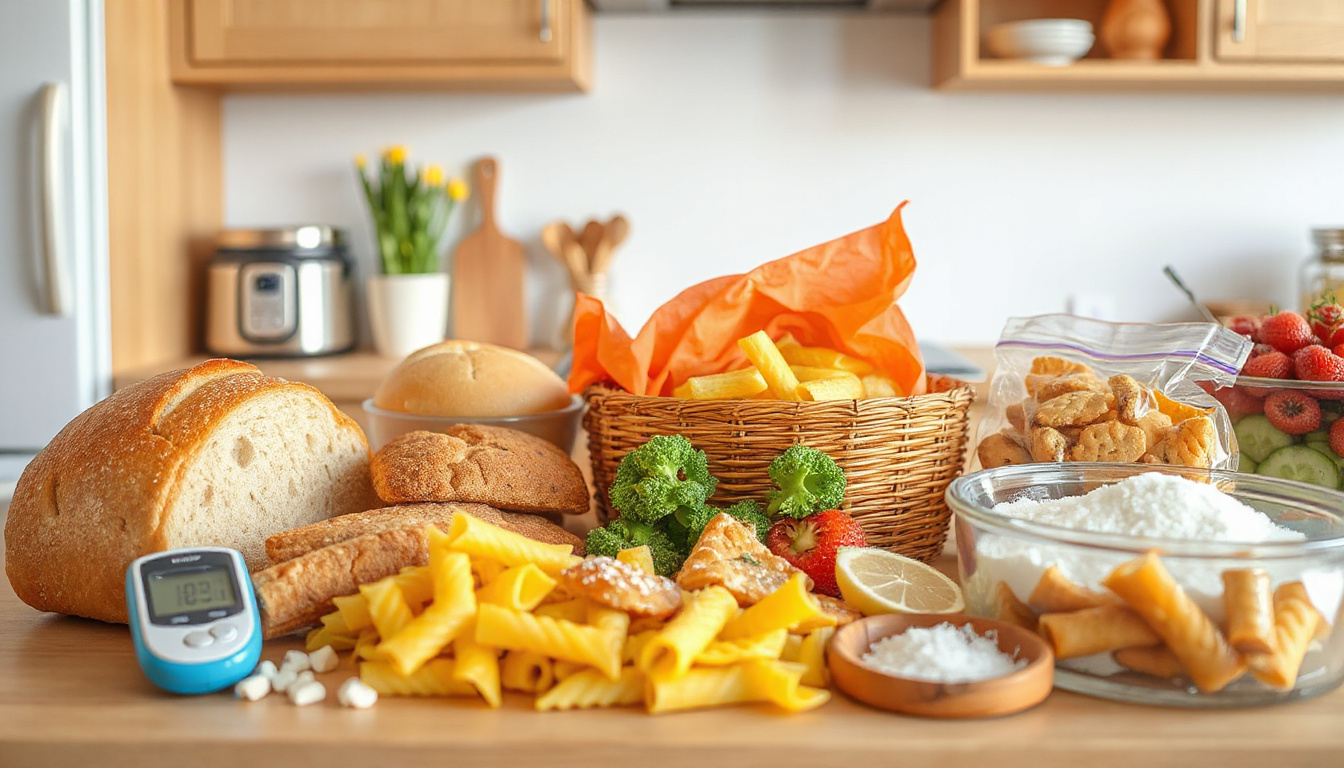
So, let’s dive into some common foods that might cause your blood sugar to spike. I want to empower you with this knowledge because understanding these triggers can help you make more informed choices moving forward. Here’s a list of everyday foods that may raise your blood sugar levels:
1. White bread and pastries
2. Sugary drinks like soda and energy drinks
3. Processed snacks (think chips and crackers)
4. Fried foods and fast food
5. High-sugar cereals
6. Certain fruits (like bananas and grapes, in large quantities)
7. Pasta made from refined flour
8. Candy and chocolate bars
9. Sweetened yogurt
10. Ice cream
When you look at this list, you might feel a sense of overwhelm; after all, many of these items show up in our daily lives. But remember, this isn’t about eliminating everything you enjoy or feeling guilty about those treats every now and then. It’s more about understanding how these foods affect our bodies.
How It Works: The Science Made Simple
Now, let’s break down the science behind these spikes in simpler terms. When we eat foods that are high in sugar or refined carbs (like white bread), our bodies digest and absorb them very quickly. This translates to a rapid increase in glucose (one form of sugar) in our bloodstream. It’s a bit like adding too much air to a balloon—it expands quickly and can pop if it goes too far!
After this sudden rise, our bodies release insulin to help balance things out. Insulin acts as a key that allows glucose to enter our cells, providing them with energy. However, sometimes, if we consume too much sugar too quickly, our bodies may struggle to keep up, leading to a drop in blood sugar that can leave us feeling drained and moody. It’s a classic blood sugar rollercoaster.
Symptoms of Blood Sugar Spikes
You might be wondering, how do I know if my blood sugar is spiking? Here are a few symptoms to keep an eye on:
• Increased thirst
• Frequent urination
• Fatigue
• Blurred vision
• Headaches
• Difficulty concentrating
If you notice these symptoms, be gentle with yourself; they are signals from your body. One way to support your health is by balancing your meals with proteins, healthy fats, and fiber-rich foods that help to moderate blood sugar levels.
Creating a Balanced Plate
The good news is there are plenty of delicious foods that can help you maintain balanced blood sugar. Here’s what to include in your meals:
• Whole grains (like quinoa, brown rice, or oats)
• Lean proteins (such as chicken, beans, or fish)
• Healthy fats (such as avocado, nuts, and olive oil)
• Non-starchy vegetables (like spinach, broccoli, and bell peppers)
Placing a focus on these types of foods can help keep you fuller longer and maintain a more stable energy level during the day. Just like building a strong foundation for a house, a well-balanced plate creates a supportive base for your health.
Final Thoughts
Navigating the world of food can be a challenge, especially with tempting treats around every corner. And while these everyday foods may be raising your blood sugar, remember you’re not alone in this journey. The goal isn’t perfection; it’s progress. We all have those days when we indulge, and that’s perfectly okay! What’s important is to find balance. With gradual steps, you can shift your eating habits to support your well-being better.
Try to become aware of how different foods make you feel and be gentle as you experiment with your diet. Remember that each meal is an opportunity to nourish your body.
FAQs
Q: What are some examples of foods that can spike blood sugar?
A: Common examples include white bread, sugary drinks, processed snacks, and high-sugar cereals.
Q: Can fruits raise blood sugar levels?
A: Some fruits, especially when eaten in excess, can raise blood sugar levels, particularly those high in sugar like bananas and grapes.
Q: How can I stabilize my blood sugar levels?
A: Incorporate balanced meals that include proteins, healthy fats, and fiber-rich foods, and try to limit high-sugar and refined carbohydrate foods.
If you ever feel overwhelmed or need a little guidance, remember, I’m right here with you, cheering you on. Let’s embrace this journey together and take it day by day, one meal at a time. Your health is worth it!
‘Let food be thy medicine and medicine be thy food.’ – Hippocrates
The Role of Carbohydrates in Blood Sugar
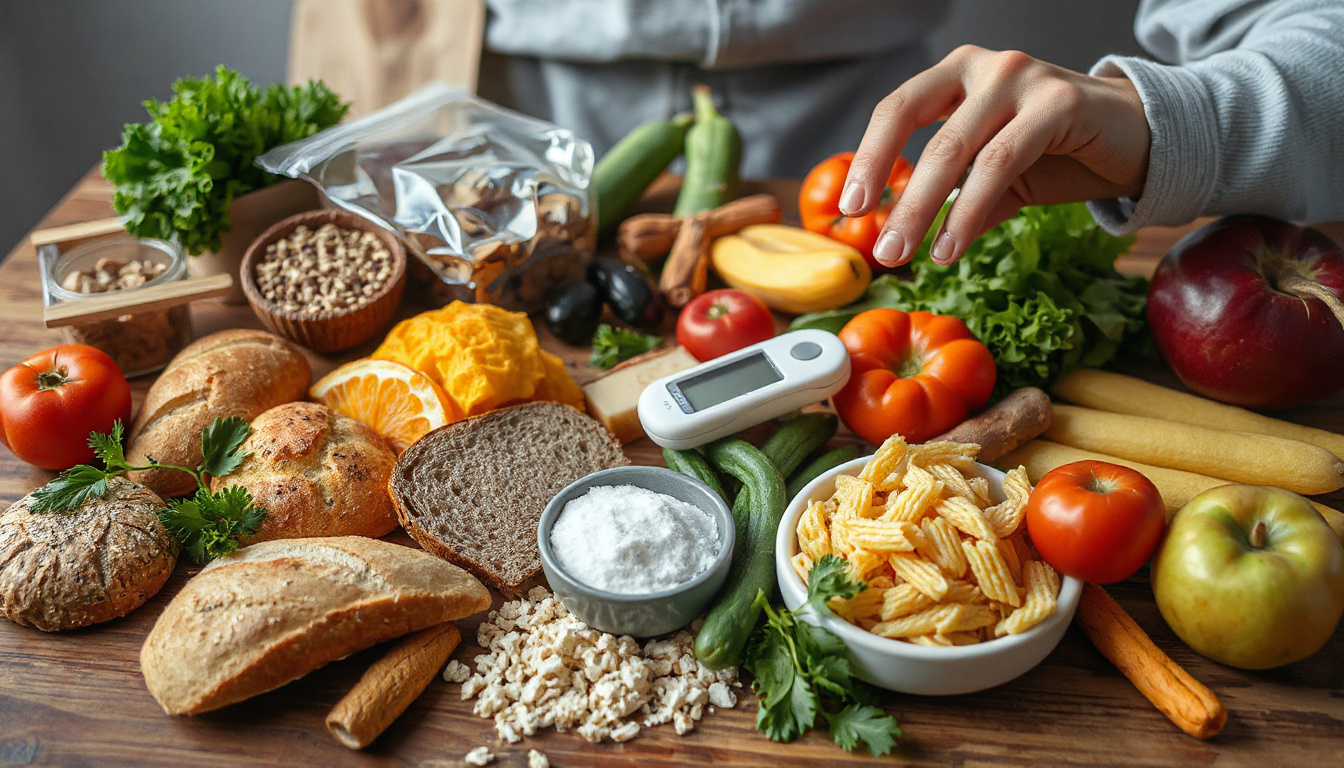
When we talk about blood sugar and what affects it, our minds often jump to carbohydrates. It’s easy to see why—carbs are our body’s main source of energy. Yet, not all carbohydrates are created equal, and understanding how they impact our blood sugar can be a little tricky. Perhaps you’ve found yourself nodding along to something a friend said about cutting out bread or pasta, thinking, ‘These everyday foods may be raising your blood sugar!’ But before we completely banish our beloved carbs, let’s take a step back and look at how they really affect us, drawing from science and personal experience.
Carbohydrates are broadly divided into two categories: simple and complex. Simple carbs, like the sugars found in candy and soda, can send your blood sugar levels skyrocketing. They’re kind of like that friend who shows up uninvited and overly enthusiastic at a party—great at first but can quickly lead to chaos! On the other hand, complex carbohydrates, found in whole grains, fruits, and vegetables, break down more slowly, offering a steady energy release without the abrupt spikes. So, think of them like the reliable friend who brings a healthy snack and keeps the good times rolling smoothly.
What does this mean for your daily life? If you’ve been monitoring your blood sugar or simply wish to feel more balanced throughout the day, considering the types of carbohydrates you consume may lead to some positive changes. It’s not just about cutting carbs out entirely—it’s about being mindful of the choices we make.
Here’s a small guide to help you navigate your carbohydrate intake:
1. Choose whole grains over refined grains. Opt for brown rice instead of white, or whole-grain bread instead of regular. These choices help keep your blood sugar more stable.
2. Incorporate lots of fiber-rich foods like beans, lentils, and non-starchy vegetables. Fiber not only helps you feel full but also slows down how carbs are absorbed.
3. Be cautious with fruit. Fruits are healthy, but some are higher in sugars than others. Berries, with less sugar and a lot of fiber, are a great option.
4. Stay hydrated. Sometimes, our bodies confuse thirst with hunger. Be mindful of your fluid intake—it can significantly influence your cravings.
5. Be mindful of portion sizes. Even healthy foods can lead to spikes if you consume them in large amounts. Listening to your body and eating in moderation can work wonders.
Healthier Alternatives to Processed Foods
When we think about the food choices we make each day, it’s easy to overlook the impact they have on our bodies, especially our blood sugar levels. You may not realize it, but these everyday foods may be raising your blood sugar. I remember a time when I had my head in the sand about my own diet. I would reach for convenience – that easy snack or quick meal – not realizing that these processed foods were slowly sapping my energy and making me feel sluggish.
Let’s take a moment to chat about what exactly these everyday foods are, and why they might be working against us. Processed foods often contain added sugars, unhealthy fats, and refined carbohydrates, which can cause our blood sugar levels to spike more than we realize. Think of it like a seesaw; everything seems balanced until too much weight is added to one side, and suddenly, life gets a little chaotic.
So, what are some common culprits? Items like white bread, sugary sauces, instant noodles, and those tempting snacks like chips and cookies often contain hidden sugars and unhealthy ingredients. Instead of providing us with energy, they leave us feeling drained.
Navigating Healthier Choices
You might be wondering, ‘Okay, but what can I eat instead without feeling deprived?’ The good news is that there are plenty of healthier alternatives available! Here’s a little list to get you started:
1. Whole grains: Choose brown rice, quinoa, or whole-wheat bread over their refined counterparts. The fiber in whole grains helps slow down sugar absorption in your body.
2. Fruits and vegetables: Fill your plate with colorful fruits and veggies. Not only are they packed with vitamins and minerals, but they also help keep your blood sugar steady.
3. Nuts and seeds: These are great sources of healthy fats and proteins that can keep you satiated while stabilizing your blood sugar levels.
4. Lean proteins: Options like chicken, turkey, or beans can be satisfying alternatives to processed meats.
5. Natural sweeteners: Instead of white sugar, try honey, maple syrup, or even fruit-based sweeteners in moderation.
Your Journey to Healthier Eating
Transitioning to healthier eating habits doesn’t have to be overwhelming. Think of it like climbing a staircase; one small step at a time leads you to the top. Perhaps you start with swapping out one processed item each week for a healthier alternative. It’s okay if you stutter, regress, or falter – that’s all part of the journey. Just remember that every little change counts!
As you start to incorporate these healthier alternatives, you might notice a change not only in your blood sugar levels but also in how you feel. Gone are the mid-afternoon crashes and the urgency to reach for candy to perk you up. With more wholesome foods in your system, you may start to feel more energized and focused.
Final Thoughts
You deserve to feel your best every day, and adjusting your diet can be a powerful way to make that happen. Remember, these everyday foods may be raising your blood sugar, but by embracing healthier alternatives, you can take control of your health.
It’s normal to feel a bit daunted at the thought of changing what you eat. Be gentle with yourself. Progress takes time, and each small change is a step toward better health. If you’d like to dive deeper into this topic or find support, speak with a nutritionist or a health professional – having someone on your side can make all the difference.
FAQ
Q: What are some signs that my blood sugar is high?
A: Common signs include increased thirst, frequent urination, fatigue, and blurred vision. If you’re experiencing these symptoms, it’s wise to consult a healthcare professional.
Q: Can whole grains really help lower blood sugar?
A: Yes! Whole grains are rich in fiber, which helps slow the absorption of sugar into the bloodstream, leading to more stable levels.
Q: Are there snacks that won’t spike my blood sugar?
A: Absolutely! Snacks like hummus with veggies, Greek yogurt with berries, or a handful of nuts can be great choices that keep your blood sugar in check.
These Everyday Foods May Be Raising Your Blood Sugar
As we go through our daily lives, it’s easy to overlook some of the foods we eat regularly. You know, those snacks and meals we don’t think twice about? The truth is, these everyday foods may be raising your blood sugar in ways you might not even realize. Let’s take a look together, as if we’re having a heartfelt chat over coffee.
The Impact of Portion Sizes on Blood Sugar
Think back to the last time you enjoyed a meal. Did you ever consider how much you were really eating? Like many of us, you might have been focused more on taste than on the quantity. Yet, portion sizes play a pivotal role in how your body processes food, especially when it comes to blood sugar levels. When we eat larger portions, our bodies have to work harder to convert that food into energy. If your meals are often oversized, they could be setting you up for higher blood sugar levels.
Imagine your body as a car, and food as fuel. If you pour too much gas into the tank, it won’t work efficiently; it might even overflow. Similarly, when you consume big portions, your body may struggle to keep your blood sugar levels stable. This can lead to discomfort, feelings of fatigue, or those frustrating energy crashes we often experience later in the day.
Familiar Foods That Might Surprise You
Now, let’s talk about some of those unexpected culprits that might be affecting your blood sugar. Here’s a little list to ponder:
1. White Bread – While it’s delicious, it can spike your blood sugar faster than whole-grain alternatives.
2. Sugary Drinks – Be it soda or fruit juices, the sugar content is often shocking when you actually look at the label.
3. Pasta – Especially when portion sizes are large, it can transform into sugar in your bloodstream faster than you think.
4. Cereal – Many of us have it for breakfast, but many cereals are packed with sugar, especially those marketed as “healthy.”
5. Snacking on Nuts – Though nutritious, it’s easy to go overboard on portion sizes. Keep measure cups handy to balance it out.
It’s important to remember that enjoying these foods isn’t off-limits. The key is moderation and portion control. You made it through the day, and if you’re looking for a sweet treat, give yourself permission to indulge—just in a mindful way.
Understanding the Science Behind Blood Sugar Fluctuations
You might be wondering, why does this matter? Well, when you eat, your body breaks down food into glucose, which is your main source of energy. Insulin, a hormone produced by your pancreas, helps move glucose from your bloodstream into your cells. When everything works in harmony, you feel steady and energetic. But when blood sugar levels spike due to large portions or sugary foods, it can lead to what’s called insulin resistance. Basically, your body gets overwhelmed, and the insulin can’t keep up, leading to those uneasy ups and downs.
The American Heart Association notes that managing portion sizes and being aware of what you eat can lead to better health outcomes and steady blood sugar levels. This is positive news, as it empowers you to take steps towards feeling better overall (source).
Simple Tips to Manage Portion Sizes
Here are some gentle strategies to help you mind your portions without feeling deprived:
• Use Smaller Plates – This visual trick can make your plates look fuller without necessarily eating more food.
• Measure Servings – Take a moment to measure out your food portions until the right amount feels more natural.
• Be Mindful – Savor each bite, putting your fork down between bites to really enjoy your meal. This can help you recognize when you start to feel full.
• Pre-Pack Snacks – Portion out your snacks into small bags. It keeps you from going on autopilot and just reaching for the whole box.
• Stay Hydrated – Sometimes, we confuse hunger with thirst. Drink a glass of water before meals and see how you feel.
Finding Balance in Your Meals
Life isn’t about completely eliminating certain foods; it’s about striking a balance. Think of your plate as a masterpiece. A little bit of everything can create a beautiful and satisfying meal. Include some vegetables, proteins, grains, and yes, a tiny indulgence, too. They can be a part of your story without controlling it. You are the artist, after all.
As you move forward, remember this isn’t about strict diets or deprivation. It’s about being kind to yourself, understanding what works for your body, and making choices that support your well-being. You have the power to change your relationship with food, and every small step counts.
Frequently Asked Questions
1. What foods can raise blood sugar levels?
Foods high in refined sugars and carbohydrates, like white bread and sugary drinks, can spike your blood sugar quickly.
2. How can I lower my blood sugar?
You can manage your blood sugar by opting for healthy protein, incorporating fiber, and monitoring portion sizes consistently.
3. Do portion sizes matter for blood sugar control?
Yes! Smaller portion sizes can help prevent blood sugar spikes and keep your energy levels steadier throughout the day.
Moving Forward Together
As you learn more about how these everyday foods may be raising your blood sugar and the impact of portion control, remember that this journey is all about progress, not perfection. Celebrate the small wins—those moments when you choose a balanced snack or pay attention to your portion sizes. You’re doing great just by being here and considering these changes.
Perhaps gather some friends for a cooking night or explore new recipes that prioritize health and flavor. You’re not alone in this, and together we can navigate these changes toward a healthier and more vibrant life.
Take a moment today to check in with yourself. How are you feeling about your relationship with food? Remember, it’s never too late to start focusing on your well-being—little by little, meal by meal. Let’s take this journey to healthier living together.
Tips for Maintaining Stable Blood Sugar
We often go about our days, juggling life’s responsibilities, without realizing that the foods we eat may significantly impact our well-being. If you’ve been wondering about why you feel sluggish, irritable, or just ‘off’ at times, it might be time to take a closer look at these everyday foods that may be raising your blood sugar. Managing blood sugar is crucial not just for those of us with diabetes or prediabetes but for everyone who wants to feel their best.
Here’s a gentle reminder: food is more than just fuel; it’s a source of comfort and joy. However, some foods can trigger spikes in blood sugar levels, affecting your energy and mood. It’s essential to choose wisely, and the good news is that you have the power to make changes, however small they may be.
Here are some friendly tips to help maintain a steady blood sugar level:
1. Balance your meals with protein, fiber, and healthy fats. Combining these in each meal can help slow down carbohydrate absorption and keep you feeling full longer. Think of a stir-fry with lean chicken, lots of colorful veggies, and a drizzle of olive oil—delicious and blood-sugar friendly!
2. Watch your portion sizes. Eating large amounts of even healthy foods can affect your blood sugar levels. A simple way to manage this is to use smaller plates or bowls, guiding you towards appropriate serving sizes.
3. Choose whole grains over refined ones. Whole grains like brown rice and quinoa are packed with fiber compared to their white counterparts, helping regulate blood sugar more effectively. It’s a small switch that makes a big difference!
4. Stay hydrated. Sometimes, our bodies confuse thirst with hunger. Keeping a water bottle handy can help you maintain hydration levels, which can also play a role in blood sugar stabilization.
5. Incorporate regular physical activity. Exercise can help your body use insulin more effectively, lowering blood sugar levels. Even a brisk walk can do wonders. Remember, we can support each other in moving more!
6. Limit sugary snacks and beverages. While they may be tempting, these can cause quick spikes in blood sugar followed by rapid drops, leaving you feeling more fatigued and ravenous. Instead, opt for whole fruits, nuts, or yogurt.
You see, it’s not about perfection but progress. Each little step you take toward better food choices is a victory. You’re not alone in this journey. We’ve all been enticed by the convenience of fast food or sugary treats, and that’s perfectly okay. It’s about being mindful and gradually shifting toward a balanced approach that feels right for you. Remember that your relationship with food is personal and doesn’t have to be a source of stress. Instead, it can be a means of nurturing yourself and finding joy in healthy choices.
FAQs:
What are some everyday foods that raise blood sugar?
Common offenders include white bread, pastries, sugary cereals, and soda. It’s crucial to recognize that these can lead to spikes in your blood sugar.
How can I incorporate more fiber into my diet?
Focus on foods like beans, lentils, fruits, vegetables, and whole grains. Try adding a side salad to your meals or snacking on raw veggies with hummus.
Can I still enjoy treats?
Absolutely! The key is moderation. Consider healthier alternatives or enjoy smaller portions of your favorite treats every once in a while, allowing you to satisfy cravings without a big blood sugar impact.
In conclusion, understanding these everyday foods that may be raising your blood sugar is not about restricting yourself, but rather enlightening you on choices that can empower your health journey. As you begin to incorporate these tips into your daily routine, remember that it’s perfectly normal to have ups and downs. Be kind to yourself; you’re doing the best you can. If you’re feeling overwhelmed, consider talking to a healthcare provider or a nutritionist who can provide personalized advice. Let’s embark on this journey toward health and vitality together!
Frequently Asked Questions
What are blood sugar levels and why are they important?
Blood sugar levels refer to the amount of glucose present in the blood. They are important because they provide energy for the body’s cells and regulate various bodily functions. Poor management of blood sugar levels can lead to diabetes and other health issues.
Which common foods can spike my blood sugar?
Common foods that may spike blood sugar include sugary snacks, white bread, pastries, and some starchy vegetables. It’s essential to be mindful of how much of these foods you consume and choose healthier options when possible.
How do carbohydrates affect blood sugar?
Carbohydrates convert into glucose in the body, which can lead to increased blood sugar levels, especially if they are refined or simple carbs. Understanding the type of carbs you consume can help in managing blood sugar more effectively.
What are some healthier alternatives to processed foods that affect blood sugar?
Healthier alternatives include whole grains, fresh fruits, vegetables, lean proteins, and healthy fats. These options tend to have a lower glycemic index and provide better nutrition with less impact on blood sugar levels.
How can I maintain stable blood sugar levels throughout the day?
To maintain stable blood sugar levels, focus on balanced meals containing protein, fiber, and healthy fats, monitor portion sizes, stay active, and hydrate adequately. Regular meals and mindful eating can also help prevent significant spikes.
This post may contain affiliate links which means I may receive a commission for purchases made through links. I will only recommend products that I have personally used! Learn more on my Private Policy page.


