Feeling like your stomach is constantly in knots? You’re not alone. Many people struggle with belly bloat and digestive discomfort, often feeling overwhelmed and frustrated by these persistent symptoms. What you might not realize is that there’s a crucial player in this drama: cortisol, the stress hormone. It’s not just about what you eat; it’s about how stress affects your body, particularly your digestive system.
In this article, we’ll explore how cortisol impacts digestion and contributes to belly bloat. We’ll dive into how stress can alter your digestive processes, leading to discomfort and feelings of fullness you might just want to shake off. If you’ve ever felt trapped in this cycle of stress and bloating, read on. We’re going to equip you with insights and practical tips to regain control of your digestive health while easing that discomfort, enabling you to feel more like yourself again.

Key Takeaways
- Cortisol is a stress hormone that can significantly impact digestive health.
- High levels of cortisol can disrupt digestive functions and lead to symptoms like belly bloat and gas.
- The connection between cortisol and digestion highlights the importance of managing stress for gut health.
- Effective stress management strategies can help reduce cortisol levels and improve digestive issues.
- Incorporating practical tips for lowering cortisol can enhance overall digestive health and reduce belly bloat.
Understanding Cortisol: The Stress Hormone
When life feels like it’s constantly throwing stressors your way—whether it’s deadlines, relationship issues, or financial concerns—it’s easy to forget about how your body reacts to that stress. Enter cortisol, often referred to as the ‘stress hormone.’ Released by your adrenal glands, cortisol plays a critical role in helping you respond to stressful situations. But while understanding cortisol’s function is essential, what’s even more crucial is recognizing how it affects your digestion and can lead to discomfort like belly bloat.
Imagine this: You’re sitting at your desk, barely making a dent in your work due to the mounting pressure around you. Your breathing gets shallow, your heart races, and you may even feel that knot in your stomach. This is cortisol doing its job—elevating your body’s alertness to prepare you to face challenges. However, chronic stress means that cortisol levels remain elevated over time, which can wreak havoc on your digestive system.
Cortisol can alter your gut’s balance of bacteria, slow down the movement of food through your intestines, and even affect how your body breaks down food. This chain reaction not only aggravates conditions like IBS (Irritable Bowel Syndrome) but can also lead to symptoms of belly bloat, making you feel uncomfortably full even if you haven’t eaten much.
So, if you find yourself grappling with unexplained bloating, it’s worth exploring how your stress levels and cortisol might be contributing to your discomfort. Addressing this connection could be the key to reclaiming a feeling of wellness in your digestive health.
The Digestive System and Its Functions
The digestive system is a complex network that plays a crucial role in our overall health. Its primary function is to break down the food we eat, transforming it into nutrients that fuel our bodies while eliminating waste. Think of it as a finely tuned engine; when it runs smoothly, we feel energized and vibrant, but if something goes wrong, like bloating or digestive discomfort, we can feel sluggish and uneasy.
One often-overlooked factor in how well our digestive system functions is cortisol, a hormone produced by our adrenal glands in response to stress. Chronic high levels of cortisol can disrupt the delicate balance of our digestive processes. If you’ve ever experienced that uncomfortable feeling of bloating after a stressful day, you’re not alone. It’s not just you; this is where science meets everyday life in a tangible way.
Cortisol can slow down digestion by affecting our gut motility, creating an environment where food lingers longer in the stomach and intestines, leading to gas, discomfort, and yes, that pesky belly bloat. Understanding how cortisol affects digestion and belly bloat is the first step toward making proactive changes that can alleviate these uncomfortable symptoms.
By exploring the connection between stress and its physiological effects, we can better equip ourselves to manage our health and wellbeing, paving the way for improved digestion and a more comfortable, breezy feeling in the abdomen.
‘It’s not stress that kills us, it is our reaction to it.’ – Hans Selye
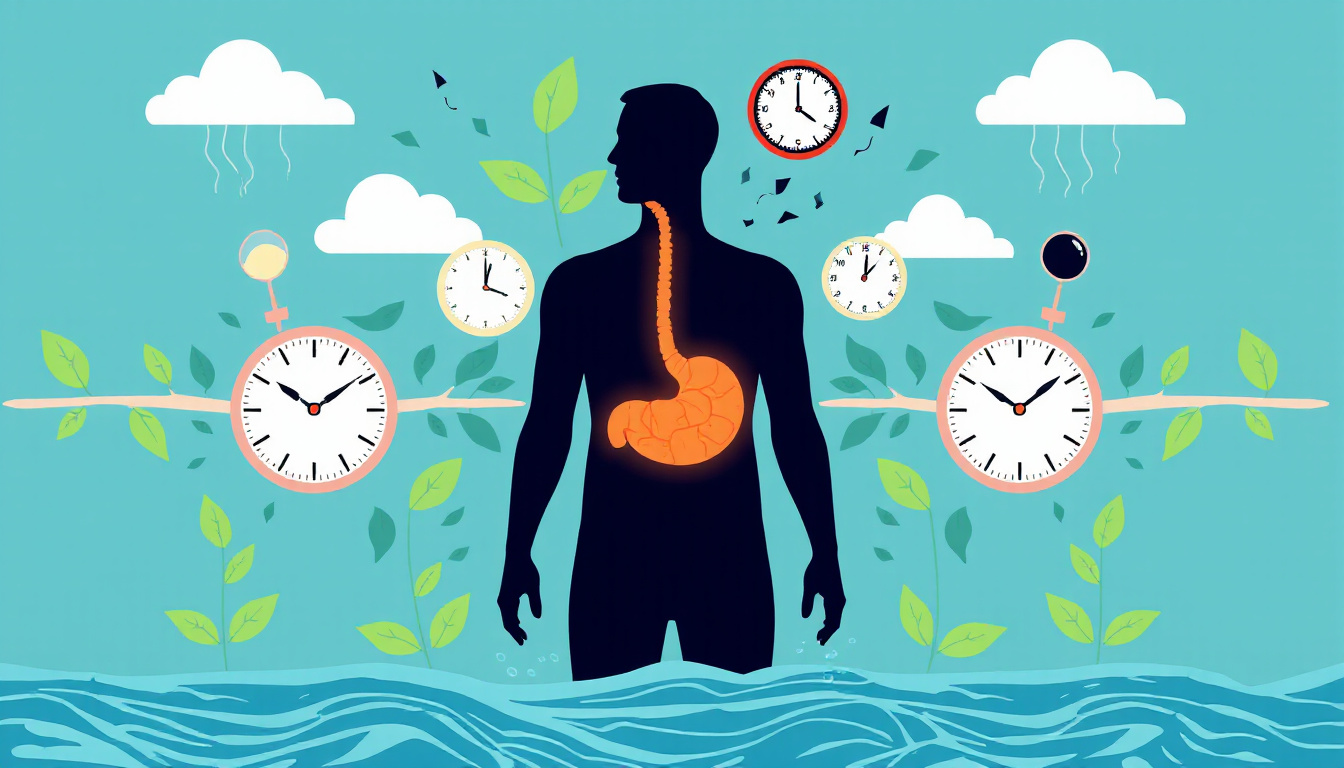
The Connection Between Cortisol and Digestion
When we talk about stress, one of the key players that often comes to mind is cortisol, the so-called ‘stress hormone.’ But have you ever considered how cortisol actually affects your digestion and the frustrating belly bloat that can accompany it? It’s a common experience: you feel overwhelmed by stress, and soon after, you find your stomach feeling tight, swollen, and uncomfortable. Let’s take a closer look at this connection. High levels of cortisol can interfere with normal digestion by slowing down your stomach’s natural processes and altering gut microbiota. This disruption can lead to slower digestion, constipation, and the infamous bloating. Understanding this link is critical, especially if you’re someone who feels stuck in a cycle of stress and digestive discomfort.
Recognizing that your body is responding to external pressures is the first step towards finding relief. Many people falsely believe that their digestive problems arise primarily from food choices, but the role of stress and cortisol is often overlooked. Acknowledging that stress management can play a pivotal role in improving your gut health might be the missing piece of your wellness puzzle. By addressing this hormone’s effects on your body and shifting your focus to stress management techniques, you can begin to alleviate the uncomfortable feelings of bloat. Practicing mindfulness or engaging in regular physical activity aren’t just great for your mind—they’re also powerful tools in combating the negative impacts of cortisol on digestion. So, if you’ve been battling that uncomfortable bloat, it might just be time to take a step back, breathe deeply, and consider how stress might be influencing your gut.
Effects of Cortisol on Belly Bloat and Gas
Cortisol, often dubbed the stress hormone, plays a significant role in how our bodies react to stress, but its effect on digestion and belly bloat is often overlooked. When we experience chronic stress, cortisol levels can spike, leading to a range of gastrointestinal issues, including increased gas and uncomfortable bloating. This is because cortisol influences the gut’s ability to function properly. It can alter gut motility (how fast food moves through the digestive tract), resulting in slower digestion and sometimes causing the accumulation of gas in the intestines. Furthermore, heightened cortisol can also lead to inflammation in the digestive system, which exacerbates feelings of discomfort and can lead to symptoms of bloating. Understanding how cortisol affects digestion and belly bloat is crucial for anyone struggling with these issues, as managing stress and cortisol levels can be a key step towards achieving a healthier gut and less bloating. So, as you embark on your journey towards better digestion and comfort, acknowledging and addressing your stress levels might just be the first, impactful step.

Managing Stress to Improve Digestive Health
When we talk about stress, many of us might not initially think about its impact on our digestive health. Yet, for many people, stress is a hidden culprit behind uncomfortable gut issues, including that pesky belly bloat. You might find yourself nodding in agreement as you recognize how cortisol, often dubbed the ‘stress hormone,’ directly affects digestion. Cortisol levels rise in response to stress, preparing our bodies to deal with threatening situations. However, this response can wreak havoc on our digestive systems. Elevated cortisol can slow down digestion, leading to bloating, discomfort, and even changes in appetite. It’s as if our body is sending us a message that we need to take a step back and manage stress effectively to promote healthier digestion. If you’ve been struggling with post-meal discomfort or unexplained bloating, it’s worth considering how cortisol and stress management are intertwined with your digestive health.
Practical Tips for Reducing Cortisol Levels
Feeling overwhelmed lately? If your stress levels have been high, you might be experiencing unwanted symptoms like digestion issues and belly bloat. You’re not alone, and it’s important to know that these struggles often stem from a pesky hormone called cortisol. In times of stress, cortisol spikes, which can disrupt your digestive system and lead to discomfort. But don’t worry—there are practical steps you can take to help reduce cortisol levels and get your digestion back on track. Prioritize self-care by incorporating mindfulness practices like deep breathing and meditation into your day. Regular physical activity can also play a huge role in lowering cortisol; consider taking a brisk walk or trying yoga. Additionally, maintaining a balanced diet rich in whole foods can help keep your blood sugar stable, which may in turn support healthy cortisol levels. Remember, you don’t have to navigate this journey alone, and with a bit of patience and the right strategies, you can regain control over your digestion and say goodbye to that uncomfortable belly bloat.
Frequently Asked Questions
What is cortisol and what role does it play in the body?
Cortisol is a hormone produced by the adrenal glands in response to stress. It helps regulate various bodily functions, including metabolism, immune response, and stress response.
How does cortisol affect digestion?
Cortisol can disrupt the normal functioning of the digestive system by altering gut motility, increasing gastric acid production, and influencing the balance of gut bacteria, which can lead to issues like indigestion and discomfort.
What are the symptoms of high cortisol related to digestion?
High cortisol levels can lead to symptoms such as bloating, gas, indigestion, and changes in appetite. It may also contribute to conditions like irritable bowel syndrome (IBS) or gastroesophageal reflux disease (GERD).
What are some effective strategies to reduce cortisol levels?
Effective strategies to lower cortisol levels include regular physical activity, practicing mindfulness and meditation, maintaining a healthy diet, getting enough sleep, and engaging in relaxation techniques like yoga or deep breathing exercises.
Can managing stress really improve digestive health?
Yes, managing stress can significantly improve digestive health. By reducing cortisol levels, you can help restore normal digestive function, alleviate symptoms of bloating and gas, and improve overall gut health.
Ready for a gentler way to support your gut?
Maybe your body has been feeling different lately.
The bloating, the heavy afternoons, the unpredictable digestion, the feeling that the foods that used to work for you just do not feel the same anymore.
The Gentle Gut Reset was created for that tender in-between place.
Inside, you’ll find a calm 7-day reset built around simple meals, soothing morning and evening rituals, stress support, and small daily choices that help your body feel safe again.
No harsh cleanse.
No food shame.
No starting over.
Just a softer way back to comfort, rhythm, and trust.
Learn more about The Gentle Gut Reset
Your body is not broken. It may just be asking for gentleness.
This post may contain affiliate links which means I may receive a commission for purchases made through links. I will only recommend products that I have personally used! Learn more on my Private Policy page.


