When it comes to nutrition for seniors, we often hear about the same old staples. However, there’s a whole world of superfoods that can enhance health and vitality. In this guide, we’re diving into 18 nutrient-rich options that go beyond the basics, providing tasty and beneficial choices to spice up your meals and boost well-being. Let’s explore some delightful foods that can be part of your daily routine!
Blueberries for Brain Function
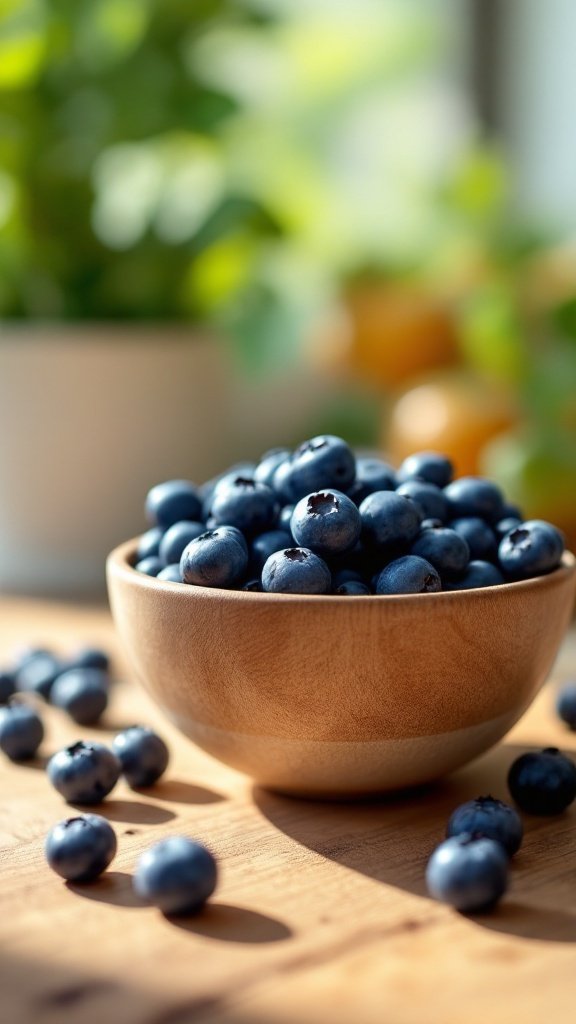
Blueberries are not just a tasty snack; they’re packed with benefits, especially when it comes to brain health. In the image, we see a beautiful bowl of fresh blueberries, surrounded by a few scattered berries on a wooden table. This simple fruit is a powerhouse of nutrients that can help keep your mind sharp as you age.
One of the main reasons blueberries are so good for your brain is their high level of antioxidants. These little gems help combat oxidative stress, which can lead to cognitive decline. Eating a handful of blueberries regularly may improve memory and overall brain function, making them an excellent addition to a senior diet.
Enjoying blueberries is easy. You can toss them into your morning oatmeal, blend them into smoothies, or simply enjoy them on their own. They’re versatile and can easily fit into various meals. Plus, their natural sweetness makes them a delightful treat!
So, next time you think about snacking, consider reaching for some blueberries. They’re not only delicious but also a smart choice for keeping your brain healthy!
Greek Yogurt for Gut Health
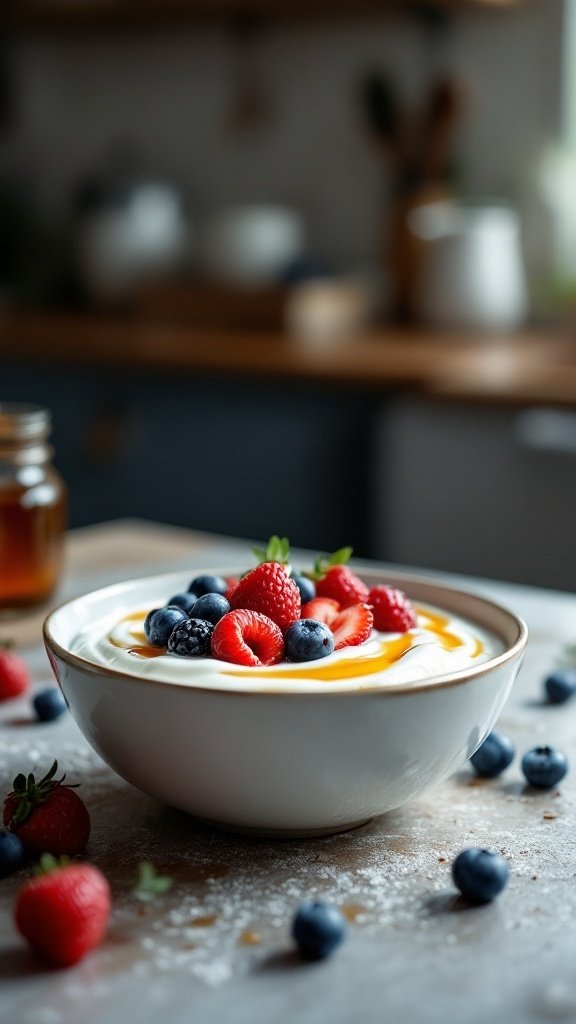
Greek yogurt is a fantastic choice for seniors who want to improve their gut health. With its creamy texture and tangy flavor, it’s not only delicious but also packed with benefits.
This yogurt is rich in probiotics, which are beneficial bacteria that help promote a healthy digestive system. Keeping your gut healthy is important, especially as we age, because it can impact everything from digestion to mood.
Additionally, Greek yogurt is high in protein and calcium. These nutrients are essential for maintaining muscle mass and bone strength, which can be a concern for many seniors. A simple way to enjoy Greek yogurt is to add fresh berries. The image shows a bowl filled with Greek yogurt topped with vibrant raspberries and blueberries. These fruits not only enhance the flavor but also provide additional vitamins and antioxidants.
To make a quick snack or breakfast, simply scoop some Greek yogurt into a bowl, layer with your favorite berries, and drizzle a bit of honey on top for sweetness. It’s easy, nutritious, and satisfying!
Turmeric for Inflammation
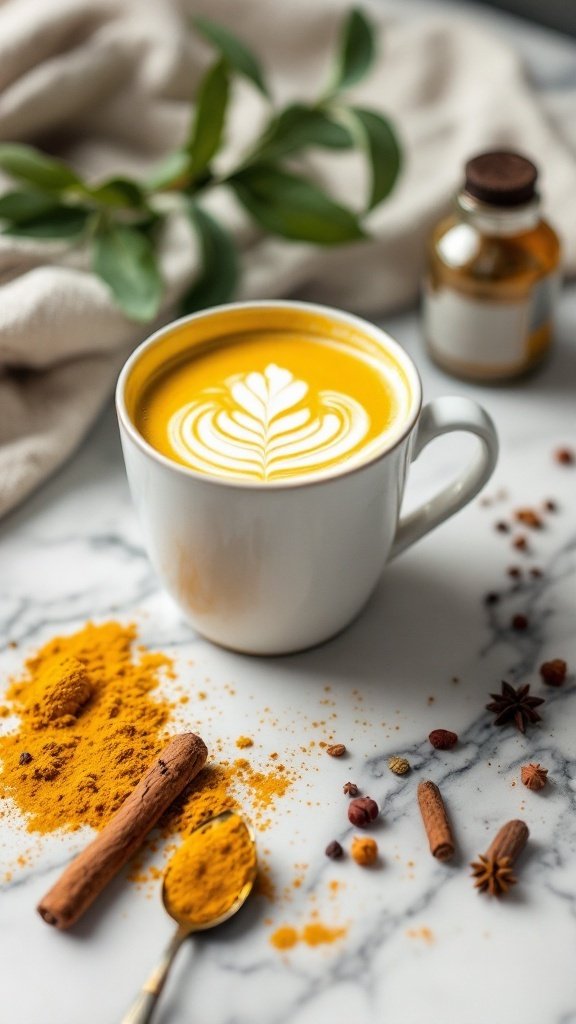
Turmeric is more than just a vibrant spice; it’s a powerhouse when it comes to reducing inflammation. Just look at the beautiful golden color of turmeric in the image above. That rich shade hints at its active compound, curcumin, which has been studied for its potential health benefits.
This warm beverage, often enjoyed as a turmeric latte, showcases how easy it can be to incorporate turmeric into your daily routine. The creamy texture, combined with a sprinkle of cinnamon and other spices, makes it a delightful treat.
For seniors, managing inflammation is important, especially as it can affect mobility and overall well-being. Regularly adding turmeric to meals or drinks can play a role in easing discomfort. Plus, it’s simple to make a turmeric latte at home. Just mix turmeric powder with your choice of milk, add a dash of cinnamon, and sweeten to taste.
So, next time you’re looking for a comforting drink, consider this golden elixir. It’s not just tasty; it’s a smart addition to any senior’s diet.
Leafy Greens for Vitality
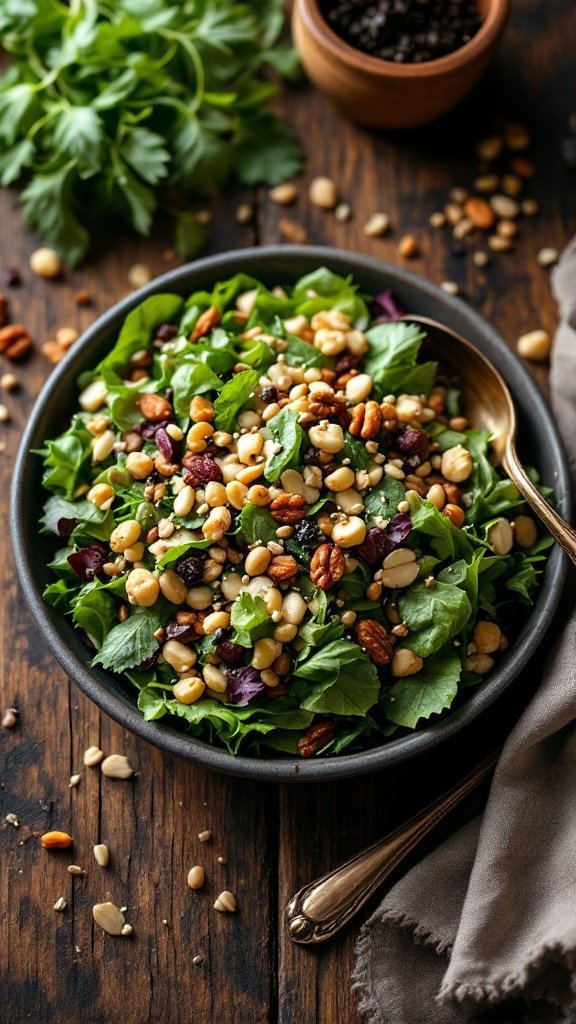
Leafy greens are a key part of any healthy diet, especially for seniors. They are packed with vitamins and minerals that help maintain energy levels and support overall health. In the image, we see a vibrant salad brimming with fresh greens like spinach and kale. These greens are not just colorful; they are also nutrient-dense, providing essential fibers and antioxidants.
The salad is mixed with a variety of seeds and nuts, adding a delightful crunch and extra nutrients. Ingredients like pumpkin seeds, walnuts, and almonds contribute healthy fats and protein, making this dish satisfying and nutritious.
Eating a salad like this regularly can help boost your immune system, improve digestion, and even enhance brain health. Tossing in some dried fruits, like cranberries, brings a hint of sweetness that pairs perfectly with the earthy greens. This combination is not only tasty but also supports heart health.
For a simple recipe, just combine your favorite leafy greens with nuts, seeds, and a light dressing of olive oil and lemon juice. It’s a quick way to include more nutrients in your meals.
Chia Seeds for Heart Health

Chia seeds are tiny but mighty when it comes to heart health. These little seeds pack a punch with omega-3 fatty acids, which are great for maintaining a healthy heart. The image above beautifully illustrates this concept with a heart made from fresh berries, symbolizing love and care for our hearts.
Incorporating chia seeds into your diet is simple. You can sprinkle them on yogurt, blend them into smoothies, or even make a tasty chia pudding. Just mix chia seeds with milk or a milk alternative, let them sit for a bit, and you have a delicious treat!
Not only do chia seeds help with heart health, but they’re also high in fiber. This means they can aid in digestion and help keep you feeling full longer. This is especially beneficial for seniors looking to maintain a healthy weight. So, why not give chia seeds a try? They’re easy to include in your meals and can contribute positively to your overall health.
Salmon for Omega-3s
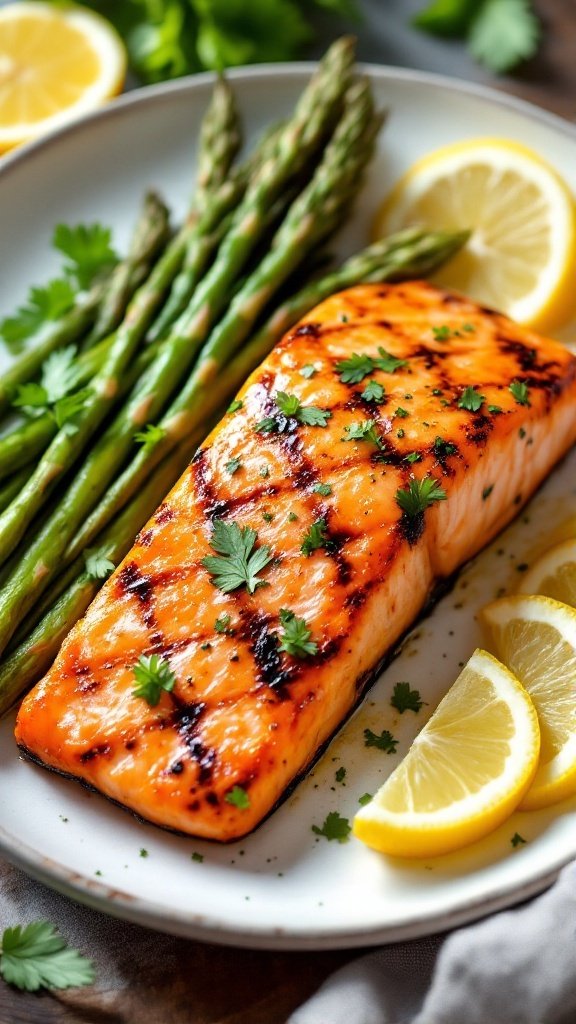
Salmon is a delicious and healthy option that seniors can easily incorporate into their meals. This beautiful plate features a succulent piece of grilled salmon, perfectly cooked to retain its moisture and flavor. It’s accompanied by vibrant green asparagus and fresh lemon slices, making it not just a feast for the taste buds but also visually appealing.
One of the standout benefits of salmon is its high omega-3 fatty acid content. Omega-3s are essential for heart and brain health, which is particularly important for seniors. These healthy fats can help reduce inflammation and might even lower the risk of heart disease.
Preparing salmon is simple and quick. Just season it with some herbs and a squeeze of lemon for extra flavor. You can grill, bake, or pan-sear it for a delicious meal in no time. Pair it with some steamed veggies, like asparagus, for a well-rounded dish that’s both nutritious and satisfying.
Incorporating salmon into your diet can be a tasty way to boost your omega-3 intake. Enjoy it once or twice a week to reap the health benefits and keep your meals interesting!
Avocado’s Healthy Fats
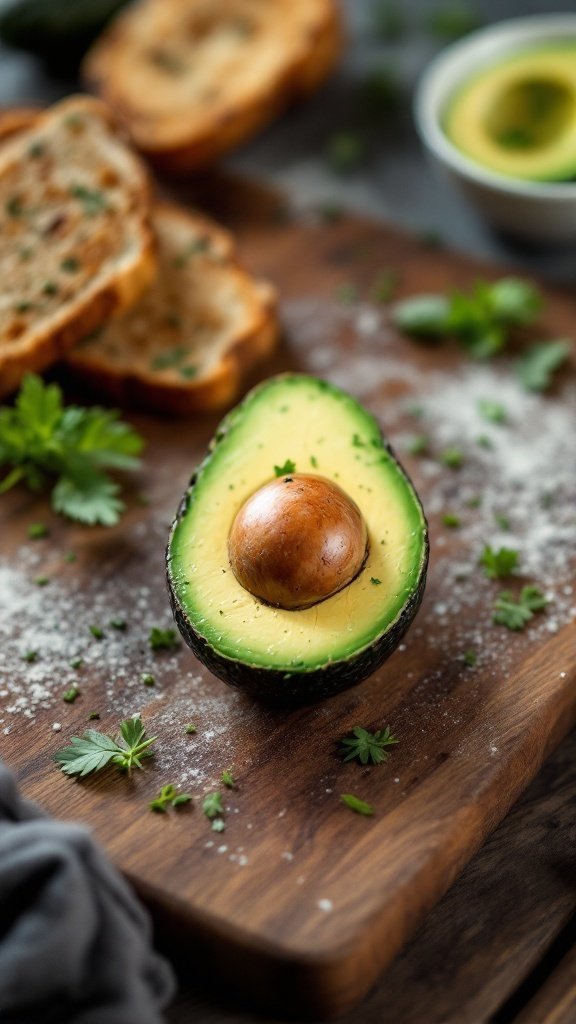
Avocados are a delightful addition to any diet, especially for seniors looking to boost their health. This rich, creamy fruit is packed with healthy fats that provide numerous benefits. The image shows a perfectly sliced avocado, highlighting its vibrant green flesh and large seed at the center. It’s not just visually appealing; it’s also a powerhouse of nutrition.
Healthy fats found in avocados, like monounsaturated fats, are great for heart health. These fats can help lower bad cholesterol levels, which is important as we age. Incorporating avocados into meals can also improve nutrient absorption from other foods, making them a smart choice for enhancing overall well-being.
There are countless ways to enjoy avocados. You can mash them on toast with a sprinkle of salt and pepper or blend them into smoothies for a creamy texture. Adding diced avocado to salads or salsas brings a fresh twist. The options are endless, and they make eating healthy enjoyable.
So, next time you’re at the grocery store, make sure to grab some avocados. Their delicious flavor and health benefits are perfect for seniors looking to maintain a balanced diet.
Quinoa: Complete Protein Source
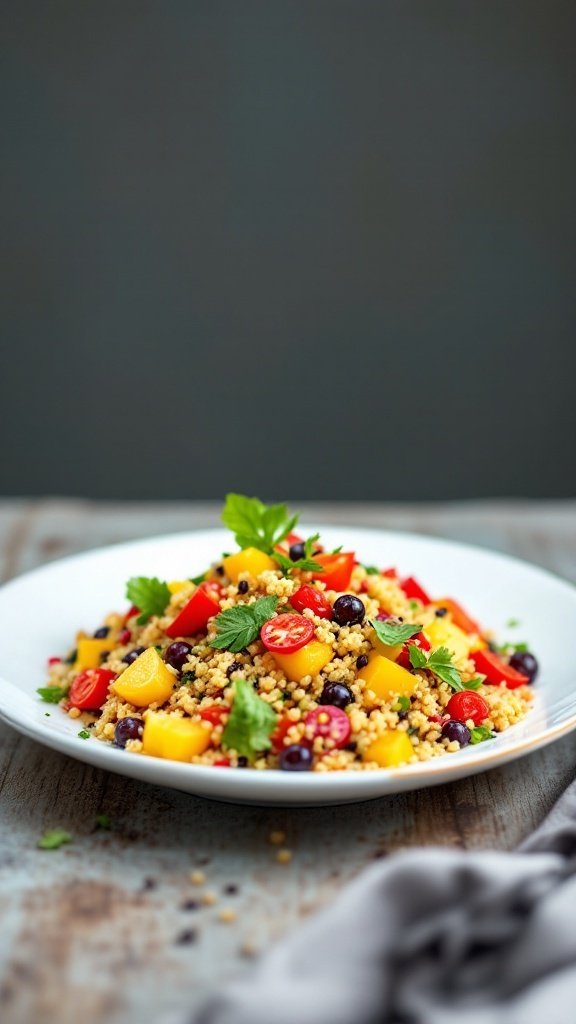
Quinoa is not just a trendy grain; it’s a powerhouse of nutrition, especially for seniors. This image shows a vibrant quinoa salad, packed with colorful vegetables like red bell peppers, mango, and cherry tomatoes. It’s a feast for the eyes and the body!
One of the best things about quinoa is that it’s a complete protein source. This means it contains all nine essential amino acids that our bodies cannot produce on their own. This is particularly beneficial for seniors, who need adequate protein for muscle maintenance and overall health.
Cooking quinoa is simple. Just rinse it thoroughly, then cook it in a pot with water or broth. Use a 2:1 ratio of liquid to quinoa. Bring it to a boil, reduce to a simmer, and cover for about 15 minutes or until the water is absorbed. Fluff it with a fork, and it’s ready to mix with your favorite ingredients!
Blend quinoa with diced fruits, veggies, and a light dressing to create a refreshing salad. Adding nuts or seeds can enhance the texture and add extra nutrients. This makes for a great side dish or even a main meal.
So, if you’re looking for a nutritious, easy-to-prepare food, quinoa is definitely a winner!
Walnuts for Brain Health
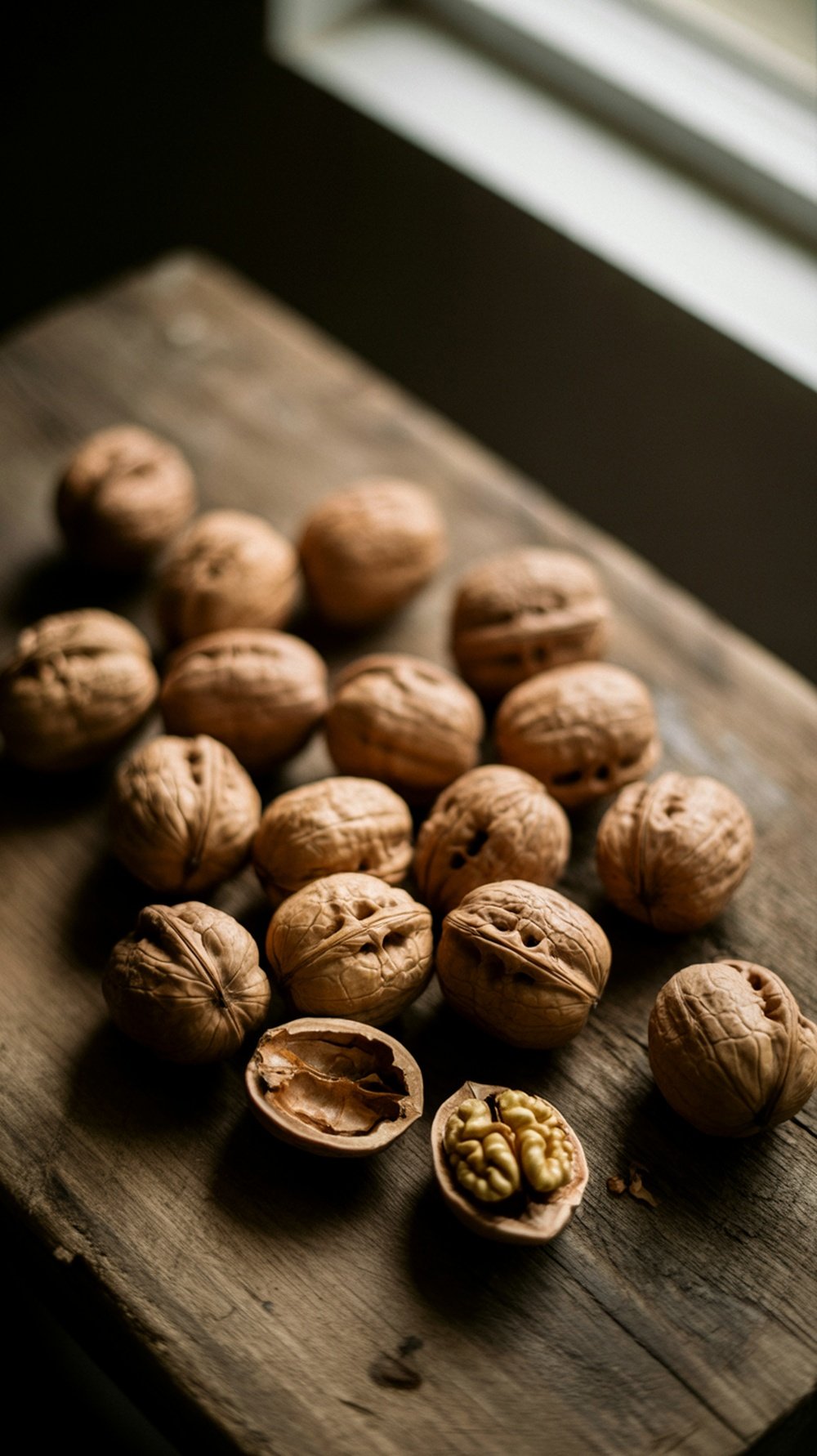
Walnuts are not just a tasty snack; they’re a powerhouse for brain health, especially for seniors. The image shows a beautiful spread of walnuts, both whole and shelled, resting on a rustic wooden surface. This visual reminds us of the natural goodness packed in these little nuts.
Rich in omega-3 fatty acids, walnuts can help support cognitive function. This is particularly important as we age. Eating just a handful of walnuts a day can contribute to better brain health. Plus, they are easy to incorporate into your diet.
Try adding walnuts to your breakfast oatmeal or yogurt. They also work great in salads and baked goods. Simply sprinkle some on top or mix them in for a satisfying crunch. This simple addition can make a significant difference.
So next time you’re looking for a healthy snack, reach for walnuts. They’re not only delicious but also serve a vital purpose for maintaining our brain health as we age.
Ginger for Digestive Support
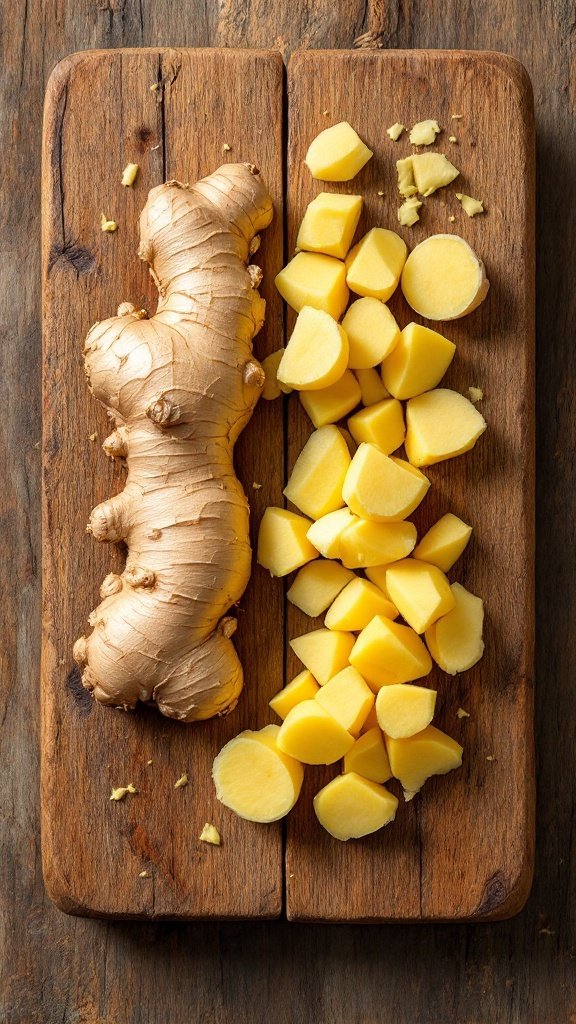
Ginger is a well-known root that can be a great addition to any senior’s diet. The image shows fresh ginger next to neatly chopped pieces of the same root, highlighting both its natural form and the versatility it offers in cooking.
This spice is often praised for its ability to support digestion. For seniors, maintaining a healthy digestive system is crucial, and ginger can help soothe an upset stomach and encourage healthy digestion.
Including ginger in meals is easy. You can add it to teas, stir-fries, or even smoothies for a spicy kick. Ginger can also be used in simple recipes like ginger tea, which is warm and comforting.
To make ginger tea, you just need fresh ginger, water, and honey if you like it sweet. Start by slicing a few pieces of ginger and boiling them in water for about 10 minutes. Strain, add honey, and enjoy!
Incorporating ginger into your daily meals not only adds flavor but also makes a positive impact on digestive health.
Sweet Potatoes for Energy

Sweet potatoes are a delicious and nutritious choice, especially for seniors looking for a boost in energy. These vibrant tubers are packed with vitamins and minerals. They are a great source of complex carbohydrates, providing steady energy without the crash.
In the image, you can see a baked sweet potato, perfectly cooked and oozing with warmth. The golden flesh is topped with a pat of butter and a sprinkle of cinnamon, making it a comforting treat. This combination not only tastes good but also adds to the nutritional value. Cinnamon can help regulate blood sugar levels, which is a plus for maintaining energy levels.
Preparing sweet potatoes is simple. Just bake them in the oven until tender, about 45 minutes at 400°F. Top with butter, a dash of cinnamon, or even a drizzle of honey for extra flavor. They can be enjoyed as a side dish or even as a main course. In addition to energy, sweet potatoes offer fiber, which aids digestion, and antioxidants that help combat aging.
Incorporating sweet potatoes into your diet can be a satisfying way to stay energized throughout the day. They not only fill you up but also provide essential nutrients that support overall health. So, why not add them to your meal plan?
Beets for Blood Pressure Control
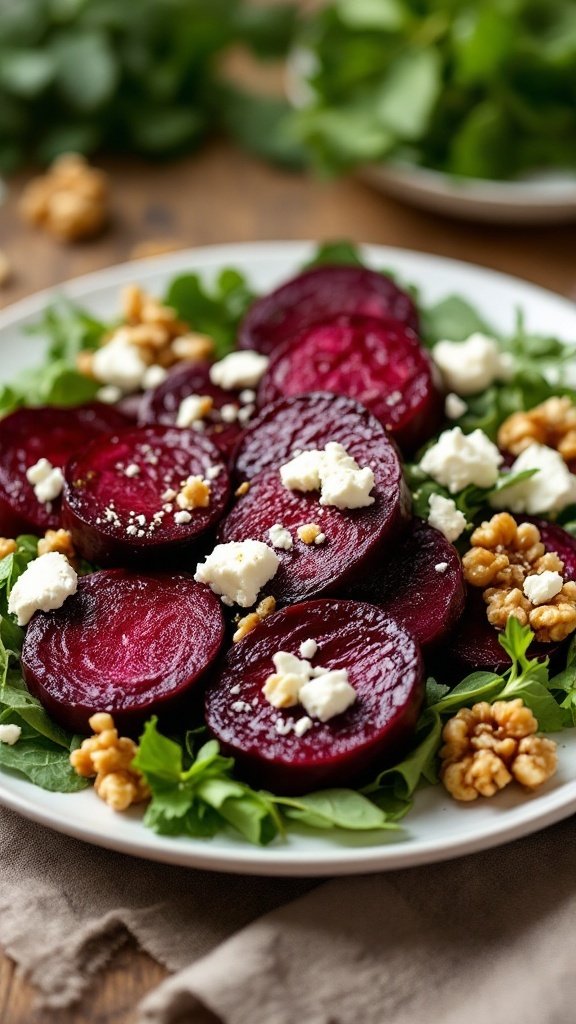
Beets are more than just a colorful addition to your plate; they pack a punch when it comes to health benefits, especially for seniors. This vibrant vegetable is known for its ability to help manage blood pressure levels. The image showcases a delicious beet salad topped with creamy feta and crunchy walnuts, making it an appealing option for anyone looking to improve their heart health.
The bright red slices of beets are not only eye-catching but also full of nutrients. They contain nitrates, which can help dilate blood vessels and improve blood flow. This means that incorporating beets into your diet can be a smart move for maintaining healthy blood pressure.
You can easily enjoy beets in various ways. A simple recipe is to roast them until tender, slice them up, and toss them with a bed of fresh greens, walnuts, and crumbled feta cheese, just like in the image. Drizzle with a light vinaigrette, and you have a delicious salad that not only tastes good but is also beneficial for your health.
Green Tea for Antioxidants
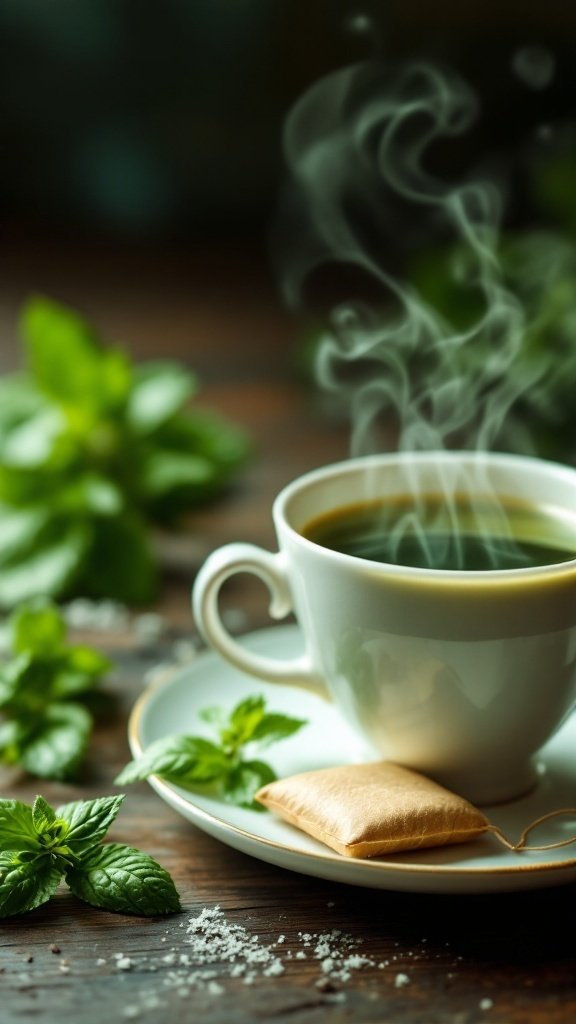
Green tea is not just a soothing drink; it’s packed with antioxidants that can be especially beneficial for seniors. The steaming cup shown in the image highlights its inviting nature. The aroma and warmth invite you to take a moment for yourself.
This beverage is rich in catechins, a type of antioxidant that helps combat oxidative stress. For older adults, this can mean better heart health and improved brain function. Drinking green tea regularly can also support metabolism and aid in weight management.
It’s an easy addition to your daily routine. Just steep a tea bag in hot water for a few minutes, and enjoy! Whether you prefer it straight or with a splash of lemon, green tea can be a delightful part of your day.
So, why not brew a cup? It’s a simple way to give your body the extra support it needs. And while you’re at it, take a moment to enjoy the calming ritual of tea time.
Pumpkin Seeds for Nutrients
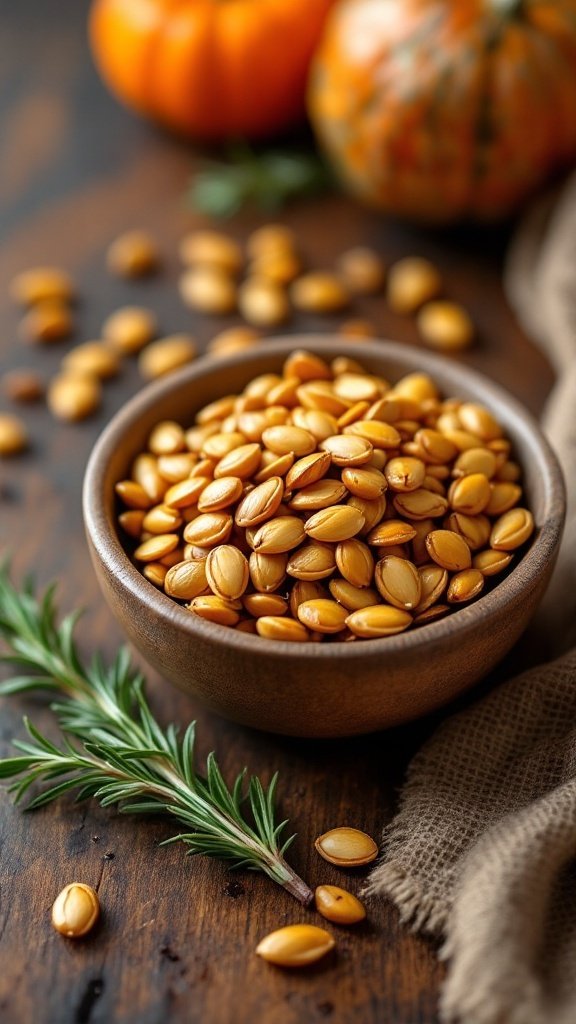
Pumpkin seeds, also known as pepitas, are small but packed with nutrients. They have a lovely golden hue and a satisfying crunch, making them a delightful addition to any meal or snack. In the image, you can see a bowl filled with these seeds, surrounded by some pumpkins and fresh herbs. This setting reflects the cozy, autumnal vibe that pumpkin seeds often bring.
These seeds are not just tasty; they are rich in essential minerals like magnesium, zinc, and iron. For seniors, incorporating pumpkin seeds into their diet can be beneficial for overall health. They support heart health, improve sleep quality, and even help maintain bone density.
Adding pumpkin seeds to your meals is easy. Sprinkle them on salads, mix them into yogurt, or use them in baking. You can even roast them with a bit of salt and spices for a crunchy snack. With their mild flavor, they fit well in both savory and sweet dishes.
Coconut Oil for Healthy Cooking
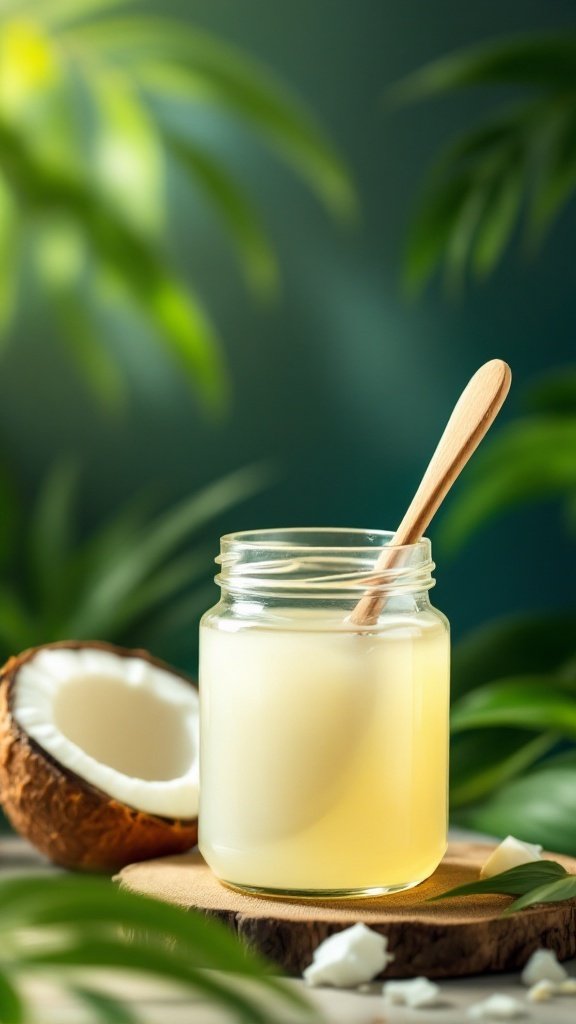
Coconut oil is not just a trendy ingredient; it’s a versatile superfood for seniors looking to enhance their cooking. The image showcases a jar of coconut oil, with a wooden spoon resting inside, surrounded by fresh coconut and lush green leaves. This setting highlights the natural essence of coconut oil, making it feel inviting and accessible.
Coconut oil brings a unique flavor to dishes. It’s rich in medium-chain fatty acids, which can provide a quick source of energy. This is particularly beneficial for seniors who want to maintain their energy levels throughout the day. Plus, it can help improve heart health when used in moderation.
Using coconut oil is easy and fun. You can use it for sautéing vegetables, baking, or even as a replacement for butter in your favorite recipes. Try adding it to stir-fries or drizzling it over popcorn for a tasty twist!
One simple recipe to try is coconut oil roasted vegetables. Just toss your favorite veggies—like bell peppers, zucchini, and carrots—with a couple of tablespoons of coconut oil, salt, and pepper. Roast them in the oven at 400°F (about 200°C) for about 20-25 minutes, and you’ll have a delicious side dish that’s both healthy and satisfying.
Garlic for Immune Boosting
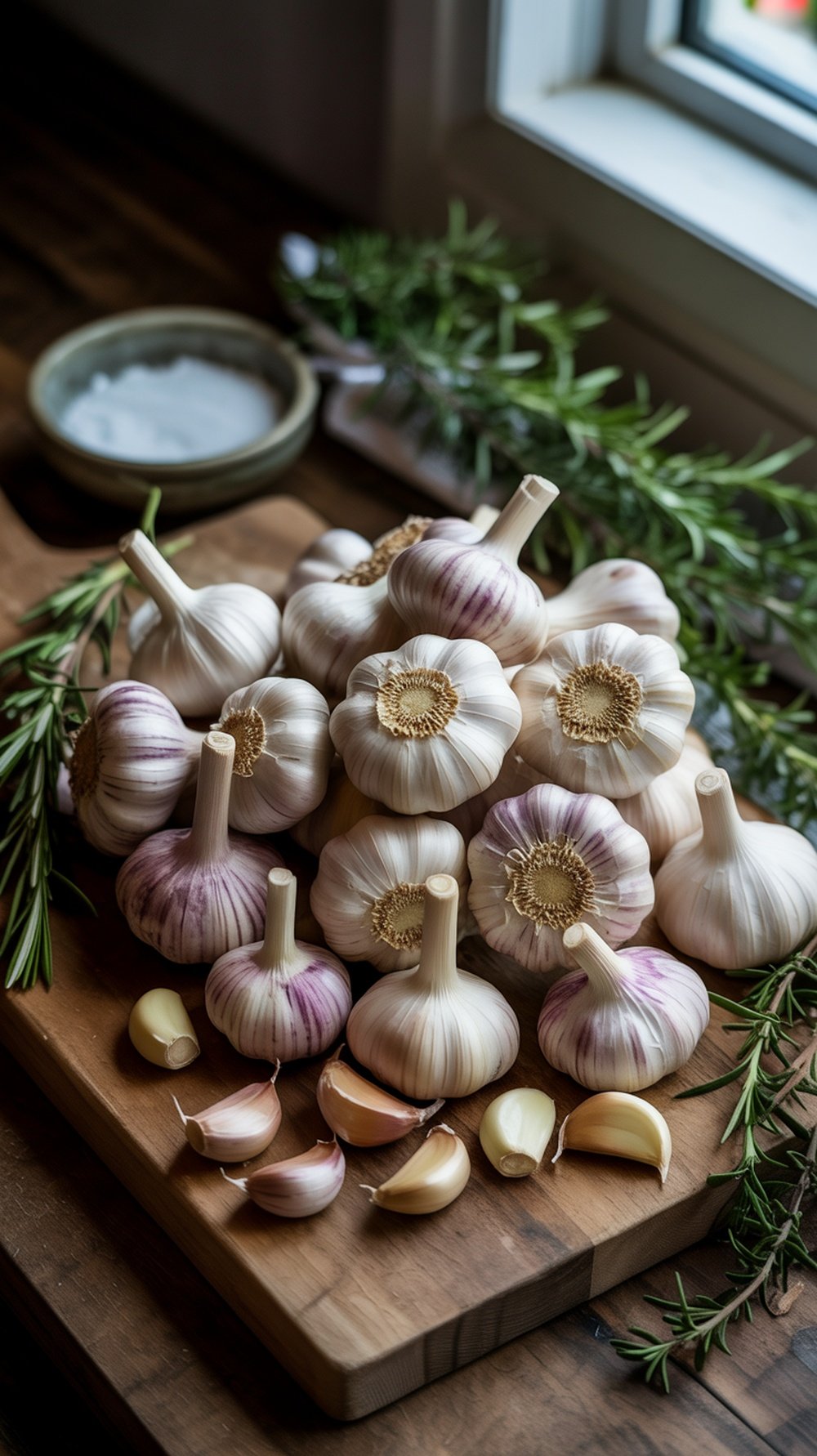
Garlic is more than just a flavorful addition to your meals; it’s a powerhouse for your immune system. The image shows fresh garlic bulbs and cloves scattered elegantly, highlighting its natural beauty and versatility. This simple yet potent ingredient can help seniors maintain their health.
Rich in antioxidants and anti-inflammatory properties, garlic can strengthen your body’s defenses. It contains a compound called allicin, which has been linked to various health benefits, including improved immune function. Incorporating garlic into your diet can be as easy as adding it to your favorite recipes.
Try roasting garlic for a sweet, mellow flavor or mincing it into dressings for a zesty kick. You can also enjoy garlic in soups, stews, or even as a seasoning for vegetables. Just a few cloves a day can make a noticeable difference in how you feel.
Lentils for Fiber
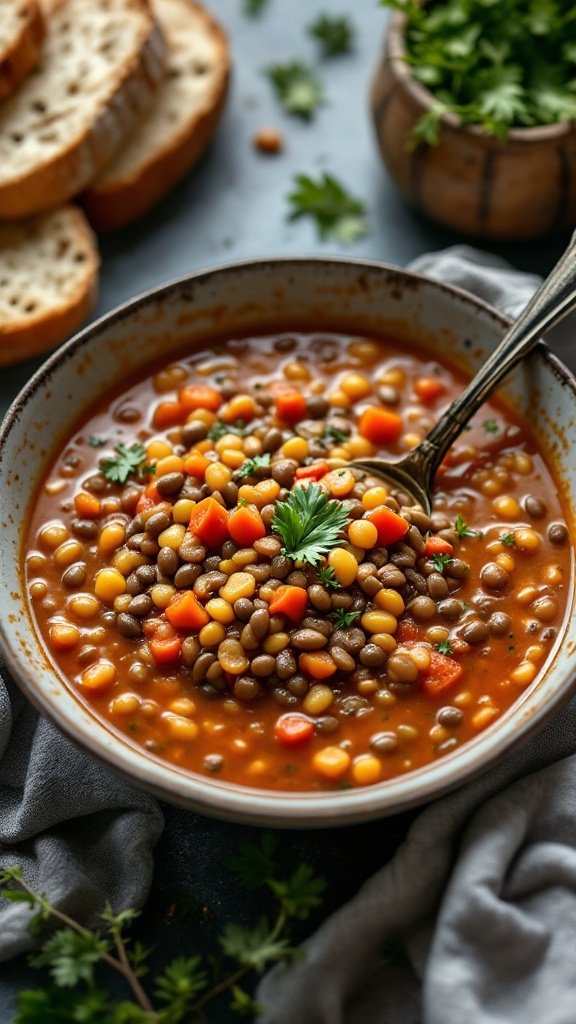
Lentils are a fantastic addition to any senior’s diet, especially when it comes to boosting fiber intake. This hearty bowl of lentil soup shows how versatile and tasty lentils can be. Packed with colorful veggies, they not only look appealing but also bring a variety of nutrients that support overall health.
Fiber is crucial for maintaining good digestion, something many seniors need to consider. It helps prevent constipation and promotes a healthy gut. Adding lentils to meals is an easy way to increase fiber without sacrificing flavor. They can be mixed into soups, salads, or even made into delicious veggie burgers.
This colorful soup in the image is a perfect example of how to prepare lentils. With just a few ingredients like diced carrots, corn, and flavorful spices, you can create a comforting dish that warms the soul.
To make a simple lentil soup, you will need: lentils, diced tomatoes, vegetable broth, carrots, corn, onions, garlic, and spices like cumin and paprika. Start by sautéing the onions and garlic, then add the veggies and lentils. Pour in the broth and let it simmer until everything is tender. Serve it warm with a slice of crusty bread for a satisfying meal.
Mushrooms for Vitamin D
Mushrooms are not just a tasty addition to your meals; they’re also a fantastic source of Vitamin D, especially for seniors. Many older adults don’t get enough sunlight, which can lead to Vitamin D deficiency. Fortunately, mushrooms can help fill that gap.
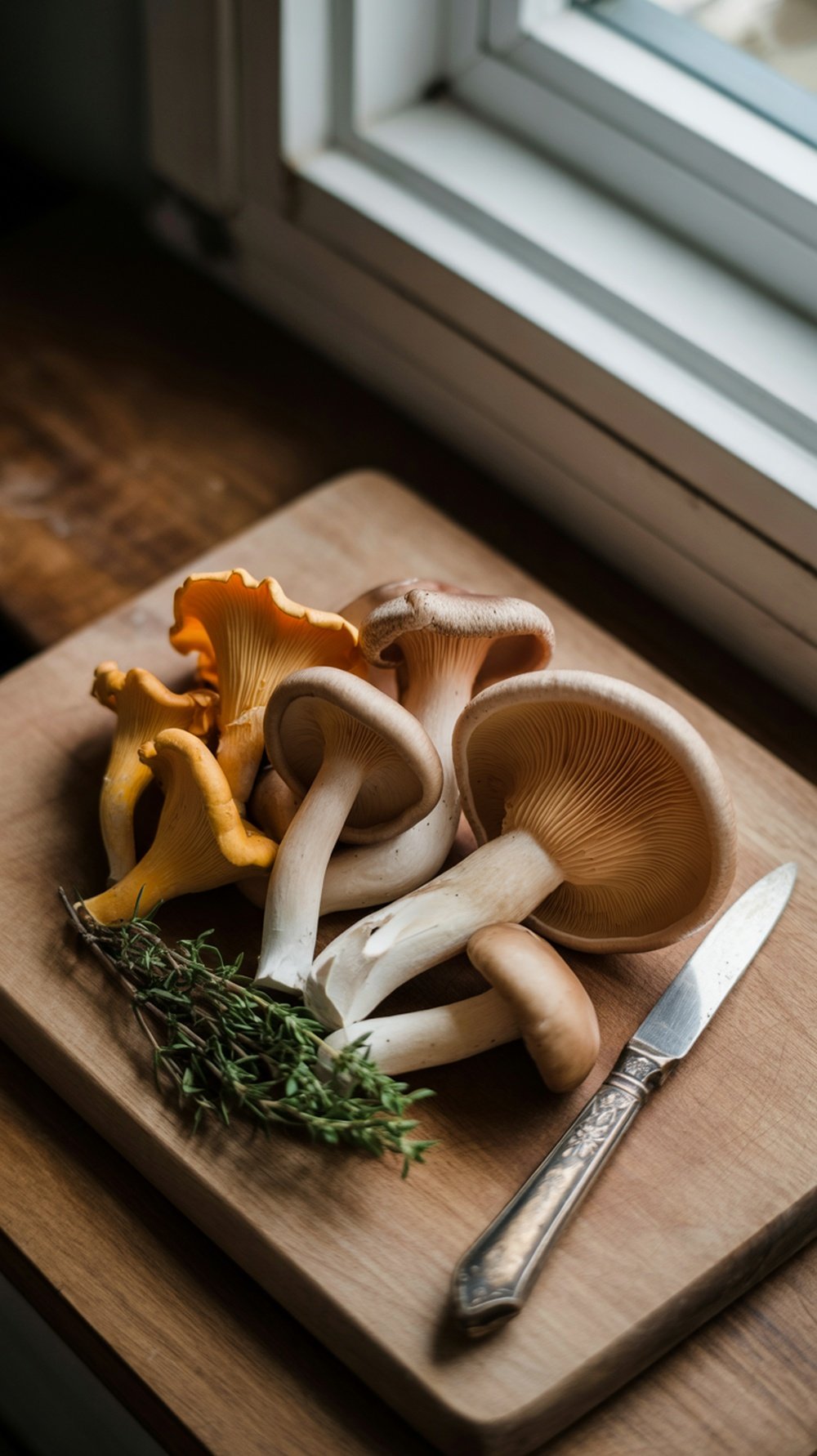
The image shows a variety of mushrooms spruced up with some fresh herbs. This colorful assortment highlights the diversity of mushrooms available, each bringing unique flavors and nutrients to the table. From the classic white button mushroom to the earthy shiitake, there’s something for everyone!
Incorporating mushrooms into your diet is simple. You can sauté them with garlic for a delicious side dish, toss them into a salad, or blend them into soups. For a tasty mushroom stir-fry, just slice up your choice of mushrooms, add some veggies like bell peppers and broccoli, and stir-fry them with soy sauce.
Not only do mushrooms taste great, but they also provide health benefits. They can boost your immune system, support bone health, and even improve mood. So, next time you’re at the grocery store, consider picking up some mushrooms. They might just be the superfood you’re looking for!
This post may contain affiliate links which means I may receive a commission for purchases made through links. I will only recommend products that I have personally used! Learn more on my Private Policy page.
