Staying healthy is key as we age, and what we eat plays a huge role in that. Superfoods are nutrient-packed options that can help support senior health and vitality. Here’s a quick look at ten superfoods that can easily be added to your diet for a tasty boost to your well-being.
Kale: Nutrient-Dense Green
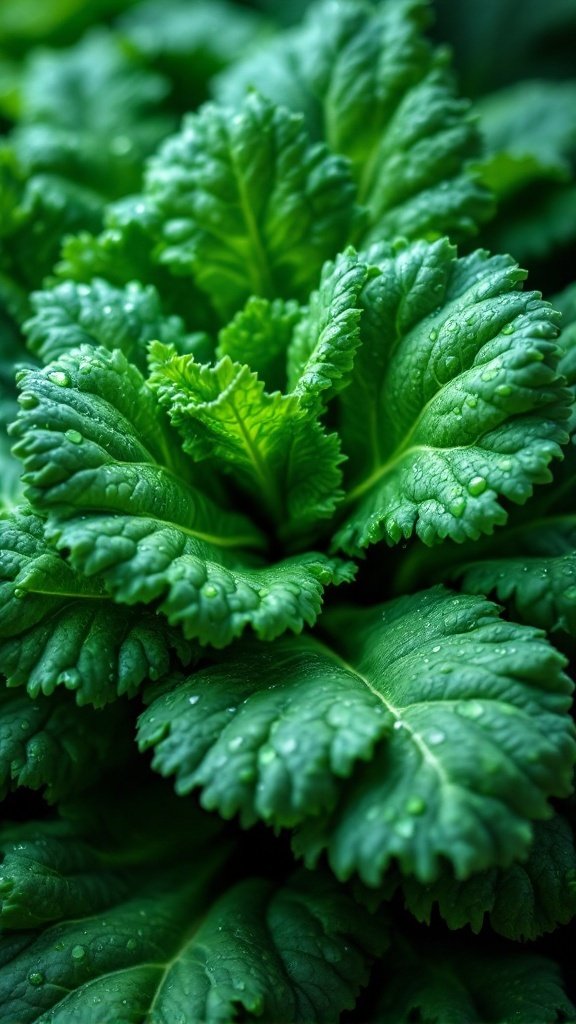
Kale is not just a leafy vegetable; it’s a powerhouse of nutrition, especially for seniors. The vibrant green leaves, highlighted in the image, show off their freshness and health benefits. Packed with vitamins A, C, and K, kale helps support your immune system and overall health.
Including kale in your meals can be easy and enjoyable. You can toss it into salads, smoothies, or cook it as a side dish. Its slightly earthy flavor complements many dishes. For a quick recipe, try sautéing kale with garlic and a splash of olive oil. Just cook until it’s tender, and you’ll have a tasty, nutritious side.
Adding this leafy green to your diet can help improve digestion and promote heart health. It’s a simple way to boost your meals and enhance your wellbeing. So next time you’re at the grocery store, don’t forget to pick up some fresh kale!
Blueberries: Antioxidant Powerhouses
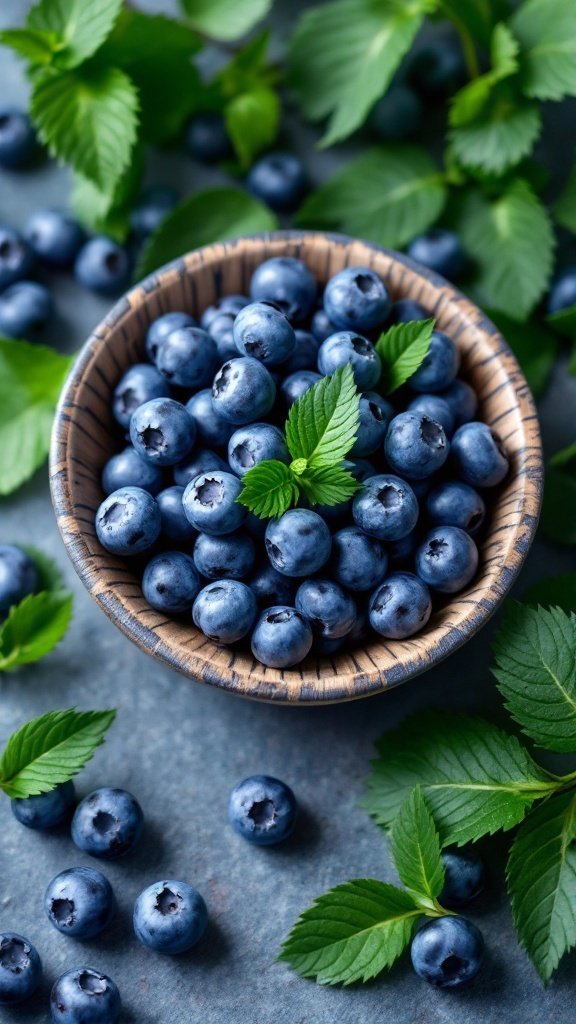
Blueberries are small but mighty when it comes to nutrition. Packed in a cozy bowl, these deep blue fruits are loaded with antioxidants, which can help protect your cells from damage. The vibrant color hints at the many health benefits they offer, especially for seniors.
These little berries are rich in vitamins C and K, as well as fiber. Eating blueberries can support heart health and improve brain function, making them a great addition to any diet. Plus, they taste delicious whether you eat them fresh, in a smoothie, or as part of a dessert.
If you’re looking to enjoy blueberries regularly, consider adding them to your breakfast. They can easily be mixed into yogurt, oatmeal, or pancakes. You can also toss them into a salad for a sweet twist. Their versatility makes it easy to include them in your daily meals.
Don’t forget to enjoy them fresh when they’re in season! You can also buy frozen blueberries, which are just as nutritious and perfect for smoothies or baking. So, next time you snack, reach for these antioxidant powerhouses!
Sweet Potatoes: Fiber and Vitamins
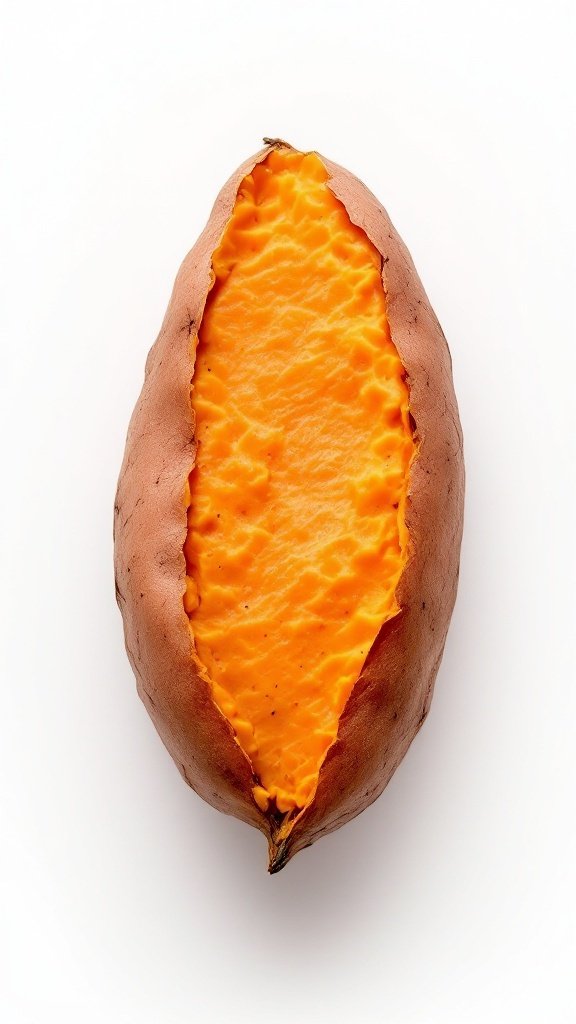
Sweet potatoes are a delightful addition to any meal, especially for seniors looking to boost their nutrition. This vibrant vegetable, with its rich orange flesh, is packed with fiber and essential vitamins. The image shows a sweet potato cut in half, revealing its smooth and creamy interior. This inviting color not only looks appetizing but also indicates the abundance of nutrients inside.
Fiber is important for seniors as it aids digestion and helps maintain a healthy weight. Sweet potatoes offer a good amount of this essential nutrient, promoting a feeling of fullness and supporting gut health. They are also high in vitamins A and C, which are crucial for maintaining strong immunity and healthy skin.
Incorporating sweet potatoes into meals is easy and enjoyable. You can bake, mash, or even fry them for a tasty side dish. Consider trying a simple recipe: slice sweet potatoes into wedges, toss them with olive oil, salt, and pepper, and roast them until golden. It’s a delicious way to enjoy their natural sweetness while reaping the health benefits.
Salmon: Omega-3 Rich Delight
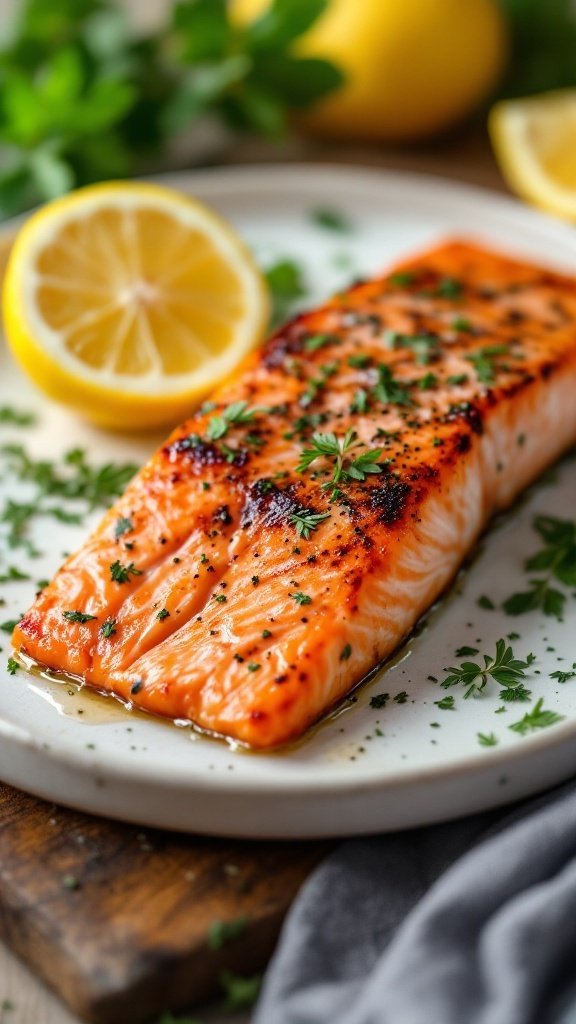
Salmon stands out as a delicious choice for seniors seeking a healthy diet. This fish isn’t just tasty; it’s packed with omega-3 fatty acids that are beneficial for heart health. The vibrant pink flesh of the salmon, beautifully grilled to perfection, is not only visually appealing but also great for your body.
In the image, the salmon is garnished with fresh herbs and served alongside bright lemon wedges. This combination enhances the flavor, making it a delightful dish for any meal. A squeeze of lemon can really bring out the taste of the salmon, making it even more enjoyable.
Cooking salmon is straightforward, too! A simple recipe involves seasoning the fish with salt and pepper, then searing it in a hot skillet until golden. Adding some fresh herbs like parsley or dill can elevate the dish even more. You can serve it with vegetables or a side salad for a balanced meal.
Greek Yogurt: Probiotic Power
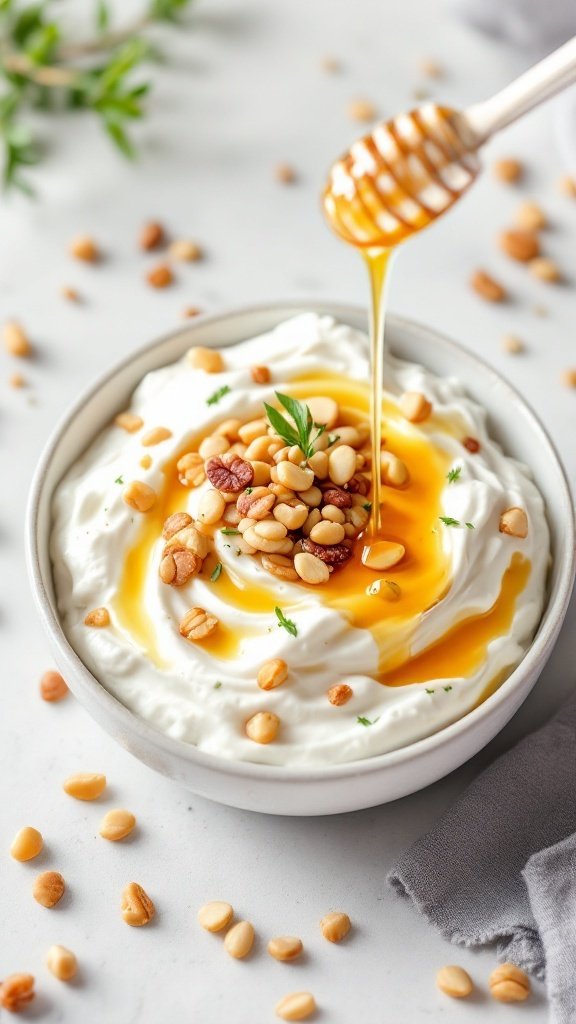
Greek yogurt is a delightful treat packed with nutrients that can be especially beneficial for seniors. The image shows a creamy bowl of Greek yogurt, topped with honey and crunchy pine nuts. This combination not only looks appealing but also offers a delicious way to enjoy a healthy snack.
One of the standout features of Greek yogurt is its probiotic content. Probiotics are live bacteria that are good for your digestive health. A healthy gut can lead to better digestion and improved immune function, making it essential as we age.
In addition to probiotics, Greek yogurt is rich in protein, which helps in maintaining muscle mass. This is particularly important for seniors, as muscle loss can lead to decreased mobility. The creaminess of the yogurt makes it a wonderful base for various toppings, such as fresh fruits or nuts, enhancing both flavor and nutrition.
To enjoy Greek yogurt, simply scoop a serving into a bowl and add your favorite toppings. Drizzling honey on top adds a natural sweetness, while pine nuts contribute a satisfying crunch. This easy snack can be a great addition to your daily routine, providing essential nutrients in a simple, tasty way.
Avocado: Healthy Fats Source
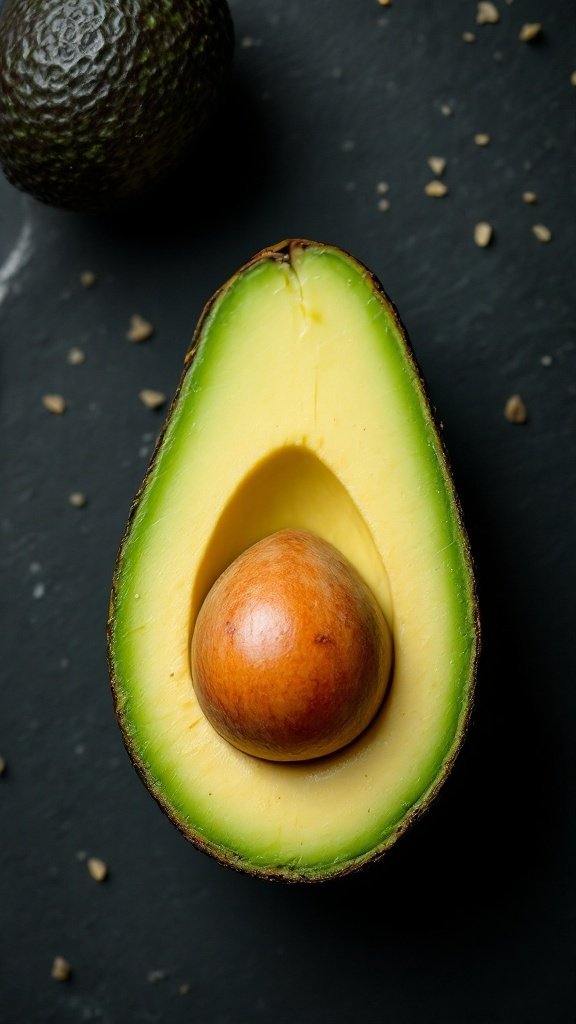
Avocados are a fantastic addition to any diet, especially for seniors. They are creamy and delicious, and the image above beautifully showcases a perfectly ripe avocado, cut in half to reveal its vibrant green flesh and smooth pit. This fruit is not only tasty but also packed with nutrients.
One of the best things about avocados is their healthy fat content. They are rich in monounsaturated fats, which can help improve heart health. This is particularly important as we age, since heart health becomes a key concern for many seniors. Adding a little bit of avocado to meals can be an easy way to boost nutrition.
There are many ways to enjoy avocados. You can slice them on toast, blend them into smoothies, or incorporate them into salads. They add a creamy texture and can make dishes more satisfying. Plus, they are loaded with vitamins and minerals, making them a smart choice for senior nutrition.
Incorporating avocados into your daily meals can also promote better digestion and provide lasting energy. So why not grab an avocado and start experimenting with it in your kitchen? Your body will thank you!
Quinoa: Complete Protein Grain
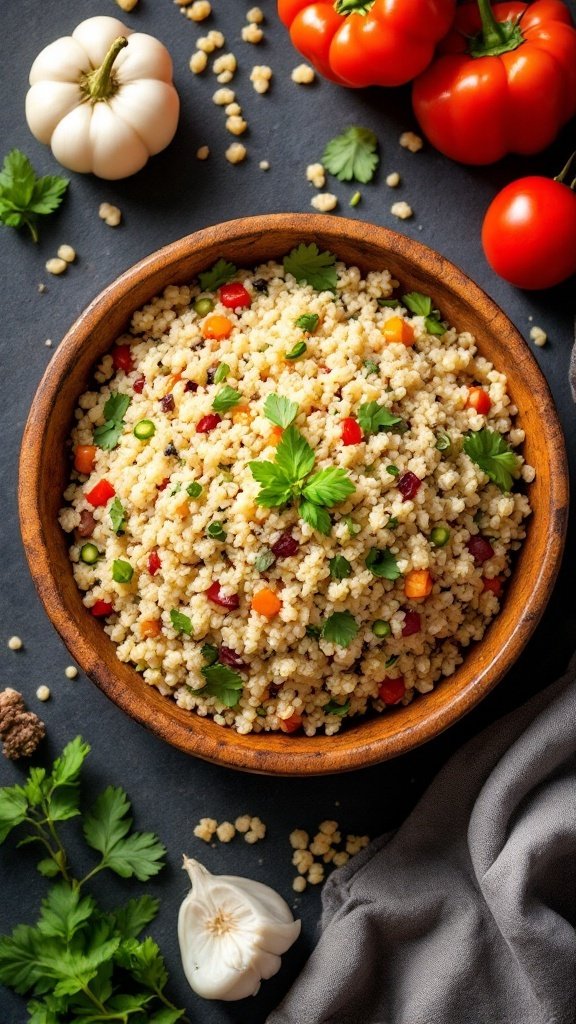
Quinoa is more than just a trendy grain; it’s a complete protein packed with essential nutrients. This versatile food is a fantastic choice for seniors looking to boost their diet. The image shows a vibrant bowl of quinoa mixed with colorful vegetables, showcasing how appealing and nutritious this grain can be.
Unlike many grains, quinoa contains all nine essential amino acids, making it a great protein source for anyone, especially older adults. This complete protein grain can help maintain muscle mass and support overall health.
Incorporating quinoa into meals is easy. You can use it as a base for salads, side dishes, or even as part of a main course. Just cook it up and mix in your favorite veggies, herbs, and a splash of olive oil for a simple and satisfying dish.
To prepare quinoa, rinse it under cold water first to remove any bitterness. Then, combine one cup of quinoa with two cups of water in a pot. Bring it to a boil, cover, and let it simmer for about 15 minutes until fluffy. Add in diced peppers, tomatoes, and fresh herbs for a burst of flavor.
This healthy grain not only provides protein but also contains fiber, iron, and magnesium, making it a smart addition to any senior’s diet. With its delightful texture and nutty flavor, quinoa is a delicious way to nourish your body.
Spinach: Iron-Boosting Leafy Green
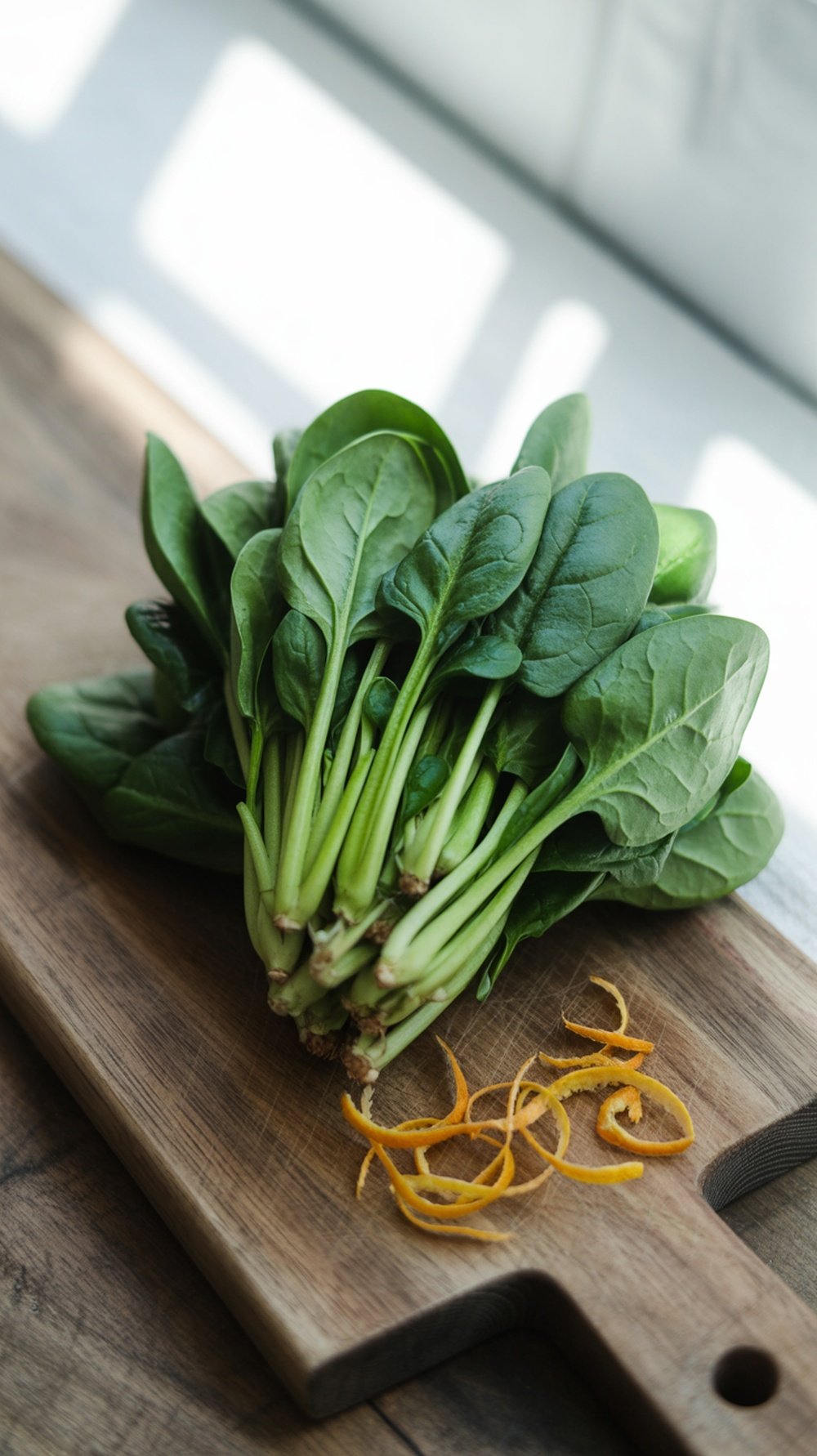
Spinach is a leafy green that packs a punch when it comes to nutrition. As seen in the image, vibrant green leaves of spinach lay on a wooden surface, showcasing its freshness and appeal. It’s not just great for salads but can also be a key ingredient in many dishes.
This superfood is especially beneficial for seniors. Spinach contains iron, which is essential for maintaining energy levels and supporting overall health. As we age, our bodies may struggle to absorb nutrients, making spinach a great option to boost iron intake.
Adding spinach to your meals is easy. You can toss it in salads, blend it into smoothies, or sauté it as a side dish. A simple sauté with garlic and olive oil can transform spinach into a delicious and nutritious addition to any meal.
Not only does spinach provide iron, but it’s also rich in vitamins A, C, and K. These vitamins play a crucial role in maintaining eye health, boosting the immune system, and promoting strong bones. So, incorporating spinach into your daily diet can lead to a healthier lifestyle.
Turmeric: Anti-Inflammatory Spice
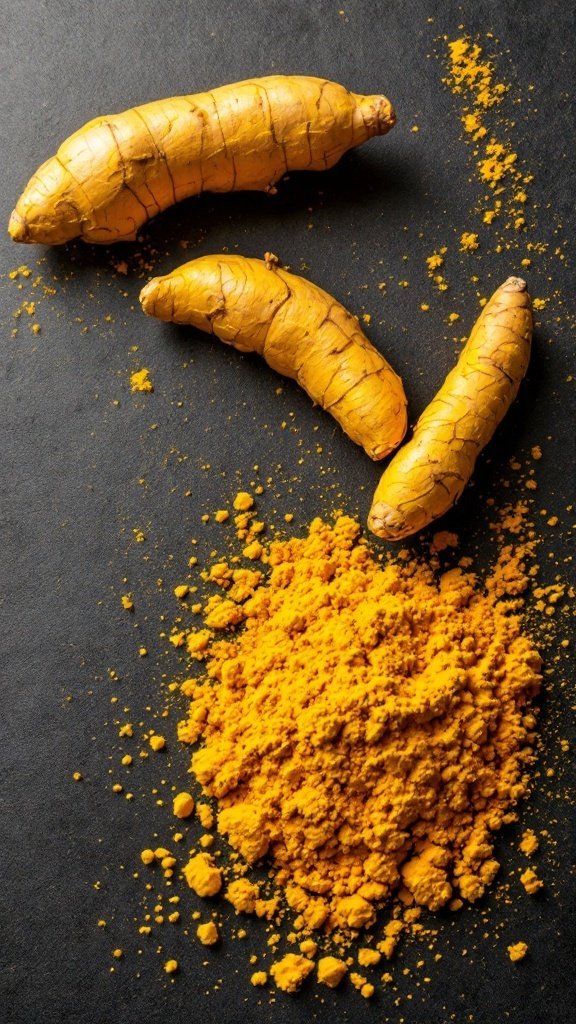
Turmeric is more than just a spice; it’s a little powerhouse packed with health benefits, especially for seniors. The image shows fresh turmeric roots alongside a vibrant pile of turmeric powder. This striking yellow spice is well-known for its anti-inflammatory properties.
Incorporating turmeric into daily meals can help manage joint pain and reduce inflammation. It’s often used in curries, soups, and even smoothies. Just a sprinkle can add a warm flavor and a bright color to your dishes.
One easy way to enjoy turmeric is by making a simple turmeric tea. All you need is some water, a teaspoon of turmeric powder, a bit of honey, and a squeeze of lemon. Just boil the water, mix in the turmeric, and let it steep for a few minutes. This soothing drink is perfect for those chilly nights.
So next time you’re shopping, don’t forget to grab some turmeric! It’s a simple addition that can contribute to a healthier lifestyle.
Walnuts: Brain-Boosting Nuts
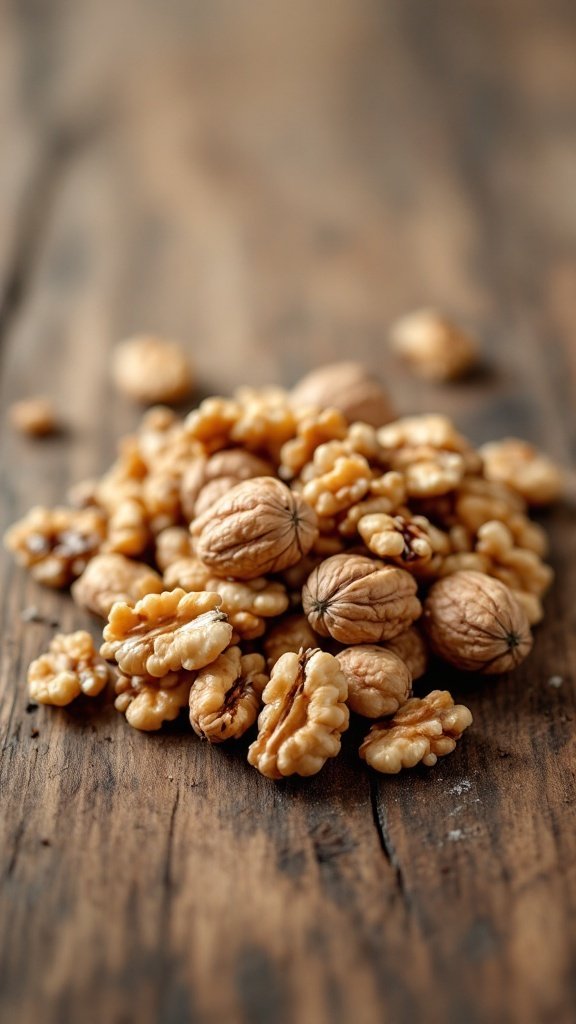
Walnuts are more than just a tasty snack; they are a powerhouse of nutrients that can be particularly beneficial for seniors. These nuts have a unique, wrinkled shape that resembles a brain, hinting at their brain-boosting benefits.
Rich in omega-3 fatty acids, walnuts support cognitive health and may help in reducing the risk of age-related cognitive decline. A handful of these tasty nuts can make a big difference in your diet.
You can easily incorporate walnuts into your meals. Try adding them to oatmeal, salads, or yogurt for an extra crunch. They can also be blended into smoothies for a nutrient boost.
Beyond their health benefits, walnuts have a delightful, mild flavor that pairs well with both sweet and savory dishes. So, whether you enjoy them raw, roasted, or as part of a recipe, walnuts are a simple way to add some nutrition to your day.
This post may contain affiliate links which means I may receive a commission for purchases made through links. I will only recommend products that I have personally used! Learn more on my Private Policy page.
