As we age, our bodies undergo various changes that can affect how we process food—even fruits! While many are packed with vitamins and nutrients, some can pose health risks for seniors. Let’s dive into six fruits that might not be as harmless as they seem, ensuring you make safer choices at snack time.
Avoiding Durian’s Strong Odor
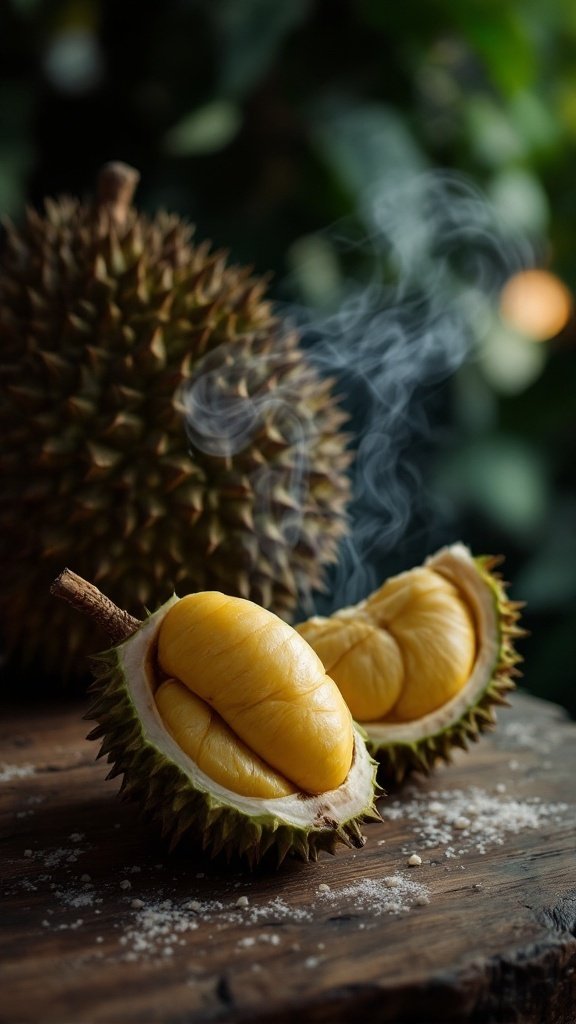
Durian is often referred to as the “king of fruits,” but it comes with a caveat that many seniors should heed: its strong odor. This fruit has a unique smell that can be off-putting to many, resembling a mix of rotten onions and turpentine. While some people love it, others find it unbearable, especially in enclosed spaces.
The image showcases a durian, half-opened to reveal its soft, creamy flesh. The distinct spiky exterior contrasts with the bright yellow inside. This aesthetic may tempt some, but the smell is often enough to make seniors reconsider.
For older adults, strong odors can trigger memories or even nausea. It’s essential to be cautious around durian, especially in social settings. If you’re considering trying it, make sure you’re in a well-ventilated area, and don’t be surprised if those around you have mixed reactions!
The Dangers of Overripe Bananas

Bananas are a popular fruit, but overripe bananas can pose risks, especially for seniors. The image shows a banana with brown spots, leaning against a warning sign about health risks. This is a clear indication that not all ripe fruits are safe to eat.
As bananas ripen, their sugar content increases while nutrients begin to decline. Overripe bananas can lead to digestive issues for some people. For seniors, who may already have sensitive stomachs, this can be a concern. The texture of an overripe banana is mushy, which can be unappealing and hard to chew.
Additionally, overripe bananas are more likely to harbor mold and bacteria. This can lead to food poisoning if consumed. While some might use them in recipes like banana bread, it’s crucial to ensure they are still safe to eat before doing so.
In summary, while bananas are nutritious when ripe, seniors should choose their fruit wisely. Opting for bananas that are still firm and yellow can help avoid potential health risks. Always remember that a little caution goes a long way in maintaining good health.
Elderberry’s Toxic Potential
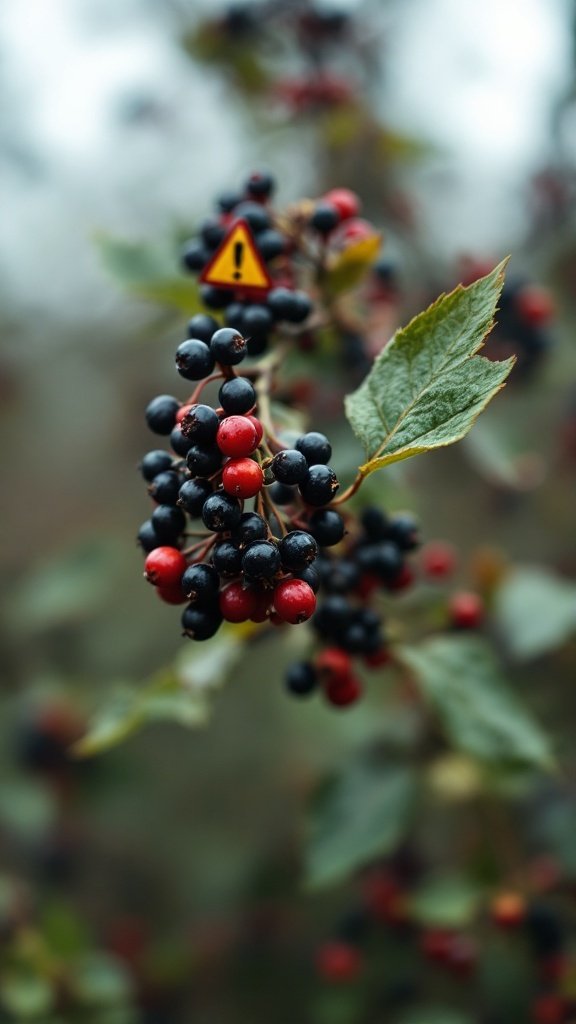
Elderberries might look enticing with their rich colors, but they come with a cautionary tale. The image shows clusters of elderberries, some black and some red, alongside a warning sign. This is a visual reminder that not all fruits are safe to consume.
While elderberries are often touted for their health benefits when cooked properly, the raw berries, seeds, and other parts of the plant contain toxic compounds. For seniors, consuming these parts can lead to nausea, vomiting, and more serious complications.
It’s essential to understand that just because a fruit is natural doesn’t mean it’s safe. Cooking elderberries effectively neutralizes the harmful elements, transforming it into a safe and enjoyable ingredient for syrups or jams. However, it’s crucial to avoid raw elderberries altogether.
If you’re considering using elderberries for their supposed benefits, always ensure they are fully cooked. This simple step can make all the difference in keeping your health intact.
Fruits with High Sugar Content
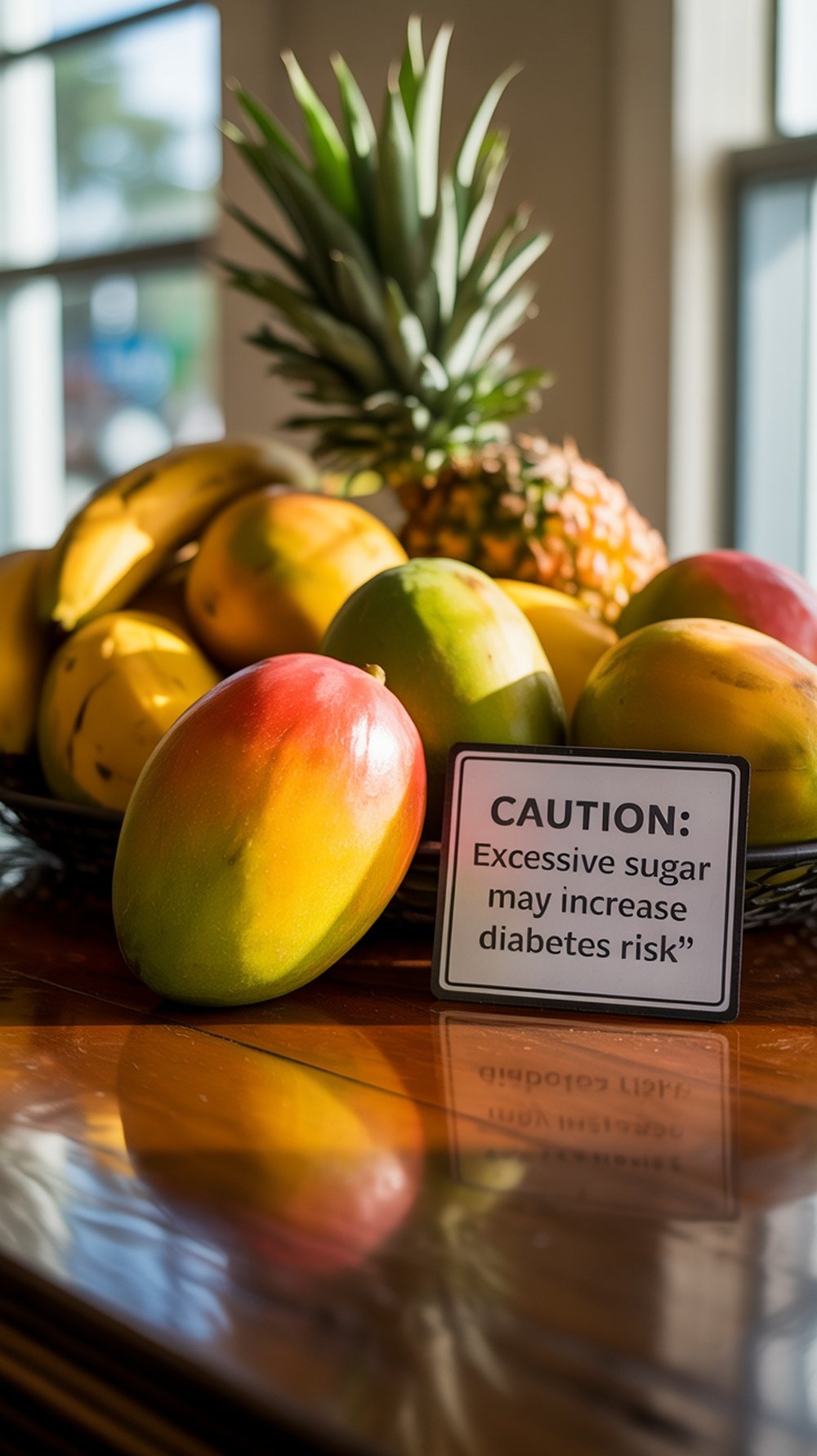
When it comes to fruits, many seniors might think that all are healthy. However, some fruits have high sugar content that can be risky for those watching their sugar intake. The image above showcases a variety of fruits, from vibrant oranges to deep purple plums, illustrating the diverse options available. While these fruits look appealing, it’s essential to be cautious.
Fruits like grapes, bananas, and certain tropical varieties such as mangoes can pack a lot of natural sugar. For seniors, this can lead to spikes in blood sugar levels, which is something to avoid. It’s always good to keep an eye on serving sizes and choose fruits wisely, especially if managing diabetes or other health issues.
Incorporating lower-sugar fruits like berries or green apples can be a healthier choice. They not only satisfy a sweet tooth but also offer fiber and nutrients without the heavy sugar load. Remember, moderation is key when enjoying fruits with high sugar content. So, while the colorful display might be tempting, it’s crucial to make informed choices to stay healthy.
Raw Cashews and Their Allergens

Raw cashews are often seen as a tasty snack, but they come with important warnings, especially for seniors. The image shows a bowl of raw cashews with a bold caution sign, reminding us to be careful.
Unlike the roasted variety, raw cashews are actually toxic in their natural state. They contain urushiol, a chemical found in poison ivy. While the roasting process removes this toxin, eating raw cashews can lead to allergic reactions or even serious health issues.
For seniors, the risk of allergies can increase due to changes in the immune system. Symptoms of a cashew allergy can include itching, swelling, and difficulty breathing. It’s always smart to consult with a healthcare professional before trying new foods.
Additionally, if someone has a known nut allergy, they should steer clear of cashews entirely. It’s essential to stay informed about what we eat, especially as we age. So, while cashews may seem like a harmless treat, they can be quite dangerous for some.
The Risks of Unripe Ackee
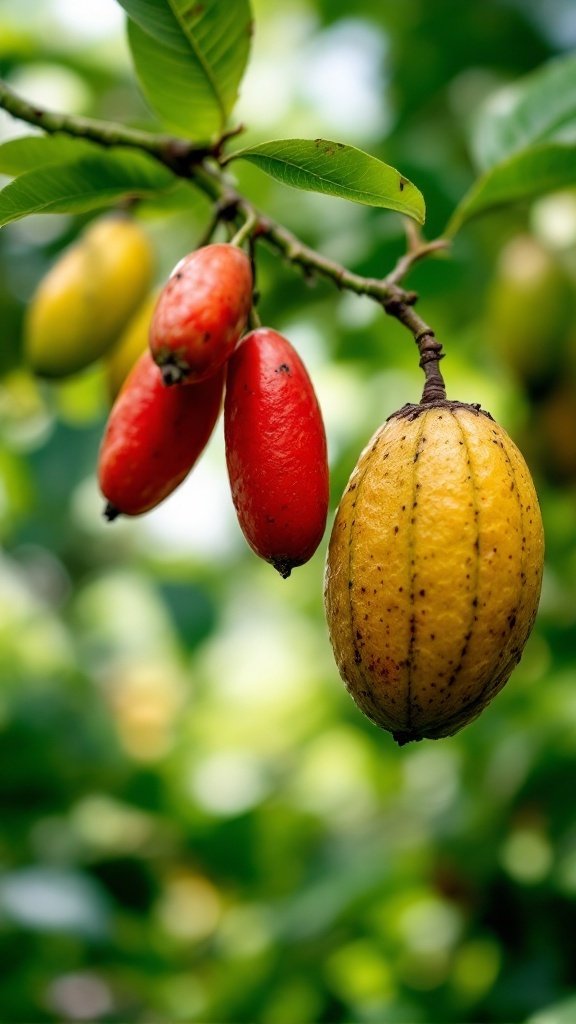
Ackee is a unique fruit that can be quite dangerous if not handled properly. The image shows the vibrant colors of ackee fruit, with some unripe red and yellow varieties still hanging from the branch. While ripe ackee is a delicacy in many Caribbean dishes, unripe ackee presents serious health risks, especially for seniors.
Unripe ackee contains toxins known as hypoglycin A and B. These toxins can cause a condition called Jamaican Vomiting Sickness, which can be very dangerous. Symptoms include nausea, vomiting, and even severe dehydration. For seniors, who may already have health issues, such a reaction can be particularly harmful.
It’s essential to ensure that ackee is fully ripe and properly prepared before consumption. Ripe ackee has a soft texture and a creamy flavor, making it a popular ingredient in many recipes. However, if you’re unsure about preparation methods, it’s best to avoid it entirely.
In summary, while ackee can be a delicious addition to meals, unripe varieties are risky. Always prioritize safety and consult with knowledgeable sources if you want to explore this fruit. Staying informed can help you enjoy food without unnecessary dangers!
This post may contain affiliate links which means I may receive a commission for purchases made through links. I will only recommend products that I have personally used! Learn more on my Private Policy page.
