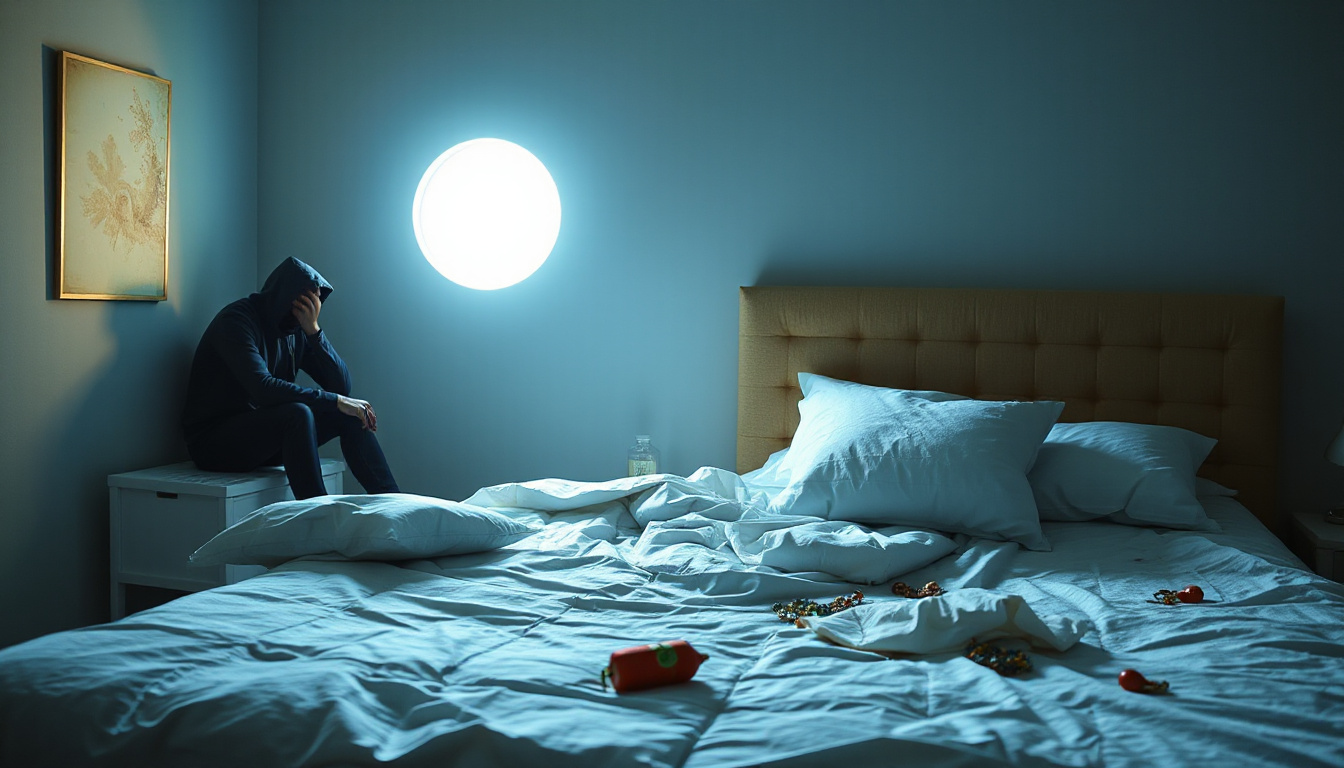
Have you ever experienced nights where your mind races with thoughts and worries, making it nearly impossible to drift off to sleep? If you have, you’re not alone, and this might help: there’s a significant connection between how stressed we feel and the sleep we get. In this article, we will explore the hidden link between chronic stress and poor sleep. Together, we’ll unpack how our minds and bodies become intertwined in this cycle and how we can break the pattern to reclaim restful, revitalizing sleep.
Key Takeaways
- Chronic stress significantly disrupts sleep quality, creating a vicious cycle.
- The sleep-stress cycle illustrates how poor sleep can exacerbate stress levels.
- Physiological changes from stress, such as elevated cortisol, directly impact sleep patterns.
- Psychological effects of stress contribute to insomnia and other sleep disorders.
- Implementing stress management techniques can lead to improved sleep health.
Understanding Chronic Stress
Many of us have faced those restless nights when our minds just won’t hush, tossing and turning in a whirlwind of thoughts. That’s a pretty common predicament, right? But for many, this sleeplessness can often be tied directly back to a culprit that’s lurking in the shadows: chronic stress. When we say ‘The Hidden Link Between Chronic Stress and Poor Sleep,’ it’s not just a catchy phrase; it’s a reality that many experience yet struggle to talk about openly.
Chronic stress can feel like carrying around a weight you never signed up for. Maybe it’s work pressures, family obligations, or a million little everyday concerns grabbing for your attention. You know that anxious knot in your stomach? That’s stress. It seeps into your day, and before you know it, your thoughts are racing the moment your head hits the pillow—turning what should be peaceful rest into a nightly battle. But you’re not alone in this.
To understand how this connection works, let’s break it down. When your body senses stress, it activates a response that’s meant to protect you, releasing hormones like cortisol. This is your body’s way of preparing to deal with a challenge—think of it like a car revving its engine. But when that stress doesn’t let up, your body continues to stay in this heightened state. It’s like a car stuck in fifth gear; it’s hard to slow down, and in turn, sleep becomes nearly impossible.
So what can we do about it? Let’s explore some gentle, practical strategies that might help you tame that stress monster and find your way back to restful nights.
The Sleep-Stress Cycle
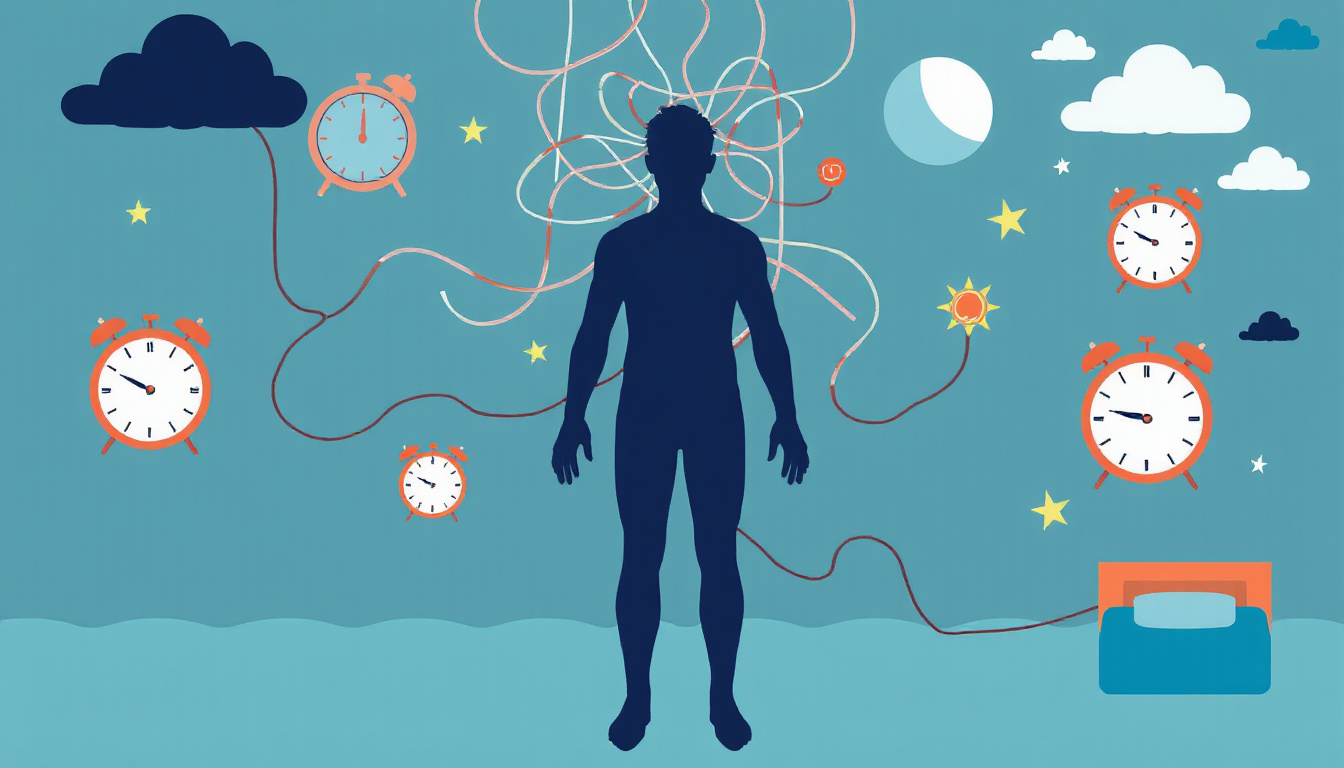
If you’ve ever found yourself tossing and turning at night, staring at the ceiling while your mind races with thoughts of the day’s events, you might already be aware of the hidden link between chronic stress and poor sleep. It’s all too familiar, isn’t it? When our lives get hectic or overwhelming, it seems that sleep becomes the first casualty. You’re not alone in this struggle—many of us have been there, trapped in a cycle where stress begets sleeplessness, and sleeplessness only leads to more stress.
It reminds me of a time when I was juggling work deadlines and personal commitments. My anxiety had crept into my nights, keeping me awake long after I’d turned off my screens and put aside my to-do lists. Just as I would finally manage to fall asleep, I’d be jolted awake by worries and what-ifs, and the following day, I was met with exhaustion so profound it felt insurmountable.

Understanding the relationship between stress and sleep can empower you to break free from this exhausting loop. When we experience stress, whether it’s from work, relationships, or financial worries, our bodies react by producing stress hormones like cortisol. High levels of cortisol can hinder our ability to fall asleep or stay asleep, which means you could wake up feeling just as fatigued as you did the night before.
So, how can you begin to manage this ongoing cycle of stress and poor sleep? Let’s look at some proactive strategies together.
Strategies to Manage Stress and Improve Sleep
• Create a Wind-Down Routine: Establish a relaxing pre-sleep ritual—think warm baths, reading a comforting book, or gentle yoga.
• Limit Screen Time Before Bed: The blue light emitted by phones and computers can interfere with melatonin production. Try turning off screens at least an hour before bedtime.
• Practice Mindfulness or Meditation: These techniques can help quiet the racing thoughts that often accompany stress, making it easier to drift into sleep.
• Keep a Journal: Writing down your thoughts can be a powerful way to process your day’s experiences and worries, clearing your mind before bed.
• Connect with Nature: Even a brief walk outside can lower stress levels and promote feelings of calm.
The key takeaway is that by acknowledging the connection between our stress levels and the quality of our sleep, we can begin to take steps toward a healthier lifestyle. It’s like trying to unravel a tightly knotted ball of yarn—one slow tug at a time is often what it takes to smooth things out.
‘Stress is caused by being ‘here’ but wanting to be ‘there.” – Eckhart Tolle
Physiological Impacts of Chronic Stress on Sleep
Ah, sleep. It’s that sweet escape we all crave, yet so many of us find ourselves wrestling with those elusive Z’s. If you’ve ever tossed and turned at night, you may have felt like your mind was on a relentless spin cycle, keeping you awake while your body desperately yearned for rest. I want to talk to you about something that might be more common than you think—how chronic stress can impact your sleep. Understanding the hidden link between chronic stress and poor sleep isn’t just about discovering a reason for those sleepless nights; it’s about finding a way to reclaim your rest and your well-being.
What Do We Mean by Chronic Stress?
Chronic stress is like that background noise that just won’t fade. Have you ever been in a situation where you felt overwhelmed but couldn’t quite pinpoint why? That’s chronic stress—it’s not just a fleeting moment of anxiety or a tough day at work; it’s an ongoing feeling that naggingly lingers in the corners of your mind, often because of demanding work, relationships, or health issues.
When stress becomes chronic, it can trigger a cascade of physiological changes in our bodies. Think of a thermostat that’s stuck on overdrive, heating things up even when we don’t need it to. Our brain perceives stress as a danger, and in response, it releases stress hormones like cortisol and adrenaline, preparing us for a ‘fight or flight’ response. While this might be useful in an actual emergency, it can wreak havoc on our bodies and especially on our sleep patterns.
How Chronic Stress Disrupts Sleep
When your mind is racing from worries for what feels like an eternity, getting restful sleep can become an uphill battle. Here’s how that chronic stress affects sleep:
1. Overactive Mind: It’s like trying to watch a movie with constant interruptions; your brain struggles to settle down and focus on sleep.
2. Physical Tension: Stress can lead to muscle tension, which can make it painful to find a comfortable sleeping position at night.
3. Increased Heart Rate: These heightened stress hormones pump up your heart rate and keep your body alert—definitely not what you need when trying to doze off!
4. Awakening and Restlessness: If you do manage to get some sleep, the quality is likely poor, with frequent awakenings and an inability to enter deep sleep.
These components create a vicious cycle: stress keeps you awake, and lack of sleep makes you even more stressed. It can feel like that proverbial hamster on a wheel—going around and around with no end in sight.
The Physical Effects of Lost Sleep
Sleep deprivation isn’t just an inconvenience; it carries real physical consequences. Without adequate sleep, we can experience:
• Increased Irritability: You may find yourself snapping at small things or feeling overwhelmed more easily.
• Difficulty Concentrating: It becomes harder to focus or remember things, turning simple tasks into frustrating challenges.
• Weakened Immune System: Our bodies need sleep to restore and regenerate; without it, we’re more susceptible to illness.
• Health Risks: Long-term sleep deprivation is associated with serious health issues like heart disease, obesity, and diabetes.
Reclaiming Your Sleep: Steps to Alleviate Stress
So, what can we do about this? The journey to better sleep can start with understanding and addressing the root cause of our stress. Here’s a gentle guide to help you reclaim those peaceful nights:
1. Establish a Relaxing Bedtime Routine: Create a calming habit before bed—whether it’s reading, stretching, or a warm bath.
2. Practice Mindfulness or Meditation: Taking just a few minutes to breathe deeply or meditate can help center your thoughts and relax your body.
3. Limit Screen Time: The blue light emitted by screens can confuse your body’s internal clock. Try to turn off devices an hour before bed.
4. Create a Comfortable Sleep Environment: Make your bedroom a haven. Consider soft lighting, comfortable bedding, and soothing scents.
5. Talk About Your Stress: Sometimes, simply sharing what’s on your mind with a friend or professional can lighten the burden.
6. Stay Active: Regular physical activity can reduce symptoms of stress and help you sleep better. Even a short walk can do wonders.
7. Seek Professional Help: If chronic stress feels overwhelming, speaking to a therapist or counselor can provide invaluable support.
FAQ: Understanding Sleep and Stress
1. How does chronic stress lead to insomnia?
Chronic stress keeps our body on high alert, making it hard to relax and sleep. Elevated stress hormones disrupt our sleep cycle, leading to insomnia.
2. What are some quick ways to reduce stress before sleep?
Engaging in breathing exercises, meditating, or doing light stretching can help calm your mind and body before sleep.
3. Can sleep improve with stress management?
Absolutely! Addressing stress through relaxation techniques, better sleep habits, and professional support can significantly enhance sleep quality.
In Closing
If you’ve found yourself caught in the web of chronic stress and poor sleep, remember that you’re not alone in this struggle. It’s a common experience, and acknowledging it is the first step towards change. With supportive practices and gentle encouragement towards self-care, you can untangle this hidden link and pave the way toward a more restful life. I encourage you to take that first step—maybe tonight, consider trying out a calming pre-sleep activity. You deserve to feel rested and rejuvenated. Let’s work to break the cycle together!
Psychological Effects of Stress on Sleep Quality
Psychological Effects of Stress on Sleep Quality
If you’ve ever tossed and turned in bed, staring at the ceiling while your mind races through your to-do list, you’re not alone. The hidden link between chronic stress and poor sleep is something that many of us grapple with, often without even realizing it. You see, when we’re stressed, our bodies enter a heightened state of alertness, a natural response that was originally meant to protect us from predators. But in today’s world, our threats are often more abstract—money worries, work deadlines, or relationship troubles—yet our bodies respond as if they’re still facing a lion.
This constant state of alertness can lead to an overactivation of the stress hormone cortisol, which disrupts our sleep cycles. Our minds race with anxious thoughts, making it nearly impossible to drift off or stay asleep. Imagine lying in bed feeling like you’re in a competition with your own thoughts, trying to win the prize of restful sleep yet feeling completely defeated. I’ve been there, and it can be incredibly frustrating.
But I want you to know that you’re not alone, and there are ways to ease this cycle. Let’s explore how this hidden link manifests in our lives so we can better understand it and take steps toward more fulfilling sleep.
Strategies to Mitigate Stress for Better Sleep
Let’s talk about something we’ve all grappled with at one point or another: sleep. Or should I say, the lack of it? Sleep is that magical zone where our minds and bodies recharge, but when chronic stress sneaks in, it becomes an elusive dream. The hidden link between chronic stress and poor sleep can feel like a never-ending cycle. When you’re stressed, your mind races and your body tenses up—it’s as if you’re readying yourself for a battle that never comes, which makes catching those much-needed Zs incredibly challenging.
When I was going through a particularly tough time—work was demanding, and life felt like an unending to-do list—I discovered just how closely intertwined my stress levels were with my sleep patterns. I would lay in bed, exhausted but unable to find rest, while my mind replayed the events of the day like a never-ending loop. It felt frustrating and, at times, debilitating. Can you relate? If you’ve lain awake at night wrestling with worries and anxieties, you’re not alone.
The good news is that awareness of this connection is the first step toward change. Understanding how stress disrupts our sleep can empower you to take steps to break the cycle. Here are some strategies that worked for me and could potentially help you reclaim your sleep while calming your stress levels:
1. Prioritize Your Wind-Down Time
Establish a soothing pre-sleep routine that signals to your body it’s time to relax. Just like preparing for a big exam, you need to give your brain an opportunity to transition. This could include activities like reading a good book, taking a warm bath, or practicing gentle yoga.
2. Create a Sleep Sanctuary
Invest some time in your sleep environment. Make your bedroom a sanctuary for rest—dark, quiet, and cool. Consider keeping electronics out of the bedroom to reduce distractions. Think of this space as your personal haven where you can escape the stresses of the day.
3. Mindfulness Meditation
Incorporate mindfulness or breathing exercises into your nighttime routine. This practice allows the body to release tension and signals the brain to slow down. Techniques like deep breathing, progressive muscle relaxation, or even guided meditations can act like a reset button for those racing thoughts.
4. Say No to Caffeine and Heavy Meals
While it’s tempting to reach for that late-night coffee or snack, try to avoid heavy meals and stimulants a few hours before bedtime. These can keep your body active when all you want is sleep. Experiment with herbal teas like chamomile or lavender that naturally promote relaxation instead.
5. Write It Out
If your mind is buzzing with worries as you try to drift off, keep a notepad by your bedside. Jot down your thoughts or a to-do list for the next day. This simple act can relieve the pressure of remembering everything, allowing you to release those thoughts from your mind.
6. Connect with Nature
Try to incorporate more natural elements into your day. Spend some time outside soaking up fresh air and sunlight. Nature has a remarkable way of calming the mind and reducing stress levels, which can set you up for a more restful night.
By incorporating even a few of these strategies into your daily routine, you can begin to mitigate stress, paving the way for better sleep. This will not just improve your nights; it will enhance your days, too. It’s a gentle cycle of positivity and well-being.
Frequently Asked Questions
Q1: How does chronic stress affect my sleep?
Chronic stress disrupts the body’s natural ability to rest, often leading to issues like insomnia. Elevated cortisol levels can keep you alert and anxious, particularly at night, making it difficult to unwind.
Q2: What are some natural remedies to help with sleep when I’m stressed?
Herbal teas, aromatherapy (like lavender oil), and relaxation techniques like yoga and meditation can help settle the mind and body, aiding in better sleep quality.
Q3: Why is it essential to address stress for better sleep?
Addressing stress is crucial because it creates a healthier sleep cycle. Reducing stress not only leads to more restorative sleep but also improves overall well-being and daily function.
In closing, remember that it’s perfectly okay to struggle with stress and sleep; we are all navigating these challenges in our unique ways. Whether you choose to adopt new habits, lean on friends for support, or seek professional advice, taking that first step is a victory in itself. Don’t hesitate to prioritize yourself. You deserve restful nights and bright, energized days ahead. If you’re ready to challenge the hidden link between chronic stress and poor sleep, I encourage you to set a goal today. Perhaps tonight, you’ll try one of these techniques and allow yourself to drift into that deep, nourishing sleep you’ve been yearning for. Let’s walk this transformative journey together!
Conclusion: The Importance of Addressing Both Stress and Sleep
We’ve journeyed together through the intricate relationship connecting chronic stress and poor sleep, often referred to as the hidden link between chronic stress and poor sleep. It’s a cycle that so many of us find ourselves caught in—stress affects our sleep, and lack of sleep amplifies our stress. Just thinking about it can feel overwhelming, but by shining a light on this connection, we can begin to understand how vital it is to address both components in our lives.
Imagine your life as a delicate balance scale. On one side, you have stressors: work deadlines, family obligations, or even the general chaos of modern life. On the other, you have sleep, that essential component for rejuvenation. When we allow chronic stress to tip that scale, it’s no wonder we struggle at night, tossing and turning, feeling restless and unable to recharge. Resilience doesn’t come easy—it’s something we cultivate over time, and addressing both stress and sleep can act as your very own toolkit to regain that balance.
By prioritizing relaxation techniques—whether it’s gentle stretching, meditation, or simply enjoying a warm cup of herbal tea—you’ll find that nightly rituals pave the way for a more restful night’s sleep. And by incorporating practices like journaling or talking through your stressors with a trusted friend, you’ll start to diminish that mental baggage that keeps you awake at night.
As we wrap up this discussion, I want to remind you that acknowledging your challenges is a strong first step. Both stress and sleep are deeply intertwined in our lives, but they are also areas where small changes can lead to profound results. Remember, you don’t have to tackle this alone—there are countless resources out there, and professional guides like therapists, coaches, or even sleep specialists can help illuminate the path ahead. Let’s nurture our minds and bodies together by integrating mindfulness into our daily routines, creating an environment where both stress and sleep can coexist with grace and peace.
Frequently Asked Questions
What is chronic stress and how does it relate to sleep?
Chronic stress is a prolonged state of anxiety or worry that can arise from various life situations. It disrupts the body’s natural processes, contributing to sleep disturbances and leading to poor sleep quality.
How does the sleep-stress cycle work?
The sleep-stress cycle refers to the reciprocal relationship where stress negatively affects sleep, and lack of sleep exacerbates stress levels, creating a continuous loop that can impact overall health.
What are the physiological impacts of chronic stress on sleep?
Physiologically, chronic stress triggers the release of stress hormones like cortisol, which can alter sleep patterns, reduce REM sleep, and lead to insomnia or fragmented sleep.
What psychological effects does stress have on sleep quality?
Psychologically, stress can lead to racing thoughts, anxiety, and hyperarousal, making it difficult to fall asleep or stay asleep, ultimately degrading sleep quality.
What strategies can I use to manage stress for better sleep?
Strategies include practicing relaxation techniques (like deep breathing and meditation), maintaining a regular sleep schedule, exercising regularly, and creating a calming bedtime routine to help reduce stress and improve sleep quality.
This post may contain affiliate links which means I may receive a commission for purchases made through links. I will only recommend products that I have personally used! Learn more on my Private Policy page.


