Feeling drained, overwhelmed, and exhausted every single day? You’re not alone. Many of us have faced this challenging period known as burnout, that insidious feeling of emptiness that creeps in quietly but can take such a toll on our lives. Today, we’re going to explore the 10 Warning Signs of Burnout You Should Never Ignore and restore that feeling of balance and well-being in our lives.
When I first experienced burnout, I thought I was just being lazy or not trying hard enough. It took a lot of self-reflection and gentle nudges from friends who cared before I realized that what I was feeling was real and serious. Let’s dive together into understanding burnout, recognizing its signs, and finding ways to combat this debilitating feeling.
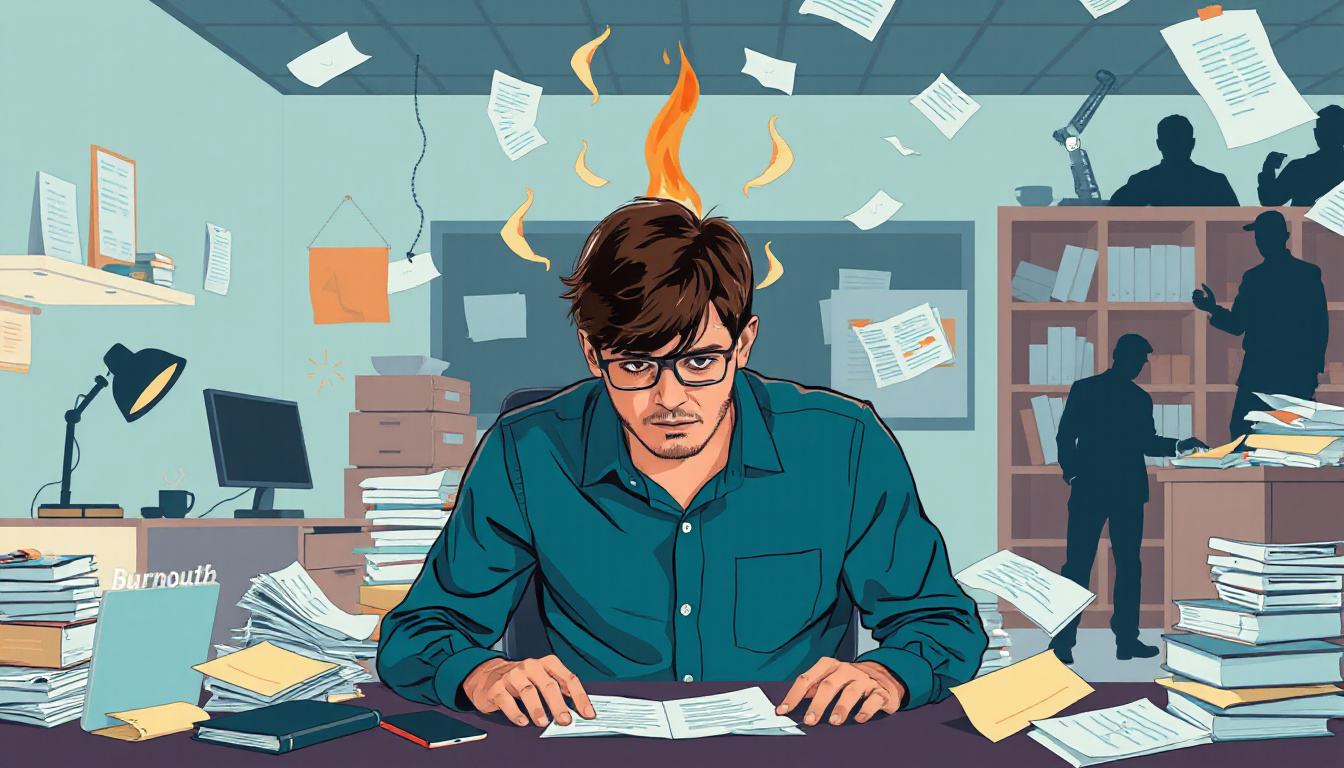
Key Takeaways
- Burnout is a state of physical, emotional, and mental exhaustion that can have serious effects on your well-being.
- Physical symptoms of burnout include fatigue, sleep disturbances, and frequent illnesses.
- Emotional indicators of burnout often manifest as feelings of cynicism, irritability, and a lack of enthusiasm.
- Cognitive clues like decreased concentration and motivation can signal the onset of burnout.
- Implementing preventive strategies and recovery techniques is crucial for addressing and overcoming burnout.
Understanding Burnout: What It Is and How It Affects You
10 Warning Signs of Burnout You Should Never Ignore
When life feels overwhelming, it’s easy to brush aside feelings of fatigue or dread, especially when you’re hauling a heavy load of responsibilities. This is a place many of us have found ourselves in, yet acknowledging that we might be grappling with burnout can be daunting. Today, let’s talk about the 10 warning signs of burnout you should never ignore and how recognizing these signs can free you from that heavy weight.
Understanding Burnout: What It Is and How It Affects You
Burnout isn’t just a fancy term for being tired. Instead, it’s a state of emotional, physical, and mental exhaustion caused by prolonged and excessive stress. It can dim the spark of joy in your life, turning everyday tasks into insurmountable challenges. I remember the time I felt completely drained, waking up each morning with a feeling of apprehension about the day ahead. It felt like fog hung over me, which made it hard to concentrate or find motivation. It seemed endless.

Many of us don’t realize how serious burnout can be until we’re neck-deep in it. It can affect us in various aspects of our lives—our relationships, our ability to work, and even our physical health. Stress can accumulate over weeks, months, or even years. If you find yourself frequently feeling tired, unmotivated, or detached, it’s essential to tune in to what your body and mind are trying to communicate.
10 Warning Signs of Burnout You Should Never Ignore
Now, let’s break down the warning signs of burnout. Recognizing these signs is the first step to addressing the issue. Here are the 10 signs to watch for:
1. Chronic Fatigue: If you wake up every day feeling like you haven’t slept at all, that’s a major red flag. It’s not just tiredness; it’s complete exhaustion.
2. Isolation: Are you finding yourself avoiding social interactions? This withdrawal from friends and family often accompanies burnout.
3. Decreased Performance: If your creativity is lacking or you can’t keep up with your usual productivity, it might be time to take a step back.
4. Feeling Cynical or Negative: A pessimistic outlook or a sense that nothing matters can indicate burnout.
5. Physical Symptoms: Headaches, stomach issues, and other unexplained ailments frequently accompany emotional struggles.
6. Forgetfulness: Difficulty concentrating or remembering details can be a sign that your brain is overloaded.
7. Disconnection from Work: If your job feels meaningless and you no longer feel excited about your tasks, this detachment is telling.
8. Irritability: Small things that used to roll off your back now irritate you easily. That low tolerance can be a symptom of stress.
9. Changes in Sleep or Appetite: Consistently sleeping more or less, or significant changes in eating habits, are common signs of burnout.
10. Feeling Overwhelmed: A constant sense of dread about what’s to come can signify that you’re nearing burnout.
Recognizing these signs early can make all the difference. Just like recognizing the warning lights on the dashboard of your car, understanding these emotional and physical signals can help prevent a complete breakdown.
Why Ignoring Burnout Is Dangerous
Ignoring these signs can lead to more severe issues down the line, including anxiety and depression. This is especially scary when you realize that burnout doesn’t just affect you; it affects those around you too. Have you ever noticed a change in someone close to you? Their mood shift, reluctance to engage, or frequent tiredness might hint at their own struggle.
Strategies to Manage and Recover from Burnout
Understanding the signs is just the first part; the next is what we can do about it. Here are some gentle strategies to help manage burnout:
• Establish Boundaries: Know your limits and communicate them effectively to those around you. It’s okay to say no sometimes.
• Schedule Downtime: Carve out time for yourself every day. Whether it’s reading a book, meditating, or going for a walk, prioritize what rejuvenates you.
• Connect with Others: Share how you’re feeling with friends or family. Reaching out can foster connections that pull you through.
• Practice Self-Compassion: Be gentle with yourself; it’s okay to not be okay. Show yourself the kindness you would offer a friend in your situation.
• Seek Professional Help: Sometimes, talking to a therapist or counselor can provide guidance and tools to overcome feelings of burnout. There’s no shame in seeking help.
Reflecting on Our Experiences
Remember, you’re not alone in this journey. Many have faced burnout and found their way back, often discovering something profound about themselves along the path. Each experience reminds us to care for our inner selves. It’s a chance to reevaluate our priorities and what truly gives us joy.
Frequently Asked Questions
1. What is the difference between stress and burnout?
Stress often comes from work overload or life challenges and can come and go. Burnout, however, is a prolonged response to chronic stress, leading to emotional, physical, and mental exhaustion.
2. Can burnout affect my physical health?
Yes, burnout can lead to various physical issues, like headaches, digestive problems, and sleep disturbances. Addressing it promptly can help maintain not only your mental but also physical well-being.
3. How long does it take to recover from burnout?
The recovery time varies for everyone; it depends on the individual and the steps taken to address the burnout. It’s essential to be patient with yourself and prioritize self-care during this period.
Final Thoughts
In navigating the busy waters of life, let’s consider burnout not as a failure but as a signal that deserves our attention. Remember, it’s perfectly okay to pause and take stock of how you’re feeling. You deserve to thrive, and by tuning into the signs of burnout, you can create a roadmap toward recovery and resilience.
If you’re feeling even just a hint of those warning signs we discussed, promise yourself to take your own well-being seriously. You are worthy of joy and peace. So, take those first steps, whether big or small, towards prioritizing yourself today. It’s never too late to find your balance again.
The Physical Symptoms of Burnout: Spot the Signs
Burnout can feel like a sneaky thief that quietly steals your energy, motivation, and joy. You might have started your job full of excitement, but now everything feels heavy. If you’re nodding along, it’s worth exploring the 10 warning signs of burnout you should never ignore. Let’s break it down together and see if any of these resonate with you.
1. Chronic Fatigue: It’s not just being tired; it’s a profound weariness that doesn’t seem to improve with rest. You may feel as if you just dragged yourself out of bed, no matter how much sleep you got.
2. Insomnia: Rather than drifting off easily, your mind races with worries, making sleep elusive. When you succeed in falling asleep, frequent awakenings leave you tossing and turning, resulting in a restless night.
3. Physical Ailments: Friends and family might joke about ‘stress headaches’ or ‘work flu,’ but in reality, burnout can manifest as digestive issues, frequent colds, or a loss of appetite. You might think of it as your body’s way of waving a red flag.
4. Irritability: If you find yourself snapping at colleagues or loved ones over trivial matters, it’s a sign that your patience is wearing thin. Think of it as your emotional tank running on empty, leaving hardly any buffer for life’s annoyances.
5. Social Withdrawal: You might find yourself avoiding social interactions, feeling drained just by the thought of being around others. It’s okay to need alone time, but if it turns into constant isolation, it could be a warning.
6. Reduced Performance: Tasks that used to come easily might feel overwhelming now. You could be forgetting deadlines or struggling to concentrate, which can add to that frustrating feeling of inadequacy.
7. Cynicism and Detachment: Instead of finding motivation or meaning in your work, you might feel indifferent or even resentful. It’s like watching a vibrant movie turn into grayscale, where everything feels lackluster.
8. Frequent Mood Swings: If you find yourself experiencing emotional highs and lows that feel out of your control, that could indicate burnout knocking at your door.
9. Feeling Overwhelmed: If your to-do list feels like an endless abyss and you can’t seem to get ahead, it may feel like you’re stuck in quicksand, desperately trying to climb out.
10. Neglecting Self-Care: Are your hobbies taking a backseat? Are you eating poorly or skipping exercise? When burnout rears its ugly head, it often signals that we’ve neglected the things that nourish our souls.
By recognizing these 10 warning signs of burnout you should never ignore, we empower ourselves to make changes. When I went through a particularly tough period in my life, I found solace in journaling. Writing about my experiences helped me process my feelings and regain some clarity. Sometimes, just a simple act of expression can unlock the door to our well-being.
Taking Action: What to Do If You Spot the Signs
If any of these warning signs resonate with you, don’t despair—there are gentle, actionable steps you can take. Here are a few ideas to help you start down the path of healing:
• Prioritize Self-Care: Schedule time for activities that recharge you—whether it’s painting, cooking, or just enjoying nature.
• Set Boundaries: Learn to say no to unnecessary commitments. It’s perfectly okay to prioritize your well-being.
• Talk It Out: Sharing your feelings with a trusted friend or therapist can provide relief and clarity.
• Mindfulness Practices: Explore meditation or deep-breathing exercises to help ground yourself in the moment.
• Seek Professional Help: If feelings of burnout are severe or prolonged, don’t hesitate to reach out to a mental health professional for support. They can offer guidance and tools tailored to your specific situation.
FAQs
What are the common signs of burnout?
Common signs include chronic fatigue, irritability, and social withdrawal. If you resonate with several signs, it’s important to take action.
Can burnout lead to more serious mental health issues?
Yes, if left unaddressed, burnout can lead to anxiety and depression. Recognizing and addressing burnout is crucial for emotional health.
How can I prevent burnout in the future?
Creating a balanced schedule that includes downtime, engaging in self-care activities, and seeking social support can help prevent future burnout.
You don’t have to navigate this feeling alone. It’s essential to acknowledge and honor your feelings. By recognizing the 10 warning signs of burnout you should never ignore, you’re already making strides toward understanding and caring for yourself. Take a moment to reflect on your needs and consider what small changes might help lighten that heavy load. You deserve to feel vibrant and energized, and it all starts with recognizing your worth and the importance of your well-being. So, let’s take that next step together—because you’re not just surviving; you deserve to thrive.
‘Burnout is nature’s way of telling you, you’ve been going through the motions your whole life. It’s a sign that you need to pause, reflect, and start living with purpose.’ – Unknown

Emotional Indicators: When Feelings Turn into Exhaustion
Burnout can feel like that slow, creeping fog. At first, you might just notice a hint of gray in your daily routine, but before long, it can weigh heavily on your spirit and energy. Have you ever found yourself overwhelmed by even the smallest task? Perhaps even the thought of hopping on a video call felt exhausting? If so, it’s crucial to pay attention to the signs your body and mind are sending you.
Here are 10 warning signs of burnout you should never ignore:
1. Persistent Fatigue: Waking up tired even after a full night’s sleep.
2. Emotional Exhaustion: Feeling drained and unable to cope with daily challenges.
3. Cynicism and Detachment: Developing a negative outlook on work or life; feeling disconnected from loved ones.
4. Increased Irritability: Losing your cool over minor annoyances.
5. Decline in Performance: Tasks that once felt manageable become overwhelming or frustrating.
6. Physical Symptoms: Experiencing headaches, stomach problems, or other unexplained aches.
7. Loss of Motivation: Feeling indifferent toward goals or responsibilities that once excited you.
8. Sleep Disturbances: Struggling with insomnia or resting too much without feeling rejuvenated.
9. Social Withdrawal: Avoiding friends and family; not wanting to engage in activities you once enjoyed.
10. Feeling Overwhelmed: Even simple decisions feel too much; you might find it hard to focus or follow through.
Recognizing these signs in ourselves is the first step toward reclaiming our well-being. It’s almost as if our hearts and minds are telling us, ‘Hey, take a moment to breathe; something’s not right here.’ This isn’t just about overwork—it’s about creating space to acknowledge and honor our feelings.
Cognitive Clues: Declining Focus and Motivation
Many of us have, at one time or another, found ourselves feeling slightly off—perhaps unmotivated at work, or struggling to focus on our tasks. It’s a struggle that feels all too familiar, especially in today’s fast-paced, often overwhelming world. You might notice that your mind drifts during meetings, or perhaps you have to read the same paragraph multiple times to comprehend it. This cognitive decline can be a significant indicator of burnout. You might make excuses, thinking, ‘It’s just a busy week,’ or ‘I’ll get back on track soon.’ But let me tell you from experience, ignoring these signs can lead to deeper emotional exhaustion down the road.
Burnout is more than just a bad day or week—it’s like the battery of your favorite device running on empty. When you notice these 10 warning signs of burnout you should never ignore creeping in, it’s essential to pause and really check in with yourself.
Here are some key cognitive clues to watch for that signal it might be time to take a step back and re-evaluate without judgment or guilt:
1. Difficulty concentrating: Tasks you once breezed through feel daunting.
2. Indecisiveness: You might find yourself second-guessing even the simplest choices.
3. Memory lapses: Forgetting crucial tasks or appointments happens more often.
4. Constantly exhausted feeling: Even after a good night’s sleep, you still feel fatigued.
5. Loss of creative spark: What once made your work exciting now feels flat and uninspired.
6. Avoiding responsibilities: You notice you’re procrastinating or avoiding tasks entirely.
7. Neglecting self-care: Letting things like nutrition, exercise, and relaxation slide because you feel too drained even to care.
8. Feeling trapped: You may feel stuck in your situation without a way out.
9. A sense of cynicism: Your attitude can shift from hope and positivity to feeling jaded about your work or life.
10. Physical symptoms: Headaches or stomach issues arise that you haven’t experienced before.
These signs are not just indicators of stress or a busy work schedule; they gently wave a red flag, telling us it’s time to tune in to our mental and emotional health. In reflecting on my own journey, I came to understand that acknowledging these feelings is the first step toward reclaiming your energy and motivation. Remember, feeling burnt out does not mean you are weak; it simply reflects how much you care about what you’re doing and how hard you’ve been pushing yourself.

Social Withdrawal: Recognizing Isolation and Disconnection
Feeling exhausted by the constant grind of daily life? You’re not alone in this struggle, and it might be a sign that you’re experiencing burnout—something so many of us face without even realizing. I remember a time in my life when I was overwhelmed with work, responsibilities, and personal obligations. I was spiraling into a cycle of stress that not only drained my energy but also made me disengage socially. Looking back, I wish I had known the 10 warning signs of burnout you should never ignore before it took such a toll on my mental health.
Burnout isn’t just about being tired; it encapsulates a feeling of emotional, physical, and mental exhaustion caused by prolonged stress. One of the clearest indicators of this state is social withdrawal. It’s as if a thick blanket of fog descends, making a night out with friends feel like climbing a mountain. Instead of feeling excited about connecting with others, the very thought of social interaction can fill you with anxiety. You find yourself canceling plans, declining invitations, and even avoiding phone calls from people you love.
But why does this happen? When we feel burnt out, our emotional resources become drained, making it difficult to reach out and engage with others. Instead, we retreat into ourselves—often without recognition of the damaging cycle we’re creating. It’s crucial to recognize this sign early and address it before the emotional distance grows wider.
Strategies for Prevention and Recovery: How to Combat Burnout
Have you ever felt that nagging sense of exhaustion creeping in, even after a full night’s sleep? If so, you may be familiar with the 10 warning signs of burnout you should never ignore. Burnout isn’t just feeling tired; it’s a state of physical, emotional, and mental depletion that can really take a toll on your well-being. I’ve been there—working tirelessly, pushing through fatigue, only to find myself feeling completely drained and disconnected from everything I once loved.
Recognizing the Signs of Burnout
Before we dive into how to combat burnout, it’s crucial to recognize the warning signs, as understanding them is the first step toward recovery. Some of these signs might feel relatable:
1. Chronic Fatigue: It’s that bone-deep exhaustion that no amount of coffee can shake off.
2. Increased Cynicism: It’s when your sense of humor turns dark, and you start questioning the value of your work.
3. Irritability: Small things that used to roll off your back start to drive you up the wall.
4. Reduced Performance: Tasks that used to feel easy now feel endless and frustrating.
5. Social Withdrawal: You begin to isolate yourself from friends and family, retreating into your own world.
6. Physical Symptoms: Unexplained headaches, stomach issues, or an increase in colds may show up.
7. Loss of Motivation: The passion you once had for projects seems to disappear, leaving you feeling uninspired.
8. Difficulty Sleeping: Even when you’re exhausted, your mind races at night, making rest elusive.
9. Feeling Overwhelmed: Small tasks begin to feel monumental, as if you are carrying a heavy weight.
10. Decreased Satisfaction: You reflect on your achievements and feel a sense of emptiness instead of pride.
If you resonate with several of these signs, don’t worry; you’re not alone, and there is a way through this. It’s important to understand that burnout can sneak up on anyone, regardless of how passionate or dedicated you are, and admitting you’re experiencing it is a brave first step.
Gentle Strategies for Combatting Burnout
Combating burnout calls for compassion towards yourself and a few intentional strategies. Here are some gentle approaches you can incorporate into your daily life:
1. Create Boundaries: Learn to say no. It’s okay to prioritize your mental health over extra responsibilities.
2. Practice Self-Care: This isn’t just bubble baths or a night out; it’s also about nourishing your body with healthy food, regular exercise, and sleep.
3. Take Breaks: Step away from work regularly, even for just a few minutes to breathe deeply or take a walk. This small act can shift your perspective.
4. Reflect and Reassess Goals: Journaling can help you track your thoughts and feelings. Reflect on what you truly value in life and work.
5. Engage in Relaxation Techniques: Meditation, deep breathing, or yoga can help anchor you in the moment, calming the mind.
6. Seek Support: Don’t hesitate to reach out to friends, family, or even professional counseling. Sharing burdens can lighten the load.
7. Reconnect with Hobbies: Do something you love that’s separate from work. Get lost in a book, garden, or craft that brings you joy.
8. Celebrate Small Wins: Acknowledge even the tiniest of accomplishments. This helps build momentum and remind you that you are moving forward.
Reflecting on the Journey
Navigating the waves of burnout can feel overwhelming, but it’s also an opportunity for personal growth. You are not just overcoming a phase; you are redefining what it means to be fulfilled in your life. As you take these steps, be patient with yourself. Recovery doesn’t happen overnight—it’s a journey filled with ups and downs. Just like climbing a mountain, you may face rocky patches, but with each step, you’re getting closer to the summit, where fresh air and a clear view await.
Frequently Asked Questions
Q: What are some common 10 warning signs of burnout?
A: The most common signs include chronic fatigue, irritability, cynicism, and reduced performance. Recognizing these can help you take proactive measures early on.
Q: How can I prevent burnout from happening again?
A: Setting boundaries, practicing self-care, and periodically reflecting on your goals can help you stay balanced and prevent burnout from recurring.
Q: Is burnout the same as stress?
A: While stress is often a short-term reaction to challenges, burnout is a prolonged and chronic state of stress that can lead to emotional, physical, and mental exhaustion.
Moving Towards a Healthier Future
As you embark on the journey to combat burnout, remember that it’s essential to prioritize your mental health and well-being. You deserve to feel energized and connected to your life again. Surround yourself with support, embrace the small victories, and take each day as it comes. If you ever feel lost or overwhelmed, remind yourself that it’s okay to hit pause and find your footing again. You are not alone, and the path to recovery is waiting for you. Let’s take this journey together!
Frequently Asked Questions
What is burnout?
Burnout is a state of physical, emotional, and mental exhaustion caused by prolonged and excessive stress, often related to work or caregiving responsibilities.
What are the physical symptoms of burnout I should look for?
Physical symptoms of burnout include chronic fatigue, sleep disturbances, headaches, and other unexplained physical ailments.
How can I tell if I’m experiencing emotional signs of burnout?
Emotional indicators of burnout include feelings of overwhelm, cynicism, irritability, and a decrease in job satisfaction.
What cognitive clues might indicate I am burned out?
Cognitive signs of burnout often include difficulty concentrating, forgetfulness, lack of motivation, and a feeling of dropping performance.
What strategies can help prevent or recover from burnout?
Effective strategies include setting boundaries, practicing self-care, seeking support from others, and engaging in activities that reduce stress, such as exercise and mindfulness.
This post may contain affiliate links which means I may receive a commission for purchases made through links. I will only recommend products that I have personally used! Learn more on my Private Policy page.


