Have you ever noticed how a good night’s sleep can leave you feeling refreshed and ready to take on the world? It’s like hitting the reset button on your body and mind. But what if I told you that reliable sleep is even more critical? It plays a crucial role in strengthening your immune system. Understanding how better sleep strengthens your immune system can be a game-changer for your overall health. The connection is profound, and it’s worth exploring how our nightly rituals can provide us not just with rest but with robust defenses against illness.

Key Takeaways
- Better sleep is directly linked to a stronger immune response.
- Understanding sleep stages reveals their importance in immune function.
- Sleep deprivation can significantly impair immunity, increasing disease susceptibility.
- Implementing good sleep hygiene can lead to better overall sleep quality.
- Prioritizing sleep is crucial for enhancing health and supporting the immune system.
The Connection Between Sleep and Immunity
Have you ever noticed how when you’re sleep-deprived, everything feels a bit harder? It’s as if the world has suddenly turned into a high-intensity workout—and you’re just not ready for it. One of the surprising secrets to overcoming those sluggish feelings and boosting our health lies in getting enough ZZZs. More specifically, let’s dive into how better sleep strengthens your immune system.
Your immune system is like a finely-tuned orchestra, working together to protect you from sickness and infections. Just picture it: when you’re well-rested, your immune system performs beautifully, reacting quickly and efficiently to any threats that come your way. But when you skimp on sleep, it’s as if a few musicians decide to take a break during a crucial performance—resulting in missed notes and discord.
Research shows that sleep plays a vital role in supporting your immune health. For instance, a study conducted by the CDC found that people who sleep less than seven hours a night are three times more likely to catch a cold compared to those who get a full night’s rest! Isn’t it fascinating how something as simple as prioritizing sleep can have such a profound impact on our well-being?
When we sleep, our bodies enter a restorative phase where amazing things happen. Our immune system creates cytokines, a type of protein that helps combat infections and inflammation. The more quality sleep you get, the more cytokines are produced, leading to a stronger defense mechanism against ailments like the flu or, more recently, COVID-19.
Simple Ways to Prioritize Sleep
Recognizing the connection between sleep and immunity is just the first step—implementing changes in your routine can feel challenging but is incredibly rewarding. Here are some gentle suggestions to help you prioritize sleep:
1. Set a Consistent Sleep Schedule: Try to go to bed and wake up at the same time each day. This helps regulate your body’s internal clock.
2. Create a Bedtime Ritual: Engage in calming activities like reading, meditating, or sipping herbal tea before bed. This can signal your body that it’s time to wind down.
3. Limit Screen Time: The blue light emitted from devices can disrupt your sleep. Try stepping away from screens at least an hour before bedtime.
4. Make Your Bedroom a Cozy Haven: Invest in comfortable pillows, soft bedding, and consider blackout curtains to keep your space serene and inviting.
5. Watch Your Caffeine and Alcohol Intake: Both can disrupt your sleep cycles. Opt for light options in the afternoon and evening to help you wind down.
Implementing even a few of these small changes can pave the way for a more restful night’s sleep, which ultimately translates to a more robust immune system. Think of sleep as a superhero cape that you wear—when you have it on, you feel invincible!
Connecting Sleep and Daily Life
How you feel each day can change dramatically depending on your sleep habits. For example, imagine waking up refreshed, energized, and ready to tackle your to-do list. Now, contrast that with waking up after a restless night, struggling to get out of bed, and feeling foggy all day.
Prioritizing better sleep can affect not only our immune function but also our mood, our focus, and even our relationships. When you’re well-rested, you’re more likely to be patient, kind, and engaged with those around you. It ripples through every aspect of your life, allowing you to fully embrace the world around you.
FAQs About Sleep and the Immune System
• How does sleep quality affect my immune response?
Quality sleep allows your body to produce more immune-boosting cytokines, improving your body’s defense against infections.
• Can I catch a cold from lack of sleep?
Yes, studies like the one from the CDC indicate that sleep deprivation can increase your risk of catching colds or other illnesses.
• How much sleep do I need for optimal immune function?
Most adults aim for between 7-9 hours of sleep per night to support their immune system and overall health.
A Call to Action
So here’s my gentle encouragement for you: If you find yourself struggling to get enough rest or are battling frequent colds, consider making sleep a priority. You deserve those peaceful nights—your body will thank you for it by giving you a stronger immune response. Approach it with compassion and remember, you’re not alone; many of us are on this journey together. Let’s take those first steps toward healthier nights and, in turn, healthier days.
The Science Behind Sleep Stages
How Better Sleep Strengthens Your Immune System
If you’ve ever found yourself tossing and turning at night, you’re not alone. Many of us struggle with getting the sleep we need, whether it’s due to stress, anxiety, or just the busyness of life. But did you know that how better sleep strengthens your immune system is not just about waking up refreshed? It’s deeply rooted in the intricate dance of sleep stages and how each one contributes to our overall health. Let’s explore this together, so we can understand not only why sleep matters but how we can cultivate better slumber for healthier living.
The Science Behind Sleep Stages
When we hit the sheets, our bodies don’t just dive straight into deep slumber. Instead, they traverse through several sleep stages, each serving a unique and vital purpose. There are typically five stages of sleep that repeat in cycles throughout the night, varying in length.
1. Stage 1 (Light Sleep): This is just a transition from wakefulness to sleep. You might be lightly dozing, and it’s easy to wake up from this stage. It generally lasts about 5-10 minutes.
2. Stage 2 (Light Sleep): Your heart rate slows, and your body temperature drops. This stage takes up about 50% of our total sleep time. You’re still light but drifting off a bit deeper.
3. Stage 3 (Deep Sleep): This is crucial for physical recovery and regeneration. No wonder it’s called deep sleep! Here, your body gets a chance to recover, heal, and even boost your immune system.
4. Stage 4 (REM Sleep): In Rapid Eye Movement (REM) sleep, your brain is active, and it’s often when vivid dreams occur. It plays a critical role in emotional regulation and memory consolidation.
5. Stage 5 (Awakening): This is the phase when we wake up, often forgetting the dreams we had or feeling a bit groggy if we’ve been pulled out of a deeper stage too abruptly.
Each stage has its importance, but let’s focus on deep sleep and REM sleep, which are integral for bolstering our immune defenses. During deep sleep, your body releases growth hormones and cytokines, the little proteins our immune system uses to fight off illnesses. Without proper deep sleep, our bodies don’t create enough of these protective proteins, leaving us more vulnerable to infections and diseases.
Why Quality Sleep is Essential for You
I remember the times when I would catch myself scrolling through social media late at night, thinking that a few more minutes wouldn’t hurt. But boy, did I wake up the next day feeling like a shadow of myself! My mind was foggy, and my motivation was in the basement. It’s during those days that I noticed I was catching colds more often and felt run-down. I started to connect the dots: the less I slept, the more run-down I felt.
Here are a few ways better sleep strengthens your immune system:
• Regulation of Cytokines: During sleep, your body produces proteins called cytokines, which are essential for fighting infections and inflammation.
• Hormonal Balance: Sleep helps regulate hormones linked to stress, like cortisol. Too much cortisol can suppress immune function.
• Cellular Repair: Quality sleep facilitates cellular repair, which is crucial for maintaining a healthy immune response.
• Memory and Learning: A well-rested mind retains more information, helping you to adapt and respond better to stressors in your environment, both emotionally and physically.
Tips for Getting the Sleep You Deserve
Now that we understand the importance of sleep, let’s look at some friendly strategies to enhance your sleep quality:
1. Create a Sleep Routine: Try to go to bed and wake up at the same time every day, even on weekends. This helps regulate your body clock.
2. Limit Screen Time: Reduce exposure to screens an hour before bedtime. Consider switching to a book or meditation.
3. Create a Relaxing Environment: Make your bedroom a sanctuary. Keep it cool, dark, and quiet to promote better sleep.
4. Limit Caffeine and Heavy Meals: Avoid caffeine in the afternoon and heavy meals close to bedtime.
5. Get Some Sunlight: Exposure to natural light during the day can help regulate your sleep-wake cycle by boosting serotonin levels.
By incorporating these habits, you can encourage better sleep, paving the way for a stronger, more resilient immune system.
Reflecting on Your Sleep Journey
Remember, changes take time, and it’s okay to prioritize yourself and your health by focusing on better sleep. Think of it as nurturing a plant: it needs water, sunlight, and care to thrive. With patience and consistency, you can cultivate a healthy sleep routine that blossoms into increased immunity and overall well-being.
Frequently Asked Questions
1. Can sleep deprivation weaken my immune system?
Yes, when we don’t get enough sleep, we reduce the production of protective proteins, making us more susceptible to sickness. Prioritize your rest to keep your immune system robust.
2. What are some natural remedies to improve sleep quality?
Consider herbal teas like chamomile or lavender, establishing a calming pre-sleep routine, and incorporating gentle yoga or stretching to relax your body.
3. How many hours of sleep do I need for a healthy immune system?
Generally, adults should aim for 7-9 hours of sleep a night, giving your body ample time to regenerate and fortify its defenses.
In conclusion, sleep isn’t just a luxury—it’s a necessity. Prioritize your sleep health, and in doing so, you’ll nurture your immune system and pave the way for better overall health. Let’s embrace the transformative power of better sleep together, and take those gentle steps towards a healthier, more vibrant life. 🌙
‘Sleep is the best meditation.’ – Dalai Lama
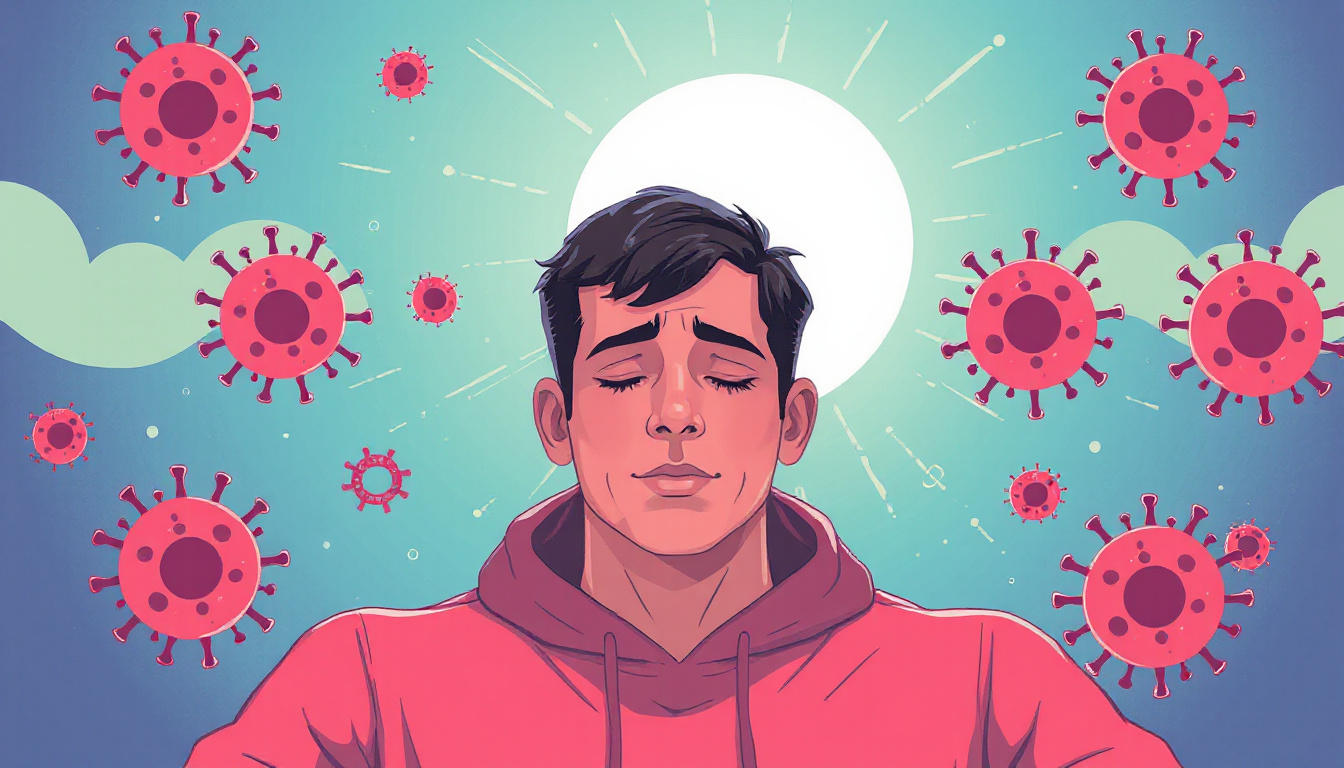
Impact of Sleep Deprivation on Immune Function
When we think about how better sleep strengthens your immune system, it’s fascinating to realize how deeply intertwined these two aspects of our health really are. We all know that feeling when we haven’t slept well—a little grumpy, perhaps a bit foggy in our thoughts, and most definitely more susceptible to catching a cold or the flu. But what’s actually happening in our bodies during those nights spent tossing and turning?
It’s during sleep that our bodies do a crucial amount of maintenance work. Research shows that sleep deprivation can lead to a reduction in the production of protective proteins and immune cells, which are essential for combating illness. Imagine your immune system as a team of superheroes, standing guard over your body. When you don’t get enough sleep, it’s like sending half of them on a break, leaving your defenses weakened. According to the Centers for Disease Control and Prevention, not getting adequate sleep can compromise your body’s ability to fight off infections (source).
From personal experience, I remember a time when work deadlines kept me awake nights on end. I figured I could power through it, but soon enough, I was struck down with a nasty cold that lingered far longer than it should have. It struck me then, how could I expect my body to fend off those microscopic invaders if I wasn’t giving it the rest it desperately needed? Your immune system is working tirelessly on your behalf, but it can only do so much if you’re not giving it the chance to recharge.
How Sleep Affects Your Immune Response
The beautiful thing about sleep is that it’s not just about getting those hours in; it’s about quality sleep. When we’re deep in those restorative sleep cycles, our body increases its production of cytokines, proteins that are so pivotal to our immune response. Just like watering a plant helps it grow and flourish, good, solid sleep helps our immune system thrive, making us less likely to fall ill.
Here are a few ways better sleep helps strengthen your immune system:
• Enhances Immune Memory: Our immune system learns from previous infections and builds antibodies during sleep, helping it recognize and fight off pathogens faster next time.
• Reduces Stress Hormones: Poor sleep increases cortisol levels, which can suppress the immune response. Lowering stress through better sleep allows your immune system to operate more effectively.
• Improves Inflammatory Response: Adequate sleep increases anti-inflammatory cytokines while decreasing pro-inflammatory cytokines, helping your body deal more efficiently with inflammation.
Creating a Sleep-Enhancing Environment
If you’re finding it hard to get those quality hours, know you’re not alone. Many of us struggle with sleep, often feeling like the problem is insurmountable. But we can take small steps toward improvement. Let’s consider creating a sleep-friendly environment. Maybe you can:
1. Dim the lights in your home: Creating a calming atmosphere encourages relaxation and signals your body that it’s time to wind down.
2. Limit screen time before bed: The blue light emitted by our devices can mess with our natural sleep-wake cycle; consider a wind-down period where screens are off at least an hour before bedtime.
3. Set a consistent sleep schedule: Going to bed at the same time every night helps your body regulate its internal clock and can significantly enhance the quality of your sleep.
4. Create a calming routine: Engaging in a gentle pre-sleep ritual like reading a book, practicing meditation, or stretching can help ease your mind and prepare your body for restful sleep.
The Transformative Power of Sleep: A Personal Journey
There’s immense power in sleep when we allow ourselves to embrace it. During my own journey, I realized that sleep isn’t just a luxury; it’s a necessity for my physical well-being. Having created healthier sleep habits, I found I’m less prone to illness, and when I do catch a cold, my symptoms are often less severe. It’s a gentle reminder that prioritizing our sleep quality has far-reaching benefits beyond just feeling rested.
FAQs
1. Can sleep deprivation really make me sick?
Yes, lack of sleep can suppress your immune system, making it harder for your body to fight off infections and increasing your chances of getting sick.
2. How much sleep do I need for optimal immune function?
Most adults need between 7 to 9 hours of sleep each night to support a strong immune system and overall health.
3. What are some tips for improving sleep quality?
Establish a sleep routine, create a calming environment, limit screen time before bed, and consider relaxation techniques to enhance your sleep quality.
Remember, when we’re talking about how better sleep strengthens your immune system, we’re really championing the idea that taking care of our sleep is taking care of our health. Consider treating your sleep as a priority rather than a luxury, knowing that these restful hours have immense power over your physical well-being. Let’s take the lessons we’ve learned and start nurturing better sleep habits today. So tonight, perhaps we can choose to go to bed a little earlier, embrace the dark, and let ourselves heal and recharge. Your immune system will thank you for it!
Tips for Improving Sleep Quality
Getting a good night’s sleep can sometimes feel elusive, can’t it? Life is busy, and our minds tend to race with thoughts and worries. But when we consider how better sleep strengthens your immune system, it’s clear that we should prioritize this essential aspect of our well-being.
1. Establish a Consistent Sleep Schedule: Going to bed and waking up at the same time each day helps regulate your body’s internal clock. Imagine your body as a finely tuned instrument—when played consistently, it creates beautiful music.
2. Create a Restful Environment: Make your bedroom a sanctuary. Dark, quiet, and cool spaces signal to your body that it’s time to wind down. Think of it like creating a cozy cocoon where you can safely rest and recharge.
3. Limit Screen Time Before Bed: The blue light emitted by screens can trick your brain into thinking it’s still daytime. Try to shut down all electronic devices at least an hour before bed—consider this your pre-sleep ritual.
4. Mindful Breathing or Meditation: Simple breathing exercises or a few moments of meditation can soothe your racing thoughts. This is about giving yourself a moment to pause and reset, leading to a more peaceful transition into sleep.
5. Watch Your Diet: Heavy meals or caffeine close to bedtime can disrupt your sleep. Instead, opt for a light snack if you’re hungry. Think of it as giving your body the gentle care it needs, like tucking a child into bed with a soft blanket.
6. Stay Active During the Day: Regular exercise can help you fall asleep faster and enjoy deeper sleep. Just like a mobile phone gets charged when used, so does our body when we stay active.
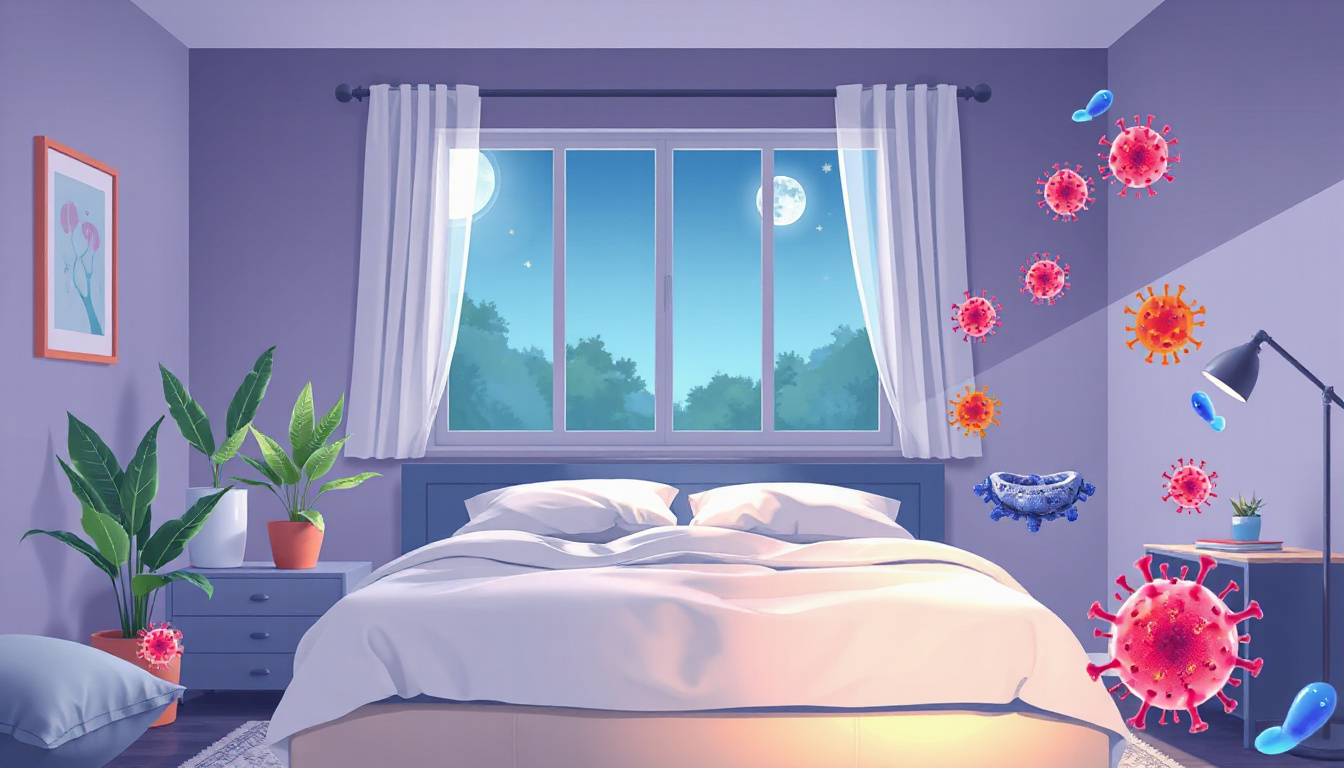
The Role of Sleep Hygiene in Immune Support
When we think about ways to boost our immune system, our minds often race to vitamins, supplements, or maybe even exercise routines. But did you know that one of the most impactful—and sometimes overlooked—ways you can support your immune system is through better sleep? That’s right! How better sleep strengthens your immune system is a concept backed by solid science and is something we can all embrace in our daily lives.
Let’s talk a little bit about why sleep is so crucial for our bodies. Imagine your immune system as an army defending your health. Your body needs to recharge the troops every night, so they’re strong and ready to fight off any invaders, like viruses or bacteria. When you skimp on sleep, you’re basically sending your soldiers into battle without adequate rest and resources. This scenario can diminish their ability to protect you.
And it’s profound to think about—it’s not just about quantity but the quality of sleep as well. I can remember a time when I thought I could just power through and survive on a few hours of restless sleep each night. Let me tell you, I was constantly catching colds, feeling fatigued, and just not myself. It wasn’t until I started focusing on my sleep hygiene that I understood how deeply intertwined sleep is with our overall health, especially our immune function.
What is Sleep Hygiene?
Sleep hygiene refers to a variety of practices and habits that you can adopt to enhance the quality of your sleep. It’s like creating the perfect atmosphere where your body feels safe enough to rest and recover. Here are some essential sleep hygiene tips:
1. Consistent Sleep Schedule: Try to go to bed and wake up at the same time every day, even on weekends. This consistency helps regulate your body’s internal clock.
2. Create a Restful Environment: Keep your bedroom cool, quiet, and dark. Consider using shades, earplugs, or white noise if needed.
3. Limit Screen Time: Reduce exposure to screens at least an hour before bed. That blue light from devices can mess with your body’s melatonin levels, making it harder to drift off.
4. Watch What You Eat: Avoid heavy meals, caffeine, and alcohol close to bedtime. They can disrupt your sleep patterns more than you might realize.
5. Wind Down: Establish a relaxing bedtime routine. Think of activities like reading, meditating, or gentle stretches that signal your body it’s time to sleep.
Focusing on these practices can profoundly impact your sleep quality. And better sleep leads to a more robust immune response. Research has shown that during sleep, your body produces cytokines, proteins that play a crucial role in combating inflammation and infections. So, not only are you giving your body a chance to rest, but you’re also helping it to prepare for attacks from pathogens!
Understanding the Science
Let’s unpack this a bit more. During deep sleep, your body enters a period of rejuvenation. The immune system becomes highly active, releasing antibodies and infection-fighting substances. It’s a bit like having a well-oiled machine going to work when you’re asleep—repairing, recharging, and preparing. If you’re skimping on sleep, it’s likely that machine is going to run a little less efficiently.
Notably, studies have shown that individuals who don’t get enough sleep are more vulnerable to infections, and those who sleep less than seven hours a night have a reduced flu vaccine response. Preparing for cold and flu season or dealing with everyday health irritations means committing to adequate rest.
Finding Your Rhythm
I know that for some, sleeping well can be a challenge. Life’s stressors, responsibilities, or even naturally being a night owl can interfere with our ability to get good rest. But finding your rhythm is essential. When I finally made sleep a priority, it felt like a light switch flipped. Suddenly, my energy levels soared, and I felt more equipped to handle whatever life threw my way.
Take small steps towards improving your sleep. It doesn’t have to be overwhelming. Try making one small change in your routine each week, and see how it impacts your sleep quality and, ultimately, your health.
Remember that your immune system is intricately tied to your sleep habits. How better sleep strengthens your immune system is not just a phrase but a fundamental truth that can enhance well-being. Prioritize your sleep hygiene, and you’ll likely find that not only do you sleep better, but you also feel more energetic and resilient in your everyday life. If you’re feeling lost or overwhelmed, it’s okay! We’re all on this journey together, and sometimes it just takes that commitment to prioritize well-being.
So, tonight, let’s commit to taking that extra step towards improving our sleep. Your immune system depends on it, and so does your overall health. Sweet dreams!
Conclusion: Prioritizing Sleep for Health Benefits
Conclusion: Prioritizing Sleep for Health Benefits
As we reflect on the crucial role of sleep in strengthening our immune system, it’s impossible to overlook just how intertwined our health and well-being are with those much-needed hours of rest. Imagine your body as a lavish garden; when you nourish it with deep, revitalizing sleep, you’re watering and caring for all the plants and flowers that thrive within. Without that care, weeds of stress and fatigue can take root, complicating our lives and leaving us vulnerable to illness.
You’ve likely experienced those days when you felt a scratchy throat or fatigue creeping in, perhaps after a week of poor sleep. When we fall into cycles of restless nights, our bodies have a harder time fighting off even the common cold, leaving us feeling run down and vulnerable. By embracing good sleep habits, we give ourselves a fighting chance, not only to ward off infections but also to recover quickly when we do fall ill.
Implementing small changes to prioritize sleep can feel daunting, but remember that every step counts. It could be as simple as creating a calming bedtime routine, dimming the lights, or even keeping that smartphone out of reach. Trust me, you’ll be surprised at how even tiny habits can transform a restless night into one that feels restorative and re-energizing. Each small act of self-kindness can compound into healthier habits that benefit not just your sleep, but your immune strength, too.
So let’s commit to prioritizing sleep together. After all, better sleep isn’t just a luxury; it’s a foundational pillar of good health. When we honor our need for rest, we empower our immune systems, uplift our spirits, and enhance our quality of life. Here’s to fresh mornings filled with energy and vigor, thanks to solid slumber!
Let’s nourish our bodies the way they truly deserve – with better sleep.
Frequently Asked Questions
How does sleep affect my immune system?
Sleep is crucial for maintaining a healthy immune system. During sleep, the body produces proteins called cytokines, which help combat infections and inflammation. A lack of sleep can diminish the production of these immune cells, thereby weakening your defense against illnesses.
What are the different stages of sleep, and why are they important for immunity?
Sleep consists of several stages, including REM (Rapid Eye Movement) and non-REM sleep. Each stage plays a role in bodily restoration. Non-REM sleep is particularly important for enhancing immune function as it allows the body to repair and regenerate cells, vital for fighting off infections.
What are the consequences of sleep deprivation on my health?
Sleep deprivation can lead to a weakened immune response, making you more susceptible to viruses and bacteria. It can also increase inflammation in the body, contributing to chronic health issues like heart disease and diabetes.
What tips can I follow to improve my sleep quality?
To improve sleep quality, establish a regular sleep schedule, limit screen time before bed, create a calming bedtime routine, and ensure your sleep environment is comfortable and conducive to rest. Avoid caffeine and heavy meals close to bedtime for optimal results.
What is sleep hygiene, and how does it support my immune health?
Sleep hygiene refers to practices and habits that are conducive to sleeping well on a regular basis. Good sleep hygiene can enhance sleep quality and duration, resulting in better immune function. This includes maintaining a consistent sleep schedule, creating a peaceful sleep environment, and avoiding stimulants before bed.
This post may contain affiliate links which means I may receive a commission for purchases made through links. I will only recommend products that I have personally used! Learn more on my Private Policy page.


