Have you ever felt like life’s pressures are piling up like an avalanche? It can often feel overwhelming, and if you’ve ever asked yourself, ‘Why is chronic stress destroying your health?’ you’re not alone. Too many of us experience this pervasive feeling, and it can wreak absolute havoc on our well-being, both mentally and physically. In this heartfelt conversation, let’s unpack what chronic stress really means, explore its impacts, and, more importantly, talk about how we can manage it together.
As someone who’s navigated the murky waters of stress and its consequences, I understand how it creeps into our daily lives, sometimes without us even noticing. It might start as a busy workweek, family obligations, or that never-ending to-do list, but over time, it can spiral into an overwhelming force that affects our entire beings. So grab a cup of tea, and let’s dive deep into this together.

Key Takeaways
- Chronic stress is a persistent form of stress that can stem from various life challenges and pressures.
- It significantly impacts mental health, leading to anxiety, depression, and cognitive difficulties.
- Long-term exposure to stress physically harms the body, contributing to conditions like heart disease and weakened immunity.
- Effective strategies for managing chronic stress include mindfulness practices, exercise, and proper time management.
- Building resilience and adopting healthier habits are essential for preventing chronic stress and promoting overall well-being.
Understanding Chronic Stress: Definition and Causes
You know that feeling when you’re juggling a million things at once? The nagging to-do list, the tight deadlines, the family obligations—you might start to feel a little overwhelmed. If you’ve ever wondered, why chronic stress is destroying your health, you’re not alone. Chronic stress isn’t just about feeling tired or anxious; it’s an ongoing cycle that can have serious consequences on your physical and mental well-being. Let’s take a moment to understand what chronic stress means and what causes it.
Chronic stress is the body’s response to prolonged pressure, where your body remains in a state of heightened alertness long after the stressor has passed. Think of it like a car engine that’s constantly revved up, never having the chance to cool down. The usual stressors include demanding jobs, family responsibilities, or even financial worries. But you know, it’s not just about the events themselves; it’s also about how we respond to them.
Common Causes of Chronic Stress
1. Work-related pressure: Tight deadlines or demanding bosses can create burnout that feels impossible to escape.
2. Family responsibilities: Balancing parenting, caregiving for aging relatives, or household management can leave you feeling stretched thin.
3. Financial challenges: Concerns about job stability, paying bills, or saving for the future can weigh heavily on your mind.
4. Health issues: Dealing with your own health or a loved one’s illness can be emotionally draining.
5. Social pressures: Navigating relationships and social expectations can often feel overwhelming.
Each of these stressors are like heavy stones in your backpack; over time, they can lead to significant wear and tear. If only we could take an off-ramp and step away from the chaos!
The Impact of Chronic Stress on Mental Health
Let’s face it: life can be overwhelming. With the hustle and bustle of daily responsibilities—whether it’s work, family, or just trying to keep everything together—it’s no surprise that many of us find our mental health suffering under the weight of chronic stress. Have you ever had days where everything feels just a bit too heavy? You’re not alone. In fact, many of us are wrestling with the question, ‘Why is chronic stress destroying your health?’ Having lived through my own stormy seasons, I understand how insidious stress can be. It creeps in quietly, almost unnoticeably, like clouds gathering before a thunderstorm. Eventually, we wake up feeling anxious, irritable, or just plain exhausted, and we can’t quite pinpoint why.
Chronic stress manifests itself in ways we can sometimes overlook. It’s more than just feeling frazzled after a long day; it seeps into our everyday lives, affecting our sleep, our relationships, our ability to focus, and even our physical health. The body’s response to stress can lead to complications including headaches, digestive issues, and a weakened immune system.
This is where understanding the relationship between chronic stress and our mental health becomes crucial. Think of your mind as a finely tuned instrument—when it’s under constant strain, it can easily go out of tune. The nervous system, which governs how we react to stress, can become hyper-alert, making everything feel like a threat. We’re more than just physical beings; our emotional and mental states are intertwined with our physical health.
I remember a time when I was juggling too many commitments, feeling like I was on a hamster wheel that wouldn’t stop. I couldn’t relax, my sleep was fragmented, and my once-clear thinking became muddied. I would dwell on everything—small things felt like huge mountains that I could never climb. My heart raced at the slightest stressor, and I often yelled at my loved ones for things that would have previously rolled right off my back. It wasn’t until my body gave me more than one clear signal—fatigue, irritability, and a constant sense of dread—that I started to realize the toll my chronic stress was taking on my life.
When we ignore the signs, chronic stress can lead to mental health issues such as anxiety and depression. According to research, prolonged exposure to stress is linked to an increase in anxiety disorders and can also exacerbate depressive symptoms (source). It’s like living with a shadow that grows darker over time.
So what can we do about it?
Practical Tools for Managing Chronic Stress
Here are some straightforward strategies to help you manage chronic stress and restore balance in your life:
1. Mindfulness and Meditation: Spending just a few moments each day practicing mindfulness or meditation can help ground you and bring your focus back to the present moment. It’s like hitting the pause button on a chaotic remote control, giving you space to breathe and reflect.
2. Regular Exercise: Movement can be a wonderful outlet for stress. Whether it’s a brisk walk in the park or a dance party in your living room, exercise helps release endorphins—those lovely little chemicals that boost your mood.
3. Connect with Others: Don’t underestimate the power of a good chat. Sharing your worries with trusted friends or family can lighten your load. It’s like sharing a backpack filled with rocks; suddenly, it feels a little bit lighter when you share the weight.
4. Limit Stimulants: Reducing caffeine and sugar can help steady your mood. These substances can make you feel more anxious and exacerbate stress responses. Think of them as the sugar rush that crashes; opting for whole foods instead can keep your energy more balanced.
5. Set Boundaries: Learn to say no when you need to. It’s important to prioritize your own mental health. Treat it like a bank account—you can’t keep giving if you’re not putting anything back in.
6. Seek Professional Help: If stress feels unmanageable, consider reaching out to a mental health professional. They can provide you with tailored strategies and support. Sometimes, just having someone listen can be the first step in finding clarity.
Closing Thoughts
The journey away from chronic stress isn’t instantaneous; it’s more like a winding path, often challenging but absolutely worth the exploration. By recognizing the signs of stress and actively working on ways to manage it, we can regain control and find a healthier balance in life. You deserve to feel good and to lead a life that feels full of joy, not just obligation.
If you’ve been feeling overwhelmed, take that first step today—whether it’s putting some time aside for yourself or reaching out to a friend. Remember, the storm won’t last forever, and with a little patience and self-compassion, we can weather it together.
‘It’s not stress that kills us, it is our reaction to it.’ – Hans Selye
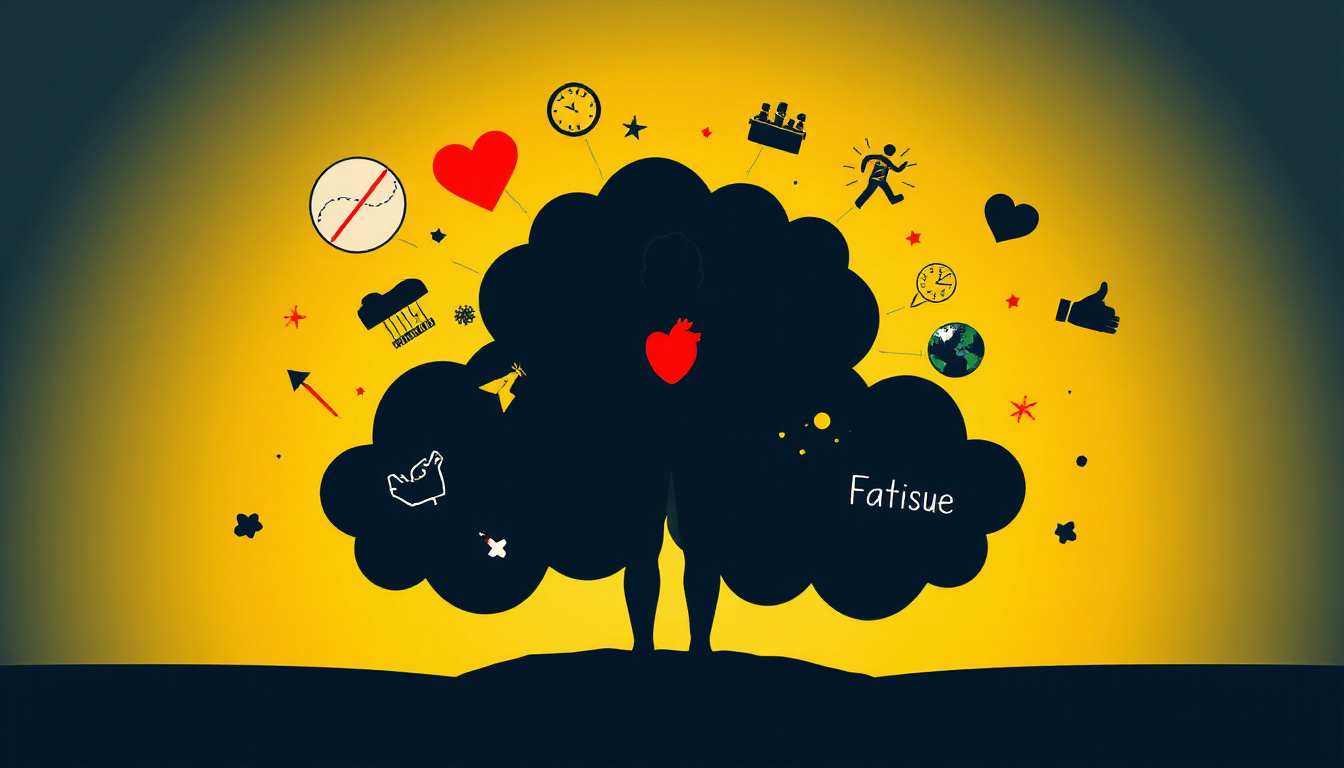
Physical Consequences of Long-Term Stress Exposure
When we talk about stress, it’s easy to focus on those immediate feelings we get when life gets overwhelming – that tight chest, shortness of breath, or racing thoughts. However, what’s not always visible are the long-term consequences. Let’s take a closer look at the issue of chronic stress and why chronic stress is destroying your health.
Think about a time when you felt persistently stressed. Maybe it was during a busy season at work, or perhaps you faced a family challenge that seemed to never end. In those moments, you might have felt your body respond with tension, headaches, or an upset stomach. Now, imagine that ongoing for months or even years, as it often does for many of us. Chronic stress isn’t just a bad day or week; it’s a prolonged state of pressure that can seep into every corner of our lives, quietly wreaking havoc on our health.
Research has shown that stress triggers a cascade of hormonal reactions in our bodies. The stress hormone cortisol, for example, can surge when we’re feeling overwhelmed. While it’s good for short bursts (like helping us react quickly in dangerous situations), constant exposure can lead to a host of physical issues. Imagine pouring water into a cup that’s already full; eventually, it overflows. Similarly, when our bodies are perpetually flooded with stress hormones, they can begin to deteriorate in alarming ways.
The Ripple Effects of Chronic Stress
1. Weakened Immune System: Have you noticed that when you’re stressed, you might be more prone to catching a cold or struggling with other illnesses? Chronic stress can interfere with your immune response, making it harder for your body to fight off infections.
2. Digestive Issues: Ever had butterflies in your stomach during a stressful situation? For many, that sensation can develop into ongoing digestive troubles, like irritable bowel syndrome (IBS) or acid reflux, due to the gut’s sensitivity to stress.
3. Heart Health: Think of your heart as a fine-tuned engine. Chronic stress can lead to inflammation and increase your risk of hypertension (high blood pressure), and over time, can contribute to heart disease.
4. Sleep Problems: If stress is a constant companion, you may find falling asleep or staying asleep nearly impossible. Stress can cause insomnia or restless nights, which create a vicious cycle – you’re tired during the day, which often adds to your stress.
5. Weight Changes: Ever noticed how stress can lead to changes in your appetite? Some people may find comfort in food, leading to weight gain, while others might lose their appetite altogether, resulting in weight loss.
Each of these effects can feel daunting, but understanding them is a significant first step toward reclaiming your health. You’re not alone in this struggle, and it’s completely valid to feel overwhelmed by the burden of chronic stress.
Finding Your Path to Relief
Taking small, actionable steps can make a world of difference in managing long-term stress and protecting your health. Some strategies include:
– Mindfulness and meditation: Even a few minutes each day can help center your thoughts and reduce stress.
– Gentle exercise: Activities like stretching, walking, or yoga can release tension in the body.
– Seek support: Sharing your feelings with a friend or a mental health professional can provide immense relief and guidance.
– Prioritize sleep: Establishing a calming nighttime routine can encourage better sleep hygiene, making it easier to cope with stress.
– Healthy eating: Fuel your body with nourishing foods that help stabilize your energy levels, rather than sugary or processed options that could increase stress levels.
Sometimes these shifts can feel overwhelming, yet even small changes can lead to significant improvements. Remember, it’s perfectly okay to start slow.
Final Thoughts
In our fast-paced world, it’s easy to let stress accumulate, ultimately asking, ‘Why chronic stress is destroying your health?’ Acknowledging its presence is vital for making changes that benefit not just your mental health, but your physical well-being too. Know that taking action is a sign of strength and that you deserve health and happiness.
If you’re ready to take those first steps, start small. Perhaps take a moment right now to breathe deeply. Consider reaching out to someone who can help. Together, we can replace the cycle of chronic stress with one of peace and balance. You have the power within you to make that change.
Managing Chronic Stress: Effective Strategies
Chronic stress is more than just a buzzword we hear in conversations about mental health; it’s a real concern that can impact every facet of our lives. You may feel like you’re on an emotional rollercoaster, battling waves of anxiety or feeling perpetually drained, all while juggling responsibilities that just seem to keep piling up. If you’ve ever wondered why chronic stress is destroying your health, you’re not alone.
Let’s take a moment to dive into what chronic stress actually is. Picture your body as a car. When everything’s working smoothly, you’re zipping along the road, feeling good and navigating life’s twists and turns with ease. But when the engine starts to sputter because of constant strain—think of endless deadlines, family pressures, or financial worries—that car is going to break down sooner rather than later. That’s your body under chronic stress: struggling to keep up.
Understanding Chronic Stress
So why is this important for us to grasp? Chronic stress can lead to serious health issues like heart disease, depression, and weakened immunity. According to the American Psychological Association, prolonged stress can interfere with your body’s ability to function at its best (source).
But we can start taking steps to regain control. The first thing I want you to know is that it’s not about eliminating stress altogether, because, let’s be honest, that’s impossible in today’s world. Instead, it’s about managing it effectively.
Effective Strategies for Managing Chronic Stress
Here are some gentle, actionable strategies that you can incorporate into your daily life:
1. Mindfulness and Meditation: Just taking a few minutes each day to breathe deeply, acknowledge your feelings, and focus on the present can create a calming effect. Apps like Headspace or Calm are great tools for beginners.
2. Physical Activity: Movement is a natural stress-reliever. Whether it’s yoga, a brisk walk, or dancing in your living room, just find what makes you feel good and do it regularly.
3. Connection: Don’t underestimate the power of talking to a friend or loved one. Share your experiences; sometimes, just articulating your stress helps lighten your load.
4. Healthy Eating: Nutrition plays a huge role in how we feel. Incorporate fruits, veggies, and whole grains into your meals, and try to limit processed foods. Think of food as fuel for your car; you want to keep it running smoothly!
5. Sleep Hygiene: Prioritize rest! Establish a calming bedtime routine to improve your sleep quality. Even small changes like reducing screen time before bed can help.
Reflecting on Our Journey
As you step forward on this journey toward reducing your stress, it’s essential to remember that every little step counts. Did you try meditation today? Fantastic! Did today feel overwhelming? That’s okay, too. We’re allowed to have ups and downs. Just remember that the act of trying is a significant achievement on its own.
FAQ
Q: What are some signs of chronic stress?
A: Signs of chronic stress include constant fatigue, anxiety, irritability, changes in appetite, and difficulty concentrating.
Q: How can I tell if my stress is chronic?
A: If you find yourself feeling overwhelmed or anxious more often than not, and those feelings seem to persist over weeks or months, you may be experiencing chronic stress.
Q: How long does it take to manage chronic stress?
A: Managing chronic stress is a personal journey that varies from person to person. Some may see improvements within weeks, while others may take longer to notice significant changes. Be patient with yourself.
Moving Forward
As you begin to navigate the path towards better stress management, don’t forget to celebrate the little victories. It’s perfectly okay to seek help from professionals, whether that’s a counselor, therapist, or a supportive group of friends. We all deserve a life that feels manageable, where we can thrive rather than just survive. So let’s make a pact: we’ll take this one day at a time, supporting each other as we work toward a healthier approach to stress.
Remember, you have the power to reclaim your peace and rewrite your story. Let’s get started today.

The Role of Lifestyle in Stress Management
We often underestimate the powerful impact of our lifestyle choices on our health, especially when it comes to why chronic stress is destroying your health. It can feel overwhelming to juggle responsibilities, from work to family obligations, and sometimes it seems like stress is an inevitable part of life. But what if I told you that the way you live your life could either mitigate or exacerbate that stress?
Think about it: when we’re living a fast-paced lifestyle, rushing from one thing to the next without a moment to breathe, our bodies are in constant survival mode. You might notice your heart racing, tension in your shoulders, or a tightness in your chest. When stress is chronic, it doesn’t just affect how we feel in the moment; it takes a toll on our health over time. Chronic stress has been linked to a variety of health issues, including heart disease, anxiety disorders, digestive problems, and even autoimmune conditions. The connection isn’t just a number on a research paper; it’s deeply personal and can affect each and every one of us.
So how can we shift our lifestyles to better manage stress? Here are some gentle, actionable steps we can take together:
1. Prioritize Sleep: Ensure you take the time to wind down before bed. Sleep is like a natural reset button for our bodies that helps us process stress.
2. Practice Mindfulness: Even just a few minutes of mindfulness each day can dramatically change how we perceive stress. Try to focus on your breath or take an intentional walk in nature.
3. Eat Nourishing Foods: Our bodies crave nutrients that support mental and emotional health. Consider adding more whole foods, like fruits and veggies, to your diet.
4. Stay Active: Regular physical activity can serve as a natural antidote to stress. You don’t need to run a marathon; even a short walk can lift your spirits!
5. Connect with Loved Ones: Sharing our experiences with friends or family can help lighten the load. Social support is crucial in processing stress.
6. Set Boundaries: It’s important to know your limits and communicate them. Saying no when we’re overwhelmed is a powerful act of self-care.
Incorporating these changes into our daily lives may feel challenging at first, but tiny steps can lead to significant improvements. Remember, we’re not trying to eliminate stress completely—that’s unlikely and unrealistic—but rather learn how to navigate it in a healthier, more balanced way.
Preventing Chronic Stress: Building Resilience and Healthier Habits
We often brush off stress as just a part of life, a daily nuisance that we can handle—at least that’s what we tell ourselves. But I want to take a moment to chat with you about something that’s been on my mind lately: why chronic stress is destroying your health. You might be thinking, “Oh, that’s not me. I’m just busy!” But chronic stress is sneaky. It creeps in and settles down, leaving long-lasting effects that go beyond the occasional headache or fatigue.
Imagine you’re in a dark forest, and each stressor in your life—work demands, family responsibilities, financial worries—acts like a branch that snaps and falls on your shoulders. Each little piece adds weight until your shoulders feel heavy and you can barely walk. Over time, all this accumulated stress can significantly impact your physical and mental health, leading to issues like chronic fatigue, anxiety, digestive problems, and even heart disease.
Trust me; I’ve been there. I remember a time when I was juggling my responsibilities at work and home, feeling relentless pressure to perform and succeed. It felt like I was in a hamster wheel, running fast but getting nowhere. My body responded by making me feel tired all the time and even brought on anxiety I hadn’t experienced before. It took some tough lessons for me to realize that I needed to get off that wheel.
The good news is that we can build resilience and adopt healthier habits that empower us to cope with life’s stresses without allowing them to take a toll on our health. Before diving into that, let’s take a pause for a moment to truly recognize what chronic stress is doing to our bodies.
Understanding Chronic Stress and Its Impact
Chronic stress is a prolonged, low-level stress that, unlike acute stress (which comes and goes), doesn’t let up. Studies show that prolonged exposure to stress can throw various systems in our body out of balance. For example, when you’re stressed, your body produces a hormone called cortisol. While it’s helpful in short bursts (think of it as your body’s alarm system), too much cortisol over time can lead to unwanted weight gain, sleep disturbances, and a weakened immune system.
It’s like having an alarm that never stops ringing: exhausting and draining. You become so used to that noise that you forget what silence feels like. Likewise, too much cortisol can become a background constant in our lives, leading to serious health risks.
Building Resilience Against Stress
Now that we know why chronic stress is destroying your health, let’s look at some ways to build resilience and cultivate healthier habits. These strategies can be woven into your everyday life, and I promise they’re simpler than they might seem.
1. Prioritize Self-Care: Think of self-care as your personal lifeline. It could be indulging in a hobby, enjoying quiet time, or even getting enough sleep. What feeds your soul?
2. Mindfulness Practices: Mindfulness can ground you amidst chaos. Whether it’s through meditation, yoga, or simple breathing exercises, practicing mindfulness offers a moment of clarity and calmness.
3. Stay Socially Connected: Relationships matter! Even a short chat with a friend or family member can brighten your day and mitigate stress. Don’t hesitate to reach out when times get tough.
4. Physical Activity: Movement is a natural stress reliever. Find an exercise routine that you enjoy—whether it’s dancing, walking, or yoga. Just getting your body moving can shift your outlook and mood.
5. Seek Professional Help: Sometimes, we all need a little extra support. If stress feels overwhelming, talking to someone—a friend, family member, or therapist—can provide clarity and comfort.
We all go through challenging times, and there’s no shame in admitting we need help navigating the storms in our lives. What’s essential is to actively choose to cultivate an environment of resilience, one step at a time.
Recognizing the Signs of Chronic Stress
Before we wrap this up, let’s take a moment to recognize what chronic stress may look like in our lives. Here are some telltale signs:
• Irritability or mood swings
• Physical symptoms like headaches, stomach issues, or muscle tension
• Sleep disturbances or fatigue
• Difficulty concentrating or making decisions
• Feelings of being overwhelmed or burned out
Recognizing these signs is crucial because awareness is the first step toward change.
Frequently Asked Questions
1. What is chronic stress?
Chronic stress is a constant sense of pressure that lasts for an extended period. Unlike normal stress that fades, chronic stress lingers, impacting health negatively.
2. What are the health effects of chronic stress?
Chronic stress can lead to health problems such as anxiety, depression, cardiovascular issues, weakened immune response, and digestive disorders.
3. How can I manage chronic stress effectively?
You can manage chronic stress by adopting healthy habits such as regular exercise, mindfulness practices, proper self-care, and seeking social support.
Conclusion
So, as we’ve explored why chronic stress is destroying your health, I hope you feel a little more aware and empowered. Remember, you are not alone in this journey. Life brings its challenges, but together we can create paths toward better health and resilience. The first step is recognizing what’s happening within us and choosing to take action—small, consistent steps that can lead to significant change.
Let’s hold hands in this, shall we? Make time for self-care, connect with others, and embrace the wonderful, messy journey of life.
Let’s break free from that hamster wheel and find our footing on a path that celebrates our well-being! It’s time to build a life you love, free from the burdens of chronic stress.
Frequently Asked Questions
What is chronic stress?
Chronic stress is a prolonged and constant feeling of stress that can negatively affect your overall health and well-being. It can stem from various sources, including work pressures, relationship issues, or financial problems, and can persist over an extended period.
How does chronic stress affect mental health?
Chronic stress can lead to a range of mental health issues, including anxiety, depression, and mood disorders. It impacts cognitive function, decision-making abilities, and can lead to feelings of overwhelm and hopelessness.
What are some physical health issues linked to chronic stress?
Prolonged exposure to chronic stress can contribute to various physical health issues such as heart disease, obesity, diabetes, digestive problems, and weakened immune responses, significantly impacting overall physical health.
What are effective strategies for managing chronic stress?
Effective strategies for managing chronic stress include practicing mindfulness and meditation, engaging in physical activity, maintaining a healthy diet, ensuring adequate sleep, and seeking social support from friends or professionals.
How can lifestyle choices help in preventing chronic stress?
Lifestyle choices play a crucial role in managing and preventing chronic stress. Building resilience through regular exercise, a balanced diet, enough sleep, developing healthy relationships, and practicing stress-reduction techniques can significantly improve your ability to cope with stress.
This post may contain affiliate links which means I may receive a commission for purchases made through links. I will only recommend products that I have personally used! Learn more on my Private Policy page.


