Getting older doesn’t mean you have to slow down or compromise on your health. With a few simple secrets, you can support your well-being and enjoy life to the fullest. Whether it’s about keeping active, eating right, or staying socially connected, these 30 senior health tips are here to help you navigate the golden years with ease and confidence.
Mental Wellness Strategies for Aging Gracefully
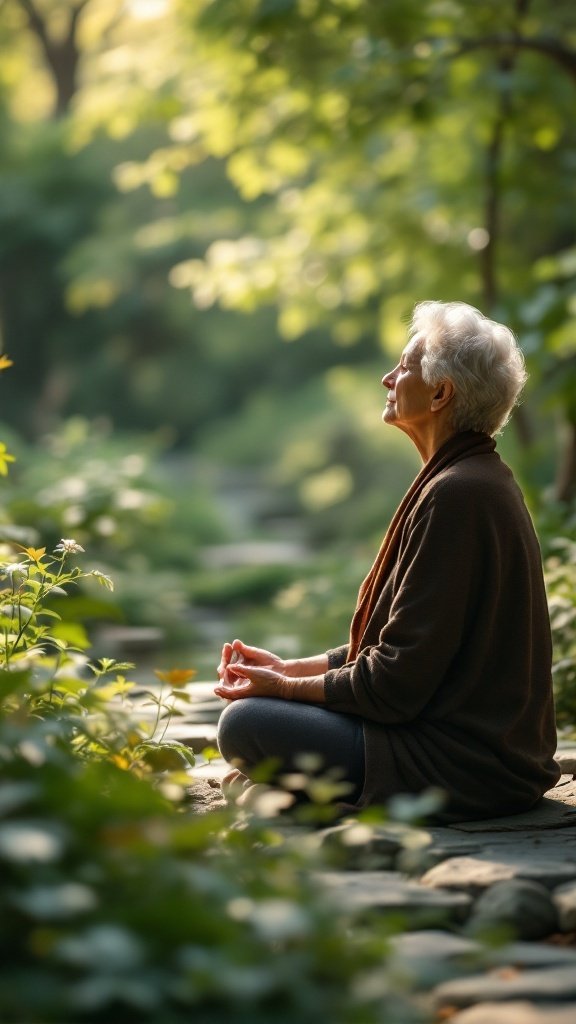
The journey of aging can be a beautiful experience, especially when we prioritize mental wellness. In the image, we see a serene older woman practicing mindfulness in a lush, green setting. This peaceful moment illustrates one of the many strategies for maintaining mental health as we age.
One effective way to enhance mental wellness is through mindfulness and meditation. Taking time to sit quietly, like the woman in the photo, can help reduce stress and promote a sense of calm. Engaging in such practices regularly allows individuals to connect with their thoughts and feelings, leading to greater emotional balance.
Another strategy is staying socially connected. Building relationships and engaging in community activities can greatly improve one’s mood and outlook on life. Whether it’s joining a book club, attending classes, or simply spending time with family, these interactions provide support and companionship.
Additionally, learning new skills or hobbies is a great way to keep the mind sharp. Whether it’s painting, gardening, or learning a musical instrument, trying something new can be fulfilling and fun. As we age, keeping our minds active contributes significantly to our overall mental well-being.
Managing Chronic Conditions Effectively
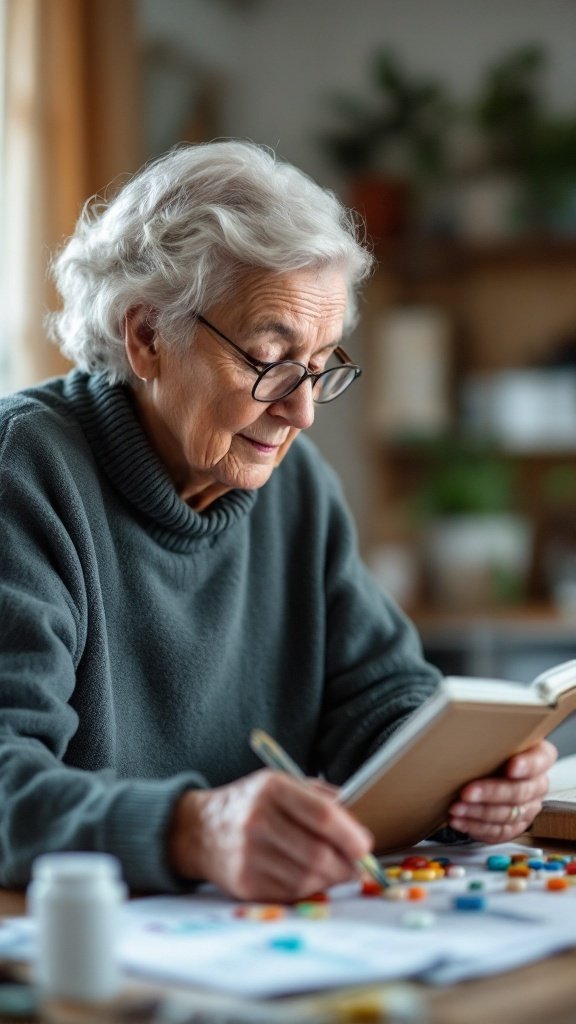
Managing chronic conditions can feel like a full-time job, but it doesn’t have to be overwhelming. The image here shows a senior adult engaged in a thoughtful activity, possibly keeping track of medications or jotting down health notes. This kind of proactive behavior is key to managing health effectively.
One simple yet effective method is keeping a medication log. This can help ensure that you take the right pills at the right time. Using a daily planner or even a digital app can also assist in tracking health appointments, medication schedules, and symptoms.
Another strategy is finding a routine that works for you. Whether it’s a morning walk or a special time for relaxation, consistency can make a big difference. It’s all about establishing habits that support your health journey.
Staying connected with healthcare providers is also crucial. Regular check-ins can help you adjust your plan based on how you feel and what your needs are. Remember, you are your own best advocate when it comes to health!
Regular Health Check-ups: Why They Matter

In the image, we see a friendly conversation between an older man and a healthcare professional. They sit in a bright, welcoming environment, likely a clinic or a health center. The man holds some papers, suggesting they are discussing important health information. This scene highlights the essence of regular check-ups.
Regular health check-ups are key to staying on top of your health as you age. They provide an opportunity to catch potential issues early. Just like in the image where the two individuals are engaged in a meaningful discussion, your appointments can be a chance to ask questions and share concerns.
These visits help monitor chronic conditions or manage medications. They can also lead to lifestyle tips that promote better health. Talking to a healthcare provider can ease worries and give direction on what to focus on for personal wellness.
Additionally, regular check-ups foster a relationship with your doctor. This bond can make you feel more comfortable discussing sensitive topics. Remember, being proactive about your health today can lead to better outcomes tomorrow. Just like that conversation in the picture, communication is essential!
Balanced Nutrition for Older Adults

Eating well is key to staying healthy as we age. A plate full of colorful fruits and vegetables is a perfect example of balanced nutrition. In the image, you can see a vibrant array of fresh produce, like bananas, strawberries, broccoli, and carrots. Each of these foods offers unique vitamins and minerals that support overall health.
Fruits and vegetables are important because they provide essential nutrients without too many calories. For older adults, this means you can enjoy a variety of flavors while giving your body what it needs. The bright colors of the foods indicate the different nutrients they contain, making your meals both visually appealing and nutritious.
A diet rich in fruits and vegetables can help boost your immune system, improve digestion, and even enhance mood. It’s also an easy way to incorporate fiber and antioxidants into your meals. Don’t forget to mix it up! Try different combinations and experiment with cooking methods to keep your meals exciting.
Next time you plan a meal, think about filling your plate with a rainbow of foods. It’s a simple step toward staying healthy and feeling your best.
Sleep Hygiene: Essential for Senior Health

Good sleep is vital for seniors, impacting both physical and mental well-being. The image shows a peaceful older gentleman resting in bed, surrounded by soft pillows and light filtering through the curtains. This scene beautifully represents the importance of a serene sleep environment.
As we age, our sleep patterns often change. It’s not just about the hours we spend in bed; it’s about the quality of that sleep. Creating a calm atmosphere, like the one in the image, can make a big difference. Dim the lights, keep the room cool, and ensure the bed is comfortable.
Establishing a nightly routine is another key factor. Simple practices like reading a book or listening to soft music can signal the body that it’s time to wind down. Avoid screens before bedtime, as the blue light can interfere with our ability to fall asleep. Taking these steps can help seniors enjoy better sleep and, ultimately, better health.
Importance of Regular Physical Activity

Staying active is crucial for seniors, and there’s no better way to embrace it than through activities like yoga or stretching. The image shows a joyful couple enjoying a yoga session outdoors. Their smiles reflect the happiness that comes from moving the body and connecting with nature. Regular physical activity can enhance flexibility, strength, and balance, which are vital for maintaining independence as we age. It’s heartwarming to see how seniors can inspire each other to keep fit and enjoy life.
Being active doesn’t mean hitting the gym every day. Simple exercises, like walking in the park or engaging in gentle yoga, can make a big difference. This couple in the image demonstrates how fun and uplifting physical activity can be. The vibrant colors of the fall leaves add to the ambiance, creating a serene environment for exercise.
Regular movement can help reduce the risk of chronic diseases and improve mental health. Just a little bit of daily activity can boost mood and energy levels. So, whether it’s a leisurely stroll or a fun yoga class, staying active is key for a healthy and happy life as we grow older.
Social Connections: The Key to Longevity

The image beautifully captures a group of seniors enjoying each other’s company. Their laughter and smiles highlight the joy of social interactions, which are crucial for mental and emotional well-being. As they share stories and laughter, it becomes evident that these connections play a significant role in their health and longevity. Engaging with friends and family can fight off feelings of loneliness and depression, helping seniors lead happier lives. The warmth of their interactions reminds us that building and maintaining friendships is just as important as physical health. Regular social engagement can lower stress levels and even boost cognitive function. So, whether it’s a weekly coffee chat or a game night, nurturing these relationships can lead to a more fulfilling life. Let’s celebrate these moments and recognize that social bonds are vital in our journey towards healthy aging.
Staying Hydrated: Tips for Seniors

In the image, we see a thoughtful senior man enjoying a glass of a clear beverage, likely filled with refreshing water or juice. His surroundings are bright and cheerful, with a colorful assortment of fruits nearby, showcasing nature’s bounty. Staying hydrated is essential for our overall health, especially as we age, and this image perfectly captures a moment of mindful hydration.
First off, drinking enough fluids is crucial for seniors. It helps maintain energy levels and supports vital bodily functions. Aim for a balanced intake of water throughout the day. Sometimes, we might not feel thirsty, so setting regular reminders can help keep hydration in check.
Incorporating fruits and vegetables into your diet can also boost hydration. Fruits like watermelon, oranges, and berries contain a lot of water. Think of them as snacks and hydration helpers rolled into one. You can enjoy them fresh, in salads, or even blended into smoothies for a delicious option.
Another fun idea is to flavor your water. Adding slices of lemon, cucumber, or mint can make drinking water a lot more enjoyable. Try to keep a pitcher in the fridge with these additions ready to go!
Lastly, always listen to your body. If you feel tired or have a dry mouth, it’s a sign to drink more. Staying hydrated can be simple and enjoyable; just like the man in the image, take a moment to pause and enjoy a refreshing drink.
The Benefits of Mindfulness and Meditation
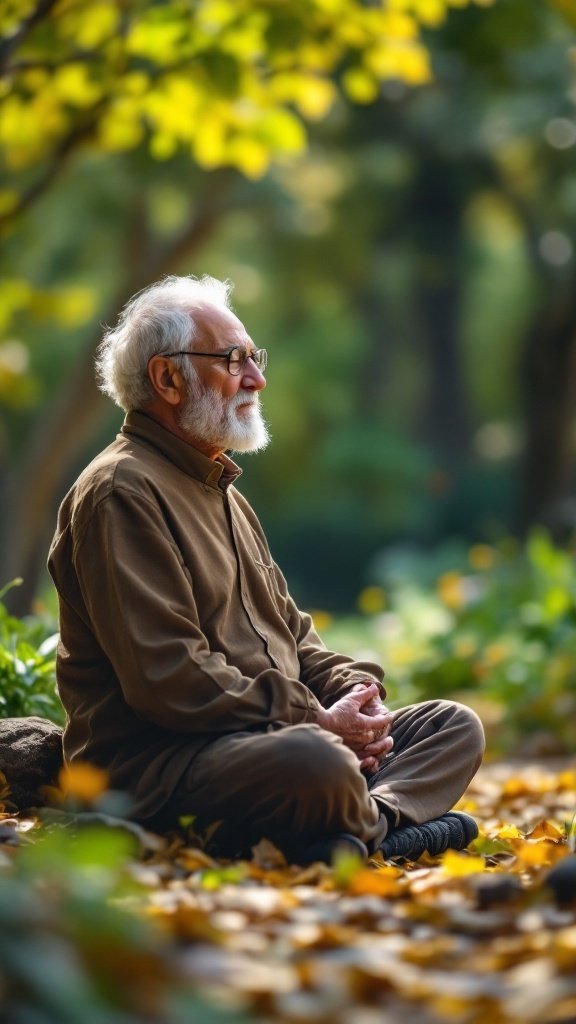
Mindfulness and meditation can be simple yet effective practices for seniors looking to enhance their well-being. The image you see captures a serene moment, where an elderly man sits peacefully amidst nature, embodying a spirit of calm and reflection.
These practices are not just about finding quiet moments; they also offer tangible health benefits. Regular meditation can help reduce stress and anxiety, which is especially important as we age. Stress can take a toll on both mental and physical health, so finding ways to manage it is crucial.
Engaging in mindfulness allows seniors to stay present and appreciate the little things in life. It encourages a deeper connection with oneself and surroundings, leading to a more fulfilling daily experience. Just like the man in the image, spending time in nature can amplify these benefits, providing a peaceful backdrop for reflection.
Furthermore, practicing mindfulness can improve focus and concentration. As we age, mental sharpness can sometimes decline, but these techniques can help maintain cognitive function. Simple breathing exercises and guided meditations can easily be incorporated into a daily routine, making it accessible for everyone.
In conclusion, dedicating just a few minutes each day to mindfulness or meditation can lead to significant improvements in overall health and happiness. So why not give it a try? Just take a moment to breathe, reflect, and enjoy the present.
Maintaining Good Posture and Balance

Good posture and balance are key elements of health, especially as we age. The image shows a senior man practicing his balance, arms raised, in a cozy living room. This simple act not only boosts confidence but also helps in strengthening the core and improving stability.
Everyday activities can contribute to better posture. Sitting straight, standing tall, and even walking correctly can make a big difference. The way we carry ourselves affects our muscles and joints, and it’s important to be mindful of it.
Balance exercises, like standing on one foot, can be done safely at home. They help to enhance stability, which reduces the risk of falls. It’s also beneficial to engage in activities like yoga or tai chi, which focus on gentle movements and breathing.
Incorporating these practices into your routine can lead to better posture and balance. Remember, it’s never too late to start making small changes that can lead to a healthier lifestyle.
Engaging in Hobbies for Mental Stimulation

Engaging in hobbies is a fantastic way to keep the mind sharp and active, especially for seniors. Take a look at the image of a senior man immersed in painting. The vibrant colors splattered around him show the joy and creativity that art can bring.
Hobbies like painting, gardening, or crafting not only provide enjoyment but also stimulate mental processes. They encourage problem-solving and critical thinking, which are important for maintaining cognitive health. When the mind is engaged, it helps ward off feelings of isolation and boredom.
In the picture, the man is surrounded by brushes and paints, ready to create something unique. This creative outlet allows for self-expression and can be very therapeutic. Whether it’s painting a masterpiece or tending to plants, these activities can bring fulfillment and happiness.
Incorporating hobbies into your routine can be as simple as dedicating a few hours each week to a favorite pastime. It’s all about finding what sparks joy and keeps your mind engaged. So, grab that paintbrush or gardening tool, and let the creativity flow!
Staying Informed about Healthcare Options

Staying informed about healthcare options is crucial, especially as we age. The image shows a senior man comfortably seated, reading through important healthcare materials. This setting emphasizes the importance of understanding the choices available to maintain health and well-being.
Being proactive about your health means knowing what services, medications, and treatments are available. It’s helpful to read up on these topics regularly. The man in the image is engaged in this process, highlighting the value of taking time to educate oneself.
Healthcare can be overwhelming, but it doesn’t have to be. Utilizing brochures and guides can simplify complex information. It’s all about making informed decisions that fit your lifestyle and needs.
Regularly reviewing healthcare options can lead to better health outcomes. Whether it’s checking on new medications or understanding treatment plans, being informed empowers you to discuss your choices with healthcare providers confidently.
Adopting a Pet for Companionship

Adopting a pet can bring joy and companionship, especially for seniors. In the image, we see a cheerful older man enjoying a moment with his golden retriever in a sunny park. The bond between them is clear as they share smiles and affection. This scene captures the essence of companionship that pets can provide.
Pets offer more than just friendship; they can help reduce feelings of loneliness. Taking care of a pet can also encourage seniors to stay active. Regular walks and playtime promote physical activity, which is essential for health in later years. The simple act of pet ownership can lead to a more fulfilling daily routine.
Moreover, pets can help lower stress levels. Just petting a dog can release calming hormones. This interaction creates a soothing environment, which is vital for mental well-being. The laughter and joy a pet brings into a home can truly enhance the quality of life.
When considering adopting a pet, it’s important to think about the type of animal that would fit best. Dogs, like the one in the image, are often loyal and loving companions. Cats can also be great for those who prefer a more independent pet. Regardless of the choice, the right pet can make a significant difference in a senior’s life.
Cognitive Exercises for Brain Health

Engaging in cognitive exercises is a fun way to keep the mind sharp, especially for seniors. The image shows a man deep in thought, working on a puzzle at a cozy table. This kind of mental activity is not just enjoyable; it plays a vital role in maintaining cognitive health.
Puzzles, crosswords, and word searches are excellent examples of exercises that challenge the brain. These activities require focus, problem-solving skills, and memory, making them perfect for keeping the mind active. Plus, they can be done alone or enjoyed with friends, adding a social aspect that is beneficial for emotional well-being.
Setting aside time each day for these exercises can help improve memory and concentration. Just like physical exercise is essential for the body, mental workouts are key for brain health. So, grab a crossword or find a puzzle to solve, and make it part of your routine!
The Role of Supplements in Senior Health

In the journey of aging, maintaining good health is a top priority. One way to support this is through supplements. The image shows a variety of supplement bottles, which can be quite useful for seniors. With so many options available, it’s important to know how they can benefit overall health.
Supplements can fill nutritional gaps in a senior’s diet. As we age, our bodies may require different nutrients. Vitamins like B12 and D, along with minerals like calcium and magnesium, are important for bone health and energy levels. The image captures a colorful array of these supplements, reflecting the diversity needed in daily nutrition.
Moreover, supplements can aid in managing specific health issues. For instance, omega-3 fatty acids are great for heart health, while glucosamine may support joint health. It’s always a good idea to consult with a healthcare provider before starting any new supplement regimen. The assortment of bottles in the photo suggests the importance of choosing the right products tailored to individual needs.
Lastly, it’s worth noting that while supplements can be beneficial, they shouldn’t replace a balanced diet. Fresh fruits, vegetables, whole grains, and lean proteins should still be the foundation of any healthy eating plan. The image serves as a reminder that supplements are just one piece of the larger puzzle in supporting senior health.
Creating a Safe Living Environment
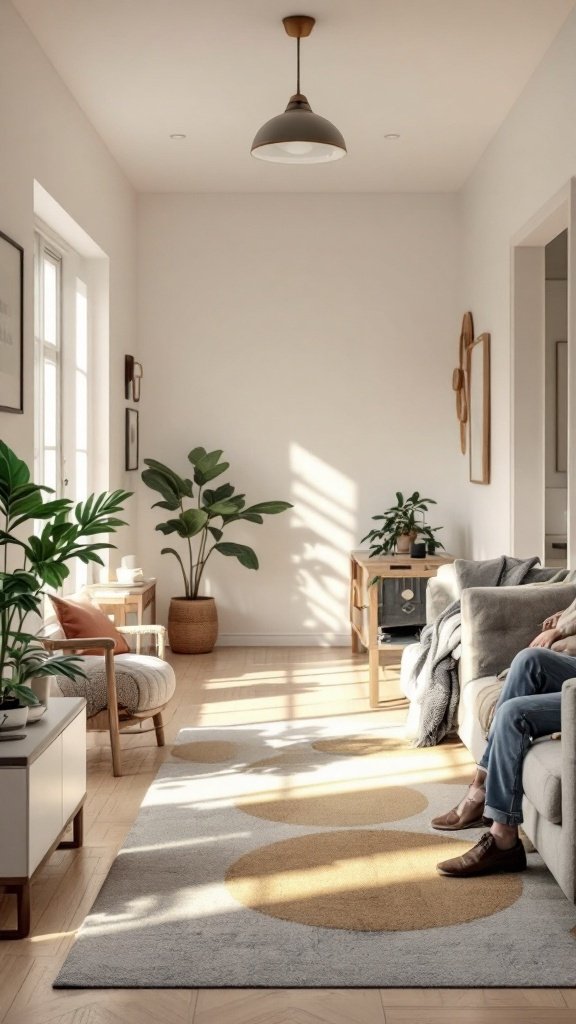
Creating a safe living environment is essential for seniors. A cozy, well-organized space can make a big difference. The image shows a bright, inviting living area filled with natural light. This kind of environment can promote comfort and well-being.
Start by decluttering the space. Remove any items that might cause trips or falls. Use non-slip mats, especially on hardwood or tiled floors. The rug in the image looks both stylish and safe—perfect for adding warmth without the risk of slipping.
Adding plants can enhance air quality and create a calming atmosphere. The greenery in the image suggests a connection to nature, which is important for mental health. Make sure plants are placed out of the way to prevent accidents.
Good lighting is crucial. The lamp in the image provides a warm glow, helping to brighten darker corners. Consider using bright, energy-efficient bulbs in all areas to reduce eye strain.
Lastly, ensure that all furniture is easy to use. Choose comfortable seating that allows for easy getting up and down. The cozy chair in the corner looks like a perfect spot to relax without worry.
Understanding and Preventing Fall Risks

As we age, the risk of falling can become a significant concern. The image of an older gentleman carefully making his way up a set of stairs highlights the importance of understanding this risk. Each step taken requires balance and awareness, which can sometimes be challenging for seniors.
Falling might lead to serious injuries, so it’s crucial to take preventive measures. Simple changes at home, like ensuring adequate lighting and removing clutter, can help create a safer environment. Handrails, like the one in the image, can also provide essential support. It’s all about making small adjustments that can lead to increased safety.
Regular exercise is another key factor in fall prevention. Activities that focus on strength, balance, and flexibility can help maintain mobility. Practicing these exercises can build confidence and reduce the fear of falling. Overall, understanding the risks and taking proactive steps is vital for maintaining independence.
Healthy Snacking Ideas for Seniors
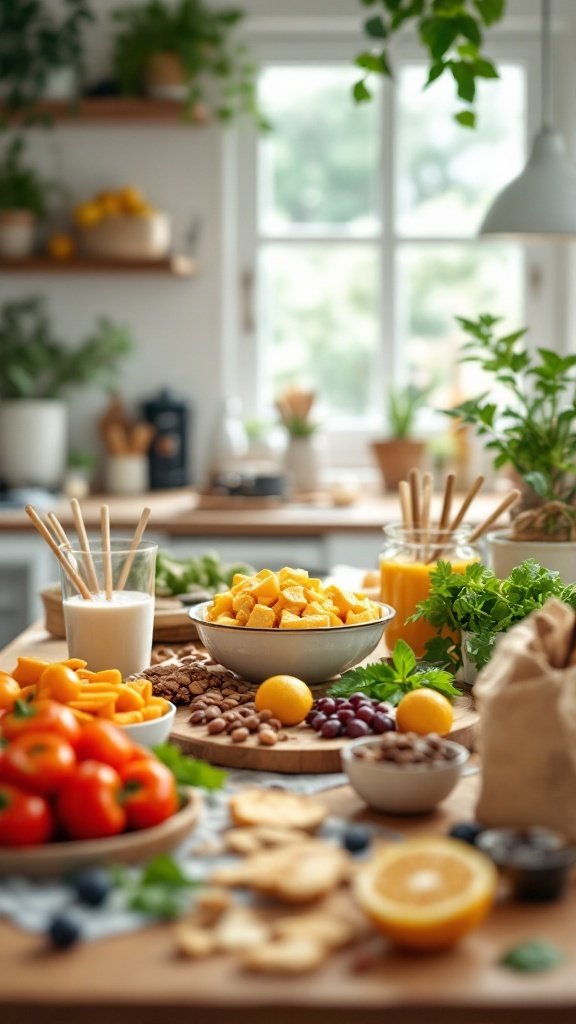
Snacking can be a delightful way for seniors to enjoy tasty treats while also getting important nutrients. The image shows a colorful spread of healthy snacks, perfect for anyone looking to maintain a balanced diet. From fresh fruits to nuts and yogurt, each option offers a unique set of benefits.
One exciting idea is to create a fruit platter featuring fresh mango, grapes, and citrus fruits like oranges. These fruits are not only refreshing but also packed with vitamins. Pair them with yogurt for a creamy texture that adds protein to your snack.
Another option is a mix of nuts and seeds, which provide healthy fats and energy. Almonds, walnuts, and sunflower seeds are easy to grab and munch on throughout the day. They also support heart health, which is essential for seniors.
If you’re in the mood for something crunchy, try baked vegetable chips made from kale or beets. These alternatives are usually lower in calories and provide fiber. Enjoying them with a light dip can enhance the flavor.
Lastly, consider making some simple energy bites using oats, peanut butter, and a touch of honey. Just mix the ingredients, roll them into balls, and you have a quick, nutritious snack ready for whenever hunger strikes!
The Impact of Music on Senior Wellbeing
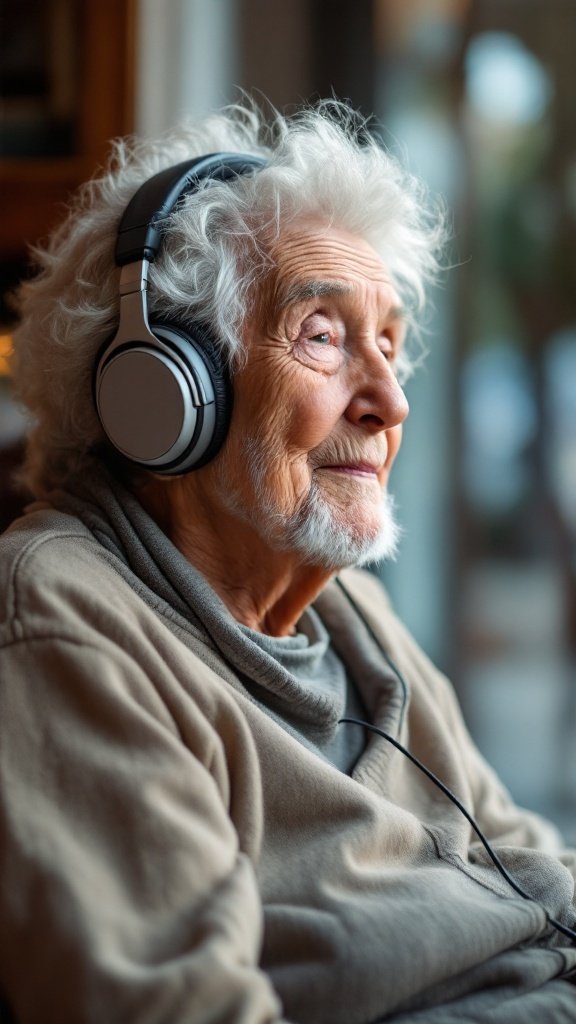
Music has a special way of reaching us, no matter our age. For seniors, it can evoke memories, stir emotions, and even improve mood. In the image, we see an elderly person enjoying music with headphones, lost in thought. This moment captures how music can provide comfort and joy. Listening to favorite tunes can transport seniors back to significant times in their lives, helping them feel connected and engaged. It’s not just entertainment; it’s a pathway to reminiscence and happiness.
Studies have shown that listening to music can reduce stress and anxiety, which is especially important for seniors. Whether it’s classical, jazz, or the pop hits of their youth, music can uplift spirits and enhance overall well-being. Creating playlists tailored to their preferences can be a simple yet effective way to brighten their day. So why not encourage the seniors in your life to put on those headphones and enjoy a musical journey?
The Importance of Regular Vision and Hearing Checks
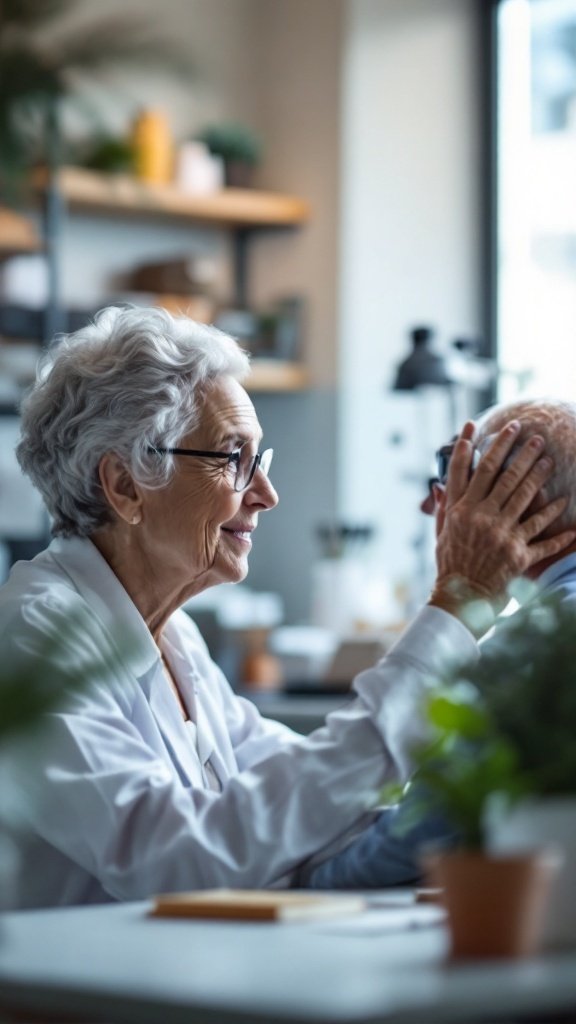
When it comes to staying healthy as we age, keeping an eye on our vision and hearing is crucial. Regular checks can help catch issues early and allow for better management of any changes. In the image, we see a caring healthcare professional engaging with a senior patient. This interaction highlights the importance of personalized care and attention when it comes to health assessments.
Good vision and hearing are essential for staying connected with the world around us. They impact everything from communication to safety. When these senses decline, daily activities can become challenging. Therefore, regular check-ups are a smart way to prioritize your health.
In this friendly environment, the senior patient appears at ease, which is vital for open communication. Building a trusting relationship with healthcare providers can make it easier to discuss any concerns regarding vision or hearing.
So, don’t hesitate to schedule those appointments! Regular vision and hearing checks are simple steps that contribute significantly to your overall well-being. Remember, maintaining these senses helps keep you engaged and enjoying life to the fullest.
Gardening as a Therapeutic Activity

Gardening is more than just a hobby; it’s a soothing activity that can benefit seniors in many ways. Picture a sunny day, surrounded by colorful flowers, with a gentle breeze. This scene captures the essence of gardening as a relaxing and rewarding experience.
The image shows an older gentleman tending to a vibrant garden. He’s gently digging into the soil, surrounded by cheerful blooms like sunflowers and daisies. This peaceful moment illustrates how gardening allows seniors to connect with nature while providing a sense of purpose.
Engaging in gardening offers physical benefits, too. It encourages movement, flexibility, and can be a gentle workout. Pulling weeds, planting seeds, and watering plants all contribute to staying active. Moreover, being in the fresh air can uplift the mood and reduce stress.
Another important aspect of gardening is the mental health benefits. Focusing on nurturing plants can be meditative, helping to clear the mind. Plus, watching flowers grow and thrive brings joy and satisfaction, which can positively impact overall well-being.
For seniors looking to start or enhance their gardening journey, it’s a good idea to begin with easy-to-grow plants. Herbs, like basil or mint, are perfect for beginners. They require minimal care and can be used in cooking, adding even more value to the experience.
Overall, gardening is a lovely way for seniors to stay active, reduce stress, and enjoy the beauty of nature all around them.
Exploring New Technologies for Health Monitoring
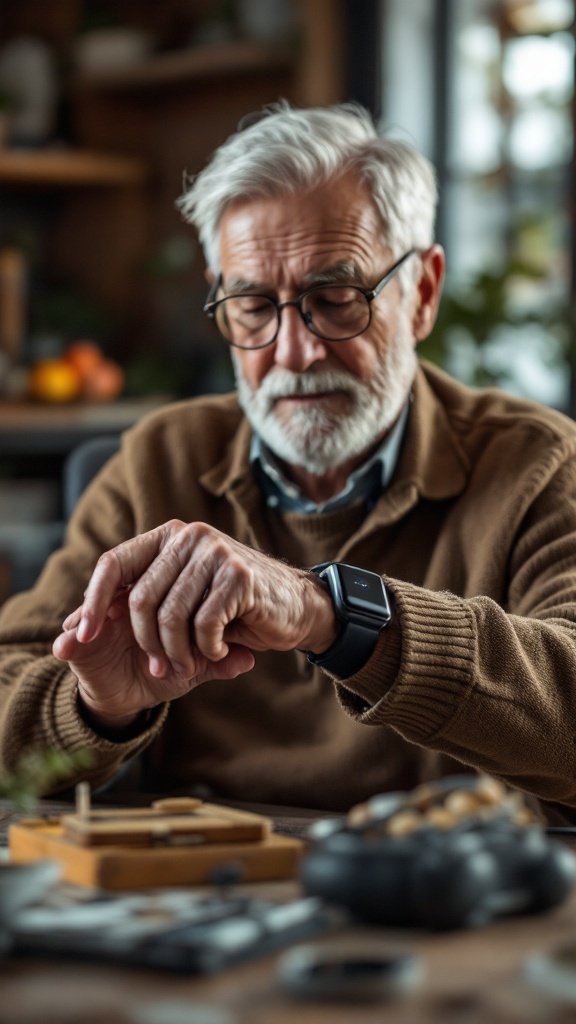
In today’s world, technology plays a significant role in how we monitor our health. The image shows a senior man checking his smartwatch, which is a common sight these days. These devices can track various health metrics, making it easier for seniors to stay informed about their well-being.
Smartwatches can monitor heart rates, sleep patterns, and even physical activity. This data helps seniors maintain a healthy lifestyle and can alert them or their caregivers if something seems off. Instead of relying solely on regular check-ups, they can have real-time information right on their wrist.
Many seniors find that using these devices is quite simple. They can easily navigate through their apps to access vital health information. This ease of use encourages them to stay engaged in their health management.
Additionally, the social aspect of these technologies can’t be overlooked. Some smartwatches allow users to share their health stats with family members. This connection can provide peace of mind for everyone involved.
As we explore these health monitoring options, it’s clear that technology can make a positive impact on senior health. It empowers them to take charge of their well-being and enhances their quality of life.
Hydration Reminder Systems for Seniors

Staying hydrated is crucial as we age, but sometimes it’s easy to forget. That’s where hydration reminder systems come in. The image shows a modern water bottle with a digital display that tracks hydration levels and sends reminders. It’s designed to make drinking water a breeze for seniors.
This bottle not only looks cool, but it serves a purpose. The glowing blue liquid suggests freshness, reminding users that water is just a sip away. The digital interface displays important information like how much water has been consumed and when it’s time to drink again.
For seniors, having a visual and auditory reminder can be a helpful nudge. It takes the guesswork out of hydration, ensuring they drink enough water throughout the day. Staying hydrated can help with energy levels, digestion, and overall health, making it an important habit to cultivate.
So, whether it’s through a smart water bottle or a simple reminder on the fridge, keeping hydrated is a key health secret for seniors. It’s all about making hydration easy and accessible, helping everyone feel their best!
Nurturing Family Relationships
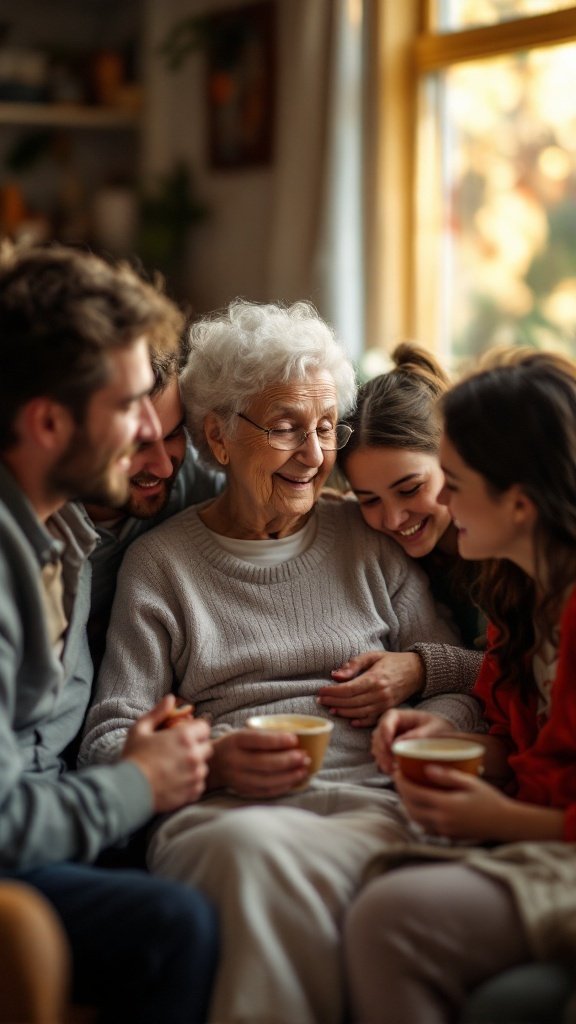
In our busy lives, it’s easy to overlook the importance of family connections. The image captures a beautiful moment where a grandmother is surrounded by her loved ones, sharing smiles and warmth. These interactions are more than just joyful; they are vital for emotional health.
Spending time with family can bring joy and comfort. It helps seniors feel valued and loved. Sharing stories or enjoying a cup of tea together fosters a sense of belonging. These simple gatherings can lift spirits and create lasting memories.
Establishing regular family get-togethers can strengthen bonds. Whether it’s a casual coffee date or a family dinner, being present matters. It’s these moments that nurture relationships and remind us of what truly matters in life.
Encouraging open conversations within the family can also be beneficial. It allows everyone to express their feelings and share their experiences. This connection helps in understanding and supporting each other better.
Establishing a Daily Routine for Consistency
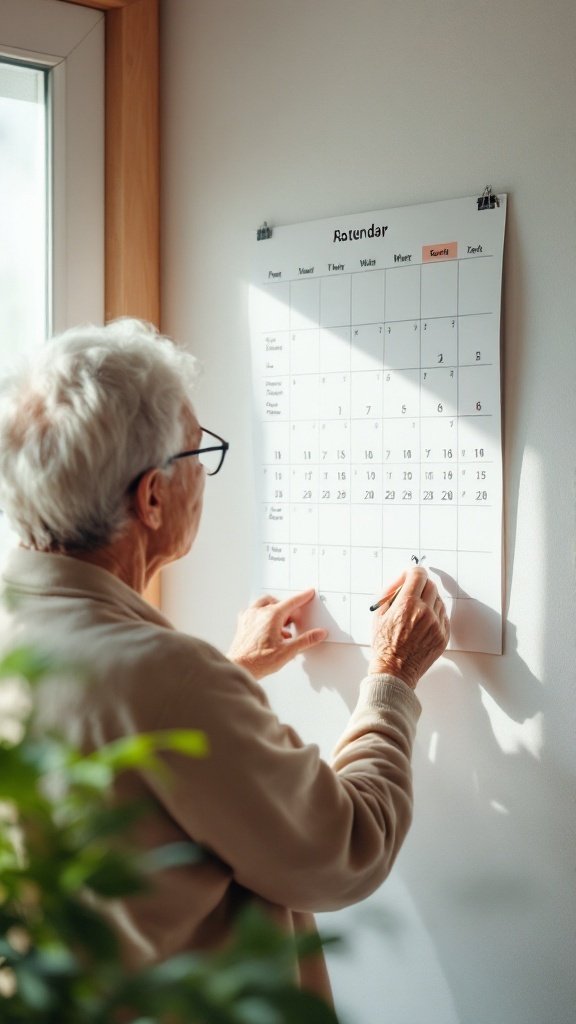
Creating a daily routine can be one of the best ways to enhance your overall well-being. The image shows a senior individual thoughtfully writing on a calendar, which symbolizes the importance of planning and consistency in daily activities.
Having a structured day helps in setting clear goals and staying on track. Whether it’s scheduling exercise, meal times, or social activities, each entry in your calendar can serve as a reminder to prioritize your health and happiness.
When you see your commitments laid out, it becomes easier to stick to them. A routine also brings a sense of stability, which is especially beneficial as we age. It can help reduce stress and enhance your mood.
So, grab a calendar or planner, and start mapping out your days. Remember to include time for activities you enjoy. This not only keeps you engaged but also encourages consistency in your health and wellness journey.
The Power of Laughter and Humor
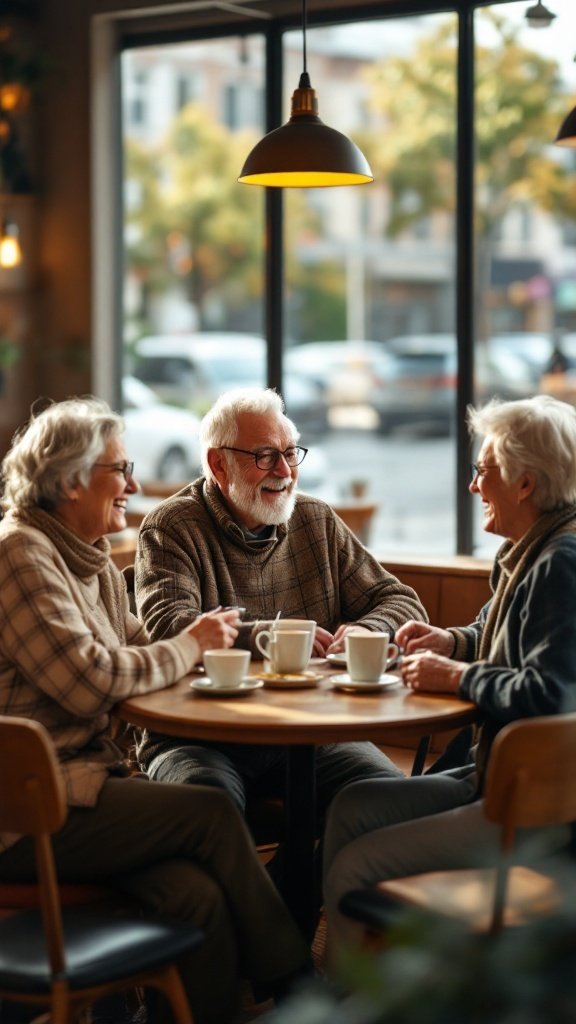
Laughter is a wonderful way to connect with others, and it’s even more significant as we age. The image shows three seniors sitting together, smiling and sharing a light moment over coffee. It’s clear they’re enjoying each other’s company, and that joy is reflected in their expressions.
Humor has many benefits for seniors. It helps reduce stress, improve mood, and strengthen relationships. When we laugh, our body releases endorphins, which can enhance feelings of happiness. This can be especially helpful for seniors who may face loneliness or health challenges.
Spending time with friends, as shown in the image, creates opportunities for laughter. Whether it’s sharing funny stories or watching a comedy, these moments contribute to overall well-being. So, don’t underestimate the power of a good laugh!
Incorporating humor into daily life can be simple. Try watching a funny show, reading a humorous book, or even attending a comedy club. The key is to surround yourself with positive experiences and people who make you smile.
Understanding the Role of Mental Health Professionals

In the image, we see a warm, supportive interaction between an older man and a mental health professional. The man has a gentle smile, while the professional listens attentively and engages in a meaningful conversation. This visual captures the essence of mental health support, emphasizing the importance of connection and understanding in the healing process.
As we age, it’s not just physical health that matters; mental health plays a crucial role too. Mental health professionals, such as therapists and counselors, provide essential support for seniors. They help navigate feelings of isolation, anxiety, and depression that can often accompany aging.
Engaging with mental health professionals can be a comforting way for older adults to express their feelings. It creates a safe space where they can discuss their thoughts without judgment. This support can lead to better emotional well-being and a more fulfilling life.
Incorporating mental health care into our daily lives is key. Regular sessions can offer seniors tools to cope with challenges and enhance their emotional resilience. Whether through therapy, support groups, or even casual conversations, staying connected with professionals can be beneficial.
Volunteer Work: Benefits for Seniors
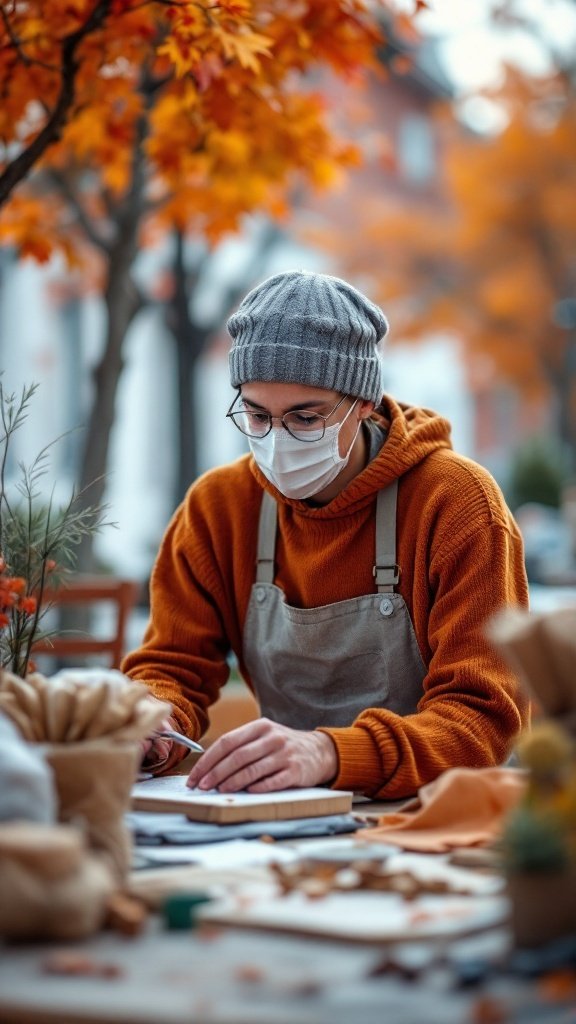
Engaging in volunteer work can bring a lot of joy and fulfillment to seniors. It’s a wonderful way to stay active and connected. The image captures a person deeply focused on a creative project amidst beautiful autumn colors. This setting shows how volunteering can blend creativity with community service.
When seniors volunteer, they often find a sense of purpose. Whether it’s helping at a local food bank or participating in community art projects, these activities can boost mental well-being. The act of giving back can lead to increased happiness and satisfaction.
Additionally, volunteering can foster social connections. Many seniors make new friends while working alongside others who share similar interests. This sense of community can help combat loneliness, which many may experience.
Volunteering can also provide opportunities to learn new skills. The individual in the image appears to be involved in some form of crafting or organizing, showcasing the hands-on experiences that can enrich one’s life. Trying new activities keeps the mind sharp and engaged.
Lastly, volunteering can promote physical health. Staying active while helping others can improve overall fitness levels. Whether it’s lifting boxes or participating in outdoor projects, there are many ways to stay mobile.
Creating Art for Emotional Expression
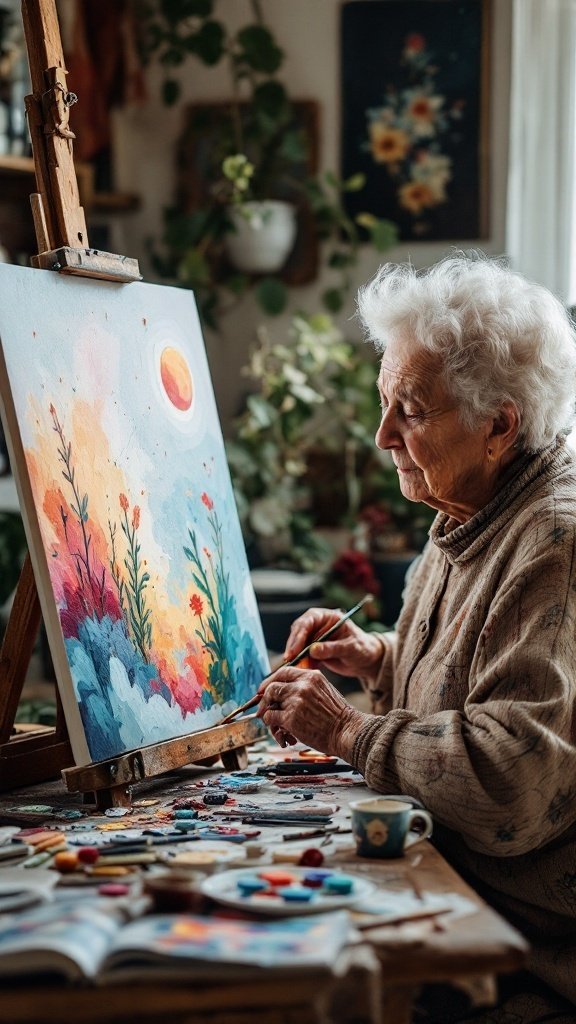
Art can be a powerful way for seniors to express their feelings. In the image, an older woman is deeply focused on her painting, surrounded by vibrant colors and various art supplies. This scene beautifully illustrates how engaging in creative activities can provide a sense of joy and accomplishment.
Painting allows for self-expression without words. For many seniors, it’s a way to convey emotions and memories, helping them reconnect with their inner selves. Whether it’s using bright colors to reflect happiness or softer tones for nostalgic moments, each stroke tells a story.
Additionally, creating art can also serve as a form of therapy. It encourages mindfulness, reducing stress and enhancing overall mental well-being. As seen in the image, the artist is not just creating a piece of work but is also embarking on a personal journey of exploration and reflection.
For those interested in starting their own artistic journey, all you need is some paper, paints, and a willingness to experiment. There’s no right or wrong way to create art. The most important part is to enjoy the process and let your emotions flow onto the canvas.
Exploring Alternative Therapies for Pain Management
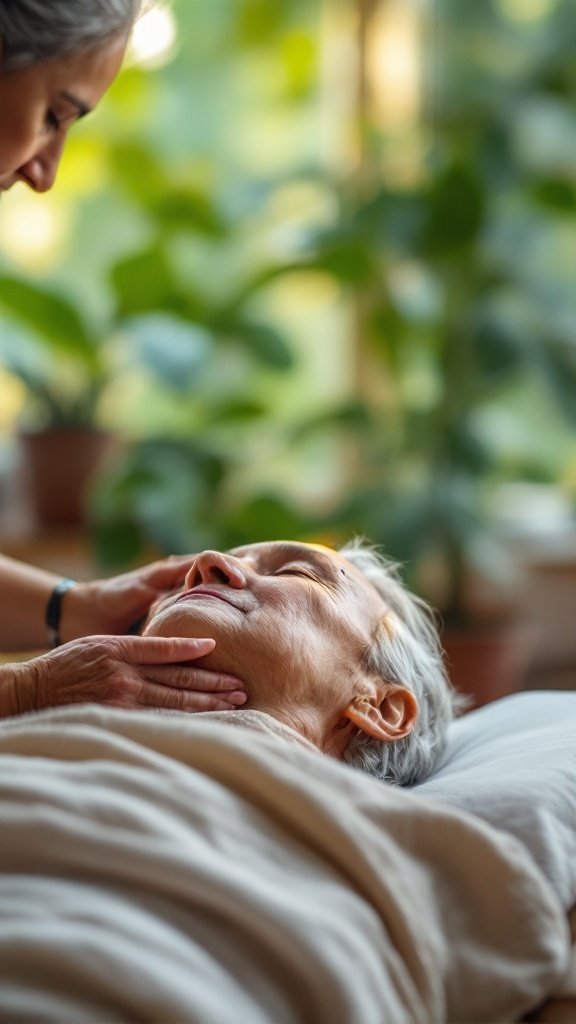
In the realm of senior health, alternative therapies are gaining popularity for pain management. The image captures a serene moment between a caregiver and an elderly person receiving gentle touch therapy. This kind of therapy can be soothing and provide relief from discomfort. Many seniors find that alternative methods, like massage or acupressure, help alleviate chronic pain without relying solely on medications. Such approaches can also improve overall well-being, enhancing mood and relaxation. As we explore these therapies, it’s essential to consider how they can fit into a comprehensive health plan for seniors. Listening to the body’s needs and finding the right alternative therapy can make a positive difference in managing pain.
Adapting to Dietary Changes with Age

As we age, our bodies undergo various changes, and our dietary needs often shift. This image beautifully captures a moment between a healthcare professional and an older adult, highlighting the importance of personalized nutrition. The warm interaction suggests a supportive approach to adapting dietary habits.
With a spread of colorful and healthy foods in front of them, it’s clear that a well-balanced diet is key. Fresh fruits, vegetables, and nourishing meals can help enhance overall well-being. When making dietary changes, it’s all about finding what works best for you.
Staying hydrated is also crucial. As we age, our sense of thirst may diminish. Therefore, incorporating foods with high water content, like cucumbers and watermelon, can be beneficial. Regularly checking in with healthcare providers can help ensure that your nutritional choices support your health goals.
Experimenting with new recipes can also make this transition enjoyable. Consider simple, nutritious meals that are easy to prepare. For instance, a hearty vegetable soup loaded with seasonal ingredients can be both comforting and nourishing. Remember, making small adjustments can lead to big improvements in how you feel.
This post may contain affiliate links which means I may receive a commission for purchases made through links. I will only recommend products that I have personally used! Learn more on my Private Policy page.