Looking for easy and tasty ways to boost your health or add some fun to your diet? “15 Pomegranates for Seniors” has you covered with simple ideas and recipes that anyone can enjoy. This guide brings together the benefits of pomegranates, making it easy to incorporate them into your daily meals while focusing on maintaining vitality and wellness in your golden years.
Heart Health and Pomegranate Juice
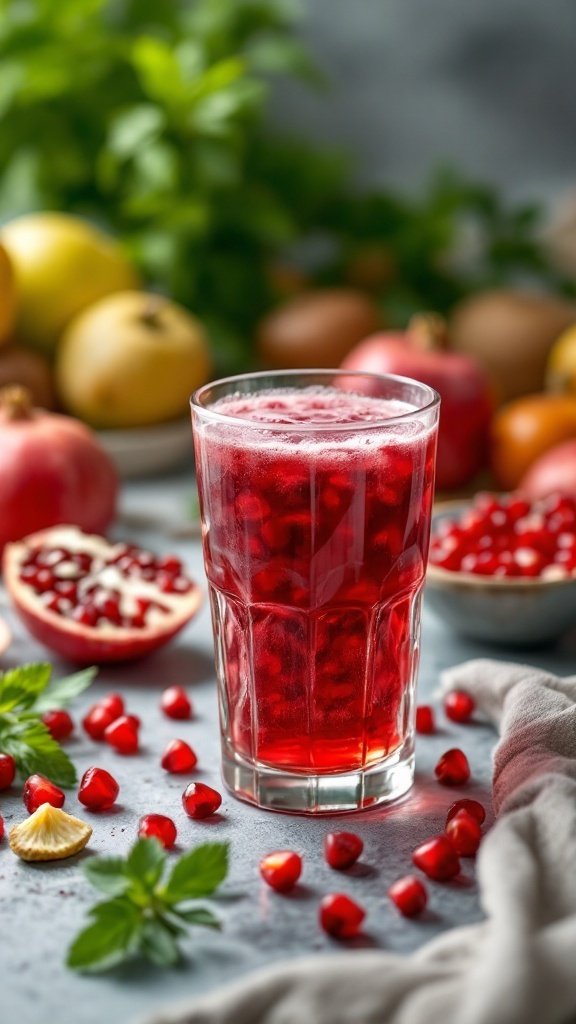
Pomegranate juice is not just a tasty drink; it’s also a powerhouse for heart health, especially for seniors. The image captures a vibrant glass of pomegranate juice, filled with delicious pomegranate seeds, sitting on a table surrounded by fresh fruits and herbs. This colorful display showcases the natural beauty and health benefits of pomegranates.
Studies have shown that pomegranate juice may help lower blood pressure and reduce cholesterol levels, making it a smart choice for heart health. The antioxidants found in pomegranates can help protect the heart by reducing inflammation and improving blood flow.
For seniors, incorporating pomegranate juice into their diet is simple. Just a small glass a day can provide a refreshing boost. It’s also easy to add to smoothies or mix with other fruit juices for a flavorful twist. Plus, the seeds can be sprinkled on salads or yogurt for an extra crunch!
Managing Blood Pressure with Pomegranates
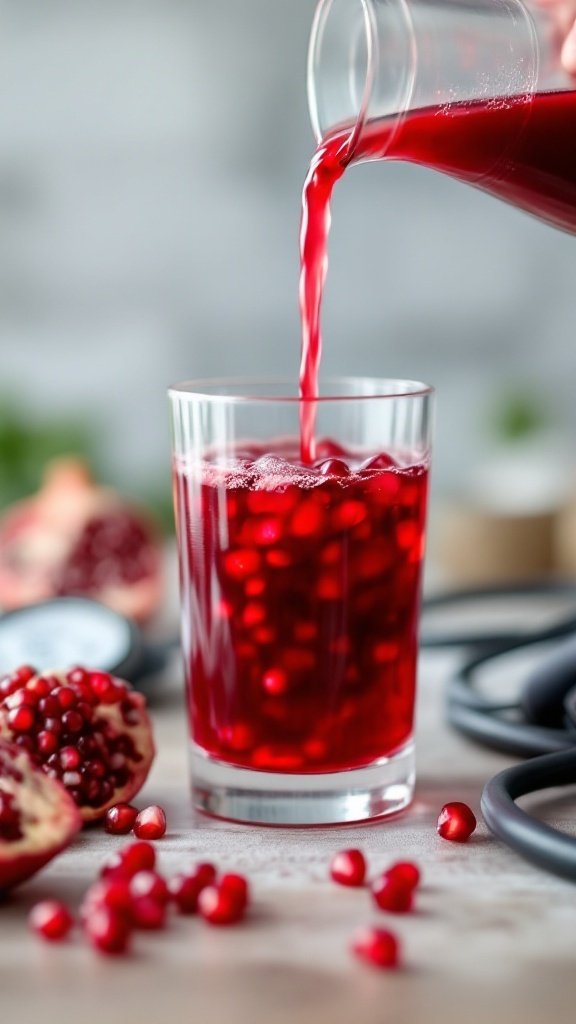
Pomegranates are more than just a tasty fruit; they can play a helpful role in managing blood pressure. In the image, you see a vibrant glass of pomegranate juice being poured. This juice is rich in antioxidants and nutrients, which can contribute to heart health.
Sipping on pomegranate juice, like what you see in the picture, is a simple way to enjoy its benefits. Studies suggest that consuming pomegranate juice can help reduce systolic blood pressure, making it a good addition to a senior’s diet.
The little seeds inside the fruit are packed with nutrients, too. You can enjoy them fresh or as a part of your favorite recipes. Try adding them to salads for a burst of flavor and nutrients!
So, the next time you’re looking for a refreshing drink, consider pouring yourself a glass of pomegranate juice. It’s a delicious way to support your blood pressure management naturally.
Antioxidants in Pomegranates and Aging
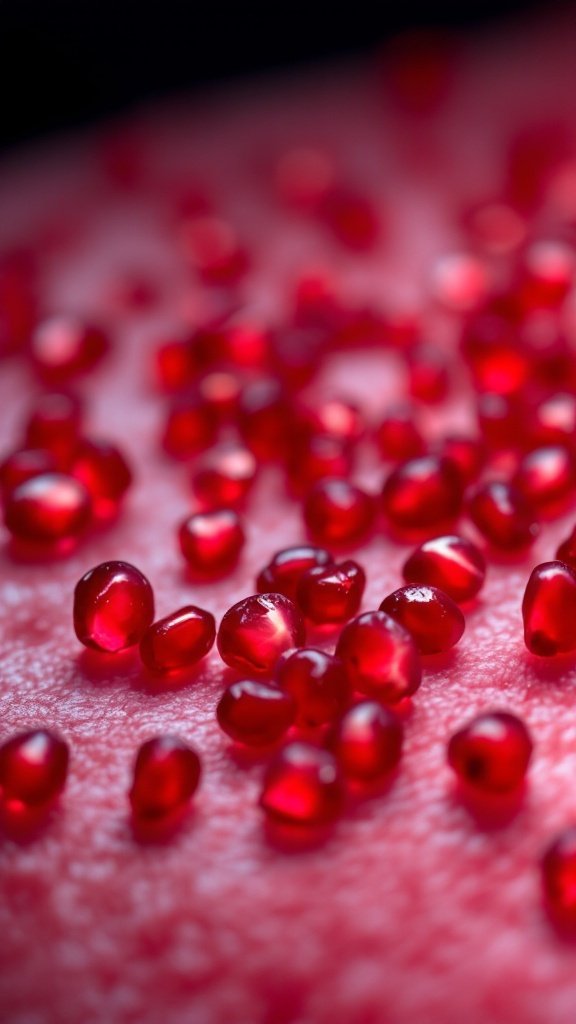
Pomegranates are not just tasty; they’re packed with antioxidants that can be beneficial as we age. The vibrant red seeds, or arils, are rich in polyphenols. These compounds help fight free radicals in the body, which can lead to aging and various health issues. Eating pomegranates may support heart health, improve memory, and even help with joint issues. Incorporating them into your diet is a simple way to boost your health. You can enjoy them raw, sprinkle them on yogurt, or blend them into a smoothie. This little fruit brings a lot to the table when it comes to healthy aging!
Pomegranates for Brain Health
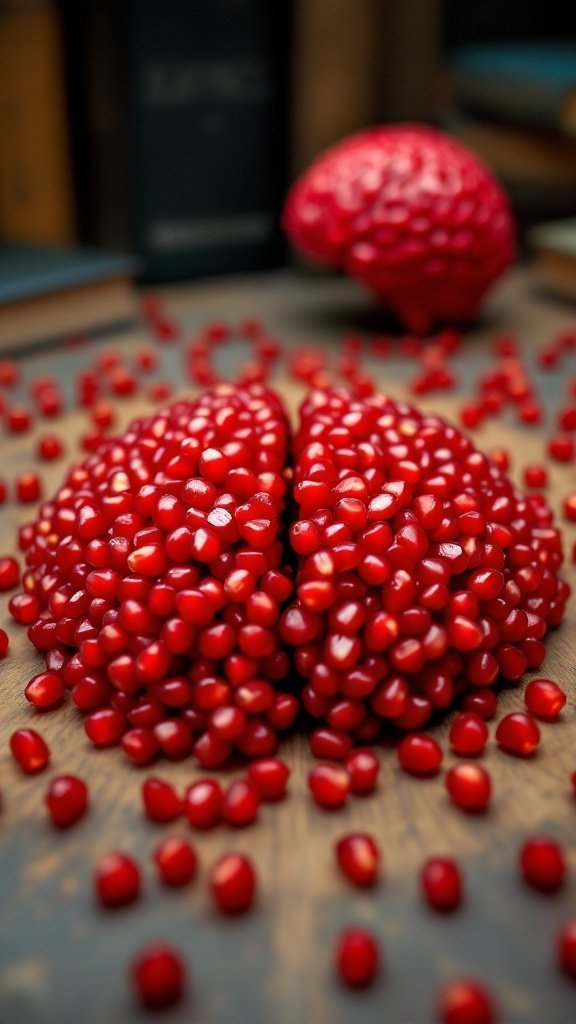
Pomegranates are not just delicious; they also offer benefits for brain health. The image captures the beauty of pomegranate seeds, arranged to resemble a brain, emphasizing their connection to cognitive function.
These vibrant red seeds are packed with antioxidants that help protect brain cells from damage. They can also improve memory and overall brain performance. Adding pomegranates to your diet is a tasty way to support mental clarity.
For seniors, including pomegranates in meals can be easy. You can add them to salads, yogurt, or even smoothies. Just a handful of these seeds can enhance your meals while providing a boost to brain health.
So next time you think about snacks or ingredients, consider the pomegranate. They are not only a feast for the eyes but also a smart choice for keeping your mind sharp!
Pomegranates and Joint Health
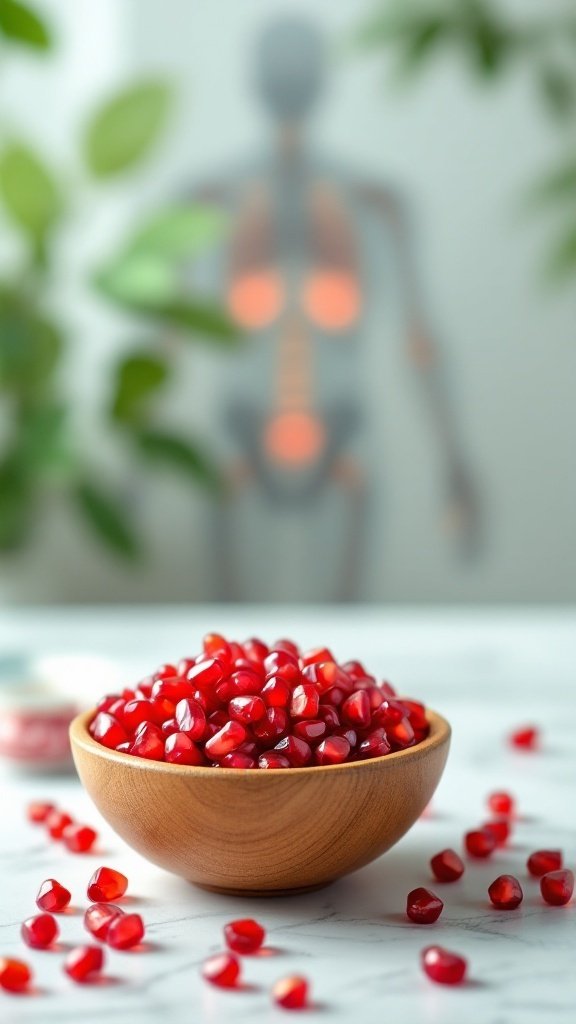
Pomegranates are not just a tasty treat; they also bring some benefits to joint health. The image shows a bowl filled with bright red pomegranate seeds, surrounded by a few scattered seeds. In the background, there’s a faint outline of a human body, highlighting areas that can benefit from healthy joints.
The juicy seeds are rich in antioxidants, which are known to help reduce inflammation. This is great news for seniors who may experience joint discomfort. By including pomegranates in their diet, they can support their joint health and overall well-being.
Incorporating pomegranates can be simple. Seniors can sprinkle the seeds on salads, blend them into smoothies, or enjoy them as a snack. A little creativity goes a long way in making healthy eating enjoyable!
Pomegranate Smoothie Recipes for Seniors
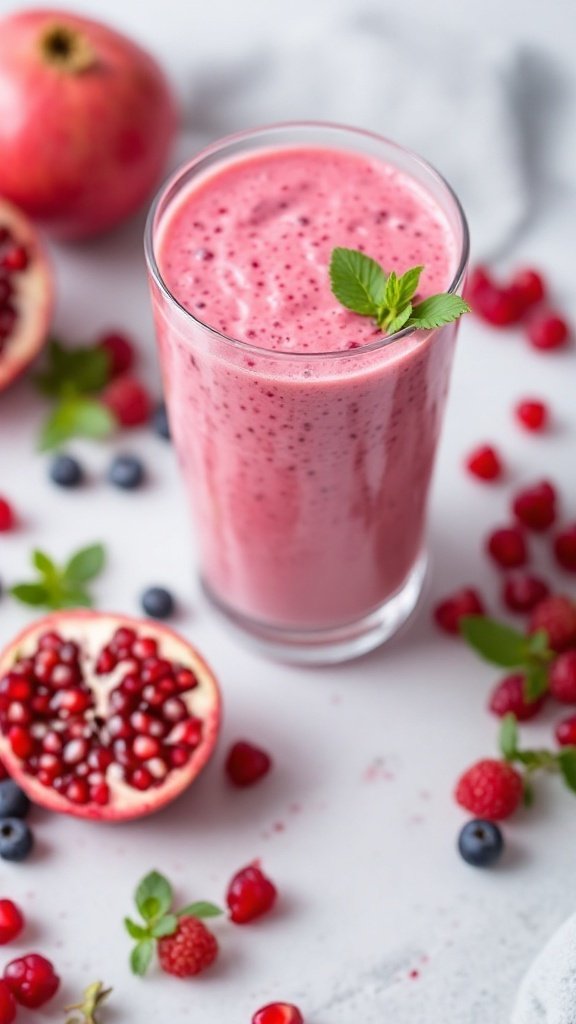
Pomegranates are not just visually appealing; they are also packed with nutrients. This vibrant smoothie showcases the rich, ruby-red seeds of the pomegranate, alongside other berries that provide a burst of flavor and health benefits. It’s a delightful way for seniors to enjoy the goodness of fruits, making hydration tasty and nutritious.
Making a pomegranate smoothie is simple and quick. Start with a base of pomegranate juice, then add yogurt for creaminess. Throw in a handful of mixed berries like raspberries and blueberries for added antioxidants. Don’t forget to balance it with a bit of honey for sweetness, if desired. Blend until smooth, and you have a refreshing drink that seniors will love.
Here’s a quick recipe to try:
Ingredients:
- 1 cup pomegranate juice
- 1 cup yogurt (plain or flavored)
- 1/2 cup raspberries
- 1/2 cup blueberries
- 1 tablespoon honey (optional)
- Fresh mint leaves for garnish
Steps:
- In a blender, combine the pomegranate juice and yogurt.
- Add the raspberries and blueberries.
- If you like it sweeter, include the honey.
- Blend until smooth and creamy.
- Pour into a glass and garnish with fresh mint leaves.
This smoothie not only tastes good but also offers various health benefits, making it a good addition to any senior’s diet.
Incorporating Pomegranates into Daily Meals
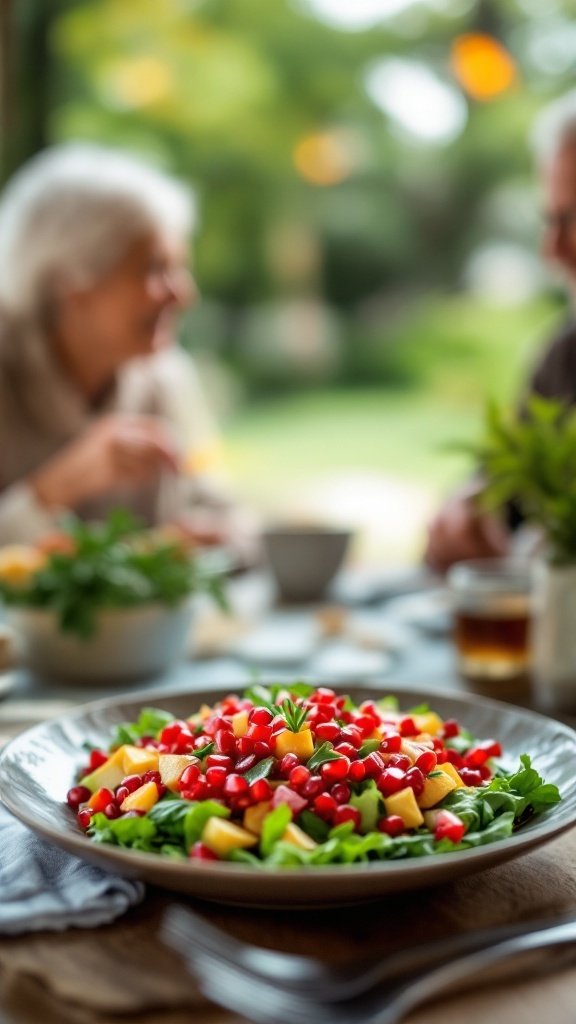
Pomegranates are not just beautiful; they add a burst of flavor and nutrition to any meal. The image shows a vibrant salad filled with pomegranate seeds, fresh fruits, and greens, all served in a cozy setting. This dish is perfect for seniors looking to enjoy a healthy diet.
Getting pomegranates into your meals can be easy and fun. Start your day with a bowl of yogurt topped with pomegranate seeds. It adds a nice crunch and a delightful sweetness. You could also blend them into smoothies for a refreshing drink. Just mix pomegranate juice with your favorite fruits for a delicious blend that packs a nutritious punch.
For lunch or dinner, consider adding pomegranate seeds to salads. They complement greens beautifully and provide a lovely pop of color. Combine them with spinach, walnuts, and feta cheese for a delightful salad. Just toss the ingredients together, drizzle with olive oil, and you’ve got a meal bursting with flavor.
If you’re feeling adventurous, try making a pomegranate glaze for meats. Simply simmer pomegranate juice with a bit of honey and balsamic vinegar until it thickens. Brush this glaze on grilled chicken or fish for a sweet and tangy finish.
Nutritional Benefits of Pomegranates for Seniors
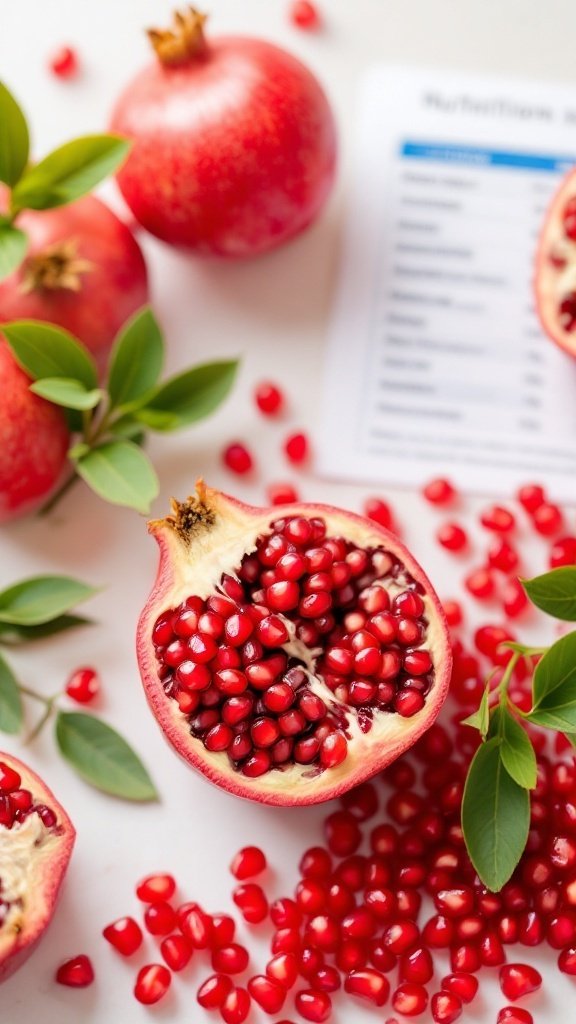
Pomegranates are not just pretty fruits; they pack a nutritional punch that’s especially beneficial for seniors. The image shows vibrant pomegranates, some split open to reveal their juicy, ruby-red seeds. These seeds are full of nutrients that can support health and wellness.
Rich in antioxidants, pomegranates help combat inflammation and oxidative stress, which can be particularly important for older adults. Antioxidants can help protect cells from damage, contributing to overall health.
Additionally, pomegranates are a good source of vitamins A, C, and E, along with folate. These vitamins play key roles in boosting the immune system and maintaining good skin health, which tends to become more fragile with age.
Moreover, pomegranates support heart health. They can improve cholesterol levels and lower blood pressure, making them a heart-friendly option for seniors. Including pomegranates in the diet can contribute to a healthier heart.
For those looking to enjoy this fruit, simply sprinkle the seeds on salads, mix them into yogurt, or enjoy them as a snack. They add a lovely splash of flavor and color to meals while delivering numerous health benefits.
Pomegranate Supplements: Are They Worth It?

The image shows a beautiful arrangement of pomegranate supplements alongside fresh pomegranates. You can see two bottles of pomegranate extract and a smaller one labeled ‘Pomegranate’. The deep red color of the fruit and seeds adds a vibrant touch to the setup.
Pomegranates are not just a tasty fruit; they are packed with nutrients and antioxidants that can be beneficial for health, especially for seniors. The supplements in the image suggest that many people are looking for ways to harness these benefits in an easier form.
But, are these supplements worth it? Pomegranate extracts can be a convenient option for those who may not consume the fruit regularly. They offer similar health benefits, including support for heart health and improved blood circulation. However, it’s always good to weigh the pros and cons.
Some seniors might prefer the whole fruit for its fiber content, while others may find the supplements easier to incorporate into their daily routine. It’s essential to consider personal preferences when deciding between fresh pomegranates and their concentrated forms.
Culinary Uses of Pomegranates Beyond Juice
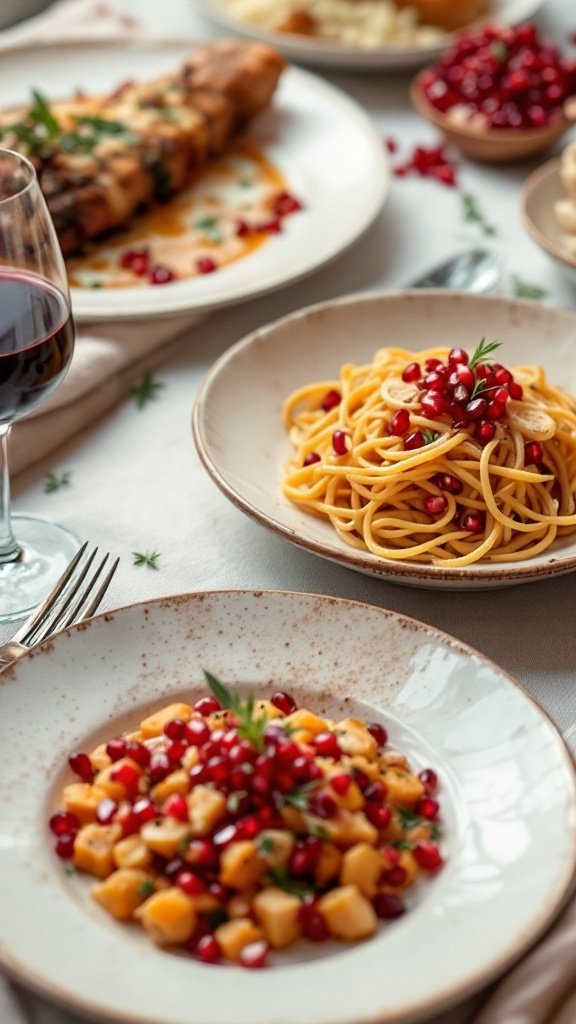
Pomegranates are not just for juice; they can bring a delightful twist to various dishes. The image shows a beautiful spread featuring pomegranates sprinkled over pasta and a colorful salad. This adds a vibrant touch that can make meals more inviting.
Incorporating pomegranates into your cooking is simple and fun. You can use the seeds, known as arils, to add a juicy burst of flavor. They pair well with both sweet and savory dishes. For instance, tossing them into a pasta dish can elevate the flavors and add a pleasant crunch.
Here’s a quick recipe to try: Cook your favorite pasta and toss it with olive oil, garlic, and a handful of pomegranate arils. Add some sliced almonds for extra texture. This dish is light, refreshing, and perfect for seniors who want to enjoy a healthy meal.
Another idea is to create a fruity salad. Chop up some diced mango or butternut squash, mix in pomegranate seeds, and add a sprinkle of herbs. This dish is not only colorful but also packed with nutrients.
Next time you’re in the kitchen, consider using pomegranates in ways you might not have thought of before. They can brighten up any meal while providing health benefits, making them a great addition to your culinary repertoire.
Pomegranate Seed Recipes for Healthy Snacking
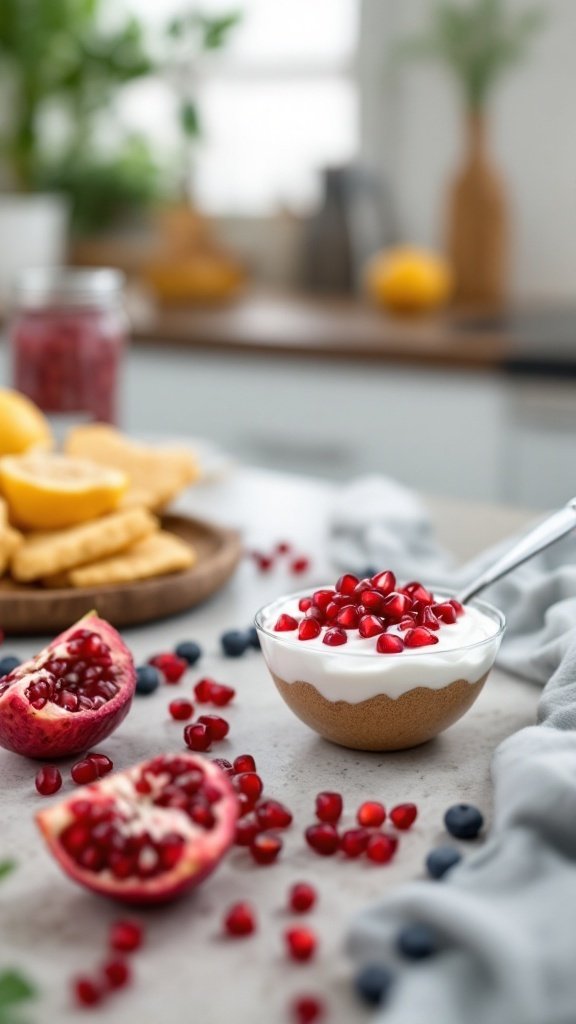
Pomegranates are not just a pretty fruit; they pack a punch when it comes to nutrition. In this section, we’ll explore some delightful ways to enjoy pomegranate seeds as snacks. The vibrant seeds add a burst of flavor and texture to any dish, making them a fun and healthy choice.
One tasty idea is to mix pomegranate seeds with yogurt. This can be a lovely snack for seniors looking to boost their calcium intake. Start with a base of plain or Greek yogurt, then layer in some crunchy granola or crushed cookies at the bottom. Top it off with a generous handful of pomegranate seeds for a splash of color and nutrients.
To make this snack, you’ll need:
- 1 cup of plain yogurt
- 1/2 cup of granola or crushed cookies
- 1/2 cup of pomegranate seeds
Simply layer the ingredients in a bowl, starting with the granola, followed by yogurt, and finally the pomegranate seeds on top. It’s that easy!
Another fun idea is to toss pomegranate seeds into a fresh fruit salad. This adds a delightful crunch and sweetness that everyone will enjoy. Combine your favorite fruits like bananas, apples, and berries, and mix in a handful of pomegranate seeds. Drizzle some honey or a squeeze of lemon for a zesty kick.
With these recipes, snacking on pomegranates can be both enjoyable and beneficial for health. So grab some pomegranates and get creative in the kitchen!
Pomegranates and Digestive Health
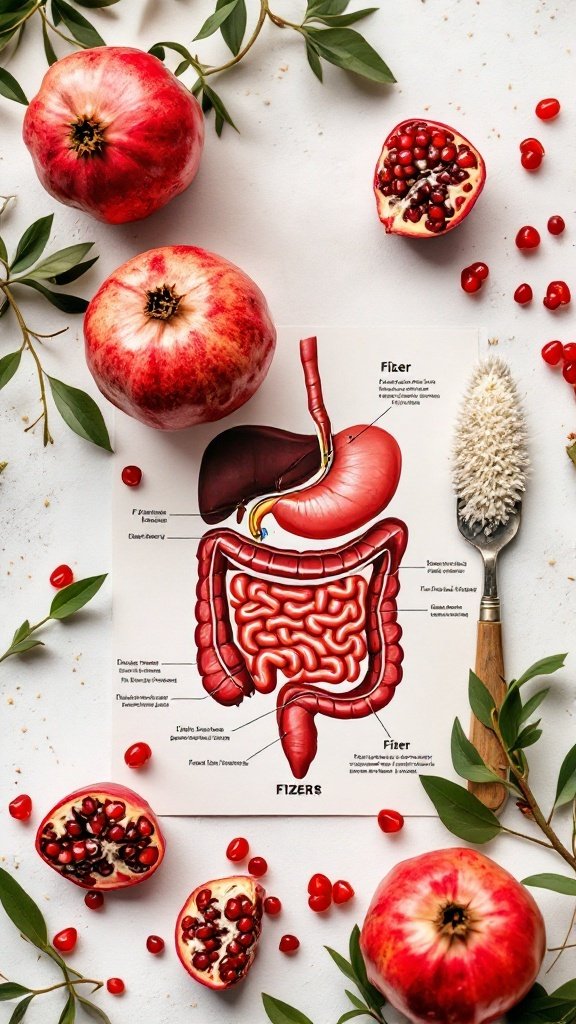
Pomegranates are not just delicious; they can also be a friend to your digestive system. The image shows the juicy fruits alongside a diagram of the human digestive system, highlighting the connection between what we eat and how our bodies process it.
The bright red seeds of pomegranates are packed with antioxidants and fiber, which can help keep your digestive tract running smoothly. Fiber is particularly important for seniors as it promotes regularity and helps prevent constipation.
Incorporating pomegranates into your diet is easy. You can sprinkle the seeds on salads, blend them into smoothies, or enjoy them as a snack. Each serving can contribute to your daily fiber intake and support overall gut health.
Moreover, studies suggest that the antioxidants in pomegranates may help reduce inflammation in the gut, making them a smart choice for anyone looking to improve their digestive wellness.
Hydration Benefits of Pomegranates
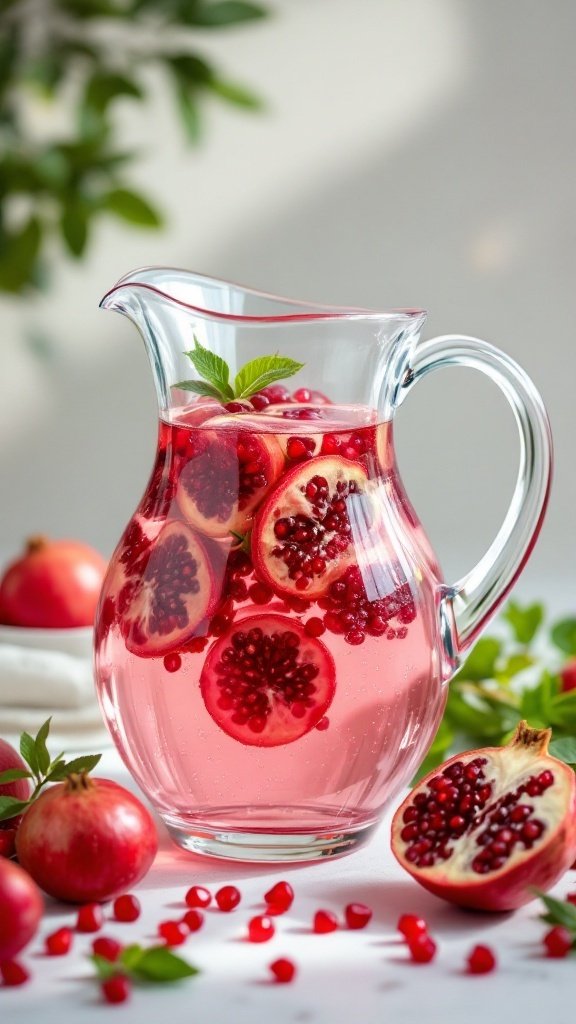
Pomegranates are not just vibrant and delicious; they also bring several benefits, especially when it comes to hydration. The image shows a lovely pitcher filled with refreshing pomegranate water, dotted with slices of juicy pomegranates and garnished with a sprig of mint. This drink not only looks appealing but is also a smart choice for anyone looking to keep hydrated.
One of the key hydration benefits of pomegranates is their high water content. When you infuse water with pomegranate, you not only enhance the flavor but also add nutrients that can help keep you hydrated throughout the day. For seniors, staying hydrated is crucial since it helps maintain energy levels and supports overall health.
Pomegranates are packed with antioxidants and vitamins that can further aid in hydration. The natural sugars found in the fruit provide a subtle sweetness, making drinking water more enjoyable. This can encourage seniors to consume more fluids, which is especially important in warmer weather or during physical activities.
Creating pomegranate-infused water at home is simple. Just take some fresh pomegranate seeds, slice up the fruit, and add them to a pitcher of water. Let it sit for a while to allow the flavors to meld. You can also add other fruits or herbs like mint for an extra refreshing twist. Enjoying this hydration method can make a noticeable difference in daily fluid intake.
Pomegranates in Traditional Medicine

Pomegranates have long been a part of various traditional medicine practices around the world. They are not just delicious; they hold a treasure of health benefits that many cultures have recognized for centuries.
The image beautifully depicts a pomegranate resting on an open book, which hints at the rich history of this fruit in herbal texts. The vibrant red color of the pomegranate stands out, symbolizing vitality and health. The book represents knowledge, reminding us of how traditional healers used to document their findings about the healing properties of this fruit.
In many cultures, pomegranates are considered a symbol of life and fertility. They are often used to address issues like digestive problems, inflammation, and even heart health. The juicy seeds, packed with antioxidants, are a key reason for their popularity in natural remedies.
For seniors, incorporating pomegranates into their diet can be particularly beneficial. The nutrients in pomegranates may help support overall well-being. Whether eaten raw, juiced, or added to dishes, this fruit can be a tasty way to boost health.
So the next time you see a pomegranate, think of its rich history and the many ways it has been used in traditional medicine. It’s not just a fruit; it’s a link to ancient practices that still resonate today.
Seniors’ Taste Preferences: Pomegranates vs. Other Fruits
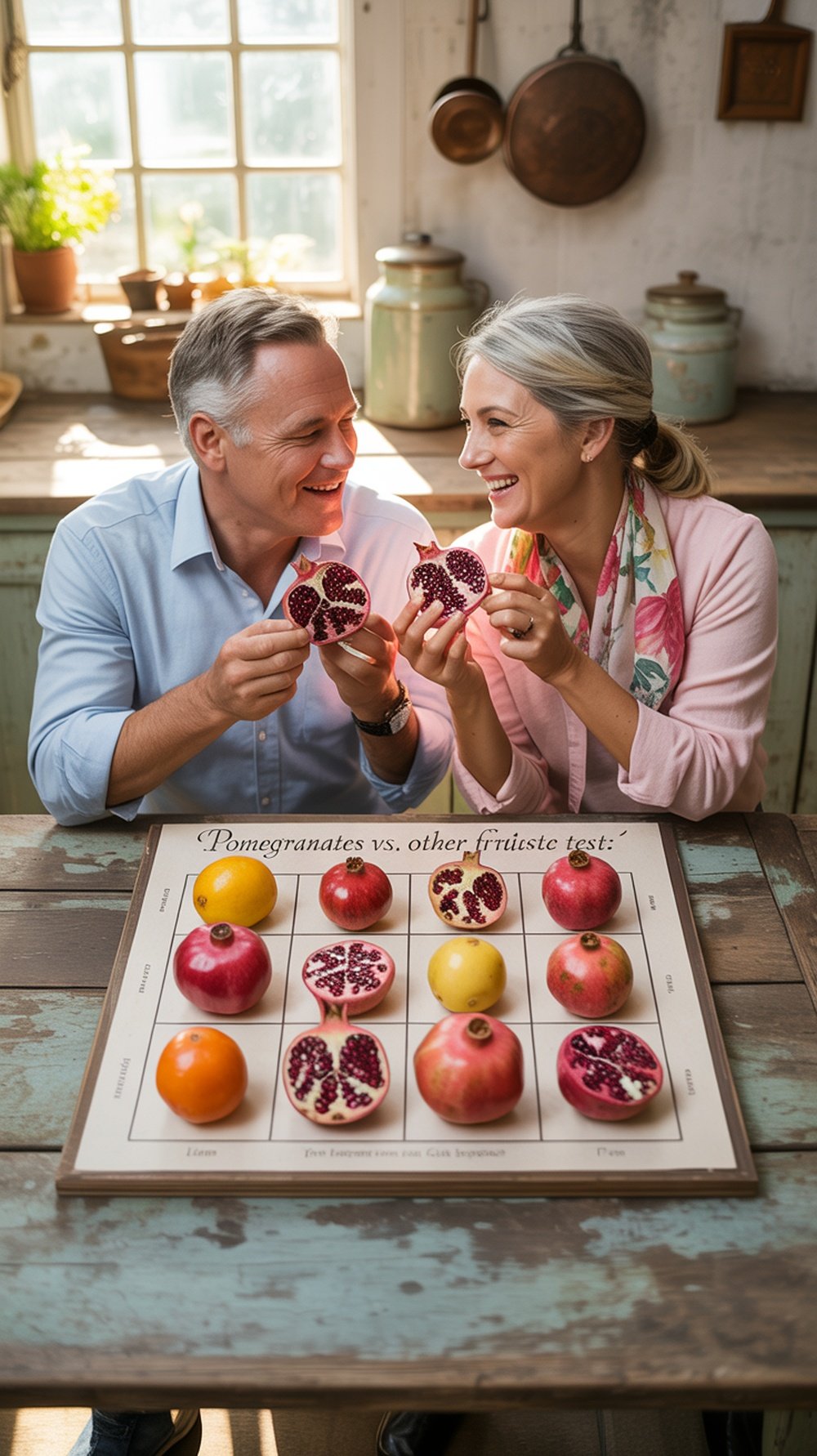
Pomegranates are a unique fruit that many seniors might enjoy. This image shows a variety of fruits, highlighting pomegranates as a colorful and nutritious option. While seniors often have specific taste preferences, pomegranates stand out due to their sweet-tart flavor and juicy seeds, which can be both fun and satisfying to eat.
In comparing pomegranates to other fruits like apples, oranges, and berries, it’s important to consider texture and taste. The crunchiness of pomegranate seeds can be a delightful change from softer fruits. Plus, they are packed with antioxidants, which are beneficial for health.
The image also presents a creative take on fruit names. This can spark interest among seniors who might not be familiar with pomegranates. The playful names associated with pomegranates can serve as a conversation starter, enhancing social interactions during meals.
When it comes to incorporating pomegranates into meals, they can be enjoyed fresh, added to salads, or used in smoothies. Their versatility makes them a welcome addition to a senior’s diet. A simple recipe could include mixing pomegranate seeds with yogurt and granola for a nutritious breakfast.
Seasonal Pomegranate Dishes for Seniors

Pomegranates are a delightful addition to any meal, especially during the fall and winter seasons. This image showcases a beautiful spread featuring pomegranates in various forms, making them perfect for seniors looking to enjoy seasonal dishes.
In the picture, we see a table adorned with pomegranates, fresh cranberries, and an array of baked goods. The rich red hues of the pomegranates not only brighten the table but also add a burst of flavor. Incorporating these fruits into meals can bring both nutrition and joy to family gatherings.
A simple way to include pomegranates in your cooking is through a pomegranate salad. Just toss together fresh greens, arugula, diced apples, and pomegranate seeds. Top it off with a light vinaigrette for a refreshing dish that’s easy to prepare.
Another tasty option is to create a pomegranate glaze for meats. Combine pomegranate juice, honey, and a splash of vinegar to make a sweet and tangy sauce that pairs well with chicken or pork. This dish not only enhances flavor but is also a healthy choice for seniors.
Don’t forget about pomegranate juice! It’s delicious on its own or can be mixed into smoothies for a nutritious boost. The antioxidants found in pomegranate juice are beneficial, making it a great drink choice for seniors.
Gathering around a table full of pomegranate-inspired dishes can foster connection and joy. Enjoying these seasonal foods can make any meal feel special, encouraging conversation and laughter among family and friends.
Exploring Pomegranate Varieties
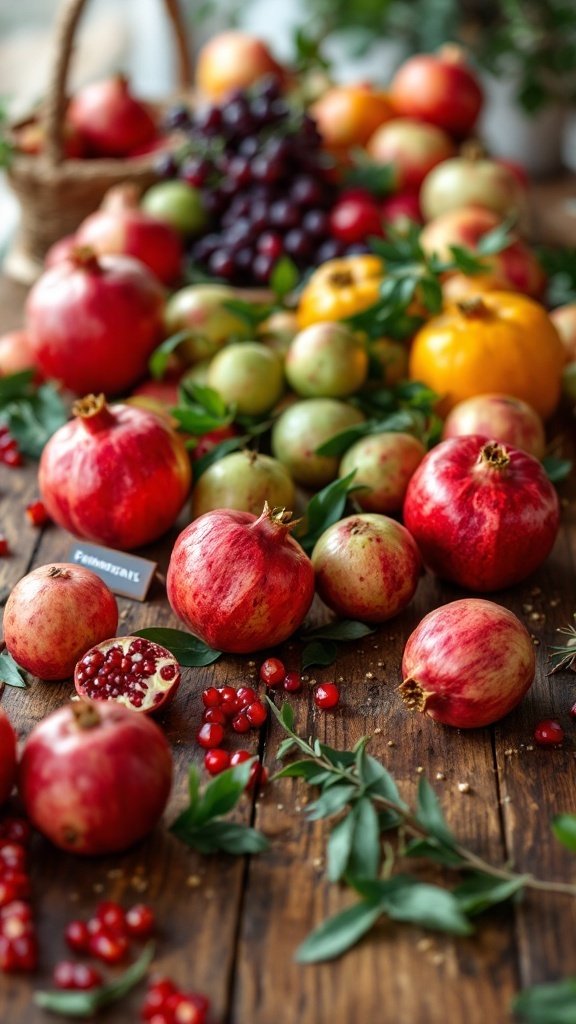
Pomegranates are not just beautiful to look at; they come in many varieties, each with its own unique flavor and characteristics. In the image, you can spot a vibrant display of pomegranates, showcasing their rich red hues alongside other fruits. This colorful arrangement highlights the versatility of these fruits in culinary uses. Seniors can enjoy many varieties, such as the ‘Wonderful’ type, known for its sweet and tart balance. Another variety, the ‘Angel Red,’ offers a slightly milder taste. The image also presents pomegranates with their seeds exposed, illustrating their juicy insides, which are packed with nutrients. Seniors can benefit from the antioxidants found in pomegranates, making them a healthy addition to their diets. Whether eaten fresh, juiced, or added to salads, these fruits can enhance both taste and health. It’s a good idea to explore different varieties to find the ones that suit your palate best!
Pomegranate Farming and Sustainability
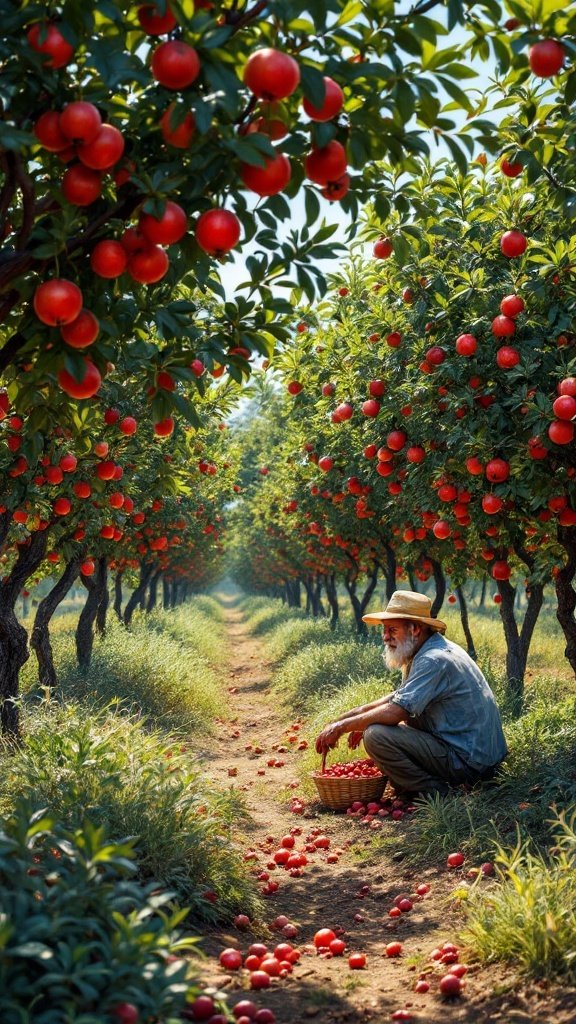
Pomegranate farming is a joyful and rewarding practice, especially when you see vibrant trees heavy with fruit. The image captures a serene moment in a pomegranate orchard, with an older gentleman gathering ripe fruits. This scene illustrates the connection between farming and sustainability.
Growing pomegranates can be eco-friendly. These trees thrive in dry climates and require less water than many other crops. This makes them ideal for sustainable agriculture. By choosing to plant pomegranates, farmers can contribute to water conservation efforts while still producing delicious fruit.
Another aspect of sustainable farming is biodiversity. Pomegranate trees can support local wildlife, offering a habitat for birds and beneficial insects. This not only helps the ecosystem but also promotes healthier crops. Farmers view their orchards as part of a larger environment, working hand in hand with nature.
Moreover, older farmers, like the one in the image, often have invaluable knowledge about traditional farming methods. They can pass down techniques that help maintain the land’s health. This wisdom is crucial for future generations, ensuring that pomegranate farming remains sustainable.
In summary, the image showcases not just the beauty of pomegranates but also the principles of sustainable farming. As we learn from these seasoned farmers, growing pomegranates can be both fulfilling and environmentally friendly.
Local Markets and Fresh Pomegranates
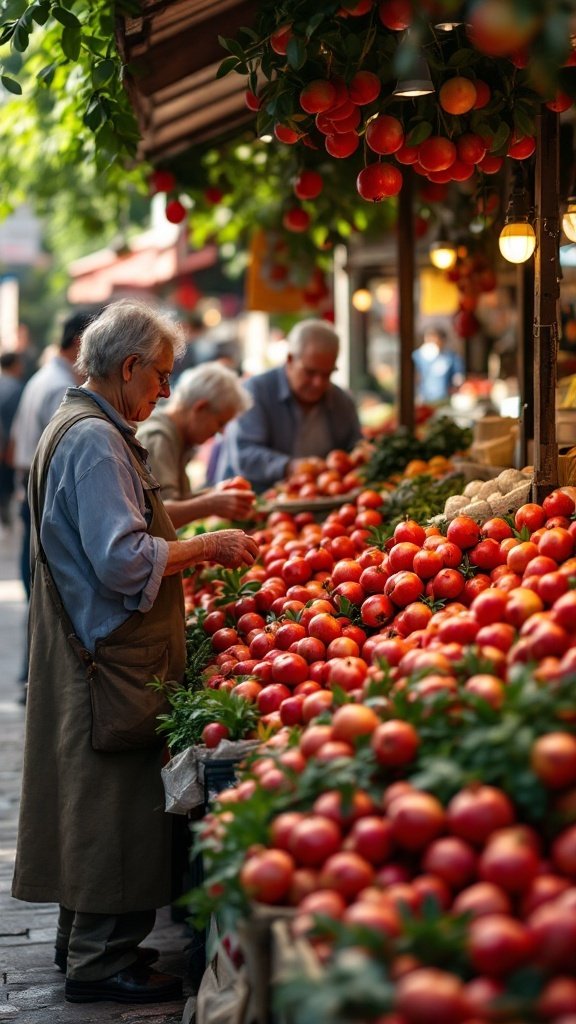
Visiting local markets is a delightful way to connect with the community and discover fresh produce. In the image, a senior man explores a vibrant market stall filled with plump pomegranates. The rich reds of the fruit are eye-catching, making it hard to resist picking a few.
Pomegranates are not just tasty; they are packed with nutrients, making them a wonderful addition to any diet, especially for seniors. These juicy fruits can enhance heart health and provide plenty of antioxidants. So, when you find yourself in a local market, keep an eye out for those bright gems.
Shopping for pomegranates in a market environment also offers a chance for socializing. Many vendors are happy to share tips on how to choose the best fruit and even some ideas on how to use them in recipes. Whether you enjoy them raw, in salads, or as juice, the possibilities are endless.
So next time you’re out, think about stopping by your local market. You might return home with not just pomegranates but also a sense of community and connection.
This post may contain affiliate links which means I may receive a commission for purchases made through links. I will only recommend products that I have personally used! Learn more on my Private Policy page.
