As we age, our bodies face a variety of challenges that can impact our overall health and well-being. Understanding common health problems that senior citizens may encounter is essential for proactive management and care. Here’s a look at 20 health issues that could arise, helping to shed light on what to watch for and how to stay healthy during the golden years.
Respiratory Issues
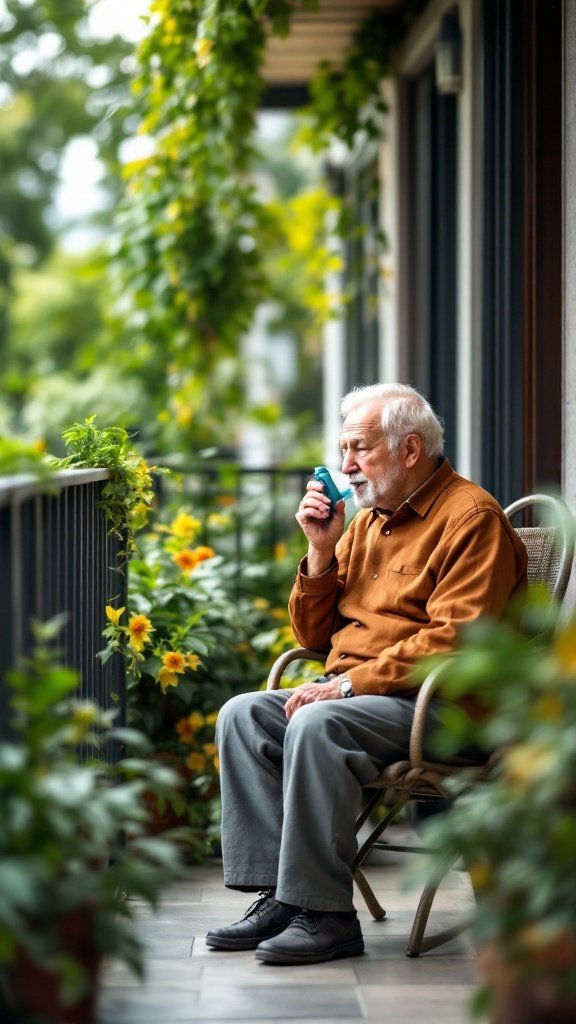
As we age, respiratory issues become more common among senior citizens. The image shows an elderly man using an inhaler on a balcony surrounded by plants. This visual perfectly represents the importance of managing respiratory health. Conditions like asthma, chronic obstructive pulmonary disease (COPD), and pneumonia are prevalent in older adults. They may struggle with shortness of breath and have increased vulnerability to infections.
It’s crucial for seniors to monitor their respiratory health closely. Regular check-ups with a healthcare provider can help manage symptoms. Staying active, even with light exercises, can promote better lung function, too. Furthermore, maintaining a clean living environment and avoiding smoking can significantly lower risks.
In addition to medication, many seniors find relief in breathing exercises or using humidifiers at home. These small changes can greatly enhance their quality of life. Conversations about respiratory health should not be overlooked, as awareness and action can lead to better outcomes for seniors dealing with respiratory issues.
Hearing Loss Challenges

As we age, hearing loss becomes a common concern for many seniors. In the image, we see a cheerful older woman engaged in conversation, showcasing the importance of communication in our daily lives. It’s a reminder that while hearing challenges can be frustrating, maintaining connections with loved ones is essential.
Hearing loss can stem from various factors, including exposure to loud noises over the years and natural aging processes. Many seniors may struggle to hear clearly, which can lead to feelings of isolation or frustration. However, it’s important to recognize that there are solutions available.
Hearing aids and regular check-ups with audiologists are effective ways to manage hearing loss. Staying socially active, like chatting over coffee as shown in the image, can also help. Engaging in conversations can keep the mind sharp and foster relationships, making life more enjoyable.
Additionally, family and friends can support seniors by speaking clearly and being patient. Simple adjustments in communication can make a significant difference. By addressing hearing loss challenges, seniors can continue to enjoy rich interactions and stay connected with those they care about.
Heart Disease and Conditions

Heart disease is a major concern for senior citizens. As we age, our hearts can become less efficient, making it crucial to stay informed about potential risks. In the image, we see a thoughtful elderly man, perhaps reflecting on his health. His attentive expression suggests the importance of monitoring one’s well-being.
Heart conditions can range from high blood pressure to more serious issues like heart attacks. Lifestyle choices, such as diet and exercise, play a significant role in heart health. Regular check-ups and being aware of symptoms are essential steps to take.
It’s also vital to recognize the impact of stress on heart health. The man in the image, deep in thought, reminds us that emotional well-being is just as important as physical health. Engaging in relaxing activities can help reduce stress levels.
Incorporating heart-healthy habits, such as eating fruits, vegetables, and whole grains, can significantly improve overall health. Additionally, staying active, even with simple exercises, can strengthen the heart over time.
Diabetes Management

Managing diabetes can be challenging, especially for seniors. The image shows two older gentlemen sitting together at a table, focusing on their diabetes management. They seem to be discussing or reviewing their health. This highlights the importance of social support in managing diabetes.
Diabetes affects how the body uses glucose, a key energy source. For seniors, it’s vital to monitor blood sugar levels regularly. This can prevent complications and maintain overall health. The presence of fresh fruits on the table indicates that they might be discussing healthy food choices, which are crucial in managing diabetes.
Eating a balanced diet, rich in fruits, vegetables, and whole grains, can help regulate blood sugar levels. Regular physical activity is also essential. Gentle exercises like walking or stretching can make a significant difference. Plus, staying active contributes to overall well-being.
Regular check-ups with healthcare providers are important too. They can help adjust medications if needed and provide guidance on lifestyle changes. In addition, having a support system, like friends or family, can make it easier to stick to a diabetes management plan.
Arthritis and Joint Pain
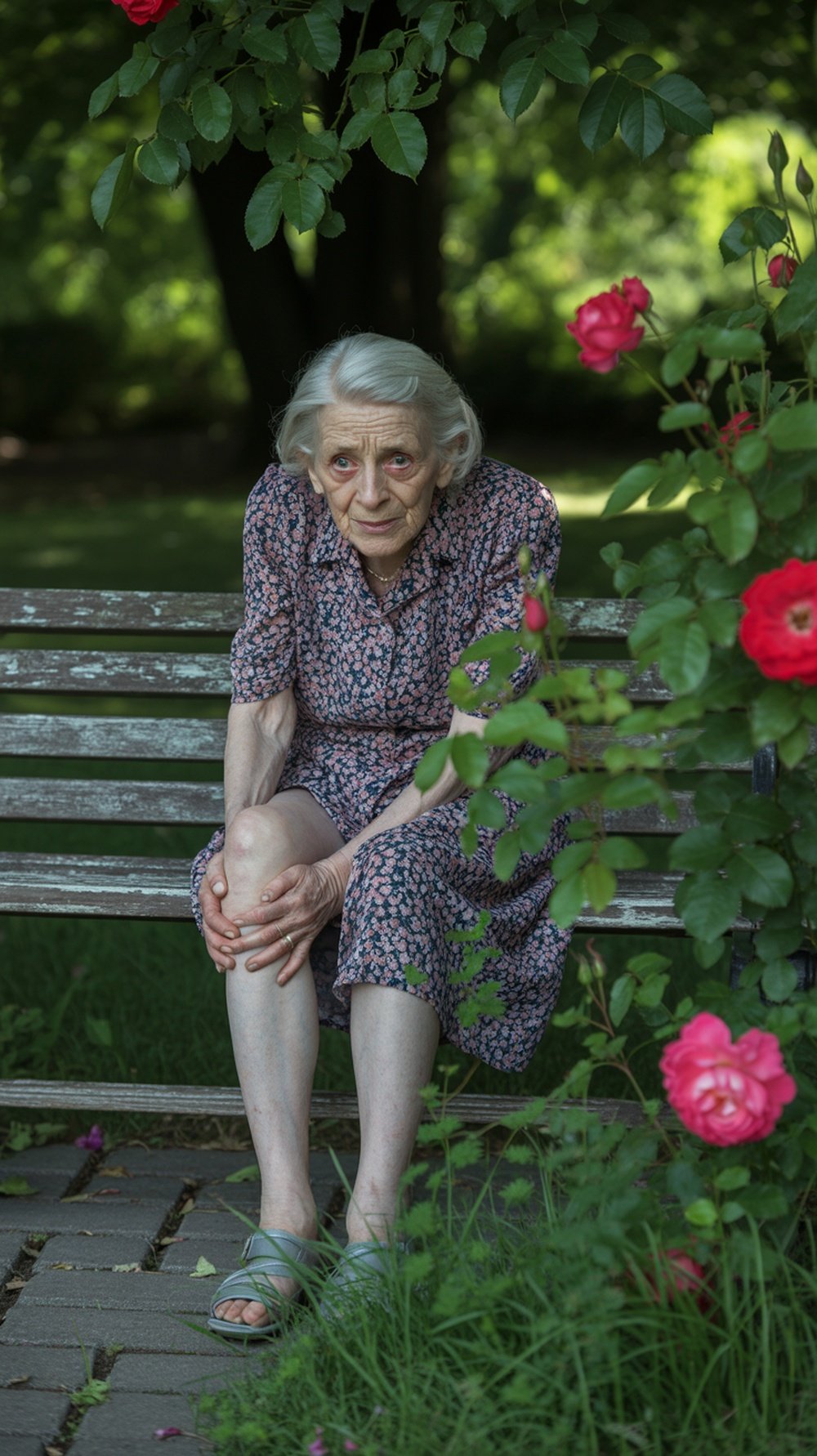
Arthritis and joint pain are common issues for many senior citizens. As people age, their joints can wear down and become stiff, leading to discomfort in daily activities. This can make it challenging to enjoy simple tasks like walking or gardening.
The image captures a senior man sitting on a bench, looking contemplative. His expression shows a hint of discomfort, likely reflecting the struggles many face with joint pain. This visual illustrates the reality of living with arthritis, where even a moment of rest can feel necessary.
Understanding arthritis is key. It can be caused by wear and tear, autoimmune diseases, or inflammation. Seniors often report pain, swelling, and reduced mobility, making it crucial to seek proper treatment. Simple exercises, physical therapy, and even dietary changes can help manage symptoms.
Creating a supportive environment is also important. Adding cushions to seating, using assistive devices, and staying active in a way that’s gentle on the joints can improve quality of life. Balancing rest with light exercise can keep joints flexible and reduce discomfort.
Osteoporosis and Bone Health

Osteoporosis is a common issue for senior citizens, and it affects bone health significantly. As we age, bones tend to lose density, making them weaker and more prone to fractures. This condition can lead to serious injuries, affecting mobility and quality of life.
The image showcases an older man lifting weights at home, which is a simple yet effective way to strengthen bones. Weight-bearing exercises play a crucial role in maintaining bone density. Engaging in regular physical activity can help combat the effects of osteoporosis.
In addition to exercise, a balanced diet rich in calcium and vitamin D is essential for bone health. Foods like dairy products, leafy greens, and fish are great choices. Staying active and eating well can make a big difference in managing osteoporosis and enhancing overall well-being.
It’s never too late to start! Incorporating these habits into daily life can help keep bones strong and support a healthier lifestyle in the golden years.
Alzheimer’s Disease and Memory Loss
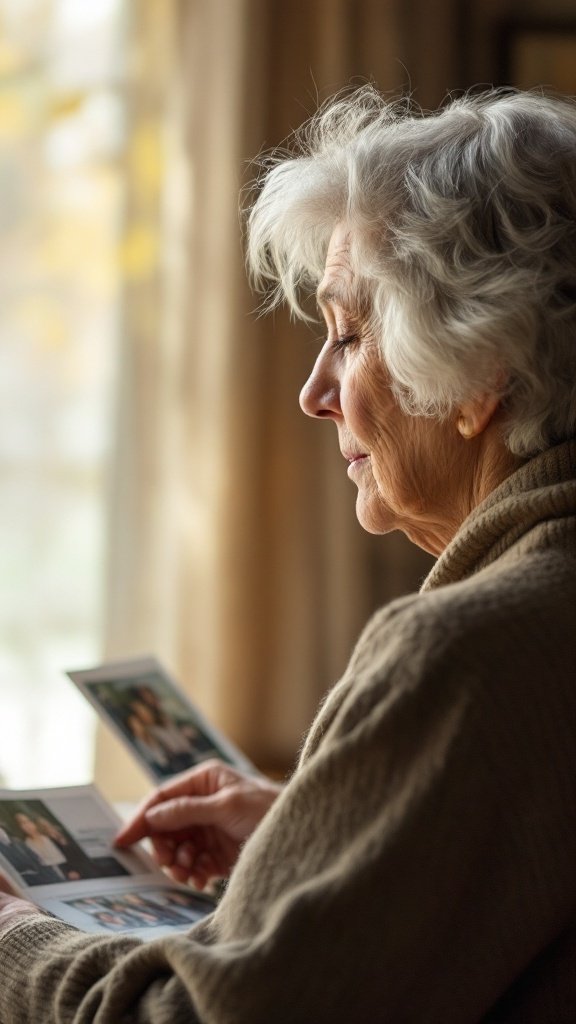
Alzheimer’s disease is a common health issue among senior citizens, often leading to significant memory loss. This condition affects the brain, causing difficulties in remembering recent events or familiar faces.
In the image, we see an elderly woman looking through old photographs. This simple activity can be comforting for those experiencing memory loss. It often helps trigger memories and emotions, providing a sense of connection to the past.
Memory loss can be frustrating for both the affected individuals and their families. Seniors may feel confused or embarrassed about their forgetfulness. It’s essential to approach these situations with patience and understanding.
Engaging in activities like looking at photos can help maintain cognitive functions. Encouraging seniors to share stories about the people and events in the pictures can stimulate their memory. It also promotes bonding between family members, which is vital for emotional well-being.
Vision Impairments
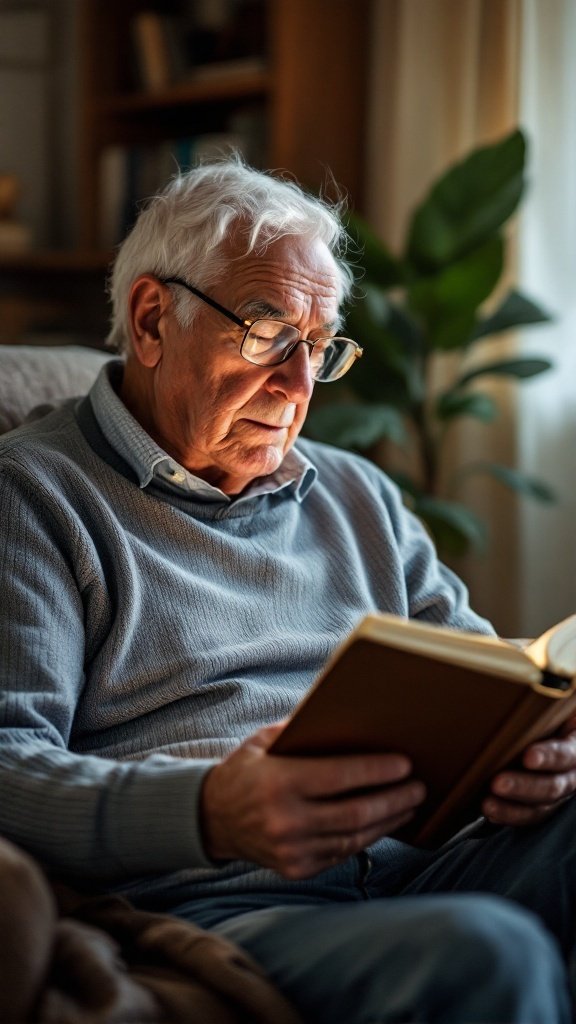
As we age, our vision can change in ways that might surprise us. The image shows a senior man deeply focused on reading a book. This quiet moment highlights the importance of vision in enjoying daily activities. Many older adults experience issues like cataracts, glaucoma, or macular degeneration that can affect their ability to read or see clearly.
Cataracts are common among seniors. They can make vision blurry or cloudy, often making it hard to see in bright light. Regular check-ups with an eye doctor can help detect this condition early.
Another issue is glaucoma, which can cause peripheral vision loss. This sneaky condition often develops without noticeable symptoms until it’s advanced. Early detection is essential, so routine eye exams are crucial.
Macular degeneration affects the center of vision, making it hard to read or recognize faces. For many seniors, this can be frustrating, especially when they want to enjoy hobbies like reading. Thankfully, there are treatments and low-vision aids that can help.
Incorporating regular eye care into one’s routine is a smart move. Staying aware of any changes in vision and consulting with professionals can make a big difference. Remember, taking care of your eyes is just as important as caring for the rest of your health!
Skin Changes and Concerns

As we age, our skin goes through many changes. The image shows a senior citizen applying cream to their hand, illustrating a common practice to combat skin issues that arise with age.
One of the most noticeable changes is dryness. Older skin often loses moisture and elasticity, leading to rough, flaky patches. This can make the skin more prone to irritation and cracks.
Additionally, age spots may appear, caused by years of sun exposure. These spots are usually harmless, but they can be a cosmetic concern for many.
Another issue is the development of wrinkles and fine lines. As collagen production decreases, the skin becomes less firm, resulting in these visible signs of aging.
Using moisturizers and sunscreens is crucial in addressing these skin concerns. Regular application can help maintain skin health and appearance. It’s important to choose products that are gentle and hydrating to support the skin’s needs.
Digestive Disorders

As we age, our digestive system can become more sensitive. It’s common for seniors to experience various digestive disorders that may affect their daily lives. The image above shows a couple cooking together, which highlights the importance of nutrition and meal preparation for maintaining digestive health.
Eating a balanced diet rich in fiber can help prevent issues such as constipation and bloating. Incorporating fruits, vegetables, and whole grains into meals is an easy way to support digestive function. This couple looks happy and engaged in their cooking, emphasizing that shared meals can also be a great way to bond.
Another common issue among seniors is gastroesophageal reflux disease (GERD). This condition can cause heartburn and discomfort. It’s often helpful to avoid spicy or fatty foods, as well as large meals. Instead, focusing on smaller, more frequent meals can ease symptoms.
Additionally, staying hydrated is essential for good digestion. Drinking plenty of water helps to keep everything moving smoothly through the digestive tract. Engaging in light physical activity after meals can also aid in digestion and overall health.
Depression and Mental Health
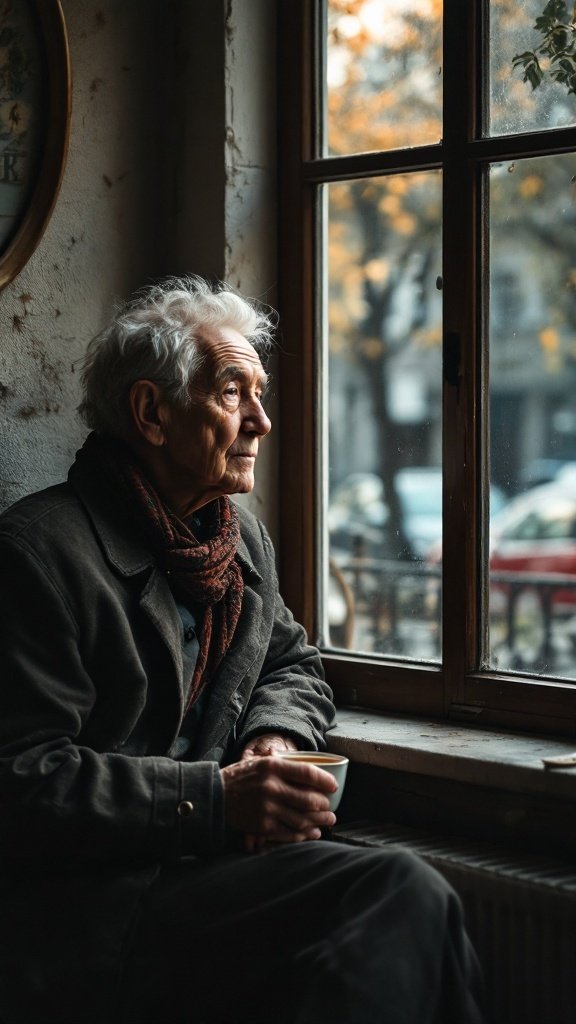
As we grow older, our mental health can be affected in various ways. For many senior citizens, feelings of loneliness and sadness can creep in. The image we see here captures a thoughtful moment of an elderly man gazing out the window, perhaps reflecting on memories or contemplating life. Such moments are common, and they underline the importance of addressing mental health.
Depression among seniors is not just about feeling sad. It can manifest in different ways, including changes in sleep patterns, loss of interest in activities, and even physical symptoms. Many factors contribute to these feelings, such as loss of loved ones or changes in living situations. Recognizing these signs early can help in finding the right support.
It’s essential to create a supportive environment for our elderly loved ones. Simple gestures, like a cup of tea shared in conversation or a walk outside, can make a world of difference. Encouraging social interactions and activities can help alleviate feelings of isolation.
Additionally, seeking professional help when needed is vital. Therapists and counselors trained to work with senior citizens can provide valuable support. Mental health matters, and it’s never too late to seek help.
Chronic Pain Management

Chronic pain is a common issue among senior citizens, affecting their daily lives and overall well-being. Managing this pain is crucial to maintaining a good quality of life. In the image, we see a serene setting where a therapist is providing a gentle massage, a popular method for alleviating chronic pain.
Massage therapy can help relieve tension, reduce stress, and improve circulation. For seniors experiencing stiffness or discomfort, regular massages may provide significant relief. The therapist’s skilled hands work to ease pain and promote relaxation, making this a valuable option for those seeking comfort.
Incorporating other methods like physical therapy, gentle exercises, or even mindfulness practices can also enhance pain management. It’s essential for seniors to consult with healthcare providers to find the best approach tailored to their needs.
Overall, addressing chronic pain with a combination of therapies, including massage, can make a positive difference in the lives of older adults. With proper management, they can enjoy activities they love and experience less discomfort in their day-to-day routines.
Falls and Mobility Challenges

As we age, maintaining mobility becomes increasingly important. The image captures an elderly person walking with a walker, a common sight that highlights the challenges many face in their daily lives. This scene serves as a reminder that falls can lead to serious injuries, making mobility a key concern for senior citizens.
Falls are one of the leading causes of injury among older adults. Factors such as weakened muscles, balance issues, and environmental hazards contribute to this risk. It’s essential to recognize that even minor falls can result in significant setbacks, affecting independence and overall quality of life.
Mobility challenges can stem from various health conditions, including arthritis, osteoporosis, and neurological disorders. These conditions can limit strength and flexibility, making it harder to move around safely. Using supportive devices like walkers can help, but it’s also crucial to create a safe living environment.
Simple adjustments, such as removing clutter, using non-slip mats, and ensuring adequate lighting, can significantly reduce the risk of falls. Regular exercise, focusing on strength and balance, is also beneficial. Senior citizens should consult with healthcare providers to develop a tailored plan that suits their needs.
Urinary Incontinence

Urinary incontinence is a common issue for many older adults. It refers to the involuntary loss of urine, which can be both embarrassing and inconvenient. As people age, changes in their bodies, medications, and health conditions can all contribute to this problem.
In the image, we see a cheerful senior woman, likely representing resilience and positivity despite facing health challenges. This attitude can be crucial when dealing with conditions like urinary incontinence. It’s important to remember that many people experience this issue, and help is available.
There are several types of urinary incontinence. Stress incontinence occurs when pressure is placed on the bladder, such as during laughter or exercise. Urge incontinence is the sudden urge to urinate, often leading to accidents. Understanding the type can help in finding suitable treatments.
Managing urinary incontinence often involves lifestyle changes. Simple steps like scheduling bathroom visits, practicing pelvic floor exercises, and staying hydrated can make a difference. It’s also essential to talk with healthcare providers. They can offer guidance and possible medical treatments.
Living with urinary incontinence can be challenging, but support and understanding are vital. Joining support groups or connecting with others facing similar issues can help reduce feelings of isolation. Remember, it’s okay to seek help, and you’re not alone in this journey.
Parkinson’s Disease Symptoms

Parkinson’s disease is a common health concern for many senior citizens, and recognizing its symptoms early can make a big difference. The image shows an older man balancing on one leg, which illustrates a key challenge faced by individuals with this condition: maintaining stability and coordination.
One of the first signs of Parkinson’s disease is often tremors, which can occur when a person is at rest. These involuntary movements can affect the hands, fingers, and even the legs. In addition to tremors, stiffness and rigidity in the muscles can also take place, making everyday activities more difficult.
As seen in the image, balance issues can arise as the disease progresses. Many people with Parkinson’s struggle with walking and may experience a shuffling gait. This can lead to a higher risk of falls, which is a significant concern for the elderly.
Other symptoms include changes in posture and facial expressions. Some individuals may develop a stooped posture or a less expressive face, known as a ‘masked face.’ These changes can sometimes lead to misunderstandings in social situations, as others may misinterpret the person’s feelings.
Overall, awareness of Parkinson’s disease symptoms is essential for seniors and their caregivers. Early intervention, including physical therapy and exercise, can help manage these symptoms and improve quality of life.
Nutrition and Dietary Needs

As we age, our nutritional needs change. It becomes essential to focus on a balanced diet that supports overall health. This image captures a senior citizen preparing a colorful salad, highlighting the importance of fresh ingredients in daily meals.
Incorporating a variety of vegetables and fruits can provide necessary vitamins and minerals. For example, leafy greens, peppers, and citrus fruits are rich in nutrients that can help prevent chronic health problems. A balanced plate can also support heart health and improve digestion, which are crucial for seniors.
It’s also important to consider protein sources. Older adults should aim to include lean meats, fish, beans, and legumes in their meals. These foods help maintain muscle mass and strength, which is vital as we age. Staying hydrated is equally important, so drinking plenty of water throughout the day is beneficial.
In summary, focusing on whole, nutrient-dense foods while minimizing processed options can lead to better health outcomes. A colorful plate not only looks appetizing but also provides the body with what it needs to thrive.
Social Isolation and Loneliness

Social isolation and loneliness are big issues for senior citizens. The image of a smiling older man sitting comfortably highlights the importance of connection and happiness in later years. While he looks content, many seniors don’t have the same opportunities for social interaction.
As we age, friends and family may move away or pass on. This can lead to feelings of loneliness, which can affect both mental and physical health. Engaging with others can help seniors maintain a positive outlook on life.
Simple activities like joining a local club or participating in community events can make a difference. Technology also offers ways to stay connected with loved ones, even from afar. Video calls or social media can help bridge the gap of distance and keep relationships alive.
Encouraging regular visits from friends or family can bring joy into a senior’s life. Even small gestures, like a phone call or a shared meal, can provide much-needed companionship. Overall, making an effort to connect is vital for emotional health.
Sleep Disorders

Sleep disorders are a common issue for many senior citizens. As people age, getting a good night’s sleep can become more challenging. This is often due to changes in sleep patterns and health conditions.
The image shows a peaceful scene of an older man sleeping comfortably in his bed. A soft lamp glows nearby, adding a warm ambiance to the room. This kind of restful environment is essential for promoting better sleep. However, not everyone finds it easy to achieve.
Some common sleep disorders include insomnia, sleep apnea, and restless leg syndrome. Insomnia involves difficulty falling or staying asleep, while sleep apnea causes brief interruptions in breathing. Restless leg syndrome leads to uncomfortable sensations in the legs, making it hard to relax.
Improving sleep hygiene can help. Simple steps like maintaining a regular sleep schedule, creating a calming bedtime routine, and keeping the bedroom dark and cool can make a difference. Engaging in relaxing activities before bed, like reading or gentle stretching, can also help promote better sleep.
If sleep problems persist, consulting a healthcare provider is important. They can offer strategies or treatments tailored to individual needs. Remember, good sleep is vital for overall health and well-being, especially for seniors.
Healthcare Access Issues

Access to healthcare is a significant concern for senior citizens. In the image, we see two older individuals enjoying a friendly conversation, which highlights the importance of community and social interactions. However, many seniors face barriers that make it difficult for them to receive the medical care they need.
Transportation is often a major issue. Without reliable ways to get to doctors’ appointments or pharmacies, seniors may skip necessary visits. This can lead to untreated health problems, which is something we want to avoid.
Affordability is another challenge. Many older adults live on fixed incomes, making it tough to cover medical expenses. Even with insurance, out-of-pocket costs can add up quickly. This financial strain can discourage them from seeking care.
The complexity of the healthcare system can also be daunting. Navigating insurance plans and understanding medical jargon can create confusion. Seniors may feel overwhelmed, leading to delays in getting essential services.
Additionally, some may not have access to technology, limiting their ability to use telehealth options. As we embrace digital healthcare tools, we must ensure that older adults are included and supported in this transition.
Cognitive Decline and Confusion

Cognitive decline can be a challenging issue for many seniors. It often leads to confusion and forgetfulness, which can affect daily life. This image shows an elderly woman engaged in a thoughtful activity, perhaps working on a puzzle or a similar task. This kind of mental exercise can be beneficial for maintaining cognitive function.
As we age, it’s common to experience changes in memory and thinking skills. Activities that stimulate the brain, like puzzles or reading, can help slow down cognitive decline. The cozy environment depicted in the image, with books surrounding her, suggests a nurturing space that encourages mental engagement.
Confusion can arise from various factors, including medical conditions or medications. It’s essential for seniors and their caregivers to recognize signs of cognitive decline early. This allows for timely intervention, which can make a significant difference in quality of life.
Encouraging social interactions and staying mentally active are also key strategies to combat confusion. The woman in the image appears to be in a peaceful moment, perhaps reflecting on memories or concentrating on her task. This reflects the importance of finding balance in life, which can contribute to mental clarity.
This post may contain affiliate links which means I may receive a commission for purchases made through links. I will only recommend products that I have personally used! Learn more on my Private Policy page.