As we age, maintaining our health becomes more essential, and the right foods can make a big difference. Here’s a handy list of ten superfoods that are not only nutritious but also support overall wellbeing for seniors. Incorporating these tasty options into your meals can help boost energy, strengthen the immune system, and promote heart health, all while keeping your dining experience enjoyable.
Spinach: A Nutrient-Dense Green
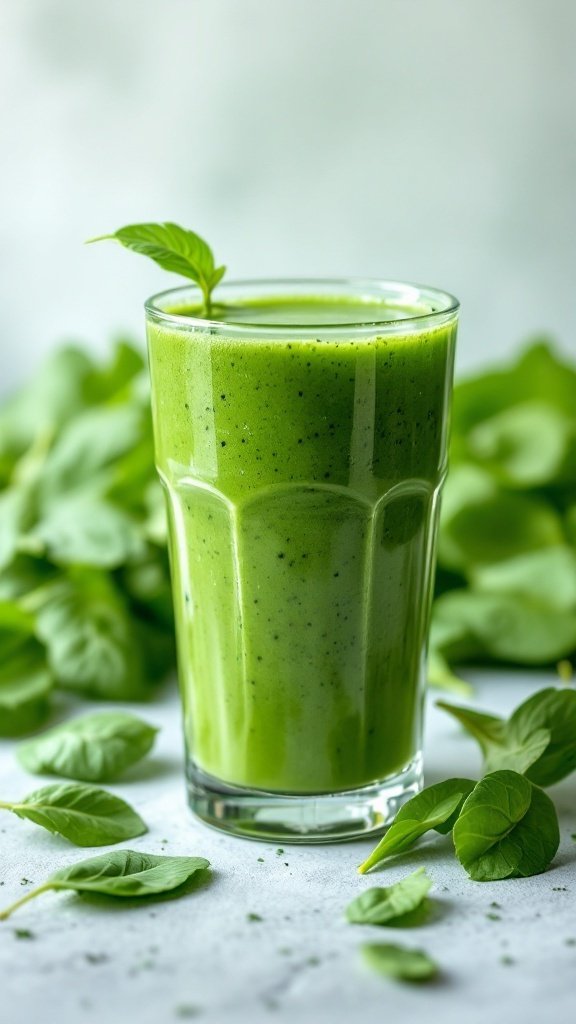
Spinach is often seen as a superfood for good reason. This leafy green is packed with vitamins and minerals that can help seniors maintain their health. The image of a fresh green smoothie filled with spinach highlights how delicious and easy it can be to incorporate this veggie into daily meals.
One of the key benefits of spinach is its high vitamin K content, which is important for maintaining bone health. It also contains vitamins A and C, which can support vision and skin health, respectively. Plus, spinach is a great source of iron, which helps in keeping energy levels up.
Making a spinach smoothie is simple and tasty. Just blend fresh spinach with banana, yogurt, and a splash of almond milk for a refreshing drink. This not only offers a quick way to enjoy spinach but also combines it with other nutritious ingredients.
In addition to smoothies, you can toss spinach into salads, omelets, or soups. It wilts down significantly, so it’s easy to add a big handful without overwhelming your dish. This versatility makes spinach a convenient choice for any meal.
Blueberries for Brain Health
Blueberries are often called a brain food, and for good reason! These little berries pack a punch when it comes to nutrition, especially for seniors looking to support their cognitive health. The vibrant blue color of blueberries isn’t just eye-catching; it comes from powerful antioxidants known as anthocyanins. These compounds help reduce inflammation and oxidative stress in the brain.
Including blueberries in your diet can help improve memory and may even delay age-related decline in brain function. Toss them into your morning oatmeal or blend them into a smoothie for a delicious and nutritious start to your day. You can also enjoy them as a snack or add them to yogurt for an easy treat.
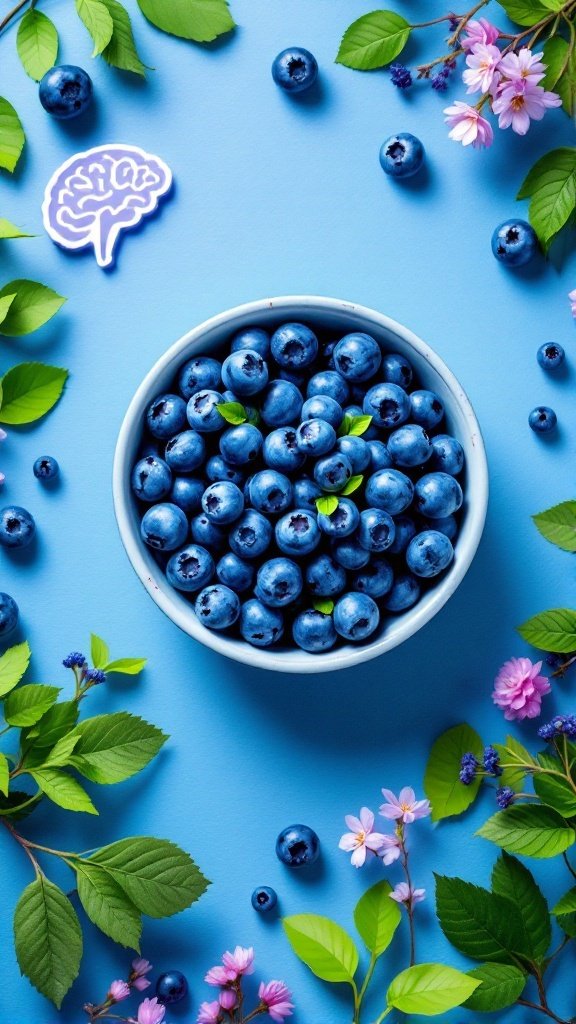
The image beautifully displays a bowl of fresh blueberries surrounded by green leaves and delicate flowers, emphasizing their natural goodness. It highlights the connection between these berries and brain health with a fun brain illustration. This visual serves as a reminder that making healthy choices can be as delightful as it is beneficial.
So next time you’re at the grocery store, grab some blueberries! They’re not just tasty; they’re a simple way to give your brain a boost while enjoying a snack that feels like a treat.
Salmon: Heart-Healthy Omega-3s
Salmon is a delicious and nutritious fish that’s perfect for seniors looking to maintain a healthy lifestyle. It’s packed with omega-3 fatty acids, which are essential for heart health. Eating salmon regularly can help lower blood pressure and reduce inflammation, making it a great choice for anyone concerned about cardiovascular issues.
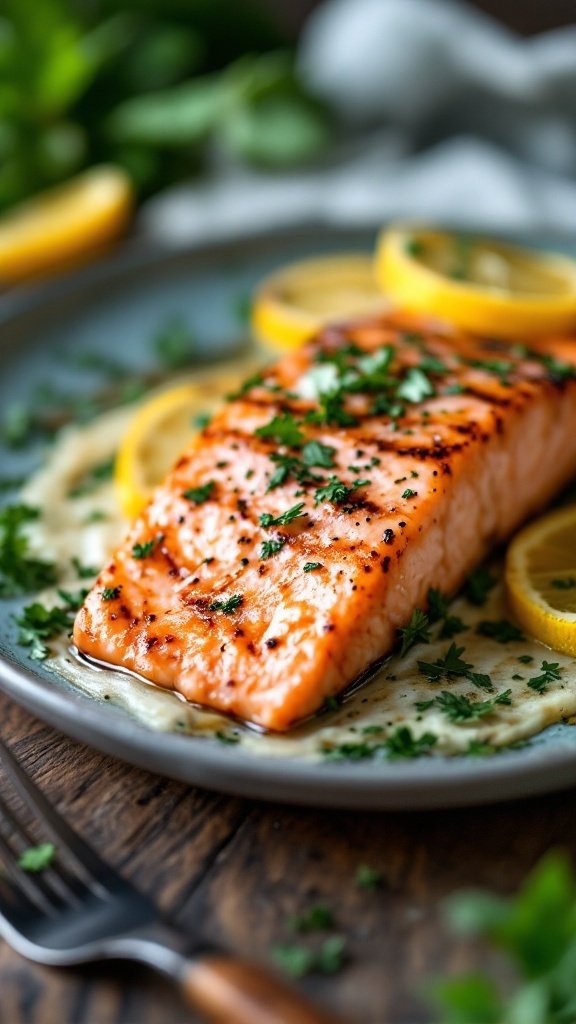
This lovely dish features a beautifully cooked salmon fillet, garnished with fresh herbs and served with lemon slices. The vibrant colors of the fish and the bright yellow lemons make for an appealing plate that’s hard to resist. The combination of flavors is refreshing and satisfying.
Incorporating salmon into your diet doesn’t have to be complicated. You can grill, bake, or sauté it with some olive oil, garlic, and herbs for a simple meal. Pair it with steamed vegetables or a light salad for a well-rounded plate. Enjoying salmon a couple of times a week can provide those important omega-3s, helping you stay healthy and energetic.
Sweet Potatoes for Immune Support
Sweet potatoes are not just tasty; they are also packed with nutrients that help to boost the immune system. These colorful tubers are rich in vitamins A and C, both of which play vital roles in supporting immune health. Vitamin A helps maintain healthy skin and mucous membranes, while vitamin C enhances the function of white blood cells.
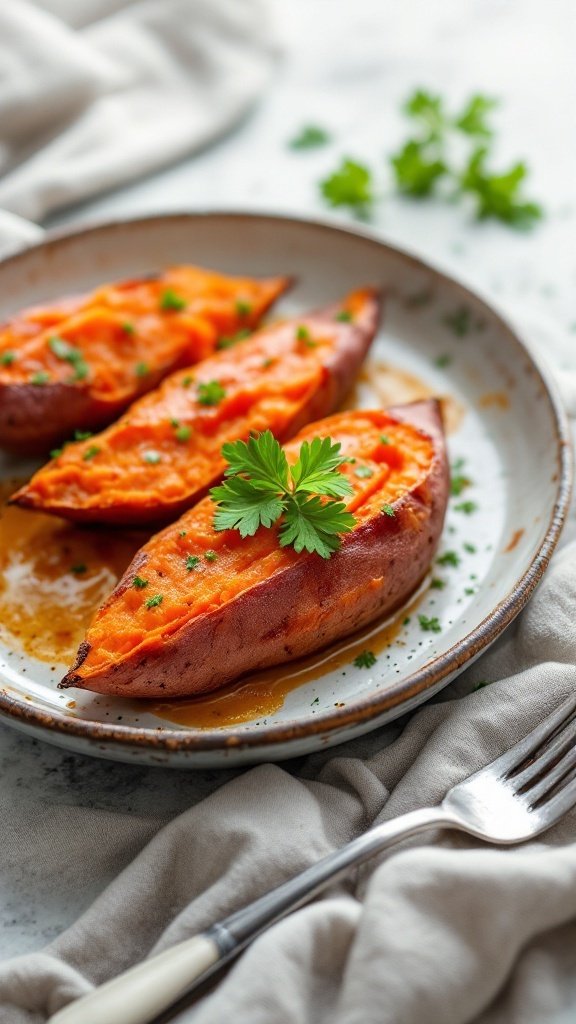
When cooked, sweet potatoes become soft and slightly sweet. The image shows beautifully baked sweet potatoes, perfectly cut and garnished with fresh herbs. This dish is not only visually appealing, but it also highlights how easy it is to incorporate this superfood into meals.
To prepare sweet potatoes, simply wash and pierce them with a fork before baking. Bake at 400°F (200°C) for about 45 minutes, or until they are tender. You can top them with a sprinkling of herbs, yogurt, or even a drizzle of honey for added flavor. This simple preparation makes sweet potatoes a versatile option for seniors looking to enhance their diet.
Avocado for Healthy Fats
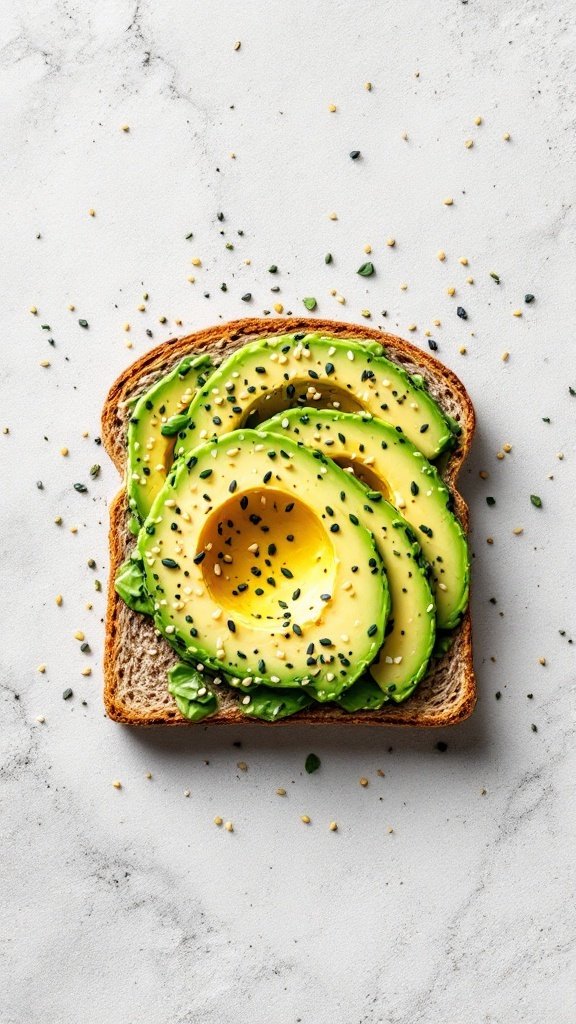
Avocados are a fantastic source of healthy fats, making them a great addition to a senior’s diet. They are creamy, rich, and can be enjoyed in many ways. The image shows a slice of whole-grain bread topped with beautifully arranged avocado slices. This simple yet nutritious dish highlights how easy it is to incorporate avocados into meals.
Healthy fats found in avocados are essential for the body. They help with cholesterol levels and promote heart health. For seniors, maintaining a healthy heart is crucial, and avocados contribute positively.
Moreover, avocados are packed with vitamins and minerals. They provide potassium, which supports blood pressure regulation. As we age, our bodies benefit from these nutrients to stay balanced and energized.
Making an avocado toast is easy! Just mash ripe avocado on whole-grain bread, sprinkle some salt and pepper, and you’re good to go. Feel free to add toppings like tomatoes or seeds for extra flavor and nutrition.
Quinoa: A Complete Protein Source
Quinoa is more than just a trendy grain; it’s a complete protein source that’s especially beneficial for seniors. This little seed packs a punch with all nine essential amino acids, making it a fantastic choice for those looking to maintain muscle mass and overall health.
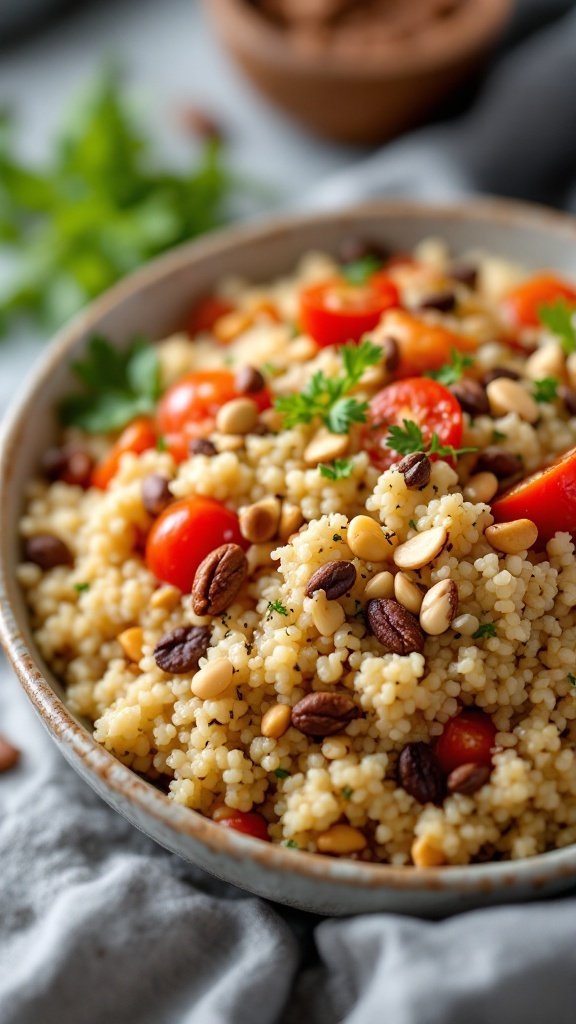
The image beautifully showcases a bowl of quinoa mixed with cherry tomatoes, nuts, and fresh herbs. This colorful dish is not only visually appealing but also a great representation of how versatile quinoa can be in meals. With its nutty flavor and fluffy texture, quinoa can easily be incorporated into various dishes, enhancing both taste and nutrition.
To prepare a simple quinoa salad, you’ll need cooked quinoa, halved cherry tomatoes, a mix of your favorite nuts, and a sprinkle of fresh herbs like parsley. Just toss everything together with a drizzle of olive oil and a squeeze of lemon for a refreshing meal. This dish is perfect for lunch or as a side at dinner, providing a healthy boost without sacrificing flavor.
Including quinoa in your diet is an easy way to ensure you’re getting enough protein and other essential nutrients. It’s gluten-free and easy to digest, making it a smart choice for seniors. So, whether you enjoy it in a salad or as a side dish, quinoa is a stellar addition to any meal!
Chia Seeds for Digestive Health
Chia seeds might be small, but they pack a big punch when it comes to digestive health. These tiny seeds absorb water and expand in your stomach, helping to keep you feeling full and satisfied. This can be particularly helpful for seniors looking to manage their weight and improve their overall health.
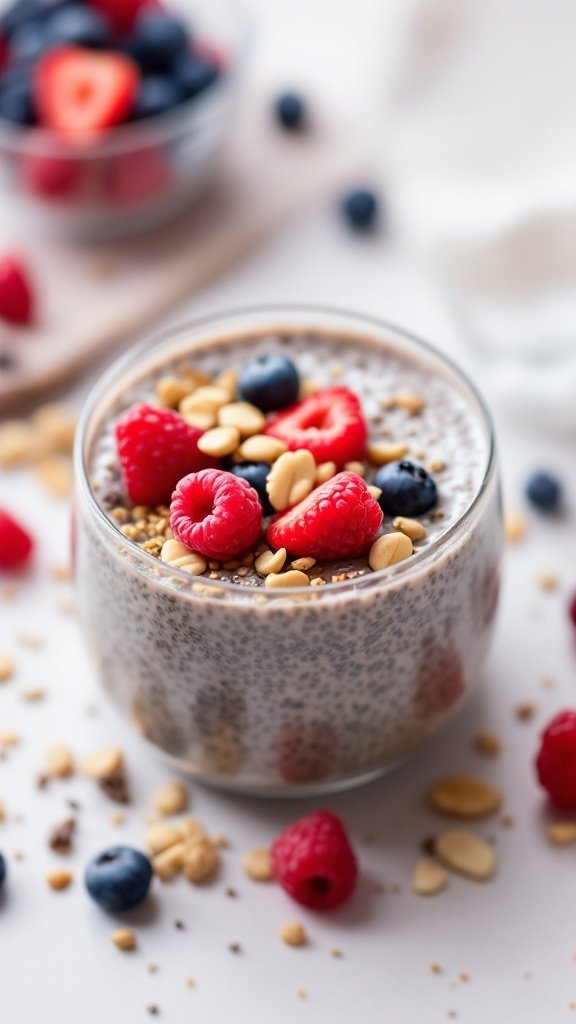
One delightful way to enjoy chia seeds is by making a chia seed pudding, like the one in the image. This pudding is not only visually appealing with its vibrant toppings of raspberries and blueberries, but it’s also loaded with fiber. Fiber is essential for aiding digestion and preventing constipation, which can be a common issue as we age.
To make chia seed pudding, all you need are a few ingredients: chia seeds, almond milk (or any milk of your choice), a sweetener like honey or maple syrup, and your favorite fruit for topping. Simply mix the chia seeds with the milk and sweetener, let it sit overnight in the fridge, and wake up to a nutritious breakfast. Top it off with fresh berries and a sprinkle of nuts for that extra crunch.
Incorporating chia seeds into your diet is an easy way to support digestive health and enjoy delicious meals at the same time. So why not give them a try? Your tummy will thank you!
Kale’s Nutritional Powerhouse
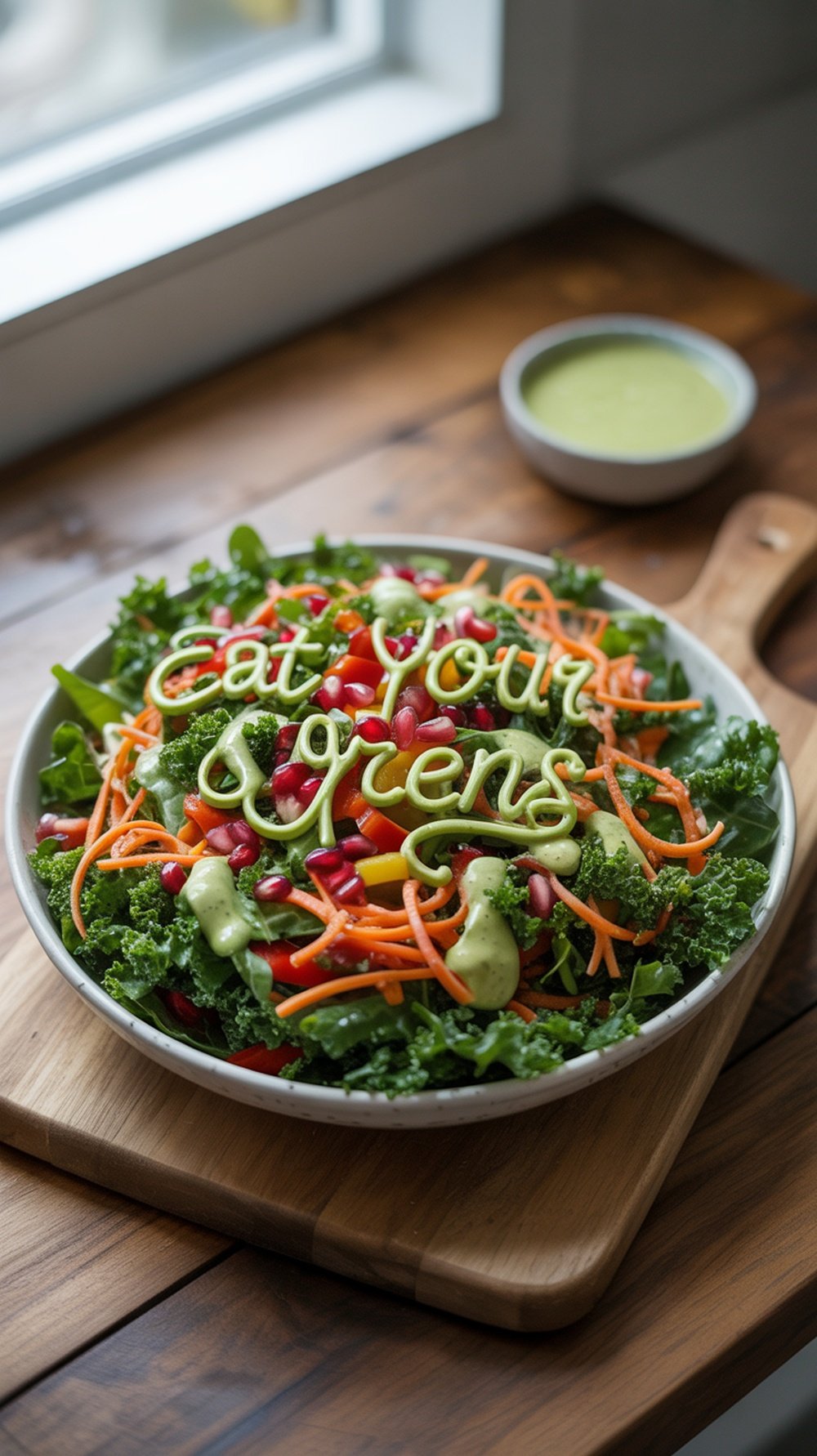
Kale truly stands out as a nutritional powerhouse, especially for seniors looking to maintain their health. Just check out the vibrant greens in the image! Those leafy beauties are packed with essential vitamins and minerals. Kale is rich in vitamins A, C, and K, which play crucial roles in boosting the immune system and promoting healthy bones.
Incorporating kale into meals doesn’t have to be complicated. You can easily toss it into salads, smoothies, or soups. The fresh kale in the bowl is complemented by colorful veggies, showcasing how versatile and appealing this superfood can be. Adding just a handful of kale can significantly elevate the nutrient content of your dishes.
Moreover, kale is a fantastic source of antioxidants, which help combat oxidative stress in the body. This is particularly important for seniors, as it can help reduce inflammation and promote better overall health. So, whether you’re trying to increase your vegetable intake or just looking for a tasty addition to your meals, kale is a smart choice!
Greek Yogurt for Probiotics
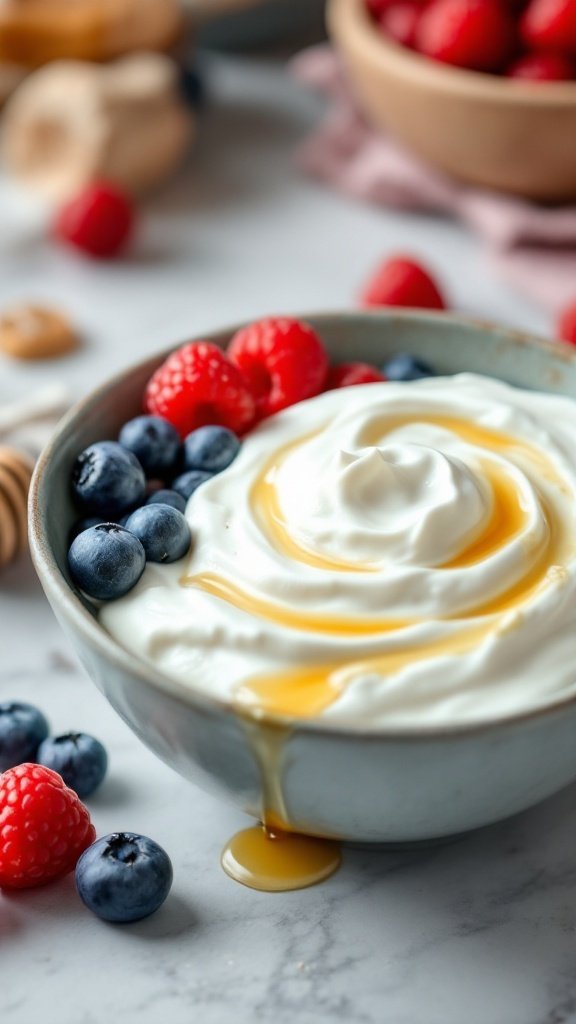
Greek yogurt is a tasty and nutritious option that seniors can enjoy. This creamy delight is packed with probiotics, which are beneficial bacteria that help support gut health. A healthy gut is essential for overall well-being, especially as we age.
In the image, you can see a bowl of Greek yogurt topped with fresh blueberries and raspberries. The vibrant colors of the berries not only make the dish appealing but also add important vitamins and antioxidants. Drizzling honey on top adds a touch of sweetness, making it even more enjoyable.
Incorporating Greek yogurt into your diet can be simple. You can enjoy it on its own, mix it with fruits, or use it as a base for smoothies. It’s also a great addition to salads or can be used in cooking. The versatility of Greek yogurt makes it easy to include in your daily meals.
Turmeric’s Anti-Inflammatory Properties

Turmeric is not just a spice; it’s a powerhouse of health benefits, especially for seniors. The image captures a warm cup of golden turmeric drink, surrounded by spices like cinnamon and star anise. The vibrant yellow of turmeric represents its rich anti-inflammatory properties, which can help reduce pain and discomfort often experienced by older adults.
One of the key components of turmeric is curcumin, known for its ability to fight inflammation. This can be particularly beneficial for seniors dealing with arthritis or other inflammatory conditions. Incorporating turmeric into daily meals can be as simple as adding it to soups, stews, or smoothies.
For a tasty turmeric drink, combine a teaspoon of turmeric powder, a pinch of black pepper (to enhance absorption), and a cup of warm milk or a milk alternative. Sweeten it with honey or maple syrup if desired. This comforting beverage not only warms you up but also supports joint health.
So, if you’re looking for an easy way to include turmeric in your diet, try this drink or sprinkle turmeric on your favorite dishes. It’s a small change that can lead to better well-being in the long run.
This post may contain affiliate links which means I may receive a commission for purchases made through links. I will only recommend products that I have personally used! Learn more on my Private Policy page.