As we age, taking care of our health becomes increasingly important. This guide offers ten practical tips for healthy aging and senior wellness, focusing on simple lifestyle adjustments and habits that can enhance your quality of life. Whether it’s through nutrition, physical activity, or mental engagement, there’s plenty you can do to stay vibrant and lively in your golden years.
Importance of Regular Physical Activity
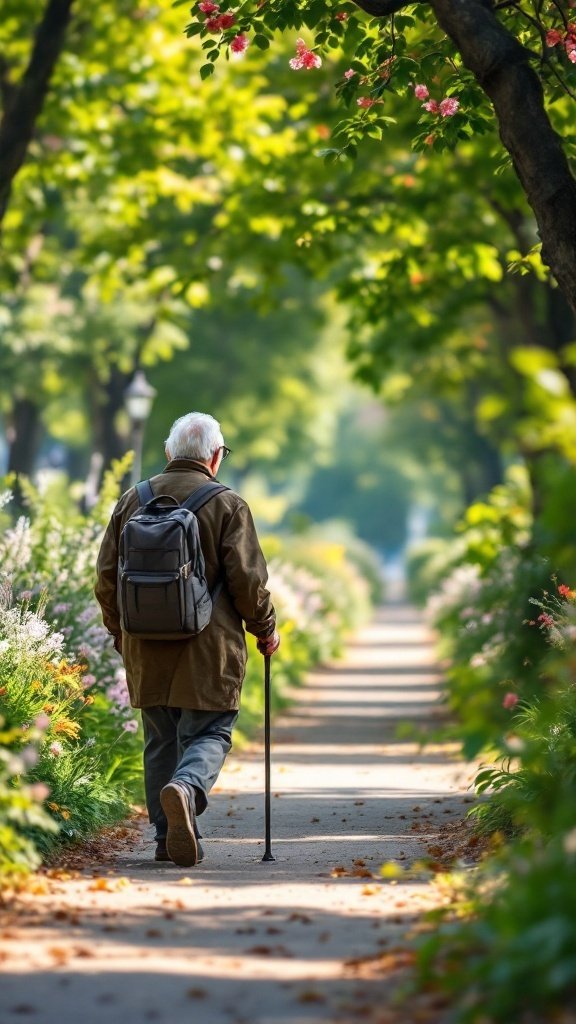
In the image, we see an elderly man taking a stroll along a peaceful, flower-lined path. He walks with a cane, wearing a backpack and dressed comfortably. This serene scene captures the essence of regular physical activity for seniors.
Staying active is crucial as we age. Regular physical activity helps maintain mobility and independence. Simple activities like walking, as shown in the image, can significantly improve physical health.
Walking outdoors not only benefits the body but also uplifts the spirit. Engaging with nature, as the man does in the picture, can enhance mood and reduce feelings of loneliness. It provides a chance to enjoy fresh air and beautiful surroundings.
Incorporating regular movement into daily life, whether it’s walking, gardening, or light stretching, helps strengthen muscles and improve balance. This reduces the risk of falls, which is an important consideration for senior wellness.
So, whether it’s a leisurely walk around the neighborhood or a stroll in the park, making time for physical activity is an important part of healthy aging. It’s all about finding joy in movement!
Building Strong Social Connections
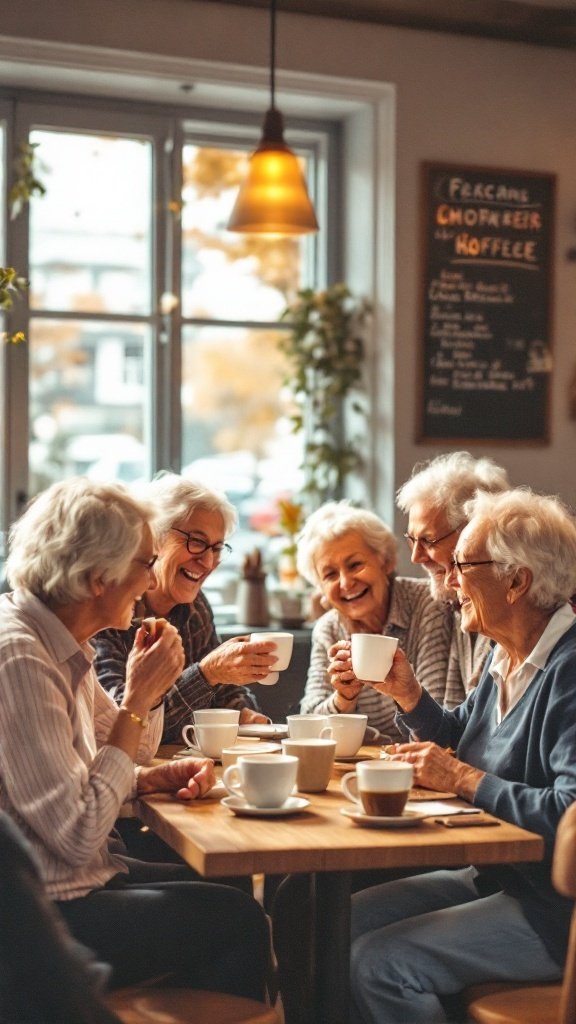
In the journey of healthy aging, building strong social connections is essential. The image captures a joyful gathering of seniors in a cozy café, sharing laughter and warm beverages. This scene highlights the importance of camaraderie and community in enhancing well-being.
Social interactions can significantly impact mental health. Engaging with friends or joining groups can reduce feelings of loneliness. In the image, you see how these individuals are enjoying each other’s company, which fosters a sense of belonging. It’s a reminder that having a strong social network contributes to better emotional health.
Simple activities like meeting for coffee, as shown here, can lead to meaningful conversations. These moments not only strengthen bonds but also stimulate the mind. Participating in group activities, whether it’s a book club or a cooking class, can provide opportunities to connect and learn from each other.
As we age, it’s crucial to maintain these connections. Regularly reaching out to friends, family, or community groups can make a difference. The laughter and smiles seen in the image reflect the joy that comes from nurturing these relationships. So, whether it’s a casual coffee meet-up or a planned outing, remember to prioritize social connections.
Preventive Health Screenings

In the journey of healthy aging, preventive health screenings play a crucial role. The image captures an important moment during a health check-up. An elderly woman is sitting across from her doctor, engaged in a discussion about her health. This kind of interaction is essential for monitoring well-being as we age.
Preventive health screenings help detect potential issues before they become serious. Regular check-ups can identify things like high blood pressure, diabetes, or early signs of heart disease. These screenings can be life-saving and are often simple to perform.
In this image, the doctor appears to be explaining test results or a health plan, showcasing the importance of doctor-patient communication. It’s not just about receiving treatments; it’s about understanding your health and making informed decisions.
As seniors, it’s important to stay proactive. Scheduling annual visits allows for adjustments in lifestyle and treatment plans as needed. Keeping track of changes in your health can lead to better outcomes and a more fulfilling life.
So, don’t skip those appointments! They are a key part of ensuring that you stay active and healthy as you age.
Mental Stimulation through Lifelong Learning

In the image, we see an older gentleman deeply engaged in writing at a cluttered table surrounded by books. This scene captures the essence of mental stimulation through lifelong learning. It’s a reminder that age is just a number when it comes to exploring new ideas and skills.
Lifelong learning can take many forms. Whether it’s picking up a new hobby, taking a class, or simply reading books, the important thing is to keep the mind active. The more we challenge ourselves, the sharper our minds can remain.
Writing, like the man in the image is doing, is a great way to express thoughts and feelings. It also helps improve cognitive function. Journaling or even creative writing can be enjoyable ways to reflect on life experiences.
Moreover, joining local clubs or online groups focused on specific interests can provide social interaction while learning. Engaging with others not only boosts mental health but also fosters a sense of community.
So, grab that pen and paper, or enroll in a class that sparks your interest. Remember, it’s never too late to start something new!
Staying Hydrated for Vitality

Hydration plays a vital role in maintaining health as we age. The image of a pitcher filled with vibrant fruits and refreshing water beautifully illustrates how enjoyable staying hydrated can be. Here we see slices of lemon, strawberries, and blueberries infused in clear water, making a delightful drink that not only looks inviting but also encourages hydration.
As we grow older, our bodies may not feel thirsty even when they need water. This makes it essential to be proactive about drinking fluids. Infused water like the one in the image is an excellent way to add flavor without extra sugars, making it a much healthier choice.
To make your own refreshing infused water, all you need are some fresh fruits and herbs. Simply add slices of lemon and strawberries, a handful of blueberries, and a sprig of mint to a pitcher of water. Let it sit for a while in the fridge to allow the flavors to mix, and then enjoy it throughout the day.
Staying hydrated helps improve energy levels, supports digestion, and keeps skin looking fresh. So, grab a glass of that fruity water and drink up—we all need a little extra vitality!
Quality Sleep for Optimal Health

In the journey of aging gracefully, one essential element often gets overlooked: sleep. The image above beautifully captures the essence of a peaceful night’s rest, showcasing an older adult drifting off into slumber. With soft lighting and serene surroundings, it emphasizes the importance of creating a calm environment for sleep.
Quality sleep plays a vital role in maintaining overall health as we age. It helps with memory, mood stability, and even physical health. When we sleep well, our bodies have the chance to repair and rejuvenate, which is especially important for seniors.
Creating a bedtime routine can go a long way in promoting better sleep. Consider winding down with a warm bath, reading a book, or listening to calming music. These activities can help signal to your body that it’s time to relax and prepare for rest.
Additionally, keeping the bedroom cool, dark, and quiet can enhance the quality of your sleep. Consider blackout curtains or a white noise machine if outside noise is a problem. A comfortable mattress and pillows are also key to achieving quality sleep.
Remember, it’s not just about the hours of sleep you get, but the quality of that sleep. Prioritizing rest can lead to a healthier and happier life, allowing you to enjoy every moment of your golden years.
Mindfulness Practices for Stress Reduction
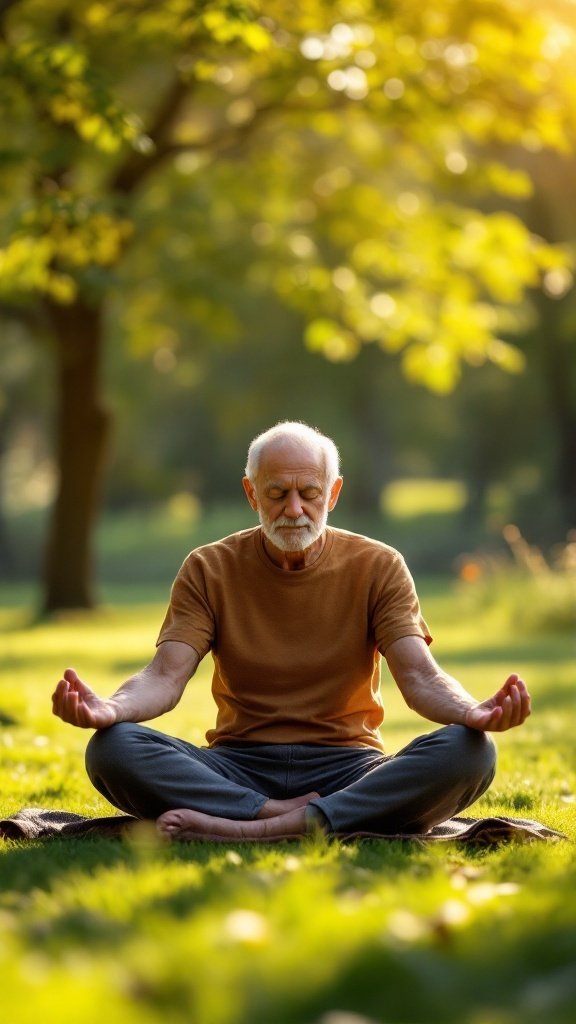
In today’s busy world, practicing mindfulness can be a wonderful way to manage stress, especially for seniors. Picture a serene setting where someone is meditating outdoors, surrounded by nature. This peaceful scene showcases an individual, sitting comfortably on the grass with their eyes closed, embodying relaxation and focus.
Mindfulness practices, like meditation, can help reduce anxiety and improve overall mental health. When you take a moment to breathe deeply and clear your mind, it allows you to connect with the present moment. This connection can be incredibly grounding, especially when life feels overwhelming.
Incorporating mindfulness into your daily routine doesn’t require a lot of time or special equipment. Simply find a quiet spot, sit comfortably, and focus on your breath. As you inhale and exhale, let go of any distracting thoughts. Regular practice can lead to noticeable improvements in your well-being.
As we age, the importance of mental clarity and emotional balance becomes even more vital. By engaging in these mindfulness exercises, you’re not just reducing stress; you’re also enhancing your quality of life. Why not give it a try? You might find that a little mindfulness goes a long way!
Managing Chronic Conditions with Care

In the journey of aging, managing chronic conditions becomes essential for overall wellness. The image portrays two elderly women sitting together, engaging in a focused activity. Their expressions hint at a shared moment of connection, which is vital for mental and emotional health.
Chronic conditions such as diabetes, arthritis, or heart disease require regular attention. Having a friend or companion, like those in the picture, can make the process feel less daunting. They support each other, likely sharing tips and experiences that can lead to better health outcomes.
It’s important to keep communication open with healthcare providers. Regular check-ups and honest discussions about any concerns can lead to adjustments in treatment plans. The women in the image remind us that support systems play a crucial role in managing these conditions effectively.
Additionally, engaging in activities together, such as exercising or cooking healthy meals, can significantly impact overall health. This social aspect can make managing chronic conditions more enjoyable and less isolating.
Engaging in Hobbies for Fulfillment
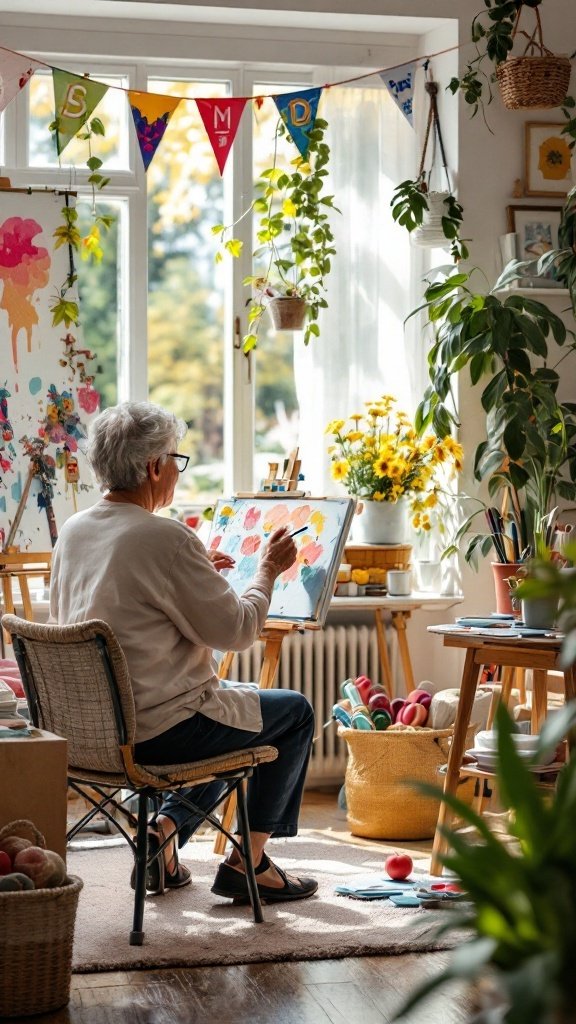
Hobbies can bring joy and fulfillment, especially as we age. Look at the image of a senior painting in a cozy, sunlit room. Surrounded by plants and colorful supplies, this scene is a perfect reminder of how creative activities can uplift the spirit.
Engaging in hobbies like painting can stimulate the mind and keep it active. It allows for self-expression and is a wonderful way to explore emotions. The vibrant colors and gentle brushstrokes can be therapeutic, helping to reduce stress and anxiety. This creative outlet not only enhances artistic skills but also promotes mental well-being.
Moreover, having a hobby fosters social connections. Joining art classes or community groups can lead to new friendships and shared experiences. Being part of a community can combat feelings of loneliness, making it easier to thrive in later years. Even simple activities, like gardening or knitting, can also create a sense of accomplishment and joy.
In summary, engaging in hobbies, much like painting in this warm environment, plays a crucial role in healthy aging. It brings fulfillment, encourages creativity, and nurtures relationships, all of which contribute to a happier, healthier life.
Nutrient-Dense Diet for Longevity
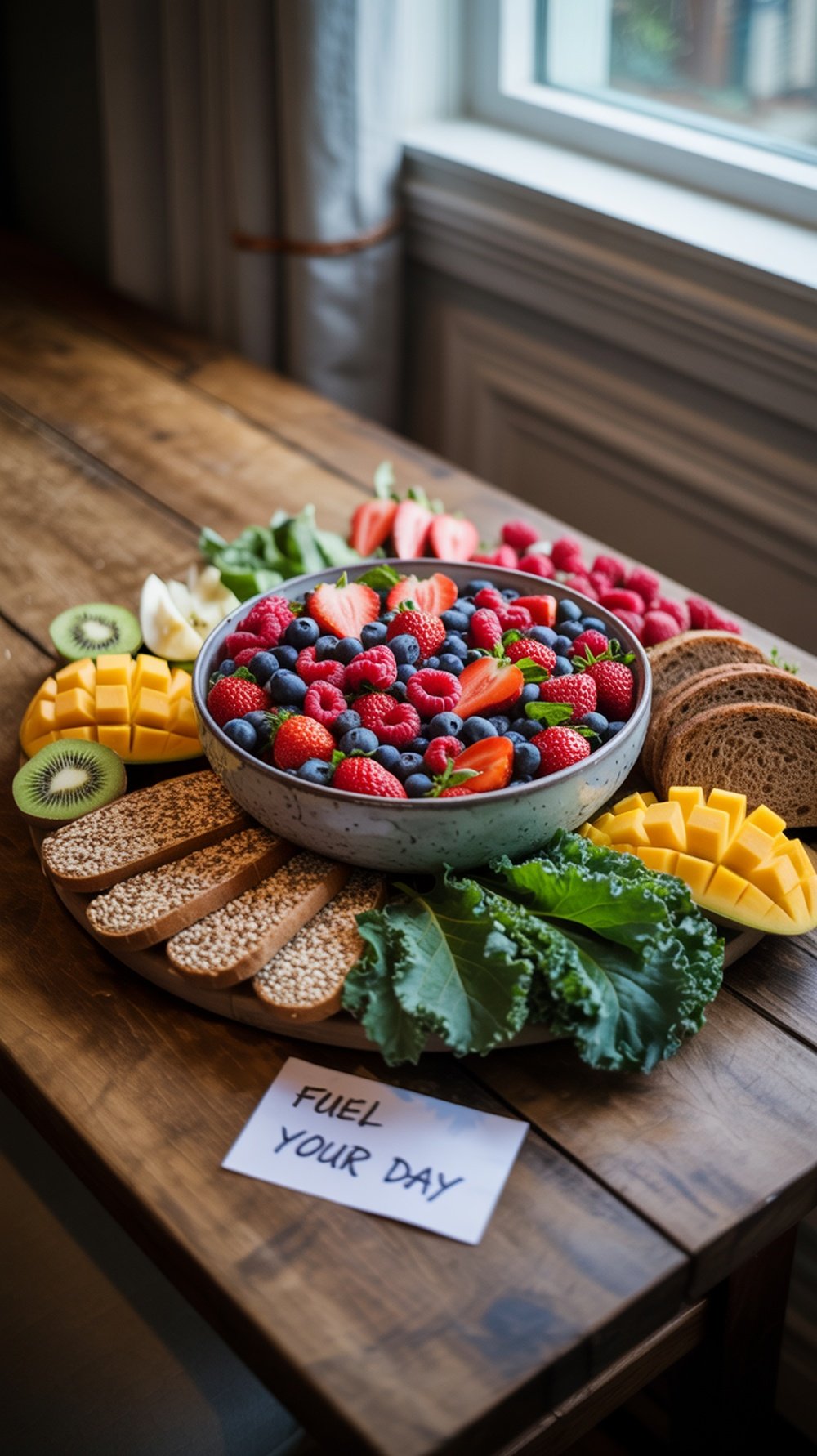
Eating well is crucial for healthy aging. A nutrient-dense diet supports overall wellness and can help keep you feeling your best as you age. The image captures a vibrant array of fruits, vegetables, and nuts that illustrate what this kind of diet looks like.
Incorporating a variety of colorful foods, like avocados, berries, and leafy greens, provides essential vitamins and minerals. These nutrients play a key role in maintaining energy levels and promoting good health. For instance, avocados are rich in healthy fats, which can support heart health.
The image also features nuts and seeds, which are excellent sources of protein and healthy fats. Snacking on these can help keep you full while providing nutrients that are beneficial for your body. Beans and legumes, shown in the bowls, add fiber and can aid in digestion, making them a great choice for a balanced diet.
Don’t forget about whole grains! Foods like brown rice or quinoa, though not pictured, are fantastic additions to your meals. They provide fiber and can help stabilize blood sugar levels. A nutrient-dense diet isn’t just about what you eat, but also about variety and balance.
To create balanced meals, aim to fill half your plate with colorful vegetables and fruits, a quarter with lean proteins, and a quarter with whole grains. This simple guide can help you make choices that are not just tasty but also nourishing.
This post may contain affiliate links which means I may receive a commission for purchases made through links. I will only recommend products that I have personally used! Learn more on my Private Policy page.