Taking care of your heart is crucial, especially as we get older. This guide focuses on 15 practical tips to support heart health for seniors. Whether it’s about nutrition, exercise, or simple lifestyle changes, these easy-to-follow suggestions can help keep your heart ticking strong.
Monitoring Cholesterol Levels
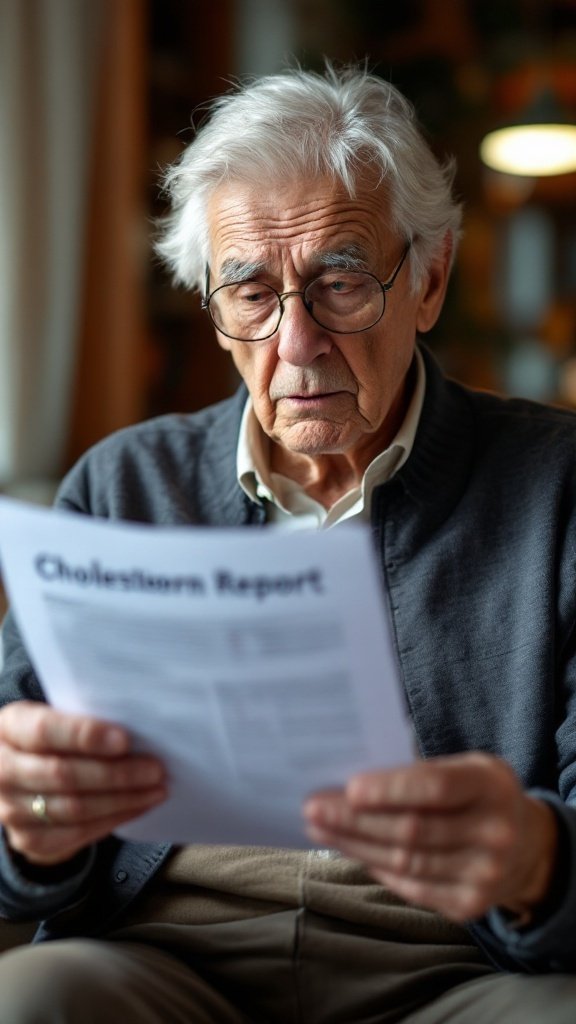
Keeping track of cholesterol levels is a vital part of heart health for seniors. In the image, we see a gentleman carefully reviewing his cholesterol report. This moment reflects a common concern among older adults regarding their cardiovascular well-being.
Cholesterol is a waxy substance found in your blood. While the body needs some cholesterol to build healthy cells, too much can lead to heart disease. It’s essential for seniors to understand their cholesterol levels, as high cholesterol often shows no symptoms.
Regular check-ups with your doctor can help manage cholesterol levels. These visits can provide personalized advice on diet and exercise. Seniors should aim for a balance between good (HDL) and bad (LDL) cholesterol. A healthy lifestyle, including a balanced diet, can significantly impact these levels.
Don’t hesitate to ask your healthcare provider about your cholesterol numbers. Knowledge is empowering, and understanding your health can lead to better choices. Remember, staying informed is a huge step towards maintaining a healthy heart!
Understanding Blood Pressure Management

Managing blood pressure is a key part of heart health, especially for seniors. The image shows a caring moment where one person is helping another with a blood pressure monitor. This simple act highlights the importance of checking blood pressure regularly.
High blood pressure, or hypertension, can lead to serious health issues. It’s often called a silent killer since there are usually no symptoms. That’s why regular monitoring is essential. Having a loved one involved makes it easier and more comfortable to keep track of these health numbers.
Incorporating a routine of blood pressure checks can help seniors stay aware of their heart health. Ideally, blood pressure should be checked at the same time each day. This consistency helps track any changes over time. Keeping a log of readings can be very helpful for healthcare providers too.
Besides monitoring, there are lifestyle choices that can make a difference. Eating a balanced diet, reducing salt intake, and staying active are great steps towards better blood pressure management. Encourage seniors to take small, manageable steps toward maintaining their health. Every little effort counts!
Importance of Regular Check-Ups

Regular check-ups are key to maintaining heart health, especially for seniors. In the image, we see a friendly interaction between a doctor and a patient, which highlights the supportive nature of these visits. A relaxed environment can make these appointments feel less daunting.
Routine check-ups help catch potential heart issues early. By monitoring blood pressure, cholesterol levels, and other important markers, doctors can provide advice tailored to individual needs. This proactive approach plays a crucial role in preventing serious health issues down the line.
Additionally, these appointments are an excellent opportunity for seniors to discuss any concerns they might have. Whether it’s about diet, exercise, or medications, open communication fosters a trusting relationship with healthcare providers. Feeling comfortable during these visits encourages seniors to be more engaged in their health.
In short, regular check-ups act as a safety net. They ensure that seniors are on the right track to maintaining a healthy heart. Don’t hesitate to schedule those appointments; it’s a step toward a happier, healthier life!
Engaging in Daily Physical Activities
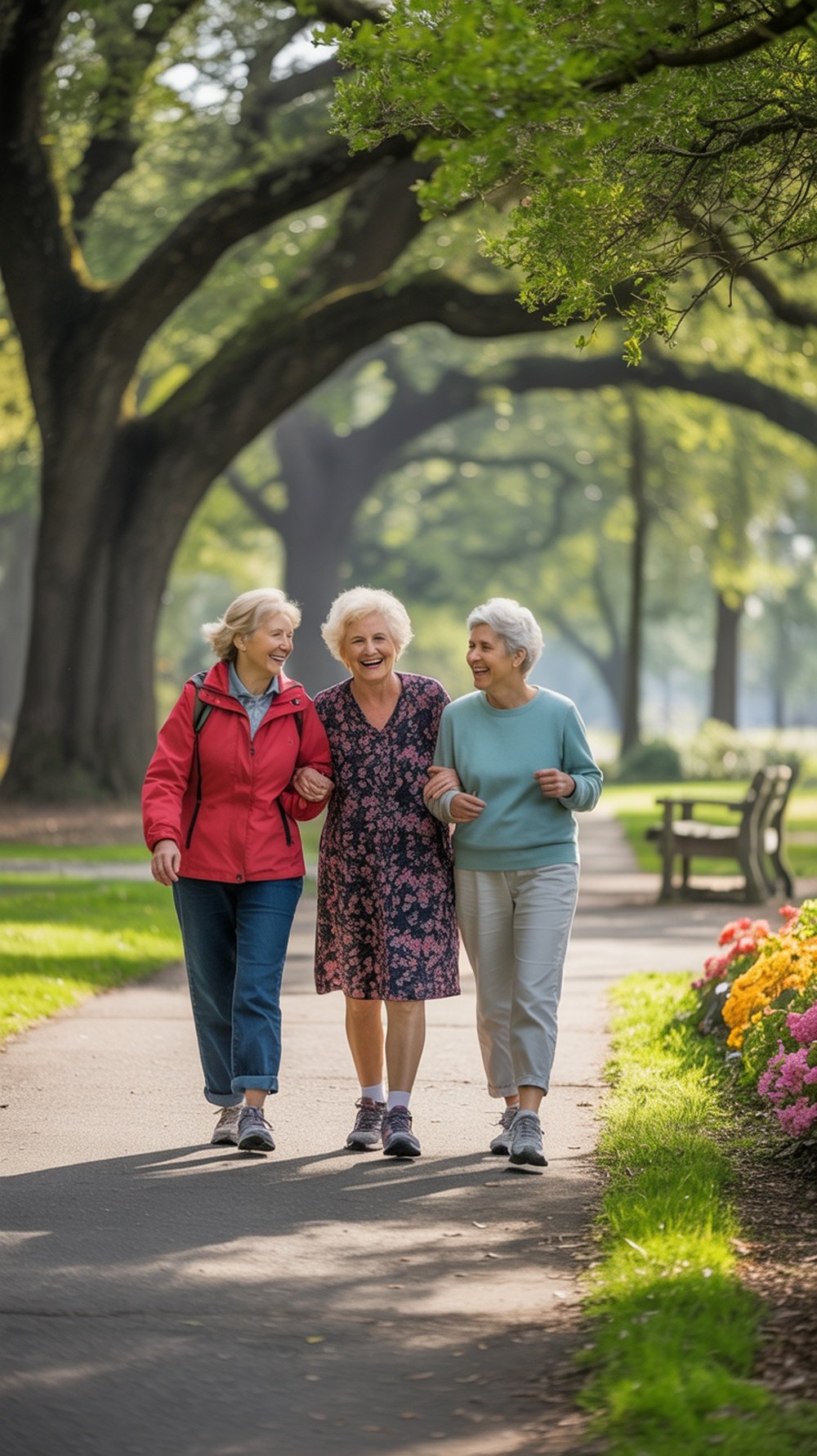
Staying active is key to maintaining heart health as we age. The image shows a lovely scene of an older couple and their grandchild enjoying a walk together. This simple activity not only keeps their hearts strong but also fosters family connections. Walking in a park or around the neighborhood can be a great way to get some fresh air while also supporting cardiovascular health.
Daily physical activities don’t have to be intense to be effective. Gentle exercises like walking, gardening, or even playing with grandkids can provide significant benefits. These activities help improve circulation and strengthen the heart. Plus, they can be enjoyable, making it easier to stay committed to a routine.
Finding a buddy to join in can also make daily activities more fun. Whether it’s a partner, friend, or family member, having someone to walk with can add motivation. As the couple in the image illustrates, sharing these moments can lead to joyful experiences while promoting heart health.
Incorporating Omega-3 Fatty Acids
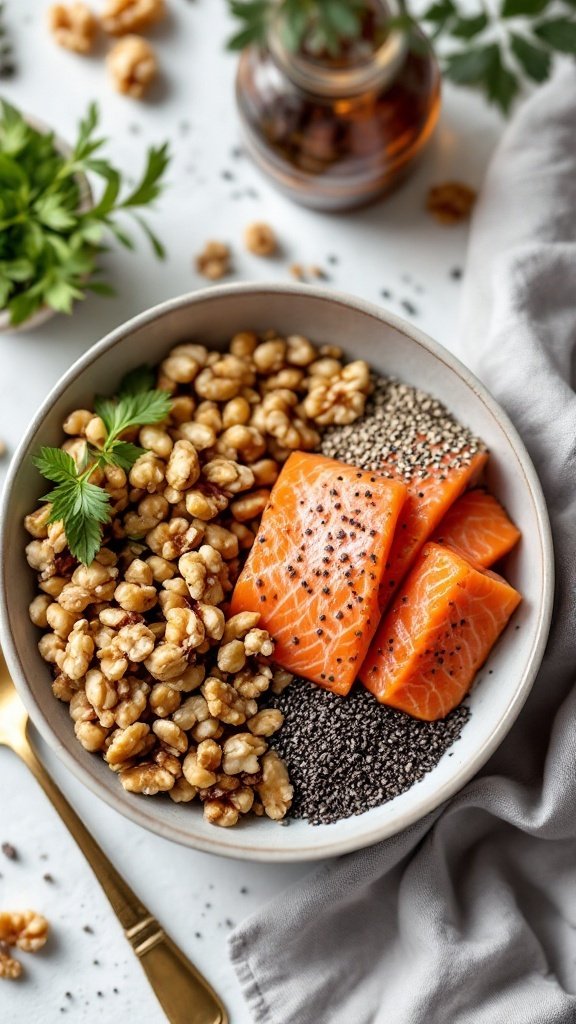
Omega-3 fatty acids are quite the catch when it comes to heart health, especially for seniors. These healthy fats are often found in foods like salmon, walnuts, and chia seeds, which are all showcased beautifully in the image.
The salmon, with its rich orange color, is a fantastic source of omega-3s. Not only does it taste great, but it also helps to reduce inflammation and improve overall heart function. Pairing it with walnuts adds a nice crunch and provides additional nutrients.
Chia seeds, seen in the bowl, may be small, but they pack a punch. They’re excellent for heart health and can be easily added to various dishes. Whether you sprinkle them on your morning yogurt or mix them into a smoothie, they offer numerous benefits.
Don’t forget, incorporating these foods into your diet can be simple. You can grill salmon for dinner, toss in walnuts as a snack, or create a refreshing chia seed pudding for breakfast. Making these choices can really support heart health as you age.
Stress Reduction Techniques for Seniors
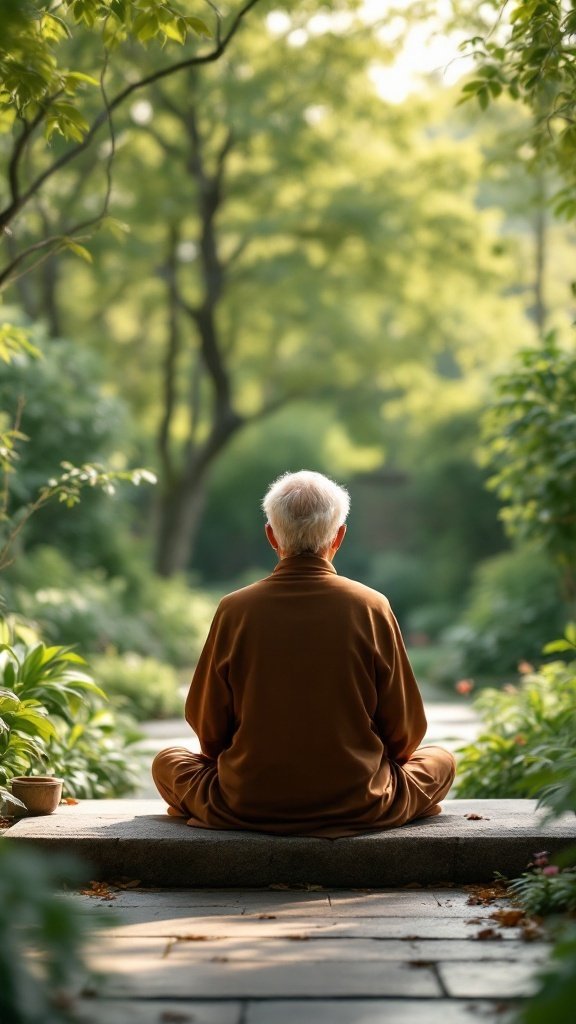
In the pursuit of heart health, managing stress is crucial, especially for seniors. The image above captures a serene moment in nature, where a senior individual is sitting peacefully, surrounded by greenery. This scene emphasizes the importance of finding tranquility in daily life.
When stress levels rise, so can blood pressure and heart rate. Simple techniques can help reduce stress and promote heart health. Activities like deep breathing, meditation, and gentle yoga can be very helpful. The act of sitting quietly in a garden, as shown in the image, allows for reflection and relaxation.
Engaging with nature, whether through a walk in the park or simply enjoying the backyard, can also lower stress. It’s a natural way to disconnect from daily worries and reconnect with oneself. Taking time to enjoy the outdoors can improve overall mood and heart health.
Another effective method is practicing mindfulness. This technique encourages living in the present moment, helping to ease anxiety and promote peace of mind. Seniors can try focusing on their breathing or observing their surroundings, just like the peaceful scene depicted in the image.
Finally, consider incorporating hobbies that bring joy and relaxation. Whether it’s gardening, painting, or reading, finding activities that make you happy is essential for reducing stress. Making time for these personal joys contributes greatly to a healthier heart.
Staying Hydrated for Heart Health

Hydration plays a big role in keeping your heart healthy, especially as we age. Drinking enough fluids helps maintain good blood circulation and can lower the risk of heart disease. The image shows a senior woman enjoying a refreshing drink in a cozy setting surrounded by fruits. This visually emphasizes the importance of hydration and nutritious choices.
Incorporating plenty of fluids into your daily routine is simple. Water is always a good choice, but other drinks like herbal teas or fresh juices can also help. The bright orange juice in the woman’s hand showcases a delicious way to hydrate while getting vitamins. Fruits and vegetables with high water content—like cucumbers, oranges, and strawberries—are also excellent additions to your diet.
Keeping a glass of water or a favorite drink nearby can remind you to sip throughout the day. It’s also fun to try different flavors by adding slices of lemon, mint, or berries to your water. Staying hydrated not only supports heart health but can also enhance your overall well-being and energy levels. So, toast to health and hydration with a refreshing drink!
Balancing Nutrition for Heart Wellness

Eating right is essential for maintaining heart health, especially as we age. The image above shows a colorful array of fresh fruits, vegetables, and nuts laid out on a vibrant blue surface. These ingredients not only look beautiful but are also packed with nutrients that can benefit your heart.
Incorporating a variety of foods into your diet is key. The bright citrus fruits like lemons and grapefruits provide vitamin C, while leafy greens such as parsley and cilantro are rich in antioxidants. These nutrients can help reduce inflammation and support cardiovascular health.
Don’t forget about the power of nuts and seeds, which can be seen in the image. They offer healthy fats that are good for your heart. Adding a handful of almonds or walnuts to your meals can boost your nutrient intake and keep your heart strong.
When planning meals, think about balancing flavors and textures. A salad with mixed greens, topped with seeds and a squeeze of fresh lemon juice can be both delicious and heart-healthy. Enjoying a wide range of colorful foods is not only visually appealing but also ensures you’re getting a broad spectrum of nutrients.
Quitting Smoking and Reducing Risks

Smoking is a significant risk factor for heart disease, especially in seniors. In the image, we see an elderly man holding a cigarette with a contemplative expression. This moment can symbolize the tough journey many face when trying to quit smoking.
When seniors quit smoking, they can significantly improve their heart health. The body starts to heal almost immediately after the last cigarette is put down. Within days, blood pressure and circulation begin to improve, paving the way for a healthier heart.
It’s never too late to quit. Many support systems are available, like counseling and quitlines, which can be incredibly helpful. Friends and family support can also make a difference. Quitting isn’t just about stopping the habit; it’s about embracing a healthier lifestyle.
Moreover, reducing smoking can lower the risk of developing other health issues. Seniors who quit smoking often experience better lung function, increased energy levels, and improved overall quality of life. Taking this step is essential for a healthier heart and a more active life.
Building a Support Network

Connecting with others is crucial for heart health, especially as we age. The image captures a joyful moment between seniors sharing laughter and stories. This kind of interaction is vital. It not only uplifts the spirit but can also have a positive impact on physical health.
When seniors build a support network, they create a safety net. Friends and family can encourage healthy habits, whether it’s reminding each other to exercise, eat well, or attend regular check-ups. Being part of a group helps to feel less isolated, which is important for emotional well-being.
Social activities can range from joining a walking club to participating in community events. These gatherings provide opportunities to meet new people who share similar interests. Establishing a routine around these activities can make a big difference in maintaining heart health.
Additionally, having someone to talk to about health concerns can ease anxiety. Whether it’s discussing a new diet or a recent doctor visit, having a friend to share the experience with is reassuring. This camaraderie fosters a sense of belonging that is essential for overall health.
The Role of Sleep in Heart Health

In the image, we see an older adult peacefully sleeping in a cozy bed. Soft lighting creates a calm atmosphere, highlighting the importance of rest. Getting enough sleep is crucial for everyone, especially seniors.
Quality sleep plays a big role in maintaining heart health. When we sleep, our bodies repair themselves and process important information. A lack of sleep can lead to higher blood pressure and increased stress levels, both of which can harm the heart.
For seniors, it’s essential to establish a consistent sleep routine. This includes going to bed and waking up at the same time each day. Creating a relaxing bedtime environment can also improve sleep quality. Things like dimming the lights, reading a book, or listening to soothing music can help.
In addition, avoiding caffeine and heavy meals before bedtime can make a big difference. These simple changes can help promote better sleep and, in turn, support heart health.
Regular Exercise Routines

Staying active is key for heart health, especially for seniors. The image shows a group of older adults participating in an exercise class, looking happy and engaged. This setting highlights how exercise can be a social and enjoyable part of daily life.
Regular exercise routines can include activities like walking, swimming, or even tai chi. These activities not only help improve cardiovascular health but also boost mood and energy levels. It’s great to find a routine that fits your lifestyle and brings joy.
Joining a group class, like the one in the picture, offers both motivation and companionship. Exercising with others adds a layer of fun and support, making it easier to stick to a routine. Whether at a gym or community center, look for classes designed for seniors.
Remember to start slow and gradually increase the intensity. Always check with a healthcare provider before starting any new exercise program. With time, you’ll find that regular exercise can be a fulfilling part of your life.
Creating a Personalized Heart Health Plan

Creating a personalized heart health plan is essential for seniors looking to maintain their well-being. In the image, we see two individuals engaged in a thoughtful conversation. This reflects the importance of seeking guidance and discussing health goals. It’s vital for seniors to have support, whether from family, friends, or professionals.
When developing a heart health plan, start by assessing your current lifestyle. Consider factors like diet, exercise, and medication. It’s helpful to write everything down, just like the person in the image is doing. This process keeps things organized and makes it easier to track progress.
Next, think about incorporating heart-healthy foods into your meals. This can include fruits, vegetables, whole grains, and lean proteins. Planning meals ahead of time can help you stick to your goals. Don’t forget to involve a family member or friend in this process for extra motivation!
Physical activity is equally important. Aim for at least 150 minutes of moderate exercise each week. This could be as simple as going for a daily walk or participating in a local fitness class. Again, having a workout buddy can make this more enjoyable.
Lastly, regular check-ups with a healthcare provider are key. They can help fine-tune your plan and address any concerns. Don’t hesitate to ask questions during these visits, as communication is vital for a successful heart health journey.
Understanding Heart Disease Symptoms

Heart health is crucial, especially for seniors. This image of an elderly man sitting in contemplation highlights the importance of mindfulness in managing health. Understanding heart disease symptoms can help seniors identify issues early and seek appropriate care.
Common symptoms of heart disease include shortness of breath, chest discomfort, and fatigue. Seniors should pay attention to these signs, as they can often be subtle. In the image, the man appears thoughtful, perhaps reflecting on his health, reminding us that awareness is key.
Other symptoms might include palpitations or swelling in the legs. Each person’s experience can vary, making it essential to communicate any changes to a doctor promptly. Taking these steps can lead to better heart health and overall well-being.
Regular check-ups and staying active are also important. The serene background of the photo suggests a peaceful environment, which can help in stress management. Keeping stress levels low is beneficial for heart health.
In summary, understanding heart disease symptoms is vital for seniors. By recognizing the signs and taking proactive steps, you can contribute to a healthier lifestyle. Remember, it’s never too late to make positive changes!
Heart-Healthy Cooking Classes

Heart-healthy cooking classes can be a delightful way for seniors to learn about nutrition and enjoy the process of making meals. Imagine two cheerful seniors, happily chopping fresh vegetables and stirring a pot. This image captures the essence of what cooking together can mean for heart health.
In these classes, participants can explore many recipes rich in fruits, vegetables, whole grains, and lean proteins. Ingredients like tomatoes, leafy greens, and herbs are often highlighted, as they are packed with nutrients that support heart health.
Each session can start with a simple recipe, such as a vibrant vegetable stir-fry. You’ll need ingredients like bell peppers, broccoli, and carrots. Just chop them up, toss them in a pan with a little olive oil, and stir until tender. A dash of garlic and a sprinkle of herbs can add an extra kick!
Cooking classes not only teach valuable skills but also promote social interaction. Seniors can bond over chopping veggies or sharing cooking tips, all while enjoying a fun atmosphere. Plus, learning how to prepare heart-healthy meals can encourage everyone to take better care of their health.
This post may contain affiliate links which means I may receive a commission for purchases made through links. I will only recommend products that I have personally used! Learn more on my Private Policy page.
