Eating well is key to staying healthy and feeling good as we age. Here are 20 straightforward dietary tips that can help seniors maintain balanced nutrition and enjoy their meals more. From simple substitutions to mindful eating practices, these suggestions aim to support your journey toward a healthier lifestyle.
Incorporating Healthy Fats into Meals
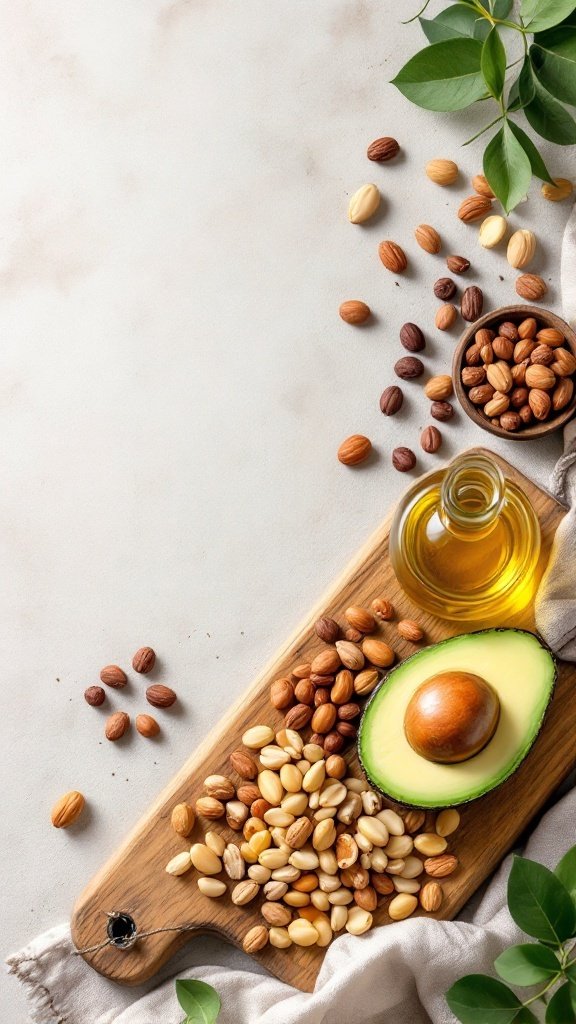
When it comes to healthy eating for seniors, incorporating healthy fats is essential. These fats, found in foods like avocados, nuts, and olive oil, can support heart health and improve overall well-being.
The image beautifully showcases a variety of nuts and an avocado, along with a bottle of olive oil. Each of these foods is packed with beneficial nutrients. Avocados, for example, are rich in monounsaturated fats, which can help lower bad cholesterol levels. Nuts provide a crunchy, satisfying snack while offering protein and fiber.
Using olive oil in meals is a simple way to add flavor and health benefits. Drizzle it on salads, incorporate it into cooking, or use it as a dip for bread. You might even try making a quick salad dressing with olive oil, lemon juice, and a pinch of salt.
Mixing your choice of nuts into yogurt or oatmeal can also be a delicious way to start the day. The crunch and flavor of nuts can enhance meals while boosting nutrient intake at the same time. Just be mindful of portion sizes, as nuts are calorie-dense.
Overall, including these healthy fats in your diet can lead to tasty meals while promoting a balanced and nutritious eating plan.
Prioritizing Nutrient-Dense Foods
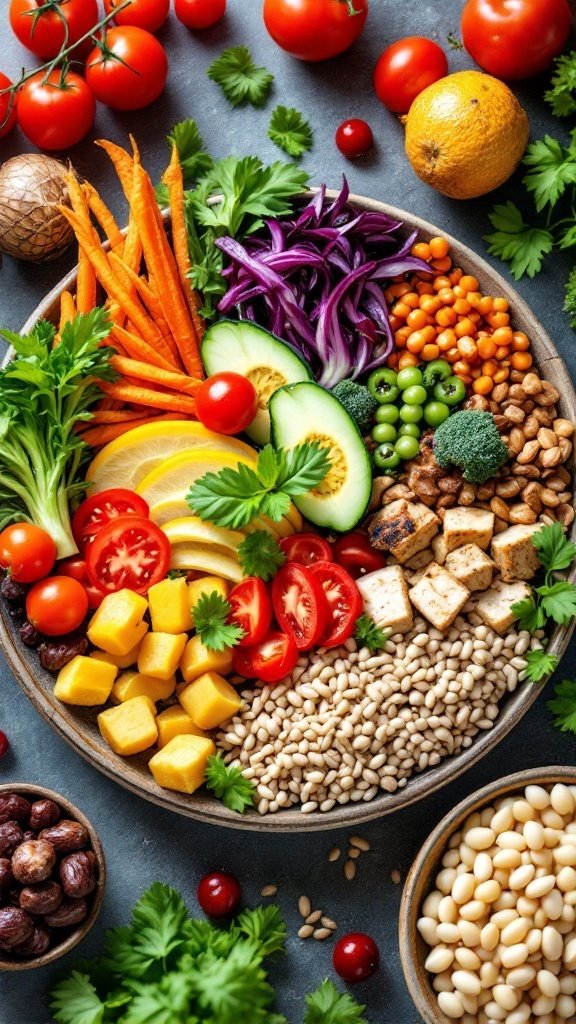
When it comes to healthy eating for seniors, choosing nutrient-dense foods is key. The image shows a colorful array of fresh vegetables, fruits, and proteins, all beautifully arranged on a platter. This visual feast highlights how appealing healthy eating can be.
Nutrient-dense foods are packed with vitamins, minerals, and other beneficial substances, while being lower in calories. This means you can enjoy a variety of flavors and textures without overloading on calories. In the image, you can see bright carrots, leafy greens, vibrant tomatoes, and wholesome grains, all of which are excellent choices.
Including a mix of these foods in your diet can boost your health significantly. For example, leafy greens like spinach provide iron and calcium, while colorful fruits like mangoes and tomatoes are rich in antioxidants. This colorful palette not only looks inviting but also ensures you’re getting a range of nutrients.
Don’t forget to add proteins, like the tofu shown in the image, which can help maintain muscle mass. Pairing these foods together in meals can lead to satisfying and nutritious dishes. Preparing a simple salad or stir-fry with these ingredients can be an easy way to incorporate these nutrient-dense foods into your daily routine.
So, next time you plan your meals, take a cue from this vibrant display. Fill your plate with colors and textures, and enjoy the variety that nutrient-dense foods offer!
Balancing Macronutrients for Energy
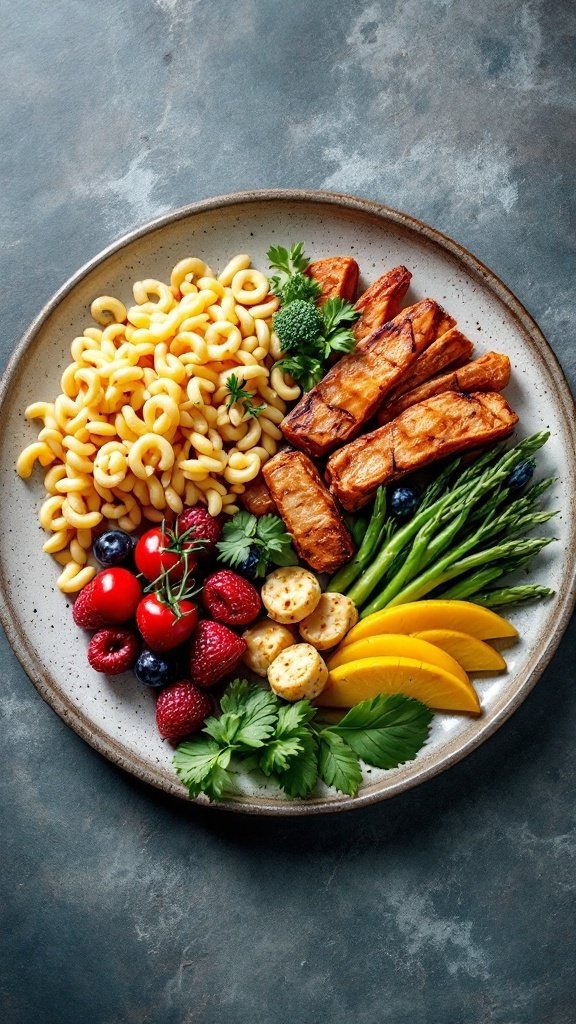
The image beautifully showcases a plate filled with a variety of foods that illustrate the importance of balancing macronutrients. This plate features a mix of whole grains, proteins, and colorful fruits and vegetables.
At the center of the plate, we see curved pasta, which provides carbohydrates for energy. Carbohydrates are essential as they are the body’s primary source of fuel. The vibrant veggies like broccoli, asparagus, and cherry tomatoes add not just color but also essential vitamins and minerals.
Grilled pieces of protein, possibly chicken or tofu, are neatly arranged, offering the necessary protein for muscle maintenance and repair. Including protein in your meals helps keep you full and satisfied, which is important for seniors who may have smaller appetites.
Don’t forget about the fruits! Raspberries and blueberries provide antioxidants and natural sweetness, making meals more enjoyable while contributing to overall health.
This combination of macronutrients can help stabilize energy levels throughout the day. It’s important for seniors to focus on meals that are not just filling but also nourishing. By mixing these food groups, you can create meals that support energy and vitality.
Embracing Fiber-Rich Foods
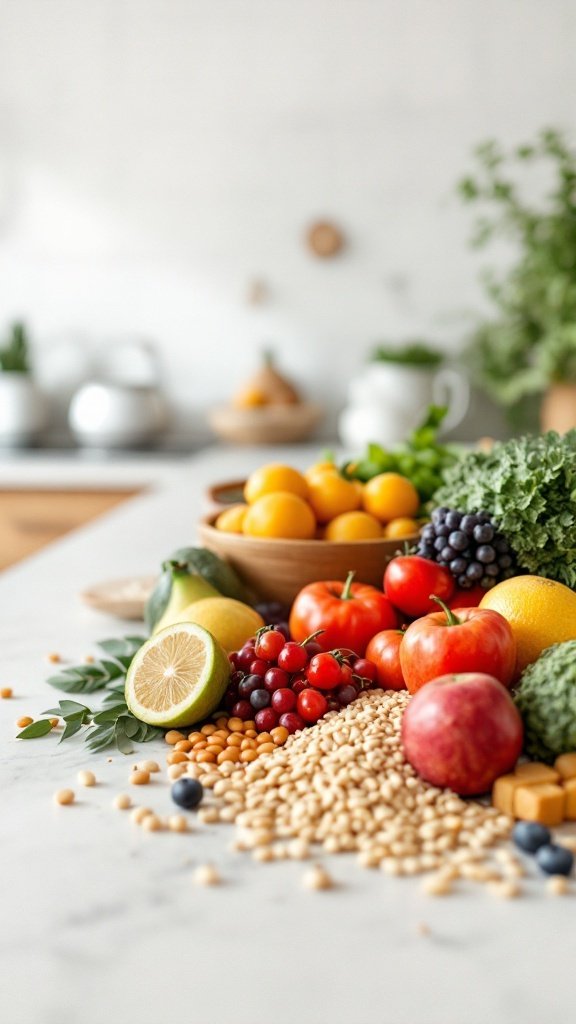
When it comes to healthy eating, fiber-rich foods are essential, especially for seniors. The image beautifully showcases a variety of colorful fruits, vegetables, and grains, all rich in fiber. These foods not only add flavor to meals but also help with digestion and overall health.
Fruits like apples, pears, and berries are not just tasty snacks; they are packed with fiber. Adding these to your diet can help keep your digestive system running smoothly. Vegetables such as kale and broccoli can be included in salads or served as sides for lunch and dinner. They provide a crunch and are fantastic sources of nutrients.
Don’t overlook beans and legumes, which are also visible in the image. These can be added to soups, stews, or salads. They are a great way to boost fiber intake while providing protein. Consider incorporating quinoa or whole grains into your meals for a hearty addition that’s both filling and healthful.
Including a range of these foods in your diet ensures you’re getting different types of fiber, which is beneficial for gut health. So, next time you’re planning meals, think about diversifying your plate with these fiber-rich options. It’s a simple way to enhance your diet and feel your best.
Mindful Eating Practices

In our busy lives, it’s easy to forget about the simple joys of eating. This image perfectly captures the essence of mindful eating. Here, we see an elderly gentleman enjoying his meal, deeply focused on each bite. This scene reminds us that eating can be a pleasurable experience, especially when we take the time to savor our food.
Mindful eating is all about being present during meals. It encourages us to appreciate the flavors, textures, and aromas of our food. Instead of rushing through meals, we should aim to eat slowly and intentionally. This can lead to better digestion and increased satisfaction.
Incorporating mindful eating practices can be beneficial for seniors. For instance, taking a moment to breathe before starting a meal can help set a relaxed tone. Additionally, focusing on the colors and presentation of food can make eating more enjoyable. Remember, it’s not just about nourishment; it’s about enjoyment too!
Small, Frequent Meals for Easier Digestion
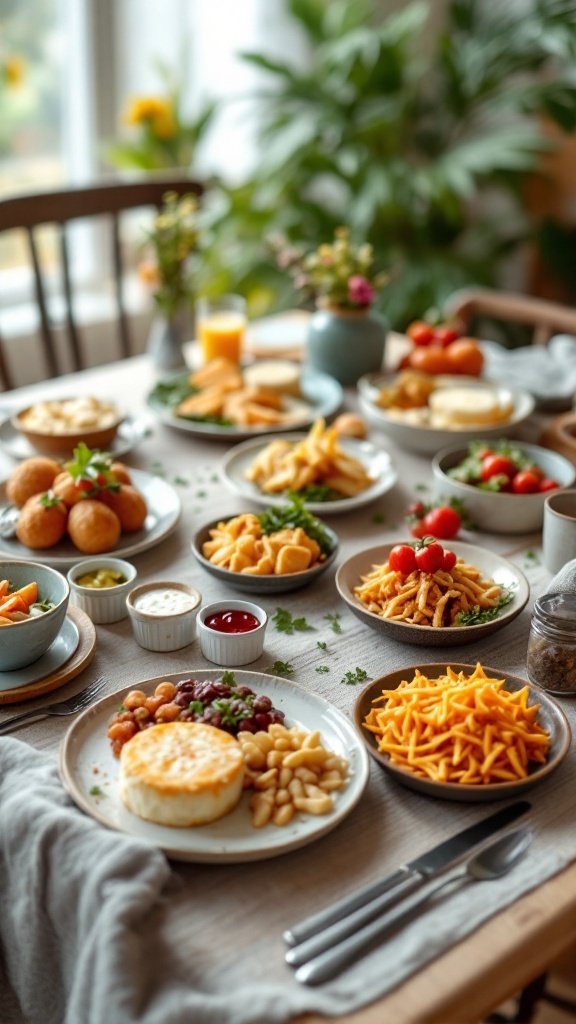
When it comes to eating for comfort, smaller, more frequent meals can really help, especially for seniors. The image shows a lovely spread of various dishes that cater to this approach. You see plates filled with colorful foods, like soft bread, small portions of pasta, and salads. This variety not only makes meals more enjoyable but also allows for easier digestion.
Eating smaller meals means your body doesn’t have to work as hard to process everything. It’s less overwhelming for your stomach. Instead of having a large plate of food, you can enjoy several small dishes throughout the day. Each meal can be balanced with proteins, carbohydrates, and healthy fats, which is essential for maintaining energy levels.
Additionally, this method helps in managing hunger better. When you eat small meals, you can avoid the discomfort of feeling too full. It’s also a great way to include a diverse range of nutrients in your diet. Just take a look at the image. You can see foods that are not only colorful but also packed with vitamins.
So, the next time you’re planning meals, consider this approach. Set your table with a variety of dishes, just like in the picture. It could be as simple as some salads, grains, and proteins. This way, you’re not only making your meals more manageable, but you’re also turning them into a delightful experience.
Limiting Processed Foods for Health
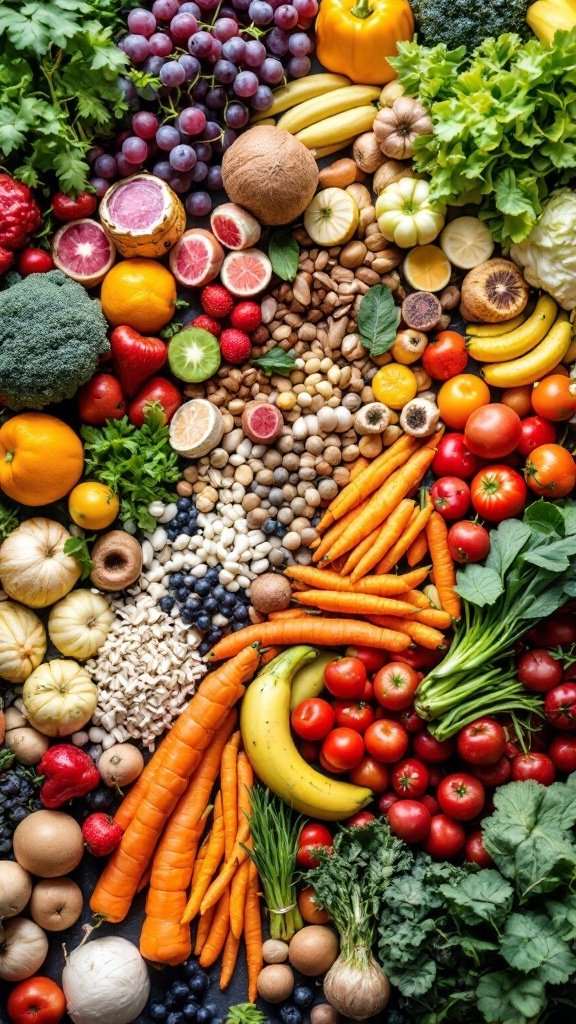
Eating a balanced diet is crucial for seniors, and one way to support this is by limiting processed foods. The image above showcases a vibrant array of fresh fruits, vegetables, nuts, and grains, all of which are excellent alternatives to pre-packaged snacks.
Processed foods often contain high levels of salt, sugar, and unhealthy fats. Instead, focusing on whole foods means you’re getting the nutrients your body needs, without the extra additives. For instance, the colorful carrots and fresh greens in the image can be tossed into a salad or enjoyed as a healthy snack.
Incorporating a variety of foods, like the nuts and berries, can also provide essential vitamins and antioxidants. These nutrients play a vital role in maintaining health as we age. Think of them as nature’s own medicine, working to keep your body strong and your immune system robust.
When planning meals, aim to include foods from the image. Fresh fruits like bananas and oranges are not only tasty but also packed with fiber and vitamins. As you prepare your meals, consider replacing processed options with these whole foods. Your body will thank you!
Hydration: The Key to Wellness

Staying hydrated is super important, especially as we get older. Our bodies need water to function well, and it becomes even more crucial for seniors. Hydration helps with digestion, keeps our skin healthy, and supports our overall well-being.
The image of a pitcher filled with fresh fruits like oranges, raspberries, and blueberries beautifully illustrates how enjoyable hydration can be. Instead of just plain water, you can infuse it with fruits for a refreshing twist. This not only adds flavor but also provides extra vitamins and antioxidants.
To make your own fruity water, simply fill a pitcher with water and add slices of your favorite fruits. Let it sit for a few hours in the fridge to allow the flavors to blend. This easy trick makes drinking water more appealing!
Remember, hydration doesn’t just come from drinking water. Foods like cucumbers, watermelon, and even soups can also help keep you hydrated. So, mix it up and enjoy the benefits of staying well-hydrated!
Understanding Portion Control
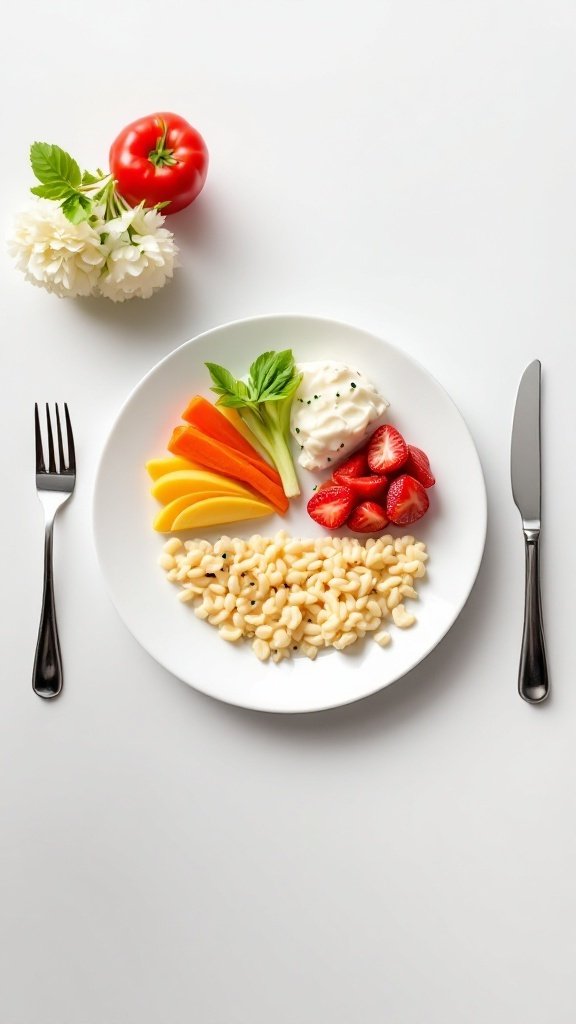
Portion control is crucial for maintaining a healthy diet, especially for seniors. The image shows a balanced plate filled with various food groups. There are colorful slices of fruits and vegetables, a scoop of yogurt, and some grains, all arranged neatly. This presentation highlights how we can enjoy a variety of foods without overindulging.
By focusing on portion sizes, you can still savor your favorite dishes while ensuring that you’re eating the right amounts. The plate in the image contains an assortment of nutrients. The bright tomatoes and strawberries represent refreshing fruits, while the vegetables and grains provide essential vitamins and fiber. This balance is key to staying healthy.
When serving your meals, use smaller plates to help manage portion sizes. This simple trick can make a big difference. It can help you feel satisfied without overeating. Also, take your time while eating. Enjoy each bite, and listen to your body. It’s okay to stop when you’re full, even if there’s food left on your plate.
Incorporating a variety of colors on your plate, like the vibrant veggies and fruits in the image, can make meals more appealing and nutritious. Aim for half your plate to be filled with fruits and vegetables, a quarter with whole grains, and the remaining quarter with protein. This method can help you achieve a balanced diet and manage portion sizes effectively.
Smart Snacking Choices for Seniors
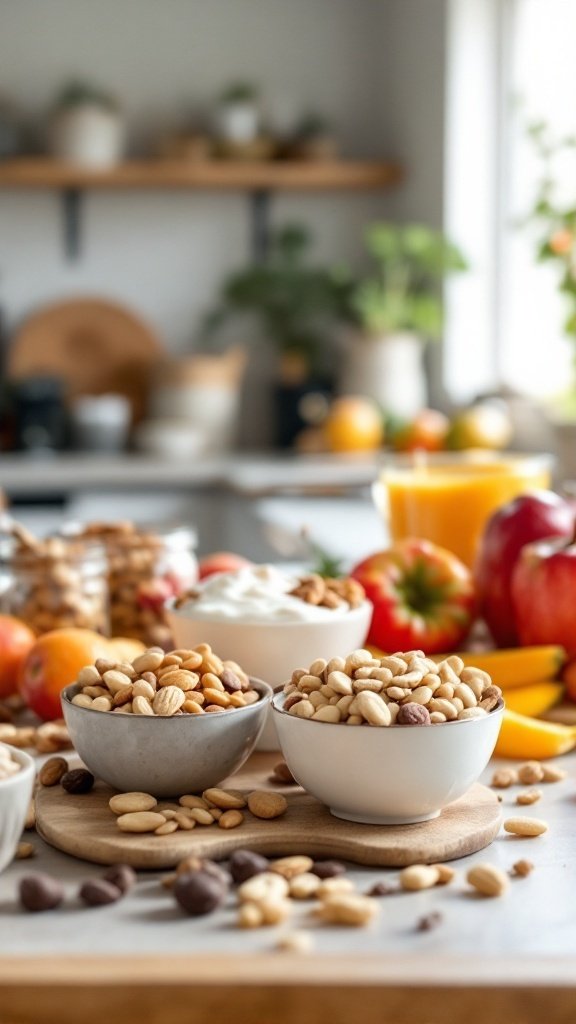
Snacking can be both delightful and healthy, especially for seniors looking to maintain energy levels. The image above beautifully showcases a variety of snacks. You’ll notice bowls filled with different nuts, fresh fruits, and even some yogurt. These options are not only tasty but also packed with nutrients.
Nuts are a fantastic choice. They offer healthy fats, protein, and crunch, making them perfect for a quick pick-me-up. Almonds and walnuts are particularly good for heart health. Pairing them with a piece of fruit, like an apple or banana, provides additional vitamins and minerals.
And let’s not forget about yogurt! It’s a great source of calcium and probiotics, promoting good digestion. You can even mix in some nuts or honey for extra flavor. Keeping a variety of snacks available can make choosing healthier options easier.
Overall, aiming for snacks that are both delicious and nutritious can support better health and well-being. So next time you’re feeling peckish, reach for those nuts or fruits instead of chips. Your body will thank you!
Staying Active with Nutrition

Eating well is a key part of staying active, especially as we age. In the image, we see a joyful couple enjoying their time together while surrounded by fresh ingredients. They each hold a glass of juice, which likely contains nutritious fruits and vegetables. This visual not only reflects the importance of nutrition but also highlights the fun of preparing and enjoying healthy meals.
When it comes to senior dietary tips, focus on incorporating a variety of colorful fruits and vegetables. Each color represents different nutrients that our bodies need. For example, greens are great for bone health, while oranges can boost your immune system.
In addition to eating a balanced diet, staying active is essential. Simple activities like walking or gardening complement healthy eating habits. Pairing your favorite dishes with physical activity can make a big difference in your overall well-being.
With companions by your side, cooking and sharing meals become memorable experiences. So grab some fresh produce, get in the kitchen, and enjoy creating delicious, healthy meals together!
Boosting Calcium and Vitamin D Intake
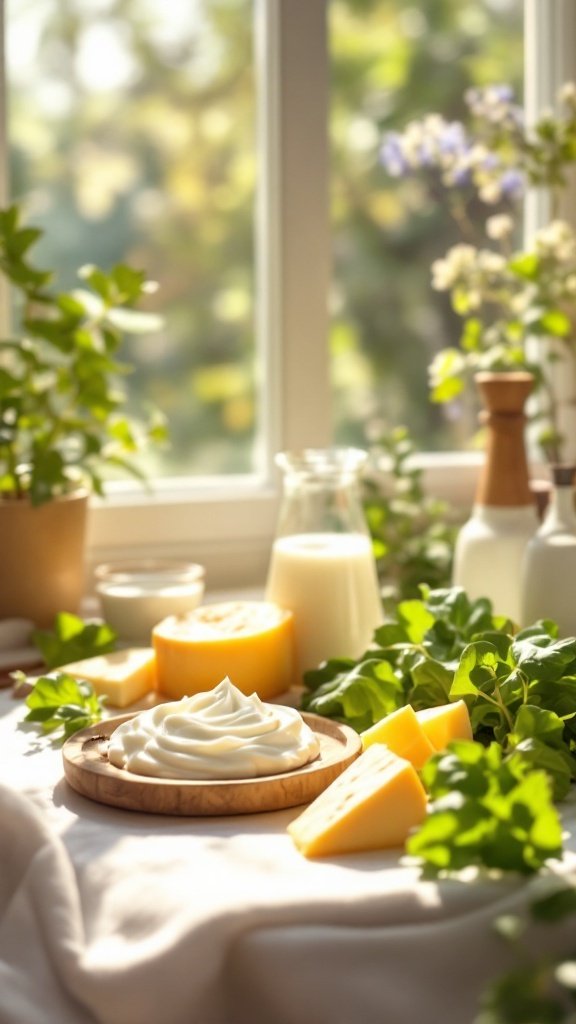
Calcium and vitamin D are essential for maintaining strong bones, especially as we age. The image beautifully showcases ingredients like cheese and yogurt, which are rich in calcium. These tasty dairy options can easily be included in daily meals, providing the nutrients our bodies need. Milk, another key player in this category, is also visible and can be enjoyed in various ways. Whether it’s a glass of milk with breakfast or adding yogurt to a smoothie, these foods help boost calcium intake while supporting bone health.
While calcium is crucial, vitamin D works hand in hand with it. It helps our bodies absorb calcium effectively. Sunlight is a natural source of vitamin D, but certain foods can help too. Fatty fish like salmon, egg yolks, and fortified foods such as cereals and orange juice can enhance vitamin D levels. Incorporating both calcium and vitamin D into your diet doesn’t have to be complicated. Simple changes like adding a slice of cheese to your sandwich or enjoying a yogurt parfait with fruit can make a difference in your health.
Incorporating these ingredients into meals can be easy and enjoyable. Try making a cheese and veggie omelette for breakfast or enjoy a yogurt with fresh berries for a snack. These small changes can support your bones and overall health as you age. So, get creative in the kitchen and enjoy these delicious foods while boosting your calcium and vitamin D intake!
Monitoring Sodium Intake for Heart Health
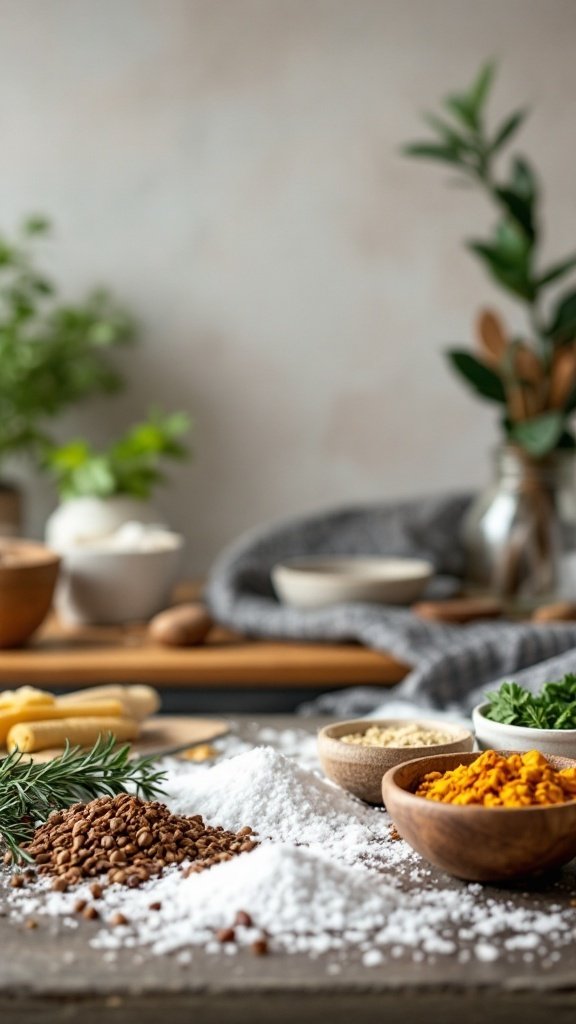
When it comes to heart health, keeping an eye on sodium intake is key. This image beautifully illustrates a variety of ingredients, emphasizing the importance of mindful cooking.
In the center, we see a generous amount of salt, which is essential for flavor but should be used sparingly, especially for seniors. Salt can contribute to high blood pressure, a common concern as we age. By focusing on herbs and spices, we can still enjoy delicious meals without the extra sodium.
There are also other ingredients like turmeric and flaxseeds, which are great additions for flavor and health benefits. Turmeric may help reduce inflammation, and flaxseeds are rich in omega-3 fatty acids.
For heart-healthy meals, consider replacing salt with fresh herbs or spices. Rosemary and parsley are great options that not only enhance flavor but also provide various nutrients. This approach can make meals more enjoyable while supporting overall health.
Choosing Whole Grains over Refined
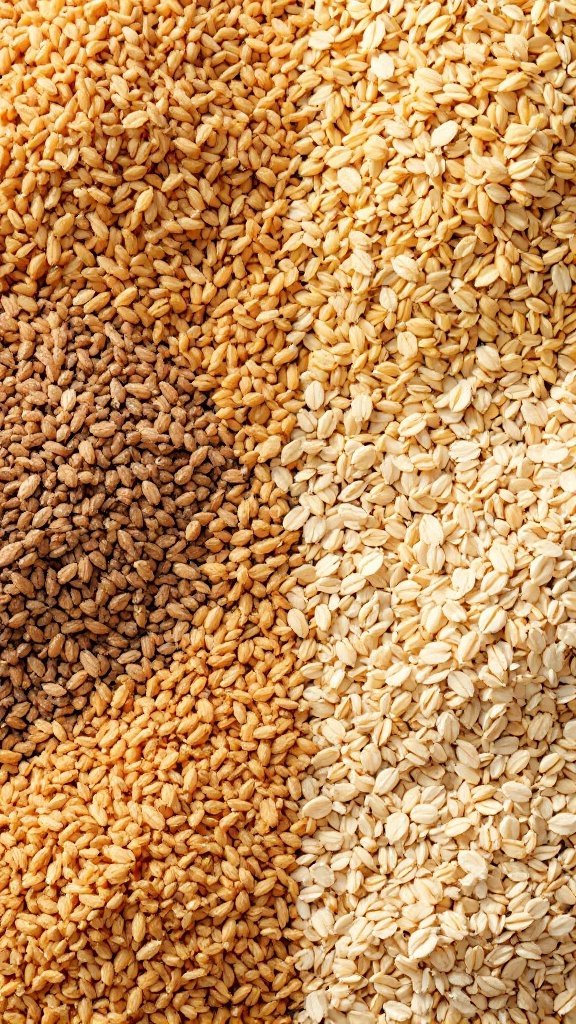
When it comes to grains, choosing whole grains is a simple way to boost nutrition. The image above shows a variety of grains, each offering unique benefits. Whole grains, like oats and barley, are packed with fiber, vitamins, and minerals. Unlike refined grains, which have been stripped of their nutrients, whole grains maintain their natural goodness.
For seniors, incorporating whole grains can help with digestion and keep energy levels steady throughout the day. Foods like whole grain bread, brown rice, and quinoa are great options to include in meals. They not only provide essential nutrients but also add texture and flavor to dishes.
Making a switch to whole grains doesn’t have to be complicated. You can start by replacing white bread with whole grain bread or choosing brown rice instead of white. These small changes can make a big difference in your overall health.
Try adding whole grains to your favorite recipes. For example, consider oatmeal for breakfast topped with fruits and nuts. For lunch, a salad with quinoa can be refreshing and filling. Dinner could feature a stir-fry with brown rice, packed with vegetables and protein. These meals are easy to prepare and delicious!
In conclusion, making the shift to whole grains is a simple yet effective way to enhance your diet. With a little creativity and effort, you can enjoy tasty and nutritious meals every day.
Adapting Recipes for Dietary Restrictions
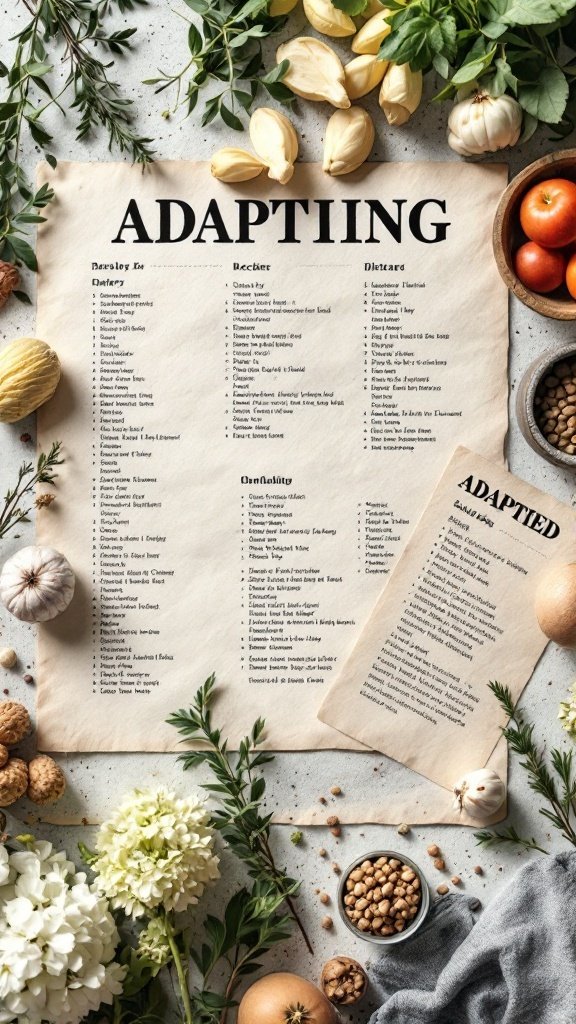
When it comes to cooking for seniors, adapting recipes is key. The image shows a beautifully arranged layout of ingredients and notes that highlight how to adjust meals for various dietary needs. This is essential, especially when considering allergies, health conditions, or personal preferences.
Take the time to survey the list of restrictions and substitutions shown in the image. You might notice sections for dairy, gluten, and nuts, along with alternative options that can easily be swapped in. For instance, if a recipe calls for butter, you can try using olive oil or a dairy-free spread instead. This simple switch can make a dish more suitable for someone with lactose intolerance.
Another great adaptation involves exploring flavors without sacrificing nutrition. Fresh herbs and spices are a fantastic way to enhance a meal without adding unhealthy ingredients. In the image, you see various herbs that can easily be added to any dish for a boost of taste. Experimenting with these can make meals enjoyable without compromising dietary needs.
For seniors who may have difficulty with texture, consider pureeing vegetables or using softer grains like quinoa or polenta. The list in the image can serve as a handy reference when you need to think of alternatives. It’s all about making food enjoyable and healthy.
Regularly Including Fruits and Vegetables
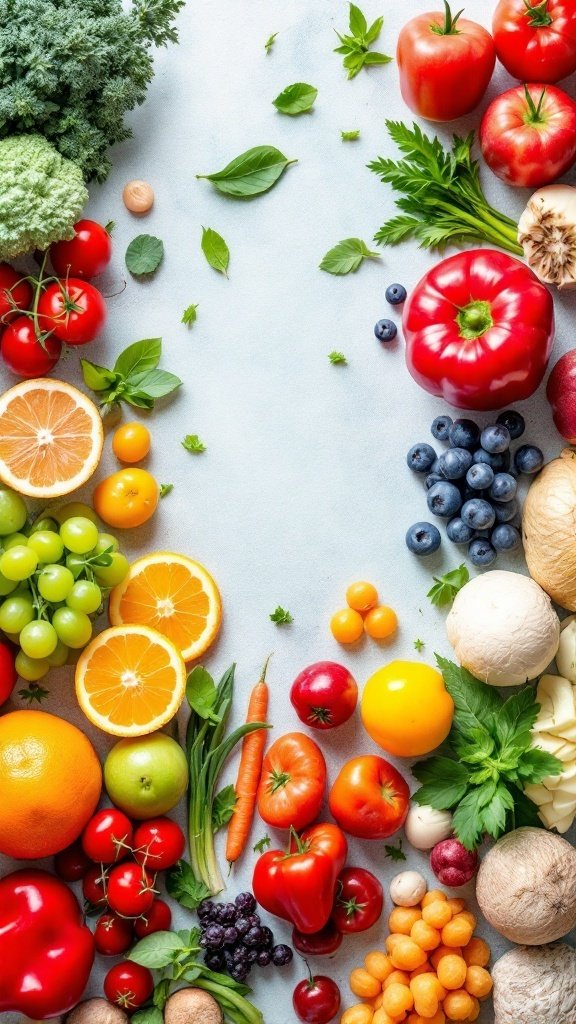
When it comes to a healthy diet, including fruits and vegetables is key, especially for seniors. The vibrant image above showcases a colorful array of fresh produce, from leafy greens to juicy fruits. This variety not only pleases the eye but also provides essential nutrients that support overall well-being.
Fruits and vegetables are packed with vitamins, minerals, and fiber. They help maintain a healthy weight and reduce the risk of chronic diseases. Incorporating different colors and types ensures a broader range of nutrients. For example, leafy greens like kale and spinach are rich in iron and calcium, while fruits like oranges and blueberries provide vitamin C and antioxidants.
To easily include more produce in daily meals, consider simple strategies. Start your day with a fruit smoothie or add a side salad to lunch. Snacks can be made healthier with carrot sticks or apple slices. Remember, the goal is to make fruits and vegetables a regular part of your meals, not just an afterthought.
For those looking for a quick recipe, try a simple vegetable stir-fry. Just chop up some bell peppers, broccoli, and carrots, sauté them in a little olive oil, and add your favorite seasoning. Serve it as a side or over brown rice for a filling dish!
Consulting Healthcare Professionals

When it comes to senior dietary tips, consulting healthcare professionals is key. In the image, we see two seniors engaged in a friendly discussion about their health and nutrition. This kind of interaction is essential for making informed dietary choices.
Healthcare professionals can offer personalized advice based on individual health needs. They can help create a meal plan that suits specific dietary restrictions, ensuring that seniors get the nutrients they need to thrive. Whether it’s a registered dietitian or a family doctor, their expertise can guide seniors in making better food choices.
Also, regular check-ins with professionals can help monitor changes in health and adjust the diet accordingly. It’s not just about what to eat but also understanding how different foods affect overall well-being. Having a trusted advisor can make this journey smoother and more enjoyable.
Exploring Flavorful Herbs and Spices
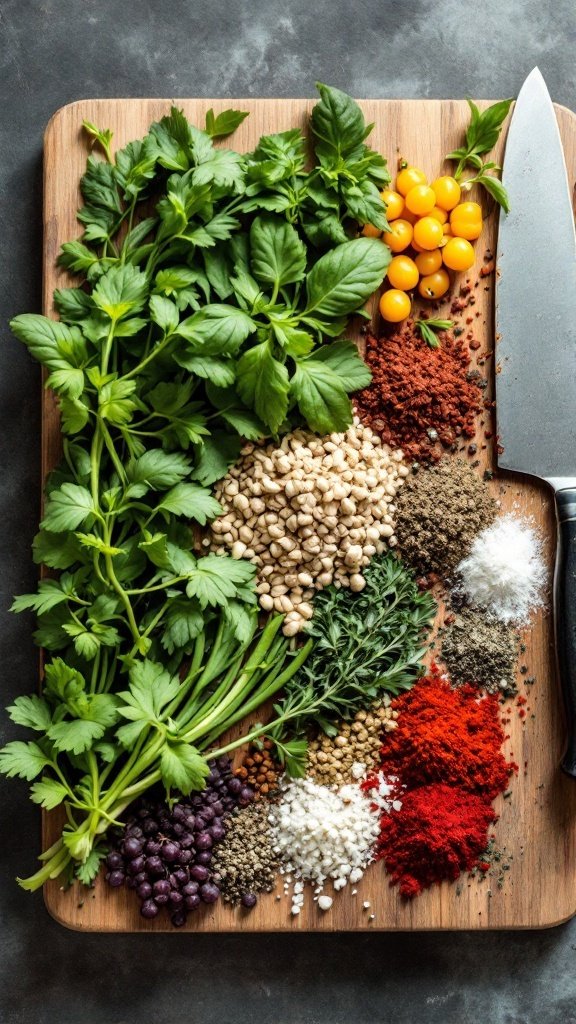
Using herbs and spices can add delightful flavors to meals, especially for seniors looking to enhance their diets. The image shows a vibrant assortment of fresh herbs and various spices laid out on a cutting board. Each ingredient brings its own unique taste and health benefits.
For instance, fresh basil and parsley can brighten up dishes, while spices like paprika and black pepper add a kick. Senior diets can often benefit from these flavors, making meals more enjoyable without relying on excess salt. Using herbs and spices can also help in reducing sodium intake, which is important for heart health.
Cooking with these ingredients is simple. You can start by adding a handful of fresh herbs to salads or soups. For a quick seasoning, try mixing dried spices into your favorite grains or roasted vegetables. Experimenting with different combinations can lead to delightful discoveries!
Engaging in Social Meals for Mental Health

Sharing a meal is more than just about food; it’s an opportunity to connect. For seniors, engaging in social meals can significantly boost mental health. It provides a chance to interact, share stories, and enjoy the pleasure of good company.
Imagine sitting around a table filled with colorful dishes, laughter bubbling up between bites. This simple act can help reduce feelings of loneliness and isolation. Regular meals with friends or family create a sense of belonging, which is essential for emotional well-being.
Meal times can also be a great way to try new foods and recipes. Whether it’s a favorite dish or something new, cooking together can spark joy and creativity. Plus, sharing cooking tasks makes the preparation more enjoyable and less of a chore.
Consider organizing a potluck where everyone brings a dish. This not only diversifies the meal options but also encourages everyone to participate and contribute. The excitement of tasting different foods can make the meal extra special.
Don’t forget the value of routine. Regular meal gatherings can give seniors something to look forward to each week. It builds anticipation and strengthens bonds with others, ensuring that social connections remain strong.
Keeping a Food Journal for Health Tracking

One of the simplest yet effective tools for monitoring your diet is keeping a food journal. In the image, we see someone engaged in this practice, surrounded by fresh ingredients. This setting illustrates the importance of being mindful about what we eat.
A food journal allows you to record everything you consume throughout the day. This isn’t just about tracking calories; it’s about understanding your eating habits. You can jot down meals, snacks, and even your feelings about what you eat. This helps identify patterns and potential areas for improvement.
Start by noting the time, what you ate, and how you felt after eating. Over time, you might notice trends, such as certain foods making you feel sluggish or energized. You can also include notes about your activity levels and how they relate to your meals.
Writing in a food journal can also motivate you to choose healthier options. When you know you’ll be recording what you eat, you might think twice before reaching for that extra cookie. Plus, it can be fun to look back and see your progress!
Incorporate this habit into your daily routine. Whether it’s a special notebook or an app on your phone, find a method that works for you. Over time, you’ll gain valuable insights that can help you maintain a balanced diet.
This post may contain affiliate links which means I may receive a commission for purchases made through links. I will only recommend products that I have personally used! Learn more on my Private Policy page.
