Hey there, friend. If you’re reading this, you might be one of those people who’s always dragging through the day, battling a heavy eyelid and an unshakable desire for a nap. The constant fatigue can be frustrating, can’t it? But here’s something important to consider: it might not just be your busy life or a lack of sleep. Today, we’re diving into a fascinating topic that sheds light on a possible root cause – Why You’re Always Tired: The Blood Sugar Connection. Yes, our blood sugar levels can have a significant impact on our energy levels, and understanding this connection can be the key to feeling more energetic and vibrant.
Key Takeaways
- Blood sugar levels play a crucial role in determining energy levels throughout the day.
- Insulin is essential for regulating blood sugar and energy, and imbalances can lead to fatigue.
- Common symptoms of blood sugar imbalances include constant tiredness and mood swings.
- Diet greatly influences blood sugar stability; a balanced diet can help maintain energy levels.
- Making lifestyle changes, such as exercise and stress management, is vital for stabilizing blood sugar.
Understanding Blood Sugar Levels
If you find yourself wondering, ‘Why you’re always tired: the blood sugar connection’ might be the missing piece to your puzzle. Blood sugar levels play a crucial role in how energetic and alert we feel throughout the day. Essentially, blood sugar, or glucose, is our body’s primary source of energy. When we eat, carbohydrates in our food are converted into glucose, which is then transported into our cells with the help of insulin. This process gives us the fuel we need to function.
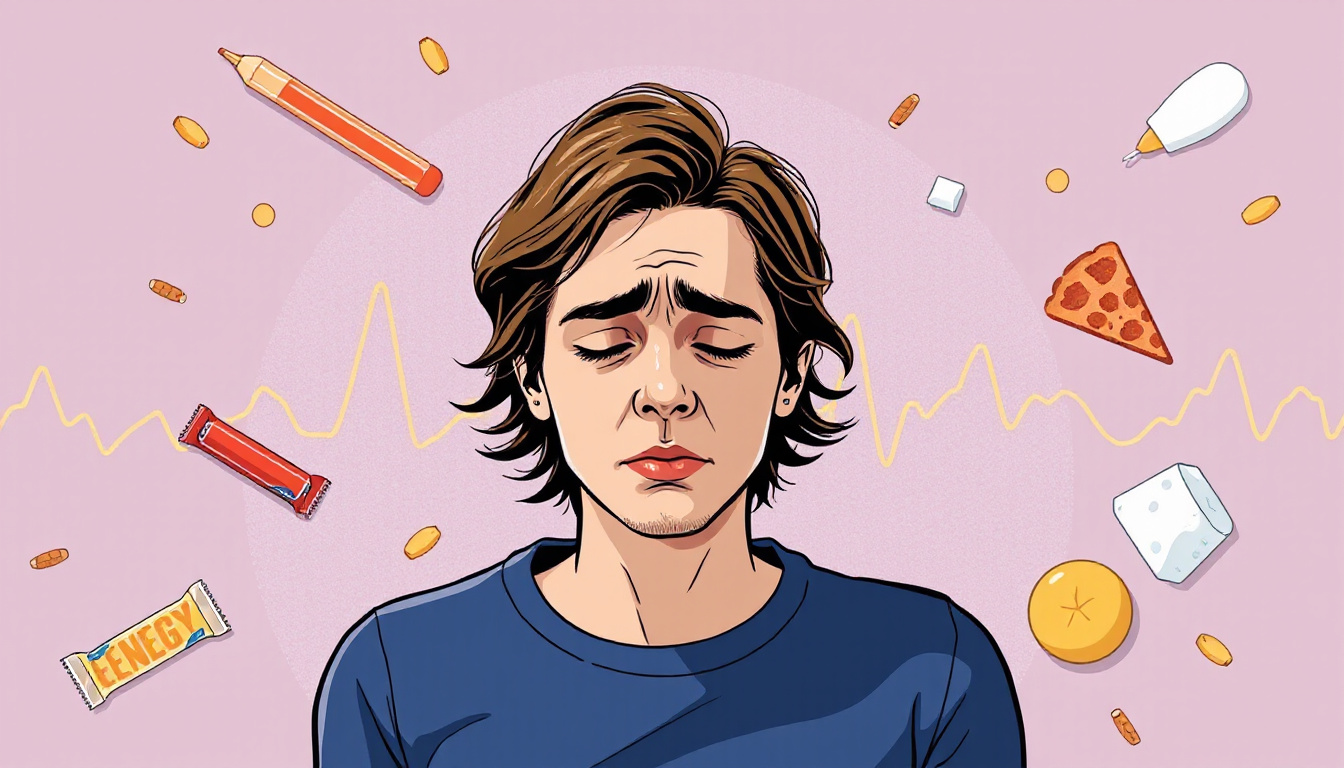
However, when blood sugar levels fluctuate too much, whether it be from skipping meals, consuming too many sugary snacks, or dealing with stress, it can lead to energy crashes that make us feel drained and fatigued. Picture this: your blood sugar levels are like a rollercoaster. They surge after a sugar-filled snack, sending you high with energy, but then plunge down just as quickly, leaving you feeling sluggish and irritable. This cycle can be exhausting and incredibly frustrating.
The Role of Insulin in Energy Regulation
You might often find yourself asking why you’re always tired, and one of the often overlooked answers lies in the complex dance of blood sugar and insulin in your body. Think of insulin as a friendly postman delivering energy from the food you eat directly to your body’s cells. When we eat, especially those sugary treats or carbs, our blood sugar spikes like a hot air balloon rising into the sky. In response, our pancreas releases insulin, which helps transport that glucose (sugar) into our cells so we can use it for energy.
But what if our insulin is working overtime? Just like a hardworking parent trying to manage a household, an overloaded insulin system can leave us feeling drained. If our cells are overwhelmed with too much sugar and become less responsive to insulin over time, this can lead to what’s known as insulin resistance. As a result, our blood sugar doesn’t get where it needs to go, leading to those frustrating energy crashes that make us feel sleepy, unfocused, and often irritable. It’s like trying to have a conversation in a crowded room; the more clutter there is, the harder it is to connect and communicate.
So, if you find yourself nodding off in the afternoon or feeling inexplicably fatigued day after day, it might be time to reflect on your eating habits and how they’re affecting your blood sugar—and in turn, your energy levels. Adjusting our approach to food can feel daunting, but small, consistent changes can have a monumental impact on how you feel day-to-day. And just as a single pebble can create ripples in a pond, taking charge of your blood sugar could change the way you experience fatigue.
By understanding this blood sugar connection, we can make choices that nourish our bodies and support our energetic selves. Start by reflecting on how the foods you choose impact your energy. Remember, you are not alone in this journey, and even small steps can lead to big changes in how you feel.
‘The greatest wealth is health.’ – Virgil

Symptoms of Blood Sugar Imbalance
Have you ever felt like no matter how much sleep you get, you’re still dragging yourself through the day? If you’ve answered yes, you might be asking yourself, ‘Why am I always tired?’ Well, let me take you through a journey that could shed some light on this seemingly never-ending fatigue. It may all come down to your blood sugar levels, a connection I’ve personally felt acutely and might resonate with you.
When our blood sugar—essentially the glucose our bodies use for energy—is out of whack, it can send our energy levels on a rollercoaster ride. Picture this: you wake up feeling refreshed only to feel your energy dip mid-morning, maybe right around that 10 a.m. slump. You reach for your go-to caffeinated beverage, but deep down, you know it’s a temporary fix. You may even find that you get sudden cravings for sugary snacks or feel dizzy or irritable if a meal is missed. These aren’t just annoying thoughts; they’re signals from your body hinting that something important might be off.
When blood sugar levels fluctuate dramatically, we can experience a slew of symptoms—like mood swings, confusion, and physical tiredness. Here’s a family-friendly breakdown of these symptoms:
• Constant fatigue or tiredness even after a good night’s sleep
• Hunger pangs hitting hard and fast, often leading to cravings for sugar or carbs
• Mood swings that feel like a surprise party you never wanted
• Difficulty concentrating or focusing on simple tasks
• Feelings of anxiety or irritability when hungry
• Headaches that just won’t quit
Each of these symptoms can feel overwhelming, but try to remember: they are your body speaking! Sometimes the words are a little jumbled, but the underlying message is clear—your body may be calling out for a little more stability and balance in those blood sugar levels.
The Impact of Diet on Blood Sugar
Imagine for a moment that your body is like a car. Just like a vehicle needs the right fuel to run smoothly, our bodies rely on the food we eat to sustain our energy levels and overall health. When we talk about fatigue, one essential factor that often goes overlooked is blood sugar. You may have found yourself wondering, ‘Why am I always tired?’ Well, let’s explore the connection between your diet and blood sugar and how it could be impacting your energy levels.
When we consume food, particularly carbohydrates, our bodies break it down into glucose, which is then released into the bloodstream. This glucose serves as a primary source of energy for our cells. However, not all foods release glucose at the same rate. Some are like a quick jolt of adrenaline, causing a spike in blood sugar, while others provide a more gradual energy release.
If you’re always feeling tired, it might be because your blood sugar levels are on a rollercoaster ride. Eating too many sugary foods or refined carbs can lead to quick spikes followed by sharp drops in blood sugar, leaving you feeling drained and lethargic. Think about that moment when you indulge in a candy bar, and for a short time, you might feel an energy rush, only to crash moments later.
Instead, focusing on a balanced diet rich in whole grains, lean proteins, healthy fats, and plenty of fruits and vegetables can help maintain stable blood sugar levels. This may require some changes, but small gradual adjustments can have a massive impact on your energy levels! Here are a few tips to help you make those adjustments in your daily meals:
• Incorporate more fiber: Foods high in fiber, like legumes, vegetables, and whole grains, slow down glucose absorption, helping to stabilize blood sugar.
• Combine food groups: Pairing carbs with proteins or healthy fats can prevent fuel spikes and crashes. Think of enjoying whole grain toast with some nut butter!
• Stay hydrated: Sometimes, fatigue can be due to dehydration. Ensure you’re drinking plenty of water throughout the day.
• Moderate portion sizes: Overeating can lead to higher blood sugar levels. Eating mindfully and tuning into portion sizes can help you feel more energized and less sluggish.
• Choose low GI foods: Opt for foods that have a low glycemic index, as they release glucose more slowly into the bloodstream. Items like sweet potatoes, oats, and most fruits are great choices!
• Regular meal times: Keeping a consistent meal schedule helps maintain steady blood sugar levels. It’s common to forget meals in our busy lives, but making an effort to maintain regularity can help combat fatigue.

Lifestyle Changes to Stabilize Blood Sugar
Let’s dive into the core of the issue—understanding how our lifestyle choices influence our energy levels and how we can take steps to stabilize our blood sugar. Many of us have been there. You wake up feeling drained, even after a full night’s sleep, and you can’t shake the feeling of exhaustion that follows you throughout the day. It’s like a fog lingered just out of reach, making even the simplest tasks feel monumental. But what if I told you that understanding why you’re always tired might stem from the blood sugar connection?
First, let’s chat about what blood sugar means. Simply put, blood sugar (or glucose) is our body’s main source of energy. When we eat, our bodies break down carbohydrates into glucose, which enters our bloodstream and gives us that much-needed fuel. However, if your blood sugar levels swing up and down like a rollercoaster, which can happen due to what we eat and how we live, fatigue can set in.
So, here are some gentle lifestyle changes that may help stabilize your blood sugar and, in turn, improve your energy levels:
1. Eat Balanced Meals: Start incorporating carbohydrates, proteins, and healthy fats in every meal. For example, instead of a sugary cereal in the morning, try oatmeal topped with nuts and berries.
2. Stay Hydrated: Water is essential. Even mild dehydration can make you feel tired. Aim for at least 8 cups a day—add a splash of lemon for a refreshing twist.
3. Frequent, Smaller Meals: Think about eating smaller, more frequent meals throughout the day to keep those blood sugar levels steady. This can be as simple as snack breaks with a piece of fruit or a small handful of nuts.
4. Get Moving: Regular physical activity helps your body use insulin more effectively, which means it better regulates your blood sugar. Aim for at least 30 minutes of moderate exercise most days of the week, whether it’s brisk walking, yoga, or even dancing in your living room.
5. Prioritize Sleep: A good night’s sleep has a profound impact on your body’s ability to manage blood sugar. Make sleep a priority and try to aim for 7-9 hours nightly.
6. Limit Added Sugars and Refined Carbs: This might sound challenging at first, but reducing your intake of sugary snacks and drinks can make a noticeable difference in how you feel. Substitute with fruits or healthier snacks when cravings hit.
7. Mindful Eating: Pay attention to how different foods make you feel. Keep a food diary to track what you eat and how it impacts your energy. Sometimes simply being aware can lead you to the answers you seek.
Implementing even a few of these changes can take some time, and it’s perfectly fine. We’re all on this journey together, and every little step counts. Remember to be kind to yourself; it’s about progress, not perfection.
When to Seek Medical Advice
Feeling sleepy after a meal? You’re not alone, and it might be your blood sugar at play. Many of us brush off that persistent fatigue thinking we’re just not sleeping enough or that we need to drink another cup of coffee. But there’s a deeper connection at work, and understanding why you’re always tired—including the role of your blood sugar—can help you reclaim your energy and vitality.
It’s so common to chalk our tiredness up to our busy lives or blame it on that late-night binge-watching session. But as someone who has struggled with fatigue for years, I’ve learned that there’s often more at the root of our exhaustion. What if I told you that your blood sugar levels could be a significant factor in your low energy? Let’s explore this together so you can start feeling more like yourself again.
It Starts with Blood Sugar
Our blood sugar is a crucial part of our body’s energy system. Imagine it as the car engine: the more efficiently it runs, the better you feel. When you consume carbohydrates, your body converts them into glucose, which enters your bloodstream. This spike in blood sugar provides immediate energy, but things can get tricky if your levels fluctuate too drastically. If your blood sugar spikes quickly, your body responds by releasing insulin to help decrease that sugar level. Sometimes, it overcompensates, leading to a rapid drop in blood sugar. This rollercoaster ride can leave you feeling drained, moody, and sleepy—not the best combo for getting through your day.
Recognizing the Patterns
It’s essential to listen to your body. If you’ve noticed patterns in your energy levels that correspond with meals or snacks, you may need to pay attention to what you eat.
• Do you feel a quick rush of energy after eating, then crash a few hours later? This may indicate your blood sugar is spiking and crashing.
• Do you often feel irritable or fatigued after meals? These could be signs of a blood sugar imbalance.
• Are sugary snacks your go-to for an energy boost, but they leave you feeling worse later? Trust me; I’ve been there.
Learning to recognize these patterns is the first step in taking back your energy. By keeping an eye on how your body responds to different foods, you can begin to understand and manage your blood sugar levels better.
Nourishing Your Body for Stable Energy
So, what can you do to help balance your blood sugar and, in turn, combat that tiredness? Focus on making small yet effective changes to your diet.
Here’s a simple list of strategies:
1. Prioritize Whole Foods: Incorporate more whole grains, fruits, and vegetables that provide fiber and nutrients, aiding in balanced blood sugar.
2. Pair Carbs with Protein or Healthy Fats: When you eat carbohydrates, try to pair them with proteins or fats. This helps slow digestion and avoids spikes.
3. Smaller, More Frequent Meals: Instead of three large meals, try having smaller portions throughout the day. It may help keep your blood sugar stable.
4. Stay Hydrated: Water is essential. Be mindful to drink enough throughout the day, as dehydration can also make you feel sluggish.
5. Limit Sugary and Processed Foods: It can be tempting to reach for that sugary snack for a quick boost, but it often leads to a subsequent crash.
When to Seek Medical Advice
If you’ve adjusted your diet and are still feeling constantly tired, it might be time to consult with a healthcare provider. They can help you rule out underlying health concerns, such as diabetes or hormonal imbalances. This doesn’t mean you need to panic! Sometimes, we just need a little help and guidance when we feel stuck. Seeking professional input can lead you to a tailored approach that truly resonates with you and your body’s needs.
Final Thoughts
You have the power to change how you feel by understanding the connection between your fatigue and your blood sugar levels. Making some mindful dietary changes could be your ticket to renewed energy and enthusiasm for life.
You’re not alone in this journey, and it’s perfectly okay to explore your options. Remember, small changes can lead to big improvements.
FAQ
Q: What are the signs of low blood sugar?
A: Common indications include shakiness, sweating, dizziness, irritability, and extreme fatigue. If you experience these symptoms regularly, please reach out to a healthcare professional.
Q: Can stress affect my blood sugar levels?
A: Yes, stress can cause your body to release hormones that increase blood sugar levels, leading to fluctuations that impact your energy.
Q: How can I balance my blood sugar without medication?
A: Focus on a balanced diet rich in fiber, protein, and healthy fats, maintain hydration, and manage stress through mindfulness practices.
In closing, consider reaching out to a healthcare provider if frequent tiredness continues to plague you. You deserve to feel energized and vibrant! More importantly, your journey toward understanding those underlying connections could open the door to a healthier, happier you.
Frequently Asked Questions
What are blood sugar levels and why do they matter?
Blood sugar levels refer to the amount of glucose present in the bloodstream. They are crucial for providing the body with energy. Imbalanced blood sugar levels can lead to fatigue, mood swings, and various health issues.
How does insulin regulate energy levels?
Insulin is a hormone produced by the pancreas that helps to transport glucose from the bloodstream into cells for energy. If insulin production is impaired or if the body becomes resistant to insulin, it can cause fluctuations in energy levels, leading to feelings of tiredness.
What are some common symptoms of blood sugar imbalance?
Common symptoms of blood sugar imbalance include chronic fatigue, cravings for sugary foods, mood swings, irritability, and difficulty concentrating. If you are experiencing these symptoms regularly, it may indicate a need to evaluate your blood sugar levels.
How does diet affect blood sugar levels?
Diet plays a significant role in blood sugar regulation. Consuming a balanced diet rich in whole foods, healthy fats, lean proteins, and fiber can help stabilize blood sugar levels, while high sugary and processed foods can lead to spikes and crashes in energy.
When should I seek medical advice regarding fatigue and blood sugar issues?
If you are consistently feeling tired despite adequate sleep and nutrition, or if you experience severe symptoms of blood sugar imbalance, it is important to seek medical advice. A healthcare professional can conduct tests to assess your blood sugar levels and provide personalized recommendations.
This post may contain affiliate links which means I may receive a commission for purchases made through links. I will only recommend products that I have personally used! Learn more on my Private Policy page.


