Hey there, friend. If you’re reading this, you might know the struggle all too well: that nagging feeling of needing to munch on something when stress levels start to rise. It’s like an old, unwelcome friend. Today, let’s dive into this important topic together—why stress eating is sabotaging your weight loss and, more importantly, how we can kindly navigate through it to find healthier patterns that serve us better.
Stress is a part of life, and it can sometimes feel overwhelming, pushing us toward food for comfort. But it’s important to understand that while food can provide temporary relief, it often leaves us feeling even more frustrated about our health and weight. By uncovering the underlying triggers and seeking healthier alternatives, we can take back control. So grab your favorite cozy drink, settle in, and let’s explore this journey of understanding and healing.

Key Takeaways
- Stress eating can undermine weight loss efforts by promoting unhealthy eating habits.
- Stress hormones like cortisol can increase appetite and cravings for high-calorie foods.
- Identifying common triggers of stress eating is crucial for managing these behaviors effectively.
- Practicing healthy alternatives for stress management can help reduce reliance on food for comfort.
- Adopting a balanced approach to weight loss involves addressing emotional eating and developing practical coping strategies.
Understanding Stress Eating: The Psychological Mechanism
Have you ever found yourself knee-deep in a pint of ice cream after a long day at work? Or instead, maybe it’s the bag of chips that calls your name when stress creeps in, leaving you wondering why you just devoured the whole thing before even realizing it. It’s easy to see how stress eating can become a comforting escape during tough times. But let’s talk about why stress eating is sabotaging your weight loss journey.
Stress is a sneaky monster. When life throws its challenges—be it work deadlines, personal conflicts, or just the overwhelming whirlwind of daily responsibilities—our brains sometimes respond with a fight or flight response. This physiological reaction is our body’s way of preparing to face or flee from danger, and it releases hormones like cortisol and adrenaline. While this can be helpful in genuine emergencies, it can also send you into a cycle of emotional eating.
Now, cortisol, known as the stress hormone, doesn’t just pump through your veins when you’re under pressure; it also affects how we process and store fat. So, every time you find solace in snacks during tough times, your body may shift into a mode that not only craves more junk food but also stores these calories as fat. This is the double whammy that can derail your weight loss plans, leading to those frustrating plateaus on the scale.
But why does it feel so good to nibble away when anxiety strikes? When you indulge those cravings, your brain gets a little boost of dopamine, the feel-good chemical. It’s short-lived comfort that feeds into the cycle of stress and emotional eating. It’s like putting a Band-Aid on a bullet wound. For a moment, you feel better, but you still need to address the root cause of your stress.
The Impact of Stress Hormones on Appetite
Ah, stress. That nagging feeling we all know too well—whether it’s from work, family, or just the whirlwind that life can sometimes be. But did you know that these moments of stress can have a sneaky impact on your health, particularly when it comes to eating? In recent years, the connection between stress and appetite has been a hot topic. When we experience stress, our bodies unleash a cocktail of hormones—chief among them cortisol. This hormone can lead to cravings for high-calorie, sugary foods, making it feel like your body is constantly in a battle to sabotage your weight loss efforts.
When cortisol levels are high, it can trigger hunger signals even if you’ve just eaten. It’s like your body has a mischievous little mind of its own! You might find yourself reaching for snacks when you’re not actually hungry, simply because your body is responding to stress signals, larger than life. It can be deeply frustrating, especially if you’re trying so hard to embrace healthier habits.
When I first learned about this connection, I felt both empowered and bewildered. I mean, I thought I was in control of my choices, but here I was, being influenced by something I couldn’t even see! I started to realize that understanding my body’s responses wasn’t about placing blame; it was about learning self-compassion. This journey isn’t isolating—it’s one we all share.
To help clarify things a bit more, let’s talk about how this spirals into a cycle that can affect our daily lives, and more importantly, how we might break this cycle.
Why Does Your Body React This Way?
The relationship between stress and weight isn’t just a case of willpower; it’s grounded in biology. Stress activates the fight-or-flight response, and our bodies leap into action, thinking there’s something to battle. One might feel the urge to stock up on quick energy sources (like those donuts in the break room or that late-night bag of chips). This instinct is an evolutionarily embedded trait—when our ancestors faced threats, they needed to use energy, and food was a crucial part of that equation.
Today, while the threats we face aren’t the same as them, the physical response remains the same. You might be dealing with an emotional or psychological stressor, yet your body’s response is stuck on survival mode.
Here’s a brief rundown of how stress can lead to unhealthy eating patterns:
• Cortisol spikes: When stressed, your body produces cortisol, which stimulates appetite and triggers cravings for unhealthy foods.
• Comfort food cravings: Stress hormones can make you crave comfort foods rich in sugar and fat, leading to overeating.
• Increased insulin levels: Higher insulin levels in response to stress can push fat storage and make cravings more intense.
• Emotional eating: Stress can shift eating from hunger-based choices to emotional relief, filling that void temporarily.
Understanding these mechanisms is a step toward tackling the issue. You’re not alone. Have you ever found yourself mindlessly snacking while binge-watching your favorite show? That’s a form of emotional eating when stress takes the wheel. It’s a pattern that many of us can relate to, and recognizing it is a vital step in reclaiming your relationship with food.
Coping Strategies to Combat Stress Eating
Rather than battling against your body or shaming yourself for cravings, let’s explore some gentle strategies to help you navigate this tricky terrain. Here are a few compassionate approaches:
1. Mindfulness Practices: Taking a moment to pause—like deep breathing or meditation—can help ground you. Just a few minutes can break the cycle of stress eating.
2. Healthy Alternatives: When cravings hit, see if you can swap a comfort food for something more wholesome. Greek yogurt with honey or fruit can sometimes scratch that itch without all the added sugars.
3. Physical Activity: A short walk or a quick workout can help alleviate stress levels. Plus, moving your body is a wonderful way to redirect your energy and focus.
4. Regular Eating Schedule: Keeping regular meals can help stabilize your blood sugar and minimize cravings that stress might ignite.
5. Connect with Others: Social support is so essential. Whether it’s friends, family, or a support group, sharing your experiences with others can lessen the load.
These strategies may not be a cure-all, but they’re definitely a start towards a gentler approach to how we perceive food and our bodies during tough times. Remember, being kind to ourselves on this journey is just as essential as any weight loss goal we might have.
‘The greatest weapon against stress is our ability to choose one thought over another.’ – William James
Common Triggers of Stress Eating
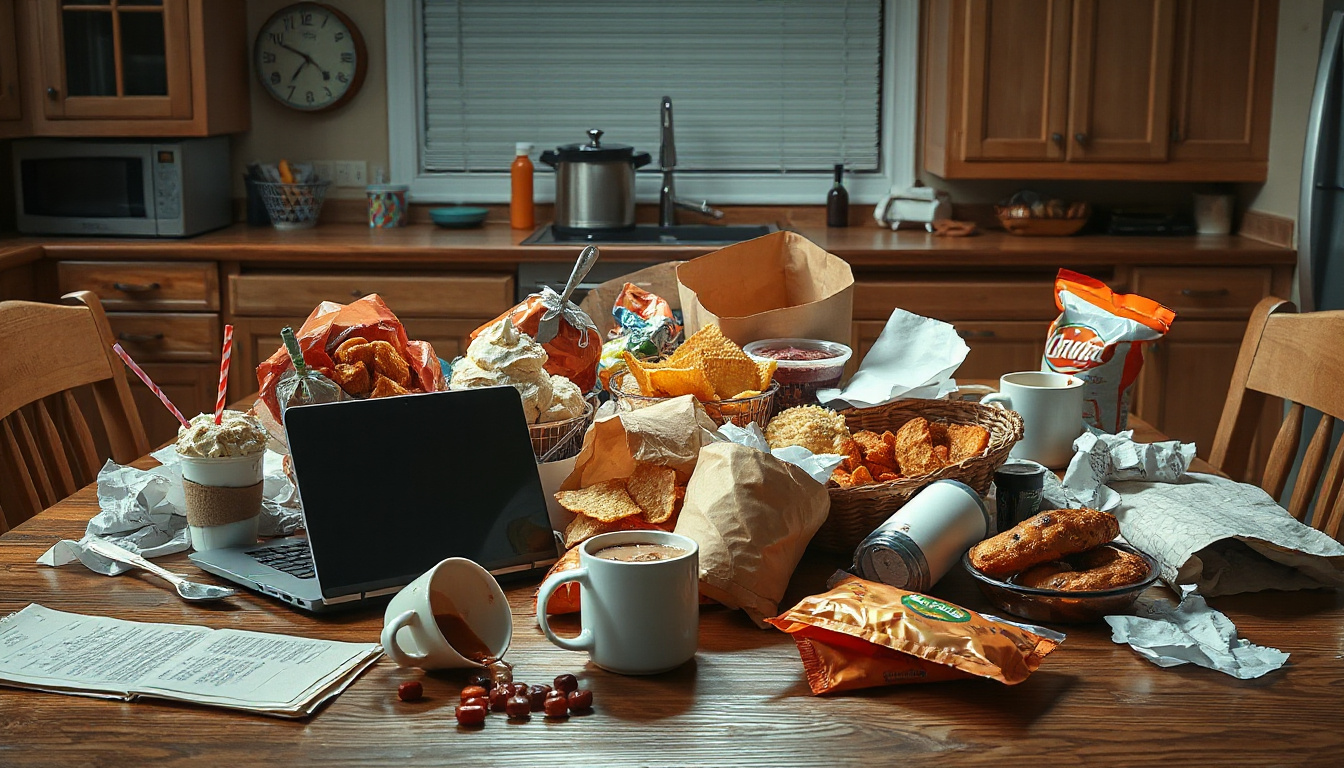
Life can feel overwhelming at times, can’t it? We’ve all experienced those moments when stress creeps in, nipping at our heels, making us feel like we’re drowning beneath a sea of responsibilities, deadlines, and expectations. In those moments, it’s almost instinctual to reach for something comforting to munch on—a tub of ice cream, a savory snack, or whatever we can find in the pantry. Understanding why stress eating is sabotaging your weight loss efforts is crucial, especially if you’ve been riding the rollercoaster of dieting and frustration for far too long.
To help you gain a clearer picture, let’s shine a light on common stress triggers that might send you diving headfirst into the snack cabinet. These triggers can vary widely, but often include:
• Emotional Stressors: These can be anything from a tough day at work, an argument with a loved one, or even feeling just plain overwhelmed by life. When emotions run high, food can feel like a friend, providing temporary comfort and distraction.
• Boredom or Loneliness: Sometimes, it’s not stress from a situation, but rather the feeling of emptiness that leads us to the fridge. A dull afternoon or a quiet evening can cause us to mindlessly graze.
• Social Situations: Have you noticed how easy it is to indulge when you’re at a party or gathering? Friends and family often gather around food, making it hard to resist those tempting treats.
• Fatigue: When you’re tired, everything feels more challenging, including striving for healthier choices. Our brains are wired to seek quick energy—often found in sugar and carbs—when we’re running low on sleep.
• Routine Changes: Life is full of shifts, and adapting to new routines can sometimes throw off our eating habits. This could be anything from a new job to a change in your daily schedule—it’s easy to fall back on old habits when the ground feels shaky.
Recognizing these triggers can be an illuminating step on your journey to understanding why stress eating is sabotaging your weight loss goals. Remember, you’re not alone in this struggle; many of us are navigating these challenges together. Let’s continue exploring how we can effectively manage stress and set healthier habits.
Healthy Alternatives to Manage Stress Without Food
Understanding Why We Turn to Food
Before we dive into healthy alternatives for managing stress, let’s take a moment to explore why stress eating is sabotaging your weight loss. You might be familiar with that familiar, almost reflexive response — a job promotion means a celebratory dinner, but a rough day triggers a craving for those comforting cookies you left on the counter. It’s as if food acts as both your friend and your enemy, drawing you in during tough moments while simultaneously working against your goals.
When we experience stress, our bodies release a hormone called cortisol. This little guy kicks in to help us cope with stress, but unfortunately, it also increases our appetite — especially for high-calorie, sugary foods. Many of us have been there: feeling anxious or overwhelmed, you reach for snacks to cope, leading to mindless eating that doesn’t really satisfy you. Instead of solving our problems, we end up feeling guilty and frustrated, which just perpetuates the cycle of stress eating.
Understanding these triggers is the first step in breaking away from the cycle.
Finding Healthy Alternatives to Manage Stress Without Food
So, what can we do instead? There are so many wonderful ways to handle stress that don’t involve food. Consider these healthy alternatives:
1. Get Moving: Exercise is a powerful stress-reliever. Whether it’s a brisk walk, a yoga session at home, or a dance party in your kitchen, getting your body moving helps release those feel-good endorphins.
2. Practice Mindfulness: Meditation and deep-breathing exercises can help ground you, making it easier to manage stress. Apps like Headspace or Calm are perfect for beginners.
3. Connect with Nature: Spending time outside—whether it’s a walk in the park or simply sitting on your balcony—can significantly reduce stress. Nature has a way of reminding us that we’re part of something bigger.
4. Reach Out: Sometimes all we need is a little support. Call or text a friend or family member; a comforting conversation can elevate your mood without reaching for the snacks.
5. Engage in a Hobby: Explore activities that bring you joy, like painting, knitting, or gardening. Channeling your energy into creative pursuits can distract you from stress and help you unwind.
6. Journal: Writing about your day can be cathartic, and reflecting on your feelings can help clarify your emotions, assisting you in processing stress in healthy ways.
7. Enjoy a Warm Bath: Create a calming bath ritual. Light some candles, add in your favorite scents, and allow yourself to relax completely.
These alternatives offer you both distraction and healthy coping mechanisms without adding extra calories or guilt to your plate.
Reflecting on Your Journey
When we choose healthier ways to cope with stress, we pave the way towards not just better physical health but mental well-being too. It’s important to approach this process with compassion; remind yourself that it’s okay to struggle sometimes. Acknowledging our emotions is fundamental in transforming our relationship with food.
Moving forward, you might find it helpful to keep a stress diary. Track your moments of stress and see how you reacted—note if you turned to food or tried a healthier alternative. This can give you insight into your patterns and help you plan your responses moving forward. Always remember, setbacks happen, but they don’t define you. Every small step you take towards healthier habits counts.
Frequently Asked Questions
Q: What is stress eating?
A: Stress eating refers to consuming food in response to emotional stress rather than physical hunger. This often leads to unhealthy eating habits and unwanted weight gain.
Q: Can managing stress help with weight loss?
A: Absolutely! Reducing stress can stabilize hormones like cortisol, leading to healthier appetite control and reducing the urge for emotional eating.
Q: What are some quick stress-relief techniques?
A: Simple techniques include deep breathing, stretching, or taking a short walk outside to change your environment and promote relaxation.
A Gentle Reminder
As we journey through this life, stress is inevitably going to be a part of it. By choosing to face it without turning to food, we honor our bodies and our goals. Remember, it’s okay to seek help and lean on those around you. Don’t be hard on yourself; we all have our battles.
Now, I encourage you to try one or more of the alternatives mentioned above. Turn those stressed moments into opportunities to grow. Trust me; you deserve this kind of love and care.

Creating a Balanced Approach to Weight Loss
Why Stress Eating Is Sabotaging Your Weight Loss
When it comes to our diets and weight loss journeys, many of us often find ourselves battling against the phenomenon of stress eating. You know what I mean—those times when you find yourself mindlessly munching on chips or reaching for ice cream at the end of a long, tiring day. It’s an all-too-familiar struggle that many of us face, and in reality, stress eating can be a major barrier in achieving our weight loss goals. But understanding why it happens and how to create a balanced approach can be a game-changer.
Understanding the Roots of Stress Eating
Let’s take a moment to think about our bodies and how they react to stress. When you feel overwhelmed, your body goes into a sort of ‘fight or flight’ response. Adrenaline and cortisol, the stress hormones, flood your system, and while this might help you deal with immediate danger, it also triggers cravings for high-calorie foods as a way to replenish energy. Essentially, your body is responding to stress in a way that encourages food consumption to regain stability.
I can remember a time when I was juggling work deadlines and family responsibilities. Those anxious moments not only drained my energy but also pushed me toward the fridge more often than I’d like to admit. It was as if my brain was shouting, ‘Food equals comfort!’ And while that momentary satisfaction felt great, the consequences often didn’t help my waistline or mental clarity.
Creating a Balanced Approach to Weight Loss
Now that we’ve taken a little trip down memory lane, let’s explore how we can combat stress eating effectively while still working on our weight loss goals. Here are some gentle strategies that might resonate with you:
1. Identify Your Triggers: Start by keeping a journal of your eating habits. Note down when you feel stressed and what you tend to reach for. Recognizing patterns can be the first step in addressing the roots of stress eating.
2. Emotional Alternatives: Find healthier outlets for stress. This could include taking a short walk, practicing mindfulness or meditation, or indulging in a warm bath. My own personal favorite is cozying up with a good book.
3. Mindful Eating: Practice being present during meals. Try to turn off distractions like your phone or TV, and savor each bite. This not only helps you enjoy your food more but can also prevent overeating.
4. Healthy Snacks: Stock your kitchen with healthier options. Instead of chips and cookies, try having cut veggies with hummus, or fruit on hand. Replacing unhealthy snacks with nutritious ones makes it easier to cope when stress arises.
5. Support System: Lean on your friends or family for support. Sometimes, just talking about your stressors can lighten your load and prevent us from seeking comfort in food.
6. Regular Exercise: Physical activity is a tremendous stress buster. Whether it’s a simple yoga session or a brisk walk, moving your body can help release those built-up stress hormones and boost your mood.
The Role of Positivity
It’s also essential to approach weight loss with a mindset of kindness rather than criticism. Being gentle with ourselves can alter the narrative we tell about our bodies. The aim isn’t to reach perfection; it’s about making conscious choices that nourish our bodies and minds. When we recognize that we’re human and allowed to have off days, it creates more space for growth and healing.
FAQ
Q: What is stress eating?
A: Stress eating refers to eating in response to feelings of stress, anxiety, or emotional discomfort, rather than due to hunger. It often leads to choosing high-calorie comfort foods that can derail weight loss efforts.
Q: How can I stop stress eating?
A: You can start by identifying triggers, practicing mindful eating, and finding healthier coping mechanisms like exercise or relaxation techniques.
Q: Is it normal to stress eat?
A: Yes, many people experience stress eating at some point. It’s a common reaction to emotional discomfort, but understanding and managing it can help you in your weight loss journey.
Closing Thoughts
Taking charge of our eating habits in the midst of stress isn’t easy. It requires patience and self-compassion, but it is so worth it! Remember that working through stress eating is a journey, not a sprint. Celebrate small victories along the way, whether it’s choosing an apple over a cookie or going for a walk instead of heading for the fridge. Each step contributes to a healthier, balanced life, and that includes embracing moments of joy and forgiveness too.
So next time you encounter a stress-eating moment, try to breathe deeply, reflect on your feelings, and remind yourself that the journey of weight loss is all about balance. We can do this together!
Practical Tips to Overcome Stress Eating Habits
Why Stress Eating Is Sabotaging Your Weight Loss
We’ve all been there, haven’t we? Late-night snacks turning into a binge while trying to catch up on our favorite shows, or reaching for a pack of cookies after a long day at work. If you’ve ever found yourself munching mindlessly when you’re feeling overwhelmed, you’re not alone. Stress eating is a common struggle, and understanding ‘why stress eating is sabotaging your weight loss’ journey is the key to regaining control.
What Is Stress Eating?
Let’s break it down in simple terms. Stress eating, or emotional eating, is when you reach for food not because you’re hungry, but because you’re feeling a whirlwind of emotions—be it stress, sadness, anxiety, or even boredom. It’s like your own body is trying to comfort you, but food is often more of a temporary distraction rather than a real solution.
When stress hits, certain hormones, such as cortisol, flood our systems. Imagine cortisol as a loud alarm bell, screaming for your attention. This hormone drives up your cravings for comfort foods—think carbs and sugary snacks. So instead of nourishing your body with healthy options, you might find yourself drawn to that pint of ice cream or a bag of chips.
But what happens when we engage in stress eating? While reaching for that cookie may provide a moment of joy, it’s often followed by feelings of guilt, shame, and regret. This cycle sabotages not only your emotional well-being but also your physical goals.
The Garden Analogy: Understanding Our Food Choices
Imagine your body as a garden. When we nourish it with healthy options, we grow beautiful flowers and fruits. However, when we feed it with junk or overindulge during stressful times, it can choke those flowers. This isn’t to say that treating yourself to that cookie is bad, but when it becomes the go-to response for stress, we’re essentially allowing weeds to overtake our garden.
Practical Tips to Overcome Stress Eating Habits
If you’re on the journey to understanding why stress eating is sabotaging your weight loss, know you’re not alone in this fight. Here are some practical steps we can take together to curb those habits:
1. Journal Your Feelings: Not just to record what you eat, but to explore what you’re feeling. Write down your stressors and then your food choices. You might notice patterns that help you understand your triggers.
2. Pause Before You Pounce: When you feel that urge to snack, give yourself a moment. Pour a glass of water or take three deep breaths. This mini-pause can help you check in with yourself about whether you’re actually hungry or just looking for comfort.
3. Replace Comfort Foods: Instead of reaching for chips or cookies, try healthier alternatives that still feel comforting. Think air-popped popcorn, plain Greek yogurt with fruit, or even just a warm cup of herbal tea. These can satisfy that craving while keeping your body happy.
4. Connect with Others: Sometimes, talking about what’s bothering us can alleviate stress. Reach out to friends or family, or even join a support group. They can provide emotional support and help you work through your feelings.
5. Establish a Routine: Having a solid meal schedule can keep your hunger levels stable, making it less likely for emotional eating to creep in. Plan your meals ahead, focusing on nourishing your body with whole foods.
6. Stay Active: Physical activity is a fantastic stress reliever. Whether it’s a gentle walk or a serious workout, moving your body helps release those feel-good hormones that can replace the urge to reach for food.
7. Practice Mindfulness: Mindful eating can be a game-changer. Focus on the taste, texture, and aroma of your food. This way, you start enjoying your meals more and reduce the chances of mindless munching.
8. Seek Professional Help: If you find that stress eating is deeply rooted, consider working with a therapist or a nutritionist. A professional can guide you through your emotional struggles and establish healthier habits.
Frequently Asked Questions
What is stress eating?
Stress eating, also known as emotional eating, refers to the practice of consuming food in response to negative emotions such as stress, anxiety, or depression rather than out of hunger.
How does stress impact my appetite?
Stress triggers the release of hormones like cortisol, which can increase appetite and cravings for high-calorie comfort foods, often leading to overeating.
What are common triggers for stress eating?
Common triggers include work-related pressures, personal relationship issues, financial worries, and major life changes. Situations that induce anxiety or overwhelm can lead to stress eating.
What are some healthy alternatives to manage stress without food?
Healthy alternatives include engaging in physical activities like exercise, practicing mindfulness or meditation, journaling to express emotions, and developing hobbies that promote relaxation.
What practical tips can I use to overcome stress eating habits?
To overcome stress eating, you can keep a food diary to identify triggers, practice mindful eating, focus on balanced meals, and seek support from professionals such as therapists or dietitians.
This post may contain affiliate links which means I may receive a commission for purchases made through links. I will only recommend products that I have personally used! Learn more on my Private Policy page.


