Imagine sitting down to a meal, glancing down at your plate, and feeling a sense of calm wash over you. This isn’t your typical dieting experience filled with daunting restrictions or endless numbers to track. Instead, you’re practicing something that feels natural, flexible, and surprisingly liberating: portion control. If you’ve been caught in the cycle of restrictive diets that leave you feeling depleted, frustrated, or even deprived, you’re certainly not alone. Many people struggle to fit into the rigid constraints often set by traditional diets, leading to feelings of guilt and failure when things don’t go as planned. But what if I told you that embracing the idea of portion control could shift your relationship with food in a way that is not only empowering but also more sustainable for the long term?
In this article, we will explore how portion control works better than most diets, tapping into the psychology behind it and providing practical strategies you can start using today. We’ll unpack common misconceptions you may have, illustrate the psychological benefits behind eating smaller portions, and showcase inspiring success stories of those who’ve made this approach work for them. You deserve a balanced, joyful relationship with food—let’s dive into how portion control might just be the gentle, effective method you’ve been seeking.
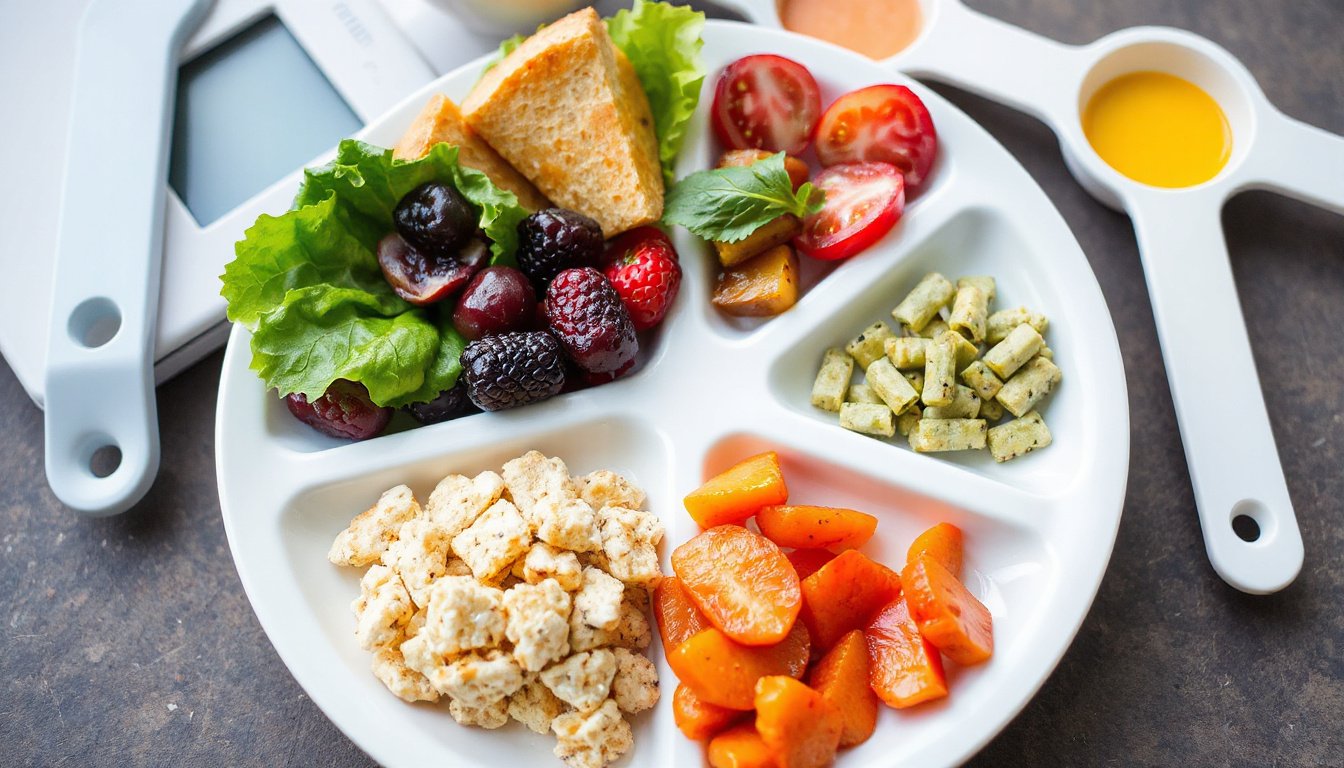
Key Takeaways
- Portion control promotes a balanced approach to eating by allowing indulgence without overconsumption.
- The psychological benefits of portion control can lead to improved self-regulation and satisfaction with meals.
- Unlike traditional diets, portion control does not eliminate food groups, making it more sustainable in the long run.
- Implementing simple strategies, like using smaller plates, can effectively encourage portion control habits.
- Success stories highlight that many individuals experience lasting weight loss through the consistent practice of portion control.
Understanding Portion Control
When it comes to managing your weight and improving your relationship with food, the concept of portion control is often misunderstood. Many people believe that strict diets and food restrictions are the only way to achieve their health goals. However, understanding why portion control works better than most diets can be a game-changer. It’s not just about eating less; it’s about eating mindfully, becoming aware of what your body truly needs, and making healthier choices without feeling deprived. Think of portion control as a gentle guide, teaching you to listen to your hunger cues and savor each bite, rather than a restrictive rule that fosters a negative relationship with food. This approach addresses the emotional realities of eating, where many struggle with feelings of guilt and frustration over what they perceive as ‘bad’ foods. By shifting your focus to the amount you serve yourself, you can empower yourself to enjoy your meals while still making progress toward your health goals, leading to sustainable lifestyle changes rather than temporary fixes.
The Psychological Benefits of Portion Control
When it comes to managing our weight, many of us find ourselves caught in a whirlwind of diets and quick fixes, often leading to disappointment and frustration. If you’ve ever been on the rollercoaster of restrictive dieting, you might resonate with the emotional reality of feeling deprived or overwhelmed. It’s a common struggle: wanting to lose weight and feel healthier, yet facing the fear of failure after countless attempts. The good news? Understanding the psychological benefits of portion control might just offer the gentle shift you need in your journey toward better health.
So, why does portion control work better than most diets? Well, first, it removes the binary thinking of ‘good’ vs. ‘bad’ foods that often leads to guilt and eventually, to binge eating. By allowing yourself to enjoy a variety of foods in moderation, you build a healthier relationship with food. This balanced approach helps alleviate the stress around meal times, as you’re not constantly worrying about how much you can have. Instead of feeling deprived, you learn to listen to your body’s hunger and fullness cues, fostering a sense of empowerment and mindfulness that many rigid diets fail to cultivate.
Moreover, portion control encourages you to appreciate your food rather than just consume it mindlessly. This practice can transform your mealtime experience, encouraging you to savor each bite and truly connect with the flavors and textures. Over time, this leads to better digestion and overall satisfaction with meals. With less focus on massive restrictions, you’re more likely to stick with this practice long-term, paving the way to sustainable weight management without the emotional toll typical diets often impose.
Ultimately, embracing portion control can be a gentle yet effective method to navigate your eating habits, providing you the flexibility and freedom often missing from strict diets. Imagine replacing frustration with confidence, knowing that you have the tools at your disposal to make healthier choices while still enjoying your favorite foods.
‘Eat food, not much, mostly plants.’ – Michael Pollan
How Portion Control Differs from Traditional Diets
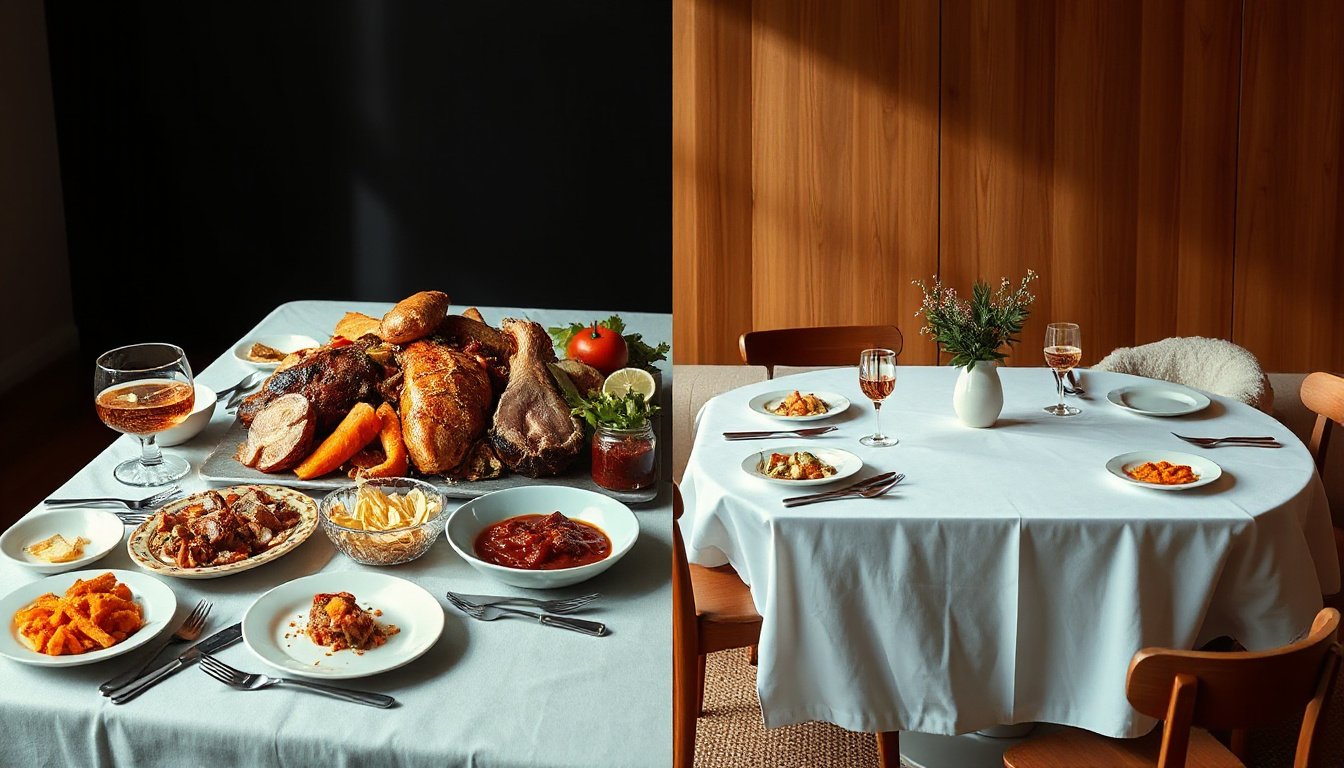
When it comes to weight management, many of us find ourselves cycling through traditional diets, each promising quick results but often leaving us feeling deprived or frustrated. This is where the concept of portion control shines as a compelling alternative. Unlike restrictive diets that mandate cutting out entire food groups or adhering to strict meal plans, portion control lets you enjoy your favorite foods while fostering a healthier relationship with eating. This approach is rooted in the simple yet powerful principle of moderation. Instead of viewing meals as limitations, portion control allows you to savor each bite, promoting awareness and mindfulness in our eating habits. This practice not only accommodates individual preferences but also aligns with our body’s natural hunger cues, making it a sustainable solution. The reality is that portion control works better than most diets because it focuses on teaching us how to enjoy our meals without excess, building long-term habits rather than short-lived diets. It’s about empowering you to recognize what your body needs, fostering a sense of balance that transcends temporary weight loss goals.
Practical Tips for Implementing Portion Control
Portion control can be a game-changer for those who often find themselves overwhelmed by diet plans that seem restrictive and complicated. Many individuals struggling with weight management are caught in a cycle of trying out the latest fad diets only to feel frustrated when results don’t stick. It’s understandable—you want to see change, but the tension of measuring out every little calorie can feel burdensome.
So, why does portion control work better than most diets? Simply put, it allows for flexibility and balance, making it more sustainable over the long term. Instead of depriving yourself of the foods you love, you learn to enjoy them in moderation, which is key to developing a healthier relationship with food.
Here are some practical tips for implementing portion control:
1. Use Smaller Plates: This simple switch can trick your brain into thinking you’re eating a full plate of food, helping to curb overeating without feeling deprived.
2. Measure Your Portions: Initially, take the time to measure servings, whether it’s 1 cup of pasta or 3 ounces of chicken. Over time, you’ll gain an intuitive sense of what proper portions look like.
3. Listen to Your Body: Pay attention to hunger cues. Ask yourself if you’re truly hungry or just eating out of habit. Eating mindfully can make a significant difference.
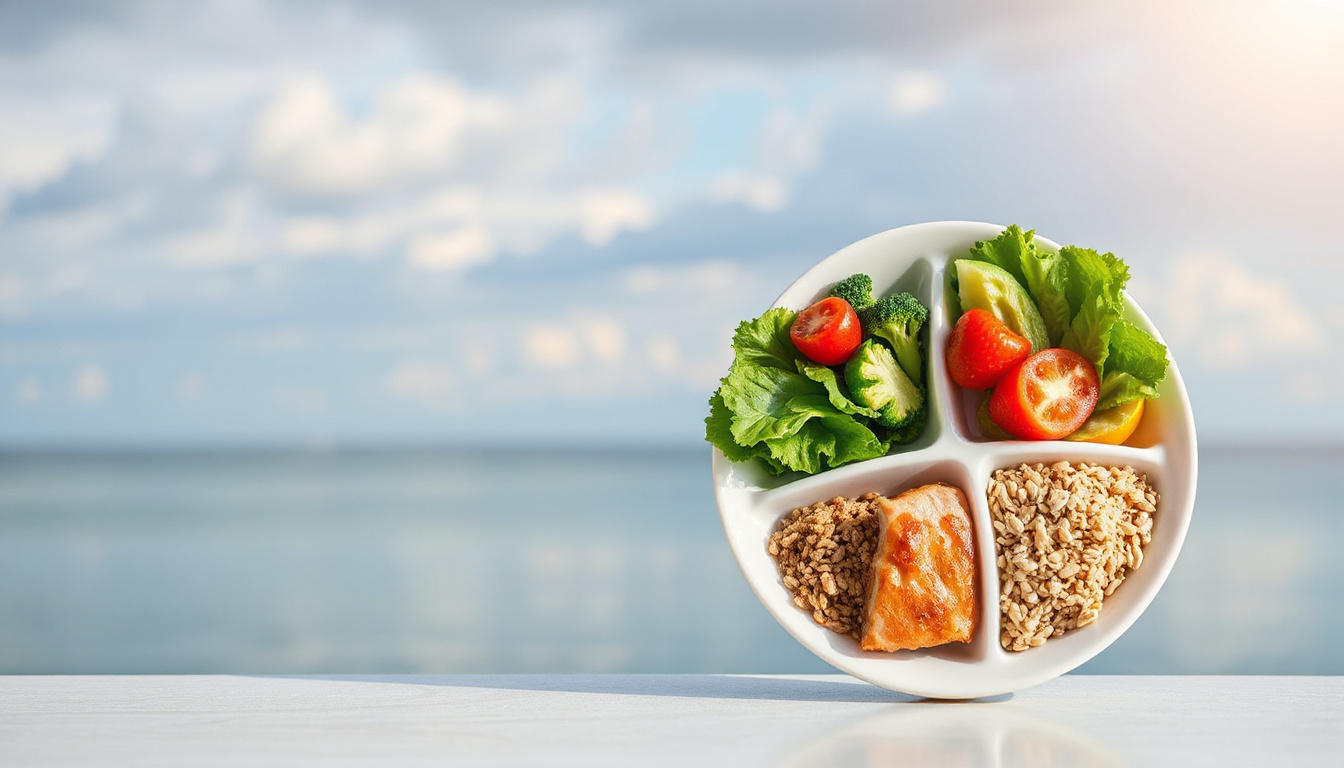
4. Fill Half Your Plate with Vegetables: Not only are they low in calories but they also add fiber to your meal, keeping you fuller longer.
5. Practice the Plate Method: Visualize your plate divided into sections—half for veggies, a quarter for lean proteins, and a quarter for whole grains. This method creates balance and helps build nutrient-rich meals.
As you adopt these strategies, remind yourself that it’s not about perfection—it’s about progress and finding what works for you. Over time, you’ll feel more confident in your choices and less overwhelmed by food. Embrace the process, and you’ll discover that portion control can lead to meaningful, lasting change in your lifestyle.
You’ve got this! If you’re ready to explore how transforming your plate can transform your life, why not start today? Consider tracking your journey in a journal or sharing your experiences with a supportive community. Taking these small steps can lead to significant results.
Portion Control and Long-Term Weight Management
In a world overflowing with fad diets and quick-fix weightloss solutions, it’s easy to feel overwhelmed and frustrated, especially if you’ve tried multiple approaches that promised results but led to disappointment instead. If you’re finding it challenging to manage your weight long-term, you’re not alone. Many people struggle with maintaining losing weight; the frustration can often lead to feelings of helplessness. This is where portion control comes into play, proving to be a more sustainable and effective strategy than most traditional diets.
The magic of portion control lies in its simplicity and adaptability. Unlike restrictive diets that dictate what to eat and what to avoid, portion control focuses on the quantity of food consumed, allowing you to enjoy the foods you love without the guilt that often accompanies indulgence. When you learn to recognize the appropriate portions for your body’s needs, you’re not just setting yourself up for short-term results—you’re paving the way for a healthier relationship with food and a more balanced lifestyle.
But why does it often feel like diets fail us? The truth is, extreme restrictions can lead to cravings and binge eating, which are common pitfalls that sabotage our efforts. Portion control, on the other hand, encourages mindfulness and self-awareness, making it easier to listen to your body’s hunger cues. Many people are skeptical about whether this method can really work for them, especially if they’ve fallen victim to the cycle of yo-yo dieting. Yet, studies have shown that mindful eating strategies, including portion control, foster a more positive approach to food and body image, helping individuals maintain their weight in the long run.
Embarking on your portion control journey can begin with small, manageable steps: try using smaller plates, measuring out snacks before diving into large bags, or learning to feel the difference between hunger and habit. Understanding that you can still enjoy a pizza night or dessert; it’s just about being mindful of how much you serve yourself can eliminate the habitual guilt that often comes with eating. With these strategies in place, you’ll find yourself not only managing your weight more effectively but also gaining confidence in your ability to maintain that success.
Ultimately, embracing portion control is more than just a weight management strategy; it’s a mindset shift. It can lead you towards a healthier lifestyle without sacrificing the foods you love, allowing you to enjoy your meals and feel good about your choices. Better yet, start today! If you’re ready to break away from the cycle of restrictive diets and embrace a healthier approach to eating, a simple adjustment to how you serve your meals could make all the difference.
Success Stories: Real-Life Examples of Portion Control
When it comes to weight management, the journey can feel overwhelming, leaving many of us frustrated and feeling defeated. However, countless individuals have discovered the transformative power of portion control, sharing their inspiring success stories along the way.
Take Sarah, for example. After years of yo-yo dieting and feeling trapped in a cycle of deprivation, she decided to shift her focus from restrictive diets to mindful portion sizes. Sarah started by simply measuring her meals, which allowed her to enjoy her favorite foods without guilt—pizza on a Saturday evening became a treat rather than a cheat. By embracing portion control, not only did Sarah shed those stubborn pounds, but she also gained a sense of freedom and balance that had long eluded her.
Then there’s Mike, a father of three who struggled with convenience foods for years. Once he realized that portion control could fit into his busy lifestyle, he began to use smaller plates and bowls, effectively tricking his mind into feeling satisfied with less. This small change led to significant weight loss, improved energy levels, and a newfound enthusiasm for family meal times, where everyone joined in learning about balanced portions.
These real-life examples highlight an important truth: portion control isn’t about deprivation; it’s about empowerment and making informed choices. For those of you who are feeling stuck in the traditional diet mindset, understanding why portion control works better than most diets could be the breakthrough you’ve been waiting for. It teaches you about moderation, encourages a healthier relationship with food, and meets you where you are in your life. Embrace these strategies, and you will find that achieving your health goals becomes a joyful journey rather than a stressful battle.
Frequently Asked Questions
What is portion control?
Portion control refers to the practice of managing the amounts of food consumed during meals, ensuring that the servings align with recommended dietary guidelines to maintain a balanced intake of nutrients.
How does portion control differ from traditional diets?
Unlike traditional diets, which often involve strict restrictions and calorie counting, portion control focuses on moderation and mindful eating, allowing individuals to enjoy various foods without feeling deprived.
What are the psychological benefits of portion control?
Portion control can enhance one’s relationship with food by reducing the pressure of dieting, fostering a sense of freedom, and promoting mindful eating habits that can lead to a healthier lifestyle.
Can portion control help with long-term weight management?
Yes! By promoting sustainable eating habits and helping individuals learn to listen to their hunger cues, portion control can be an effective strategy for long-term weight maintenance.
What are some practical tips for implementing portion control in daily life?
Some practical tips include using smaller plates, measuring servings, paying attention to hunger cues, and being mindful while eating to prevent over-eating.
A Gentler Way to Reach Your Weight Loss Goals
Most weight loss plans start with rules.
Eat less. Exercise more. Try harder.
But lasting change rarely begins with pressure.
It begins with understanding the habits, routines, and daily choices that quietly shape your health over time.
The Weight Loss Strategies Bundle was created to help you build practical, sustainable habits that support healthy weight loss without turning your life upside down.
Inside, you’ll discover simple strategies for healthier eating, portion awareness, hydration, movement, motivation, and creating routines that feel realistic enough to maintain long after the excitement of a new plan fades.
Because lasting results are rarely built through perfection.
They grow from small choices repeated with consistency, patience, and self-trust.
Explore the Weight Loss Strategies Bundle
Small changes become powerful when you give them time to grow.
This post may contain affiliate links which means I may receive a commission for purchases made through links. I will only recommend products that I have personally used! Learn more on my Private Policy page.


