Have you ever looked in the mirror and felt disheartened by the stubborn belly fat that seems to cling no matter how hard you try? If so, you’re not alone. Many people face the same struggle, and for some, this added weight around the midsection can bring up fears about health risks, particularly diabetes. You might be wondering, ‘Why does belly fat increase diabetes risk?’ and ‘What can I do about it?’ This article is here to help you understand the connection between belly fat and diabetes, providing you with insight and actionable steps to reclaim your health and well-being.
You see, belly fat isn’t just a cosmetic concern; it has real implications for your overall health. It’s crucial to recognize that this type of fat, also known as visceral fat, is more than just excess weight—it’s linked to various health issues such as heart disease, inflammation, and yes, diabetes. By understanding why belly fat increases diabetes risk, you’ll be empowered to make informed choices to reduce this risk and improve your quality of life. So, let’s dive deeper into this topic, shedding light on the science and then exploring practical strategies to turn things around together.

Key Takeaways
- Belly fat, or visceral fat, is distinct from subcutaneous fat and poses higher health risks.
- Excess belly fat leads to insulin resistance, increasing the likelihood of developing type 2 diabetes.
- High levels of belly fat can disrupt blood sugar regulation, further elevating diabetes risk.
- Genetic predisposition and hormonal imbalances can exacerbate fat accumulation in the belly area.
- Adopting a healthier lifestyle, including diet and exercise, can effectively reduce belly fat and lower diabetes risk.
Understanding Belly Fat: What Is It?
Understanding belly fat can be a perplexing and disheartening journey, especially for those of us who feel its presence not just physically but also mentally and emotionally. You might find yourself wondering, ‘Why do I have this extra weight around my midsection?’ or ‘Is it just a matter of aging?’ These inquiries are common, and the truth is, belly fat is more than just an aesthetic concern—it’s a signal from your body that shouldn’t be overlooked.
Belly fat, or visceral fat, is that stubborn layer of fat that wraps around your internal organs. Unlike subcutaneous fat, which is just beneath the skin, visceral fat can release inflammatory compounds and hormones that disrupt metabolic processes. This disruption can lead to insulin resistance, ultimately increasing your risk for type 2 diabetes. So, when you ask, ‘Why does my belly fat increase my diabetes risk?’ it’s essential to understand that this type of fat is not inert. Instead, it actively participates in a whole host of unhealthy metabolic events that raise your risk of diabetes and other chronic conditions.
As you navigate your journey to better health, remember that understanding how belly fat affects your body is the first step toward making informed choices. It’s not just about looking a certain way—it’s about ensuring your body can function optimally and prevent serious health issues down the line.
The Link Between Belly Fat and Insulin Resistance
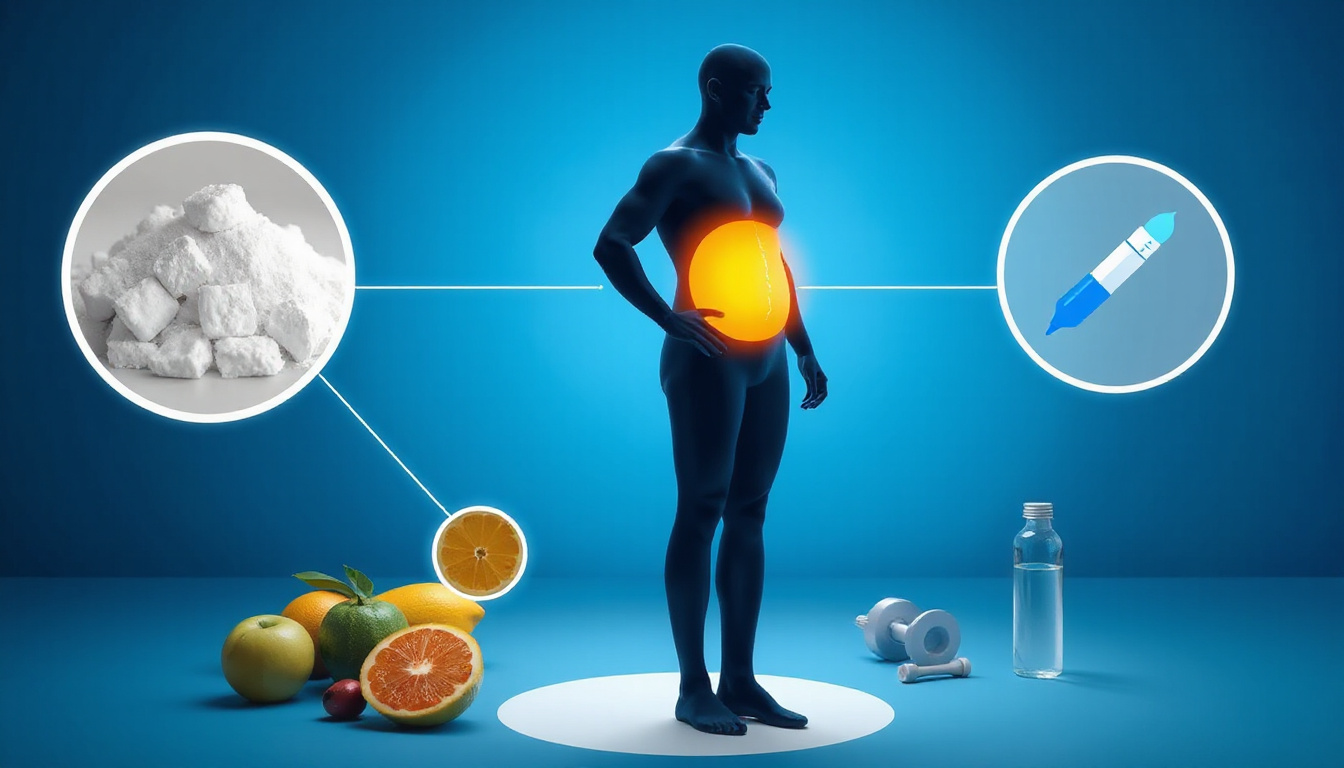
Belly fat isn’t just an aesthetic concern; it can significantly impact your health, particularly your risk for diabetes. Many people may not connect the dots between excess abdominal fat and serious health issues like insulin resistance, but understanding this link is crucial. When your body accumulates fat around the midsection, it can lead to a condition known as insulin resistance, where your cells no longer respond effectively to insulin, the hormone that helps regulate blood sugar levels. This resistance can elevate blood sugar levels, leading to prediabetes or type 2 diabetes over time. Not only is this alarming, but it also often goes unnoticed until serious health problems arise. By addressing belly fat through lifestyle changes and healthier choices, you can lower the risk of developing diabetes and improve your overall health.
‘The greatest weapon against stress is our ability to choose one thought over another.’ – William James
How Belly Fat Affects Blood Sugar Levels
When we talk about belly fat, or visceral fat, it’s not just a cosmetic concern; it’s a significant factor that influences our health, particularly when it comes to blood sugar levels. If you’re finding it challenging to manage your weight and are feeling worried about your risk for diabetes, you’re not alone. Many people grapple with the idea that stubborn belly fat could be silently affecting their health, leading to a cascade of fears about heart disease and metabolic disorders.
Why does belly fat increase diabetes risk? That’s a question many of us ask, especially as we learn more about how our bodies function. Visceral fat is metabolically active, releasing hormones and chemicals that can disturb our body’s natural processes. It’s not just about appearance – this type of fat can lead to increased insulin resistance, meaning your body struggles to use insulin effectively, leading to higher blood sugar levels. This is where the real risk lies. When blood sugar levels remain elevated over time, the chances of developing type 2 diabetes significantly increase.
If you’ve been feeling bewildered or frustrated by stubborn belly fat, understand that this struggle is more common than you might think. It’s possible that you’ve tried various diets or exercise routines, only to find yourself back where you started, feeling defeated. But it’s important to address this matter now because understanding the connection between belly fat and diabetes can empower you to make effective changes. Let’s delve into how you can reclaim your health and reduce that risk, empowering yourself on your path to wellness!
Genetics and Hormones: The Role They Play
When we talk about why belly fat increases diabetes risk, it’s essential to understand the complex interplay between genetics and hormones. Many individuals, especially those who struggle with weight, may feel disheartened as they work hard only to find that stubborn belly fat persists. This fat isn’t just a cosmetic concern; it can disrupt hormonal balance and increase insulin resistance, a key factor in the onset of type 2 diabetes.
Research has shown that abdominal fat, particularly visceral fat, releases various hormones and inflammatory substances that can lead to systemic inflammation. This results in an altered metabolic state that can make it harder for the body to respond properly to insulin. Unfortunately, people often believe that diet and exercise alone are the answer to managing this fat, but they may not consider their genetic predisposition.
For some, certain genetic factors can influence how the body stores fat and processes sugars, making it easier to gain belly fat and more challenging to lose it. Understanding this can help our readers feel less frustrated, recognizing that they are not solely to blame for their struggles.
Addressing these misconceptions about weight and diabetes is crucial. It’s not just about calories in and calories out; it’s about how our bodies are wired to respond to those calories. Fortunately, by learning more about their unique hormonal and genetic makeup, individuals can take targeted steps to reduce belly fat and consequently lower their diabetes risk.

Lifestyle Factors Contributing to Belly Fat
It’s no secret that the way we live can significantly impact our health, especially when it comes to belly fat. Whether you’ve noticed a growing waistline in the mirror or feel a little less energetic during your daily activities, these changes can often stem from lifestyle choices. Stress, lack of sleep, poor diet, and sedentary habits are common culprits that lead to weight gain around the midsection. These factors not only contribute to that stubborn belly fat but also increase the risk of developing serious health problems, such as diabetes. Research shows that visceral fat—the type of fat stored in the abdomen—can disrupt your body’s healthy functions, making it harder for insulin to work effectively. This can lead to insulin resistance, a stepping stone toward type 2 diabetes. As you navigate your daily routine, understanding how lifestyle decisions impact your waistline and overall health is crucial. By recognizing these connections, you can take meaningful steps toward a healthier lifestyle, effectively reduce belly fat, and lower your diabetes risk. Remember, it’s not about drastic changes overnight; often, small, sustainable adjustments can lead to the best long-term results.
Ways to Reduce Belly Fat and Lower Diabetes Risk
If you’ve ever felt self-conscious about your stomach, you’re not alone. For many, stubborn belly fat can be a frustrating burden that not only affects how we feel about ourselves but also impacts our health in significant ways. You might be grappling with thoughts like, ‘Why is this extra weight so hard to lose?’ or ‘Is my belly fat really connected to my risk of diabetes?’ It’s natural to worry, especially if you or someone you know struggles with either weight or blood sugar issues.
Research has shown that abdominal fat is not just a cosmetic concern; it can serve as a signal for metabolic disturbances in the body. When we accumulate fat around our midsection—specifically, visceral fat that wraps around our organs—it releases hormones and inflammatory substances that can disrupt insulin function, opening the door to diabetes. The connection might seem alarming, but understanding it is the first step toward taking charge of your health.
You may be thinking, ‘But I’ve tried numerous diets and workouts without success!’ It’s easy to feel discouraged, particularly when popular trends promise results but leave you questioning your progress. Understand that everybody is different, and what works for one might not work for another. It’s essential to look for sustainable lifestyle changes rather than quick fixes.
So, what can you do to combat this? Luckily, there are practical, science-backed strategies to help you reduce belly fat and lower your diabetes risk. Simple changes to your diet, like focusing on whole foods over processed ones, can have a powerful impact. Moreover, regular physical activity—especially exercises that combine both cardio and strength training—can help burn fat and improve metabolic health.
The key takeaway is that while belly fat does increase diabetes risk, it can often be addressed with the right strategies and mindset. You can regain control and move toward a healthier, more confident you. Remember, you’re not navigating this journey alone; many have walked this path and found success. And if you need guidance, don’t hesitate to seek out support. You have the power to change your story and prioritize your health!
Frequently Asked Questions
What is belly fat and why is it significant?
Belly fat, or visceral fat, refers to fat stored around the abdomen and can be particularly harmful as it surrounds vital organs. It significantly increases the risk for various health issues, including diabetes.
How does belly fat contribute to insulin resistance?
Belly fat is linked to the development of insulin resistance because it releases fatty acids and inflammatory substances into the bloodstream, which can interfere with insulin’s ability to regulate blood sugar levels effectively.
What lifestyle factors can increase belly fat and, consequently, diabetes risk?
Poor diet, lack of physical activity, high stress levels, and insufficient sleep are major lifestyle factors that contribute to the accumulation of belly fat, thereby increasing the risk of developing diabetes.
Can genetics influence the amount of belly fat one has?
Yes, genetics can play a significant role in determining body fat distribution, including how much belly fat an individual stores, as well as their susceptibility to insulin resistance and diabetes.
What are some effective ways to reduce belly fat?
Effective ways to reduce belly fat include maintaining a balanced diet rich in whole foods, engaging in regular physical activity, managing stress levels, and getting adequate sleep. These lifestyle changes can lower the risk of diabetes.
This post may contain affiliate links which means I may receive a commission for purchases made through links. I will only recommend products that I have personally used! Learn more on my Private Policy page.


