When it comes to nourishing our bodies and taking care of our gut health, one of the most powerful foods at our disposal is humble beans and legumes. If you’ve been exploring nutrition for gut health and effective weight management, you might be curious about the best beans and legumes for gut health and weight management. As someone who has navigated the world of healthy eating, I know how overwhelming it can be to find what truly works for us.
Beans and legumes have a special place in many diets around the world, and for good reason! They are not only affordable and versatile but also packed with nutrients that can support our digestive systems and help us manage our weight more effectively—what’s not to love about that? In this article, we’ll embark on a journey to understand these powerhouse foods better and uncover the specific beans and legumes that can become your greatest allies in maintaining a healthy gut and managing your weight.
Key Takeaways
- Beans and legumes are packed with nutrients that promote gut health.
- Certain beans, like black beans and kidney beans, are especially beneficial for digestion.
- Legumes, including lentils and chickpeas, can aid in weight management by providing protein and fiber.
- Incorporating a variety of beans and legumes into meals can enhance overall health and satiety.
- Emphasizing beans and legumes in your diet is a simple strategy for improving gut health and managing weight.
Introduction to Beans and Legumes
When it comes to nourishing ourselves, few foods pack as much of a punch as the best beans and legumes for gut health and weight management. If you’re like many of us, you might have heard about the numerous benefits of beans and legumes but don’t quite know where to start. And let me tell you, you’re not alone in feeling this way! I used to stare at those colorful bags in the grocery store and feel overwhelmed, uncertain about which ones to choose. But I’ve learned that these lovely little gems can be such an ally in our journey toward better health, and I want to share that knowledge with you.
Beans and legumes are more than just side dishes; they’re a powerhouse of nutrients, particularly great for our gut and weight management. Let’s dive into what makes these legumes so special and how they can fit into your everyday life.
Nutritional Benefits of Beans and Legumes
Beans and legumes are often hailed for their remarkable nutritional profiles, and for good reason! Not only are they abundant in fiber, which can promote digestive health and keep you feeling full, but they also bring a suite of vitamins, minerals, and plant-based protein to the table. If you’re on a journey to improve your gut health and manage your weight, choosing the best beans and legumes might just be one of the simplest changes you can make.
When I first began paying attention to what I was putting into my body, I was overwhelmed by the sheer amount of information out there. But, over time, I discovered how satisfying and beneficial the right foods could be. Beans, lentils, chickpeas, and other legumes quickly became staples in my pantry, and I’d love to share some of the reasons why they might be useful for you too.
Consider these powerful benefits when incorporating beans and legumes into your meals:
• High in Fiber: Beans and legumes are some of the richest sources of dietary fiber. This is great for gut health as fiber acts like a broom, sweeping away toxins and promoting regular bowel movements. The fiber in beans also helps regulate blood sugar levels, making you feel fuller for longer, which can be particularly beneficial for weight management.
• Rich in Protein: For those looking to reduce meat consumption or adopt a plant-based diet, beans and legumes are fantastic sources of protein. They contain essential amino acids, making them a wonderful substitute or complement to meat dishes.
• Packed with Nutrients: Beyond protein and fiber, beans and legumes are dense in vitamins and minerals such as iron, potassium, magnesium, and folate. These nutrients not only support overall health but also play specific roles, like aiding muscle function and enhancing energy levels.
As someone who felt lost in a sea of dietary choices, embracing these humble foods felt like stepping into a nurturing community. I can’t tell you how many times I have relied on a simple chickpea salad or a warm bowl of lentil soup to fill me up and nourish my body.
Incorporating beans and legumes into your meals doesn’t have to be complicated. Here are some easy ideas:
1. Salads: Toss black beans or chickpeas into fresh salads for added texture and protein.
2. Soups and Stews: Add lentils to your favorite soups for a hearty element that packs in flavor.
3. Snacks: Roasted chickpeas can be a crunchy, satisfying alternative to chips or crackers.
4. Dips: Create a spicy black bean dip or hummus for an easy go-to snack option.
5. Casseroles: Mix beans into baked dishes to enhance both flavor and nutrition.
Remember, it’s all about small changes that can lead to big results. Start by adding a serving of beans or legumes to one meal a day, gradually building as you discover what you enjoy most. It’s not about perfection; it’s about progress and listening to your body—something I’m continually learning on my health journey.
‘Let food be thy medicine, and medicine be thy food.’ – Hippocrates
Top Beans for Gut Health
When I first began my journey toward better gut health, I was surprised to learn just how impactful simple foods could be. One of those surprising heroes? Beans and legumes. You might be wondering, ‘What are the best beans and legumes for gut health and weight management?’ Let’s dive into this together.
Beans are not only versatile and easy to incorporate into our meals, but they also carry a wealth of nutrients that can significantly benefit our digestive systems. Packed with fiber, which is essential for keeping our bowls moving, beans help feed the healthy bacteria in our guts. Having these little powerhouses in your diet can lead to better digestion, reduced bloating, and even support weight management.
The Goodness of Beans and Legumes
Here’s a snapshot of some of my favorite beans and legumes that are particularly beneficial for gut health:
1. Black Beans – Rich in fiber, these tasty beans can help increase the good bacteria in our guts. They’re perfect for chili or as a side dish.
2. Chickpeas – Whether in a salad or as hummus, chickpeas are fantastic for gut health due to their high soluble fiber content, which can help keep our digestive systems running smoothly.
3. Lentils – Quick to cook and packed with protein, lentils are a wonderful addition to soups. They can stabilize blood sugar, which can aid in weight management as well.
4. Kidney Beans – These are also high in fiber and can be a great choice for stews. Their density can help you feel fuller for longer.
5. Navy Beans – Known for their high fiber and protein content, navy beans can help promote satiety and enhance gut flora.
Including any combination of these beans in your meals can be an easy, effective way to support your overall health. Plus, they come with the added bonus of being incredibly budget-friendly!
How Beans Can Transform Your Gut Health and Weight Loss Journey
In addition to their fiber and protein content, beans are also rich in antioxidants and various vitamins and minerals. Antioxidants can reduce inflammation, helping your digestive system work harmoniously. This is especially important because a healthy gut not only aids digestion but also supports immunity and overall health.
As someone who has dealt with the ups and downs of weight management, I understand the challenges we face in wanting to lead healthier lives. Beans can truly become a staple in your diet. By replacing some grains with beans, you can reduce calories while increasing nutrition and fiber—all of which can support healthy weight management.
Our Gut, Our Health: A Journey Together
You may be wondering how to actually add these beans and legumes into your daily routine—believe me, it doesn’t have to be overwhelming! Start by incorporating one type of bean into your meals this week. Maybe try a comforting lentil soup or toss some black beans into a salad. The important thing is to listen to your body. Notice how you feel after different meals. This process is all about moving at your own pace, as we all find our own rhythm with food.
Tips to Enjoy Beans More
• Soak Them: When using dried beans, soaking them before cooking can reduce cooking time and enhance digestibility.
• Spice Them Up: Beans can sometimes have a bland taste on their own, so don’t hesitate to add your favorite spices. A little cumin and garlic can elevate their flavor immensely!
• Experiment with Different Textures: You can blend chickpeas to make hummus, mash black beans for a dip, or throw some lentils into a salad for added crunch.
• Combine Them: Pair them with whole grains for a complete protein—think rice and beans or lentils with quinoa.
Allowing beans to be a regular part of your diet can lead to profound changes in how you feel—physically and mentally. They are not just meal choices but tiny allies on your journey toward improved health.
Wrap-Up
At the end of the day, prioritizing gut health is an investment in your long-term well-being. Beans and legumes offer benefits that extend beyond the plate—supporting digestion, weight management, and overall health can change your life for the better.
Remember, you’re not alone in this journey. Many of us are navigating the complexities of food and health together. Take it one step at a time, and don’t hesitate to reach out to friends, family, or even local nutrition workshops if you feel overwhelmed.
Embrace the beauty of cooking with beans, and your guts will thank you for it! Let’s encourage each other to make these nourishing choices—because you deserve to feel your best. Did any beans catch your eye that you want to try this week?
FAQ
Q: What are the best beans for digestion?
A: Black beans and lentils are among the best for digestion due to their high fiber content which supports gut health.
Q: Can beans help with weight loss?
A: Yes, beans can help with weight loss as they are nutrient-dense and high in fiber, which can promote a feeling of fullness.
Q: Are there any unique ways to cook beans?
A: Yes! You can make dips, salads, soups, or even desserts with beans. Get creative!
Top Legumes for Weight Management
When we talk about weight management, there’s no one-size-fits-all approach. Each of us has unique bodies, lifestyles, and preferences. However, one common thread that many nutritionists and health enthusiasts can agree on is the importance of incorporating beans and legumes into our diets. Often referred to as some of the best foods when it comes to gut health and weight management, they can work wonders for our overall well-being.
You might be wondering, ‘What exactly are legumes, and how can they support my weight management goals?’ Legumes include beans, lentils, peas, and chickpeas, and they’re packed with fiber, protein, and essential nutrients. Let me share how these humble little foods can make a big difference.
1. High Fiber Content
Legumes are incredibly rich in dietary fiber, which is crucial for digestion and keeping us feeling full longer. Imagine fiber as a broom, sweeping through your digestive system, helping things move along smoothly and preventing that uncomfortable bloating we often dread. This means that when you include legumes in your meals, you’re less likely to experience crashes in your energy levels or the temptation to snack mindlessly later on.
2. Protein Powerhouses
One of the most important aspects of legumes is their high protein content. Proteins play a vital role in feeling satisfied and giving our bodies energy. You know that feeling when you eat a big plate of pasta—you might be full for a while, but it often leaves you feeling sluggish afterward. On the other hand, a hearty lentil soup or chickpea salad will provide sustainable nutrition that keeps you energized!
3. Versatile and Delicious
Legumes are incredibly versatile, which means you can easily incorporate them into your meals without getting bored. You can toss them in salads, blend them into smoothies, or even whip up a curry. The best beans and legumes for gut health and weight management allow you to enjoy hearty meals that are kind to your waistline and delicious, too.
4. Low in Fat and Rich in Nutrients
Most legumes are naturally low in fat yet high in essential vitamins and minerals, such as iron, magnesium, and folate. This means they provide the nutrients your body needs to function optimally without packing on unwanted calories. It’s like getting a nutritious hug from your food—comforting yet light!
So, which legumes should you consider adding to your diet? Here’s a handy list of some top contenders:
• Lentils: They come in various colors (red, green, brown) and are particularly rich in fiber.
• Chickpeas: Also known as garbanzo beans, they’re delightful roasted, blended into hummus, or tossed in salads.
• Black Beans: Loaded with antioxidants, they’re great in everything from burritos to soups.
• Kidney Beans: Perfectly hearty for chili; they pack a solid protein punch.
• Peas: Sweet and light, peas can be a wonderful addition to stir-fries or salads.
Embracing legumes not only enriches your meals but can help you maintain a healthy weight, steering you toward a happier, more vibrant life. Remember, change takes time, and it’s okay to take small steps toward incorporating these nutritious foods into your everyday meals.
FAQ Section
Q: How do beans and legumes help with weight management?
A: The best beans and legumes for gut health and weight management are rich in fiber and protein. They keep you feeling full, prevent cravings, and support healthy digestion, making it easier to manage your weight.
Q: Can I eat beans and legumes if I have digestive issues?
A: Yes! Many people find that cooking beans and legumes thoroughly, soaking them beforehand, or starting with small amounts can help minimize digestive discomfort. Everyone’s gut is different, so be gentle with yourself as you introduce these foods.
Q: Are canned beans healthy for weight management?
A: Absolutely! Canned beans are convenient and can be equally nutritious as dried beans. Just make sure to rinse them well to reduce sodium content. If you choose low-sodium options, even better!
Incorporating Beans and Legumes into Your Diet
When it comes to keeping our gut happy and managing our weight, we often hear about superfoods that promise incredible results. But let’s face it, the endless stream of diet fads can be overwhelming. What if I told you that some of the best options for your gut health and weight management are humble beans and legumes? Not only are they nutritious, but they’re also versatile, affordable, and can be included in countless recipes.
So, if you’re like me, trying to navigate the maze of dietary advice and seeking practical solutions, let’s dive into the world of beans and legumes together!
First, let’s demystify what beans and legumes are. Beans are the seeds from the leguminous plants, while legumes include beans, peas, and lentils. They are packed with fiber, protein, vitamins, and minerals—elements that our bodies thrive on. Incorporating these foods into your daily meals can be a game-changer in how you feel overall, especially regarding gut health, which we’ll touch on shortly.
Imagine your gut as a garden: healthy soil is needed to produce lively plants. Fiber from beans and legumes acts just like that healthy soil, promoting the growth of beneficial bacteria in your gut. As these bacteria thrive, they help digest food, produce essential nutrients, and maintain our immune system. Isn’t it fascinating how something as simple as a bean can have such a profound impact on our well-being?
Why Beans and Legumes for Gut Health and Weight Management?
Let’s break down why beans and legumes should be at the top of your grocery list, especially if you’re focusing on gut health and keeping that waistline in check.
1. Rich in Fiber: One of the most significant benefits of beans and legumes is their high fiber content. Fiber not only aids digestion but also helps us feel full longer. This can be incredibly beneficial when you’re trying to manage your weight.
2. Low in Calories, High in Nutrients: The best beans and legumes, such as black beans, chickpeas, lentils, and kidney beans, are low in calories but brimming with essential nutrients. Eating them can satisfy your hunger without blowing your daily caloric intake.
3. Protein Power: If you’re looking for plant-based sources of protein, beans and legumes fit the bill perfectly. They build muscle, repair tissues, and regulate your metabolism in a delicious way.
4. Stabilize Blood Sugar: These little powerhouses can help stabilize blood sugar levels, preventing those pesky spikes and crashes that often lead to cravings and overeating. Think of them as your ally in maintaining steady energy throughout the day.
Simple Ways to Add More Beans and Legumes Into Your Diet
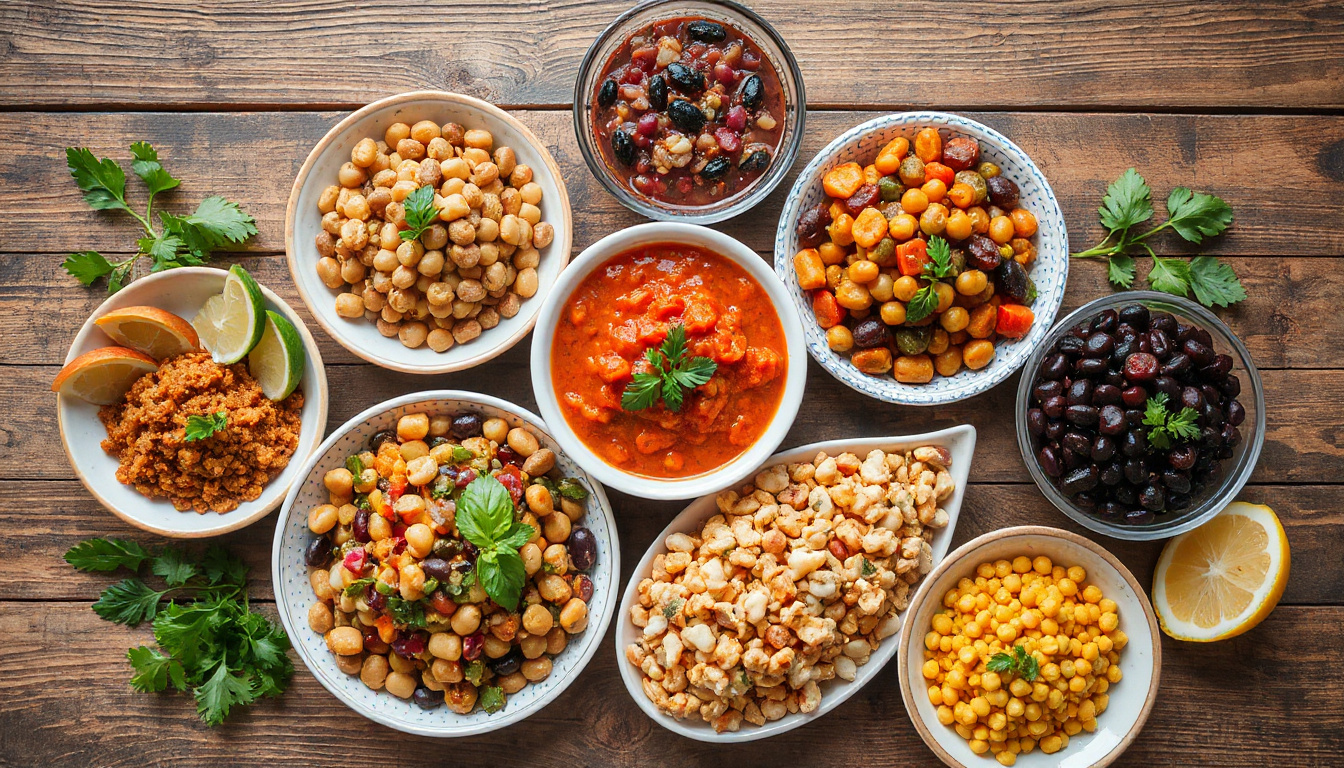
1. Breakfast Addition: Start your day off right! Try adding black beans to your morning scrambled eggs or incorporate a spoonful of chickpeas into a smoothie for an unexpected protein kick.
2. Lunch Booster: Toss a handful of lentils or beans into salads for added texture and nutrition. They pair beautifully with leafy greens and your favorite salad dressings.
3. Snack Time: Instead of reaching for a bag of chips, grab some roasted chickpeas. They’re crunchy, flavorful, and surprisingly satisfying!
4. Dinner Essential: Turn your soups, stews, and curries into heartier meals by adding different types of beans. Not only do they enhance the flavor, but they also make it more nutritious.
5. Simple Spreads: Blend cooked beans with garlic and herbs for a unique spread to enjoy on toast or as a dip for veggies. Hummus, made from chickpeas, is a fantastic example that has taken the world by storm.
We’ve all had those moments where we just can’t seem to stay on track with our diets. But integrating beans and legumes can help shift your focus from restrictive eating to enjoying nourishing foods that support your health.
Conclusion
Embracing beans and legumes in our diets is more than just a trend; it’s a lifestyle shift towards better gut health and effective weight management. When we nourish ourselves with whole, fulfilling foods, we’re taking meaningful steps toward wellness. And remember, you don’t have to overhaul your entire meal plan overnight. Small changes can lead to incredible results over time.
So, have a little fun with it! Try different varieties, experiment with new recipes, and enjoy the journey to a healthier you. Your gut (and your taste buds) will thank you for this simple yet effective adjustment.
FAQ
Q: What are the best beans and legumes for weight loss?
A: Some of the best options include black beans, lentils, and chickpeas as they are high in fiber and protein, keeping you full longer.
Q: How do beans support gut health?
A: Beans are rich in dietary fiber, which fuels healthy gut bacteria, helping to improve digestion and overall gut health.
Q: Can I eat beans every day?
A: Yes, incorporating a variety of beans and legumes into your daily diet is healthy and can provide numerous health benefits. Just be sure to drink plenty of water to support digestion.
Conclusion and Recommendations
When it comes to the best beans and legumes for gut health and weight management, they really are our unsung heroes in the kitchen. These incredible little nuggets aren’t just filling; they pack a powerful punch of nutrients that can help support your digestive system and keep your waistline in check. If you’ve ever struggled with bloating, uncomfortable digestion, or simply trying to find satisfying foods that help you feel good, you’re not alone—and trust me, I’ve been there.
So let’s recap some of the best options we can include in our diets:
• Black beans: Packed with fiber and protein, these beauties keep you feeling full and support your gut bacteria.
• Chickpeas: Whether in a salad, roasted, or blended into hummus, chickpeas are versatile and chock-full of nutrients.
• Lentils: Generally low in calories and high in fiber, lentils are perfect for weight management without sacrificing satisfaction.
• Kidney beans: Rich in both soluble and insoluble fiber, kidney beans can help keep blood sugar levels in check.
• Peas: Light and easy to digest, peas can promote gut health and provide a good protein source.
As you navigate your journey towards better gut health and weight management, I encourage you to experiment with these types of beans and legumes. Incorporate them into your meals gradually, allowing your stomach to adjust to the increased fiber—nothing too drastic all at once! Embrace the process of discovery; try new recipes, mix them with grains, toss them in salads, or blend them into smoothies. You might just uncover a new favorite dish!
Remember, our gut health plays a crucial role in our overall well-being and happiness, so treating your gut to a variety of these wonderful foods is a great step towards feeling your best. Start small, be gentle with yourself, and enjoy the delicious benefits of these nutrient-dense foods.
Frequently Asked Questions
What are the best beans and legumes for gut health?
Some of the best beans for gut health include black beans, kidney beans, chickpeas, and lentils. These options are rich in fiber, which promotes healthy digestion and can help prevent constipation.
How do beans and legumes help with weight management?
Beans and legumes are low in calories and high in protein and fiber, which can help keep you feeling full longer. This can prevent overeating and aid in weight loss or management when included in a balanced diet.
How can I incorporate beans and legumes into my diet?
You can add beans and legumes to salads, soups, stews, or stir-fries, or use them as a meat substitute in tacos and burritos. They can also be blended into smoothies or used in baking to boost nutritional content.
Are there any potential side effects of eating beans and legumes?
Some individuals may experience gas or bloating when consuming beans and legumes due to their high fiber content. To mitigate this, introduce them gradually into your diet and ensure they are cooked properly.
Can beans and legumes fit into all diet types?
Yes, beans and legumes are versatile and can fit into various diet types, including vegetarian, vegan, Mediterranean, and even ketogenic diets, depending on how they are incorporated.
This post may contain affiliate links which means I may receive a commission for purchases made through links. I will only recommend products that I have personally used! Learn more on my Private Policy page.


