Have you ever felt that familiar ache in your knees or hips after a workout, making you question whether exercising is worth the discomfort? You’re not alone. Many individuals, especially those with joint pain, often struggle to find a balance between staying active and protecting their joints. The fear of aggravating an existing injury or feeling too sore can make it seem like all workouts are off-limits.
But what if I told you there are low-impact workouts that are designed specifically for you—taking the strain off your joints while still offering a great way to maintain fitness? In this article, we’ll explore the importance of joint health, the benefits of low-impact workouts, and practical steps to create a routine that feels right for you. By the end, you’ll not only understand how to move safely and effectively but you’ll also feel empowered to embrace exercise without the dreaded fear of pain. Let’s take this journey together!

Key Takeaways
- Maintaining joint health is crucial for overall mobility and quality of life.
- Low impact workouts minimize stress on joints while providing effective exercise benefits.
- Incorporating exercises like swimming, cycling, and yoga can enhance joint flexibility and strength.
- Creating a personalized low impact workout routine can help cater to individual fitness levels and goals.
- Consulting a healthcare professional is important when experiencing persistent joint pain or discomfort.
Understanding Joint Health and Its Importance
Joint health plays a crucial role in our overall well-being, especially as we age or engage in regular physical activity. Understanding how to maintain healthy joints is vital because compromised joint function can lead to chronic pain, reduced mobility, and even a decline in the quality of life. But here’s the silver lining: incorporating low impact workouts that are easy on your joints can make a significant difference in your health journey. These exercises not only help in preserving joint integrity but also improve strength and flexibility, making daily activities easier and more enjoyable. Many people fear that exercise will exacerbate their joint pain, but low impact alternatives provide a gentle yet effective way to stay active without straining your joints. Imagine a form of movement that allows you to engage with your body while protecting your joints – that’s the beauty of these workouts.
Benefits of Low Impact Workouts
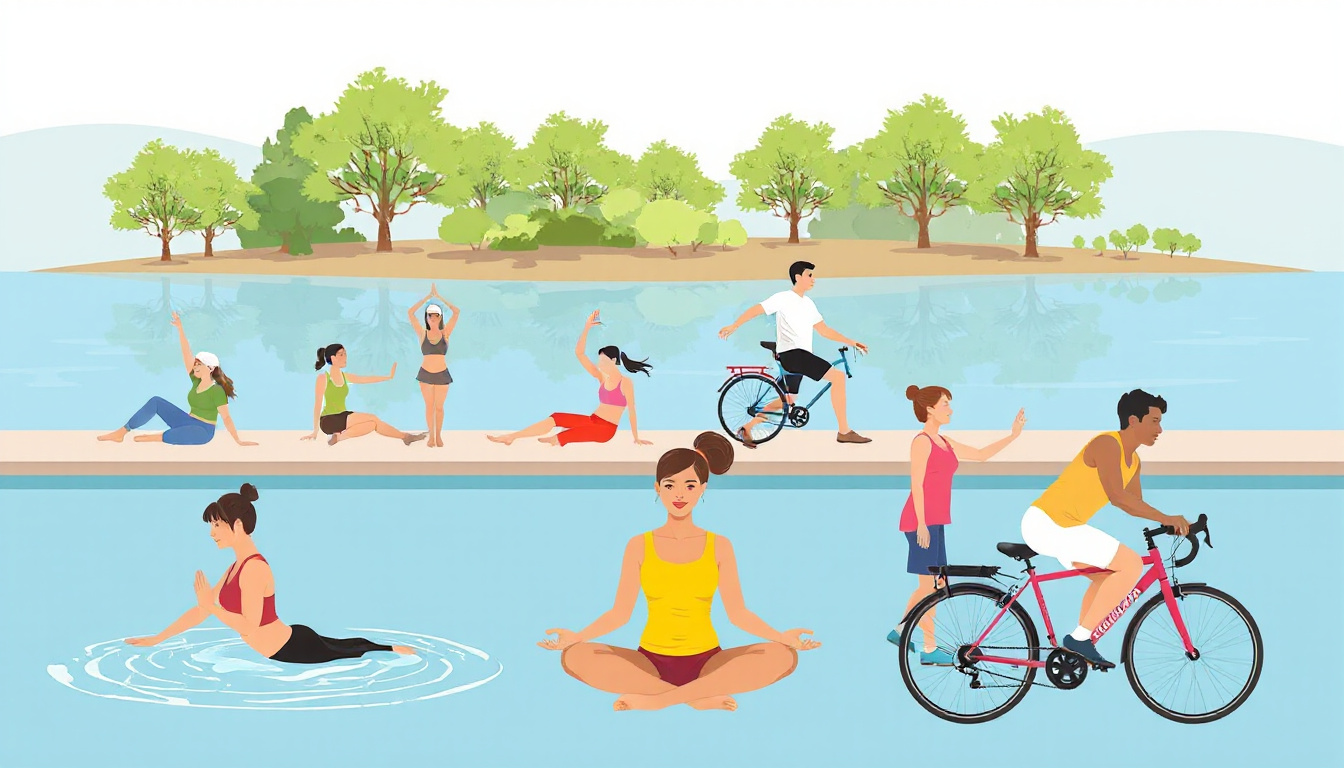
Low-impact workouts are a blessing for those who feel the struggle of sore joints or the aftermath of a long day on their feet. They allow for movement and fitness without the jarring effects associated with high-intensity exercises. Imagine the feeling of stretching your body, strengthening your muscles, and improving your cardio health, all while keeping your joints safe and sound. Popular options like cycling, swimming, or even gentle yoga not only help tone your body and boost your endurance but also offer a low-risk alternative for injury-prone individuals.
These workouts embrace the philosophy that fitness can be enjoyed without pain. They’re especially beneficial for seniors, those recovering from injury, or anyone who’s struggled with joint issues. Their gentle nature means you can enjoy the road to fitness with less dread and more enthusiasm, making it easier to stick with your routine. With low-impact workouts that are easy on your joints, you can envision a healthier, more active version of yourself that doesn’t come at the cost of comfort.
‘Movement is a medicine for creating change in a person’s physical, emotional, and social health.’ – Carol Welch
Top Low Impact Exercises
When you think about exercise, the first image that might come to mind is a high-intensity workout that leaves you breathless and sore. But for many, especially those dealing with joint pain or recovering from injury, this traditional view of fitness can feel intimidating and even out of reach. The good news is that there are plenty of low impact workouts that are easy on your joints yet still effective in improving your strength, flexibility, and overall well-being.
What Are Low Impact Workouts?
Low impact workouts are exercises that minimize stress on your joints while still allowing your body to move and strengthen muscle groups. These workouts are perfect for anyone ready to safely engage with fitness without the fear of aggravating existing pain or causing new injuries. Whether you are starting from scratch or looking to maintain your activity level, low impact alternatives provide an excellent way to stay fit.
Popular Low Impact Workouts
Swimming: The buoyancy of the water supports your body and alleviates pressure on your joints, making swimming one of the most joint-friendly workout options.
Cycling: Whether on a stationary bike or out on the road, cycling is great for building leg strength without the impact involved in running. Plus, it’s a fun way to explore your environment!
Yoga: Focusing on flexibility, balance, and strength, yoga can be modified for any skill level while being gentle on the joints. Plus, it promotes relaxation and reduces stress, which is essential for overall health.
Pilates: This workout emphasizes core strength and stability, all while minimizing stress on your joints. Many find that Pilates not only helps with strengthening but also improves posture and joint alignment.
Tai Chi: This slow, meditative martial art is known for its graceful movements and can be particularly beneficial for improving balance and flexibility without putting stress on the body.
Why Choose Low Impact Workouts?
Engaging in low impact exercises allows you to enjoy the benefits of physical activity without overexerting yourself. For those with joint concerns, low impact workouts can provide a much-needed relief while still working towards fitness goals. Research has shown that people who opt for low impact options often experience better long-term exercise adherence, reduced risk of injury, and overall enjoyment in their workout routine.
Overcoming Initial Hesitations
You may still have reservations about whether these low impact styles can truly provide effective workouts or results that meet your fitness goals. It’s essential to understand that even low intensity doesn’t mean low effectiveness. Many believe that strength gains are unattainable without ‘high-energy’ routines, but the opposite can be true—slower movements often allow for more focus on form, which might lead to better overall outcomes.
Natural Call to Action
If you find yourself grappling with joint pain or simply want a gentler approach to fitness, consider starting with one or more of these low impact workouts that are easy on your joints. Remember, your body will thank you for it, and the long-term benefits are worth the small adjustments in your routine. Ready to dive in? Join a local class or find a community online that can support your journey to a healthier lifestyle, one gentle movement at a time.
How to Create a Low Impact Workout Routine
Are you feeling frustrated with traditional workout routines that leave your joints aching and your body fatigued? Maybe you’ve tried high-intensity classes or grueling cardio sessions, only to end up feeling sore and defeated. If this resonates with you, you’re not alone. Many are searching for low impact workouts that are easy on your joints, allowing you to stay active without the pain. This article is your guide towards creating a workout routine that respects your body while still challenging you in all the right ways.
Why Low Impact Workouts?
Low impact workouts minimize the amount of stress placed on your joints, making them an ideal choice for anyone dealing with joint pain, recovering from injury, or simply seeking a gentler form of exercise. Imagine feeling invigorated after your workout instead of drained or injured. The beauty of low impact exercises is that they can enhance your strength, flexibility, and cardiovascular health while reducing your risk of strain.
Common Misconceptions About Low Impact Exercise
You might wonder if low impact means low effort. It’s a common misconception! The truth is, low impact workouts can be quite challenging and often yield excellent results. While they do put less strain on your joints, they can still increase your heart rate and improve your fitness levels. Think of it as a shift in mindset – you’re prioritizing sustainable exercise over temporary intensity.
Building Your Low Impact Workout Routine
Creating your own low impact workout routine is easier than you might think. Start by including exercises that keep both your body and mind engaged:
• Walking: A simple yet effective way to improve cardiovascular health. Try brisk walking to elevate your heart rate.
• Swimming: An excellent full-body workout that’s extremely gentle on your joints. Plus, it’s refreshing and enjoyable!
• Yoga or Pilates: These practices enhance flexibility and core strength, often incorporating movements that promote joint stability.
• Cycling: Whether on a stationary bike or outdoors, cycling provides a fantastic way to work your legs without stressing your knees.
Practical Tips for Success
When crafting your routine, aim for a mix of activities that you enjoy. Listen to your body, and don’t hesitate to adapt exercises to suit your comfort level. One helpful tip is to start with shorter sessions, gradually increasing the duration as your body adapts. Also, consider integrating additional mobility work or strength training using resistance bands to further support joint health.
Building Confidence in Your Routine
It’s normal to feel hesitant about starting a new workout regimen, especially if you’ve experienced pain in the past. But remember, you are taking steps towards better health. Surround yourself with supportive communities or consider working with a trained professional who understands low impact exercise.
The Path Forward
As you embark on this journey of finding workouts that are easy on your joints, approach it with patience and curiosity. Celebrate the small victories, and remember that consistency is key. You’re not just avoiding pain; you’re crafting a lifestyle that promotes longevity and well-being.
Ready to Get Started?
There’s never a better time to prioritize your health with low impact workouts that are easy on your joints! Embrace the journey and feel empowered. If you need guidance or more resources on developing a personalized plan, consider reaching out to a fitness professional or exploring community classes designed for low impact options. Your body will thank you!
Tips for Staying Motivated with Low Impact Workouts
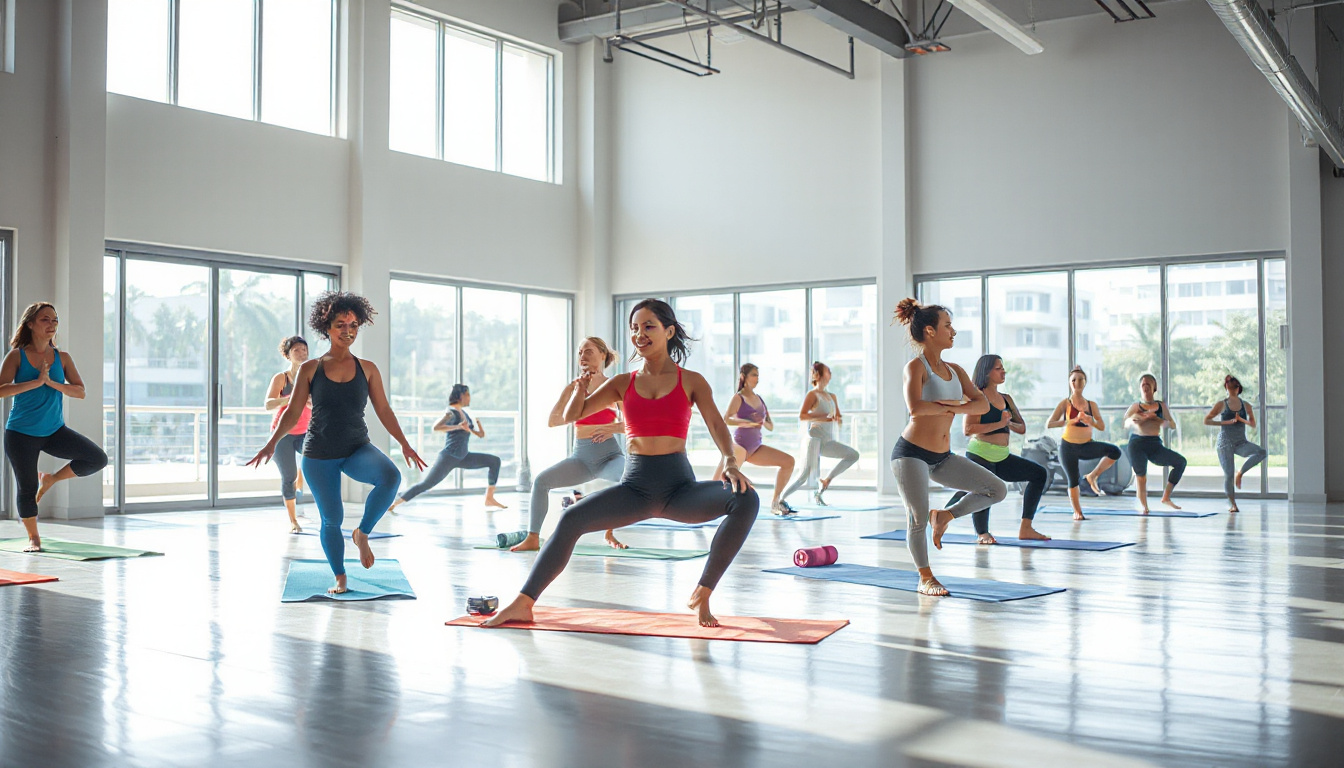
Staying motivated can be a challenge, especially when life gets busy or when you feel that your workout routine is lacking excitement. Low impact workouts that are easy on your joints can be an excellent way to keep your fitness journey enjoyable while also being gentle on your body. One effective tip for maintaining your motivation is to vary your routine. Experiment with different low-impact exercises—like swimming, cycling, or yoga—to keep things fresh and engaging. You can also set small, achievable goals to celebrate along the way, which will give you that sense of accomplishment and encourage you to keep moving forward. Finding a workout buddy can add a social element to your exercise routine, making it not just about physical activity, but about connection and fun. And remember, it’s perfectly okay to listen to your body; if something feels off, try a different approach or exercise. Embracing these adaptable strategies can help you stay energized and focused, ensuring that low-impact workouts remain a fulfilling part of your life.
When to Consult a Professional for Joint Pain
Joint pain can subtly creep into our lives, often bottling up our enthusiasm for daily activities, but when it becomes a frequent visitor, knowing when to seek help can feel daunting. Imagine this: you finally summon the courage to participate in a fun run or a dance class, but that familiar ache in your knees or hips holds you back. You’re not alone in this struggle; many people experience frustration and fear surrounding their joint health, wondering if they can return to the activities they love.
The good news is that there are low impact workouts that are easy on your joints, and they are a great starting point. However, this raises an important question: when should you consult a professional about your joint pain?
Listen closely to your body. If your discomfort lingers beyond a few days, significantly affects your mobility, or is accompanied by swelling or redness, it may be time to reach out to a healthcare provider. Specifically, look for signs such as persistent pain during low-impact activities or if rest and at-home treatments don’t seem to help. Ignoring these signals could lead to more significant problems down the road.
Taking this step might seem intimidating, but understanding what’s really happening with your joints can pave the way for a more active and fulfilling life. Sometimes, our fears stem from misconceptions; many assume they must tolerate discomfort or abandon their favorite workouts altogether. But this doesn’t have to be your reality. There are targeted solutions—whether it’s physical therapy or a tailored exercise program—that can help you regain strength and mobility without exacerbating your existing issues. So, embrace the possibility of healing: consult with your doctor or a physical therapist to discuss your joint pain and explore the scope of low-impact workouts that can fit your lifestyle.
Frequently Asked Questions
What are low impact workouts and why are they beneficial for joint health?
Low impact workouts are exercises that put minimal stress on your joints while still providing a good cardiovascular and muscular workout. These exercises are beneficial for joint health because they reduce the risk of injury and inflammation, making them suitable for individuals with joint issues or those recovering from injuries.
What are some examples of low impact exercises?
Some examples of low impact exercises include walking, cycling, swimming, yoga, Pilates, and using an elliptical machine. These activities provide a sufficient workout without the jarring movements associated with higher impact exercises.
How can I create a low impact workout routine?
To create a low impact workout routine, start by choosing a variety of low impact exercises you enjoy. Aim for a balanced routine that includes cardiovascular exercise, strength training, and flexibility work. Additionally, schedule your workouts throughout the week, adding rest days as needed for recovery.
What tips can help me stay motivated with low impact workouts?
To stay motivated with low impact workouts, set achievable fitness goals, track your progress, workout with friends, or join a class for support. Incorporating variety in your routine and celebrating small achievements can also keep you engaged and motivated.
When should I consult a professional for joint pain related to exercise?
If you experience persistent joint pain, swelling, or discomfort during or after exercise, it’s important to consult a healthcare professional. They can assess your condition and provide guidance on suitable exercises or therapies that can help alleviate your joint pain.
Sometimes improving your health doesn’t require an intense fitness plan or hours at the gym. Often, it begins with small movements repeated consistently — a walk after dinner, a few stretches in the morning, or choosing to move your body a little more today than you did yesterday.
If you’re looking for a simple, encouraging way to build strength, improve mobility, and create healthy exercise habits that actually fit into real life, the Exercise for Health Bundle was created to help.
Inside you’ll discover practical strategies, beginner-friendly guidance, and supportive tools designed to help you move with more confidence, improve your overall wellness, and create a sustainable routine without feeling overwhelmed.
Learn more about the Exercise for Health Bundle here:
https://healthyeatingandfitness.com/MoveBetterDaily.html
You don’t have to do everything. Just keep moving forward, one step at a time.
This post may contain affiliate links which means I may receive a commission for purchases made through links. I will only recommend products that I have personally used! Learn more on my Private Policy page.


