In today’s fast-paced world, many of us find ourselves hunched over computers, cradling our phones, or spending hours on the sofa, leading to the all-too-common enemy: poor posture. If you’re reading this, chances are you’ve noticed it—perhaps as an aching back, tension in your neck, or that uncomfortable feeling of being ‘misaligned.’
Struggling with poor posture can feel isolating, making daily activities a challenge, and fostering a nagging sense of self-consciousness. You may fear that your posture is affecting your physical health or even how others perceive you.
But you’re not alone in this struggle. Millions of people experience similar frustrations, and the good news? Improving your posture can be a natural, achievable goal. Together, we’ll explore what poor posture really means, how to become more mindful of it, and actionable steps towards standing taller and feeling better. Let’s embark on this journey towards improved posture naturally—because you deserve to feel comfortable and confident in your own skin.
Key Takeaways
- Poor posture can stem from various causes including muscle imbalances and lifestyle habits.
- Mindful awareness is crucial for recognizing and correcting poor posture throughout the day.
- Strengthening postural muscles through targeted exercises can significantly enhance overall posture.
- Ergonomic practices in daily life, such as proper seating and desk arrangement, contribute to maintaining good posture.
- A holistic approach involving diet and professional guidance can support long-term posture improvement.
Understanding Poor Posture: Causes and Consequences
When it comes to understanding poor posture, it’s essential to recognize the myriad of causes that contribute to it and the far-reaching consequences that stem from poor alignment. Everyday habits, such as hunching over our phones or sitting for extended periods at a desk, can lead to our bodies developing a posture that feels comfortable in the moment but is detrimental in the long run. The physical strain from these habits often manifests in neck and back pain, but the effects can go beyond just discomfort – poor posture can lead to reduced lung capacity, increased stress levels, and even hinder our ability to focus. Understanding these dynamics is the first step toward learning how to improve poor posture naturally. When we acknowledge that poor posture isn’t merely a cosmetic issue but a health concern that affects our overall quality of life, we can begin to take actionable steps towards creating a more balanced and aligned body. By addressing the root causes, like muscle imbalances and habitual movements, we can seamlessly integrate natural solutions into our daily routines that reinforce healthy posture practices.
The Importance of Mindful Awareness
In our fast-paced, technology-driven world, poor posture has become a common struggle for many of us. Whether you find yourself hunched over a computer for hours or constantly looking down at your phone, the toll it takes on your body is undeniable. This isn’t just about aesthetics; it’s about your well-being. When you maintain poor posture, you might experience chronic pain, reduced mobility, and even diminished confidence. But here’s the good news: improving your posture naturally is possible, and at the heart of this transformation lies mindful awareness. Mindful awareness allows you to tune into your body, recognize how it feels in different positions, and make conscious choices about how you hold yourself throughout the day. By cultivating this awareness, not only can you make gradual adjustments to your posture, but you can also foster a deeper connection with your body, leading to better overall health. Imagine feeling lighter and more aligned, with less tension in your shoulders and neck! In the following sections, we will explore simple yet effective techniques that empower you to take control of your posture naturally—all while increasing your awareness and appreciation of your body.
‘The posture you hold affects your energy, your heart, and your overall mood. Stand tall, and more importantly, breathe deeply.’ – Unknown

Exercises to Strengthen Postural Muscles
Improving poor posture naturally can seem overwhelming, especially if you’ve been living with discomfort or pain for years. But take a moment to breathe and realize that you’re not alone in this journey. Many individuals grapple with the subtle yet persistent consequences of poor posture—from back pain to diminished confidence. These challenges often arise from the combination of sedentary lifestyles and the stresses of daily life. Yet, the good news is that strengthening your postural muscles is entirely achievable with a few simple exercises.
1. Plank
This classic exercise helps to stabilize your core and strengthen the muscles that support your spine. Start in a push-up position, but rest on your forearms instead of your palms, ensuring your body forms a straight line from head to heels. Hold this position for 30 seconds to one minute, gradually increasing the time as your strength improves.
2. Wall Angels
This exercise is fantastic for opening up your shoulders and improving upper back strength. Stand with your back against a wall, feet a few inches away. Keep your shoulders, head, and tailbone touching the wall as you slide your arms up and down, resembling a snow angel motion. Do this for about 10 repetitions, focusing on maintaining contact with the wall.
3. Standing Back Extensions
Stand upright with your feet shoulder-width apart. Place your hands on your hips and gently arch your back while lifting your chest toward the sky. Hold for a count of five and return to neutral. This eases lower back tension and enhances posture with regular practice.
4. Cat-Cow Stretch
This yoga-inspired exercise can alleviate back tension and foster spine flexibility. On your hands and knees, alternate between arching your back toward the ceiling (cat) and lowering your belly while lifting your head (cow). Repeat for several breaths, feeling the gentle stretch along your spine.
Integrating these exercises into your daily routine not only strengthens your postural muscles but boosts your overall well-being. Remember, the key is consistency over perfection. Start small, find joy in the movement, and celebrate the gradual improvements. You’ll soon be standing taller and feeling more confident in your body.
Ready to embrace better posture naturally? Begin your journey by incorporating these exercises into your routine. Let’s move toward a stronger, healthier you. For a more comprehensive posture improvement guide, check out our article on common posture mistakes.
Incorporating Ergonomic Practices in Daily Life
Imagine waking up each day feeling achy and stiff, struggling to get comfortable in your own body. If you’ve been battling poor posture, you’re not alone—many people find themselves in the same uncomfortable predicament. The reality is that the way our bodies are built and the habits we form can easily lead us to slouch or hunch over without even realizing it. Those nagging aches in your back or neck could be a direct result of these daily postural habits, and it’s completely understandable that you desire relief and a sense of ease in your movements. You might fear that changing long-standing habits could be too complicated or that you won’t see a significant difference. The good news? Improving your posture naturally doesn’t have to be overwhelming! With a few simple ergonomic practices incorporated into your daily life, you can begin to feel the relief you’ve been longing for.
Understanding Poor Posture and Its Impact
Poor posture affects not only how you feel physically but also impacts your overall sense of well-being. Every time you hunch over your computer or scroll through your phone, your muscles become accustomed to that position, leading to discomfort and pain. This cycle of tension can make everyday tasks feel daunting and draining. But fear not—understanding what contributes to your posture can empower you to take back control.
Addressing Myths and Misconceptions
You may have heard that fixing your posture requires extensive effort or expensive gadgets. It’s a common misconception that we need to invest in fancy equipment, but the reality is that small consistent changes can yield significant improvements over time. Before diving into solutions, it’s vital to recognize that change doesn’t happen overnight; it’s about making mindful adjustments in your routine, allowing your body to gradually adapt.
Practical Steps for Incorporating Ergonomic Practices
1. Mind Your Workspace: Evaluate your home office or workspace setup. Your chair should support your lower back, and your computer screen should be at eye level to prevent straining your neck.
2. Movement Breaks: Set a timer to remind yourself to take short breaks every 30 minutes. Use this time to stretch, walk around, or perform simple exercises that promote good posture.
3. Strengthening Exercises: Incorporate back-strengthening exercises and stretches into your routine, like shoulder blade squeezes or yoga poses, which can help counteract the stiffness from poor posture.
4. Awareness Practices: Being aware of your body throughout the day can make a world of difference. Regularly check in with your posture while sitting, standing, or walking, and gently correct it when needed.
5. Use Support When Needed: Invest in ergonomic tools like lumbar support cushions or a standing desk if feasible, but remember that the goal is to utilize them to support your natural posture without becoming overly reliant.
Building Confidence in Your Journey
Change can feel daunting, but remember to be gentle with yourself. Celebrate small victories along the way, whether it’s feeling less tension after a day or noticing how your posture improves. Having a trusted guide can be immensely helpful in navigating this journey.
Your Next Steps Toward Better Posture
Taking the first steps toward correcting your posture can be exciting and empowering. It’s never too late to adopt healthier habits that will enhance your quality of life. By incorporating these ergonomic practices into your daily routine, you’ll not only alleviate discomfort but also foster a deeper sense of awareness and care for your body. Ready to begin your journey toward better posture? Start with one simple change today, and watch as it transforms your experience.
Typical questions might arise, such as how often should I stretch or whether there are specific exercises for office workers. Remember, engaging with this content is just the start; feel free to reach out for personalized tips or guidance tailored for your unique situation!
Diet and Lifestyle Tips for Supporting Good Posture
If you’ve been spending hours hunched over a computer or staring down at your phone, you’re not alone. Many people today struggle with poor posture, leading to discomfort and fatigue. The reality is that this uncomfortable strain is often a result of our daily habits and lifestyle choices. Perhaps you feel that your posture affects not only your physical health but also how you feel about yourself. You may fear that it’s too late to change your stance or that any improvements will require effort you don’t have time for.
But here’s the good news: you can improve poor posture naturally through simple yet effective diet and lifestyle adjustments. It’s not just about sitting up straight; much of it ties into the nourishment you provide your body and the daily movements you engage in. So let’s explore how embracing certain foods and habits can support healthier posture, without the pressure of adding an elaborate exercise routine to your busy life.
Understanding the Connection Between Diet and Posture
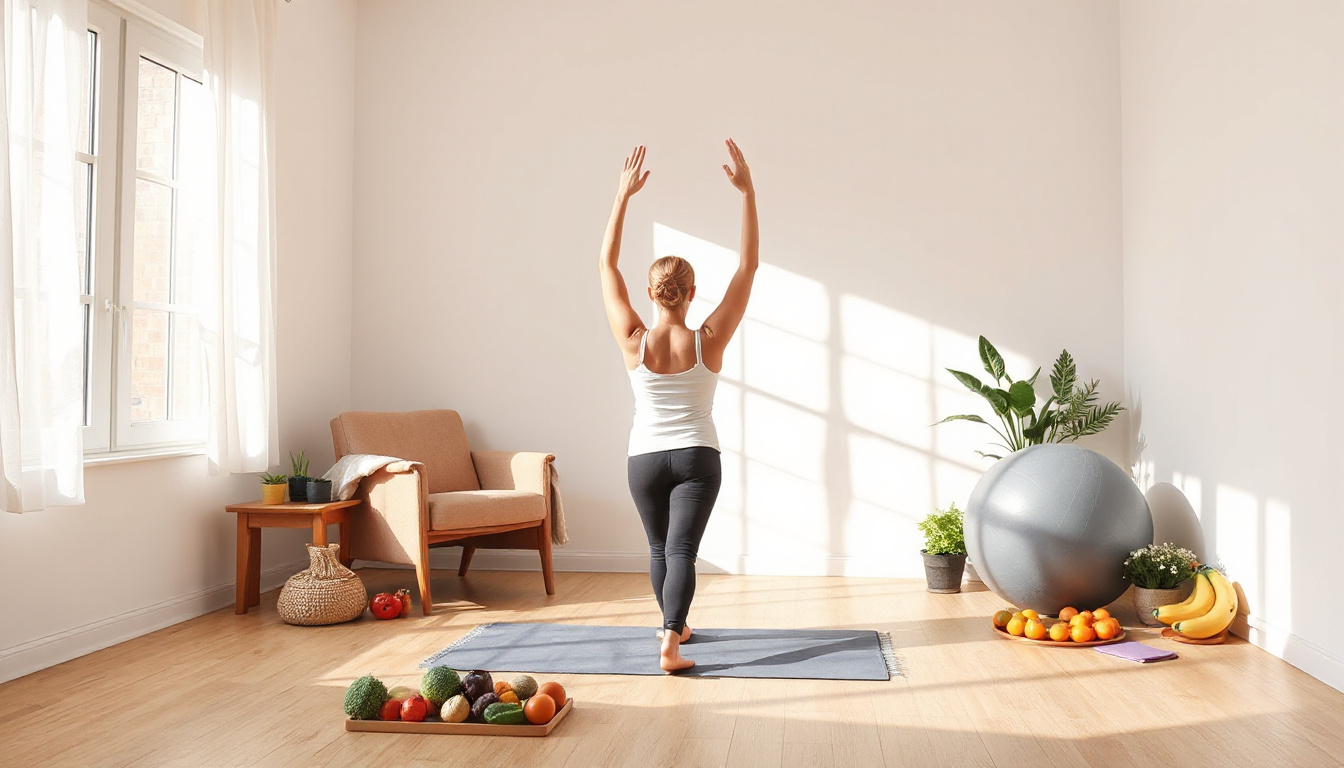
Your diet plays a significant role in the health of your muscles and bones, which are essential for maintaining good posture. Foods rich in calcium, vitamin D, and magnesium can support bone density and muscle strength. Consider incorporating leafy greens, nuts, dairy, and fish into your meals. Staying well-hydrated by drinking plenty of water is also crucial, as it helps maintain muscle elasticity. Consider this: when your body lacks essential nutrients, it can lead to muscle imbalances that contribute to poor posture. By eating a balanced diet, you’re not only feeding your body but also laying the foundation for better posture.
Lifestyle Changes for Better Posture
Alongside nutrition, your daily habits play a pivotal role in supporting good posture. Here are some practical tips:
1. Mind your workspace: Ensure that your workstation is ergonomically friendly. Your chair should support your lower back, and your computer screen should be at eye level.
2. Practice mindful movement: Incorporate stretching and movement breaks throughout the day. Simple stretches for your back, shoulders, and neck can relieve tension and reset your posture.
3. Strengthen your core: A strong core not only supports your spine but also helps maintain balance. Exercises like planks and bridges can be done without formal workouts.
4. Engage in low-impact activities: Activities like yoga or swimming can gently encourage good posture and alignment.
Building a Routine: Small Steps Lead to Big Changes
Begin to weave these dietary and lifestyle strategies into your daily routine incrementally. Start by adding one nutritious food each week or committing to 5 minutes of stretching daily. Acknowledge your progress along the way; every small change counts. Ultimately, cultivating better posture takes time, but with patience and consistency, it becomes second nature.
Conclusion: Your Path to Natural Improvement
Embracing these diet and lifestyle tips for posture can feel empowering, letting you take charge of your well-being. You don’t have to overhaul your life; simply focus on gradual, manageable changes. In time, you’ll likely notice not only improved posture but also enhanced confidence and well-being. So why not start today? Your body will thank you!
Ready to transform your posture naturally? Start with your next meal—choose one nutritious food that supports muscle health, and take your first stretch break of the day. You’ve got this!
The Role of Professional Guidance in Posture Improvement
When it comes to improving poor posture, many people often feel overwhelmed and uncertain about where to start. You might have tried various methods with little success, leaving you frustrated and even fearful that your bad posture could lead to serious health issues down the line. You want to feel confident and carry yourself with pride, but misinformation and a saturated market of quick fixes make it challenging to find the right path. This is where professional guidance can make a world of difference.
A skilled expert can offer personalized insights into your specific situation—from your body mechanics to your daily habits. They can help unravel the complexities of your unique posture issues, providing tailored advice rather than a one-size-fits-all solution. Imagine having someone there to demonstrate exercises, ensure you’re performing them correctly, and adjust your technique as needed. This direct support can significantly mitigate the fear of injury or exacerbating your condition, instilling you with the confidence to commit to the process. Moreover, professional guidance emphasizes sustainable practices, focusing on natural ways to integrate better posture into your daily life through education and real-world applications, rather than relying solely on temporary aids or invasive treatments.
Incorporating regular sessions with a trained professional is a forward step—a commitment towards enhancing not just your posture, but your overall well-being. As you begin this journey, know that every small effort contributes to your long-term health goals, making the support of a professional a key player in your success.
Frequently Asked Questions
What are the common causes of poor posture?
Common causes of poor posture include prolonged sitting, lack of physical activity, improper ergonomics at work, muscle imbalances, and poor awareness of body alignment.
How can I become more mindful of my posture throughout the day?
You can improve mindful awareness by regularly checking in with your posture during the day, using reminder apps, practicing mindfulness techniques, and setting cues in your environment to encourage good posture.
What exercises can help improve my posture?
Exercises such as planks, bridges, chest openers, and shoulder blade squeezes are effective in strengthening the muscles that support good posture. It’s also beneficial to incorporate stretches for tight areas like the chest and hip flexors.
What ergonomic practices should I adopt in my workspace?
To promote good posture at work, ensure your chair offers lumbar support, your computer screen is at eye level, and your feet are flat on the ground. Additionally, take regular breaks to move and stretch.
When should I seek professional guidance for my posture issues?
If you experience persistent pain, discomfort, or if self-guided methods do not lead to improvement, it’s advisable to consult with a healthcare professional such as a chiropractor, physical therapist, or occupational therapist.
This post may contain affiliate links which means I may receive a commission for purchases made through links. I will only recommend products that I have personally used! Learn more on my Private Policy page.
