Burnout is a term we hear often these days, but for those experiencing it, it feels like an all-consuming fog. If you’re feeling constantly exhausted, irritable, or disengaged from your passions and responsibilities, know that you’re not alone in this struggle. Many people find themselves teetering on the edge of emotional and physical depletion, searching for solutions amidst the chaos. Now more than ever, it’s crucial to turn our attention to a powerful, yet often overlooked, ally in the battle against burnout: nutrition.
You might be wondering, ‘How can what I eat really impact my mental state and energy levels?’ The answer lies in understanding the intricate relationship between our food choices and our mental health. In this article, we will explore the ins and outs of burnout, the pivotal role nutrition plays in maintaining our mental wellbeing, and practical steps you can take to nourish your body and mind, even in the busiest of times. We’ll dive deep into what specific nutrients can help restore balance and offer meal-planning tips tailored for those with packed schedules. This journey is about rebuilding your energy and enthusiasm for life, and finding the nourishment that truly supports both your body and your mind.

Key Takeaways
- Burnout is often caused by chronic stress, leading to physical and emotional exhaustion.
- Proper nutrition plays a crucial role in maintaining mental health and preventing burnout.
- Key nutrients such as omega-3 fatty acids, B vitamins, and antioxidants can help combat the effects of burnout.
- Meal planning and preparation can significantly aid in managing stress and ensuring a balanced diet.
- Staying hydrated is essential for maintaining energy levels and supporting overall well-being.
Understanding Burnout: Causes and Symptoms
Burnout is more than just feeling tired; it’s a state of emotional, physical, and mental exhaustion caused by prolonged stress. For many, it often arises in the workplace, but various life pressures can contribute to this debilitating condition. Imagine waking up every day feeling drained and unmotivated, struggling to find joy in activities you once loved. Your mind feels foggy, and every task feels like an uphill battle – that’s the harsh reality of burnout.
But what exactly leads to this overwhelming fatigue? Several factors can contribute, including chronic work-related stress, lack of work-life balance, unrealistic expectations, and even personal life stressors. You might be wondering if there are ways to combat these feelings, particularly through nutrition. This is where understanding ‘How Nutrition Can Help Prevent Burnout’ becomes essential. From boosting your mood with the right eatables to ensuring optimal brain function through a balanced diet, the food we consume holds significant power over our mental health and resilience against stress. Recognizing these symptoms early, such as headaches, irritability, and a sense of hopelessness, is crucial for addressing the root causes of burnout.

Let’s explore how adjusting your nutrition can form a foundational part of mitigating these symptoms and bolstering your mental well-being, guiding you away from the brink of burnout.
The Role of Nutrition in Mental Health
In today’s fast-paced world, the connection between our mental health and the nutrition we consume is becoming impossible to ignore, especially when considering how nutrition can help prevent burnout. Many of us find ourselves stretching our limits—whether in demanding jobs, juggling family responsibilities, or simply staying perennially busy. This relentless pace can leave us feeling drained and overwhelmed, often leading to a state where burnout feels inevitable. But what if I told you that the food you eat could play a significant role in how you cope with these pressures?
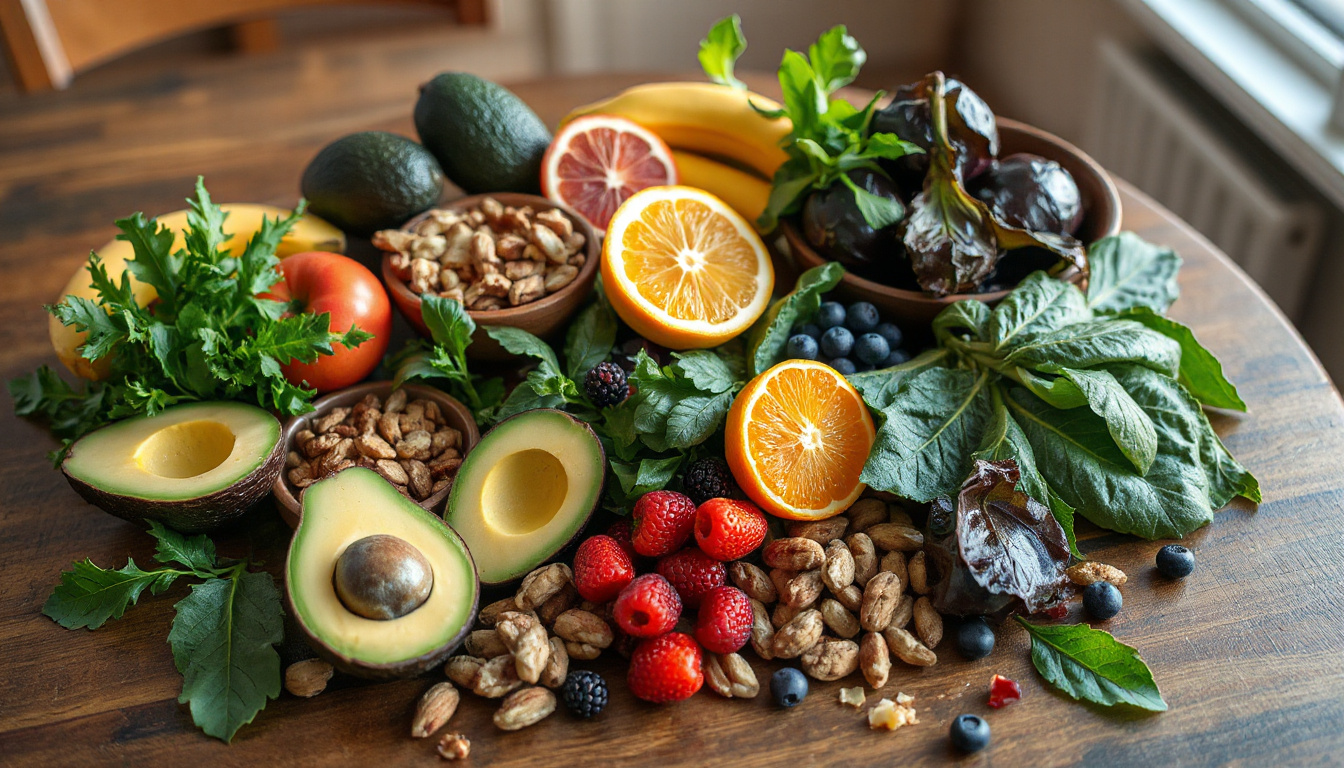
Understanding that your diet is more than just fuel is crucial; it’s about nourishing your brain and your body in ways that promote resilience and emotional stability. For instance, essential nutrients like omega-3 fatty acids found in fatty fish, antioxidants from fruits and vegetables, and complex carbohydrates from whole grains are linked to improved mood and cognitive function. When we are well-nourished, we are better equipped to handle stress, making proactive choices that can go a long way toward maintaining our mental energy and well-being.
This isn’t merely about the food you put on your plate—it’s about fostering a lifestyle that supports mental clarity and emotional health. Many might be skeptical, thinking, ‘Can what I eat really make such a difference?’ The truth is, while a balanced diet is certainly not a cure-all, it forms a foundational aspect of holistic mental health care. Research shows that deficiencies in certain nutrients can exacerbate feelings of stress and anxiety, which, if unchecked, can spiral into burnout. Therefore, taking the first step towards nourishing your mind and body not only counters this escalation but also signals a commitment to self-care during tumultuous times.
‘Let food be thy medicine and medicine be thy food.’ – Hippocrates
Key Nutrients to Combat Burnout
When we’re feeling burnt out, it can seem like every ounce of energy has been sapped away. It’s not just fatigue; it’s that sense of overwhelm that keeps you up at night, mentally replaying the day’s stresses, and worrying about tomorrow’s tasks. You might find yourself reaching for the quick-fix comforts—coffee or sugary snacks—only to feel a temporary boost followed by a crash, adding to the cycle of exhaustion. But, what you might not realize is that the very fuel you provide your body can play a vital role in combating this burnout. Each nutrient on your plate could be the difference between powering through another day and feeling completely depleted.
So, let’s dive into how specific nutrients can help nourish your body and mind, providing the support you need to prevent burnout and restore your energy levels.
1. Omega-3 Fatty Acids: Found in fatty fish, walnuts, and flaxseeds, omega-3s are crucial for brain health. They help mitigate feelings of anxiety and depression, making them a key player in your battle against burnout. Studies have shown that a diet rich in omega-3s can significantly improve your mood and cognitive function, allowing you to tackle your responsibilities with clarity.
2. B Vitamins: These vitamins, particularly B6, B12, and folate, play an essential role in energy production and mental health. Think of foods like leafy greens, eggs, and legumes. If you’re feeling depleted, low levels of B vitamins could be contributing to cognitive decline and fatigue. Incorporating these into your meals can help sustain your energy and enhance your mood, creating a buffer against stress.
3. Magnesium: This mineral is often dubbed the ‘stress-reliever.’ Magnesium-rich foods such as almonds, spinach, and black beans support muscle and nerve function, and regulate mood. Low magnesium levels can lead to fatigue, irritability, and decreased energy, making it critical to ensure you’re getting enough in your diet.
4. Vitamin C and Antioxidants: Foods high in vitamin C, like oranges and blueberries, not only support your immune system but also help reduce stress levels by lowering cortisol—the stress hormone. Antioxidants present in fruits and vegetables combat oxidative stress in your body, which can accumulate during taxing times. This means that filling your plate with colorful fruits and veggies can provide both immediate and long-term support against burnout.
5. Complex Carbohydrates: Instead of relying on sugary snacks for a quick boost, focus on whole grains and legumes. Foods such as brown rice, quinoa, and lentils release energy slowly, keeping your blood sugar stable and avoiding sudden crashes. This steadier energy release can promote better concentration and more sustainable productivity throughout the day.
By focusing on these essential nutrients, you can positively alter your physical and mental state. It’s not just about eating well; it’s about fueling your body in a way that enables you to thrive rather than merely survive. Remember, each meal presents an opportunity to take a step toward reclaiming your energy and building resilience against burnout. If you’re feeling overwhelmed by daily stressors, consider rearranging your meal patterns to prioritize these nutrients. The changes might be small, but the impact can be profound.
Meal Planning for Stress Management
In today’s fast-paced world, the weight of daily responsibilities can sometimes feel unbearable, leading us toward burnout. Are you one of the countless individuals juggling work deadlines, family demands, and personal aspirations, yet feeling utterly drained? If so, you’re not alone. This struggle is incredibly common, and recognizing it is the first step toward relief.
You might often find yourself reaching for the most convenient food options when stress peaks, only to feel that fleeting comfort diminish almost instantly. This cycle can leave you feeling lethargic and overwhelmed, perpetuating a sense of burnout. But what if I told you that the key to managing stress and preventing burnout might lie in what you eat? Nutrition is more than just fuel; it can be a powerful tool for emotional resilience and mental clarity.
Let’s take a moment to understand what is truly happening: when we’re stressed, our body craves quick energy sources. Unfortunately, these often come in the form of sugary snacks or processed foods that provide only temporary relief. Over time, this can lead to physical and emotional lows, rather than combating unwanted stress.
Instead of relying on these immediate fixes, it’s important to address some misconceptions here. Many people believe that meal planning can be a time-consuming chore, or that healthy foods are too expensive. In reality, meal planning can save you time and money while providing you with the nourishing foods that your body and mind crave to combat stress effectively.
By incorporating a variety of whole foods, including fruits, vegetables, lean proteins, and whole grains into your diet, you can foster better mental health. From a simple breakfast smoothie packed with spinach and bananas to a fulfilling quinoa bowl loaded with colorful veggies, these meals can boost your mood and stabilize your energy levels. Planning your meals in advance gives you the power to avoid those last-minute, less-nutritious choices that often arise when stress hits hard.
When the fog of burnout starts to lift, you’ll notice improved focus, heightened energy levels, and a greater sense of calm in your daily life. Your body will thank you, and so will your mind. To build your confidence in this journey, start small. Choose one day a week to plan your meals and gradually develop a system that works for you. Consider preparing bulk quantities of healthy meals that can be refrigerated or frozen for convenience.
Finally, it’s crucial to recognize that nourishing your body is a significant step toward emotional and mental wellness. Embracing this journey of intentional meal planning and nutrition can empower you to manage stress and prevent burnout more effectively.
Take the first step today: start planning one healthy meal for the week to build habits that nurture your body and mind. And remember, it’s okay to seek out professional guidance if you need support on your path to wellness. Your well-being is worth it.

Hydration and Its Impact on Energy Levels
Imagine this: you’re sitting at your desk, glancing at the never-ending list of tasks in front of you, and suddenly, the weight of exhaustion pulls at your eyelids. Have you ever felt like burnout is creeping in, dimming your spark? It’s a very real struggle many of us face, often stemming from neglected hydration and nutrition. Did you know that what you eat and drink not only fuels your body but also influences your energy levels and mental clarity? In fact, staying hydrated can play a critical role in helping to prevent burnout. When your body is dehydrated, it leads to fatigue, decreased concentration, and an overall feeling of lethargy. By understanding how proper hydration and nutrition can combat these effects, you can reclaim your energy and enhance your productivity. Think of your body as a car; without enough fuel, it can’t run efficiently. Keeping yourself hydrated is like filling up that gas tank. Not only does it help your body function optimally, but drinking enough water and consuming balanced meals can also boost your mood and cognitive function, equipping you to tackle the stressors of daily life effectively. So, let’s explore how appropriate nutrition can serve as a powerful ally in preventing burnout and ensuring you keep thriving.
Practical Tips for Incorporating Nutrition into a Busy Lifestyle
Living a busy lifestyle, whether as a student, parent, or working professional, often leaves little time to focus on nutrition. However, embracing the right dietary choices can play a monumental role in preventing burnout. When you’re juggling multiple responsibilities, your body and mind might start sending distress signals – fatigue, irritability, and lack of focus can creep in without warning. Luckily, integrating simple nutritional habits into your daily routine isn’t as daunting as it seems.
Start Your Day Right
One of the easiest ways to kickstart your commitment to nutrition is to prioritize breakfast. Think of it as your fuel gauge; having a balanced meal in the morning can invigorate your energy levels. Try oatmeal topped with fruits and nuts or a smoothie packed with vegetables and proteins to set a positive tone for the day.
Keep Healthy Snacks Handy
Busy schedules often lead to impromptu snacking on convenience foods loaded with sugars and unhealthy fats. Instead, plan ahead by preparing healthy snacks like sliced vegetables with hummus, or whole-grain crackers with cheese. Keeping these nutritious options within reach can help stave off cravings and maintain your energy levels throughout the day without resorting to burnout-inducing choices.
Meal Prep for Success
Setting aside just a few hours a week to meal prep can save you valuable time during busy days. Batch cooking meals that freeze well or creating simple salads for quick lunches can ensure that nutritious options are readily available. This way, you’re less tempted to grab fast food in a moment of fatigue.
Stay Hydrated
Never underestimate the power of water in your diet. Dehydration can lead to tiredness and decreased cognitive performance, exacerbating feelings of burnout. Keep a water bottle with you, aim for 8 cups a day, and try infusing your water with fruits to make it more enjoyable.
Listen to Your Body
Finally, don’t forget to pay attention to what your body is saying. Are you feeling hungry, or is it just thirst? Taking a moment to assess your needs can prevent mindless eating and help you make better choices. By understanding these signals, you’ll be more in tune with your body’s nutritional needs, allowing you to manage stressors and prevent burnout effectively.
Incorporating these practical tips into your busy lifestyle doesn’t just enhance your nutrition; it empowers you to avoid burnout. When you choose to fuel your body wisely, you start paving a pathway to resilience and energy, enabling you to face the hectic day ahead with a renewed sense of vigor.
Frequently Asked Questions
What is burnout and what are its common causes?
Burnout is a state of emotional, physical, and mental exhaustion caused by prolonged stress, often related to work or caregiving. Common causes include excessive workload, lack of control, unclear job expectations, and a poor work-life balance.
How does nutrition influence mental health and burnout?
Nutrition plays a crucial role in mental health by providing essential nutrients that support brain function and emotional regulation. A well-balanced diet can help stabilize mood, enhance energy levels, and reduce the risk of burnout.
What are some key nutrients that can help combat burnout?
Key nutrients that can help combat burnout include omega-3 fatty acids, B vitamins, magnesium, antioxidants, and amino acids. Foods rich in these nutrients can improve brain health and reduce fatigue.
How can I plan meals to better manage stress levels and prevent burnout?
Meal planning for stress management involves incorporating a variety of nutrient-dense foods, including fruits, vegetables, whole grains, and lean proteins. Prioritize balanced meals and snacks that keep energy levels stable throughout the day.
What are some practical tips for maintaining healthy nutrition while leading a busy lifestyle?
To maintain healthy nutrition in a busy lifestyle, try batch cooking on weekends, keeping healthy snacks on hand, choosing quick and easy recipes, and prioritizing meal prep to ensure you have nutritious options readily available.
Burnout Is Not a Sign of Weakness
If you’re feeling exhausted, overwhelmed, or like you’re constantly running on empty, you’re not alone.
Burnout often happens when you’ve been carrying too much for too long.
The good news is that recovery is possible.
Small, intentional changes can help you restore your energy, reduce stress, and begin feeling like yourself again.
The Burnout Prevention and Recovery Bundle was created to help you do exactly that with practical tools, guidance, and simple strategies for lasting change.
You don’t need to push harder.You need space to recover.
This post may contain affiliate links which means I may receive a commission for purchases made through links. I will only recommend products that I have personally used! Learn more on my Private Policy page.


