Are you feeling a bit lost when it comes to managing your meals after being diagnosed with type 2 diabetes? You are definitely not alone. The journey into the world of diabetes management, especially when it comes to meal planning, can feel overwhelming at first. That’s why this Beginner’s Guide to Type 2 Diabetes Meal Planning is here for you. Whether you’re newly diagnosed or just want to refresh your approach to eating, we’ll walk through it together, step by step, making it easier to navigate your new relationship with food.
Understanding type 2 diabetes is the first step in a journey filled with hope and healing. Let’s unravel this together!
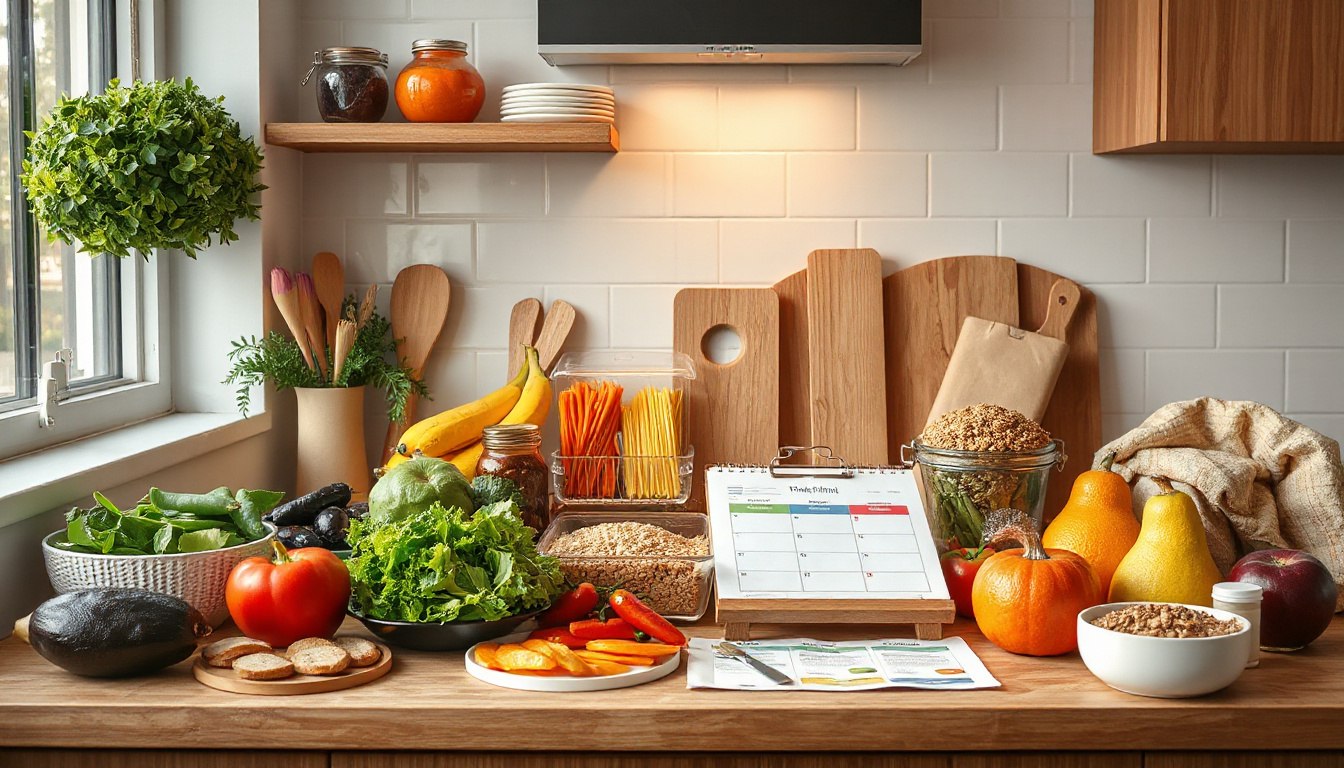
Key Takeaways
- Understanding Type 2 diabetes is crucial for effective meal planning.
- Meal planning helps stabilize blood sugar levels and improve overall health.
- Incorporating key nutritional components like fiber, protein, and healthy fats is essential.
- Sample meal plans provide a practical framework for beginners to follow.
- Avoid common mistakes to ensure a successful meal planning journey.
Understanding Type 2 Diabetes
Navigating the world of Type 2 diabetes can feel overwhelming, especially when you’re first starting out. Whether you’ve just received your diagnosis or are helping a loved one, it’s important to remember that you’re not alone on this journey. Imagine it as embarking on a new adventure, but one that requires a bit more planning than just grabbing a map. A Beginner’s Guide to Type 2 Diabetes Meal Planning can be your compass, guiding you toward healthier choices that support your body and energy levels without feeling deprived.
So, what exactly is Type 2 diabetes? At its core, it’s a condition that affects how your body uses sugar, which is vital for energy. In Type 2 diabetes, your body becomes resistant to insulin—the hormone that helps sugar enter your cells—or doesn’t produce enough insulin to maintain a normal glucose level. This can lead to a variety of health issues if left unaddressed. But here’s the reassuring part: you can manage it, often through lifestyle changes that are sustainable and even enjoyable!
The Importance of Meal Planning
Think of meal planning as the foundation of a strong house. Without it, you might end up with a shaky structure that could fall apart when faced with challenges (and trust me, there will be challenges!). Meal planning isn’t just about putting together a list of foods; it’s about setting yourself up for success.
When you have a plan, you reduce the chances of making impulsive choices when hunger strikes. Imagine a rainy day where you forgot your umbrella—you’d find yourself getting drenched and cold. Nutrition works the same way; if you don’t prepare, you might end up choosing unhealthy options that can spike your blood sugar levels.
Tips for Meal Planning
Here are some helpful tips to guide you on your meal planning journey, designed to cater to your individual taste and lifestyle:
1. Know Your Carbohydrates: Carbs are essential but choosing the right ones matters. Focus on whole grains, fruits, and vegetables that are high in fiber, which helps moderate your blood sugar. Think of them as the fueled vehicle on your journey, guiding you smoothly to your destination.
2. Prioritize Proteins: Lean proteins like chicken, fish, beans, and legumes not only keep you satiated but can also help stabilize blood sugar levels. They’re like your trusty navigator, keeping you on track and preventing unnecessary detours.
3. Healthy Fats Matter: Don’t shy away from healthy fats like nuts, avocados, and olive oil. They make meals satisfying and can help with sugar regulation. Picture them as the loyal friends who keep you company and uplift your experiences.
4. Plan Your Snacks: Incorporating healthy snacks can keep your energy levels consistent throughout the day. Think veggie sticks with hummus or a piece of fruit—these snacks help prevent blood sugar spikes and crashes, ensuring you’re well prepared for whatever comes next.
5. Stay Hydrated: Never underestimate the power of staying well-hydrated. Water should be your go-to, as sugary drinks can cause unexpected spikes.
6. Batch Cooking: Designate a day each week to prepare meals in advance. This can save time and reduce stress during your busy weekdays.
7. Experiment and Enjoy: Don’t be afraid to try new recipes and flavors! This can turn meal planning into a joy rather than a chore, making it easier to stick with it long-term.
Overcoming Common Meal Planning Challenges
We know that life can get hectic, and it’s easy for best-laid plans to go off course. Here are some strategies to keep you on track:
• Set aside time: Schedule a weekly planning session. Treat it like an appointment you can’t miss!
• Be flexible: Allow yourself some wiggle room. If you didn’t stick to the plan, that’s okay—just adjust and move forward.
• Involve others: Get family or friends on board. They can assist with meal prep or even join you in cooking—it’s a great way to bond and enjoy healthier meals together.
FAQ Section
Q: What foods should I focus on with Type 2 diabetes?
A: Opt for whole grains, lean proteins, healthy fats, fruits, and lots of vegetables. They help manage blood sugar levels effectively.
Q: Can I eat sweets if I have Type 2 diabetes?
A: Yes! Moderation is key. If you crave something sweet, try to have it in small portions rather than cutting it out completely.
Q: How often should I eat throughout the day?
A: Aim for three balanced meals and one or two snacks to help maintain consistent blood sugar levels.
Moving Forward
It’s completely understandable to feel a little lost when beginning this path—think of it as learning to ride a bike. At first, it can be shaky and challenging, but with practice and a supportive guide, you’ll find your balance. Allow yourself grace as you take these first steps toward managing your Type 2 diabetes through meal planning. Each small step you take not only adds to your knowledge but also builds confidence in managing your health. Remember, this journey is about learning—not perfection. As you cultivate these habits, you’ll discover new, delicious meals that not only nourish your body but also lift your spirit.
If you’re feeling motivated, why not start by creating your meal plan today? Begin with just a few days’ worth of meals, focusing on what you love, and build from there. You’ve got this!
Importance of Meal Planning
Every journey begins with a single step, and when it comes to managing type 2 diabetes, meal planning is that crucial first step. This may sound overwhelming at first, but if you’ve recently been diagnosed or just want to regain control over your health, knowing how to plan your meals can make all the difference. Meal planning can help you stabilize your blood sugar levels, maintain a healthy weight, and make better food choices.
When I was first learning to navigate life with type 2 diabetes, I found that meal planning was not just about balancing plates; it was about creating a structured routine that brought me peace of mind. Imagine going to the grocery store with a clear plan instead of feeling lost in a sea of options. It’s like having a map instead of wandering through a dense fog! Strategically planning your meals can also save you time and reduce stress, allowing you to focus on what really matters—feeling good and having energy to enjoy life.
Let’s take a closer look at how meal planning can support you or someone you care about on this journey.
‘Let food be thy medicine and medicine be thy food.’ – Hippocrates
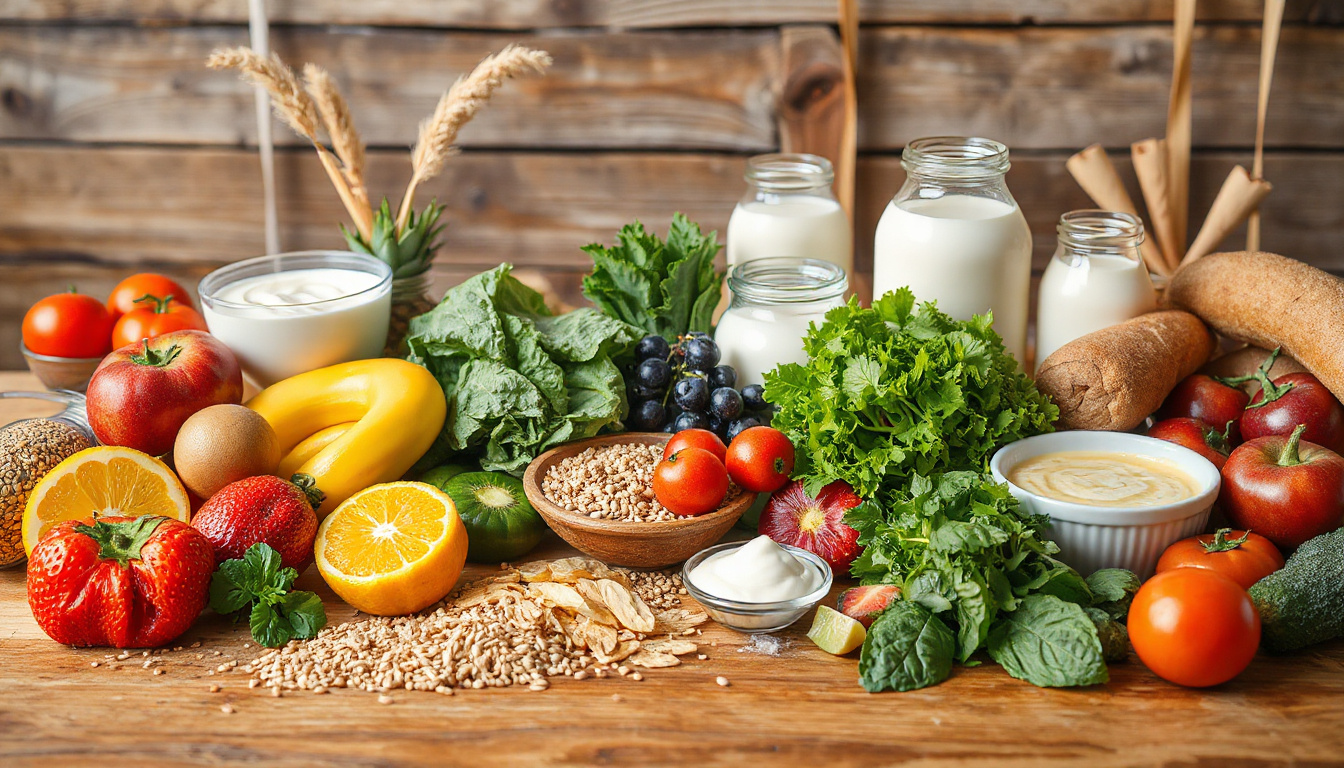
Key Nutritional Components
When it comes to managing type 2 diabetes, understanding the essentials of nutrition can feel a bit like deciphering a foreign language. But don’t worry—we’re in this together! As you embark on your journey with the Beginner’s Guide to Type 2 Diabetes Meal Planning, let’s break down the key nutritional components that can truly make a difference in how you feel both physically and emotionally.
Firstly, let’s talk about carbohydrates. Think of carbohydrates as fuel for your body. However, not all carbs are created equal! For those of us managing diabetes, it’s crucial to focus on complex carbohydrates like whole grains, legumes, and vegetables. These foods provide a steady release of energy and prevent dramatic blood sugar spikes that can leave us feeling frustrated and exhausted. So, swapping white bread for whole grain or pasta made from chickpeas can be a game-changer.
Next, we have protein. This essential nutrient helps you feel full longer—trust me, no one enjoys snacking when faced with constant hunger pangs. Lean meats like chicken or turkey, fish, eggs, and plant-based options such as beans and lentils make for great choices. They help repair and build muscles while keeping your blood sugar levels stable.
Don’t forget about healthy fats! Avocados, nuts, seeds, and olive oil can be your best friends on this journey. They not only add flavor but also contribute to heart health, which is incredibly important for those of us managing diabetes.
Now, let’s get practical. What does this look like on a plate? Here’s a quick recipe for a balanced meal:
• A grilled chicken breast (protein)
• A side of quinoa (complex carbohydrate)
• Steamed broccoli (fiber and nutrients)
• A drizzle of olive oil or a few avocado slices (healthy fat)
This meal is not only delicious but also supportive of your health goals!
It’s also worth mentioning micronutrients. Vitamins and minerals found in fruits and veggies are integral for our overall well-being. Don’t shy away from colorful foods like berries, leafy greens, and cruciferous vegetables. They’re packed with antioxidants that help your body in so many ways—feeling empowered yet?
As you delve deeper into your meal planning, it can also be beneficial to learn about portion control. Using smaller plates can change your mindset about serving sizes and help in managing your blood sugar levels. Remember, you’re not just on a diet; you’re crafting a lifestyle that supports your health and happiness.
In summary, the keys to successful meal planning for type 2 diabetes include focusing on balanced meals comprised of complex carbohydrates, lean proteins, healthy fats, and plenty of fruits and vegetables. The journey can seem daunting at first, but with some practice and exploration in the kitchen, you’ll find what works best for you and your body.
Sample Meal Plans
Beginner’s Guide to Type 2 Diabetes Meal Planning
Living with type 2 diabetes can feel like learning a new language. Suddenly, you’re faced with numbers that can feel overwhelming—like blood sugar counts and carbohydrate limits. But you’re not alone in this; I’ve been there, feeling lost and unsure of what to eat or how to start managing this condition. That’s where meal planning comes in, acting like a roadmap to guide us toward making thoughtful food choices. Ready to explore this together? Let’s dive into a Beginner’s Guide to Type 2 Diabetes Meal Planning that empowers you and supports your health journey.
The Importance of Meal Planning for Diabetes
First, let’s chat about why meal planning is essential for managing type 2 diabetes. Meal planning takes the guesswork out of the equation. Instead of standing in front of the fridge wondering what to eat, you have a game plan. Each meal can be designed to keep your blood sugar steady, giving you the energy to enjoy life.
Planning your meals also helps you avoid impulse eating, which can lead to choices that don’t serve your body well. I remember days when I skipped breakfast and felt ravenous by lunch, reaching for whatever was easy and fast—often high in sugars and carbs. By planning, you set yourself up for success.
Understanding the Basics: Carbs, Proteins, and Fats
When it comes to meal planning, understanding how carbohydrates, proteins, and fats fit into your diet is crucial. Think of your plate as a balance scale:
• Carbohydrates are your body’s primary energy source, but you’ll want to focus on high fiber options like whole grains, fruits, and vegetables.
• Proteins help with muscle repair and feel satisfying. Lean meats, tofu, beans, and nuts are great choices.
• Fats aren’t the enemy! Healthy fats from sources like avocados, olive oil, and nuts can help keep you full and satisfied.
The key is balance and moderation. Everything in proportions helps you maintain a healthy blood sugar level.
Sample Meal Plans: Your Roadmap to Success
I know that the idea of planning meals can feel daunting at first. To make it easier, here are a couple of sample meal plans that you can tweak based on your preferences and nutritional needs. Think of these as starting points, like a cozy base camp before you embark on an expedition of your own!
Sample Meal Plan 1: Easy and Tasty
• Breakfast: Greek yogurt topped with sliced strawberries and a sprinkle of chia seeds.
• Snack: A small handful of almonds.
• Lunch: Grilled chicken salad with mixed greens, cherry tomatoes, cucumbers, and a vinaigrette dressing.
• Snack: Baby carrots with hummus.
• Dinner: Baked salmon, quinoa, and a side of steamed broccoli.
Sample Meal Plan 2: Comfort Food Made Healthy
• Breakfast: Oatmeal made with unsweetened almond milk, topped with a dash of cinnamon and a few walnuts.
• Snack: An apple with a little almond butter.
• Lunch: Lentil soup and a small whole grain roll.
• Snack: Sliced bell peppers with guacamole.
• Dinner: Stir-fried tofu with mixed vegetables and brown rice.
Feel free to switch things up according to your tastes, and remember: it’s about finding joy in your meals. I often look for recipes that excite my taste buds while being mindful of nutrition. You can do the same!
Navigating Challenges with Meal Planning
Sometimes, life gets unpredictable. Have you ever had a day where you’re managing a million things and don’t have time to stick to your meal plan? Been there too. Having a stash of quick and healthy options can be a game-changer. Keep these on hand:
• Frozen vegetables
• Canned beans or lentils
• Pre-cooked chicken or turkey
• Nut butters
• Whole grain wraps or tortillas
By keeping healthy convenience foods available, you give yourself permission to stay on track, even on your busiest days.
Tips for a Successful Meal Plan
Here are a few suggestions to help make your meal planning less stressful and more enjoyable:
• Start Simple: Begin with one meal per day—like breakfast or lunch—before expanding to include all meals in your plan.
• Experiment with Flavors: Don’t be afraid to try new herbs and spices; they can make a world of difference in how much you enjoy your meals.
• Prepare in Batches: Cook a larger portion once a week to have leftovers on hand, which can save time and effort.
• Make it Fun: Invite family or friends to join you in meal planning or cooking—you’ll enjoy it more together!
Frequently Asked Questions
What snacks are good for type 2 diabetes?
Snacks high in fiber and protein, like nuts, berries, or Greek yogurt, are great as they help maintain steady blood sugar levels without overwhelming spikes.
How can I reduce carbs in my meals?
Focus on replacing refined carbs with whole foods—like swapping white rice for cauliflower rice or pasta for zucchini noodles—this can help keep carbs in check.
Is it okay to have treats when planning meals?
Absolutely! Treats can fit into your meal plan. Moderation is key; include small portions of your favorite desserts or snacks alongside a balanced diet.
Taking the Next Step
Now that you have a Beginner’s Guide to Type 2 Diabetes Meal Planning, you may feel ready to take action! Remember, the journey ahead is not all about strict rules and restrictions; it’s about finding balance and treating yourself kindly along the way.
So go ahead, grab a notebook, and jot down your meal plan for the upcoming week. Take it one step at a time, and before you know it, you’ll feel more in control and empowered in your food choices. Remember, we’re in this together, and you’ve got what it takes to thrive!
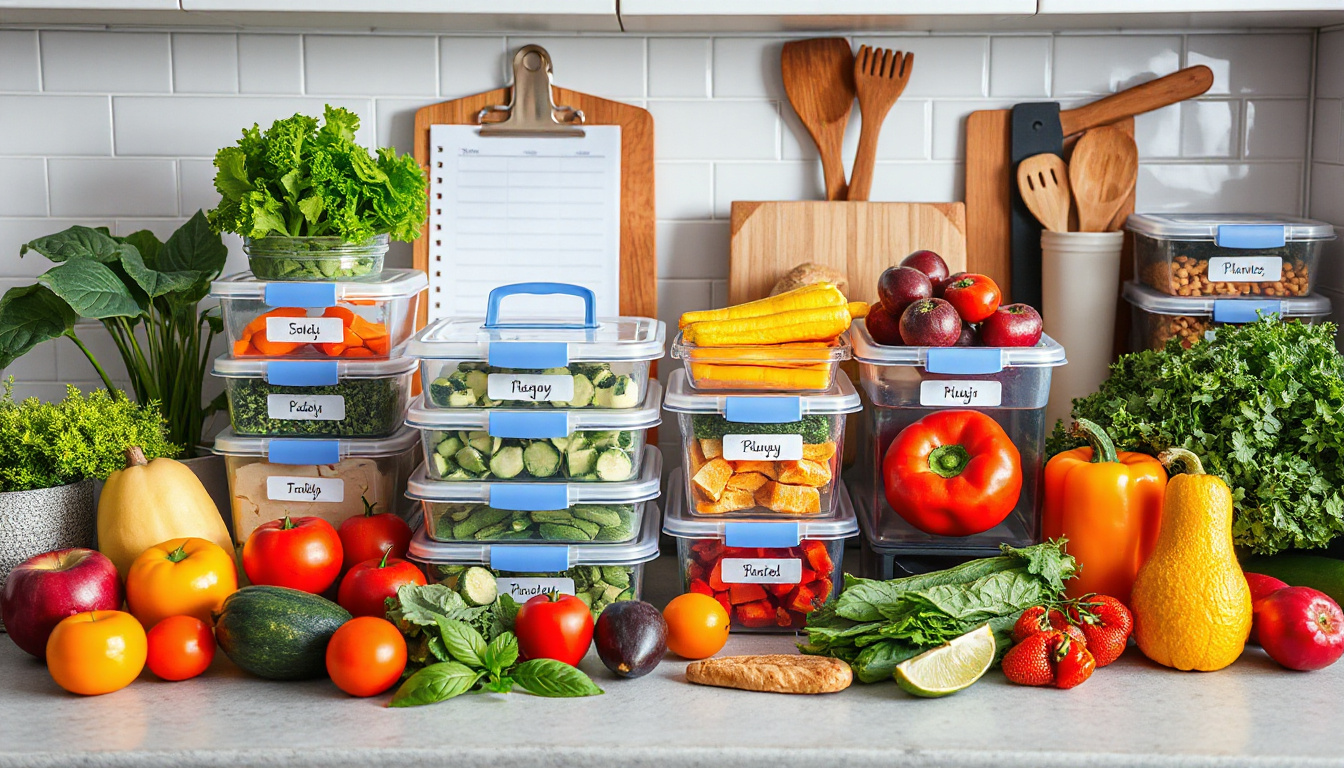
Tips for Successful Meal Planning
Navigating the world of meal planning can be a bit overwhelming at first, especially if you are newly diagnosed with type 2 diabetes. But don’t worry, you’re not alone in this journey. Picture this: just like learning to drive a car takes practice and guidance, meal planning is a skill that gets easier over time. Think of it as a fun challenge rather than a daunting task. So, let’s explore some helpful tips that can turn this process into something empowering for you.
1. Start Simple: Begin with planning just one meal a day. Maybe it’s breakfast or lunch which often offers more flexibility. This way, you can gradually ease into the routine of planning and cooking without feeling overwhelmed.
2. Incorporate Variety: Eating a wide range of foods not only keeps things interesting but is also vital for getting all the nutrients your body needs. Don’t hesitate to switch up your proteins, grains, and vegetables throughout the week.
3. Cook in Batches: Cooking larger portions of meals that freeze well can save you time. Meals like soups, stews, or casseroles are great options. This means on busy nights, you won’t have to resort to less healthy choices.
4. Create a Go-To List: Compile a short list of your favorite healthy recipes. This will make it easier each week to refer back to them rather than starting from scratch every time.
5. Use Seasonal Ingredients: Fresh, seasonal produce can make a world of difference to your meals, both in taste and nutrition. Plus, it’s often more affordable!
6. Stay Mindful of Portions: Using measuring cups or a food scale can help you become more familiar with the appropriate portion sizes for each food group. Even little adjustments can positively impact your blood sugar levels.
7. Plan for Snacks: Healthy snacks are crucial in balancing your blood sugar. Think of nuts, yogurt, or whole fruits as great in-between meals to keep your energy levels steady.
8. Celebrate Your Successes: Have you successfully meal-prepped a week’s worth of lunches? That’s a big win! Take a moment to acknowledge your accomplishments, even the small ones.
Ultimately, remember that this is all about creating a healthier lifestyle for yourself, and like any worthwhile endeavor, it takes time and patience. As we embark on this journey of type 2 diabetes meal planning, it’s important to be kind to yourself and allow for some bumps along the way. You’re learning, and every step you take is a step towards better health.
Meal planning not only brings clarity to your food choices but can also help you feel more confident in managing your type 2 diabetes. So, let’s embrace this together!
Common Mistakes to Avoid
Embarking on your journey with a Beginner’s Guide to Type 2 Diabetes Meal Planning can feel like a daunting task. It’s easy to stumble into some common pitfalls that might set you back or overwhelm you. We’ve all been there, filled with hope and determination, only to feel disheartened by unexpected challenges. Let’s take a gentle look at some of these common mistakes so you can navigate this path with confidence and ease.
1. Ignoring Portion Sizes: It’s tempting to think that if you’re eating healthy foods, you can indulge as much as you want. But portion control still matters. Even healthy foods can lead to weight gain if eaten in large amounts. Think of it like filling up your car’s gas tank: it only needs a certain amount to run efficiently, just like your body.
2. Relying Too Heavily on Processed Foods: Many products are marketed as low-sugar or diabetic-friendly, but they can still be packed with unhealthy fats or hidden sugars. Try to steer your meals towards whole, unprocessed foods as much as possible. Fresh fruits, vegetables, whole grains, and lean proteins are your friends here.
3. Neglecting Carbohydrate Counting: Carbs can be tricky; they provide energy, but too many can spike your blood sugar. Learning to count carbohydrates doesn’t have to be complicated. Keep a simple food diary or use apps to track your intake—think of it as just taking a few quick notes about your meals each day.
4. Failure to Plan Ahead: Life can get busy, and without a solid meal plan, you may find yourself reaching for convenient but not-so-healthy options. Spend a little time each week planning your meals—and perhaps involve family in this process! Cooking together can turn meal prep into a fun bonding experience.
5. Not Listening to Your Body: Your body tells you what it needs, so pay attention! If you feel sluggish after a meal, consider what you ate. Keeping track of how different foods make you feel can help you adjust your meal choices. Think of it as tuning into a new radio station—once you find the right frequency, everything will sound better.
6. Avoiding Professional Guidance: Trying to figure everything out on your own can be overwhelming. Don’t hesitate to reach out to a registered dietitian or a diabetes educator for help. It’s like having a friendly co-pilot on your journey—they can guide you through the twists and turns, helping to ensure you stay on the right path.
Frequently Asked Questions
What is Type 2 Diabetes and how does it affect meal planning?
Type 2 Diabetes is a chronic condition that affects the way your body metabolizes sugar (glucose). It can lead to higher blood sugar levels, making meal planning essential for managing carbohydrate intake, maintaining stable blood sugar levels, and promoting overall health.
Why is meal planning important for someone with Type 2 Diabetes?
Meal planning helps individuals with Type 2 Diabetes control their blood sugar levels, manage weight, and ensure they are getting the right balance of nutrients. It allows for thoughtful preparation and portion control, which is crucial in preventing spikes in blood glucose.
What are the key nutritional components I should focus on in my meals?
Key nutritional components include complex carbohydrates, lean proteins, healthy fats, fiber, and plenty of non-starchy vegetables. It’s also important to monitor portion sizes and choose foods with a low glycemic index.
Can you provide a sample meal plan for a day?
Yes, a sample meal plan may look like: breakfast – oatmeal with berries; lunch – grilled chicken salad with mixed greens; snack – Greek yogurt; dinner – baked salmon with quinoa and steamed broccoli. Always consult a healthcare provider or dietitian to tailor meal plans to individual needs.
What common mistakes should I avoid when planning meals for Type 2 Diabetes?
Common mistakes include skipping meals, ignoring portion sizes, choosing foods high in added sugars, and failing to incorporate a variety of food groups. It’s important to have a balanced approach and regularly review and adjust your meal plan.
This post may contain affiliate links which means I may receive a commission for purchases made through links. I will only recommend products that I have personally used! Learn more on my Private Policy page.


