Chronic inflammation might sound a bit technical, but the truth is, it’s a struggle many of us face. Whether it’s through fatigue, joint pain, or just that nagging feeling of being unwell, it often seems like inflammation is hiding under the surface, affecting our lives quietly yet profoundly. If you’re feeling overwhelmed by the idea of these persistent inflammatory responses in your body, don’t worry—there are ways we can manage them together. One of the most powerful tools at our disposal? Anti-inflammatory foods that may help reduce chronic inflammation.
In this article, let’s peel back the layers on what chronic inflammation is, explore how our diet plays a crucial role in it, and discover how simple changes can lead us to a healthier, happier life. So pour yourself a warm cup of tea, and let’s take this journey towards understanding, healing, and support.
Key Takeaways
- Chronic inflammation can lead to various health issues, making its understanding crucial.
- Diet plays a significant role in managing inflammation levels in the body.
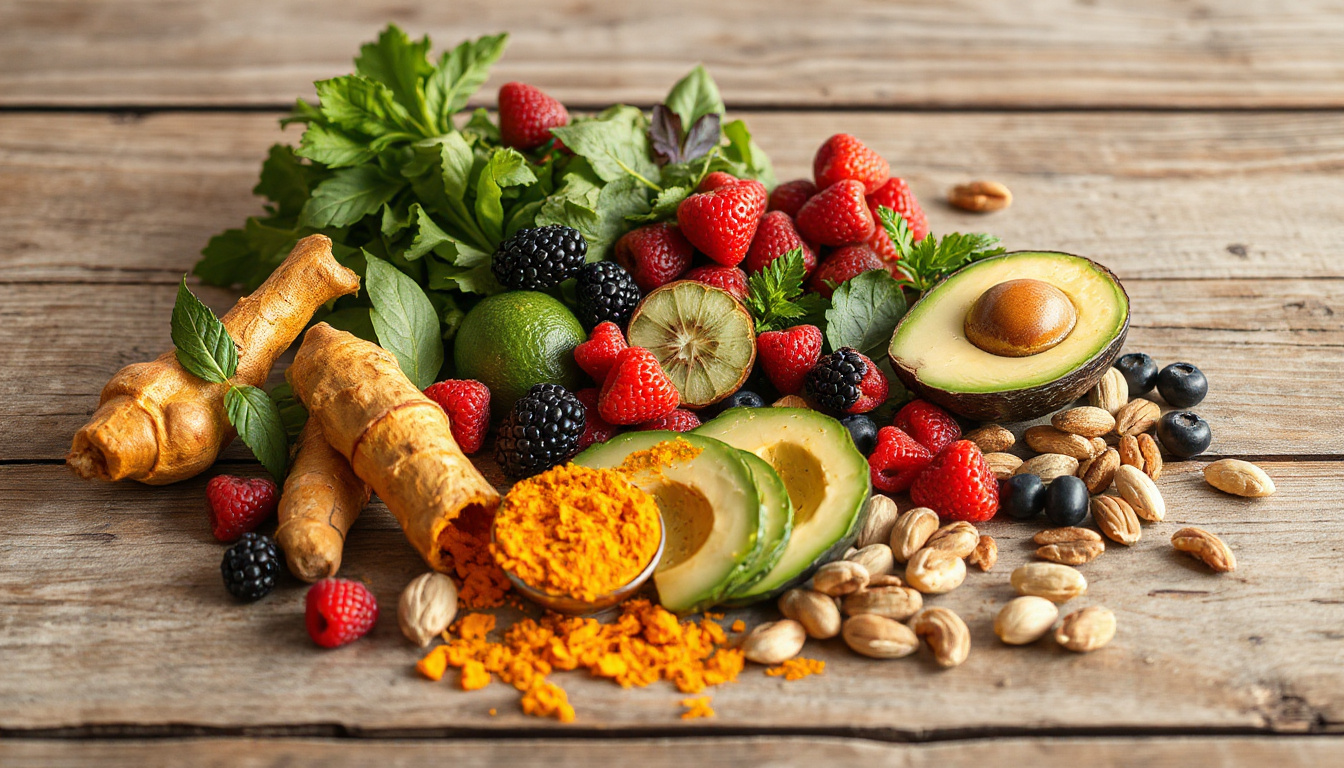
- Incorporating foods like fatty fish, berries, and leafy greens can help reduce inflammation.
- Preparing anti-inflammatory meals involves using healthy fats, whole grains, and spices like turmeric and ginger.
- Consulting healthcare professionals can provide personalized guidance on anti-inflammatory diets.
Understanding Chronic Inflammation
When we talk about our health, there’s a term that often comes up but rarely gets the attention it deserves—chronic inflammation. You might have heard this word on health podcasts or seen it in health articles, but what does it actually mean for us in our daily lives?
Chronic inflammation is like that background noise that you barely notice until it becomes deafening. It’s an ongoing state where our immune system is persistently active, even when there’s no injury or illness to fight. Picture a smoke alarm going off in your house, but the batteries are dying—the alarm is blaring non-stop, yet there’s no fire. This is what chronic inflammation can feel like in our bodies. It can contribute to a host of serious health issues, including heart disease, diabetes, and autoimmune diseases. The good news? There are anti-inflammatory foods that may help reduce chronic inflammation, giving us a strong reason to be mindful of what we eat.
If you’re anything like me, you’ve probably experienced frustrating times with your health and body, feeling out of sorts and overwhelmed by various symptoms. I remember when I first learned about chronic inflammation; I had been struggling with fatigue and general malaise for so long that I just assumed it was part of getting older. It wasn’t until I started recognizing how much my dietary choices influenced my health that I began to see a light at the end of the tunnel.
What Are Anti-Inflammatory Foods?
Simply put, anti-inflammatory foods are those that can help lower inflammation in the body. They can nourish our bodies, boost our immune systems, and uplift our spirits. The best part is that they are often the same foods that bring color and variety to our plates! Think of nature’s pharmacy in the produce section. As we start exploring what to include in our meals, let’s remember that we don’t have to eliminate everything we love—instead, we can focus on incorporating more of these beneficial foods into our diets.
List of Anti-Inflammatory Foods
Here’s a handy list of several anti-inflammatory foods that you might find yourself enjoying:
1. Fatty Fish (like salmon, mackerel, and sardines): Rich in omega-3 fatty acids, they can help combat inflammation and promote heart health.
2. Leafy Greens (such as spinach, kale, and collard greens): Full of vitamins and antioxidants, they can help boost our immune system.
3. Berries (like blueberries, strawberries, and blackberries): Packed with antioxidants, they can help to protect our cells from damage.
4. Olive Oil: Extra virgin olive oil mimics the benefits of certain anti-inflammatory drugs—plus, it can make your food taste wonderful!
5. Nuts (especially walnuts and almonds): They provide healthy fats, protein, and fiber that can lower inflammation.
6. Turmeric (with its active ingredient curcumin): Known for its anti-inflammatory properties, it can be a delightful spice to use.
7. Garlic: This pungent powerhouse doesn’t just add flavor; it’s known for its numerous health benefits.
Putting Together a Plan
Incorporating these anti-inflammatory foods doesn’t have to be overwhelming. Start small! Maybe aim to add one new item to your grocery list each week. Think of it as a journey where you’re discovering new flavor combinations and vibrant meals that not only taste good but also help your body feel good.
For example, you might try making a simple stir-fry with leafy greens and fatty fish, seasoned with garlic and a drizzle of olive oil. Or a warm bowl of oatmeal topped with berries and a sprinkle of turmeric can make a delightful breakfast. These small changes can really add up over time, and each step taken is one closer to feeling better.
Listening to Your Body
As we explore these anti-inflammatory foods, it’s equally important to listen to our bodies. Each of us is unique, and what works for one person might not work for another. Consider keeping a food diary to track how certain foods make you feel, both physically and emotionally. This is not about enforcing strict restrictions but about cultivating a deeper understanding of our bodies and their needs.
FAQ Section
Q: What are some other lifestyle changes that can help reduce chronic inflammation?
A: Besides adding anti-inflammatory foods to your diet, regular exercise, managing stress, getting enough sleep, and minimizing processed foods can greatly help reduce inflammation.
Q: How quickly can I expect to see changes from adding anti-inflammatory foods to my diet?
A: Everyone’s journey is different, but many people start feeling improvements within weeks, especially if combined with other healthy lifestyle choices.
Q: Can supplements provide anti-inflammatory benefits?
A: While certain supplements (like fish oil or turmeric) may help, it’s important to focus on a balanced diet. Whole foods are the best source of nutrients. Always consult with a healthcare professional before starting any new supplement!
In conclusion, navigating chronic inflammation can feel daunting, but using the right foods as our allies can change the game. Embracing these anti-inflammatory foods can feel like a warm hug for our bodies, helping us to reconnect with our health in a nurturing way. Remember, it’s about progress, not perfection. You don’t have to overhaul your entire diet overnight—start where you are and take it one meal at a time.
So, the next time you’re at the grocery store, take a moment to explore the produce aisle. Introduce something new into your meals and notice how it makes you feel. Our bodies deserve kindness, and together, we can take strides toward healthier lives. Let’s rise to the occasion and nourish ourselves—one delicious bite at a time.
The Role of Diet in Inflammation
When we think about what we eat, it’s often tempting to focus solely on calorie counts and trendy diets. Yet, most of us don’t fully consider how our food choices directly impact our bodies, particularly in terms of inflammation. For many people, including perhaps you or a loved one, chronic inflammation can be an unwelcome companion in daily life, linked with conditions like arthritis, heart disease, and even some autoimmune disorders. The good news is that integrating anti-inflammatory foods that may help reduce chronic inflammation can be a game-changer.
You might be wondering, what exactly does chronic inflammation mean? Imagine your body is like a car engine. When everything runs smoothly, you feel good. However, if something goes awry, like a leak or a buildup of grime, the engine doesn’t function optimally; it can overheat or break down. In a similar way, chronic inflammation is your body’s way of signaling that it’s not operating as it should. Research has shown that many dietary choices can either help cool the flames of inflammation or add fuel to the fire.
Let’s explore some delicious anti-inflammatory foods that may help ease this burden on our bodies.
Understanding Anti-Inflammatory Foods
A good starting point is simply to think of foods as your allies in this battle against chronic inflammation, much like tools in a toolbox. The right tools, when used properly, help you fix issues more efficiently. Some common themes characterizing anti-inflammatory foods are:
• Rich in Antioxidants: Foods like berries, dark chocolate, and leafy greens are packed with compounds that combat oxidative stress in the body.
• Omega-3 Fatty Acids: Fatty fish like salmon and walnuts reduce inflammation effectively. Think of them as the oil that helps your engine run smoothly.
• Whole Grains: Oats, brown rice, and quinoa are filled with fiber and nutrients that promote gut health, which is crucial for managing inflammation.
• Spices: Turmeric and ginger are powerful agents. They’re like tiny superheroes for your body, assisting in reducing inflammation.
• Healthy Fats: Avocados and olive oil are not only tasty but also beneficial! They help to lower bad cholesterol levels and reduce inflammation.
Simple Ways to Incorporate These Foods into Your Diet
So, how do we make these anti-inflammatory foods a part of our daily routine? Here are a few friendly tips:
1. Snack Smart: Swap out those chips for a handful of nuts or a bowl of mixed berries. You’ll be treating your taste buds and your body at the same time!
2. Spice it Up: Add turmeric or ginger to soups, smoothies, or even in your morning oatmeal. Not only do these spices bring flavor, but they also provide a bounty of benefits.
3. Go Green: Add a side salad of leafy greens dressed with olive oil and vinegar to your meals for an extra punch of nutrients.
4. Fish Fridays: Try to include fatty fish like salmon in your weekly lineup. Grilled, baked, or even put into a salad, there are numerous ways to enjoy this powerhouse.
5. Warm, Comforting Meals: A hearty bowl of oatmeal topped with blueberries and a sprinkle of cinnamon makes a perfect anti-inflammatory breakfast to start your day right!
By weaving these foods into your meals, you can help nurture your body back to balance. Imagine feeling lighter, more vibrant, and energized as you say goodbye to discomfort. Doesn’t that sound wonderful?
Building a Supportive Community
An often-overlooked aspect of managing chronic inflammation is finding support and inspiration in others. Whether it’s joining an online group focused on healthy eating or gathering friends for a cooking night centered around anti-inflammatory recipes, you create a community that lifts you up. You don’t have to walk this journey alone; sometimes, sharing a meal can be the best medicine.
Recap and Moving Forward
To recap, transforming your diet to include anti-inflammatory foods that may help reduce chronic inflammation isn’t about deprivation or strict rules—it’s about nourishing your body with real, wholesome foods that bring joy. Every small change can lead to larger improvements, ultimately leading you toward a healthier life.
FAQs
1. What are some anti-inflammatory foods to avoid?
While incorporating anti-inflammatory options, it’s equally important to be aware of foods that may trigger inflammation, such as sugary snacks, fried foods, and refined carbs. They can make it harder for your body to heal.
2. Can anti-inflammatory foods actually improve my overall health?
Absolutely! Beyond reducing inflammation, these foods can help improve heart health, boost the immune system, and support digestion—all contributing to a better feeling of wellness.
3. How quickly can I see results from eating these foods?
While it varies from person to person, some people feel improvements within a few weeks, while others may notice changes over months. Consistency is key, so stick with it and be patient with your body.
A Gentle Call to Action
As you embark on this nourishing journey, approach it with love and curiosity—ask yourself what flavors and meals bring you happiness while supporting your health goals. Take small steps today—maybe it’s adding a colorful salad or trying your hand at a new anti-inflammatory recipe. Each step, no matter how tiny, is a move toward vitality and healing. Remember, your body deserves this care, so let’s explore it together!
‘Let food be thy medicine and medicine be thy food.’ – Hippocrates
Top Anti-Inflammatory Foods to Incorporate
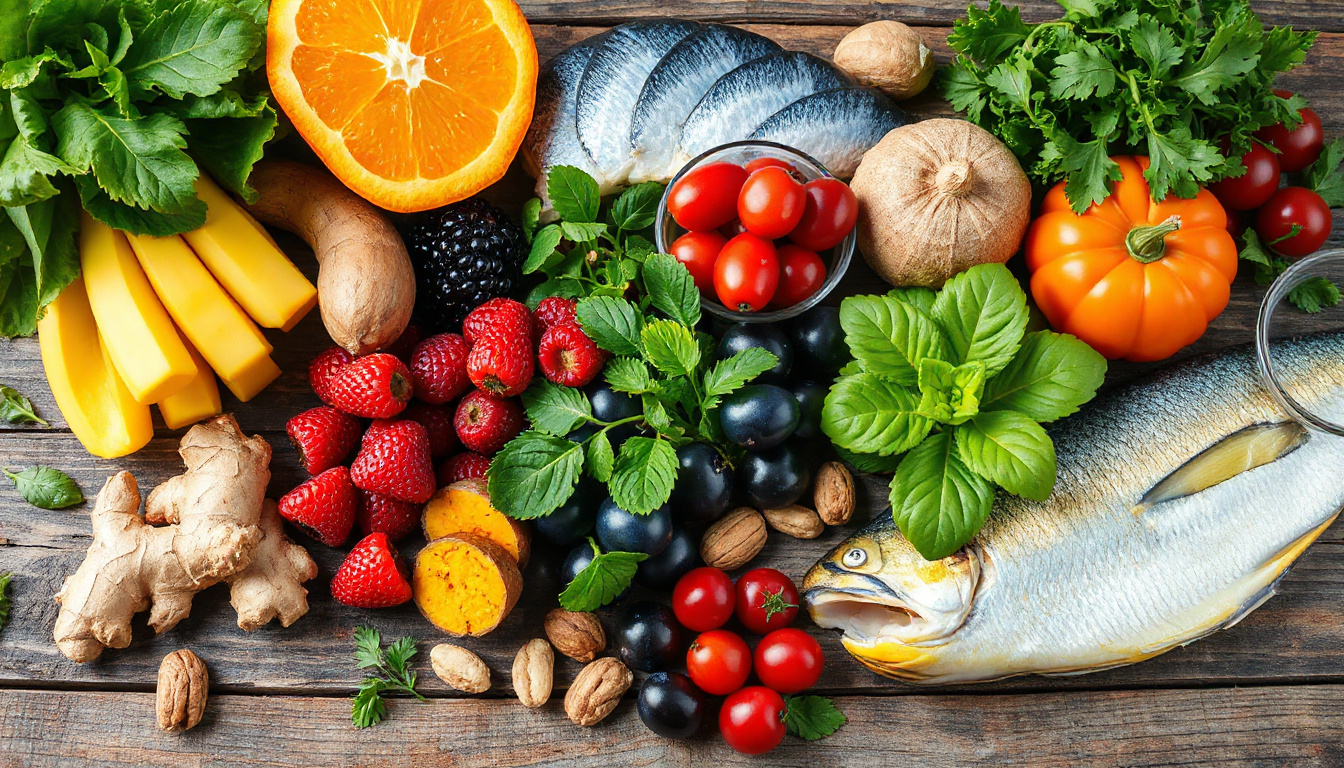
When we talk about anti-inflammatory foods that may help reduce chronic inflammation, it’s all about what you put on your plate. You see, inflammation might be a buzzword in health circles, but it affects us much more deeply than we sometimes realize. Chronic inflammation can lead to all sorts of issues, from fatigue and joint pain to more serious conditions like heart disease and diabetes. But don’t worry—there’s a delicious way to support your body and feel better day by day. Let’s dive into the bounty of nature and explore how certain foods can be your best allies in this battle against inflammation.
1. Fatty Fish
Oily fish like salmon, mackerel, and sardines are not just tasty; they’re packed with omega-3 fatty acids. Think of these omega-3s as tiny heroes swooping in to reduce inflammation. They can lower levels of certain proteins that promote inflammation, and they may even help alleviate symptoms of rheumatoid arthritis. Plus, those fish are flavorful and versatile—whether grilled, baked, or tossed in a salad, they shine on any plate.
2. Leafy Greens
Spinach, kale, and collard greens are your trusty sidekicks loaded with vitamins and antioxidants. These greens are like nature’s multivitamins—they go beyond just filling your stomach. Rich in vitamin E and other phytochemicals, they act as a barrier against oxidative stress, which is a common trigger for inflammation. You can start with a simple salad or toss some greens into your smoothie for an easy boost.
3. Berries
Berries such as blueberries, strawberries, and raspberries are not only beautiful; they also boast powerful antioxidants known as flavonoids. Picture these little guys as your inner warriors, ready to combat harmful free radicals that can cause inflammation. Enjoy a bowl for breakfast, throw them into yogurt, or snack on them straight from the fridge—these bursts of flavor pack a punch against inflammation.
4. Nuts
Almonds, walnuts, and pistachios are not just snacks; they’re your crunchy companions on this journey. They contain healthy fats, fiber, and other beneficial compounds that can help lower inflammation. Think of nuts as a nutritious upgrade for your afternoon munchies—just a handful can contribute significantly to your overall health. Just remember to chew slowly and enjoy!
5. Turmeric
This vibrant yellow spice isn’t just for flavor—it’s a beacon of anti-inflammatory properties, thanks to curcumin. When you sprinkle turmeric on your food, imagine it as a golden shield working to combat inflammation. Adding a dash in soups, curries, or even smoothies can be an easy way to incorporate this magical spice into your diet. Just pairing it with black pepper can boost its absorption in the body, making it even more effective.
6. Olive Oil
Extra virgin olive oil is often hailed as a staple of the Mediterranean diet—and for a good reason! It’s rich in healthy fats and antioxidants like oleocanthal, which has properties similar to non-steroidal anti-inflammatory drugs. Consider it your kitchen’s hero, adding richness to salads or drizzling over roasted vegetables. It’s a flavor enhancer and an ally against inflammation!
7. Sweet Potatoes
These humble tubers are not just delicious; they’re packed with beta-carotene and fiber. Think of sweet potatoes as a nourishing hug for your digestive system and immune health. They’re versatile too, whether baked, mashed, or made into fries. And let’s be honest, who can resist the comforting sweetness of a perfectly baked sweet potato on a chilly evening?
8. Ginger
Ginger has been cherished for centuries—just think about the last time you enjoyed ginger tea when feeling under the weather. This root has potent anti-inflammatory compounds that can help ease discomfort and reduce inflammation in the body. Fresh ginger can be grated into stir-fries, teas, and smoothies for a zesty kick that’s both invigorating and healing.
Incorporating these anti-inflammatory foods that may help reduce chronic inflammation into your daily eating can be incredibly rewarding, not just for your body but for your spirit, too. It’s a step toward feeling more vibrant, energetic, and healthy.
Final Thoughts
Transitioning to an anti-inflammatory lifestyle isn’t about strict diets or deprivation. It’s about discovering the joy of nourishing your body and celebrating the beautiful flavors of fresh, whole foods. You don’t have to completely overhaul your diet overnight; instead, start small.
Pick one or two of these foods to include in your meals this week. Remember, every step counts and every bite matters. Our bodies crave nourishment—not just for survival but for thriving. So let’s embark on this journey together—one delicious meal at a time.
FAQ Section
Q: What are anti-inflammatory foods?
A: Anti-inflammatory foods are those that help reduce inflammation in the body, which can support overall health and may decrease the risk of chronic diseases. Examples include fatty fish, leafy greens, berries, nuts, and spices like turmeric.
Q: Can I eat meat and still reduce inflammation?
A: Yes! While fatty fish are highly recommended for their omega-3 fatty acids, lean meats and poultry can still be part of an anti-inflammatory diet. The key is focusing on the quality of the meat and balancing it with plenty of fruits, vegetables, and whole grains.
Q: How quickly can I see changes from eating anti-inflammatory foods?
A: Everyone’s body responds differently, but many people notice improvements in energy levels, less joint pain, and better digestion within just a few weeks of incorporating more anti-inflammatory foods.
How to Prepare Anti-Inflammatory Meals
Embracing a journey towards wellness often starts with our plates. If you’re exploring anti-inflammatory foods that may help reduce chronic inflammation, you’re not alone. I’ve been there, feeling tired and sluggish, trying to figure out how to better care for my body. I discovered that changing my meals wasn’t just about following a trend; it was about nurturing myself and refreshing my spirit. The path isn’t just paved with kale and quinoa; it’s filled with vibrant colors, rich flavors, and the satisfaction of knowing you’re taking a positive step.
When it comes to whipping up meals that can help reduce inflammation, think about creating a joyful experience in your kitchen. Instead of worrying about strict diets or rigid rules, let’s focus on simple, delicious foods that can be your allies in beating inflammation. Here are some easy tips to help you prepare anti-inflammatory meals incorporating those hero ingredients.
1. Start with Colorful Produce
It’s true what they say: we eat with our eyes first! Fill your basket (or your grocery cart) with a rainbow of fruits and vegetables. Berries, cherries, and leafy greens are just a few examples of foods chock-full of antioxidants. These little powerhouses help fight inflammation and keep your body functioning its best. Think of adding:
• Berries (blueberries, strawberries, raspberries)
• Leafy Greens (spinach, kale, collard greens)
• Bright Veggies (carrots, bell peppers, beets)
• Citrus Fruits (oranges, lemons, grapefruits)
2. Incorporate Healthy Fats
You might be surprised to learn that not all fats are created equal. While some fats can worsen inflammation, omega-3 fatty acids found in fish like salmon, chia seeds, and walnuts can actually help reduce it. Opt for extra virgin olive oil as your go-to cooking oil as it’s packed with anti-inflammatory properties as well. It’s like the gentle hug your meals need for that extra boost.
3. Spice It Up
Spices aren’t just for boosting flavor; they’re also fantastic for your health. Turmeric, in particular, has been shown to have powerful anti-inflammatory effects. It’s like the golden warrior in your spice rack! Add a pinch of turmeric to soups, stews, and smoothies, or try mixing it into your roasted veggies. Ginger and garlic are also fabulous options—both can add flavor and a health kick to nearly any dish.
4. Opt for Whole Grains
Think of whole grains as the nourishing foundation of your meals. Brown rice, quinoa, barley, and whole wheat are full of fiber and nutrients compared to refined grains. Fiber is your friend when it comes to fighting inflammation, as it supports gut health. In fact, a healthy gut can lead to a healthier body. How’s that for a win-win?
5. Explore Plant-Based Proteins
Consider incorporating more beans, lentils, and tofu into your meals. They are not only wonderful sources of protein, but they also pack a punch in terms of fiber and other essential nutrients. If meat is still part of your diet, try to choose lean sources like chicken or turkey, and remember to balance with plant-based options. It’s about finding harmony on your plate.
A Simple Anti-Inflammatory Meal Idea
Let’s put all this into action! How about starting your day with a nourishing smoothie? Blend some frozen berries, a handful of spinach, a scoop of chia seeds, and a splash of almond milk. You’ll be amazed at how delicious and filling it is! For lunch, how about a quinoa salad? Toss together cooked quinoa, cherry tomatoes, cucumber, avocado, and a drizzle of olive oil with lemon juice. It’s fresh, colorful, and oh-so-good for you.
Conclusion
The journey to better health through anti-inflammatory foods that may help reduce chronic inflammation doesn’t have to be overwhelming. It can be a delightful adventure filled with delicious discoveries. Allow yourself to experiment, have fun in the kitchen, and savor the journey. Remember, every meal is an opportunity to nourish yourself. And as you nurture your body with these foods, know that you’re making a positive impact on your health and well-being.
FAQ
• What are the best anti-inflammatory foods?
The best anti-inflammatory foods include berries, fatty fish like salmon, leafy greens, nuts, and whole grains. These ingredients not only taste great but can also help combat chronic inflammation.
• Can spices really help reduce inflammation?
Absolutely! Spices like turmeric and ginger contain compounds that have anti-inflammatory effects, making them great to include in your cooking.
• How can I incorporate more anti-inflammatory foods into my diet?
Start simple by adding a variety of fruits and vegetables to your meals, using whole grains instead of refined ones, and exploring healthy fats like olive oil and nuts. Small changes can lead to big improvements!

Lifestyle Changes to Complement Dietary Adjustments
When we think about the impact of anti-inflammatory foods that may help reduce chronic inflammation, it’s easy to get caught up in the specifics of what you should and shouldn’t eat. But let’s take a step back and talk honestly about how our overall lifestyle plays a crucial role in supporting our health.
Thoughts of chronic inflammation can feel overwhelming, and living with persistent discomfort can wear you down. It’s important to remember that you’re not alone in this. There’s a bright side, though—making simple, intentional changes in our lives can bolster our dietary efforts and set us on a path toward feeling better. Let’s explore some lifestyle changes that complement those delicious anti-inflammatory foods you might be adding to your plate.
1. Move Your Body
– Regular physical activity can work wonders for reducing inflammation. Think of exercise as a friendly conversation with your body—it doesn’t have to be intense or rigorous. Even a gentle walk around the block, stretching, or gardening can get those endorphins flowing and help ease your inflammation. Aim for at least 30 minutes a day, and remember, any movement counts!
2. Prioritize Sleep
– Think of sleep as a reset button for your body. If you’re struggling with chronic inflammation, it’s vital to focus on getting quality sleep. Try to establish a calming bedtime routine and aim for 7-9 hours of restful sleep.
3. Manage Stress
– Life can be stressful, and high-stress levels can exacerbate inflammation. Explore deep-breathing techniques, mindfulness, or yoga to help you find your calm in the chaos. Just taking a few moments each day to be fully present can make a difference in how your body feels.
4. Hydrate
– Did you know that staying hydrated can help reduce inflammation? Water is like a gentle wash for our systems. Aim for at least eight glasses a day, and consider adding herbal teas or infused water for more delightful options.
5. Avoid Smoking and Limit Alcohol
– If you smoke or drink excessively, consider cutting back. Smoking and heavy drinking contribute to inflammation. It might be challenging at first, but it’s a step toward taking control of your health and wellbeing.
Combining these lifestyle changes with anti-inflammatory foods that may help reduce chronic inflammation can set the stage for a happier, healthier you. Imagine how much better you might feel—lighter, more energetic, and ready to embrace life. And while the journey might take time, it’s worth every step.
Consulting with Healthcare Professionals on Anti-Inflammatory Diets
When it comes to transforming our eating habits for better health, it can feel overwhelming. You might be asking yourself, ‘Where do I even start with anti-inflammatory foods that may help reduce chronic inflammation?’ That’s a completely normal thought! Consulting with healthcare professionals is an essential first step on this journey. Imagine seeking guidance from someone who not only understands the science behind inflammation but also listens to your individual health needs and concerns. This is where dietitians or nutritionists can play a fantastic role.
They can help you navigate the often-confusing world of food choices by providing personalized advice tailored to your unique health circumstances and dietary preferences. You might already know that chronic inflammation can contribute to various health issues, such as heart disease, diabetes, or arthritis, right? So, learning about the right foods is crucial.
Visiting a healthcare professional can offer you insights into your specific needs and the best practices for integrating more anti-inflammatory foods into your life. They can help you create meal plans that feel less like a chore and more like a journey—a delightful adventure into the world of delicious, nourishing foods.
In sessions with your dietitian, you may explore various food groups: from fruits and vegetables bursting with vitamins and antioxidants to healthy fats that protect our bodies. And I get it; it might sound daunting at first! But remember, it’s about progress, not perfection. You don’t need to overhaul your entire pantry overnight. We can take it slow and incorporate changes one step at a time.
To prepare for your consultation, consider jotting down a few things:
1. Your Current Diet: What do you typically eat? What do you enjoy?
2. Symptoms or Concerns: Maybe you have joint pain, or you’ve been feeling fatigued. Jot down your thoughts.
3. Goal Setting: What do you hope to achieve? It could be managing a specific health condition or simply feeling more energized.
As you work with your healthcare professional, they’ll help you design a plan that works for you, emphasizes anti-inflammatory foods that may help reduce chronic inflammation, and feels sustainable in the long run.
In the end, we want to empower you with the knowledge and confidence to nourish your body in a way that feels good and makes sense for you.
You are not on this journey alone—support is out there, waiting for you to reach out. So, let’s take those steps together.
Frequently Asked Questions
What are some examples of anti-inflammatory foods?
Some examples of anti-inflammatory foods include fatty fish (like salmon and mackerel), leafy greens (such as spinach and kale), nuts (especially walnuts and almonds), berries (like blueberries and strawberries), olive oil, and turmeric.
How does chronic inflammation affect my health?
Chronic inflammation can lead to a variety of health issues, including heart disease, diabetes, cancer, and autoimmune disorders. It is important to manage inflammation to maintain overall health and prevent these conditions.
Can anti-inflammatory foods help with weight loss?
Yes, incorporating anti-inflammatory foods into your diet can support weight loss. These foods are often nutrient-dense and can promote a feeling of fullness, while also reducing inflammation that may interfere with weight management.
What lifestyle changes can complement an anti-inflammatory diet?
In addition to eating anti-inflammatory foods, other complementary lifestyle changes include regular physical activity, stress management practices (like meditation or yoga), adequate sleep, and avoiding smoking and excessive alcohol consumption.
Should I consult with a healthcare professional before starting an anti-inflammatory diet?
Yes, it is recommended to consult with a healthcare professional or a registered dietitian before starting any significant dietary changes, especially if you have underlying health conditions or are taking medications.
This post may contain affiliate links which means I may receive a commission for purchases made through links. I will only recommend products that I have personally used! Learn more on my Private Policy page.


