Burnout is something many of us have encountered, whether at work or in our personal lives. It sneaks up on us like a thief in the night, leaving us feeling drained, overwhelmed, and devoid of that spark that used to light us up. If you’re reading this, you might be looking for ways on how to recover from burnout naturally. I want you to know that you’re not alone, and there is a way to find your way back to feeling not just okay but truly alive again. Let’s take this journey together, exploring the pain of burnout and the gentle steps we can take toward healing ourselves.
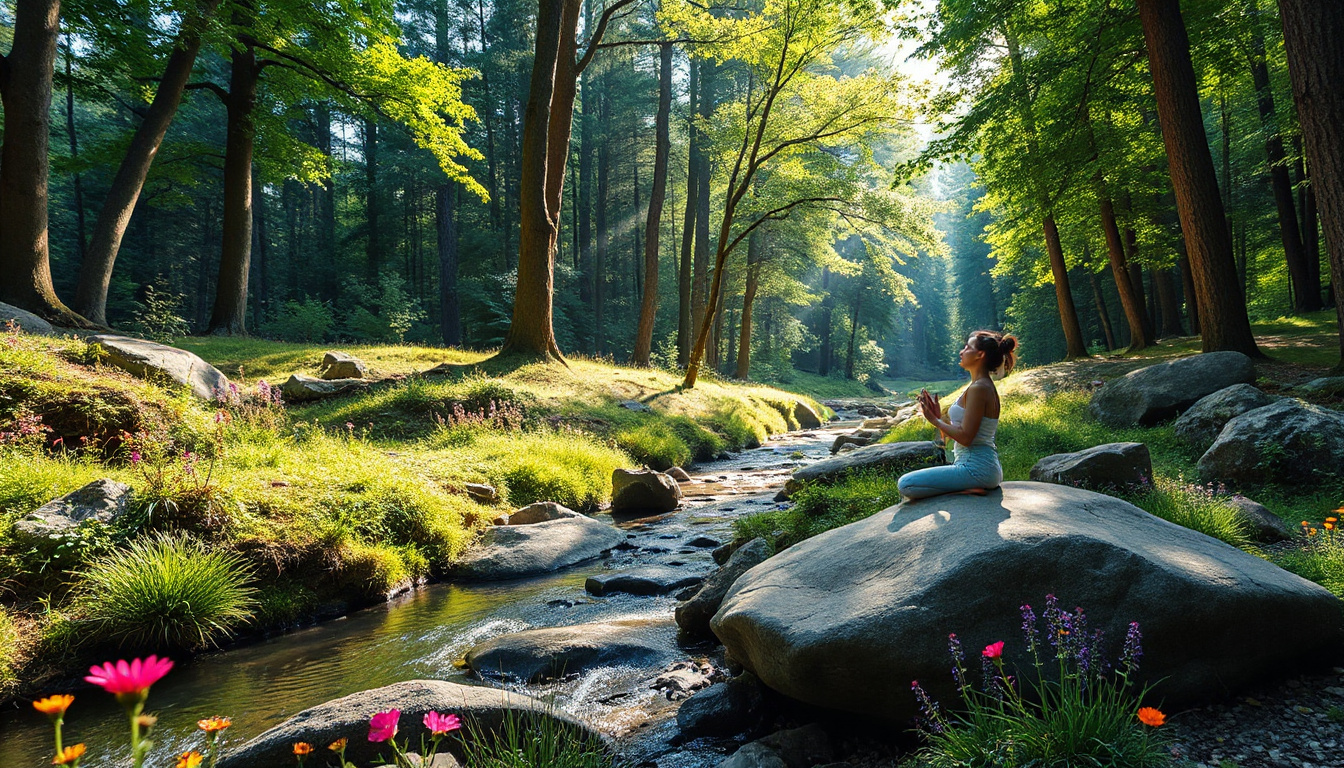
Key Takeaways
- Recognizing the symptoms and causes of burnout is crucial for effective recovery.
- Self-care plays a vital role in healing from burnout and restoring mental health.
- Natural remedies like herbal teas and aromatherapy can aid in stress relief.
- Mindfulness and meditation are powerful tools for managing burnout and promoting relaxation.
- Building a support system and making sustainable lifestyle changes are essential for long-term recovery.
Understanding Burnout: Symptoms and Causes
When we talk about how to recover from burnout naturally, it’s essential to first understand what burnout really is. Imagine yourself as a candle; every time you engage in work, relationships, or life’s stresses, you burn a little bit of that wax away. Over time, if you don’t replenish that wax and instead continue to burn near the wick, suddenly you’re left with a dim light struggling to shine. That’s burnout in a nutshell—a state of emotional, physical, and mental exhaustion caused by prolonged and excessive stress.
So, what are the telltale signs that you may be dealing with burnout? You might often find yourself feeling drained, lacking motivation, or unable to concentrate. You may notice irritability creeping in, even with those you care about deeply. Maybe you’ve started to feel detached from your work or feel less accomplished than before despite your best efforts. It’s important to acknowledge these feelings without guilt or shame; they’re common responses to prolonged stress.
Common Symptoms of Burnout:
1. Physical Symptoms: Fatigue, headaches, changes in sleep and appetite.
2. Emotional Symptoms: Cynicism, anxiety, depression, and feelings of inadequacy.
3. Behavioral Symptoms: Withdrawal from responsibilities, neglecting personal care, or even an increase in substance use.

The causes of burnout vary widely from person to person, and often intertwine. They can stem from factors like workplace stress, lack of support, overly demanding tasks, or a poor work-life balance. Life events, such as caring for an ill family member or going through a challenging period of personal change, can compound this stress even when it seems manageable at first. Recognizing these factors is key to understanding our own journey towards recovery.
The Importance of Self-Care in Recovery
Have you ever felt like you were running on empty, just going through the motions of life without any energy or excitement? You’re not alone. Many of us reach a point where burnout becomes a familiar companion, sapping our joy and motivation. Understanding how to recover from burnout naturally is not just about fixing the symptoms; it’s about nurturing our whole selves back to life.
Think of self-care as a garden. If we neglect the plants — whether by withholding water, light, or nutrients — they wilt and struggle to survive. Similarly, neglecting our emotional, physical, and mental needs can lead us to feel overwhelmed and disconnected. So, how do we turn this around? By embracing self-care as an essential part of our recovery journey.
Listening to Your Body
One of the first steps in recovery is learning to listen to our bodies. Have you noticed how often we ignore our needs? We keep pushing through fatigue, stress, and anxiety as if they are mere inconveniences.
In my own experience, I used to think that taking a break meant I was lazy. But the truth is, our bodies are incredibly wise. They signal when something is off-balance, and it’s our job to pay attention. If you feel exhausted, allow yourself to rest. If you’re feeling irritable, examine the emotional load you’re carrying. Listening is the first step toward healing.
Embracing Mindfulness and Meditation
Have you tried mindfulness or meditation? I remember it felt daunting at first — sitting in silence often led me to uncomfortable thoughts. However, as I practiced, I discovered a powerful tool that helped me identify my feelings and regain control.
Mindfulness is simply the act of being present in the moment, focusing on your breath, your surroundings, or even the sensation of your feet on the ground. The beauty of mindfulness is that it gently teaches us to observe rather than react. It’s like taking a step back to see the bigger picture of our lives without the swirling chaos. Numerous studies have shown that mindfulness practices can significantly reduce stress and improve emotional well-being (source).
Reconnecting with Nature
Imagine walking outside on a bright, sunny day. Your feet touch the grass, and you feel the warm sun on your skin. Doesn’t it feel invigorating? Nature has a unique way of rejuvenating us, reminding us of the beauty in the simple things.
Spending time outdoors has been shown to have physical and mental health benefits. Whether it’s a hike in the woods, a quiet walk in your neighborhood, or even tending to a small garden, connecting with nature helps ground us. It’s a delicious reminder that life is about movement and connection, not just productivity and deadlines.
Building a Routine
Stability in our daily lives can be truly revitalizing. When we’re recovering from burnout, creating a simple, consistent routine can bring structure and security. Even adding just a few elements can make a significant difference.
Here’s a simple guide to building that routine:
1. Wake Up and Wind Down: Establish a morning and evening routine that feels soothing. This might include stretching, meditation, or simply enjoying a warm cup of tea.
2. Schedule Breaks: Throughout your day, schedule short breaks to recharge, whether that means a five-minute walk or a quick breath exercise.
3. Prioritize Joy: Set aside time for activities that bring you joy, whether that’s reading, painting, or cooking.
4. Connect: Make time to check in with friends or loved ones, even if it’s just a quick text or call.
5. Reflect: At the end of the day, take a few minutes to journal or reflect on what you achieved and what you’re grateful for.
Seeking Professional Support
Sometimes, recovery from burnout requires an extra layer of support — and that’s perfectly okay. Seeking help from a therapist or counselor can provide valuable insights and strategies to aid your healing process. Remember, asking for help isn’t a sign of weakness; it’s a sign of strength and self-awareness.
Self-care is about kindness to ourselves — recognizing our needs and honoring them. You deserve to feel vibrant and engaged in your life, and each small step you take on this journey is a powerful investment in your overall well-being.
As you navigate your way through recovery, hold tight to the understanding that you’re weaving a beautiful tapestry of self-compassion and healing. Learning how to recover from burnout naturally takes time, patience, and above all, kindness to yourself. The journey won’t always be easy, but it’s undeniably worth it. Embrace each step, and know you’re not alone in this experience. Reach out, share your story, and take the first steps toward nurturing your spirit back to life.
Frequently Asked Questions
1. What are some natural ways to combat burnout?
– Engaging in regular physical activity, forming social connections, practicing mindfulness, and engaging in hobbies can all support recovery from burnout naturally.
2. How can I tell if I’m experiencing burnout?
– Symptoms include chronic fatigue, cynicism or detachment, lack of accomplishment, and difficulty concentrating. Reflecting on these feelings is your first step.
3. Is self-care really effective in preventing burnout?
– Absolutely. Self-care helps replenish your emotional reserves and can lead to more resilient coping when faced with life’s challenges.
‘Almost everything will work again if you unplug it for a few minutes, including you.’ – Anne Lamott
Natural Remedies for Stress Relief
Recovering from burnout can feel like an uphill battle, can’t it? It was for me as well. I remember those days when just getting out of bed felt like climbing a mountain, and everything I once enjoyed started to feel dull—a constant cloud hanging over my days. But, good news: if you’re wondering how to recover from burnout naturally, there’s a light at the end of the tunnel, and it shines brighter with each step you take toward nurturing yourself.
Let’s talk about some wonderful natural remedies that can help ease your stress and rejuvenate your spirit. Think of these remedies as little gifts you can give yourself to help soften the harsh edges left by burnout. Here’s a list of strategies I’ve found to be especially helpful when life starts to feel heavy:
1. Mindful Breathing: It’s amazing how a few deep breaths can center us and bring a sense of calm. Try inhaling for a count of four, holding for four, and then exhaling for four. Repeat this a few times, and feel your shoulders relax.
2. Nature Walks: Get outside! Nature has this incredible way of grounding us. A simple walk in the park or even your backyard can help you reconnect with yourself and recharge your mind.
3. Gentle Yoga or Stretching: This isn’t about perfect poses; it’s about listening to your body. Even simple stretches can release tightness and tension, and help you find a moment of peace.
4. Aromatherapy: Scents like lavender, chamomile, and eucalyptus can have calming effects. Consider using essential oils in a diffuser, or simply inhale their scent to help lift your mood.
5. Herbal Teas: Chamomile, peppermint, and lemon balm are all calming herbal teas that can soothe your nerves. Sip a warm cup and let the warmth wrap around you like a cozy blanket.
6. Journaling: Write down your thoughts and feelings. It’s a great way to process what you’re going through. You might be surprised at the clarity that comes from putting pen to paper.
7. Mindfulness Meditation: Even if it’s just for a few minutes a day, mindfulness meditation can help you slow down and evaluate your feelings without judgment.
Incorporating Mindfulness and Meditation
Recovering from burnout isn’t just about reducing your workload; it’s about nurturing your mind and spirit too. One of the most compassionate ways to do this is by incorporating mindfulness and meditation into your daily routine. You might be wondering how this could really help you. Let me share a bit about my journey.
I remember a time when I felt so overwhelmed that I could hardly make it through the day. My mind was racing with tasks, responsibilities, and the lingering anxiety of everything I hadn’t done. I stumbled upon mindfulness and meditation—two simple practices that became my refuge.
Mindfulness is essentially the art of being present. It means tuning into the here and now rather than getting lost in worries about tomorrow or regrets from yesterday. Think of it like holding a magnifying glass over your daily experiences. Suddenly, the details that once seemed mundane start to shine with vibrancy. You’ll notice how the warmth of your cup of tea feels in your hands or how the sun peeks through your windows, filling your space with warmth and comfort.
By dedicating just a few minutes each day to mindfulness, I learned to breathe through my stress. I would set a timer for five minutes and focus on my breath, gently bringing my attention back to my inhalation and exhalation every time my mind wandered. It was like giving my brain a much-needed vacation.
Meditation builds on this by providing a formal structure for mindfulness. You can sit or lie down in a comfortable position and focus on your breath, a mantra, or even guided imagery. When I started meditating, I used apps that gently guided me through the process, which made everything feel less daunting. In just a few days, I was able to feel calmer and less reactive to stressors.
Easy Ways to Practice Mindfulness and Meditation Daily
Here’s a gentle list to help you incorporate mindfulness and meditation into your life:
1. Start Small: Begin with five minutes a day and gradually increase it as you feel comfortable.
2. Find Your Space: Choose a quiet spot in your home where you feel safe and comfortable.
3. Be Patient: Remember, it’s normal for your mind to wander. When it does, just guide your focus back to your breath or your chosen focal point.
4. Use Your Senses: Engage your senses during daily activities, whether savoring your breakfast or listening to the sounds around you.
5. Join a Group: Find a local meditation or mindfulness group. There’s comfort in community, and shared experiences can enhance your practice.
Adopting these practices doesn’t magically solve everything overnight, but they indeed provide a gentle stepping stone toward clarity and calm.
As we delve deeper into understanding how to recover from burnout naturally, it becomes clear that treating ourselves with kindness and allowing ourselves to breathe can make a world of difference. Take a moment to think about when you last felt fully present. Was it during a conversation with a loved one, while reading your favorite book, or perhaps while soaking in the scent of a blooming flower? These moments matter, and they can become more frequent through mindful practices.

Building a Support System
Recovering from burnout can feel like an uphill battle, but it’s essential to remember that you don’t have to face it alone. Picture this: you’re a gardener, nurturing a budding plant. Just like that plant, you need support, care, and the right environment to thrive again. Building a support system is one of the most effective ways to aid your recovery, and it doesn’t have to be complicated.
First, think about the people in your life who uplift you—the friends who listen without judgment or the family members who encourage you. These are the folks who can be part of your support system, helping you feel less isolated in your journey of learning how to recover from burnout naturally. Reach out to them. Share your feelings openly. By voicing what you’re experiencing, you’ll likely find that they have dealt with their own struggles and can offer comforting advice or just a patient ear.
If you’re unsure where to start, here’s a gentle guide:
1. Identify Supportive Individuals: Take a moment to jot down names of friends, family members, or even acquaintances who you feel comfortable confiding in.
2. Reach Out: Send a message or call them. Start the conversation casually. You could say something like, ‘Hey, I’ve been feeling a bit out of sorts lately. Could we chat?’
3. Share Your Journey: Be honest about what you’re feeling. Let them know you are exploring how to recover from burnout naturally.
4. Ask for Help: This could be sharing responsibilities, going for a walk together, or simply spending time in their presence.
5. Make it a Habit: Regularly check in with your support network, even if you’re feeling okay. This helps reinforce bonds and creates an environment where you can openly discuss your feelings.
When you feel supported, you’re essentially creating an emotional safety net that cushions you during those particularly tough days. Remember, asking for help is a sign of strength, not weakness. Each of us needs support at different times in our lives, and reaching out can be a significant first step in reclaiming your energy and joy.
By fostering these connections, you not only expedite your recovery but also cultivate deeper relationships that enrich your life. It’s a beautiful exchange, where both you and your support network thrive.
Creating Sustainable Lifestyle Changes for Long-Term Recovery
We’ve all been there—caught in a whirlwind of daily responsibilities, endless to-do lists, and mounting stress. Burnout isn’t just a buzzword; it’s a reality for many of us navigating the turbulence of modern life. If you’re here searching for how to recover from burnout naturally, know that you’re not alone, and there’s hope for a brighter, healthier path forward.
Understanding Burnout
Let’s start by recognizing how burnout feels. It’s more than just tiredness; it’s that heavy weight on your chest, the nagging sense of dread as Monday rolls around, and the emotional numbness that kicks in during moments meant to bring you joy. You might have been a go-getter, juggling work and personal life with grace, but somewhere along the journey, everything became overwhelming.
In our fast-paced world, we’re often told to push through pain, but that just leads us further down the path of burnout. The first step in how to recover from burnout naturally involves acknowledging what you’re experiencing. It’s okay to admit that you’re feeling depleted and that your energy reserves are running on empty.
Prioritizing Self-Care as a Lifeline
When we think about self-care, it can sometimes feel like one more thing to add to our to-do list, but it doesn’t have to be that way. Instead, think of it as a lifeline—a way to replenish your energy and soothe your mind. Here are a few gentle, natural practices that can help you find your footing again:
• Mindfulness and Meditation: Start with just five minutes a day. Sit in silence and focus on your breath. Allow your thoughts to float by without judgment. The goal isn’t to stop thinking but to create a space of calm amidst chaos.
• Nature Walks: Nature has a magical way of grounding us. Find a local park, and take a walk. Notice the trees, the sound of the birds, and the feel of the earth beneath your feet.
• Healthy Eating: Nourishing your body offers a huge boost to your mood and energy levels. Incorporate colorful fruits and vegetables into your meals and reduce that reliance on processed foods.
• Adequate Sleep: Sleep is where healing happens. Create a calming bedtime routine that signals your body, it’s time to rest. Consider dimming the lights, putting away electronics, and perhaps enjoying a warm, herbal tea.
• Journaling: Writing down your thoughts can be incredibly therapeutic. Reflect on your feelings, express gratitude, or just let your mind flow onto the pages. This practice can help you connect with yourself on a deeper level.
Setting Boundaries: A Critical Step
It’s beautifully freeing to realize that it’s okay to say ‘no’ sometimes. Establishing boundaries about work and social obligations is vital when learning how to recover from burnout naturally. Whether it’s declining a task at work, saying no to social events that drain your energy, or carving out time for yourself, boundaries are essential in preserving your mental health.
We’re often conditioned to think validating our worth involves taking on everything. In reality, prioritizing what you can handle is an act of self-love. Think about what activities energize you and which ones leave you feeling drained. Trust me when I say, it’s perfectly okay to choose what brings you joy over obligation.
Building a Support System
Surrounding yourself with supportive friends, family, or even engaging in community can be incredibly healing. Sharing your experiences with someone who understands can provide relief. Often, they’ve faced similar struggles, and these conversations can foster a sense of belonging.
If there are people in your life who don’t resonate with your current journey, it may be time to assess those relationships. It’s about walking alongside individuals who uplift you, not those who weigh you down.
Integrating Small, Sustainable Changes
Recovery isn’t going to happen overnight; it’s about making small, sustainable changes that integrate seamlessly into your daily life. Try setting realistic goals. Perhaps it’s as simple as committing to a daily walk or dedicating time on Sunday to prepare healthy meals for the week ahead.
You might even want to consider creating a personal mission statement—something that resonates with your values and serves as a guiding light on tough days. Write it down, reflect upon it, and post it where you can see it, as a reminder of your commitment to nurture yourself.
FAQ: How to Recover from Burnout Naturally
Q: What are the signs of burnout I should be aware of?
A: Common signs of burnout include exhaustion, cynicism towards work or life, feeling ineffective, and disengagement. It’s a gradual build-up of stress that eventually manifests physically and emotionally.
Q: How long does it take to recover from burnout naturally?
A: Recovery varies for each individual. It can take weeks to months, depending on how entrenched the burnout is. The key is to be patient with yourself and allow gradual change.
Q: Can I recover from burnout without therapy?
A: Yes, while therapy can be beneficial, many people find relief through self-care practices, community support, and making lifestyle adjustments. However, don’t hesitate to seek professional help if needed.
Final Thoughts
Embracing a holistic approach to how to recover from burnout naturally takes time and practice, but remember, you’re not alone on this journey. Each small change adds up, leading you closer to a life filled with joy and sustainable energy. Give yourself permission to rest, recharge, and reflect.
Life can feel demanding, but it’s about making a conscious choice for you and your well-being. Together, let’s step towards a brighter future—one gentle step at a time.
Frequently Asked Questions
What are the common symptoms of burnout?
Common symptoms of burnout include chronic fatigue, irritability, difficulty concentrating, reduced performance, feelings of helplessness, and a lack of interest in activities that you once enjoyed.
How can self-care aid in recovering from burnout?
Self-care is crucial for recovery as it helps replenish your emotional and physical energy. Engaging in activities that promote relaxation, hobbies, and social connections allows you to recharge and regain balance.
What are some natural remedies for stress relief?
Natural remedies for stress relief include herbal supplements such as ashwagandha or chamomile, regular physical activity, a balanced diet rich in whole foods, and practices like yoga or tai chi.
How can mindfulness and meditation help with burnout recovery?
Mindfulness and meditation can significantly reduce stress levels by promoting relaxation, enhancing self-awareness, and providing a mental break from negative thoughts, which can aid in the healing process.
What lifestyle changes can I make to prevent future burnout?
To prevent future burnout, consider setting boundaries in your work and personal life, prioritizing time for self-care, cultivating meaningful relationships, and adjusting your workload to manage stress effectively.
This post may contain affiliate links which means I may receive a commission for purchases made through links. I will only recommend products that I have personally used! Learn more on my Private Policy page.


