As we embrace the journey through our 40s, we often find ourselves dealing with new and unexpected changes in our bodies. One question that may arise is, ‘Why healthy foods make me bloated after 40?’ If you’ve recently started feeling uncomfortable or gassy after eating what’s supposed to be good for you, trust me, you’re not alone in this. Many of us navigate the sometimes baffling journey of trying to eat well while grappling with mysterious digestive foes. It can feel incredibly frustrating, especially when you’re putting in the effort to nourish your body with wholesome foods. Let’s dive into this together and shed some light on why these healthy choices might not be sitting well with you anymore.

Key Takeaways
- Bloating is a common digestive issue that can increase with age due to hormonal changes.
- Hormonal fluctuations after 40 can significantly impact how the body digests healthy foods.
- Certain healthy foods, like cruciferous vegetables and beans, may lead to bloating in some individuals.
- Identifying food intolerances and sensitivities is crucial for managing bloating symptoms.
- Seeking professional help may be necessary if bloating persists despite dietary adjustments.
Understanding Bloat: What Is It and Why Does It Occur?
As we navigate through our twenties and thirties, our bodies often seem to handle food with a certain ease, but as we hit that big milestone of 40, things can take a surprising turn. You might find yourself asking, ‘Why healthy foods make me bloated after 40?’ It’s a sentiment I’ve personally grappled with, and believe me, you’re not alone. Our bodies are complex ecosystems, and just when you think you’ve got everything figured out, they throw a curveball right at you.
Understanding bloat can feel like trying to solve a mystery. At its core, bloating happens when there’s excess gas or fluid in the stomach and intestines. But why does that happen more frequently when you’re eating those nutrient-packed veggies and lean proteins?
One reason is that our digestive systems can become less efficient as we age. Enzymes that help break down food may decrease, making it harder for our bodies to process certain healthy foods. Additionally, many healthy foods, like beans, cruciferous vegetables (think broccoli and cauliflower), and whole grains, are rich in fiber — which is fantastic for your gut health, but can also lead to gas if introduced too quickly or consumed in large amounts. It’s a bit like throwing a surprise party for your digestive system; it needs time to get used to the influx!
Moreover, hormonal changes that often come with age can impact digestion. The body’s estrogen levels fluctuate, affecting gut motility and leading to that uncomfortable feeling of fullness or distension. Our relationship with food becomes even more intricate. So, instead of feeling frustrated with your body for reacting to the healthy foods you enjoy, it may help to think of it as your body’s way of asking for a change of pace — a gentle reminder to be more mindful about how we embrace these healthier choices.
The Impact of Hormonal Changes on Digestion After 40
Have you ever sat down to enjoy a vibrant, colorful salad or a delicious bowl of quinoa, only to find that your stomach feels like a balloon shortly after? If you’re wondering, ‘Why healthy foods make me bloated after 40?’ you’re not alone. Many of us start to notice that our bodies react differently to foods we once thrived on. This can be disheartening, especially when we’re trying to make positive choices for our health.
As we age, especially after hitting that big 4-0, our bodies go through a variety of hormonal changes that can significantly impact digestion. Imagine hormones as tiny messengers, directing how our bodies respond to the food we eat. With age, the balance of these hormones can shift, leading to issues like bloating, which can often feel like an unwanted guest at a dinner party.
Let’s take a moment to break this down together. Women, in particular, may experience fluctuations in estrogen and progesterone during perimenopause and menopause. These changes can affect how our gastrointestinal tract operates, slowing things down and making us more sensitive to certain foods. Essentially, our digestive systems may become a bit more finicky, requiring us to tune in more closely to how we feel after eating.
For example, you might find that foods high in fiber, like beans or certain vegetables, suddenly cause discomfort when they didn’t before. This can be frustrating when you’re focusing on eating healthier! It’s important to understand that these changes are completely normal and are part of the beautiful journey of aging.
Common Culprits of Bloating
To get to the heart of the matter, let’s look at some of the foods that may be contributing to that bloated feeling:
1. High-Fiber Foods: While fiber is essential for good digestive health, an abrupt increase can overwhelm your system.
2. Dairy Products: If you’ve found that milk or cheese is causing discomfort, it could be a sign of lactose intolerance that develops later in life.
3. Carbonated Drinks: The bubbles in soda and sparkling water can add unwanted gas to your system.
4. Gluten: Some people develop a sensitivity to gluten over time, which can result in bloating and digestive trouble.
5. Cruciferous Vegetables: Foods like broccoli and cauliflower, while incredibly nutritious, can produce gas when being digested.
Now, these foods are generally healthy, but if you notice they’re causing you discomfort, don’t be hard on yourself. We’re learning how to be in tune with our bodies!
Dealing with Bloating: Practical Tips
Here are a few gentle approaches to help manage bloating as you explore which healthy foods work best for you:
• Listen to Your Body: Keep a food diary to track what you eat and how it makes you feel. Understanding your body’s responses can help you identify patterns and avoid troublesome foods.
• Gradual Changes: If you’re increasing fiber intake, do it slowly! Give your digestive system time to adjust.
• Stay Hydrated: Drinking plenty of water can aid digestion and help reduce bloating.
• Mindful Eating: Take the time to chew your food thoroughly. It may seem simple, but good digestion starts with breaking down food properly.
• Consider Probiotics: Foods rich in probiotics, like yogurt or fermented grains, can help balance your gut bacteria and may aid in digestion.
Time to Embrace a New Normal
While the shift in digestion after 40 can be challenging, it’s an invitation to slow down and nurture your body in new ways. Just like a fine wine getting better with age, we too can learn to embrace our changes. Remember, healthy eating should leave you feeling nourished and vibrant, rather than bloated and uncomfortable.
If you’re finding that a particular healthy food doesn’t sit well with you, don’t hesitate to try adjustments or substitutions. Also, talking to a healthcare provider or a dietitian can provide personalized guidance and reassurance.
FAQs
Q: Why does my stomach hurt after eating healthy foods?
A: Stomach pain can be caused by a variety of factors, including food intolerances or hormonal changes. Keeping a food diary can help pinpoint the cause.
Q: Can hormonal changes cause food sensitivities?
A: Yes, hormonal changes can lead to increased sensitivity to certain foods or difficulty digesting them, contributing to bloating.
Q: What are some gentle remedies for bloating?
A: Gentle remedies include drinking herbal teas (like peppermint or ginger), staying hydrated, and practicing mindful eating techniques to reduce discomfort.
A Loving Reminder
As we navigate the complexities of changing bodies and aging with grace, remember to be kind to yourself. It’s completely okay to feel frustrated at times—your experiences are valid. Embrace the journey of learning what your body needs now, and allow yourself the grace to shift your relationship with food. If a certain healthy food makes you feel bloated, it’s not you; it’s just your body adjusting. Let’s savor nourishing ourselves in ways that feel good! So, take that leap, listen to your body, and embark on this beautiful journey toward understanding and loving your evolving self.
‘Let food be thy medicine and medicine be thy food.’ – Hippocrates
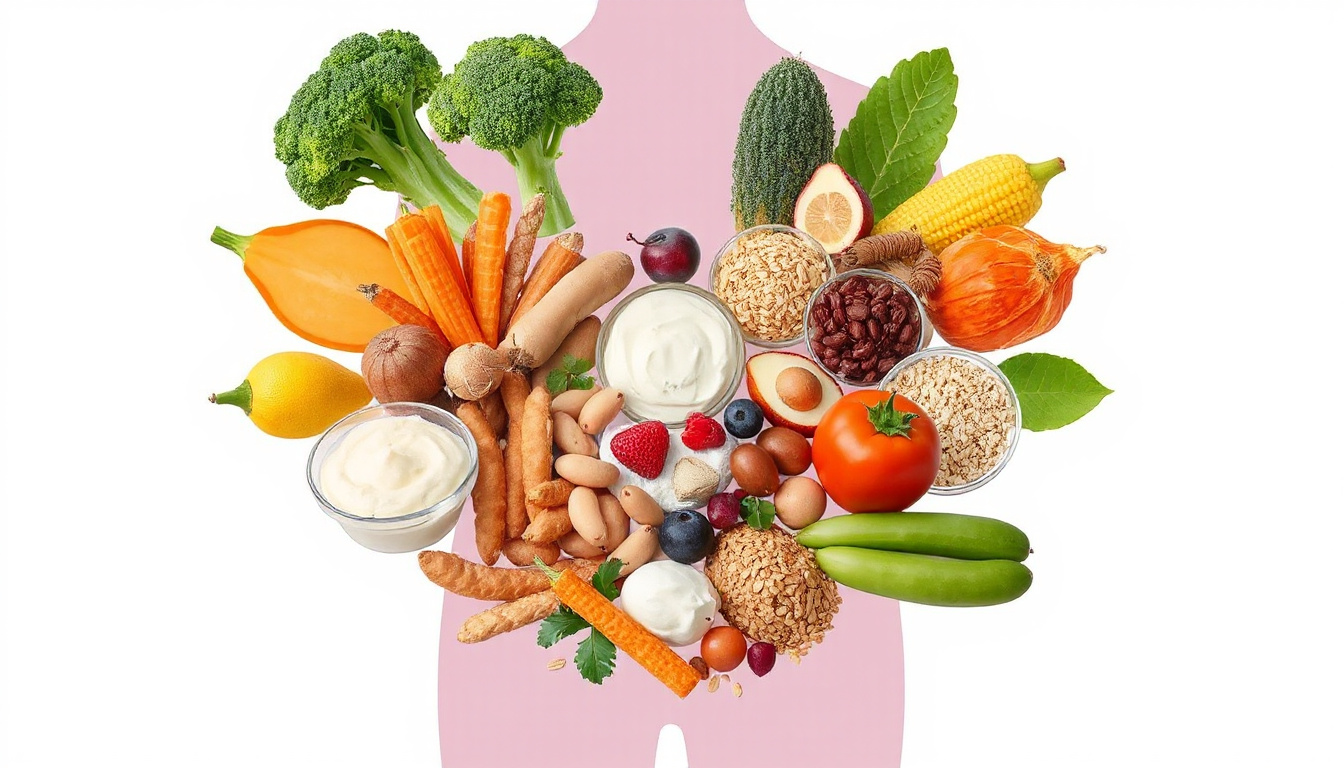
Common Healthy Foods That Can Cause Bloating
As we embark on the journey of life beyond 40, many of us notice a shift in how our bodies respond to the foods we eat. This transformation can feel confusing, especially as we try to nourish ourselves with what we believe are healthy foods. If you’ve been wondering, ‘Why do healthy foods make me bloated after 40?’ you’re certainly not alone. You might find yourself feeling uncomfortable after eating broccoli, chickpeas, or even apples—foods that are often heralded as nutritional superheroes. Isn’t it frustrating when what appears to be good for us seems to have the opposite effect? Let’s talk about it.
The Aging Digestive System
As we age, our digestive system can become less efficient. This change is entirely normal, but it can lead to some noticeable discomfort. Think of your digestive tract like a well-tuned machine; over time, it might not work as smoothly as it once did, which can make processing even the healthiest foods a bit of a challenge. Enzymes that help break down food may decrease, and our gut microbiome—the community of bacteria living in our intestines—can also undergo shifts. These changes may show up as bloating, gas, or general discomfort after meals.
Common Healthy Foods That Can Cause Bloating
It’s ironic, isn’t it? Foods you thought were doing wonders for your health might be causing you to feel a bit like a balloon. Here are some common culprits:
• Cruciferous Vegetables: While veggies like broccoli, cauliflower, and Brussels sprouts are packed with vitamins, they also contain fiber and a sugar called raffinose that can lead to bloating when they’re digested.
• Legumes: Beans, lentils, and chickpeas are fantastic sources of protein and fiber, but they can create gas as they are digested, especially if your body isn’t used to them.
• Whole Grains: Foods like brown rice, quinoa, and whole wheat bread are loaded with benefits, but the fiber can also be tough to handle for some. The key is to increase your intake gradually.
• Dairy Products: Dairy may have been a staple in your diet, but as we age, many people develop lactose intolerance to some degree, leading to bloating after having milk, cheese, or yogurt.
• Artificial Sweeteners: Found in many “diet” products, these can be hard for your stomach to break down, leading to discomfort.
• Fruits High in Fructose: Foods like apples, pears, and cherries contain fructose, which can ferment in the gut, causing bloating, especially if consumed in large quantities.
• Nuts and Seeds: Packed with nutrients and healthy fats, these can also be high in fiber and protein, which might lead to some digestive sluggishness or bloating.
Listening to Your Body
Navigating food choices is like an ongoing conversation you have with your body. Sometimes, it speaks loudly, letting us know what it likes and what it doesn’t. Whenever you experience bloating, it’s important to take a step back and pay attention to your eating habits. Did you dive into those delicious chickpeas a little too quickly? Or did you indulge in that whole-grain pasta at dinner? Keeping a food diary could help you identify patterns and pinpoint what might be causing the discomfort.
Gentle Adjustments for Relief
So, what can you do to ease that uncomfortable bloating? Here are a few gentle adjustments to consider:
1. Introduce Foods Gradually: If you’re adding in more fiber-rich foods, do it slowly! Allow your digestive system time to acclimatize.
2. Drink Plenty of Water: Staying hydrated helps with digestion and can relieve bloating.
3. Cook Your Vegetables: Cooking can break down fiber, making it easier to digest, which might help when dealing with cruciferous veggies.
4. Mind Your Portions: Try smaller servings of known trigger foods and see how your body reacts.
5. Chew Thoroughly: Take your time when eating! This simple act helps digestion as it breaks food into smaller pieces for easier processing.
6. Consider Digestive Aids: Over-the-counter options like simethicone might offer some relief when discomfort strikes.
Closing Thoughts
It’s essential to remember that feeling bloated doesn’t mean you need to abandon healthy foods altogether. Instead, let’s think of it as an opportunity to learn more about how our bodies work. At times, it might feel discouraging—especially when you’re doing your best to make wholesome choices—but you’re not alone in this. We’re all trying to find balance and harmony within our bodies. So, keep experimenting, listening, and adjusting. Your health journey is uniquely yours, and with a little patience and understanding, you can find the right path for yourself.
FAQ:
Q: Can eating too many healthy foods cause bloating?
A: Yes, even healthy foods can cause bloating if consumed in large quantities or if your body isn’t accustomed to them.
Q: Are there specific foods that help reduce bloating after 40?
A: Foods like bananas, cucumbers, and ginger can help ease bloating, as they tend to be gentler on the stomach.
Q: How can I improve my digestion as I age?
A: Focus on a balanced diet, stay hydrated, and consider incorporating probiotics or fermented foods, which can support gut health as we age. (source)
At the end of the day, your health and happiness mean the world. If you’ve found this information helpful, share it with the people close to you. Let’s all support each other in figuring out this adventure of life—together.
Identifying Food Intolerances and Sensitivities
When we hit our 40s, it seems like our bodies can suddenly shift gears without warning. One minute, we’re enjoying a delightful dinner of fresh vegetables, and the next, we’re grappling with uncomfortable bloating. If you’re wondering, ‘Why do healthy foods make me bloated after 40?’ you’re not alone. This is a common concern for many who are trying their best to make nutritious choices, but feel frustrated by their bodies’ reactions.
The truth is, our digestive system can change as we age. Factors like hormone fluctuations, decreased digestive enzymes, and changes in gut bacteria can all contribute to this newfound sensitivity. It might feel like your body has turned on you, but it’s really just reacting to the shifts that come with age. Think of it like this: if your body was once a smooth-running car, after 40, it may need a bit more careful maintenance and tuning to keep everything running smoothly.
As we dive deeper into the topic, let’s explore how we can identify food intolerances and sensitivities together. This is the first step in understanding what your body might be trying to tell you, and it can lead to a more comfortable and enjoyable eating experience.
Tips for Managing Bloat While Eating Healthy
Eating healthy feels great, doesn’t it? We’re often bombarded with messages about how nourishing our bodies with whole foods can lead to vibrant health, radiant skin, and more energy. But if you’ve suddenly found yourself feeling uncomfortable after meals, especially after you hit the big four-oh, you might be asking, ‘Why do healthy foods make me bloated after 40?’ Trust me, you’re not alone in this frustrating experience. I’ve been there too, navigating this strange new chapter in our bodies where seemingly harmless foods can lead to an unfortunate side effect: bloat.
Understanding the Connection Between Age and Bloating
As we age, our bodies undergo many changes. One of the most significant shifts occurs in our digestive system. Think of it as a mature engine—it might not start up as quickly, or it may need a little warm-up before firing on all cylinders. Our digestive enzymes, which help break down our food, may become less efficient over time. This means that healthy foods rich in fiber and other nutrients, while excellent for your health, can sometimes overwhelm our digestive systems if they’re not processed quite as smoothly.
Many healthy foods, such as beans, cruciferous vegetables like broccoli and cauliflower, and whole grains, are high in fiber, which is essential for a healthy gut. But they can also produce more gas, especially if your body isn’t used to digesting them in larger quantities. It’s like running a marathon without training—you might end up feeling a bit worse for wear!
Common Healthy Foods That Might Cause Bloat
So, what are these healthy foods that might be contributing to your bloating? Here’s a little list for you:
1. Beans and Lentils
These plant-based proteins are fantastic but can cause gas because they contain oligosaccharides that are hard to digest.
2. Cruciferous Vegetables
Broccoli, cauliflower, Brussels sprouts—they’re all loaded with nutrients but can create gas as they break down in your gut.
3. Whole Grains
Brown rice, whole wheat bread, and oats have more fiber than their white counterparts, which can lead to bloating if you’re transitioning to a high-fiber diet too quickly.
4. Dairy Products
Even for those of us who love yogurt or cheese, lactose intolerance can sneak up on us post-40, making these foods troublesome.
5. Fruits
Some fruits, such as apples and pears, contain sorbitol, which can also result in gas and bloating.
Understanding which foods might be causing your discomfort is the first step toward relief. The goal here is not to eliminate these foods altogether (since they’re often packed with nutrients) but to manage your diet thoughtfully.
Tips to Combat Bloating While Eating Healthy
Here are some gentle, tangible ways to help manage that bloat while still enjoying the benefits of eating healthy:
• Take it Slow: Gradually increase your fiber intake. If you’re not used to a lot of fiber, start with small amounts. For instance, add a few beans to your salads rather than one full meal of bean chili.
• Stay Hydrated: Drinking plenty of water can help facilitate digestion and prevent constipation, which can contribute to bloating.
• Cook Your Veggies: Cooking can break down tough fibers in veggies, making them easier to digest. Consider steaming or roasting instead of eating raw.
• Mind Your Portions: Eating large meals can overwhelm your digestive system. Try smaller, more frequent meals throughout the day.
• Limit Carbonated Beverages: These can introduce gas into your digestive system. Opt for flat water, herbal teas, or non-carbonated drinks instead.
• Listen to Your Body: Pay attention to how different foods affect you. Keeping a food diary can be a fantastic way to track what you eat and how it makes you feel.
Conclusion
If you’ve found yourself wondering why healthy foods make you bloated after 40, remember it’s a common concern and something many of us navigate as we grow older. Our bodies are wonderfully complex, but they also need a bit of tender care now and then. By taking steps to adjust your diet thoughtfully and learning which foods may cause discomfort, you can empower yourself to maintain a healthy and happy eating experience.
Don’t hesitate to reach out to a healthcare professional or a nutritionist who can offer personalized advice that caters to your needs. You deserve to feel good about what you eat, and there are always ways to make it work for you. Your health journey is uniquely yours, and with patience and kindness toward yourself, you can find the right balance.
When to Seek Professional Help for Digestive Issues
As we age, our bodies undergo changes that can challenge our relationship with food. You might have noticed that certain healthy foods that once felt like a treat, now leave you with that uncomfortable bloated feeling. Trust me, I’ve been there—sitting and trying to enjoy a beautiful salad or a hearty bowl of quinoa only for my stomach to feel like a balloon shortly afterwards. It’s frustrating and confusing, you might even feel a pinch of betrayal from the very foods that are meant to nourish us. So, let’s dig deeper into why healthy foods make me bloated after 40—and what this means for your life moving forward.
The Aging Digestive System
As we transition into our forties and beyond, our digestive system may not work as efficiently as it once did. Many factors contribute; for instance, our metabolism tends to slow down, meaning our bodies might have trouble processing certain foods as quickly. Additionally, changes in hormone levels can affect bowel function and gut health, leaving us feeling uncomfortable after meals that we once enjoyed. Think of it like your favorite car that’s been running smoothly for years. Suddenly, it’s starting to sputter and stall without any apparent reason. We must tune into what is affecting our digestion—because when we learn to listen, we can better understand our needs.
Common Culprits of Bloating
Before you shy away from your favorite healthy foods altogether, let’s explore some potential triggers. Here are common items that may contribute to bloating:
– Beans and Lentils: While rich in fiber and plant-based protein, they may cause gas as they ferment in our intestines.
– Cruciferous Vegetables: Broccoli, cauliflower, and Brussels sprouts can be harder to digest for some people.
– Whole Grains: Foods like whole wheat bread and oats may contain gluten, which can be irritating if you’ve developed sensitivity.
– Dairy Products: Many adults develop lactose intolerance as they age, making milk, cheese, and yogurt tricky to digest.
– High-Fiber Foods: While fiber is crucial for digestive health, too much of it at once can overwhelm your system.
Exploring Food Sensitivities
If you’re like many of us, you may start to notice more pronounced reactions to foods as you age. You could be experiencing something like food intolerances or sensitivities—these are not the same as food allergies, but they can lead to uncomfortable symptoms like bloating, gas, or stomach pain. A good approach here is to start keeping a food diary. Jot down what you eat and how you feel after meals. This can serve as a gentle nudge to understand your body’s reactions better.
When to Seek Professional Help for Digestive Issues
Along the way, there will be times when we need extra support. If your bloating becomes a constant or severe issue, it’s vital to connect with a healthcare professional. Look out for signs such as:
1. Chronic stomach pain that doesn’t subside.
2. Recurring bloating that disrupts your daily activities.
3. Weight loss or changes in appetite.
4. Blood in your stool or severe diarrhea.
5. Persistent fatigue that interferes with daily life.
These are signals from your body—an invitation to seek guidance from a registered dietitian or a gastroenterologist who can provide clarity and care.
Finding Balance with Your Diet
While some foods may cause issues, remember that many healthy foods can still be enjoyed with a little mindfulness. Try to eat smaller portions, chew your food thoroughly, and combine certain foods to ease digestion. It can also help to cook vegetables instead of consuming them raw if you find that beneficial. The key is to nurture that connection with your body. Look for alternatives—you don’t have to abandon healthy eating entirely!
Conclusion: Nurturing Your Body’s Needs
Navigating digestive issues after 40 can be a learning journey entirely rooted in compassion for ourselves. It’s about acknowledging what doesn’t work for us, offering ourselves grace as we try to find balance, and embracing a variety of nourishing foods. Remember, you’re not alone on this path. By staying in tune with your body and seeking professional guidance when needed, you can optimize your health and continue enjoying a vibrant diet. If you’re ready for a deeper exploration of what works for you, consider consulting with a nutrition expert who can help you turn confusion into clarity and empowerment.
Frequently Asked Questions
What causes bloating after 40, even when eating healthy foods?
Bloating after 40 can be caused by various factors including hormonal changes, slower digestion, and food intolerances. As we age, hormonal shifts can affect how our digestive system functions, leading to increased bloating.
Which healthy foods are known to cause bloating?
Common healthy foods that can cause bloating include beans, lentils, cruciferous vegetables (like broccoli and cauliflower), dairy products (for those who are lactose intolerant), and some whole grains.
How can I manage bloating while trying to eat healthy?
To manage bloating, try eating smaller, more frequent meals, avoiding carbonated drinks, staying hydrated, and keeping a food diary to identify any specific food intolerances. Additionally, consider cooking vegetables to make them easier to digest.
What signs indicate that I should see a professional for digestive issues?
You should seek professional help if bloating is severe, persistent, accompanied by pain, or impacts your daily life. Other concerning symptoms include significant weight loss, changes in bowel habits, or blood in your stool.
Can aging alone be responsible for increased bloating, or is it purely diet-related?
While diet plays a significant role in bloating, aging can also contribute due to hormonal changes and reduced digestive efficiency. It’s often a combination of both factors that leads to increased bloating after 40.
This post may contain affiliate links which means I may receive a commission for purchases made through links. I will only recommend products that I have personally used! Learn more on my Private Policy page.


