Have you ever woken up after what was supposed to be a full night’s sleep, only to feel like you were hit by a truck? You may have found yourself pondering, ‘Why am I always exhausted even after a full night’s sleep?’ I’ve been there too, staring up at the ceiling at three in the morning, wondering why something so fundamental feels so elusive. Getting enough sleep should leave us feeling refreshed and ready to tackle the day, yet for many of us, it often leaves us feeling drained.
This article dives into the reasons behind this frustrating reality. Together, we’ll explore the intricacies of sleep cycles, the powerful effects of stress and diet, and how technology can be our worst enemy when it comes to a good night’s rest. Whether you’re just looking to understand your sleep better or you’re desperate to reclaim those energetic days, here’s a compassionate guide to understanding and improving your situation.
Key Takeaways
- Understanding sleep stages is crucial to recognizing how sleep quality affects overall energy levels.
- Disruptions in sleep cycles can prevent restorative sleep, leading to chronic exhaustion.
- Stress and anxiety significantly impact sleep quality and can perpetuate feelings of fatigue.
- Diet and exercise play key roles in promoting better sleep health and improving energy levels throughout the day.
- Technology and screen time can interfere with sleep, making it essential to manage usage for better rest.
Understanding Sleep Stages: What Happens During a Full Night’s Sleep?
Have you ever found yourself asking, ‘Why am I always exhausted even after a full night’s sleep?’ If you’ve ever felt like you’re dragging through your day despite clocking in hours of restful slumber, you’re not alone. This is a common struggle, and it’s more than just feeling groggy or unfocused. We spend about one-third of our lives asleep, yet many of us wake up feeling as though we haven’t rested at all. Understanding the various stages of sleep can shed light on why this happens and help us find ways to improve our sleep quality.
The Sleep Cycle Explained
When we sleep, our bodies undergo several stages that cycle multiple times throughout the night. This fascinating journey includes three non-REM (Rapid Eye Movement) stages and one REM stage. Here’s a simplified breakdown:

1. N1 (Stage 1): This is the lightest stage of sleep, lasting only a few minutes. It’s that beautiful moment when you drift off, and you might still be aware of your surroundings.
2. N2 (Stage 2): Here, your body begins to truly relax. Heart rate slows down, and body temperature drops. This stage lasts longer than N1 and is important for memory consolidation.
3. N3 (Stage 3): Often referred to as deep sleep, this phase is crucial for physical restoration. Your body repairs itself, grows muscle, and builds energy for the next day.
4. REM Sleep: Lasting longer with each cycle, this stage is where most of our dreaming occurs. It’s vital for emotional regulation, learning, and memory.
Without completing these stages in a regular cycle throughout the night, you can wake up feeling just as tired as when you went to bed. If any one of these stages is disrupted, it can lead to that overwhelming sense of fatigue we all dread.
Common Sleep Disruptors
As you ponder why you might always feel exhausted despite sufficient hours in bed, consider some of the everyday factors that might be disrupting your sleep:
• Stress and Anxiety: Our minds can be unruly, constantly racing. Stress can lead to a poor sleep cycle by preventing you from easily entering those deeper sleep stages.
• Sleep Environment: Is your bedroom a calming sanctuary or a chaotic clutter zone? Noise, light, or an uncomfortable mattress can prevent you from achieving quality rest.
• Nutrition and Caffeine Intake: What we consume during the day greatly affects our nights. Drinking caffeine too late or munching on heavy meals before bed can keep you tossing and turning.
• Screen Time: Blue light emitted from phones, laptops, and TVs can trick your brain into thinking it’s still daytime, making it harder to fall into deep sleep.
Tips for Improving Sleep Quality
Let’s focus on some actionable strategies you can implement to improve your sleep quality and perhaps finally answer that lingering question—why you’re always exhausted even after a full night’s sleep.
1. Maintain a Regular Sleep Schedule: Try to go to bed and wake up at the same time every day, even on weekends. This helps regulate your body’s internal clock.
2. Create a Sleep-Inducing Environment: Make your bedroom soothing. Consider blackout curtains, earplugs, or a white noise machine if necessary.
3. Limit Heavy Meals and Caffeine: Avoid large meals and caffeine in the few hours leading up to your bedtime. Listen to your body—it knows what it needs.
4. Unplug: Establish a wind-down routine that limits screen time. Perhaps consider reading a physical book or journaling for a few moments before bed.
You deserve those restorative nights of sleep that leave you feeling refreshed in the morning. Every little change you make to your routine can lead to gradual improvements.
Your Journey to Better Sleep
The journey to better sleep is uniquely yours, and it might take some time to find what truly works. Just remember, be gentle with yourself in this process. Experiment with various strategies and evaluate what resonates with you. It’s easy to feel discouraged if progress seems slow, but every small step can lead you closer to those invigorating mornings you crave.
FAQs About Sleep
Q: What should I do if I can’t fall asleep?
A: If you struggle to fall asleep, get out of bed and do something relaxing until you feel sleepy again. Avoid looking at screens during this time.
Q: How many hours of sleep do I really need?
A: While the recommended amount of sleep varies by age, adults typically need 7-9 hours for optimal health and functioning.
Q: Can my mental health affect my sleep?
A: Absolutely. Mental health issues like anxiety and depression can significantly impact your sleep quality. If you are concerned, consider seeking support from a professional.
In conclusion, it’s completely normal to feel exhausted, even after a full night’s sleep—but there are steps we can take to change this narrative. Embrace your journey towards better sleep. Remember, small daily choices can lead to seismic changes in how you feel come morning! You’re not alone in this, and together, we can find what truly rejuvenates our minds and bodies. So take a deep breath, and let’s start prioritizing the rest we all deserve. Good luck!
The Impact of a Sleep Cycle Disruption on Restorative Sleep
If you’ve ever woken up feeling like you’ve been hit by a bus, even after what you thought was a full night’s sleep, you might be wrestling with that nagging question: why you’re always exhausted even after a full night’s sleep? Trust me, you’re not alone. In fact, many of us fall into that cycle of waking up drained, despite our best intentions to get our seven to nine hours of sleep.
Let’s dive into this scenario together. You set your alarm for a reasonable hour, snuggle under the covers, and drift off, only to wake up feeling as if the day started in the midst of a hurricane. Maybe you even had dreams that were more exhausting than comforting. It’s frustrating, isn’t it?
The truth is, many people don’t realize that it’s not just about the quantity of sleep; it’s the quality that counts, too. Our sleep is made up of several cycles, each one playing a crucial role in how well we recuperate for the day ahead. When these cycles get disrupted—due to stress, lifestyle choices, or even just a slight imbalance—we can end up feeling groggy, irritable, and worn out. Imagine trying to fill a cup with water, but every time you pour, some leaks out. No matter how much you pour, the cup never fills. That’s what disrupted sleep cycles can feel like.
So, what exactly happens to our sleep cycles that leave us feeling perpetually exhausted? Let’s break it down.
‘Sleep is the ultimate form of self-care.’ – Amanda Francis
How Stress and Anxiety Affect Sleep Quality
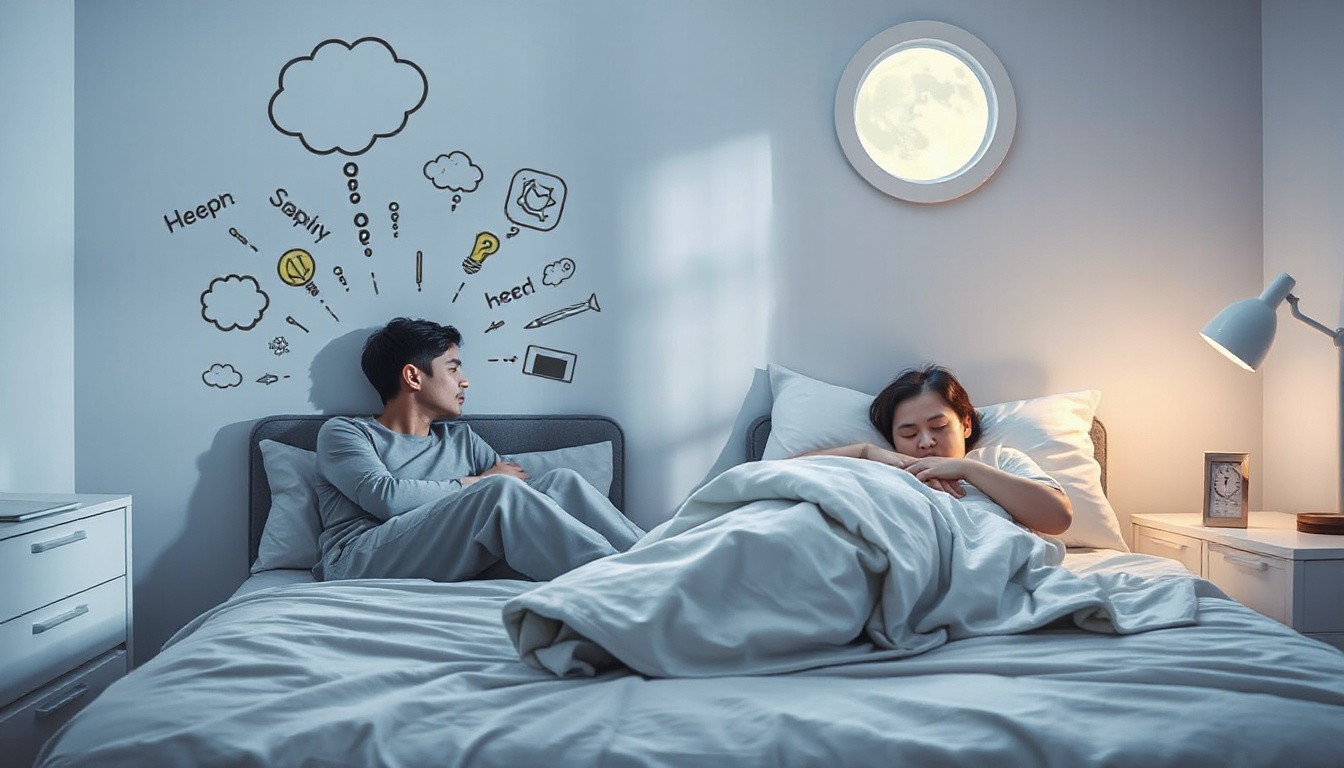
Have you ever found yourself tossing and turning in the middle of the night, feeling restless and frustrated, even after a long evening of trying to catch those Z’s? If you’re nodding along, you’re definitely not alone. Many of us have experienced that sinking feeling of exhaustion after what we thought was a full night’s sleep. This brings us to a common question: Why You’re Always Exhausted Even After a Full Night’s Sleep. To understand this better, let’s talk about how stress and anxiety might be doing a number on your sleep quality.
When life gets busy, or when worries start to weigh us down, it’s not just our minds that can become overwhelmed; our bodies feel it too. It’s like trying to enjoy a beautiful sunset while a storm brews overhead. That anxiety can keep us in a constant state of hyper-alertness, making it hard to relax when we finally hit the pillow. You may find your mind racing with a million thoughts—your to-do list for tomorrow, unanswered emails, or even those small worries about family or friends. This chaotic rush can elevate cortisol levels, the body’s primary stress hormone, which can disrupt our natural sleep cycles and lead to restless nights.
The Importance of Sleep Cycles
Let’s take a moment to unpack sleep in a way that resonates with our everyday experiences. Imagine sleep as a multi-layered cake, with different tiers representing the various sleep cycles we go through at night. Each cycle plays a critical role in our overall health and well-being. We have light sleep, deep sleep, and REM (Rapid Eye Movement) sleep. Each stage is like a different phase of a restful retreat for your body and mind—where repairs happen, memories are formed, and emotional balance is restored.
But when we’re anxious, it’s as if a storm cloud hovers over our cake, preventing us from enjoying all those delightful layers fully. Maybe you get stuck in light sleep, where you’re easily disturbed, or you have trouble reaching that restorative deep sleep. That’s why you wake up feeling as if you haven’t slept at all.
Common Factors That Sabotage Sleep
It can help to shine a light on the specific factors that add to our restlessness. Here’s a short list of common culprits that might be affecting your sleep quality:
• Stressful Thoughts: An overload of worries can make it hard to unwind.
• Screen Time Before Bed: The blue light emitted by devices signals to our brain that it’s still daytime, making it harder to drift off.
• Caffeine Consumption: Consuming caffeine later in the day can keep your body wired when it should be winding down.
• Inconsistent Sleep Schedule: Going to bed at different times can throw off your body’s internal clock.
• Environmental Distractions: Noisy neighbors, an uncomfortable mattress, or too much light in your bedroom can keep you from sleeping soundly.
Gentle Encouragement for Better Sleep
Now, just acknowledging what’s keeping you up is a huge first step, and it’s completely okay to feel overwhelmed by it all. But as we navigate through this tricky territory together, let’s consider some gentle strategies that can lead to better sleep and, ultimately, a happier you.
1. Create a Relaxing Bedtime Routine: Allow yourself some time to unwind before bed—maybe a warm bath, a good book, or gentle stretching can ease your mind.
2. Limit Screen Time: Try to switch off devices at least 30 minutes before you plan to sleep.
3. Practice Mindfulness: Simple breathing exercises or meditation can really help quiet those racing thoughts.
4. Evaluate Your Sleep Environment: Make sure your bedroom is conducive to sleep—cool, dark, and quiet. Sometimes, a little decluttering can make a world of difference.
5. Be Consistent: Try to go to bed and wake up at the same time every day—even on weekends, if possible.
Getting a handle on stress and anxiety won’t happen overnight, but taking small, consistent steps can lead to meaningful changes in your sleep quality and, consequently, how rested you feel each day.
The Role of Diet and Exercise in Sleep Health
Have you ever woken up after a solid eight hours of sleep, yet felt just as tired as when you went to bed? This baffling experience—linked to why you’re always exhausted even after a full night’s sleep—can often be tied to how we treat our bodies during waking hours through our diet and exercise.
Think about it: when you think of sleep, what comes to mind? We often focus on the number of hours we manage to clock, but there’s so much more happening beneath the surface. Just like a car needs the proper fuel to run smoothly, our bodies require balanced nutrition and regular movement to ensure our sleep health is optimal.
Food for Thought
What we eat plays a crucial role in how well we sleep. Have you noticed that after indulging in heavy, greasy meals, you may feel a bit more sluggish the next day? Foods high in sugar and fat can leave you feeling groggy and can disrupt our body’s natural rhythm—especially if consumed in the hours leading up to bedtime. On the flip side, consuming nutrient-rich foods like leafy greens, whole grains, and proteins can enhance your sleep quality and energy levels.
Here are a few foods that can help improve your sleep health:
• Almonds: Packed with magnesium, which may help reduce sleep disturbances.
• Fatty fish: Rich in omega-3 fatty acids and vitamin D, essential for regulating serotonin – a key sleep hormone.
• Cherries: A natural source of melatonin, which can help improve sleep duration and quality.
• Bananas: Loaded with potassium and tryptophan, which can aid in better sleep.
By choosing foods wisely, you support your body’s innate ability to rest and rejuvenate itself. It’s not just about sleep; it’s about how you fuel your days that ultimately influence how restful your nights can be.
Moving Your Body
Have you ever felt energized after a good workout? That’s because regular exercise can significantly impact our sleep patterns. Exercise doesn’t only boost our mood; it can also lead to better sleep quality. When we engage in physical activity, our bodies release endorphins—those wonderful little chemicals that leave us feeling good. Additionally, exercise can help reduce stress and anxiety, allowing our minds to unwind at bedtime.
When it comes to finding the right balance, aim for activities that you genuinely enjoy, whether it’s yoga, hiking, dancing, or even a brisk walk around the neighborhood. While some people benefit from intense workouts earlier in the day, others might find that a calming evening yoga session helps them drift off more easily come bedtime.
The Stress Connection
Let’s talk about stress. If you’re like me, the daily pressures of life can sometimes feel overwhelming, leading to racing thoughts when you crawl into bed. Stress doesn’t just keep us awake; it can also lead to poor sleep quality, which is a huge factor in why you’re always exhausted even after a full night’s sleep. Our bodies produce hormones like cortisol when we’re stressed, and high levels of cortisol can disrupt our sleep cycles and prevent us from reaching those restorative deeper stages of sleep.
Finding ways to manage stress is vital. Consider incorporating relaxation techniques into your routine, such as deep breathing, meditation, or even just sitting quietly with a cup of herbal tea. It’s all about creating a sense of calm that will help your body transition smoothly into sleep. Don’t forget, that self-care isn’t selfish!
Sleep Hygiene Matters
Finally, we can’t overlook the importance of creating a sleep-friendly environment, often referred to as sleep hygiene. Think about your bedroom: is it a sanctuary of comfort, or does it feel more like a cluttered workspace? Making small tweaks can lead to significant changes in your sleep quality. Here are a few tips:
• Set a sleep schedule: Try to go to bed and wake up at the same time daily, even on weekends.
• Limit screens: Reduce screen time an hour before bed to prevent blue light from interfering with melatonin production.
• Create a relaxing routine: Engage in calming activities like reading, gentle stretching, or listening to soothing music.
• Control the environment: Keep your bedroom dark, cool, and quiet to optimize your sleep environment.
Common Sleep Disorders That Lead to Daytime Fatigue
You might find yourself wondering, ‘Why you’re always exhausted even after a full night’s sleep?’ If you wake up tired, despite spending what seems like a good 7 to 9 hours in bed, you’re not alone. This experience can be frustrating, to say the least. Imagine sneaking in those precious hours of rest only to wake up feeling like you’ve just tossed and turned all night. Let’s take a closer look at a few common sleep disorders that might be contributing to that sense of persistent exhaustion, even when the clock says you’ve had enough shut-eye.
Sleep Apnea
One of the most insidious culprits is sleep apnea. This condition is more common than many people realize, affecting millions. Simply put, sleep apnea involves interruptions in your breathing while you’re asleep. You might not be aware that you’re waking up multiple times throughout the night, gasping for air, or snoring loudly. Couples often know before we do! If you wake up feeling like you’ve run a marathon, this could be why. It can disrupt your sleep cycles and lead to that overwhelming daytime fatigue.
Insomnia
Another possibility is insomnia. This can manifest as difficulty falling asleep, staying asleep, or waking too early. Imagine lying in bed, desperately trying to drift off, but your mind just won’t cooperate. I’ve been there, staring at the ceiling at 2 a.m., wishing for sleep to take over. Chronic insomnia can leave you feeling drained the next day, regardless of how many hours you spend in bed.
Restless Legs Syndrome
Restless legs syndrome (RLS) is another condition that can cause challenges during sleep. Picture this: You’re lying comfortably in bed, but all of a sudden, you feel an uncontrollable urge to move your legs. It’s like having a persistent itch that just won’t go away. While you might be in bed for an adequate amount of time, the discomfort can prevent you from reaching that deep, restorative sleep your body craves.
Shift Work Sleep Disorder
For those of us who work non-traditional hours or have a rotating schedule, shift work sleep disorder can be a major player in our fatigue. Your body craves routine, and when your sleep schedule flips upside down, so does your circadian rhythm. That can leave you struggling to feel awake when you need to be, even after a long sleep.
Finding Balance: Steps to Better Sleep
So, what can we do about our sleepy struggles? Here’s a gentle list of small changes you can try, keeping in mind that we are all unique and may respond differently:
1. Create a Sleep Schedule: Aim to go to bed and wake up at the same time every day, even on weekends. Trust me, our bodies thrive on consistency.
2. Eliminate Distractions: Make your bedroom a sanctuary. Keep the lights dim, the noises low, and perhaps invest in blackout curtains.
3. Limit Screen Time: Try to cut down on screen usage an hour before bed. The blue light emitted can trick your brain into thinking it’s still daytime.
4. Practice Relaxation Techniques: Simple methods like deep breathing, meditation, or gentle stretching can help reduce stress and prepare your body for sleep.
5. Watch Your Diet: Pay attention to what you eat and drink before bedtime. Caffeine, heavy meals, and alcohol can disrupt sleep quality.
FAQs About Exhaustion and Sleep Disorders
Q: Why do I still feel tired after sleeping 8 hours?
A: You may have a sleep disorder like sleep apnea or insomnia that disrupts your sleep cycles, preventing you from feeling rested.
Q: Can my diet affect my energy levels even if I get enough sleep?
A: Absolutely. What you consume before bedtime can significantly impact sleep quality, which in turn affects your daytime energy.
Q: How can I tell if I have a sleep disorder?
A: If you frequently wake up feeling unrefreshed, struggle to stay awake, or notice excessive snoring, it might be worth seeking guidance from a healthcare professional.
If you’re someone who feels exhausted even after what should be a restful night of sleep, it’s crucial to listen to your body. Having a conversation with a healthcare provider can help identify any underlying conditions that may be affecting your sleep and, by extension, your well-being. Remember, finding solutions to our sleep struggles is a unique journey, and we’re not alone in this. Let’s take one step at a time towards a brighter, more energized tomorrow. Please consider reaching out for support or even maintaining a sleep diary to highlight patterns that might initially seem small but could be telling us so much about our overall health.
The Influence of Technology and Screen Time on Sleep
If you’ve ever found yourself yawning all day, longing for a burst of energy, you’re not alone in wondering, ‘Why you’re always exhausted even after a full night’s sleep?’ In our fast-paced, tech-driven world, sleep often takes a backseat to the demands of our daily lives. I get it—sometimes it’s all too easy to stay up late scrolling through social media or binge-watching your favorite show, even when you know you should be getting some good rest. The truth is, these very habits can disrupt the quality of our sleep, leaving us feeling more tired than ever, regardless of how many hours we spend in bed.
So, let’s talk about why technology can be a significant player in our sleep struggles. First off, screens emit blue light, which can trick our bodies into thinking it’s still daytime. This sneaky little trick can mess with our circadian rhythms—the natural processes that regulate our sleep-wake cycle. You might find it ironic that the device meant to relax you or keep you entertained can inadvertently keep you awake, right?
Think about it like this: have you ever noticed how hard it is to sleep after a late-night episode of your favorite series? You might feel tired, but your mind is racing from the plot twists and emotional roller coasters. It’s like trying to run a marathon after just finishing a meal; your muscles are exhausted, but your mind is not ready to wind down.
To smooth the path to restful sleep, it can help to have a tech timeout as bedtime approaches. Consider setting your phone down and opting for more calming activities—reading a book, practicing some light stretches, or even meditating. Just imagine the shift in your energy levels the next day if you gave yourself that time to unwind.
Here’s a gentle reminder—this isn’t about completely eliminating technology from your life because let’s be honest, it’s woven into our daily existence. But rather, it’s about finding balance and making intentional choices that work for you. To simplify how to navigate technology for better sleep, here’s a quick list of friendly tips:
• Set a Screen Curfew: Aim to put devices away at least an hour before bed. Instead, fill that time with your favorite winding-down activities.
• Use Night Mode: Most devices have a setting that reduces blue light exposure during evening hours. Give it a try!
• Create a Bedtime Routine: Establish a consistent pre-sleep ritual that helps signal your body that it’s time to rest. This could include stretching, journaling, or sipping herbal tea.
• Limit Stimulants: Cut down on caffeine within the hours leading up to bedtime—like coffee or energy drinks—to help your body relax.
Ultimately, it’s about being mindful of how our habits affect our sleep. Tackling the question of ‘why you’re always exhausted even after a full night’s sleep’ boils down to understanding those habits and making small yet significant changes. After all, we all deserve to feel truly rested, and recognizing the influence of technology is the first step toward a better night’s sleep.
Tips for Achieving Better Sleep Quality and Boosting Energy
If you’re nodding along, thinking, ‘Yes, that’s me!’ when I mention the frustrations of waking up tired even after what seems like a full night’s sleep, you’re not alone. Many people struggle with feelings of exhaustion despite the hours they spend under the covers. So why are we still dragging ourselves through the day like zombies when we’ve ticked the box for a solid night’s sleep?
First, let’s explore a few common culprits that might be keeping you from truly recharging during those hours of slumber. Sleep quality is just as important, if not more so, than the quantity of sleep you get. If you fall asleep but never enter the deeper, restorative stages of sleep, your body will still feel weary the next morning.
Here are some tips to help improve your sleep quality and boost your energy:
1. Create a Sleep Schedule: Try to go to bed and wake up at the same time every day, even on weekends. This helps regulate your body’s internal clock.
2. Limit Screen Time: The blue light from phones, tablets, and computers can trick your brain into thinking it’s still daytime. Aim to unplug at least one hour before bed.
3. Watch Your Caffeine Intake: While it may be tempting to reach for that afternoon coffee, try to limit caffeine consumption in the hours leading up to bedtime.
4. Create a Relaxing Bedtime Ritual: Incorporate calming activities before bed, such as reading or meditating. Allow your mind and body to unwind so you can gradually transition into sleep mode.
5. Optimize Your Sleep Environment: Make your bedroom a sanctuary for sleep. Keep it cool, dark, and quiet, and consider investing in a comfortable mattress and pillows.
6. Be Mindful of Your Diet: Eating heavy or spicy foods right before bed can disrupt your sleep. Aim for light snacks if you’re hungry before hitting the hay.
7. Stay Active: Regular physical activity can promote better sleep, but try to finish exercising at least a few hours before bedtime to give your body time to wind down.
Now, implementing these strategies can be a game changer for improving the way you feel upon waking. However, it’s essential to be patient with yourself as you adjust your habits; change doesn’t happen overnight. Think of these tips as gentle nudges toward a brighter, more energetic you.
You may find that you start to wake up with a bit more pep in your step and fewer yawns tangled in your morning routine. And remember, it’s perfectly okay to seek help if you’re still feeling persistently exhausted. A healthcare professional can help you figure out if there are underlying sleep disorders or other health issues at play.
More importantly, be kind to yourself on this journey. The path to restful sleep can take time, and it’s important to celebrate small victories along the way.
Frequently Asked Questions
What are the stages of sleep and why are they important?
During a full night’s sleep, the body goes through several stages, including light sleep, deep sleep, and REM (rapid eye movement) sleep. Each stage plays a crucial role in physical and mental restoration. Deep sleep helps with body recovery, while REM sleep is essential for memory and emotional processing.
How can a disrupted sleep cycle contribute to exhaustion?
Disruptions in the sleep cycle can prevent the body from completing essential sleep stages, leading to insufficient restorative sleep. This can result in feelings of exhaustion even after a full night’s sleep, as the body hasn’t effectively replenished its energy reserves.
What impact do stress and anxiety have on sleep?
Stress and anxiety can significantly reduce sleep quality by making it harder to fall asleep or stay asleep. Elevated cortisol levels and racing thoughts can interfere with the natural sleep process, leading to prolonged fatigue during the day.
What role does diet and exercise play in sleep quality?
A balanced diet and regular exercise significantly contribute to improved sleep quality. Consuming heavy or rich foods before bed can disrupt sleep, while adequate exercise can promote deeper sleep. Certain foods, particularly those rich in magnesium and tryptophan, can also enhance sleep health.
How can technology and screen time affect my sleep?
Exposure to screens from phones, computers, and TVs can interfere with the production of melatonin, the hormone responsible for regulating sleep. Blue light emitted from these devices can delay sleep onset and reduce overall sleep quality.
This post may contain affiliate links which means I may receive a commission for purchases made through links. I will only recommend products that I have personally used! Learn more on my Private Policy page.


