Senior nutrition is all about tailoring your diet to meet the needs of your body as you age. It focuses on providing essential nutrients to support overall health, maintain energy levels, and enhance quality of life. By understanding what to eat and how to make smart food choices, seniors can enjoy a vibrant and active lifestyle.
Importance of Vitamins and Minerals

Vitamins and minerals play a vital role in maintaining health, especially for seniors. The image above beautifully illustrates a colorful array of fruits, vegetables, and supplements, showcasing the rich diversity of nutrients available.
The vibrant colors of the fruits and vegetables hint at the essential vitamins they contain. For instance, oranges and yellow peppers are excellent sources of vitamin C, which supports the immune system. Meanwhile, dark berries are packed with antioxidants that can combat aging.
The presence of supplements in the image emphasizes their role in filling nutritional gaps. As we age, our bodies may absorb nutrients less efficiently. This makes it crucial to consider both natural food sources and supplements to meet daily nutritional needs.
Combining a diet rich in whole foods with the right supplements can help seniors maintain energy levels, improve bone health, and support overall wellness. It’s all about finding the right balance to ensure a healthy, active lifestyle.
Meal Planning Tips for Seniors

Planning meals can be a fun and rewarding activity, especially for seniors who want to eat healthy. In the image, we see a senior woman in a cozy kitchen filled with fresh vegetables. She is writing down her meal ideas, which is a fantastic way to stay organized.
When planning meals, it’s essential to focus on colorful ingredients. Fresh vegetables, like the greens and tomatoes seen here, provide vital nutrients. Aim to include a variety of colors on your plate to ensure a well-rounded diet.
Another tip is to think about balance. Each meal should have a mix of proteins, carbs, and fats. Consider adding lean meats, whole grains, and healthy fats like olive oil or avocados. This helps to keep energy levels steady throughout the day.
Don’t forget to include snacks! Healthy snacks can keep hunger at bay and provide extra nutrients. Think about options like yogurt, nuts, or fresh fruit. These snacks are simple to prepare and easy to grab.
Finally, involve family or friends in the planning process. Sharing meal ideas can lead to discovering new recipes and making cooking a social event. Enjoying meals with others can add joy to the dining experience.
Hydration and Its Importance for Older Adults

Staying hydrated is super important for older adults. As we age, our bodies can lose the sense of thirst, which makes it easier to become dehydrated. The image shows a refreshing drink with lemon and mint, a perfect reminder of the joy of hydration.
The glass of water looks inviting, especially with the slices of lemon floating on top. Adding fresh herbs like mint not only enhances the flavor but also offers additional health benefits. It’s a simple way to make drinking water more appealing!
The sign next to it, although a bit unclear, hints at hydration reminders. This can be helpful for seniors to keep track of their fluid intake. They might benefit from setting reminders or keeping a water bottle close by throughout the day.
Hydration can help with digestion, energy levels, and overall health. Encouraging older adults to drink water or infused beverages can lead to better wellness. So, let’s raise a glass to staying hydrated!
The Role of Protein in Aging

As we age, maintaining muscle mass becomes increasingly important. The image above showcases a variety of protein-rich foods, including lean meats and legumes, which are essential for seniors looking to support their health.
Protein plays a critical role in repairing tissues and building muscle. This is especially important for older adults, as muscle loss can lead to weakness and increased risk of falls. The plate filled with different types of meats and beans offers a delightful way to incorporate protein into daily meals.
Diversifying protein sources can also enhance nutritional benefits. For instance, the legumes in the image add fiber along with protein, which can aid in digestion and keep the heart healthy. Seniors can easily include these options in their diets, making meals both nutritious and satisfying.
Incorporating a variety of protein sources not only helps with muscle maintenance but also supports overall well-being. So, whether it’s a hearty stew with beans or a grilled chicken salad, there are plenty of ways to enjoy the benefits of protein-rich foods.
Managing Dietary Restrictions in Seniors

Navigating dietary restrictions can be tricky, especially for seniors. It’s important to focus on their nutritional needs while accommodating any restrictions they may have. Keeping meals healthy and enjoyable can help maintain their quality of life.
The meal plan shown in the image provides a variety of options tailored for seniors. Each meal is designed to meet dietary needs while still being tasty. For instance, the plan includes meals with low sodium, high fiber, and other nutrient-rich ingredients.
When planning meals, consider the specific dietary restrictions that might apply. Many seniors may have issues like diabetes, heart conditions, or allergies. This means that meals should be low in sugar, heart-healthy, and free from common allergens. The meal plan offers a diverse range of recipes that can easily adapt to these needs.
For example, a simple dish might include baked salmon with steamed broccoli and quinoa. This meal is rich in omega-3 fatty acids and fiber, making it a great choice for heart health. Plus, it’s easy to prepare!
Ultimately, the goal is to create meals that are not only healthy but also enjoyable. With a thoughtful approach to meal planning, seniors can still explore a wide array of flavors while adhering to their dietary restrictions.
Understanding Nutritional Needs for Seniors
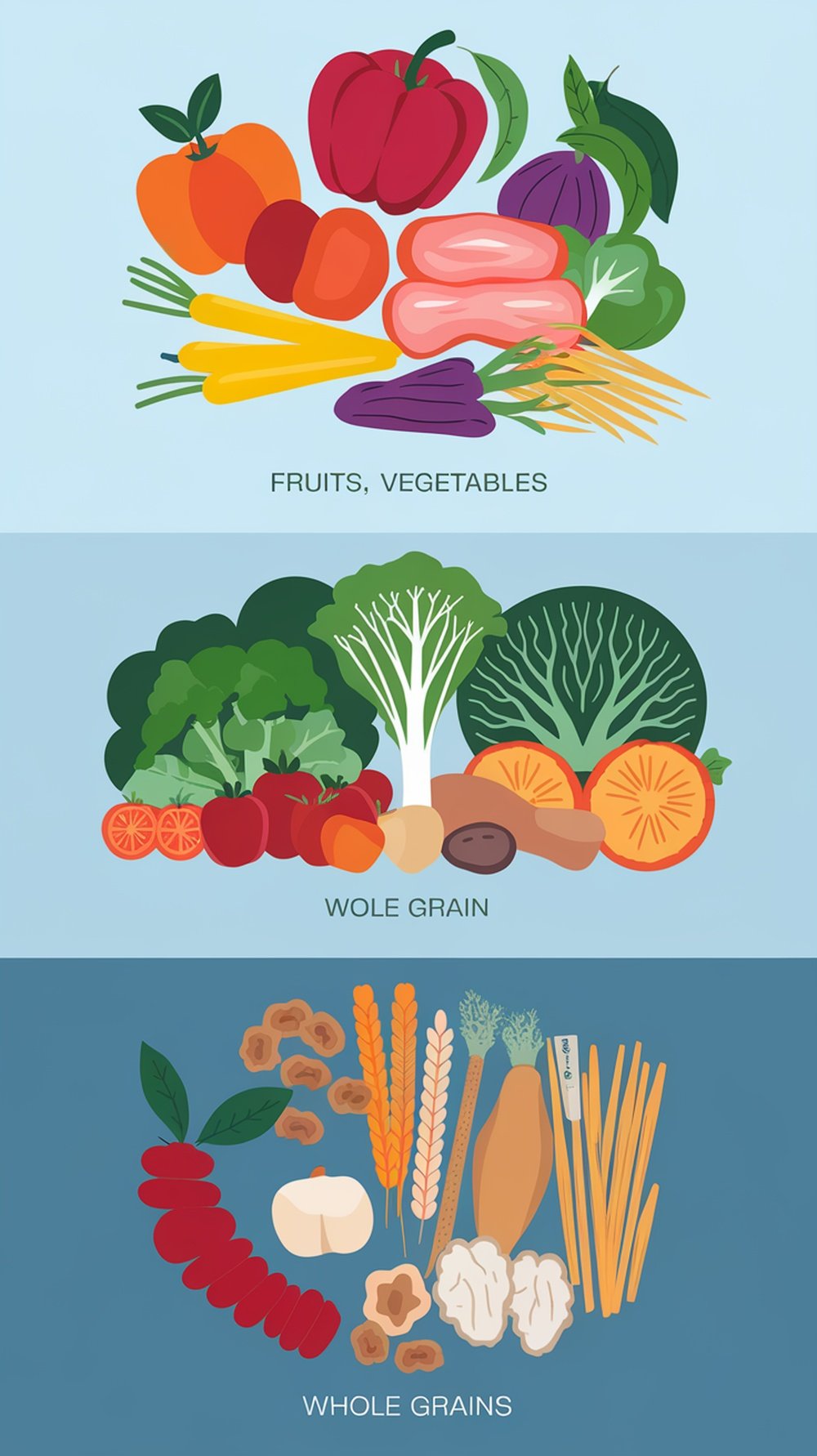
In the image, we see a vibrant array of fruits and vegetables, showcasing nature’s colorful bounty. This visual representation highlights the importance of a balanced diet, especially for seniors. As we age, our bodies require different nutrients to maintain health and vitality.
Eating a variety of colorful produce is crucial for seniors. Each color often represents specific vitamins and minerals that can support various bodily functions. For instance, orange foods like carrots and oranges are rich in vitamin A, which is essential for eye health. Dark leafy greens, like kale and spinach, are packed with iron and calcium—great for bone health.
Additionally, incorporating whole grains, lean proteins, and healthy fats into daily meals can further boost overall nutrition. Foods like nuts and seeds provide essential fatty acids that are beneficial for heart health. It’s also important to stay hydrated, so don’t forget about drinking water throughout the day!
Preparing meals that include these elements can be simple and fun. Consider making a colorful salad with mixed greens, cherry tomatoes, and sliced cucumbers, topped with a drizzle of olive oil and lemon juice. Another great option is to stir-fry assorted vegetables with some tofu or chicken for a quick and nutritious dinner.
The Benefits of Fiber-Rich Foods

Fiber-rich foods are essential for everyone, especially seniors. They play a key role in maintaining digestive health and overall well-being. When we look at a colorful array of fruits, vegetables, and grains, we see a treasure trove of fiber waiting to be enjoyed.
In the image, we can spot various ingredients like tomatoes, carrots, and grains. These foods are not just vibrant and appealing; they are packed with nutrients. Incorporating items like beans, whole grains, and colorful fruits into meals can significantly boost fiber intake.
Fiber helps keep our digestive system running smoothly. It can prevent constipation and promote regularity, which is especially important as we age. Plus, fiber can help manage weight by making us feel fuller for longer. This means fewer cravings and healthier snacking choices.
It’s also worth noting that fiber-rich diets can lower the risk of chronic diseases. Eating a variety of fiber sources can help manage blood sugar levels and reduce cholesterol. Including ingredients like oats, barley, and legumes in your diet can pay off in the long run.
So, how can we make fiber-rich meals? A simple way is to create a hearty vegetable soup or a colorful salad. Just toss together your favorite veggies with some grains and a tangy dressing. Not only are these dishes easy to make, but they also allow for creativity in the kitchen!
Nutrition Myths Dispelled for Older Adults

The image above is a colorful spread of fresh fruits and vegetables, which highlights the importance of a balanced diet for older adults. At the center, the phrase ‘Common Nutrition Myths’ is crossed out, signaling a push against misconceptions about nutrition.
Many think that older adults need to eat less or that certain foods should be avoided entirely. This is not true! Nutritional needs change, but that doesn’t mean you should limit your food variety. Instead, it’s important to focus on quality. Incorporating more nutrient-dense foods can help maintain health and vitality.
Fruits and vegetables like those shown can be rich in vitamins and minerals. Aiming for a colorful plate ensures a range of nutrients. Eating a variety of foods also helps combat the myth that older adults must stick to bland diets.
Another common myth is that older adults should avoid fats altogether. Healthy fats found in nuts and avocados are vital for heart health. Including these in moderation can actually support overall well-being.
So, let’s debunk these myths and embrace a vibrant, nutritious diet! Focus on fresh, whole foods, and remember that good nutrition is key at any age.
Coping with Changes in Appetite

As we age, our appetite can change for a variety of reasons. This can be particularly challenging for seniors who want to maintain a healthy diet. In the image, we see a gentleman enjoying a meal, which highlights the importance of finding joy in food, even when appetite fluctuates.
Eating should be a pleasurable experience. It’s not just about nourishment but also about sharing moments and enjoying flavors. The vibrant colors of the food on the table suggest a variety of choices, making it easier to find something appealing, even when motivation is low.
Paying attention to what we eat can make a difference. Simple, nutritious meals can be both enjoyable and easy to prepare. Think about including proteins, vegetables, and fruits in your meals. Consider recipes that allow for flexibility in ingredients, like a vegetable stir-fry or a simple salad with your favorite toppings.
Sometimes, smaller, frequent meals can encourage better eating habits. This approach can help seniors feel less overwhelmed and more inclined to eat throughout the day. Snacking on nuts, yogurt, or fruit can also keep energy levels up.
Staying hydrated is equally important. Sometimes, thirst can be mistaken for hunger, so ensure you are drinking enough fluids. A glass of water or a warm cup of tea can be comforting and help maintain your overall well-being.
Engaging Seniors in Cooking and Nutrition

Cooking can be a joyful activity for seniors, especially when done together. The image shows a lively group of older adults gathered around a kitchen counter, sharing laughs and cooking up some tasty dishes. They seem deeply engaged with the ingredients, which include fresh fruits and vegetables, hinting at a focus on nutrition.
Involving seniors in cooking not only promotes healthy eating but also fosters social connections. As they chop, stir, and share stories, they build relationships and create memories. This camaraderie can be incredibly beneficial for mental health, providing a sense of purpose and joy.
Consider organizing a cooking session with simple recipes that are rich in nutrients. A colorful salad with leafy greens, tomatoes, and citrus fruits can be refreshing and easy to prepare. Start by washing the vegetables, chopping them into bite-sized pieces, and tossing them together in a large bowl. Add a simple dressing of olive oil and lemon juice for flavor.
Encouraging seniors to experiment with new recipes can also be fun. You might try making a hearty vegetable soup. Just gather ingredients like carrots, celery, and potatoes, sauté them in a pot, add broth, and let it simmer. The comforting aroma fills the kitchen, making everyone feel at home.
This post may contain affiliate links which means I may receive a commission for purchases made through links. I will only recommend products that I have personally used! Learn more on my Private Policy page.
