Let’s cut to the chase: you might be making some common mistakes in your everyday meals that could be holding back your cooking game. Whether it’s breakfast, lunch, or dinner, the way you approach these meals can make a world of difference. Check out these three meals you’re likely messing up, and learn how to get them right for a tastier experience.
Undercooked Chicken: The Safety Concern
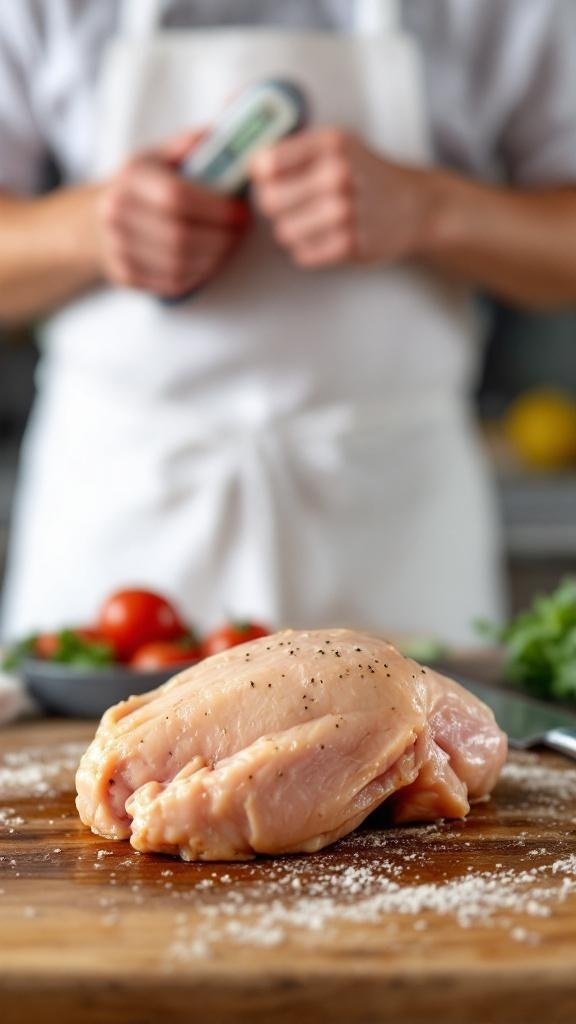
When it comes to cooking chicken, getting it right is key. The image shows a raw chicken breast, seasoned and ready for cooking. It’s important to remember that undercooked chicken can pose serious health risks.
Many people think they can tell when chicken is done just by looking at it. However, the only sure way to know is by using a meat thermometer. Chicken should reach an internal temperature of 165°F (75°C) to be safe to eat.
Undercooked chicken can harbor harmful bacteria like Salmonella and Campylobacter. These can lead to food poisoning, which is no fun for anyone. Symptoms can include stomach cramps, fever, and diarrhea.
To avoid these issues, always check the temperature of your chicken before serving. It’s a simple step that can make a big difference in keeping your meals safe and enjoyable.
Soggy Salad Greens: The Dressing Mistake
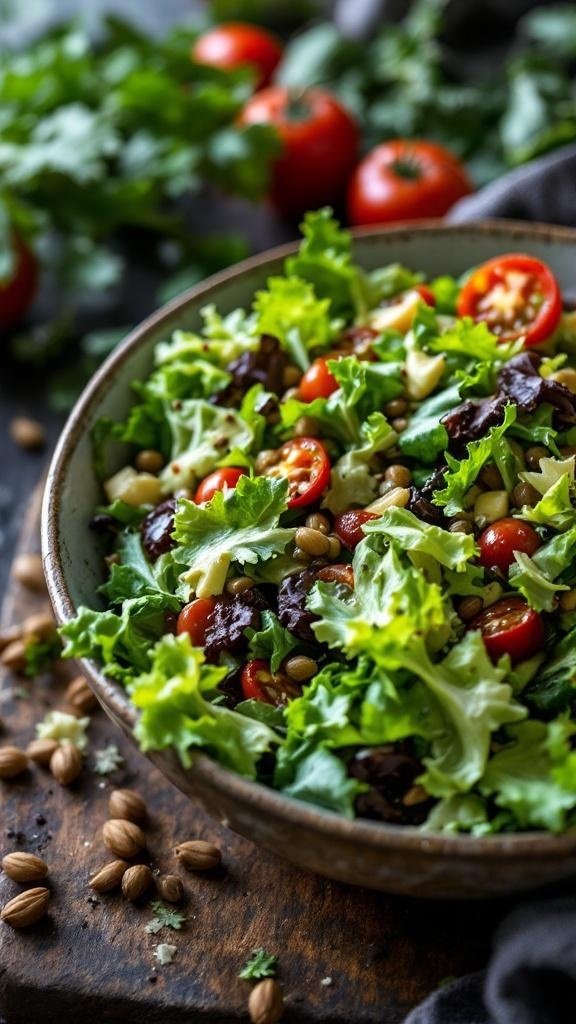
Salads can be a refreshing meal, but soggy greens can ruin the experience. The image shows a vibrant salad filled with fresh greens, cherry tomatoes, and nuts. It looks delicious, but if you don’t dress it right, you might end up with a watery mess.
One common mistake is adding dressing too early. If you toss your salad with dressing and let it sit, the greens absorb moisture and become limp. Instead, keep the dressing on the side until you’re ready to eat. This keeps your salad crisp and enjoyable.
Another tip is to choose the right dressing. Creamy dressings can weigh down the greens, while lighter vinaigrettes can enhance the flavors without making them soggy. Experiment with different types to find what works best for you.
Lastly, consider your ingredients. Some toppings, like tomatoes, release water. If you know your salad will sit for a while, add these ingredients just before serving. This simple change can make a big difference in texture.
Overcooked Pasta: The Texture Dilemma
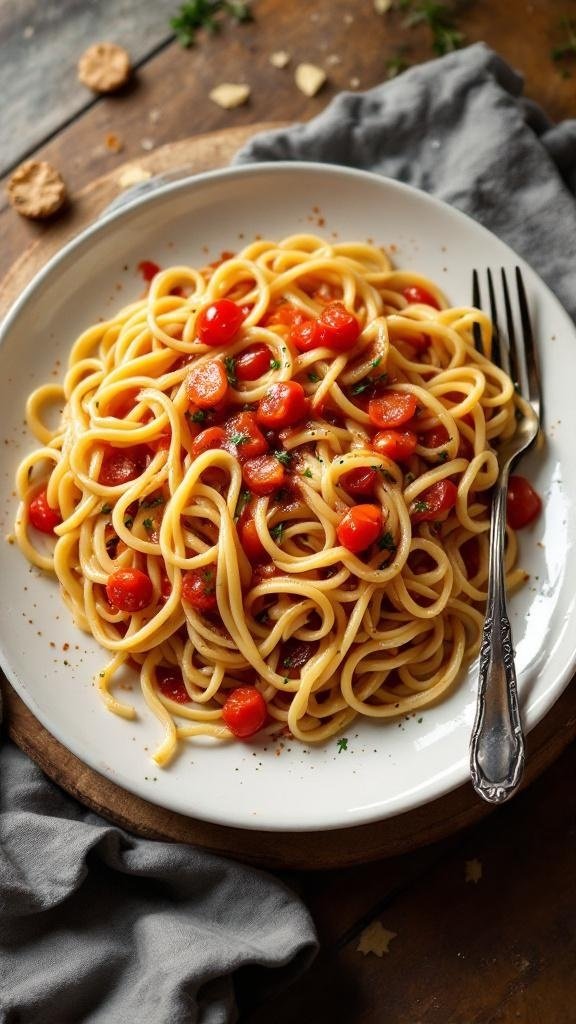
Pasta is a staple in many kitchens, but getting it just right can be tricky. Overcooked pasta can ruin a meal, turning it mushy and unappetizing. The image shows a plate of perfectly cooked spaghetti, glistening with a rich tomato sauce and dotted with cherry tomatoes. This is the kind of pasta that makes your mouth water!
The key to great pasta is timing. When you cook it too long, you lose that delightful al dente texture. Instead of a firm bite, you end up with a soggy mess. To avoid this, always check the cooking time on the package and taste a strand a minute or two before it’s supposed to be done.
Another tip is to reserve some pasta water before draining. This starchy water can help bind your sauce to the pasta, enhancing the overall flavor and texture. So, next time you whip up a pasta dish, keep an eye on the clock and remember these simple tricks!
This post may contain affiliate links which means I may receive a commission for purchases made through links. I will only recommend products that I have personally used! Learn more on my Private Policy page.
