When trying to shed some pounds, many of us turn to foods that are marketed as “healthy.” However, not all of them are as good for your waistline as you might think. In this article, we’ll spotlight five familiar staples that could be secretly hindering your fat loss journey, so you can make better choices and stay on track.
Salad Dressings: The Creamy Calorie Culprits
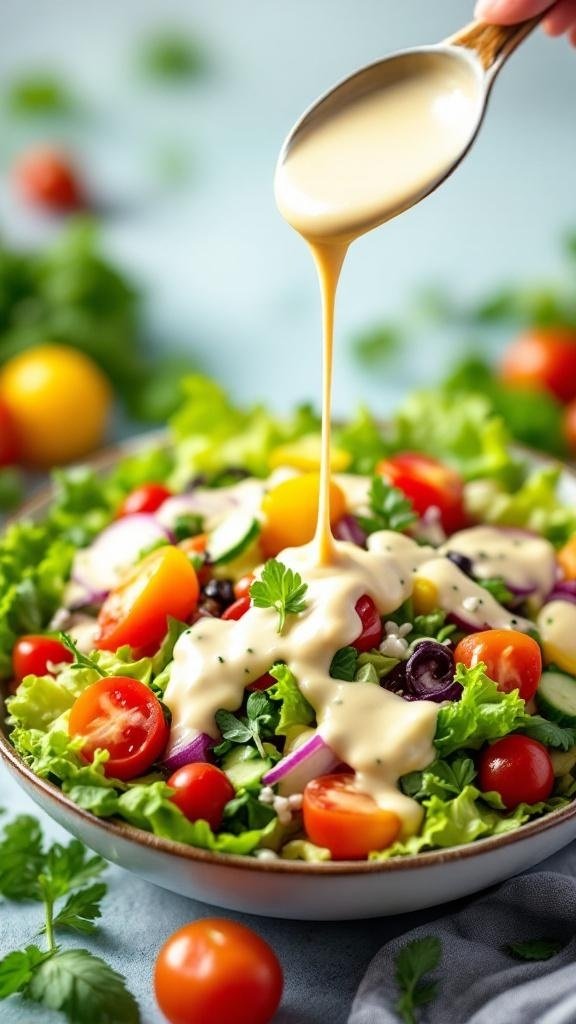
When you think of a healthy salad, you might picture fresh greens, colorful veggies, and a light dressing. But hold on! That creamy dressing you love could be a hidden enemy in your fat loss journey. Just look at the image above. It shows a delicious salad drizzled with a rich, creamy dressing. It looks tempting, but those calories add up fast.
Many store-bought dressings are packed with sugar and unhealthy fats. Even homemade versions can be calorie bombs if you’re not careful with the ingredients. A few tablespoons can easily turn a light salad into a heavy meal. Instead of reaching for that creamy goodness, consider lighter options like vinaigrettes made with olive oil and vinegar.
Next time you’re at the salad bar or whipping up a meal at home, think twice about that dressing. Your waistline will thank you!
Granola Bars: The Hidden Sugar Trap
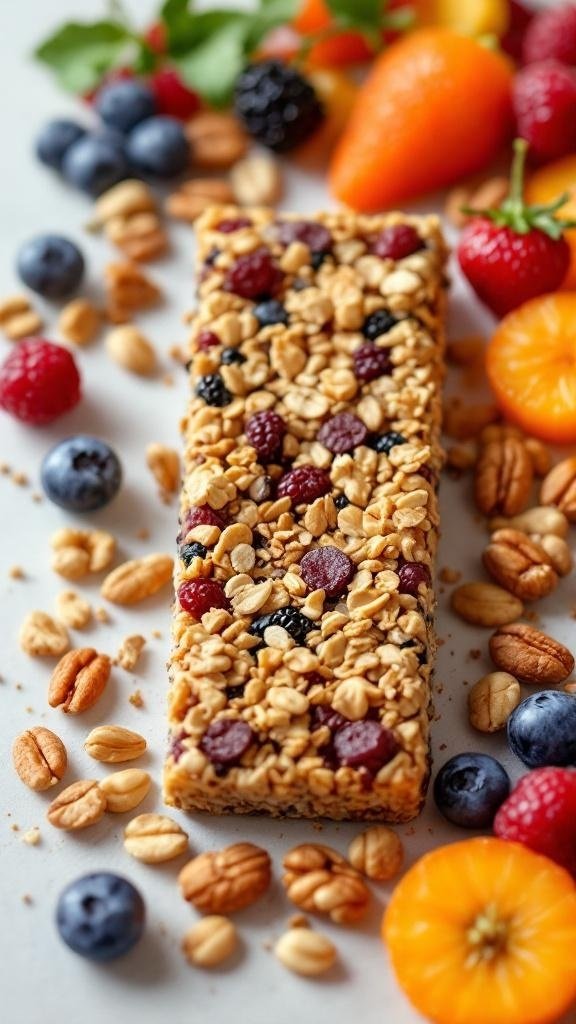
Granola bars often seem like a healthy snack option. They are colorful, packed with nuts, fruits, and oats, making them look nutritious. However, many people don’t realize that these bars can be loaded with hidden sugars.
The image shows a vibrant granola bar surrounded by fresh fruits and nuts. It looks appealing and wholesome, but the reality can be quite different. Many brands add sweeteners to enhance flavor, which can significantly increase the sugar content.
When choosing a granola bar, it’s essential to read the label. Some bars contain more sugar than a candy bar! This can sabotage your fat loss goals. Instead, look for options with whole ingredients and minimal added sugars.
Making your own granola bars at home can be a great alternative. You can control the ingredients and sweetness. Just mix oats, nuts, and a natural sweetener like honey or maple syrup, then bake. This way, you enjoy a tasty snack without the hidden traps.
Smoothies: Calorie Bombs in Disguise
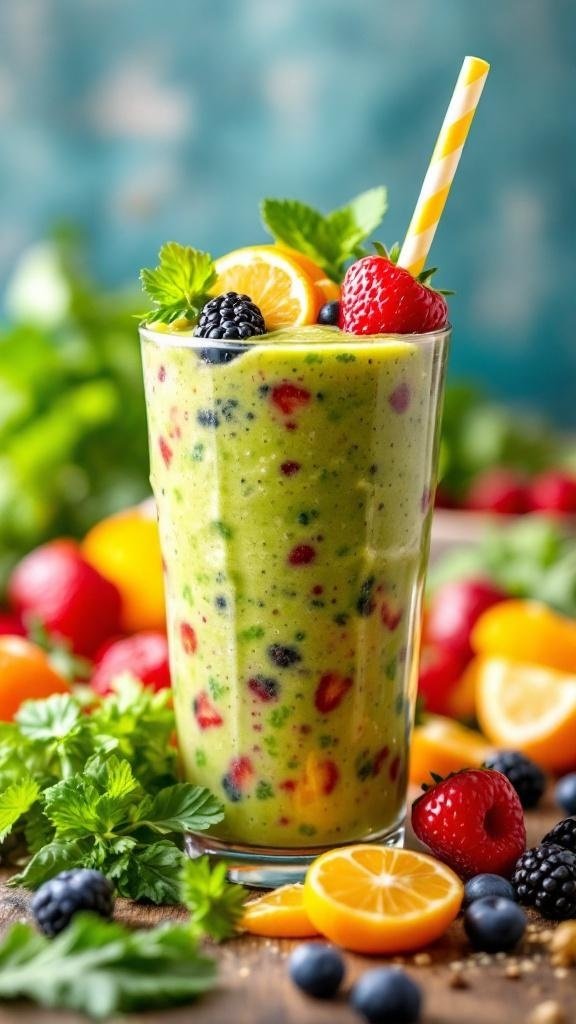
Smoothies often look like the perfect health choice. Just look at that vibrant green drink filled with fresh fruits and greens! It’s colorful and inviting, making it hard to resist. However, many smoothies can pack a surprising calorie punch.
People tend to think that blending fruits and veggies is a guaranteed way to stay healthy. While smoothies can be nutritious, they can also become calorie bombs if you’re not careful. Ingredients like yogurt, nut butters, and sweeteners can quickly add up.
Take a closer look at that smoothie. It’s loaded with berries, citrus, and greens, which are great. But if it has added sugars or high-calorie ingredients, it might not be as healthy as it seems. Portion sizes matter too! A large smoothie can easily exceed your daily calorie needs.
Next time you whip up a smoothie, think about what you’re adding. Stick to whole fruits and veggies, and be mindful of extras. This way, you can enjoy your drink without sabotaging your fat loss goals.
Low-Fat Yogurt: The Artificial Sweetener Dilemma
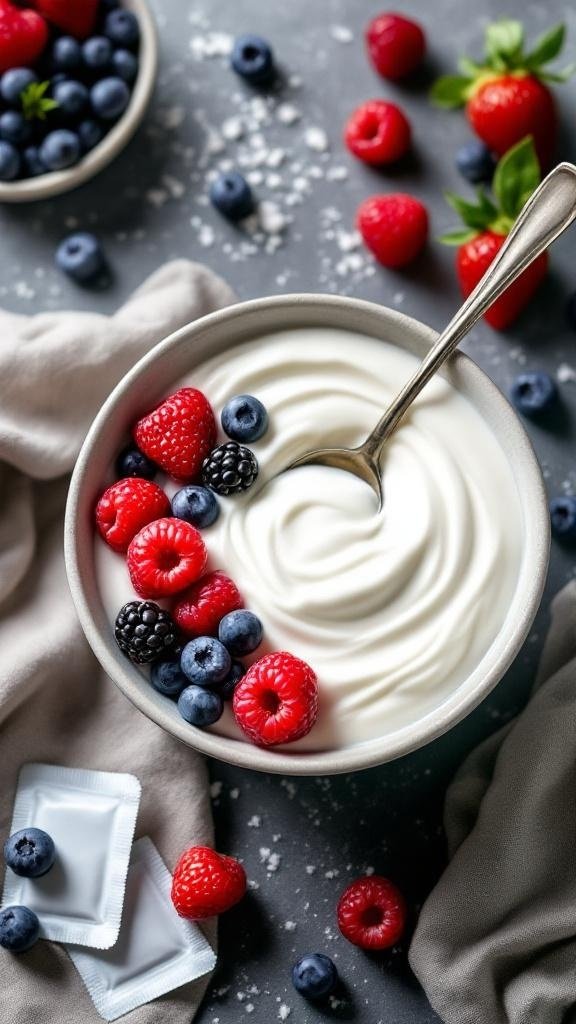
Low-fat yogurt often seems like a smart choice for those looking to shed some pounds. It’s creamy, delicious, and packed with probiotics. But there’s a catch. Many brands add artificial sweeteners to enhance flavor without the extra calories.
In the image, we see a bowl of low-fat yogurt topped with fresh berries. The vibrant colors of the raspberries, blueberries, and strawberries make it look appealing. However, those little packets of sweetener lurking nearby tell a different story. These sweeteners can trick your body into craving more sugar, leading to overeating.
While it’s tempting to think you’re making a healthy choice, the added sweeteners can sabotage your fat loss goals. They might not have calories, but they can affect your metabolism and appetite. So, next time you reach for that low-fat yogurt, consider the hidden ingredients that might be working against you.
Whole Wheat Bread: The Fiber Misconception
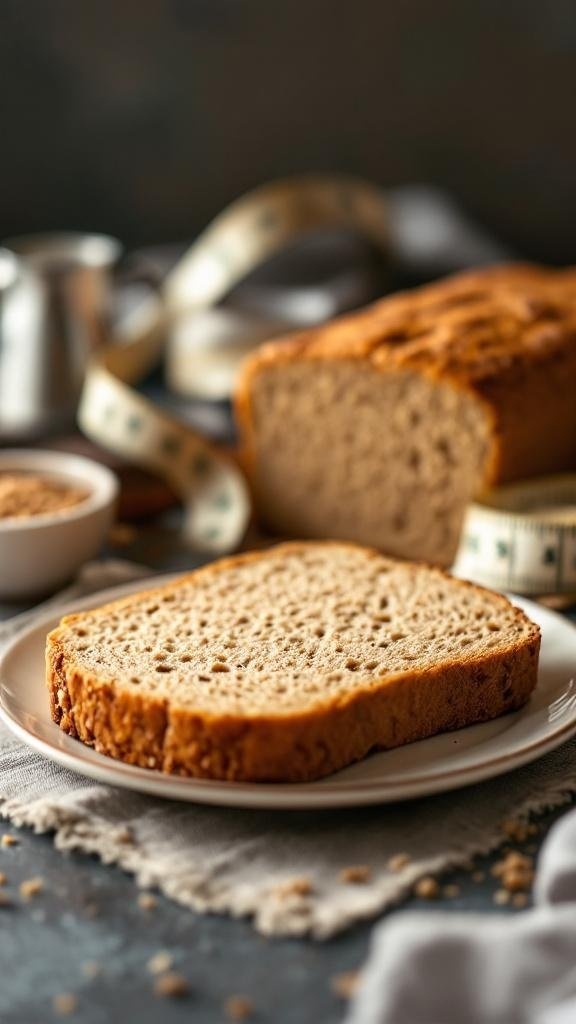
Whole wheat bread often gets a gold star in the health food world. Many people think it’s a great choice for weight loss, thanks to its fiber content. But hold on! Not all whole wheat breads are created equal.
The image shows a slice of whole wheat bread, looking soft and inviting. It’s easy to assume that this bread is a healthy option. However, many brands add sugars and preservatives that can counteract the benefits of fiber. This can lead to unexpected weight gain.
When choosing whole wheat bread, it’s important to read the labels. Look for options with minimal ingredients and no added sugars. The right choice can support your fat loss goals, while the wrong one can sabotage them.
So, next time you reach for that slice, think twice! Whole wheat bread can be healthy, but only if you pick the right kind. Your waistline will thank you.
This post may contain affiliate links which means I may receive a commission for purchases made through links. I will only recommend products that I have personally used! Learn more on my Private Policy page.
