Eating clean and eating for fat loss might sound similar, but they have some key differences that can really change your approach to meals. While eating clean focuses on whole, unprocessed foods, eating for fat loss involves a more strategic look at portion sizes and calorie intake. Let’s break down five important distinctions to help you navigate these two approaches more effectively.
Mindful Eating Practices

The image captures a serene moment of mindful eating. A person sits at a beautifully set table, illuminated by a warm light. The soft glow creates a cozy atmosphere, perfect for focusing on the meal. The table is filled with colorful, healthy dishes, suggesting a commitment to eating clean.
Mindful eating is about being present during meals. It encourages you to savor each bite and appreciate the flavors and textures of your food. This practice can help you recognize hunger and fullness cues, making it easier to enjoy food without overeating.
In contrast to simply eating for fat loss, mindful eating emphasizes the experience of eating itself. It’s not just about what you eat, but how you eat. This approach can lead to healthier choices and a more positive relationship with food.
As you can see in the image, the setting is calm and inviting. This environment supports mindful eating, allowing the individual to focus on their meal without distractions. Creating a similar atmosphere at home can enhance your eating experience and promote healthier habits.
Focus on Nutrient Density
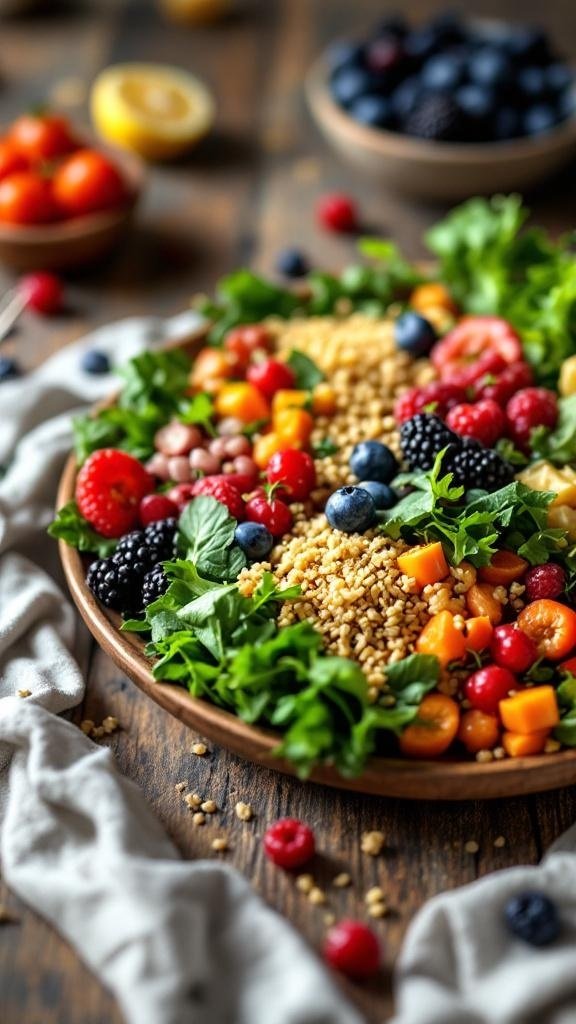
Nutrient density is a key player when comparing eating clean and eating for fat loss. The image shows a vibrant salad filled with colorful fruits, greens, and grains. This visually appealing dish highlights the essence of nutrient-dense foods.
Eating clean emphasizes whole, minimally processed foods. This means loading up on fresh fruits, vegetables, whole grains, and lean proteins. The salad in the image perfectly represents this idea, showcasing a variety of ingredients that provide essential vitamins and minerals.
On the other hand, eating for fat loss often focuses on calorie control. While it’s important to choose nutrient-dense foods, the goal is to create a calorie deficit. This means you might prioritize lower-calorie options, even if they’re not as nutrient-rich. So, while the salad is great for both approaches, someone focused on fat loss might be more mindful of portion sizes.
Incorporating nutrient-dense foods like those in the image can help you feel full and satisfied. This can make it easier to stick to your goals, whether you’re eating clean or aiming for fat loss. Remember, it’s not just about cutting calories; it’s about nourishing your body with the right foods.
Long-term Sustainability of Eating Clean
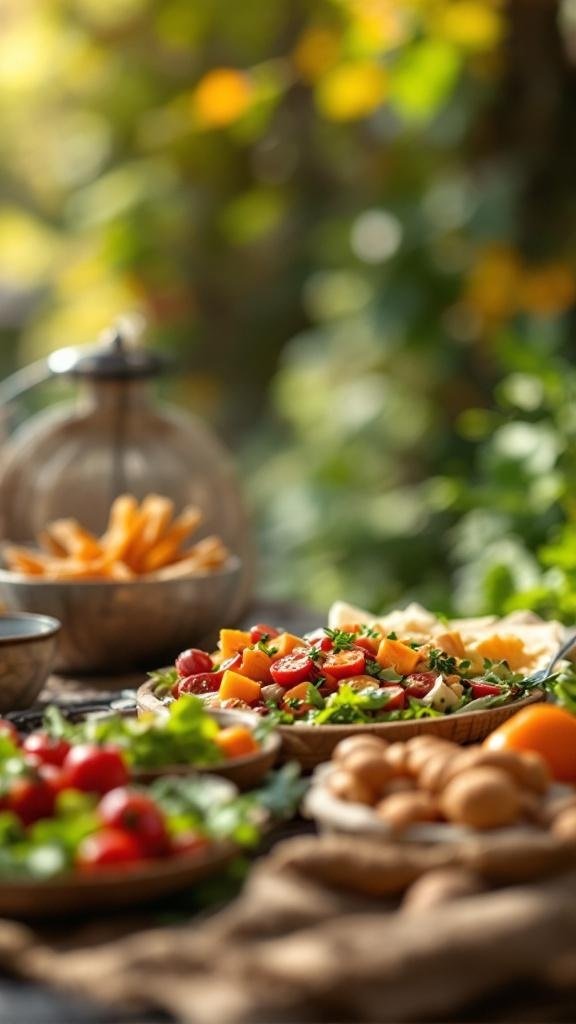
Eating clean focuses on whole, unprocessed foods. This approach makes it easier to maintain a balanced diet over time. The image shows a vibrant spread of fresh vegetables, fruits, and wholesome snacks. This colorful assortment highlights the variety that clean eating can offer.
When you fill your plate with fresh ingredients, it’s not just about nutrition. It’s also about enjoyment. The visual appeal of a clean meal can make it more satisfying. You can see how the bright colors and textures invite you to dig in.
Long-term sustainability is key. Eating clean can become a lifestyle rather than a temporary diet. It encourages mindful eating, which helps you listen to your body’s needs. This can lead to better choices and a healthier relationship with food.
In contrast, diets focused solely on fat loss can feel restrictive. They often lead to cravings and a sense of deprivation. Clean eating, on the other hand, allows for flexibility. You can enjoy a variety of foods while still making healthy choices.
Ultimately, the goal is to create habits that last. By incorporating clean eating into your daily life, you’re more likely to stick with it. This approach not only supports weight management but also promotes overall well-being.
Caloric Awareness in Fat Loss
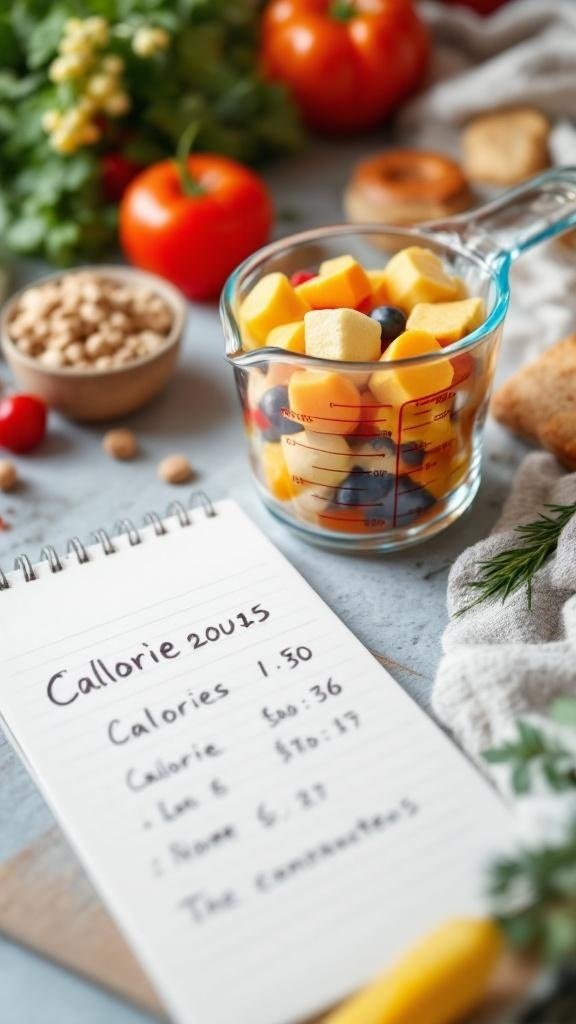
When it comes to fat loss, being aware of calories is key. The image shows a measuring cup filled with colorful fruits, alongside a notepad detailing calorie counts. This visual highlights the importance of tracking what you eat.
Eating clean focuses on whole foods, while eating for fat loss emphasizes caloric intake. You can enjoy nutritious foods, but if you consume more calories than you burn, weight loss can stall.
The notepad in the image lists calories and costs, suggesting that being mindful of both nutrition and budget is important. It’s not just about what you eat, but how much you eat. Keeping a food diary can help you stay on track.
Incorporating fresh fruits like those in the cup can be a great way to satisfy cravings while managing calories. Remember, balance is essential. You can enjoy treats, but moderation is key for effective fat loss.
Flexibility vs. Restriction
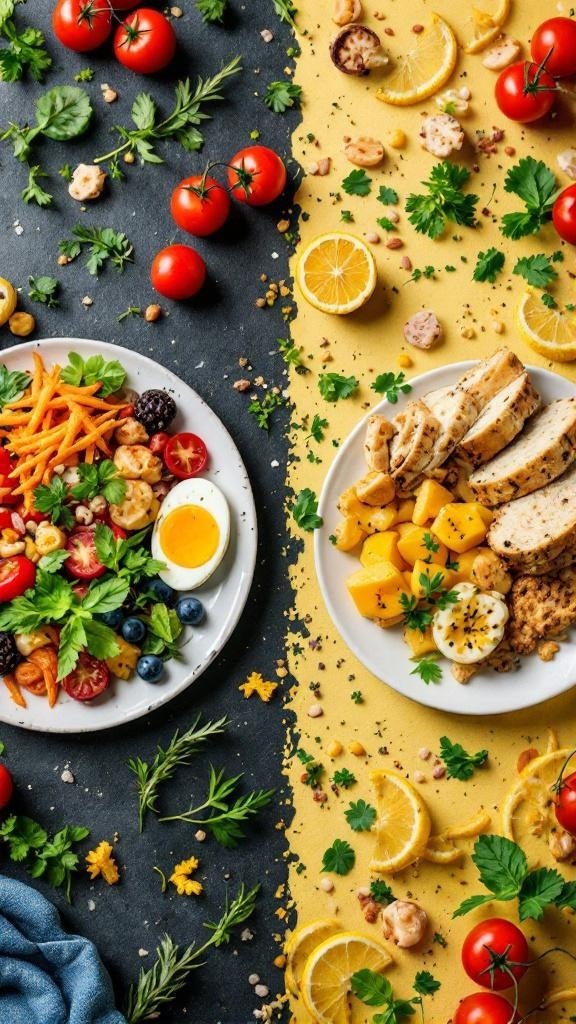
When it comes to eating clean versus eating for fat loss, flexibility and restriction play a big role. The image shows two colorful plates of food, highlighting the variety in both approaches. On the left, we see a vibrant salad packed with fresh veggies and fruits, while the right plate features grilled chicken and mango, showcasing a more structured meal.
Eating clean often emphasizes whole foods and nutrient-dense ingredients. It allows for a wide range of choices, encouraging you to enjoy different flavors and textures. This flexibility can make meals more enjoyable and sustainable in the long run.
On the other hand, eating for fat loss may involve more restrictions. This approach often focuses on portion control and calorie counting. The meals might be less varied, aiming for specific macronutrient targets. While this can be effective for weight loss, it can sometimes lead to feelings of deprivation.
Finding a balance is key. You can eat clean while still being mindful of your goals. Incorporating a mix of both strategies can help you enjoy your meals without feeling restricted. The colorful plates in the image remind us that healthy eating can be both flexible and satisfying.
This post may contain affiliate links which means I may receive a commission for purchases made through links. I will only recommend products that I have personally used! Learn more on my Private Policy page.
