Clean eating often feels like a badge of honor during the week, but come the weekend, many find themselves knee-deep in snacks and takeout. It might seem contradictory, but several common factors can make this bingeing a familiar weekend ritual. Let’s break down four reasons why your healthy eating habits might lead to those indulgent weekend feasts.
The Cycle of Deprivation and Overindulgence
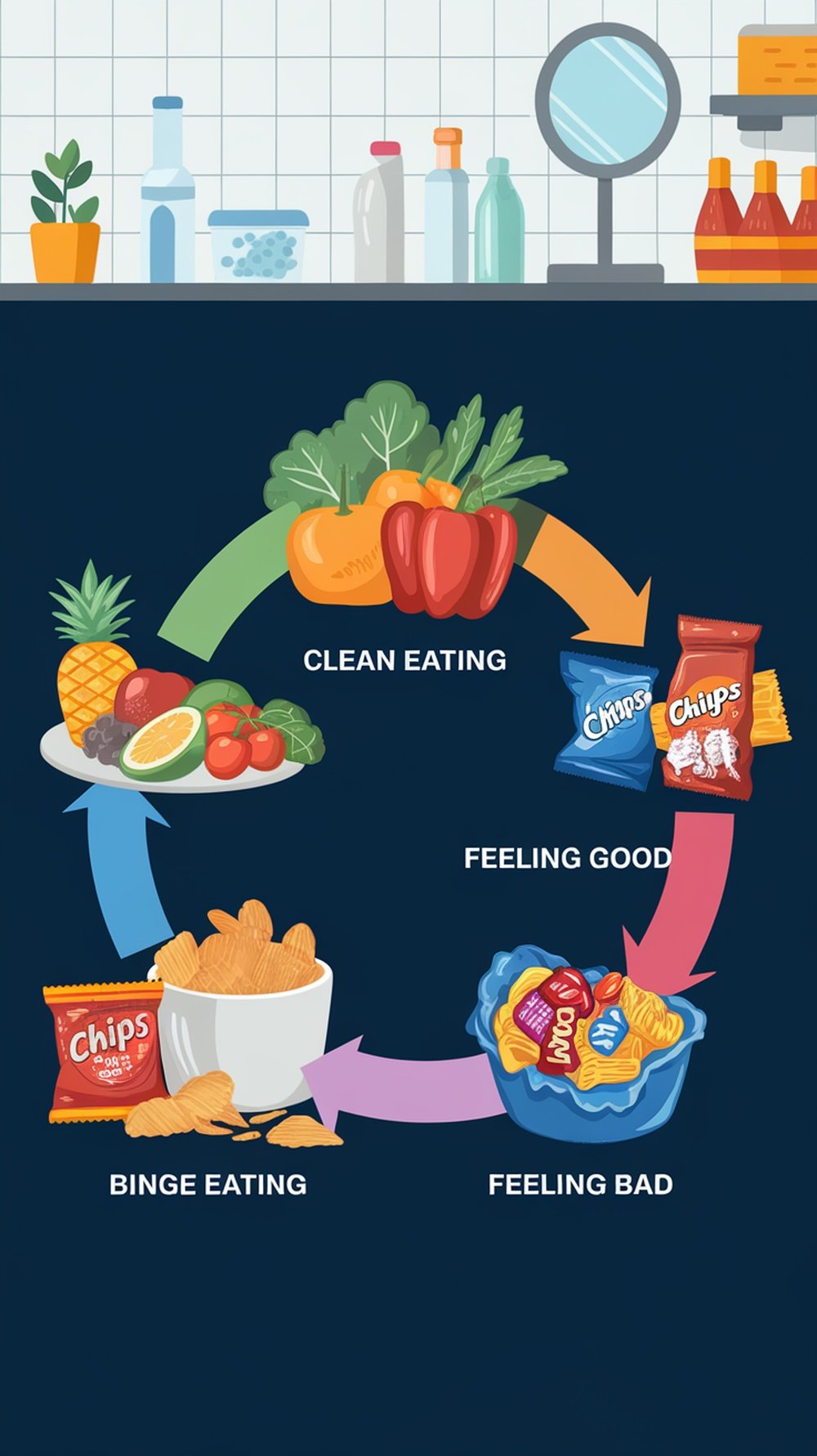
Take a look at the image above. It shows a clear divide between clean, healthy foods and indulgent treats. On one side, we see vibrant fruits, fresh vegetables, and wholesome snacks. On the other, there are crispy fries, sweet desserts, and fried goodies. This visual representation perfectly captures the struggle many face with clean eating.
When you focus on clean eating during the week, it can feel great. You’re fueling your body with nutritious foods, and you might even feel lighter and more energetic. But then comes the weekend. The pressure to indulge can be overwhelming. After a week of restriction, it’s easy to go overboard. You might find yourself reaching for those fries or that slice of cake, thinking you deserve it.
This cycle of deprivation and overindulgence is common. The more you restrict yourself, the more you crave those forbidden foods. It’s like a pendulum swinging back and forth. You eat clean, then binge on the weekend, only to feel guilty and start the cycle again. Recognizing this pattern is the first step to breaking it.
Instead of seeing clean eating as a strict rule, think of it as a balanced approach. Allow yourself to enjoy treats in moderation during the week. This way, you can avoid the intense cravings that lead to weekend binges. Balance is key!
Restrictive Dieting Leads to Cravings

Have you ever felt overwhelmed by cravings after a week of clean eating? The image of a woman looking frustrated at her meal perfectly captures this struggle. She’s surrounded by healthy food, yet her expression shows a mix of confusion and disappointment. This is a common scenario for many who try to stick to strict diets.
When you limit your food choices, your body starts to crave what it can’t have. It’s like a rebellious teenager; the more you say no, the louder the cravings get. This can lead to binge eating on the weekends, as you finally give in to those desires. Instead of feeling satisfied, you might end up feeling guilty.
It’s important to recognize that restrictive dieting can backfire. The pressure to eat perfectly can create a cycle of deprivation and bingeing. This cycle not only affects your mood but can also impact your relationship with food. Instead of enjoying your meals, you may find yourself stressed and anxious, just like the woman in the image.
Finding a balance is key. Instead of cutting out entire food groups, consider moderation. Allowing yourself to enjoy your favorite treats can help reduce those intense cravings. Remember, it’s not about perfection; it’s about creating a sustainable and enjoyable way to eat.
Psychological Effects of Clean Eating
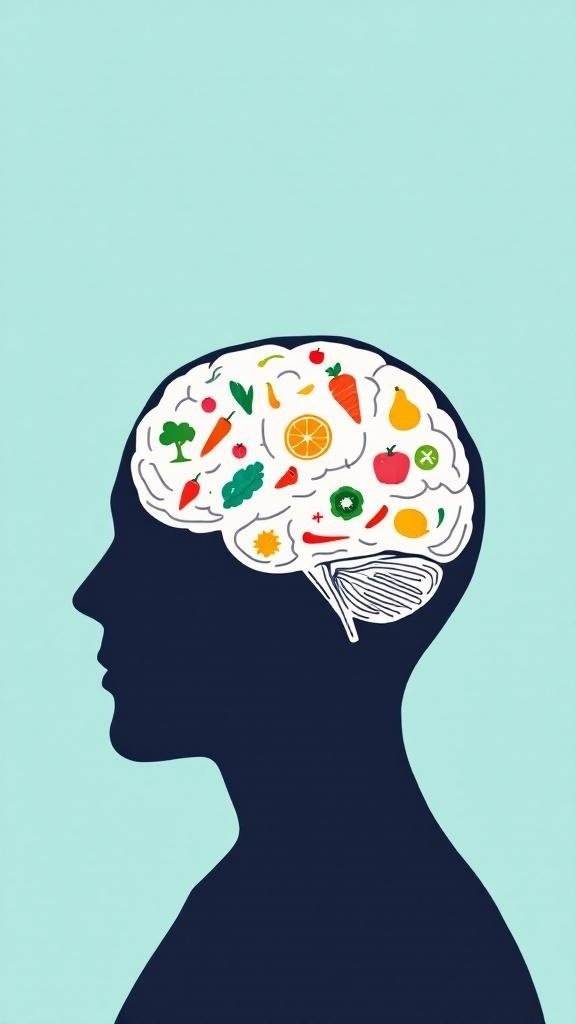
The image shows a silhouette of a head with a brain filled with colorful fruits and vegetables. This visual perfectly captures the connection between clean eating and our mental state. When we focus on healthy foods, our minds often associate them with positive thoughts and well-being.
Clean eating can create a sense of accomplishment. When you stick to a healthy diet during the week, it feels great. However, this can lead to a buildup of pressure. By the weekend, you might feel the urge to reward yourself with indulgent foods, leading to those binge moments.
Moreover, the strict nature of clean eating can trigger feelings of deprivation. When you deny yourself certain foods, it can create cravings that are hard to ignore. This mental tug-of-war can result in binge eating as a way to cope with those feelings.
Lastly, the image illustrates how our food choices impact our mood. Eating clean can boost your spirits, but it can also lead to guilt when you stray from your plan. This guilt can push you to overeat later, creating a cycle that’s tough to break.
Social Situations and Food Temptations

Picture this: a lively gathering with friends, laughter filling the air, and tables brimming with delicious food. This scene is a classic example of how social situations can lead to food temptations. When you’re surrounded by tasty dishes and good company, it’s easy to forget about your clean eating goals.
In the image, you see a group of people enjoying a meal together. Plates are filled with a variety of foods, from hearty entrees to tempting desserts. The warm lighting and cozy atmosphere make it even more inviting. This setting highlights how food can be a central part of social interactions, often leading to indulgence.
When you’re trying to stick to clean eating, these moments can trigger cravings. The sight and smell of rich foods can pull you away from your healthy choices. Plus, the pressure to join in can be hard to resist. It’s not just about the food; it’s about the experience of sharing a meal with others.
So, how do you navigate these situations? One approach is to plan ahead. If you know you’ll be at a gathering, consider eating a healthy snack beforehand. This can help curb your appetite and make it easier to make mindful choices. Remember, it’s okay to enjoy yourself, but being aware of your surroundings can help you stay on track.
This post may contain affiliate links which means I may receive a commission for purchases made through links. I will only recommend products that I have personally used! Learn more on my Private Policy page.