When it comes to maintaining good health in our golden years, diet plays a crucial role. Some vegetables can be tricky for seniors, causing digestive issues or other health concerns. Let’s dive into the nine veggies that might be better left off the plate for older adults.
Mushrooms and Toxic Varieties

Mushrooms are a popular ingredient in many dishes, but it’s essential for seniors to be cautious. Some mushrooms are safe to eat, while others can be deadly. The image above features various mushrooms, including some that are toxic. It’s a colorful reminder that not all mushrooms are created equal.
Mushrooms like the Amanita muscaria, known for its bright colors, can be particularly dangerous. Even though they look appealing, they can cause serious health issues. Seniors should steer clear of wild mushrooms unless they are absolutely sure of their safety.
When choosing mushrooms, stick to store-bought varieties. These are usually safe and labeled. If you’re ever unsure, it’s best to consult an expert or avoid mushrooms altogether. Staying informed can help prevent any unpleasant or harmful experiences.
Raw Vegetables and Choking Hazards
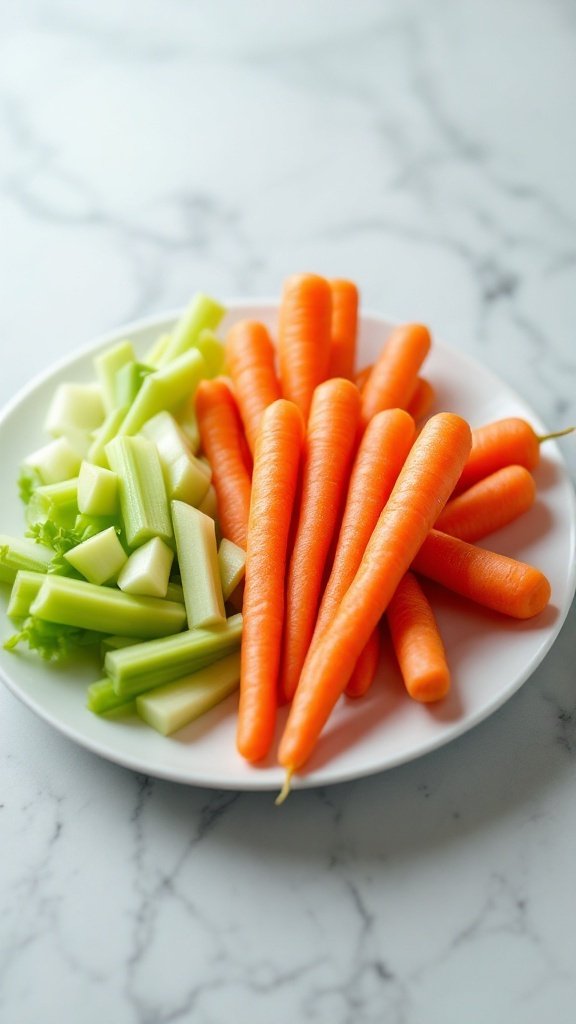
When we think about healthy eating, raw vegetables often come to mind. Fresh carrots and celery, like those shown in the image, are popular choices. However, for seniors, eating these crunchy snacks can pose choking risks.
The texture of raw vegetables can be tough for older adults, especially those with dental issues or swallowing difficulties. Carrots are particularly hard, while celery has tough strings that may not be easy to chew. This is why it’s important to consider alternatives that are safer for older individuals.
Instead of raw carrots and celery, consider steaming or cooking these vegetables. This softens them, making them easier to chew and swallow. You can sauté them, add them to soups, or even mash them. This way, seniors can still enjoy the nutritional benefits without the choking hazard.
Vegetables with High Sodium Content
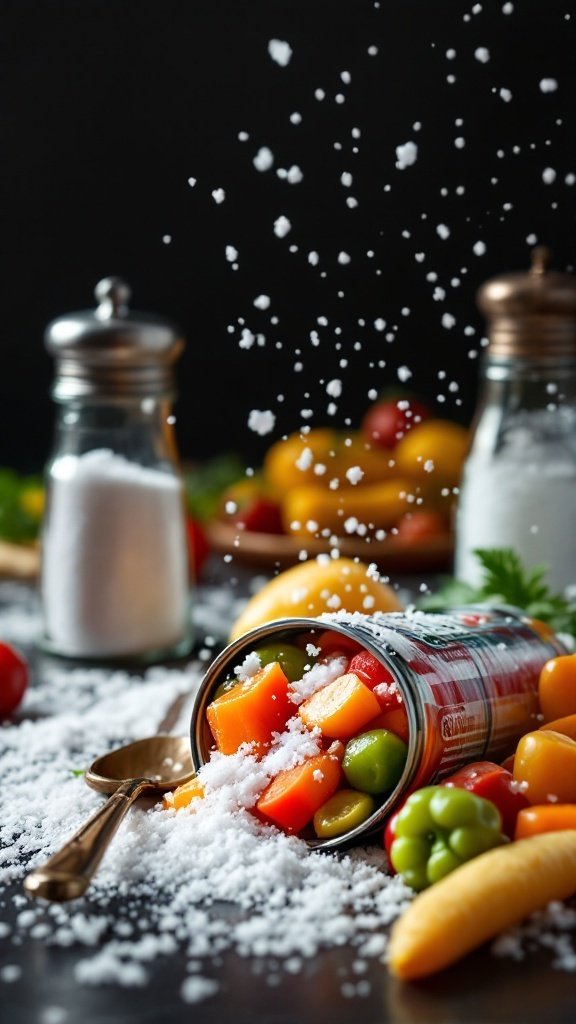
In the image, we see a can spilling out colorful vegetables alongside a sprinkle of salt. This visual serves as a gentle reminder of the important connection between sodium and our food choices, especially for seniors.
Sodium, while necessary in small amounts, can lead to various health issues when consumed in excess. Many canned or preserved vegetables contain added salt, making them higher in sodium than fresh options. For seniors, it’s vital to be mindful of these choices to maintain healthy blood pressure and overall well-being.
Some common vegetables in cans, like sweet corn or green beans, can pack quite a salty punch. This can be surprising for those who assume vegetables are always a safe choice. Always check the labels for sodium content, and consider rinsing canned vegetables to reduce their sodium levels.
When preparing meals, opt for fresh or frozen vegetables whenever possible. They tend to have less sodium, allowing you to enjoy your meals without worrying about excess salt. Enjoying homemade dishes using fresh ingredients is a fantastic way to keep sodium intake in check.
High-Oxalate Vegetables and Kidney Concerns
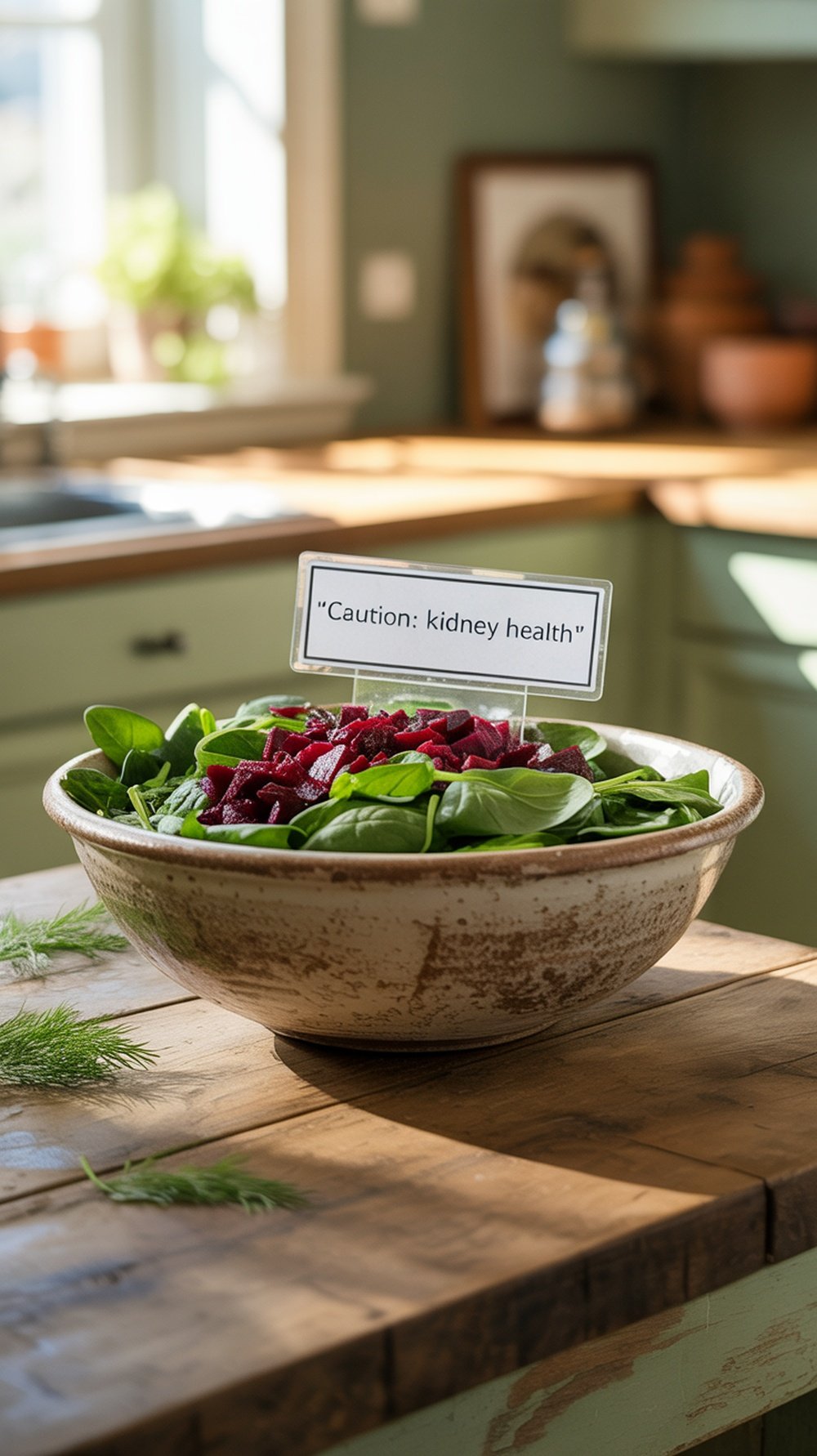
When it comes to vegetables, some are better for seniors than others. In this section, we’ll talk about high-oxalate vegetables, which can be particularly concerning for those with kidney issues. The image shows leafy greens and a kidney-shaped fruit nestled among them, highlighting the relationship between these foods and kidney health.
High-oxalate vegetables, like spinach and Swiss chard, can contribute to kidney stones in certain individuals. These stones form when oxalate combines with calcium in the urine. For seniors, who may already have diminished kidney function, it’s wise to be cautious.
So what should seniors focus on? It’s important to balance their diet with lower-oxalate vegetables, such as broccoli and cauliflower. These options can provide nutritional benefits without the same risks. Making healthy choices can lead to feeling better overall.
Incorporating a variety of vegetables can help seniors maintain a balanced diet while being mindful of their kidney health. Always consult with a healthcare provider for personalized advice.
Cruciferous Vegetables and Digestive Issues
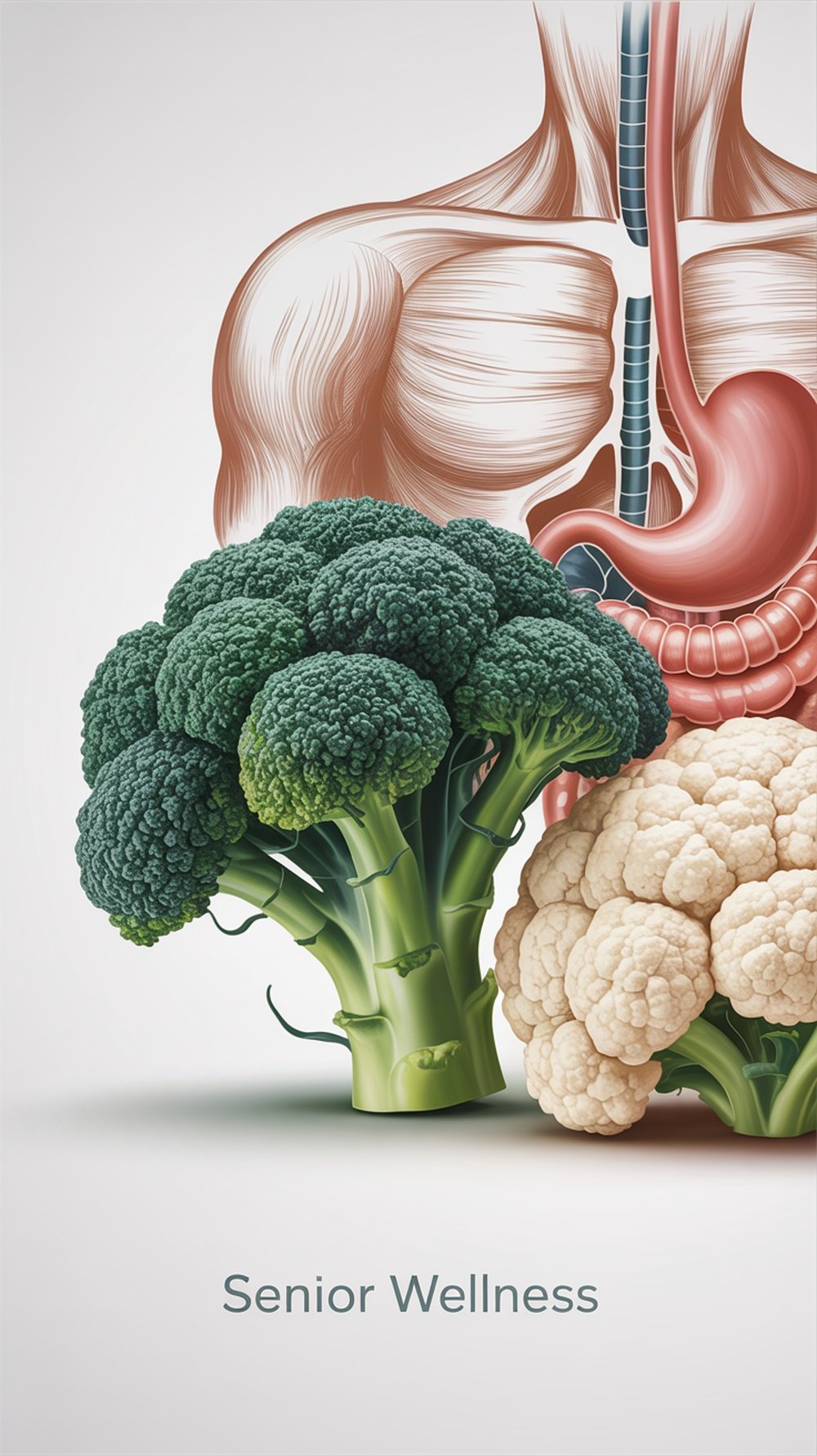
Cruciferous vegetables, like cauliflower, are often praised for their health benefits. However, for seniors, these veggies can sometimes cause digestive discomfort. Cauliflower, as depicted in the image, is one of the popular members of this family. It has a unique texture and can be used in various dishes, but it may not be the best choice for everyone.
These vegetables contain fiber and compounds that can lead to bloating and gas. As our digestive systems change with age, some seniors find it harder to process these foods. While fiber is essential for digestion, too much can be overwhelming for a sensitive stomach.
Instead of reaching for a big plate of steamed cauliflower, seniors might consider lighter options. Cooking these vegetables thoroughly or pairing them with easier-to-digest foods can help minimize any discomfort. It’s all about balance and listening to what your body tells you.
Starchy Vegetables and Blood Sugar Impact
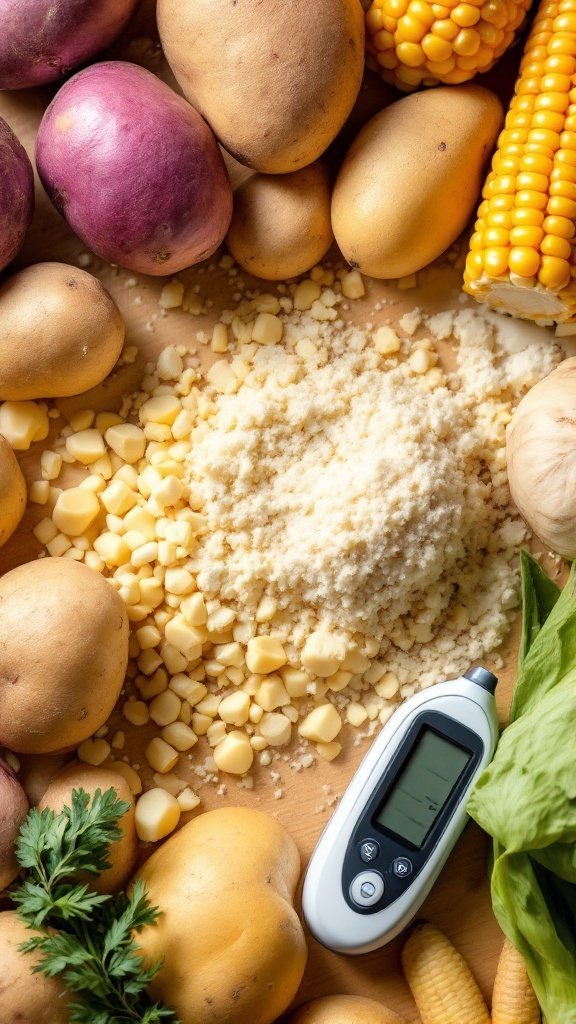
When it comes to managing blood sugar levels, starchy vegetables can be tricky. In the image, we see a collection of these veggies, including various types of potatoes and corn, alongside a blood sugar monitor. This setup highlights the connection between what we eat and how our bodies respond, especially for seniors.
Starchy vegetables like potatoes and corn contain higher amounts of carbohydrates. When consumed, these carbs break down into sugars, which can lead to spikes in blood sugar levels. This is especially important for seniors, as maintaining stable blood sugar is crucial for overall health.
For seniors, it’s wise to limit the intake of these starchy options. Instead, consider incorporating non-starchy vegetables like leafy greens, bell peppers, and broccoli. These alternatives provide essential nutrients without the blood sugar spike.
So, while starchy vegetables can be tasty, moderation is critical. It’s always a good idea to keep an eye on portion sizes and balance them with other healthier choices on your plate.
Nightshade Vegetables and Their Risks
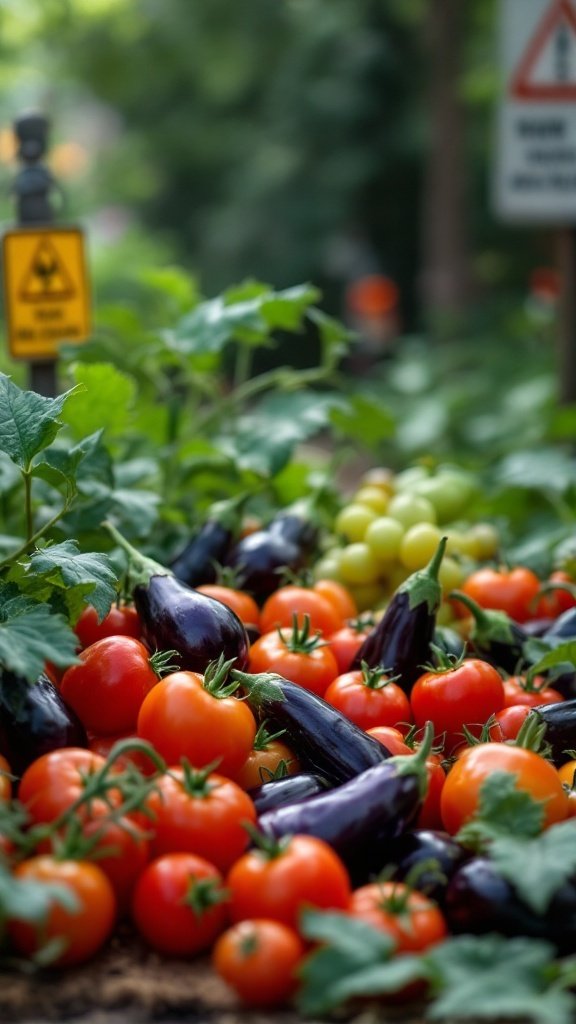
When we think of a garden, vibrant vegetables like tomatoes and eggplants often come to mind. However, these nightshade vegetables can pose certain risks, especially for seniors. In the image, you can see a colorful mix of tomatoes and eggplants, which are popular but may not be suitable for everyone.
Nightshade vegetables contain alkaloids, which can cause adverse reactions in some individuals. For seniors, these reactions can lead to increased joint pain or inflammation. If you’re already experiencing arthritis or similar issues, it might be worth avoiding these veggies.
Some common nightshade vegetables include tomatoes, potatoes, eggplants, and peppers. Although they are nutritious and packed with vitamins, the potential side effects can outweigh the benefits for some. It’s always a good idea to consult with a healthcare provider before making any major dietary changes.
In summary, while those vibrant tomatoes and eggplants look appealing and taste delicious, seniors should be cautious. Not every vegetable is suitable for everyone, and the key is to listen to your body.
Vegetables with Strong Allergens
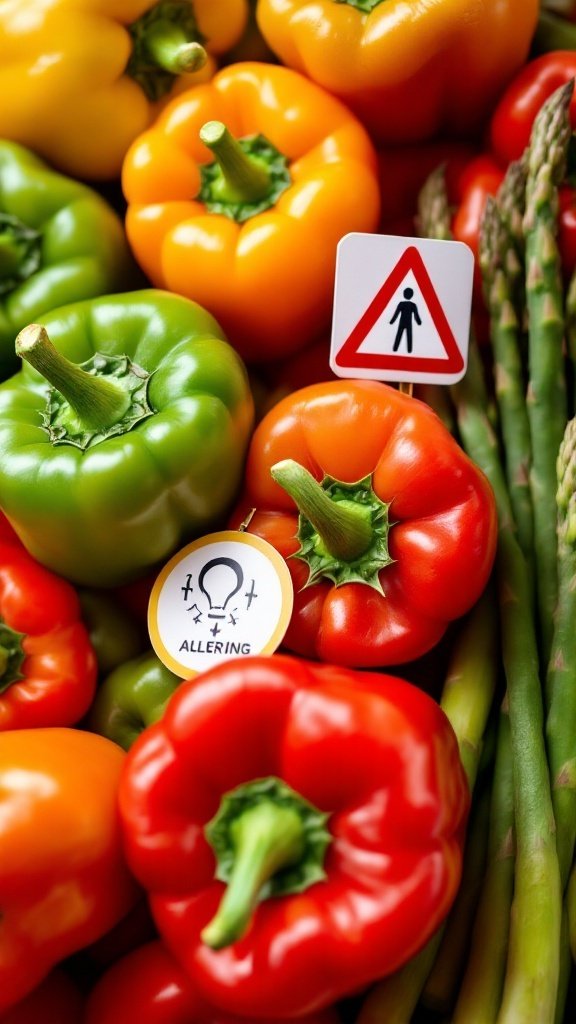
When it comes to choosing vegetables, seniors should be careful about certain options that might trigger allergies. The image above shows a colorful array of bell peppers and asparagus, alongside warning signs about allergies. This visual reminder highlights the importance of being aware of potential allergens in our food choices. Bell peppers, while nutritious, can sometimes cause reactions in those sensitive to them. It’s essential for seniors to identify and avoid these triggers to maintain their health.
Some vegetables can provoke allergic reactions, leading to discomfort and health issues. For instance, bell peppers are known for their vibrant colors and crunch but can be problematic for certain individuals. Symptoms might include itching, swelling, or digestive distress. Therefore, if you notice any adverse effects after eating them, it’s best to consult with a healthcare provider.
Another vegetable to keep an eye on is asparagus. While it’s a healthy choice, it can cause reactions in those who are sensitive to it. The key is to listen to your body. If you suspect a vegetable is causing issues, consider keeping a food diary to track what you eat and any symptoms that follow.
In summary, being aware of vegetables like bell peppers and asparagus is crucial for seniors. Paying attention to your body’s reactions can help you make informed choices about what to include in your diet. Always prioritize your health and consult with a healthcare professional when in doubt.
Vegetables Associated with Gastrointestinal Distress
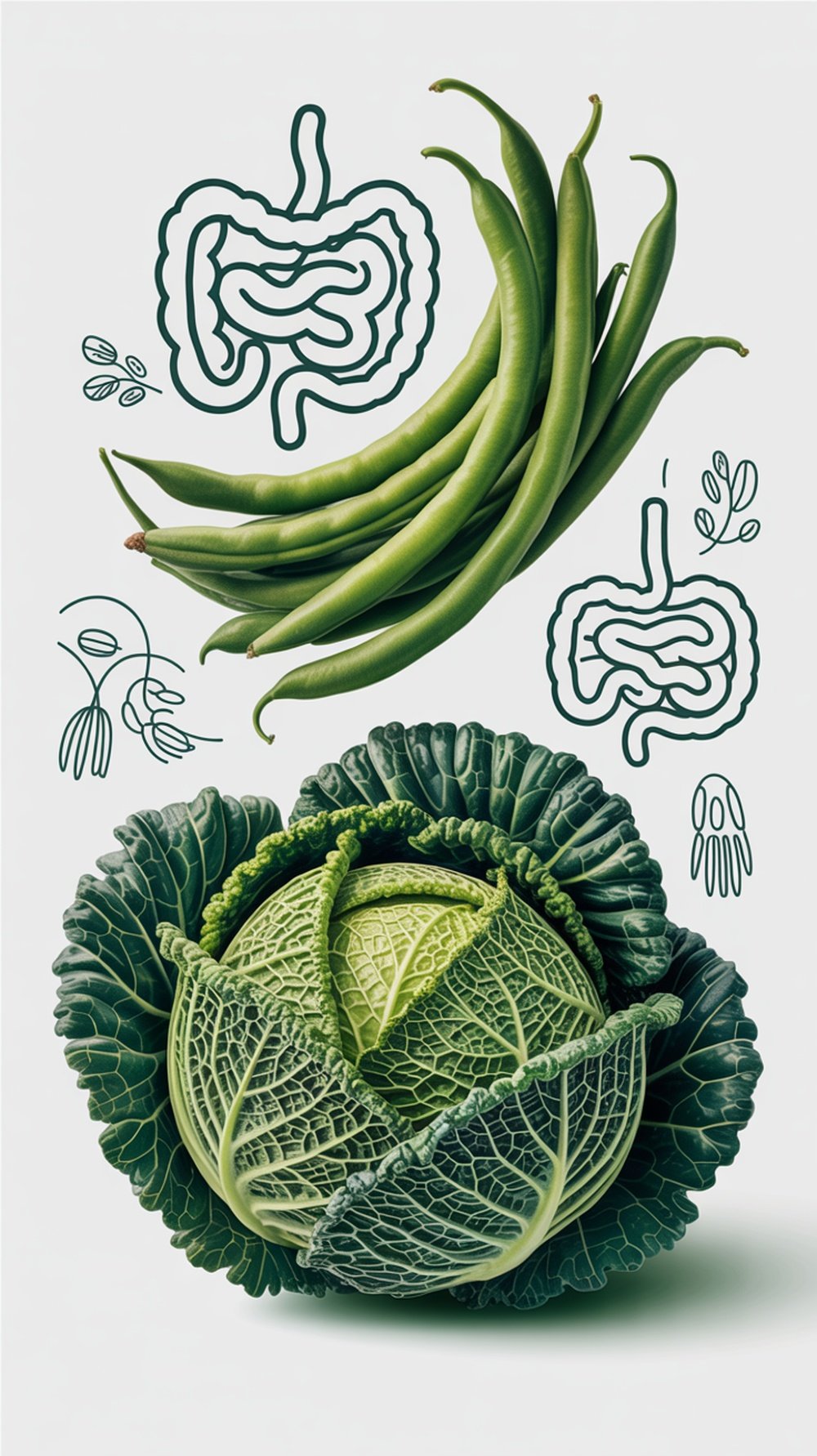
The image captures a vibrant array of vegetables, beautifully arranged on a rustic backdrop. You can see leafy greens, beans, and various root vegetables, showcasing the rich diversity of produce. While many of these veggies are healthy, some can lead to gastrointestinal issues, especially for seniors.
For instance, cruciferous vegetables, like broccoli and cabbage, are nutritious but can cause bloating and gas. This happens because they contain complex sugars that are tough to digest. Eating them raw might worsen the problem, so cooking can sometimes help ease these effects.
Legumes, like those seen in the image, are another group to watch out for. They are high in fiber, which is good for digestion, but can also lead to discomfort if introduced too quickly or consumed in large quantities. Soaking and thoroughly cooking them can make them easier on the stomach.
Another potential troublemaker is bell peppers, which can irritate some digestive systems. Their skin is tough to break down, so peeling them might be a good idea for those sensitive to fiber.
Overall, while vegetables are generally healthy, it’s essential for seniors to be mindful of how certain types may affect their digestive health. Moderation is key, and cooking methods can make a significant difference in how these vegetables are enjoyed.
This post may contain affiliate links which means I may receive a commission for purchases made through links. I will only recommend products that I have personally used! Learn more on my Private Policy page.
