If you’re eating 1200 calories a day and still finding the scale creeping up, you might be scratching your head in confusion. You’re not alone! There are some surprising reasons why this can happen, and understanding them can help you get back on track. Let’s break down those unexpected factors that might be sabotaging your weight loss efforts.
Muscle Loss from Insufficient Protein Intake

When you’re trying to lose weight on 1200 calories a day, it’s easy to overlook protein. The image shows a fit individual alongside various protein-rich foods like chicken, yogurt, and almonds. This visual highlights the importance of protein in maintaining muscle mass.
Protein is essential for muscle repair and growth. If your diet lacks sufficient protein, your body may start breaking down muscle for energy. This can lead to a decrease in muscle mass, which is counterproductive when you’re trying to slim down.
Eating enough protein helps you feel full and satisfied, making it easier to stick to your calorie goals. Incorporating foods like lean meats, dairy, and nuts can help you meet your protein needs. Aim for a balanced intake throughout the day to support your body’s needs.
Remember, muscle is more metabolically active than fat. Losing muscle can slow down your metabolism, making it harder to lose weight. So, don’t skimp on protein if you want to see the results you’re aiming for!
Metabolism Slowdown from Caloric Restriction

When you cut calories to 1200 a day, you might think you’re on the right track. But the truth is, your body can react in unexpected ways. The image shows someone looking frustrated while holding a calculator, surrounded by fresh fruits and vegetables. This captures the struggle many face when trying to lose weight on a low-calorie diet.
One of the main reasons for weight gain on such a restricted diet is a slowdown in metabolism. Your body senses the drop in calories and thinks it’s in a state of starvation. To conserve energy, it slows down the rate at which it burns calories. This means you might not be losing weight, even if you’re eating less.
It’s important to remember that metabolism isn’t just about how many calories you consume. Factors like muscle mass, activity level, and even age play a role. If you’re not eating enough, you might lose muscle, which further decreases your metabolic rate. This can create a frustrating cycle where you feel stuck.
So, if you’re feeling defeated while counting calories, know that it’s not just you. Your body is trying to protect itself. Finding a balance between eating enough and maintaining a calorie deficit is key to long-term success.
Impact of Stress Hormones on Weight

Stress can be a sneaky culprit when it comes to weight gain, even if you’re sticking to a low-calorie diet like 1200 calories a day. The image shows someone looking frustrated while standing on a scale surrounded by junk food. This visual perfectly captures the struggle many face when stress leads to unhealthy eating habits.
When you’re stressed, your body releases hormones like cortisol. Elevated cortisol levels can increase cravings for sugary and fatty foods. This is why you might find yourself reaching for chips or candy, even when you’re trying to eat healthily.
Moreover, stress can affect your metabolism. Instead of burning calories efficiently, your body may hold onto them, making weight loss feel impossible. The person in the image seems overwhelmed, which reflects how stress can cloud your judgment about food choices.
It’s essential to find ways to manage stress. Simple techniques like deep breathing, exercise, or even talking to a friend can help lower cortisol levels. By addressing stress, you can better control your eating habits and support your weight loss goals.
Nutrient Deficiency Leading to Cravings
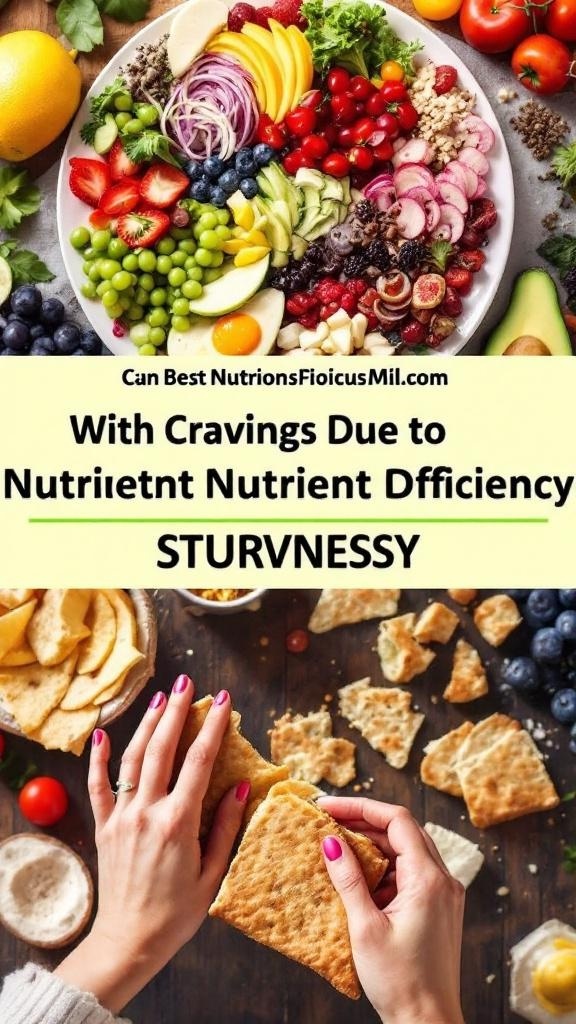
When you’re eating just 1200 calories a day, it can be tough to get all the nutrients your body needs. The image shows a colorful plate filled with fruits and vegetables, which are great sources of vitamins and minerals. However, if your diet lacks variety, you might miss out on essential nutrients.
Deficiencies in key nutrients can lead to cravings. For example, not getting enough magnesium might make you crave chocolate, while low iron can lead to a desire for red meat. It’s interesting how our bodies communicate these needs through cravings.
Also, the presence of processed snacks, like the chips in the image, can tempt you away from healthier choices. These snacks often lack nutrients and can leave you feeling unsatisfied. So, while you might be hitting your calorie goal, you could still be hungry for the nutrients your body craves.
To combat this, focus on incorporating a variety of foods into your meals. Think about adding different fruits, vegetables, whole grains, and lean proteins to your plate. This way, you can satisfy your cravings and nourish your body at the same time.
This post may contain affiliate links which means I may receive a commission for purchases made through links. I will only recommend products that I have personally used! Learn more on my Private Policy page.
