Sometimes, the little things we do each day can have a big impact on our weight loss goals, often in ways we don’t even realize. This list of 35 everyday habits highlights those sneaky routines and choices that can throw a wrench in your weight loss journey. Let’s dive in and uncover what you might want to rethink in your daily life!
Underestimating Portion Sizes
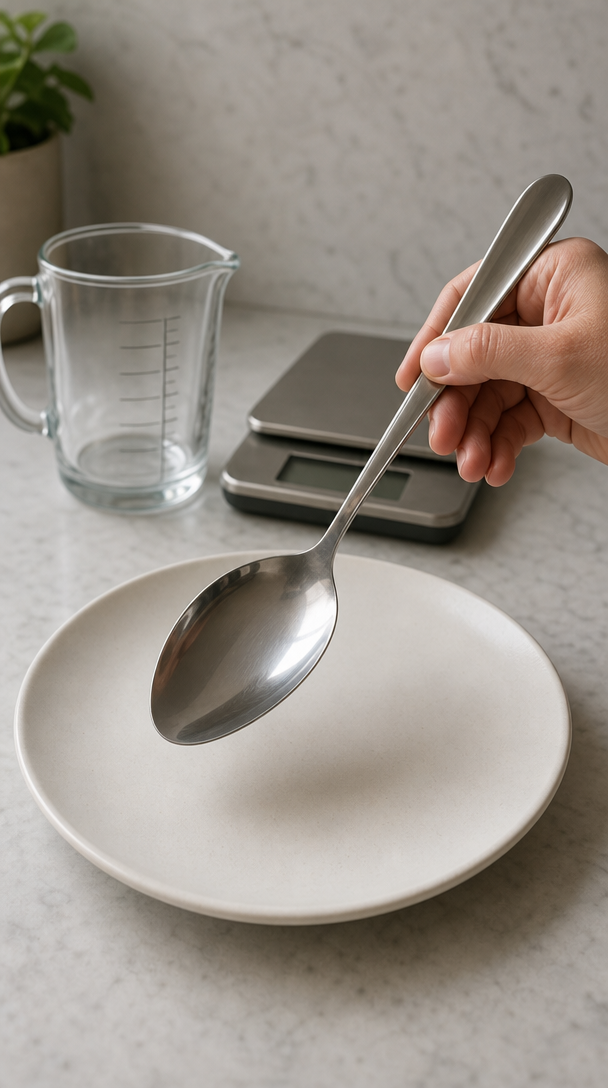
When it comes to losing weight, underestimating portion sizes can be a sneaky hurdle. Many of us might not realize just how much food we’re putting on our plates. This image captures a hand about to serve a spoonful of food onto a plate, highlighting a common trap. It’s easy to think that just a little bit more won’t hurt, but those extra bites can add up quickly throughout the day.
Often, we fill our plates without measuring, leading us to consume more calories than we intend. A simple step like using a food scale or measuring cups can help you become more mindful. This doesn’t mean you have to count every calorie, but gaining an understanding of portion sizes can really make a difference.
If you’re unsure about how much to serve, a good rule of thumb is to fill half your plate with vegetables, a quarter with protein, and a quarter with whole grains. This balanced approach helps manage calorie intake while still allowing you to enjoy your meals. Remember, being aware of portion sizes isn’t just about losing weight; it’s about fostering a healthier relationship with food too!
Ignoring Food Labels

Have you ever stood in the grocery aisle, staring at a food label, completely baffled? The image above captures that moment perfectly. It shows a woman examining a product, her face reflecting confusion. Many of us have been there, trying to make sense of what to eat and what to avoid.
Food labels can be overwhelming. They are filled with numbers, percentages, and ingredients that are hard to pronounce. However, ignoring these labels can seriously hinder your weight loss journey. When you overlook what’s in your food, you might consume more calories than you realize.
Many packaged foods claim to be healthy, but a quick glance at the label can reveal hidden sugars and unhealthy fats. For example, a snack labeled as ‘low-fat’ might contain extra sugar to enhance taste. Always check serving sizes too; it’s easy to underestimate how much you’re actually eating.
Instead of blindly trusting packaging, take a few extra moments to read the labels. Look for ingredients that you can recognize and understand. This simple habit can make a big difference in your weight loss efforts. The next time you’re shopping, embrace that moment of confusion as a stepping stone to better decision-making!
Mindless Snacking While Watching TV

Picture this: you’re cozy on the couch, eyes glued to the TV, and a big bowl of snacks is within arm’s reach. It’s super easy to get lost in your favorite show and down a hefty portion without even thinking about it. You might not even realize how much you’re munching! This is a common scenario that many of us face, and it can derail weight loss efforts.
The image perfectly captures this moment. The person looks engrossed in the screen, unaware of all the empty snack bags scattered around. These little packets can add up, and it’s often mindless eating at its finest. You could be amazed at how quickly you can consume those calories while focused on the latest drama.
A great way to curb mindless snacking is to switch your focus. Instead of grabbing that bag of chips, opt for a lighter snack. Try keeping veggies and hummus nearby. Not only are they healthier options, but they also take a bit longer to eat, allowing you to enjoy the show while still being conscious of what you’re consuming.
Not Drinking Enough Water

Staying hydrated is much more important for weight loss than many people realize. The struggle becomes clear when you see someone like the guy in this image, holding an almost empty water bottle, looking worried. It’s a reminder that we often let our hydration slip.
Mistaking thirst for hunger is a common pitfall. When you’re dehydrated, your body might send signals that you’re hungry, leading you to eat when a glass of water could do the trick. So, instead of reaching for snacks, a simple drink might satisfy you.
Moreover, drinking enough water helps boost your metabolism. It can aid in burning calories more efficiently. Plus, proper hydration supports overall bodily functions, ensuring everything runs smoothly. Think of water as your weight loss best friend.
Carrying a water bottle, just like the one in the hands of the man in the photo, can be a stylish reminder to drink up. Set goals for daily water intake and watch how it impacts your energy levels and appetite. Make hydration a fun habit, and you might just find it easier to stick to your weight loss journey.
Skipping Breakfast Regularly
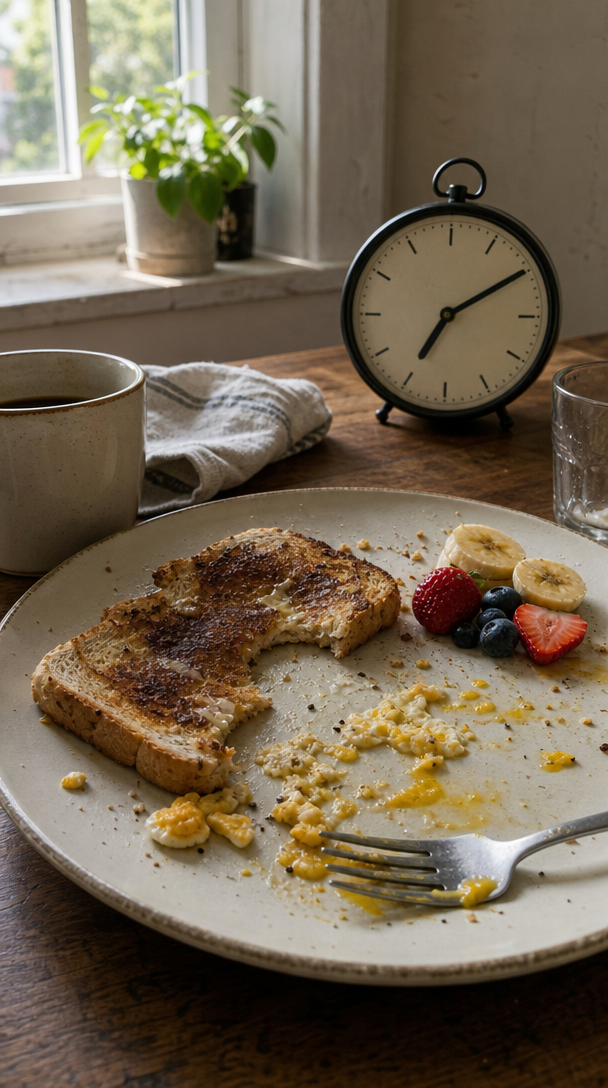
We’ve all heard the saying that breakfast is the most important meal of the day. Yet, many of us skip it more often than we care to admit. The image tells part of this story—half-eaten toast lies on a plate alongside some fresh fruit, while a cup of coffee sits nearby. This scene perfectly captures the essence of a rushed morning where breakfast is neglected.
Skipping breakfast can set the wrong tone for the day. When you miss out on this meal, your body may respond by slowing down its metabolism. Without that morning fuel, your energy levels can dip, leading to cravings later in the day. You might find yourself reaching for unhealthy snacks to compensate.
Many people believe they can save calories by skipping breakfast, but this approach often backfires. Instead of saving calories, you might actually end up overeating later. It’s essential to start the day with a balanced meal to keep your metabolism humming and your energy steady.
Incorporating breakfast into your daily routine doesn’t have to be time-consuming. You can prepare simple meals, like oatmeal, yogurt with fruit, or a quick smoothie. These options are easy to grab on hectic mornings and provide the necessary nutrition to kickstart your day.
Eating Late at Night

Have you ever found yourself standing in front of the fridge late at night, just like the person in the image? The soft glow from the fridge light casts a tempting invitation, making those late-night munchies hard to resist. While snacking might feel harmless, eating late at night can actually sabotage your weight loss goals.
One of the main reasons eating late can hinder weight loss is that our bodies are designed to burn calories more efficiently during the day. When we eat close to bedtime, our metabolism slows down. This means that those extra calories might not get used up like they would if eaten earlier.
Additionally, late-night eating often leads to less mindful choices. The fridge may be filled with leftovers, snacks, or sugary treats that don’t do your body any favors. Instead of reaching for a nutritious option, it’s easy to grab something quick and calorie-dense.
So, what can you do? Try setting a cutoff time for meals, and stick to it! If you find yourself really hungry in the evening, opt for a light, healthy snack like a piece of fruit or a handful of nuts. Planning your meals and snacks throughout the day can also help curb those late-night temptations.
Consuming Sugary Drinks
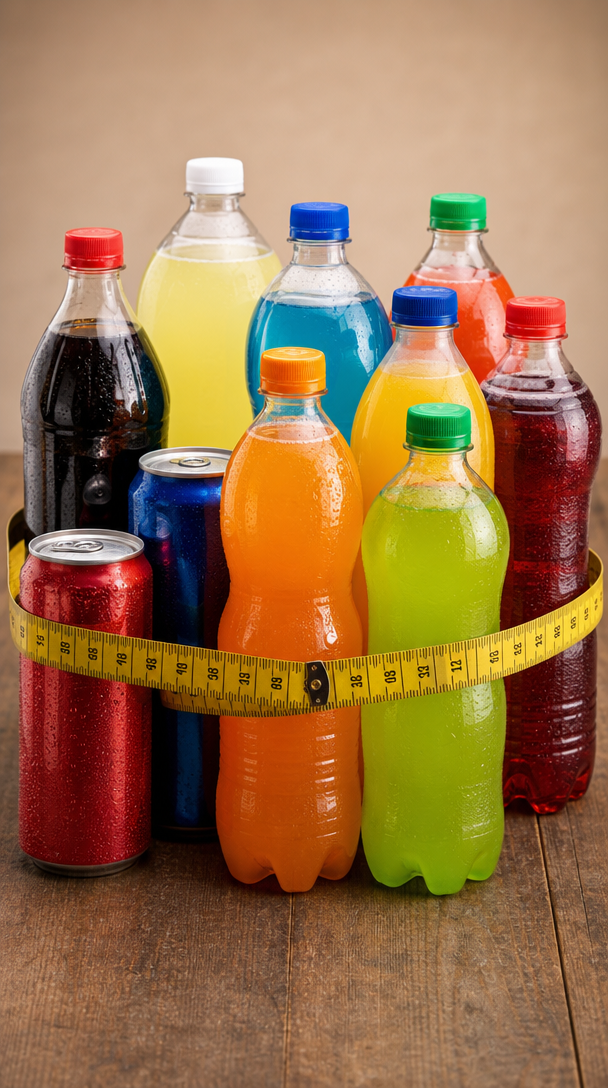
The image presents a colorful collection of sugary drinks, from bright sodas to vibrant juices. Each bottle and can seems to beckon with its appealing colors. However, behind that allure lies a hidden challenge for those looking to lose weight.
When we think about weight loss, our focus often lands on food. But sugary drinks can be sneaky culprits, adding calories without us even realizing it. A regular soda or fruit drink can pack a hefty dose of sugar that quickly adds up.
Imagine drinking a couple of cans or bottles throughout the day. It’s easy to think it’s just a beverage, but those empty calories can lead to unwanted weight gain. This happens because sugary drinks don’t provide the same sense of fullness as solid foods do.
To tackle this habit, consider swapping out those sugary drinks for healthier choices. Water, infused drinks with fresh fruits, or even herbal teas can refresh you without the added sugars. Making these small adjustments can help steer your weight loss journey in the right direction.
Relying on Processed Foods
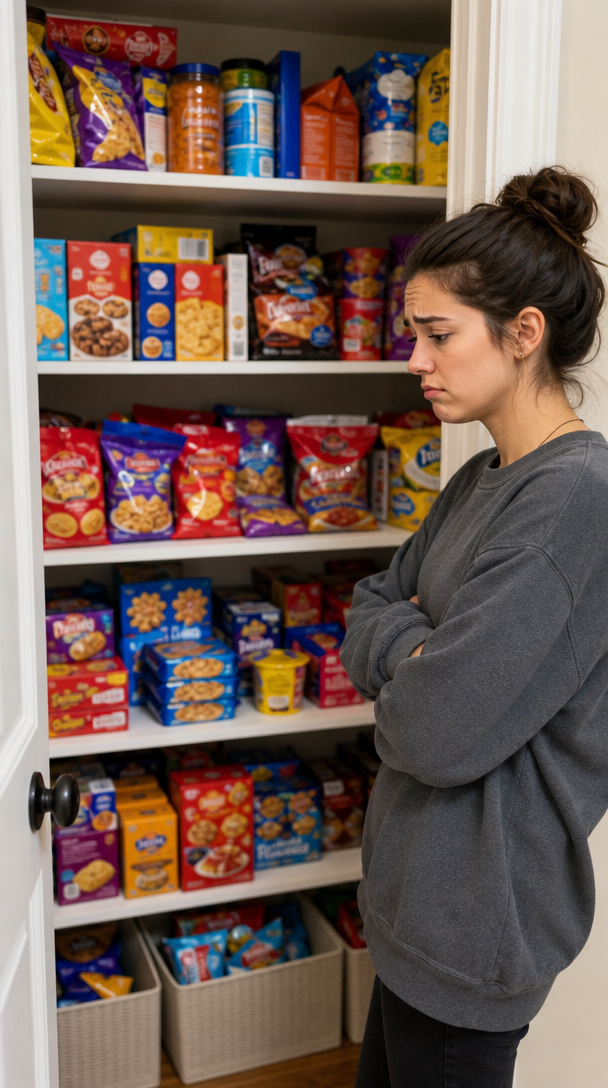
Relying on processed foods can create a cycle that’s tough to break. In the image, we see someone looking at a pantry filled with colorful boxes and bags of snacks. This visual perfectly represents how convenient but misleading these foods can be. While they might save time and taste great, they often come loaded with hidden sugars, unhealthy fats, and excessive sodium. These ingredients can sabotage your weight loss efforts. It’s easy to grab a quick snack, but those choices rarely satisfy long-term hunger. Instead, they often lead to more cravings.
Skipping Workouts

When it comes to weight loss, one major roadblock can be skipping workouts. The image vividly captures an unused gym bag covered in dust, highlighting a common struggle many face. Without regular exercise, our bodies miss out on valuable calorie-burning and muscle-building opportunities. It’s easy to get sidetracked by a busy schedule or a lack of motivation, but those skipped workouts can pile up quickly. Just like the empty calendar days behind it, each day without movement can contribute to stalled progress.
Setting a routine can make a big difference. The image serves as a reminder of the importance of consistency. Maybe consider a fun workout class or find a workout buddy to keep you accountable. Having a plan can transform a dusty workout bag into a staple of your daily routine. Instead of allowing that bag to collect more dust, let’s make it a point to fill our schedules with activity.
Ultimately, staying active leads to better energy levels and helps keep those weight loss goals in sight. So, let’s shake off that dust together and make workouts a fun and uplifting part of our day!
Ignoring Hunger Cues

In today’s fast-paced world, many people tend to overlook their hunger cues. The image captures a young person absorbed in their phone while sitting at a table loaded with food. This scene perfectly illustrates how distraction can lead to ignoring what our bodies are telling us. On the plate, we see a delicious burger, crispy fries, and a pizza, while a fresh salad sits nearby as a healthier option. The young person seems to be experiencing a moment of discomfort, rubbing their stomach, which signifies they might actually be full but continue to snack because they are distracted by their screen.
Ignoring hunger signals can be harmful to weight loss efforts. When we get too involved in our phones, TV shows, or other activities, it’s easy to loss track of how much we’ve eaten. This distraction can lead to overeating. It’s important to listen to your body. If you feel full, it’s best to stop eating, even if there’s food left on your plate.
Creating mindful eating habits can really help. Try putting your phone down during meals and focus on the flavors and textures of your food. This simple act can make a big difference, allowing you to enjoy your meal while being aware of your hunger levels. Remember, your body knows what it needs—just make sure to give it the attention it deserves.
Choosing Low-Fat Alternatives

When you’re trying to lose weight, it’s common to reach for low-fat alternatives. But are they really the best choice? The woman in the image is standing in a grocery store, holding two products, clearly puzzled by the labels. This scenario is more familiar than you might think.
Many people assume that if a product is labeled as low-fat, it’s automatically healthier. However, these products often contain extra sugars to compensate for taste. That means you might end up consuming more calories overall. The key here is to read the labels carefully.
Instead of opting for low-fat, consider whole foods that provide better nutrition. For instance, substitute full-fat yogurt for low-fat varieties. You’ll get more protein and healthy fats, which can keep you satisfied longer. Whole milk can be more filling than skim milk, helping to curb overeating.
In the end, it’s about finding balance. Quality matters just as much as quantity. So, the next time you’re in the aisle like the woman in this picture, take a moment to evaluate what you really need instead of just grabbing what’s labeled as ‘low-fat’!
Using Food as a Reward

We all have those days when we feel overwhelmed and need a little pick-me-up. The image reflects that perfectly—a moment of contemplation with a tempting slice of chocolate cake. Many of us have been there, holding a treat that symbolizes comfort, but does it truly serve us?
Using food as a reward seems harmless at first, but it can silently sabotage our weight loss efforts. When we associate food with feeling good or celebrating achievements, it creates a pattern that reinforces emotional eating. That’s where the struggle begins. Every time we indulge, we may be telling ourselves that it’s okay, even if it leads to regret later.
Instead of food, think of other rewarding activities. Maybe take some time for a hobby you love or enjoy a walk in the park. This shift can help break the cycle. Remember, food should nourish us, not become the reward system we rely on for happiness.
Not Getting Enough Sleep

Picture this: a cozy bedroom filled with a chaotic mix of food wrappers and a groggy person reaching for an alarm clock. This image perfectly captures the struggle many face when it comes to sleep and weight loss. Lack of sleep isn’t just about feeling tired; it has deeper implications for our health and eating habits.
When you skimp on sleep, your body’s hunger hormones go haywire. Ghrelin, which stimulates appetite, increases, while leptin, which signals fullness, takes a backseat. This hormonal imbalance often leads to the munchies, making it tough to resist those late-night snacks. The clutter of fast food wrappers around the bed is a clear sign of this pattern.
Also, sleep deprivation can lead to poor food choices. When you’re tired, your brain is less able to make healthy decisions. Instead of opting for a balanced meal, it’s all too easy to reach for something quick and unhealthy. This cycle of fatigue and poor eating habits makes weight loss feel like an uphill battle.
Getting those precious zzz’s can be a game changer! Prioritize sleep, and watch how your cravings and energy levels shift. It’s time to create a bedtime routine that helps you unwind and finally catch up on those missed hours.
Eating Out of Boredom

Have you ever found yourself mindlessly munching on snacks while binge-watching your favorite show? It happens more often than you think! In an image where a person sits surrounded by a chaotic pile of snacks, the impact of boredom becomes crystal clear. With a bowl filled with chips in hand, they appear lost in thought, highlighting how easy it is to reach for food when there’s nothing else to do.
Eating out of boredom is a common habit that can sabotage weight loss efforts. When we snack mindlessly, we often consume far more calories than we realize. Those casual munching moments can add up quickly! Instead of turning to snacks, consider finding engaging activities to fill your time.
Whether it’s picking up a new hobby, going for a walk, or reading a book, keeping busy can help break the cycle. Engage your mind and body to steer clear of the endless snack cycle! Remember, you’re not just satisfying hunger; you’re filling time—and that time can be better spent elsewhere!
Overeating Healthy Foods
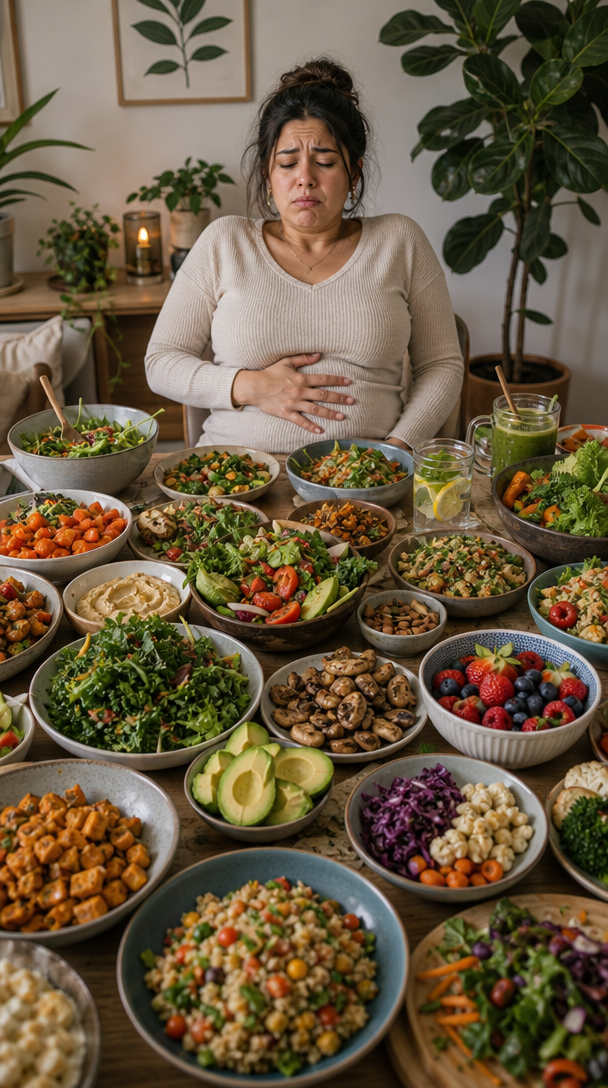
It’s a common misconception that piling your plate high with healthy foods guarantees you a free pass in your weight loss journey. Just take a look at the image: a table brimming with colorful and nutritious dishes, yet the person sitting there appears uncomfortable and full. This captures the essence of overeating healthy foods. While these options are undoubtedly better than processed snacks, it’s easy to lose track of portion sizes when everything looks so delicious and beneficial.
Eating a variety of greens, fruits, grains, and proteins is important, but it’s crucial to remember that calories still count, even from healthy sources. Overeating can lead to feelings of bloating, discomfort, and frustration when results aren’t reflected on the scale. The irony is that, despite the healthiest intentions, excessive consumption can negate your body’s efforts to shed those extra pounds. Instead of loading up your plate, try to focus on balanced portions and listen to your body’s hunger cues. This shifts the focus from just healthy eating to mindful eating, which can make a significant difference in your weight management journey.
Eating Out Frequently

Eating out often can be a delightful experience, but it can also sabotage your weight loss efforts. When you see a table filled with gorgeous dishes, like in the image, it’s hard to resist trying a bit of everything. While indulging occasionally is fine, making it a habit can contribute to unwanted weight gain.
Restaurants tend to serve larger portions than what you might eat at home. This can lead to consuming more calories without even realizing it. Plus, many menu items are prepared with extra oils, sugars, and fats, making them not only tasty but also calorie-heavy.
The likelihood of choosing unhealthy options increases when dining out. The temptation of rich sauces and decadent desserts can overpower your healthy intentions. It’s easy to forget about balanced meals when faced with a menu offering savory delights. If your meals mainly consist of these indulgent options, weight loss becomes even more challenging.
To make healthier choices while dining out, consider reviewing the menu beforehand. Look for dishes that are grilled or baked instead of fried. Opt for salads with dressing on the side. Sharing dishes can also help keep portions in check. By making small adjustments, you can enjoy the social aspect of eating out without derailing your weight loss journey.
Letting Emotions Influence Eating

Have you ever found yourself sitting on the couch, feeling overwhelmed, with a tub of ice cream in hand? This image perfectly captures that moment. It’s dark, cozy, and a bit sad. The person seems lost in thoughts, using food as a comfort. This is a common scenario for many of us. Emotional eating can sneak up on you, especially during tough times. Instead of listening to your body, emotions take the lead. The couch, the dim light, and the bowl create a relatable scene for late-night cravings fueled by stress or sadness.
Often, we don’t even realize we’re doing it. Eating out of boredom, frustration, or loneliness doesn’t fill the emotional void. Instead, it often leads to feelings of guilt afterward. Instead of celebrating small victories, we may dwell on our slip-ups and mistakes. Recognizing this habit is the first step toward making healthier choices. By becoming aware, we can learn to find other ways to cope with our feelings, such as journaling or going for a walk. Remember, the journey of weight management isn’t just about food; it’s about nurturing our emotions too.
Eating Too Quickly

Have you ever found yourself scarfing down a plate of food without even realizing what you ate? This hurried approach can sabotage your weight loss goals. Just take a look at the image! It perfectly captures the chaotic scene of a meal gone wild. With spaghetti flying and food everywhere, it illustrates the pitfalls of eating too fast.
When you eat quickly, your body doesn’t have enough time to signal to your brain that you’re full. This leads to overeating. You might think you’re saving time, but in reality, you’re likely to consume more calories in the long run.
It’s essential to take a moment to slow down. Try savoring each bite. Consider setting a timer or even putting your fork down between bites. Eating mindfully can transform your relationship with food.
Not only does slower eating help with portion control, but it also allows you to enjoy flavors and textures. A meal becomes more satisfying, and you’ll feel fuller with less food.
So, next time you’re tempted to rush through a meal, remember that enjoying your food can lead to better health and successful weight loss.
Focusing Solely on Exercise

When embarking on a weight loss journey, many people believe that hitting the gym hard is all they need to do. The image depicts a person lifting weights, surrounded by a well-balanced meal of vegetables and lean protein. It’s a common sight in fitness spaces, symbolizing the dedication to exercise.
However, solely focusing on exercise can often lead to disappointment. While working out is crucial, it’s only part of the equation. Nutrition plays an equally important role in weight loss. The well-prepared meal in the picture reminds us that what we eat significantly affects our goals.
Many individuals might spend hours working out but neglect their diet. This approach often leads to frustration. Without a balanced diet, all those hours in the gym can yield minimal results. It’s important to pair physical activity with healthy eating habits.
The key is finding a balance. Exercise boosts metabolism, but it’s the nutrition that fuels our bodies and aids recovery. Combining weight training, like that shown in the image, with nutritious meals is the ultimate recipe for success.
Skipping Meals

Skipping meals might seem like a good strategy for weight loss, but it often leads to more problems than benefits. Just look at the image—someone waiting at the table with an empty plate. It captures the feeling of hunger that many experience when they skip a meal, but what happens after that hunger pang hits?
When you skip meals, your body reacts by slowing down its metabolism to conserve energy. This can make it harder for you to lose weight. Rather than burning calories efficiently, your body clings to what it has, causing frustration and stagnation in your weight loss journey.
Additionally, skipping meals can lead to intense cravings later on, often resulting in overeating. Instead of controlling your calorie intake, you might find yourself eating more than you normally would simply out of hunger. Just like the person in the image looks bored and frustrated, skipping meals can leave you feeling unsatisfied and reaching for snacks that aren’t the healthiest options.
It’s always better to fuel your body with regular, balanced meals. This helps maintain steady energy levels and keeps those cravings at bay. Try to plan small, healthful meals instead of letting hunger dictate your choices. This is not just about weight loss; it’s about feeling good and being nourished!
Not Tracking Food Intake

Many people struggle with weight loss, and one common reason is not keeping track of what they eat. If you look at the image, you can see a person staring at an array of empty plates. The frustration on their face is relatable. It’s clear they’ve indulged but may not be aware of just how much.
When we eat without tracking, it’s easy to underestimate our caloric intake. Each bite can add up quickly, often leading to surprise when we step on the scale. A casual snack here and there might seem harmless, but it can sneakily sabotage weight loss efforts.
Keeping a food diary or using an app can make a difference. Writing down everything we consume not only builds awareness but can also highlight patterns. Once we see the numbers, it becomes easier to make adjustments. This practice allows us to be more mindful about our meals and snacking habits.
So next time you enjoy a meal, consider jotting it down. It might seem tedious at first, but it can really help in the long run. Remember, knowledge is power when it comes to reaching your weight loss goals!
Not Planning Meals Ahead

Ever walked into your kitchen and felt completely overwhelmed like the person in the image? That’s the chaos that can happen when you don’t plan your meals ahead. When you wait until you’re hungry to decide what to eat, the chances for poor choices skyrocket. You might reach for that frozen pizza instead of whipping up something healthy.
Meal planning helps you control what goes into your body. It also saves you time and stress during the week. The person in the image looks distressed, probably due to the mess around her and the pressure of trying to figure out a nutritious meal on the spot. Imagine the difference it could make if she had a meal plan sorted out!
So, how do you start? Begin by picking one day a week to plan your meals. Create a grocery list based on easy-to-prepare, healthy recipes. It doesn’t have to be complicated! Simple dishes like roasted veggies and lean proteins can be made in bulk and enjoyed throughout the week.
Next time you find yourself staring at a refrigerator full of ingredients, remember how helpful meal planning can be. It not only keeps your kitchen organized but also aligns with your weight loss goals. Say goodbye to the frantic feelings and hello to strategic eating!
Using Large Plates
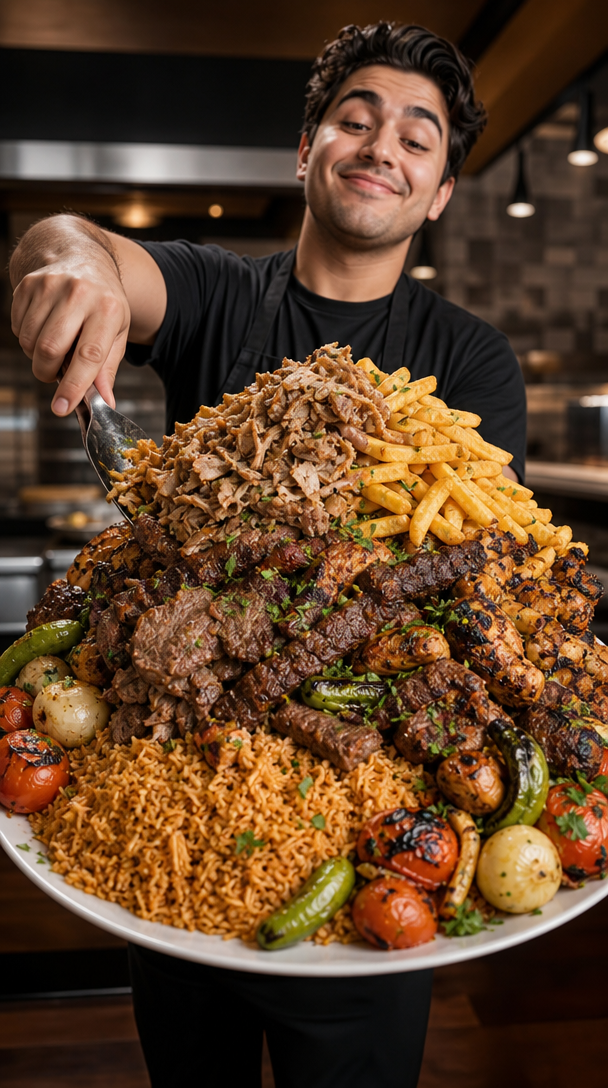
Have you ever noticed how much food you can pile onto a big plate? That’s the catch! When we use large plates, it often leads to bigger portions and more calories consumed. It’s like a sneaky trick that can derail your weight loss efforts without you even realizing it.
Take a look at the image above. It shows a huge mountain of food being served. With so much on a plate, it’s easy to feel tempted to dig in and eat everything. This can happen at home or in restaurants, where larger plates are often the norm.
So, how can you tackle this issue? One solution is to switch to smaller plates. When you serve your meals on smaller dishes, it tricks your brain into thinking you’re eating more than you actually are. It’s an effective way to manage portion sizes and keep your calorie intake in check.
Remember, it’s not just about what you eat but also how you present it. Next time you’re setting the table, consider those smaller plates. Your waistline might just thank you for it!
Overcomplicating Healthy Meals

When it comes to making healthy meals, many of us often end up overcomplicating the process. This struggle is clearly captured in the image above. It shows a person buried under a mountain of cookbooks, ingredients, and recipe notes. You can almost feel her frustration as she tries to juggle it all.
Healthy eating shouldn’t feel like a chore. Sometimes, we forget that simplicity is key. Instead of getting lost in complex recipes with long ingredient lists, consider sticking to the basics. A handful of fresh ingredients can create delicious and nutritious dishes.
Imagine tossing together a vibrant salad with greens, cherry tomatoes, and a simple vinaigrette made from olive oil and vinegar. Not only is this quick to prepare, but it also avoids the overwhelm seen in the image.
Cooking doesn’t have to be a stressful experience. By focusing on easy, nourishing meals, you can keep your weight loss journey on track without the added stress. So, next time you find yourself in the kitchen, remember: less is often more!
Eating While Multi-tasking

Many of us have fallen into the habit of eating while juggling tasks. Whether it’s working on a laptop or catching up on a show, we often underestimate how this affects our eating habits.
The image here tells a relatable story. We see someone trying to enjoy a bowl of salad, but it’s evident that she’s focused on something else entirely. This kind of distracted eating can lead to overeating and mindless snacking.
When we eat while distracted, we tend to ignore our body’s signals. Many people eat past the point of fullness because they’re not paying attention to what they’re consuming. This can make weight loss feel almost impossible.
To combat this, try to set aside time for meals without distractions. Savoring each bite can help you enjoy your food more and ultimately lead to healthier choices.
Neglecting Strength Training

A common mistake people make when trying to lose weight is focusing solely on cardio while neglecting strength training. In the image, we see someone working hard on an elliptical machine, which is great for burning calories but doesn’t engage muscle building. Strength training is crucial because it helps build lean muscle, which in turn boosts your metabolism. So, while cardio has its place in any fitness routine, skipping strength exercises can hinder your weight loss efforts significantly.
Overlooking Mindful Eating Practices

In our fast-paced world, it’s common to overlook the simple act of eating mindfully. The image shows a young man, fixated on his phone, with a balanced meal before him. This scenario is more typical than you might think.
When you’re distracted by your screen, you miss the flavors and textures of your food. Instead of savoring each bite, you might find yourself mindlessly munching away. This can lead to overeating because your brain doesn’t register that you’re full.
Mindful eating encourages you to pause and appreciate what’s on your plate. It’s about tuning in to your body and acknowledging hunger and fullness signals. Try putting your phone down and really focus on your meal. Notice the colors, the aroma, and how the food feels in your mouth.
This small switch can have a huge impact on your relationship with food. You’ll not only enjoy your meal more, but you may find it easier to manage your weight.
Not Seeking Support

When it comes to weight loss, going it alone can be a heavy burden. The image depicts a person sitting at a table surrounded by cookbooks. They’re deep in thought, perhaps feeling overwhelmed by the choice of healthy recipes. This reflects a common struggle of feeling isolated in a weight loss journey.
Support is crucial for maintaining motivation and accountability. Without a support system, it’s easy to feel lost or discouraged. Friends, family, or even online communities can provide encouragement and share tips that make a difference.
Feeling stuck like the person in the image? It’s important to reach out. Joining a group or even finding a workout buddy can spark new energy in your routine. Plus, sharing your goals with others creates a sense of commitment that’s hard to break.
Remember, asking for help is a sign of strength. It’s okay to lean on others, whether that’s for recipe ideas or to celebrate milestones. Building connections can lighten the load and make the journey to weight loss not just easier, but also more enjoyable.
Avoiding Healthy Fats

In our quest for weight loss, we often feel torn between different food choices. Just look at the image: a woman is pondering over avocados and a table cluttered with tempting unhealthy options. It highlights a common struggle we face every day.
Healthy fats, like those found in avocados, nuts, and seeds, are crucial for our bodies. They help with nutrient absorption and keep us feeling full longer. Yet, many people avoid them, thinking they contribute to weight gain. This misunderstanding can make weight loss almost impossible.
In reality, avoiding healthy fats can backfire. When we eliminate these good fats, we might find ourselves craving high-carb snacks instead. The result? We end up indulging in unhealthy foods laden with sugars and empty calories.
Instead of steering clear of all fats, it’s more effective to embrace the right ones. Incorporating healthy fats into your meals can help maintain steady energy levels and curb those pesky cravings. Next time you’re in the kitchen, try topping your salad with sliced avocado or tossing a handful of nuts into your yogurt.
Choosing healthy fats can make a significant difference on your weight loss journey. It’s all about balance and making mindful choices. By understanding the value of these nutritious fats, we can pave the way for successful weight loss.
Failing to Set Realistic Goals

Looking at the image, it’s clear that setting unrealistic expectations can feel overwhelming. The person gazing at the downward trend on the wall illustrates a common struggle: the desire for quick results. But, it’s essential to understand that weight loss is often not a straight path.
Many people dive into diets or fitness routines expecting immediate change. This expectation can lead to frustration and demotivation when results don’t match. Instead of focusing on the long-term journey, they may fixate on short-term results, which are frequently elusive.
Realistic goals should be specific, measurable, and attainable. Rather than aiming to lose a certain number of pounds in weeks, consider smaller milestones, like losing 1-2 pounds per week. This approach not only makes the goal achievable but also encourages a more sustainable lifestyle change.
In addition, celebrating small victories along the way can build confidence. Each step forward, no matter how small, should be recognized and appreciated. This keeps motivation high and makes the journey feel more rewarding.
Ultimately, the journey is personal, so strive for consistency rather than perfection. Remember, it’s not just about the numbers; it’s about feeling good and embracing healthier habits for life!
Falling for Diet Trends
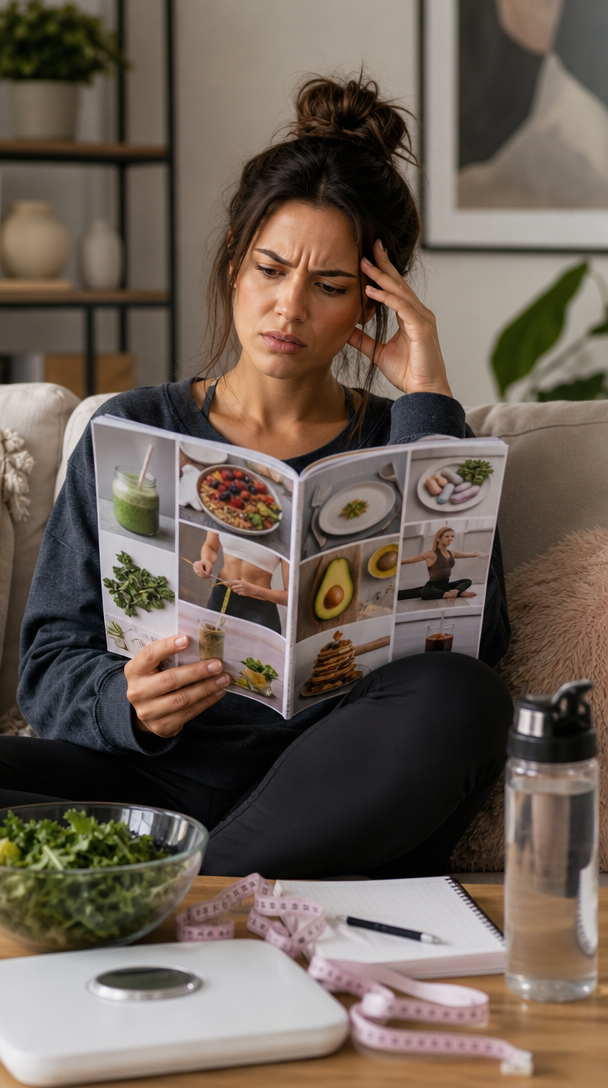
In today’s world, we’re bombarded with the latest diet trends and flashy promises. Sometimes it can be overwhelming, just like the woman in the image who looks puzzled while reading through a glossy diet magazine. With a bowl of fresh kale nearby and a scale on the table, it’s clear she’s trying to take control of her health, but she’s tangled in the web of information.
This struggle isn’t uncommon. Many people feel the pressure to jump on the latest fad, thinking it holds the key to their weight loss journey. But often, these trends are just quick fixes that can lead to frustration.
As you look at the variety of smoothies and meal plans in the magazine, it’s easy to get drawn in by colorful images. However, these visuals can set unrealistic expectations. Instead, focusing on balanced meals and sustainable habits is much more effective for long-term success.
Relying on diet trends can also mess with your mindset. You might feel good one day following a trendy meal plan, but when reality hits, and the results don’t come, discouragement can set in. That’s why it’s crucial to find an approach that works for you and your lifestyle. It’s all about small, manageable changes that you can stick with long-term.
Letting Social Situations Dictate Eating

Picture this: a vibrant gathering filled with laughter, music, and a feast of delicious foods spread across the table. In the center, you see a person overwhelmed by friend offerings—cupcakes, burgers, cookies, and more. This scenario is common, and it speaks volumes about how social situations can influence our eating habits.
It’s all too easy to let the social atmosphere dictate what we eat. When surrounded by friends or at a party, the pressure to indulge often rises. You might feel like saying no to that second slice of cake is frowned upon, or maybe you feel guilty for skipping out on the snacks everyone is enjoying. But giving in can sabotage your weight loss goals.
Many of us have been there; we join in for the sake of being social. But this can lead to mindless eating, where you grab a handful of chips or load up your plate without really paying attention. It’s essential to listen to your body rather than relying on external cues to dictate your food choices.
Next time you’re at a gathering, consider focusing on socializing rather than just the food. Engage in conversations, dance, or enjoy activities. This will help you avoid reaching for snacks out of habit or boredom. Remember, it’s okay to say no or choose smaller portions when you’re caught in the whirlwind of social eating.
Not Celebrating Small Wins

In the journey of weight loss, it’s easy to become overly focused on the scale. The image above shows a person standing in a bathroom, staring down at a weighing scale with a worried expression. This scenario is all too common. Instead of celebrating the progress you’ve made, you might find yourself fixated on numbers that can fluctuate for many reasons.
It’s crucial to recognize and appreciate the small victories along the way. Did you choose a healthy snack instead of chips? Did you complete an extra workout this week? These are wins worth celebrating! They contribute to building a positive mindset, which is essential for long-term success.
When you overlook these triumphs, you risk becoming discouraged. Remember, weight loss is not just about the number that appears on the scale; it’s about creating sustainable habits and enjoying the process of healthy living. Embrace those small achievements and let them motivate you. This shift in mindset can make your weight loss journey much more enjoyable and effective!
Mindless Snacking Patterns

Mindless snacking is one of those sneaky habits that can throw your weight loss goals off track. Just like in the image, where a person reaches for a variety of tempting snacks, many of us find ourselves mindlessly munching while binge-watching our favorite shows or scrolling through social media.
Those late-night snack sessions often involve chips, cookies, popcorn, and even pizza. This type of snacking can lead to consuming too many calories without you even noticing. When snacks are within arm’s reach, it’s just so easy to indulge!
This is where mindfulness comes into play. Instead of grabbing a handful of snacks, try portioning out a small bowl ahead of time. This small change can help curb unnecessary overindulgence. Also, consider swapping processed snacks for healthier options like fruits or nuts, which offer nutrition without the extra calories.
Next time you’re tempted to reach for that extra cookie, think about whether you’re truly hungry or just eating out of habit. Being aware of your snacking patterns can make a big difference in your weight loss journey!
Disregarding the Importance of Fiber
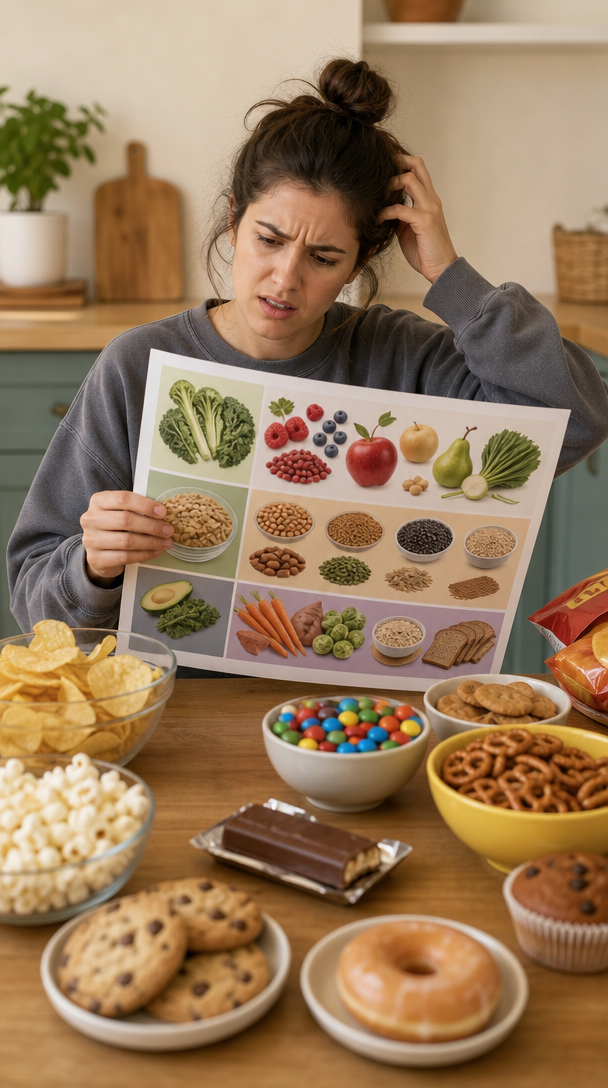
In the journey of weight loss, overlooking fiber can make a significant difference. The image captures a moment of confusion where a woman compares healthy fiber-rich foods against tempting snacks. This visual narrative highlights a common struggle: knowing what to choose for a balanced diet.
Fiber plays a critical role in regulating our appetite. When you eat fiber-rich foods like fruits, vegetables, and whole grains, they fill you up and keep you feeling satisfied longer. Meanwhile, the sugary snacks in front of her can lead to cravings and overeating later. It’s a cycle that many face, and this visual contrast of healthy versus unhealthy choices isn’t just about aesthetics—it’s a reflection of our daily decisions.
When your meals lack enough fiber, you might find yourself feeling hungry sooner than expected. This leads to snacking on unhealthy options, which is likely what the woman in the image is grappling with. Over time, disregarding fiber can make weight loss feel nearly impossible. So, aim to include a variety of fiber sources in your diet to help maintain satiety and support your weight loss efforts.
Incorporating fiber into your meals doesn’t have to be complicated. Think of easy additions like oats for breakfast, leafy greens in your salads, or legumes in your soups. All of these choices can keep you satisfied and on track with your health goals. Embrace fiber and watch how it changes your relationship with food!
This post may contain affiliate links which means I may receive a commission for purchases made through links. I will only recommend products that I have personally used! Learn more on my Private Policy page.
