As we age, our nutritional needs evolve, making it important to choose foods that keep us happy and healthy. This list of 30 superfoods for seniors offers a variety of nutrient-rich options that are easy to incorporate into your diet. From vibrant vegetables to versatile grains, these foods can help support your overall well-being and keep your energy levels up. Let’s dive into some tasty choices that are as good for your body as they are for your taste buds!
Avocado Benefits for Heart Health
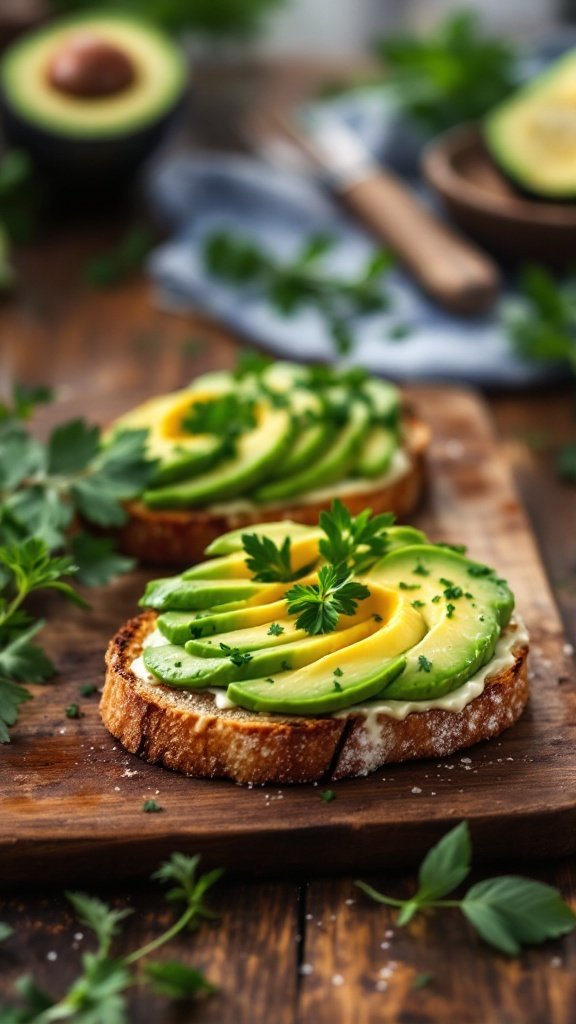
Avocados are not just tasty; they’re packed with heart-healthy benefits too! Rich in monounsaturated fats, they help lower bad cholesterol levels, which is essential for a healthy heart. This creamy fruit is also a great source of potassium, which plays a key role in controlling blood pressure.
In the image, we see a beautiful avocado toast topped with perfectly sliced avocado, showcasing its vibrant green color. This dish is not only visually appealing but also a nutritious choice for breakfast or a snack. Pairing avocado with whole grain bread adds fiber, further supporting heart health. A sprinkle of fresh herbs like parsley enhances both flavor and nutrition.
For an easy avocado toast recipe, simply mash ripe avocado on toasted whole grain bread, season with a pinch of salt, and garnish with sliced tomatoes or radishes. You can even add a drizzle of olive oil for an extra boost of healthy fats. Enjoying this simple dish regularly can be a delightful way to support your heart!
Blueberries for Brain Health
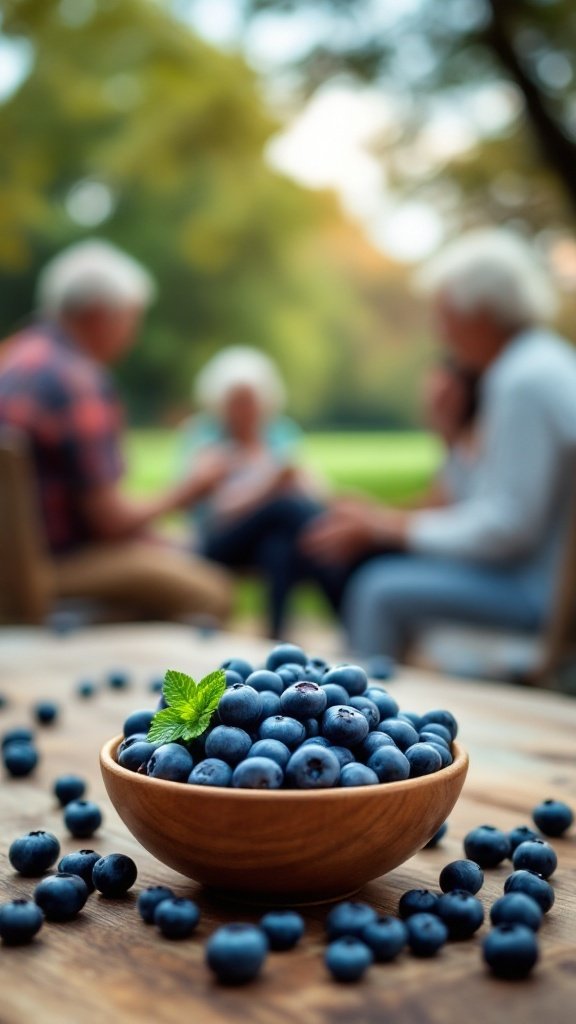
Blueberries are not just a tasty snack; they also play a key role in promoting brain health, especially for seniors. The image captures a bowl filled with plump, ripe blueberries, sitting on a rustic table. In the background, a group of older adults enjoys each other’s company, emphasizing the importance of social interactions for cognitive function.
These small berries are packed with antioxidants that help protect the brain from oxidative stress. Studies have shown that regular consumption of blueberries may improve memory and cognitive abilities. They contain compounds called flavonoids, which are known to enhance communication between brain cells.
Incorporating blueberries into your diet is simple. You can toss them into your morning oatmeal, blend them into smoothies, or enjoy them fresh as a snack. They add a burst of flavor while offering numerous health benefits. So, whether you’re sipping a blueberry smoothie or sharing a bowl with friends, you’re doing something good for your brain.
Chia Seeds for Digestive Health
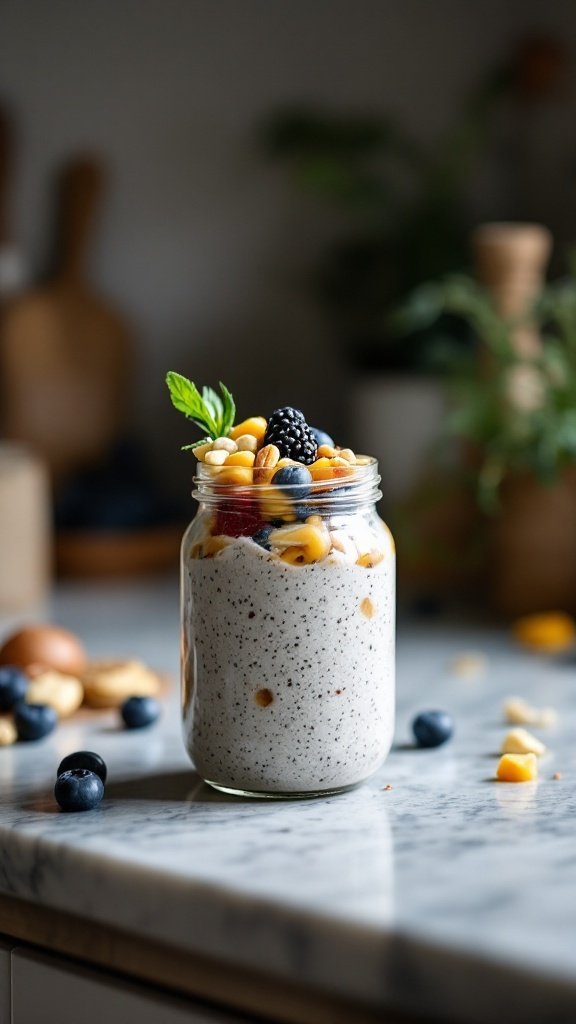
Chia seeds are tiny but mighty when it comes to digestive health, making them a popular choice for seniors. This image shows a lovely jar of chia pudding topped with colorful fruits. The combination not only looks appealing but also packs a nutritional punch.
Chia seeds are rich in fiber, which is essential for keeping our digestive systems running smoothly. When soaked in liquid, they expand and form a gel-like consistency. This gel helps promote feelings of fullness and can aid in regular bowel movements.
Incorporating chia seeds into your diet is simple. You can sprinkle them on yogurt, add them to smoothies, or make a tasty chia pudding. Just mix chia seeds with your choice of milk, let them sit for a few hours, and then add your favorite toppings, like fruits and nuts, as shown in the image.
This delicious chia pudding not only supports digestive health, but it’s also a versatile option that can be enjoyed at any time of day. It’s a delightful way to add nutrition to your meals while keeping your digestive system happy!
Salmon Rich in Omega-3 Fatty Acids
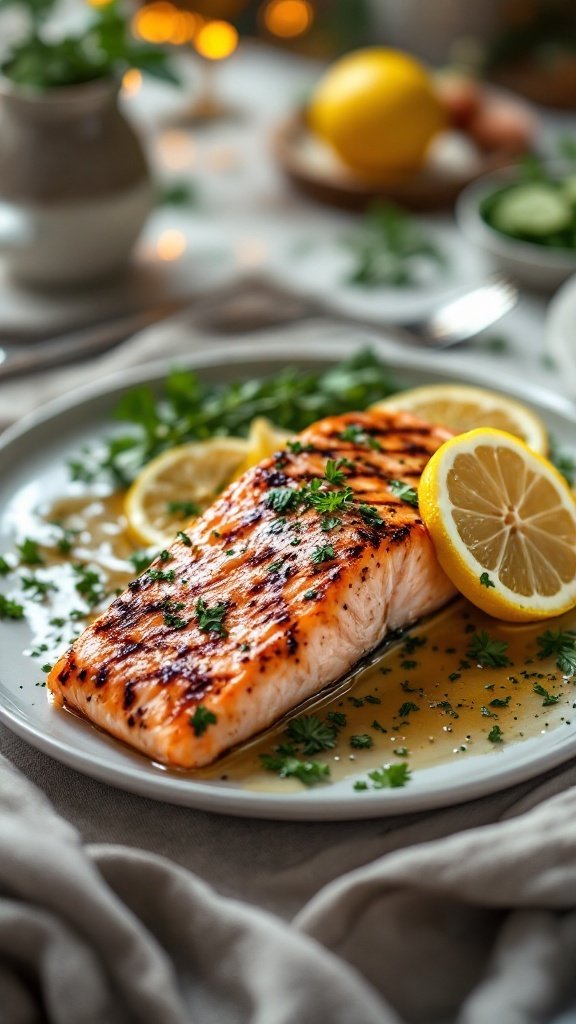
Salmon is not just a delicious dish; it’s also packed with nutrients that are especially beneficial for seniors. This fish is rich in omega-3 fatty acids, which can help support heart health and brain function. Eating salmon regularly can be a tasty way to include these essential fats in your diet.
The image shows a beautifully grilled salmon fillet, garnished with fresh lemon slices and herbs. This presentation highlights how inviting a healthy meal can be. The vibrant colors of the salmon and lemon not only make the plate look appealing but also indicate the freshness of the ingredients.
Incorporating salmon into your meals can be simple. You can grill, bake, or pan-sear it with your favorite herbs. Pair it with a side of vegetables or a salad for a well-rounded meal. Just a few ingredients are needed: salmon fillets, olive oil, lemon juice, and some herbs like dill or parsley.
To prepare, start by preheating your grill or oven. Season the salmon with olive oil, lemon juice, and your chosen herbs. Cook for about 6-8 minutes per side, or until the salmon flakes easily with a fork. Serve with fresh lemon wedges to enhance the flavor. This easy recipe not only tastes good but also contributes to a healthy diet for seniors.
Kale Packed with Nutrients
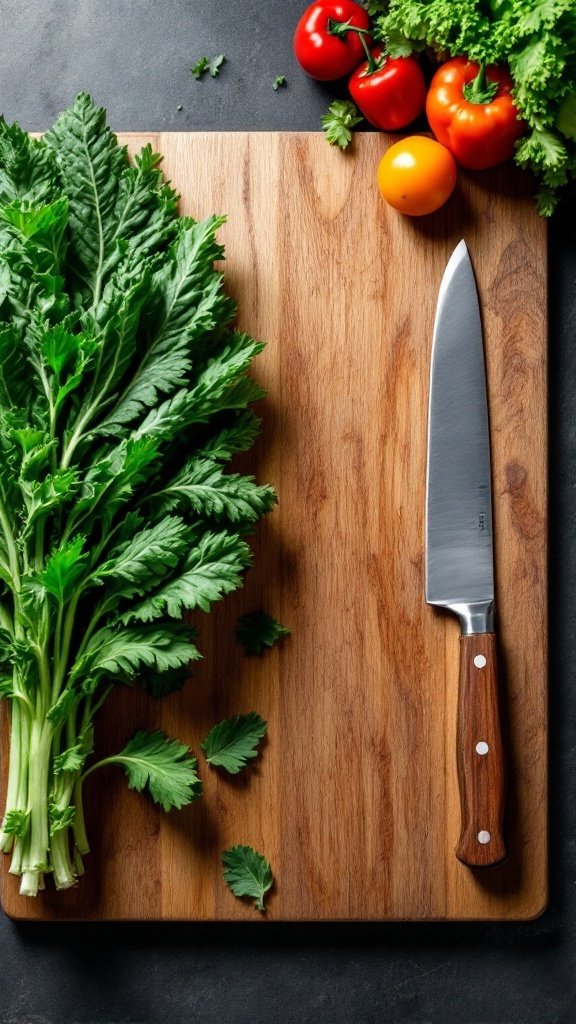
Kale is truly a powerhouse of nutrients, making it a fantastic choice for seniors. This leafy green is loaded with vitamins A, C, and K, which are essential for maintaining overall health. Just a single serving can provide a significant boost to your daily nutrient intake.
The image shows a vibrant bunch of kale alongside fresh tomatoes and other greens, highlighting the colorful array of healthy foods that can be included in a senior’s diet. Incorporating kale into meals can be as simple as tossing it into salads, smoothies, or stir-fries.
One easy way to enjoy kale is in a simple sauté. Just wash and chop the kale, then heat a little olive oil in a pan. Add garlic for flavor, toss in the kale, and cook until just wilted. You can pair this with your favorite proteins or serve it as a side dish. It’s quick, nutritious, and delicious!
Sweet Potatoes for Sustained Energy
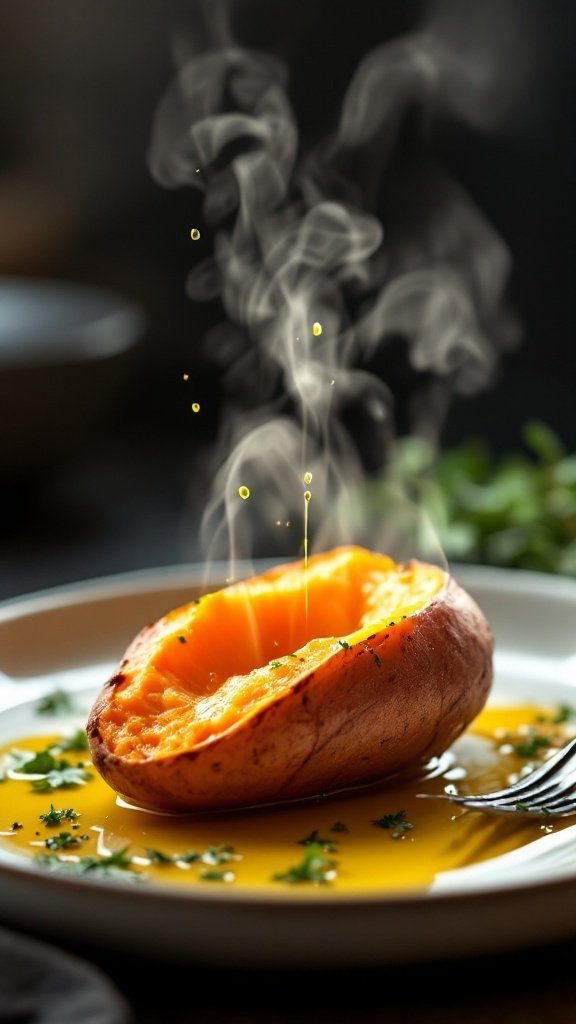
Sweet potatoes are not just delicious; they are packed with nutrients that can give seniors a steady boost of energy. In the image, you see a perfectly cooked sweet potato, steaming and vibrant, sitting on a plate. The bright orange flesh is inviting, while the drizzle of sauce adds a touch of flavor.
These root vegetables are rich in complex carbohydrates, which provide a gradual release of energy. This means you won’t experience sudden spikes and crashes, making them a great choice for maintaining energy levels throughout the day.
Sweet potatoes also contain fiber, which is essential for digestion. Eating fiber-rich foods can help seniors feel full longer and contribute to overall health. Plus, they are loaded with vitamins A and C, which are beneficial for maintaining a healthy immune system.
To enjoy sweet potatoes, you can bake, mash, or even roast them. A simple recipe to try is baked sweet potatoes topped with a drizzle of olive oil, a sprinkle of salt, and a bit of fresh herbs. Just pop them in the oven at 400°F for about 45 minutes, and you’ll have a warm, nutritious side dish ready to go.
Greek Yogurt for Bone Strength
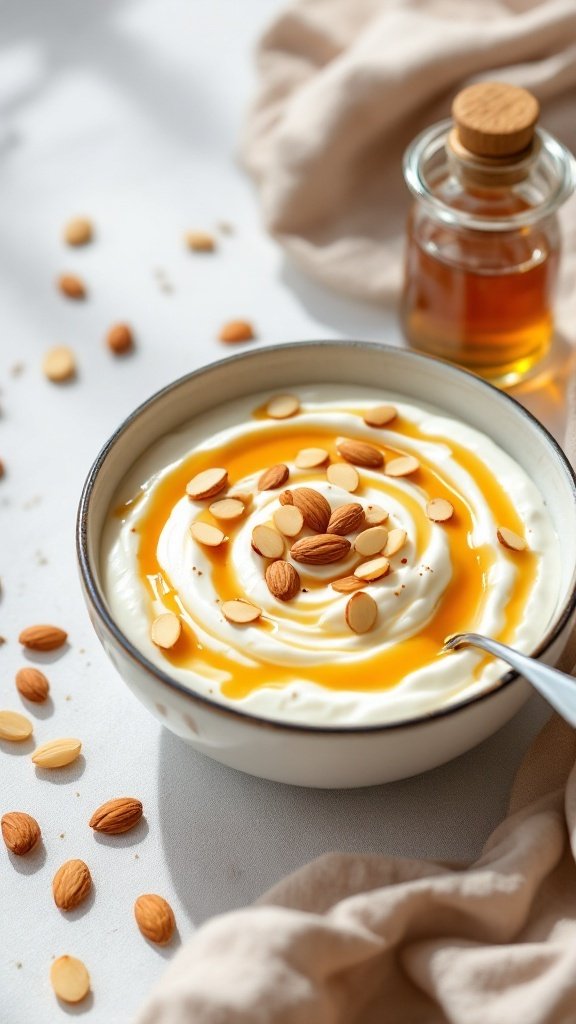
Greek yogurt is a tasty and nutritious food that can boost bone strength, especially for seniors. In the image, you see a bowl of creamy Greek yogurt beautifully topped with honey and crunchy almonds. The swirl of honey adds a touch of sweetness, making it an inviting snack or breakfast option.
This yogurt is packed with protein and calcium, both of which are essential for maintaining strong bones. Calcium helps in building bone density, while protein supports muscle health. Together, they play a critical role in preventing osteoporosis, a common concern as we age.
Adding almonds provides healthy fats and additional nutrients. They contain vitamin E and magnesium, which support overall bone health. This combination makes for a delicious and nutritious meal that can easily fit into any diet.
For a simple and enjoyable recipe, mix one cup of Greek yogurt with a tablespoon of honey and sprinkle some sliced almonds on top. Feel free to get creative by adding other toppings like berries or seeds for a flavorful twist!
Quinoa as a Complete Protein Source
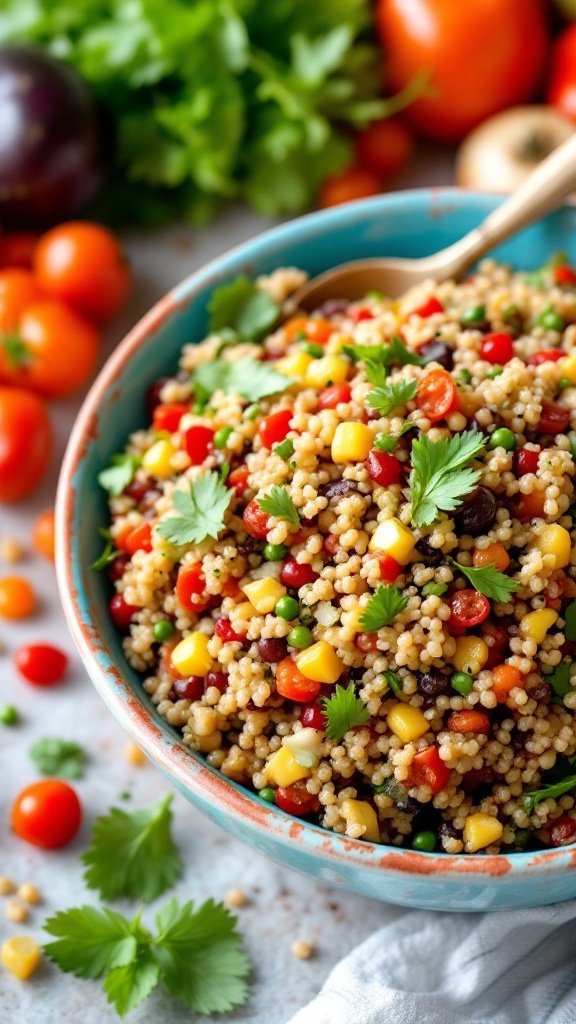
Quinoa is often celebrated for its nutritional benefits, especially for seniors looking to maintain a balanced diet. This tiny grain packs a punch when it comes to protein content. Unlike most plant-based foods, quinoa is a complete protein. This means it contains all nine essential amino acids that our bodies need to function well.
The image showcases a vibrant quinoa salad filled with colorful vegetables. It’s not just eye-catching, but also a fantastic way to enjoy this superfood. Each bite offers a mix of textures and flavors, making it an inviting addition to any meal.
Including quinoa in your diet can help seniors maintain muscle mass and overall health. It’s easy to prepare and can be added to salads, soups, or served as a side dish. Adding some fresh veggies, like those in the image, can enhance its nutritional profile even further.
The salad in the photo features corn, peas, and red peppers, making it not only nutritious but also delicious. Throw in a squeeze of lemon or a drizzle of olive oil, and you have a simple, tasty meal. Quinoa is versatile and can easily fit into various recipes, making it a great choice for seniors.
Spinach for Eye Health
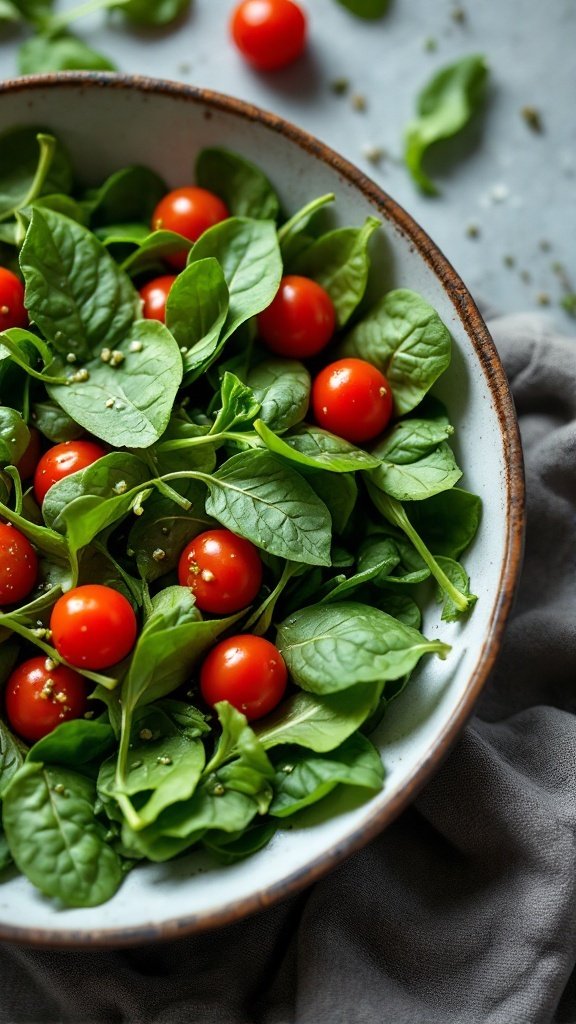
Spinach is a leafy green that packs a serious punch when it comes to eye health. This vibrant salad, featuring fresh spinach leaves and juicy cherry tomatoes, showcases just how delicious and nutritious spinach can be.
Loaded with antioxidants like lutein and zeaxanthin, spinach helps protect against age-related vision issues. These compounds are known to filter harmful blue light, which can damage your eyes over time.
Incorporating spinach into your diet is simple. Toss it in salads, blend it into smoothies, or sauté it as a side dish. Pairing spinach with colorful ingredients like tomatoes not only adds flavor but also boosts your intake of vitamins.
For a quick salad, mix fresh spinach with cherry tomatoes, a drizzle of olive oil, and a sprinkle of salt and pepper. This easy recipe lets you enjoy the benefits of spinach while savoring its fresh taste.
Broccoli for Immune Support
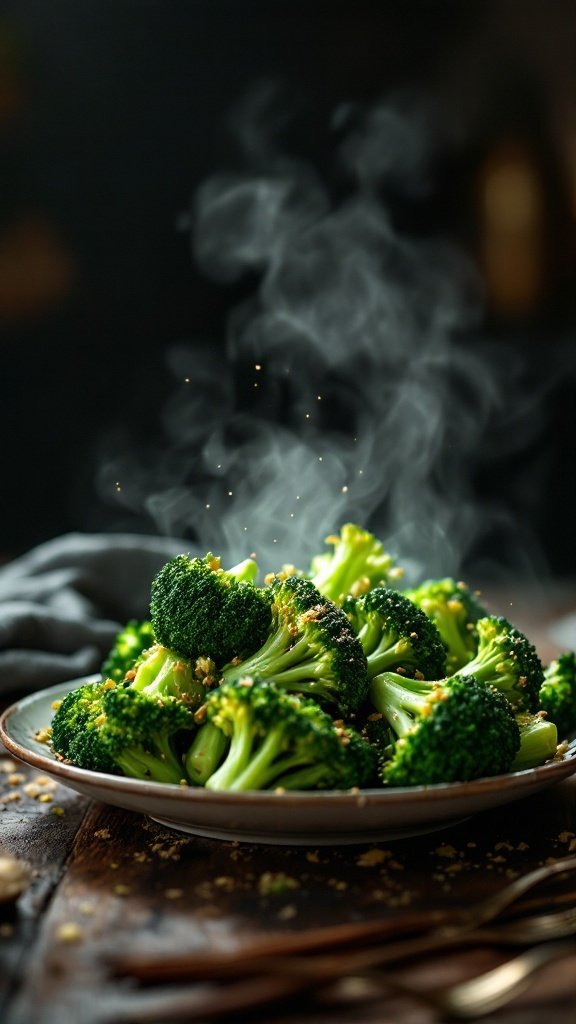
Broccoli is a powerhouse of nutrients that can help support the immune system, especially for seniors. This green vegetable is packed with vitamins like C and K, which are essential for maintaining good health. In the image, you can see freshly steamed broccoli, just waiting to be enjoyed. The steam rising from it shows how fresh and vibrant it is, making it an inviting addition to any meal.
This green veggie also contains antioxidants that fight free radicals in the body. These compounds play a role in reducing inflammation, which is vital as we age. Including broccoli in your diet can lead to better immune function, helping to keep you healthy and energetic.
There are many ways to prepare broccoli. You can steam it, roast it, or even toss it in stir-fries. Adding a sprinkle of garlic or lemon can enhance its flavor while providing extra health benefits. So why not try including broccoli in your next meal? Your immune system will appreciate it!
Green Tea for Antioxidants
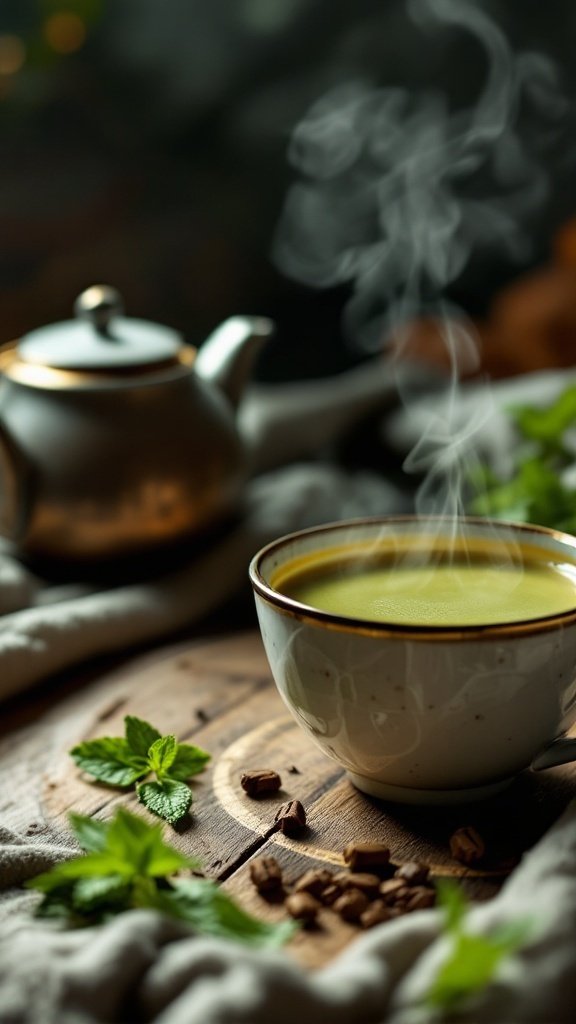
Green tea is a delightful drink that many seniors enjoy for its rich flavor and health benefits. The image shows a steaming cup of green tea, surrounded by fresh mint leaves and a teapot, creating a cozy atmosphere. Sipping on this warm beverage can be a simple yet effective way to boost your daily routine.
One of the key reasons green tea is popular among seniors is its high antioxidant content. Antioxidants help to combat the effects of aging by fighting free radicals in the body. This can support overall health and potentially reduce the risk of certain diseases.
Brewing a cup of green tea is easy. Just steep a tea bag or loose leaves in hot water for a few minutes, and enjoy! It can be consumed plain or sweetened with honey for those who prefer a touch of sweetness. Adding a sprig of mint can enhance the flavor, making it even more refreshing.
Incorporating green tea into your diet can be a small step towards better health. Whether you drink it in the morning or as an afternoon pick-me-up, it’s a wonderful addition to a senior’s diet.
Turmeric for Anti-Inflammatory Benefits
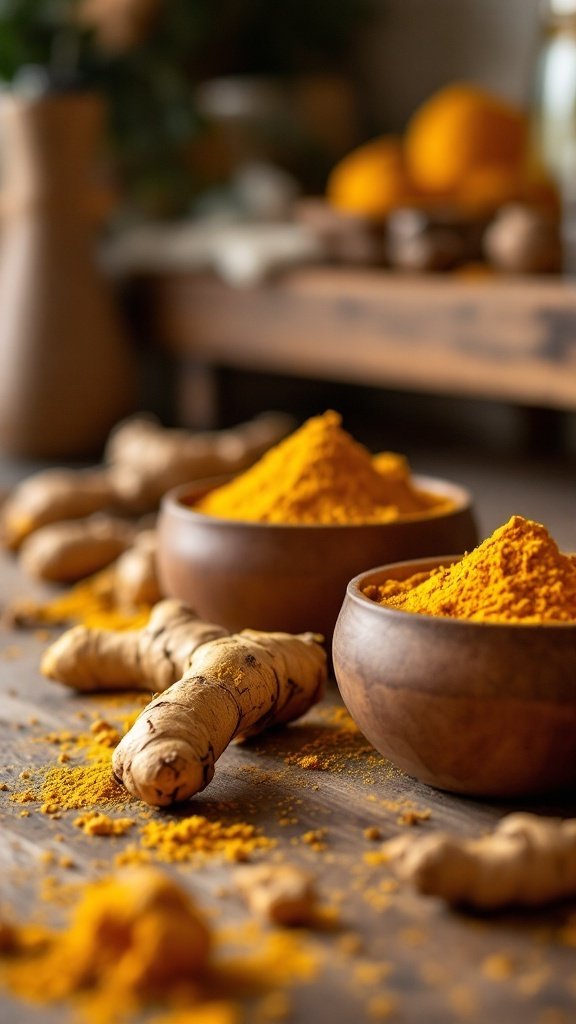
When it comes to superfoods, turmeric stands out, especially for seniors. This bright yellow spice not only adds flavor to dishes but also packs a punch when it comes to anti-inflammatory benefits. With its earthy aroma and rich color, turmeric can be a delightful addition to your meals.
The key ingredient in turmeric is curcumin, known for its ability to help reduce inflammation in the body. This can be particularly beneficial for seniors who may experience joint pain or arthritis. Incorporating turmeric into your diet can support overall health and may even improve mobility.
There are many simple ways to enjoy turmeric. You can sprinkle it into soups, mix it into smoothies, or even make a soothing turmeric tea. Just combine a teaspoon of turmeric powder with hot water, a squeeze of lemon, and a bit of honey for sweetness. This drink can be a warm, comforting way to reap the benefits of turmeric.
Overall, adding turmeric to your diet can be an easy step towards promoting a healthier lifestyle. It’s a small change that can lead to positive effects, making meals not only tastier but also beneficial for your body.
Lentils for Heart Health
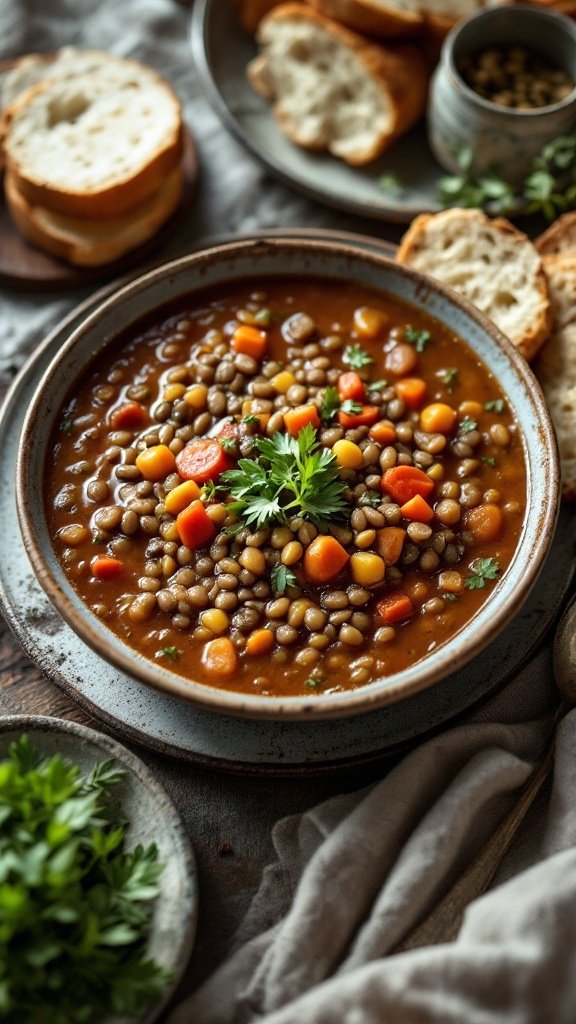
Lentils are a fantastic choice for seniors looking to boost their heart health. Packed with protein and fiber, these little legumes help keep cholesterol levels in check. The image beautifully showcases a hearty lentil soup, brimming with colorful vegetables like carrots and peas. This not only adds flavor but also boosts the nutritional value, making it a wholesome option for any meal.
To make this delicious lentil soup at home, you’ll need some simple ingredients: lentils, diced carrots, peas, vegetable broth, garlic, onion, and your favorite herbs and spices. Start by sautéing the onions and garlic in a pot, then add the carrots and cook until they are tender. Next, pour in the broth and lentils, allowing everything to simmer until the lentils are soft.
Lentils are not just good for your heart; they are also low in fat and high in essential vitamins and minerals. Including them in your diet can help maintain a healthy weight and reduce the risk of heart diseases. So, whether in a soup, salad, or stew, lentils can be a delightful addition to your meals. Enjoy the benefits of heart-healthy eating with this comforting soup!
Walnuts for Brain Function
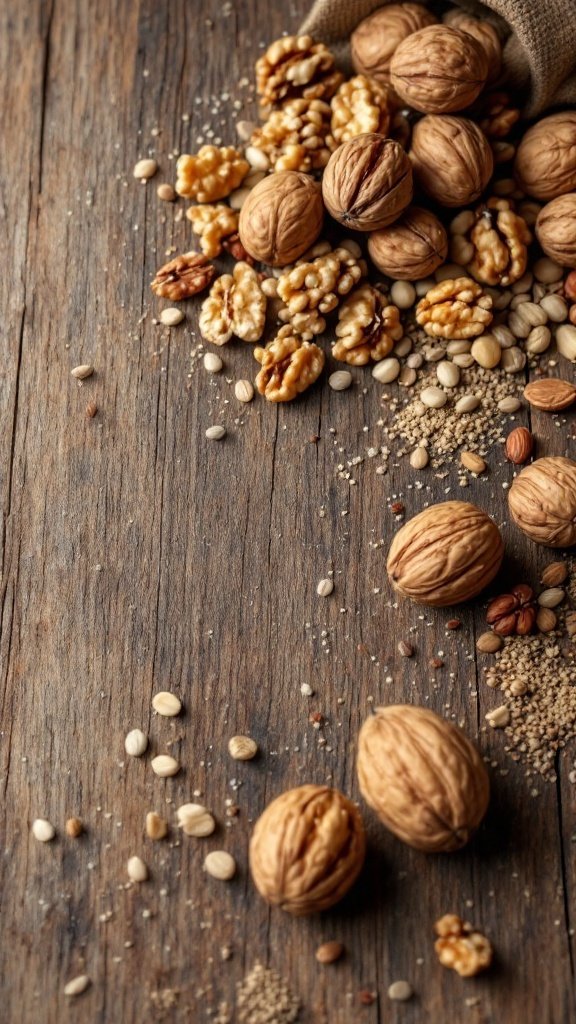
Walnuts are not just a tasty snack; they are packed with nutrients that benefit brain health. In the image, you can see a variety of walnuts arranged beautifully on a rustic wooden surface. The mix of whole and shelled walnuts highlights their natural beauty and emphasizes their role as a nutritious food choice.
These nuts are rich in omega-3 fatty acids, which are known to support cognitive function. For seniors, incorporating walnuts into your daily diet can be an easy way to support brain health. Just a handful of these nutrient-dense nuts can go a long way.
They can be eaten on their own, added to salads, or mixed into oatmeal for a delicious breakfast. You can even use them in baking! Try tossing some chopped walnuts into your favorite muffin recipe. The nutty flavor adds a nice touch and boosts the nutritional value.
So, the next time you’re looking for a healthy snack, reach for walnuts. They’re not just good for your taste buds; they’re beneficial for your brain!
Garlic for Cardiovascular Health
Garlic is more than just a flavor booster for your meals; it’s a true ally for heart health, especially for seniors. This humble bulb, often found in kitchens worldwide, has some serious health benefits.
One of the key benefits of garlic is its ability to help lower blood pressure. Studies have shown that garlic may improve blood flow and reduce the risk of heart disease. This means adding garlic to your diet can contribute positively to your cardiovascular health.
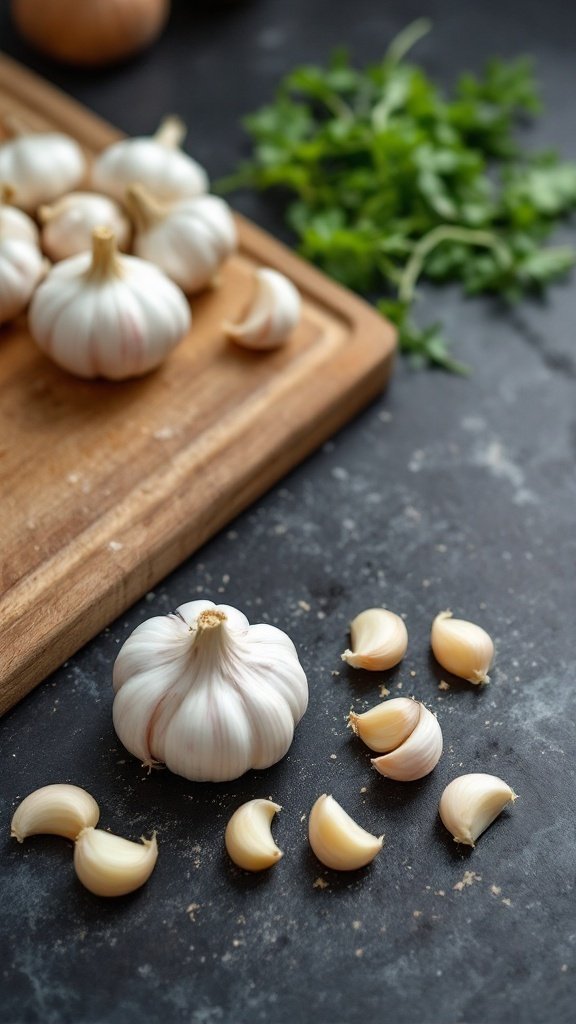
In the image, you see fresh garlic bulbs alongside individual cloves. These cloves can be easily incorporated into various dishes. Simply chop or crush them to release their beneficial compounds. You can add garlic to stir-fries, soups, or even roasted vegetables for an extra kick!
Additionally, garlic is known for its anti-inflammatory properties. It can help keep your arteries clear and functioning properly. This aspect is especially important as we age, as maintaining healthy circulation is vital for overall well-being.
So, why not sprinkle some garlic into your meals? It’s an easy way to enjoy its health perks while enhancing the flavor of your food.
Berries for Skin Health
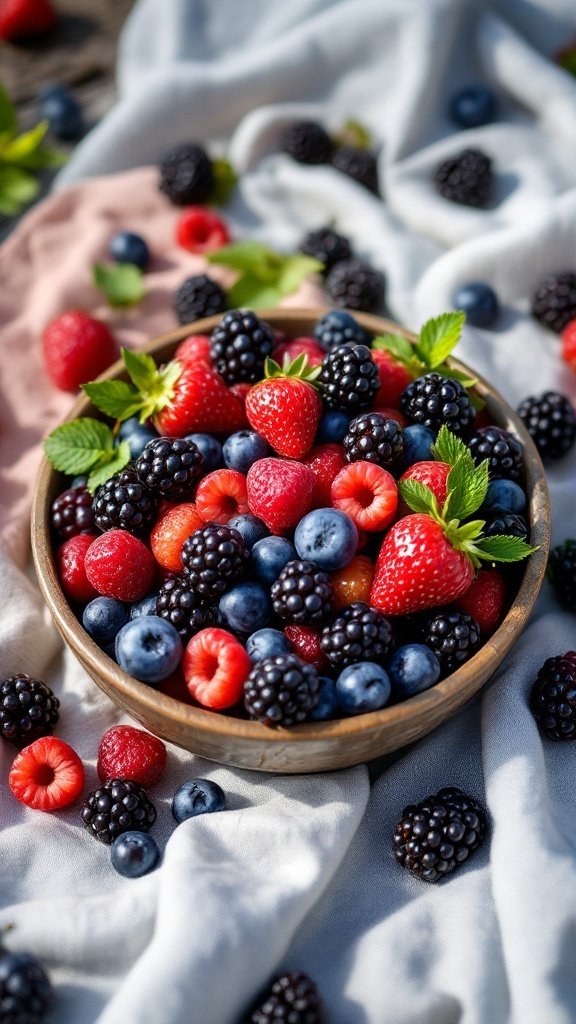
Berries are not just delicious; they are also packed with nutrients that can benefit your skin. This image shows a vibrant bowl filled with a mix of strawberries, blueberries, raspberries, and blackberries. These colorful fruits are a feast for the eyes and a treasure trove of health benefits.
One of the key reasons to include berries in your diet is their high antioxidant content. Antioxidants help fight free radicals in the body, which can contribute to skin aging. Eating a variety of berries can help maintain your skin’s elasticity and brightness.
Moreover, berries are rich in vitamins A and C, both of which play vital roles in skin health. Vitamin C, for example, is essential for collagen production, which keeps your skin firm and youthful. Regularly enjoying berries can lead to a more radiant complexion.
Incorporating these superfoods into your meals is quite easy! You can add them to your morning oatmeal, blend them into a smoothie, or simply enjoy them as a snack. Their natural sweetness makes them a great alternative to sugary treats.
So, if you want to give your skin a boost, consider adding these colorful berries to your plate. They are not only tasty but also bring along plenty of skin-loving benefits!
Flaxseeds for Digestive Health
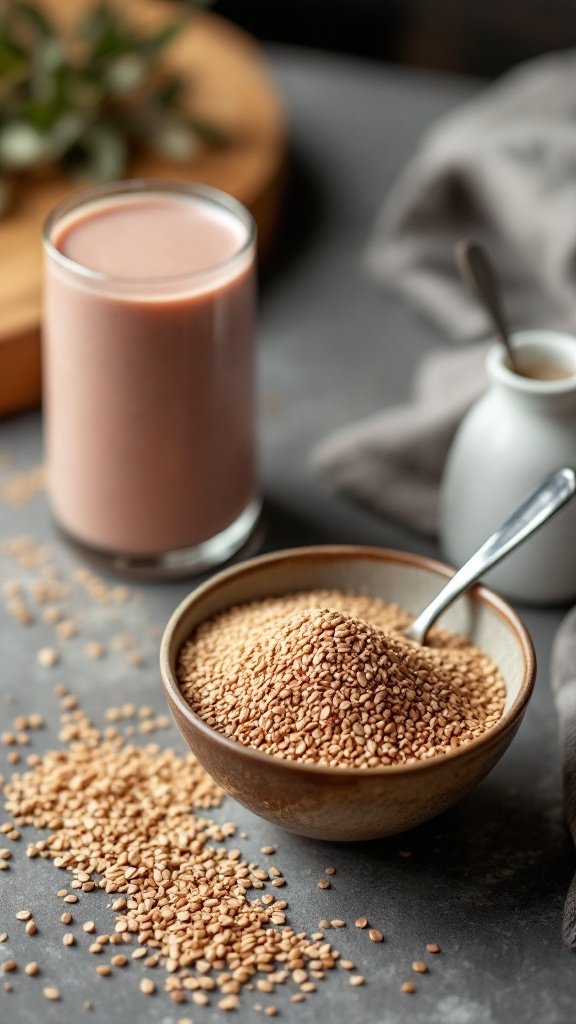
Flaxseeds are tiny but mighty when it comes to supporting digestive health. These little seeds are rich in fiber, which helps keep things moving along in the digestive tract. For seniors, regular digestion is essential, and incorporating flaxseeds can be a simple way to achieve that.
The image shows a bowl filled with golden flaxseeds, which are known for their nutty flavor and crunchy texture. Beside it is a delicious smoothie, likely featuring flaxseeds as an ingredient. This makes for a tasty way to enjoy their benefits. Just a sprinkle of these seeds in your meals or smoothies can enhance your fiber intake.
Adding flaxseeds to your diet is easy. You can mix them into yogurt or oatmeal, or simply blend them into smoothies. They can also be used in baking to boost the nutritional content of muffins or breads. For seniors looking to improve their digestion, flaxseeds can be a helpful addition to their daily routine.
Cauliflower for Nutritional Fiber
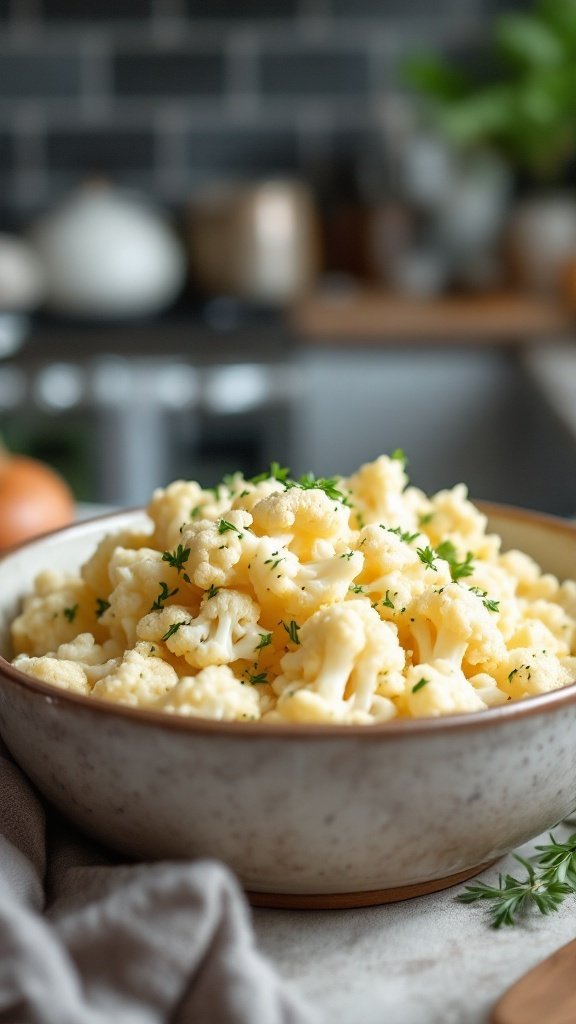
Cauliflower is a versatile vegetable that’s packed with nutritional fiber, making it a great choice for seniors. This unassuming vegetable can be transformed into a variety of dishes that are both tasty and healthy.
In the image, you can see a lovely bowl of cooked cauliflower, garnished with a sprinkle of fresh herbs. This simple preparation highlights its natural flavor while adding a touch of color and nutrition. The soft texture and mild taste make it easy to enjoy, whether on its own or as part of a larger meal.
Fiber is essential for digestive health, especially as we age. Cauliflower is a great source, providing about 2 grams of fiber per cup. Including it in your diet can help maintain regularity and support overall gut health. Plus, it’s low in calories, so you can enjoy it without any guilt!
For a quick and easy recipe, try steaming cauliflower florets until tender, then tossing them with a little olive oil, salt, and pepper. You can also blend it into a creamy soup or use it as a rice substitute for a lower-carb option.
Pumpkin for Vitamin A

Pumpkin is not just a Halloween decoration. It’s packed with Vitamin A, which is essential for maintaining good vision and a healthy immune system. As we age, our bodies can benefit significantly from this important nutrient.
Rich in beta-carotene, pumpkin transforms into Vitamin A in the body, helping keep our skin and eyes in great shape. A simple way to enjoy pumpkin is by making a warm soup. All you need are some fresh pumpkin, onions, garlic, and vegetable broth. Just sauté the onions and garlic, add the pumpkin, pour in the broth, and let it simmer until everything is soft. Blend it all together for a smooth, comforting dish.
In addition, pumpkin seeds are a tasty snack full of zinc and antioxidants, which can boost your overall health. So, whether you’re carving a jack-o’-lantern or cooking up a delicious meal, don’t forget the benefits pumpkin brings to the table!
Cinnamon for Blood Sugar Regulation
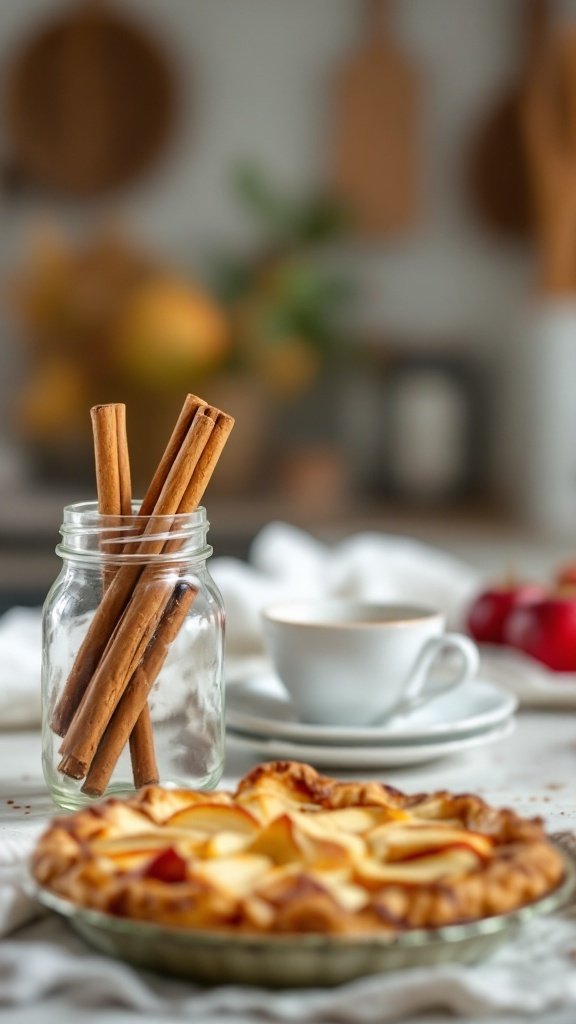
Cinnamon is more than just a delightful spice that adds warmth and flavor to our favorite desserts. It holds significant benefits for seniors, particularly in regulating blood sugar levels. In the image, you can see a jar filled with cinnamon sticks, accompanied by a delicious pie that showcases the spice’s versatility.
For those managing diabetes or looking to keep blood sugar levels stable, incorporating cinnamon into meals can be a smart choice. Studies suggest that this spice may improve insulin sensitivity, making it easier for the body to utilize glucose. A warm cup of cinnamon tea or a sprinkle of cinnamon on oatmeal can be simple ways to enjoy its benefits.
Using cinnamon is easy! Just add it to your favorite recipes. Whether you’re baking a pie or making a smoothie, a teaspoon or two can enhance flavor while supporting health. So, don’t hesitate to grab those cinnamon sticks and enjoy a tasty treat that’s good for you!
Bell Peppers for Vitamin C
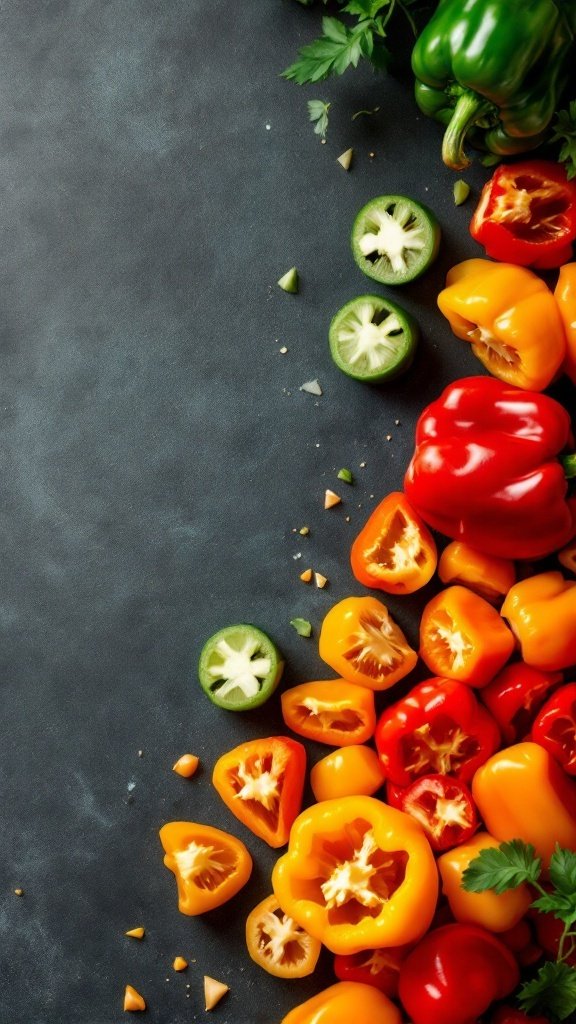
Bell peppers are a colorful and tasty addition to any meal. They come in bright hues like red, yellow, and green, making them not only appealing to the eye but also a fantastic source of nutrition. These peppers are packed with vitamin C, which is essential for overall health, especially for seniors.
Vitamin C plays a key role in boosting the immune system, helping to fight off illnesses. It also aids in the absorption of iron and can promote healthy skin. Including bell peppers in your diet can be a simple way to enhance your nutrient intake.
Think about adding them to salads, stir-fries, or even as a snack with some hummus. For a nutritious and easy recipe, try roasting bell peppers with a sprinkle of olive oil and your favorite herbs. Just slice them up, drizzle with oil, season, and roast until tender. It’s a delightful way to enjoy their natural sweetness while reaping their health benefits.
Oats for Heart Health
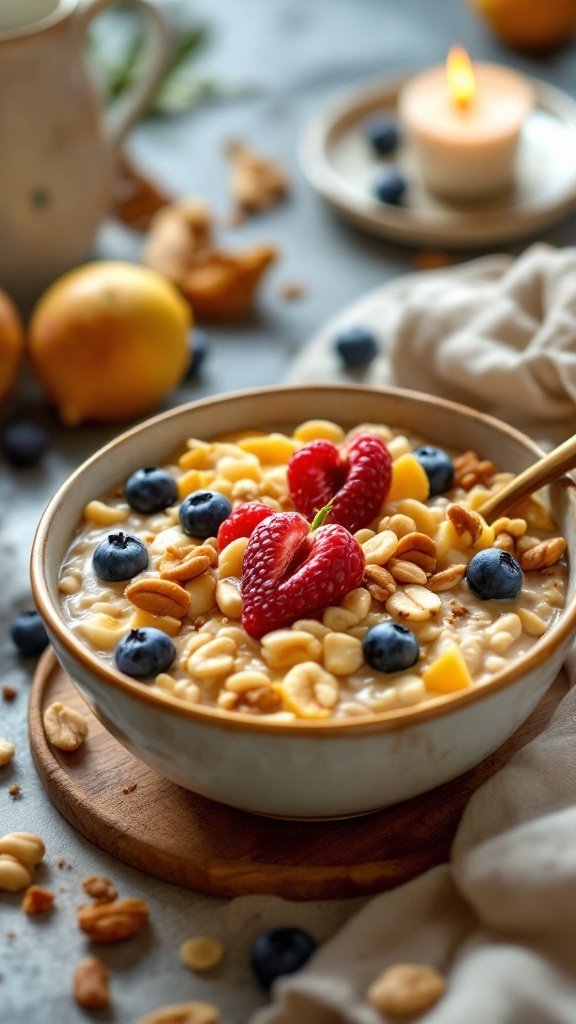
Oats are a fantastic choice for heart health, especially for seniors. This simple bowl of oatmeal is packed with nutrients that can help maintain a healthy heart. The creamy oats provide a comforting base, perfect for starting your day right.
As you can see in the image, the bowl is topped with fresh fruits like blueberries and raspberries. These additions not only make it visually appealing but also boost its nutritional value. Blueberries, for instance, are known for their antioxidants, which can support heart health.
To make this delightful breakfast, you’ll need rolled oats, water or milk, and your favorite toppings. Start by cooking the oats according to the package instructions. Once they’re creamy, add in your toppings. Consider using nuts for added crunch, as shown in the image.
Incorporating oats into your diet can also help lower cholesterol levels due to their soluble fiber content. This is especially important for seniors looking to maintain cardiovascular health. So, enjoy a warm bowl of oats topped with fruits and nuts for a heart-friendly start to your day!
Eggs for Protein and Nutrients
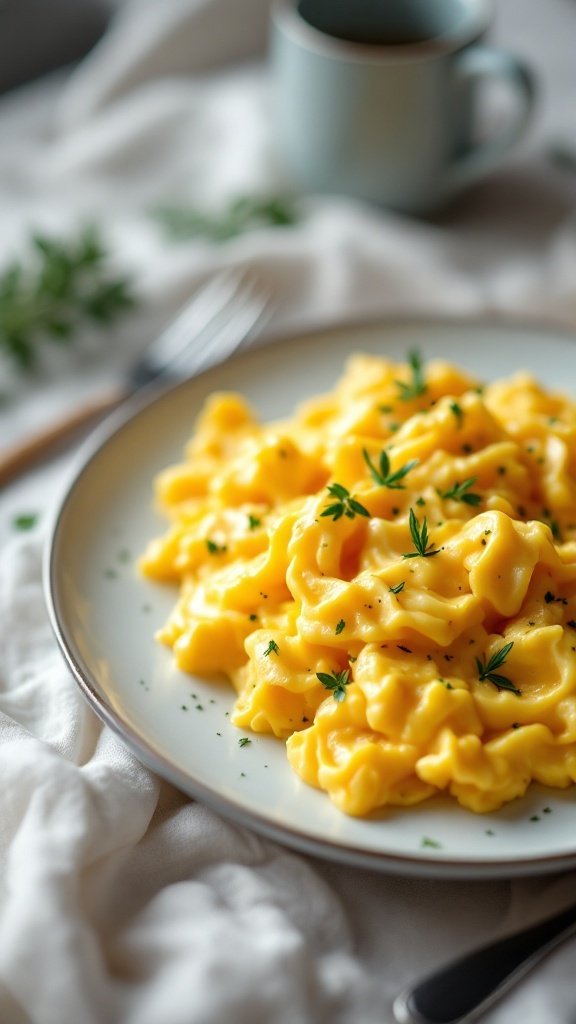
Eggs are a powerhouse of protein and nutrients, making them a great choice for seniors. They are easy to prepare and can be included in a variety of dishes. Whether scrambled, boiled, or poached, eggs offer a simple way to boost your protein intake.
One of the standout features of eggs is their high-quality protein. This is essential for maintaining muscle mass and overall health as we age. Additionally, eggs contain important vitamins and minerals, including vitamin D, which supports bone health, and B vitamins, which help with energy and metabolism.
Incorporating eggs into meals is easy. You can enjoy them in an omelet with veggies or even in a comforting pasta dish. Picture a creamy, cheesy pasta with a touch of egg mixed in for richness. It’s a delightful and nutritious way to keep your meals exciting.
Don’t forget to experiment with herbs and spices to enhance the flavors. A sprinkle of fresh herbs can elevate your egg dishes while adding extra nutrients. So go ahead and make eggs a regular part of your diet for a tasty and nutritious boost!
Pomegranate for Antioxidants
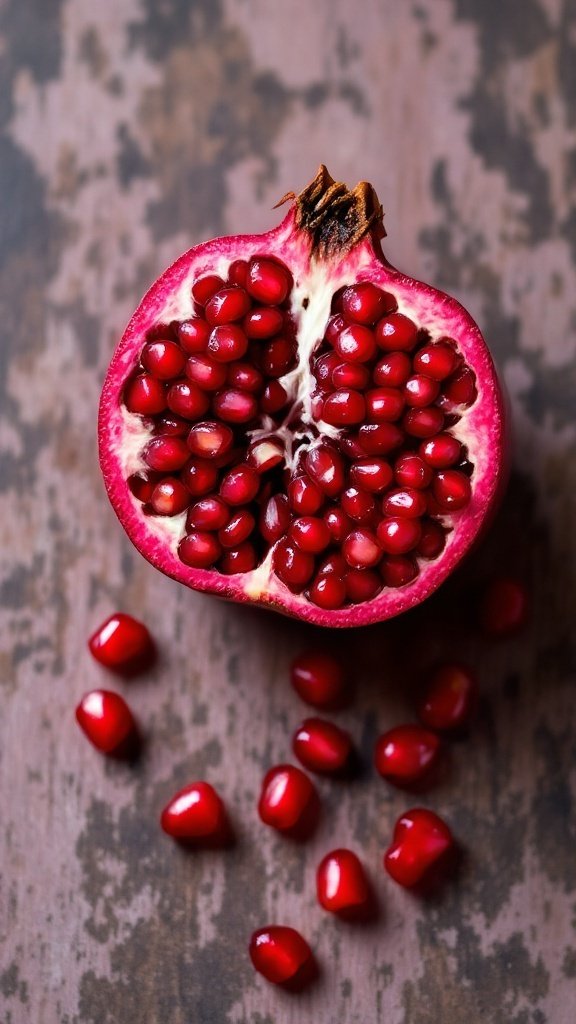
Pomegranates are not just beautiful to look at; they pack a punch when it comes to health benefits, especially for seniors. This vibrant fruit, with its jewel-like seeds, is rich in antioxidants that help combat aging and promote overall health.
Antioxidants are essential for fighting free radicals in our bodies. These free radicals can cause damage to cells over time, leading to various health issues. By including pomegranates in your diet, you’re giving your body a natural boost. Eating the seeds or drinking pomegranate juice can help support heart health and reduce inflammation.
Incorporating pomegranates into your meals is easy and fun. You can sprinkle the seeds on salads, mix them into yogurt, or even enjoy them as a snack. Plus, their sweet-tart flavor adds a delightful twist to your dishes!
So, next time you’re at the store, consider picking up a pomegranate. It’s a simple way to add a nutritious touch to your meals. Remember, a healthy diet can make a big difference in how you feel as you age!
Mushrooms for Immune Function
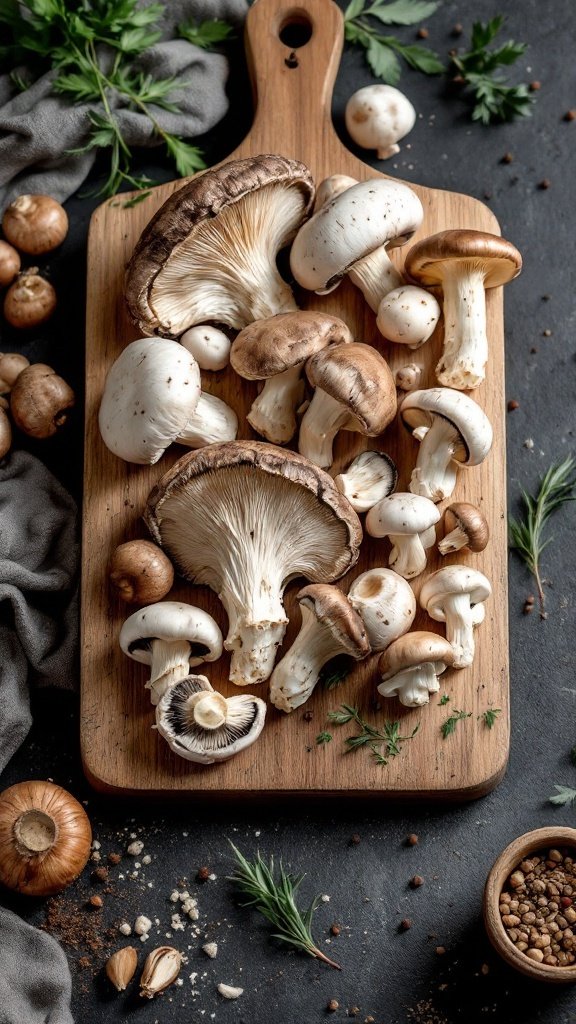
Mushrooms are more than just a tasty addition to meals; they pack a punch when it comes to health benefits. In the world of superfoods, mushrooms stand out, especially for seniors looking to boost their immune function.
In the image, you can see a variety of mushrooms arranged beautifully on a wooden cutting board. Different shapes and colors highlight their diversity. This array includes some common types like shiitake, cremini, and button mushrooms, each offering unique flavors and nutrients.
One way mushrooms help the immune system is through their rich content of beta-glucans. These natural compounds can enhance immune response, helping the body fend off illness. Additionally, mushrooms are low in calories and high in fiber, making them an ideal choice for those looking to maintain a healthy weight.
You can easily incorporate mushrooms into your diet. They can be sautéed, added to soups, or even used as a meat substitute in various dishes. From a simple mushroom stir-fry to a hearty mushroom risotto, the options are endless!
So, next time you’re at the grocery store, don’t forget to grab some mushrooms. Your immune system will thank you!
Beets for Blood Pressure Control
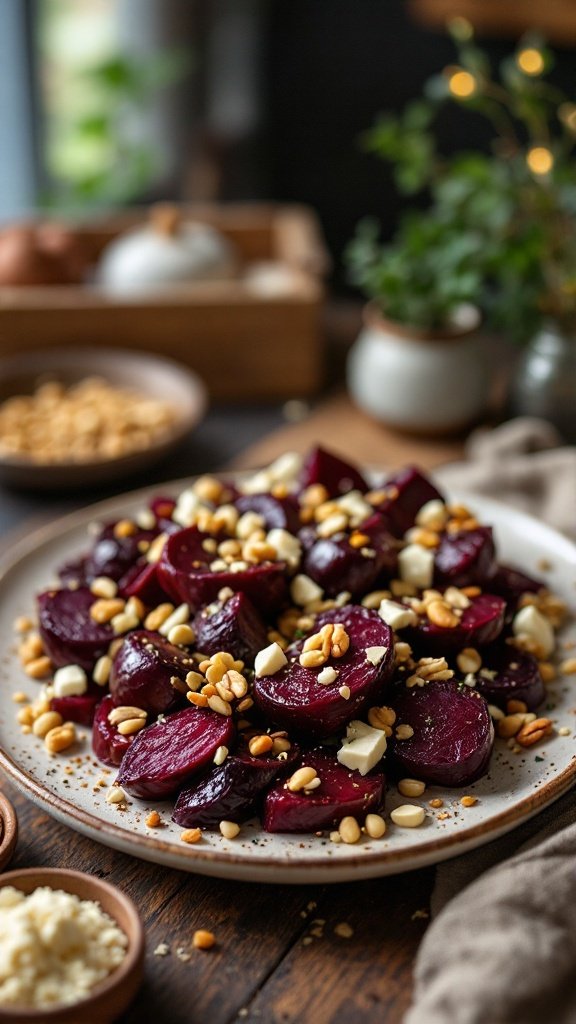
Beets are a vibrant choice for seniors looking to manage their blood pressure. The stunning deep red color makes them not only appealing but also packed with nutrients.
This image showcases roasted beets, beautifully sliced and topped with pine nuts and a sprinkle of cheese. It’s a dish that’s as tasty as it is healthy. Beets are rich in nitrates, which help improve blood flow and lower blood pressure. Adding them to your meals can be a simple yet effective way to support heart health.
To enjoy beets in your diet, consider this easy recipe: Start by roasting fresh beets until they’re tender. Once cooled, slice them into rounds. Top with toasted pine nuts for a crunchy texture and some crumbled cheese for creaminess. A drizzle of olive oil and a pinch of salt can enhance the flavor even more.
Including beets in your diet can be a delicious step towards better health. Plus, they’re versatile! You can add them to salads, smoothies, or enjoy them as a side dish. Make beets a regular part of your meals for a tasty way to keep your blood pressure in check.
Hemp Seeds for Essential Fatty Acids
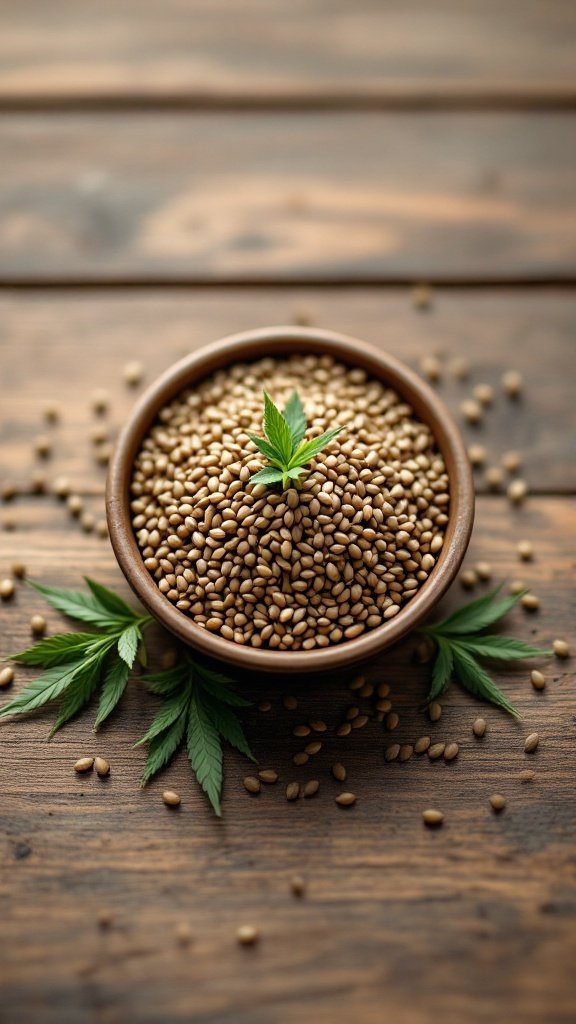
Hemp seeds are small but mighty when it comes to nutrition. In the image, you can see a bowl filled with these tiny seeds, surrounded by fresh green leaves. They have a unique nutty flavor and can be a great addition to various dishes.
These seeds are packed with essential fatty acids, which are crucial for heart health, brain function, and overall wellness. For seniors, incorporating hemp seeds into your diet can help reduce inflammation and support cognitive health.
Adding hemp seeds to your meals is easy. You can sprinkle them on salads, blend them into smoothies, or even mix them into yogurt. It’s a simple way to boost your nutrient intake without much effort.
With their rich nutrient profile, hemp seeds can play a valuable role in a balanced diet. So why not give them a try? A little sprinkle can make a big difference!
Cabbage for Digestive Health
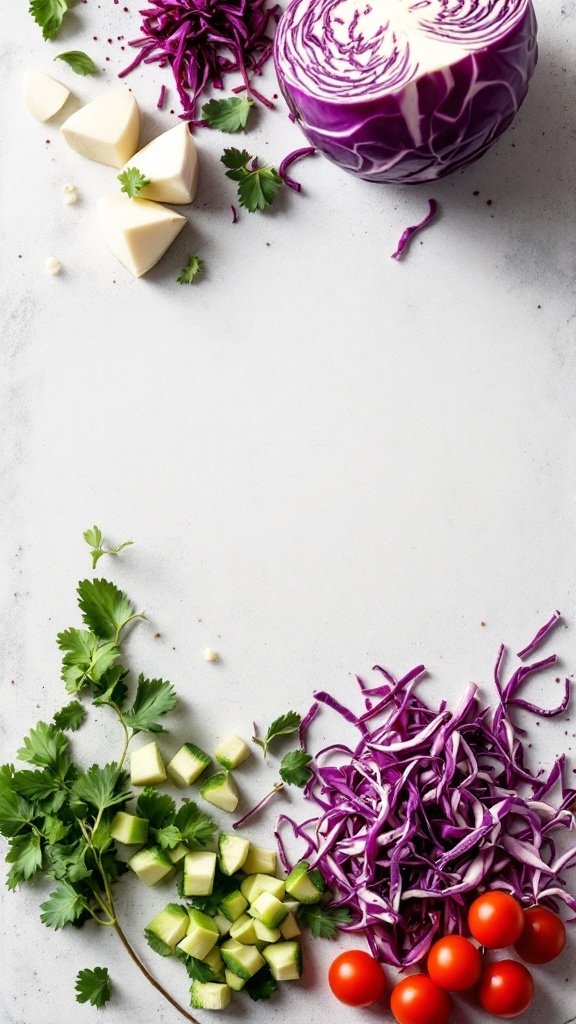
Cabbage is not just a colorful vegetable; it has a lot to offer, especially for senior health. This image features fresh ingredients, including vibrant purple cabbage, cilantro, cucumbers, and cherry tomatoes. These foods are not only visually appealing but also packed with nutrients that are beneficial for digestion.
Cabbage is rich in fiber, which is essential for maintaining a healthy digestive system. Fiber helps move food through the intestines, preventing constipation and promoting regular bowel movements. This is particularly important for seniors, as digestive issues can often become more common with age.
Incorporating cabbage into your diet can be easy and delicious. You can enjoy it in salads, soups, or even as a side dish. For a simple cabbage salad, all you need are shredded cabbage, diced cucumbers, chopped cilantro, and a squeeze of lemon juice. Toss these ingredients together for a refreshing dish that supports your digestive health.
So, next time you’re at the grocery store, consider adding cabbage to your cart. It’s a versatile vegetable that can enhance your meals while also caring for your gut!
Artichokes for Liver Health
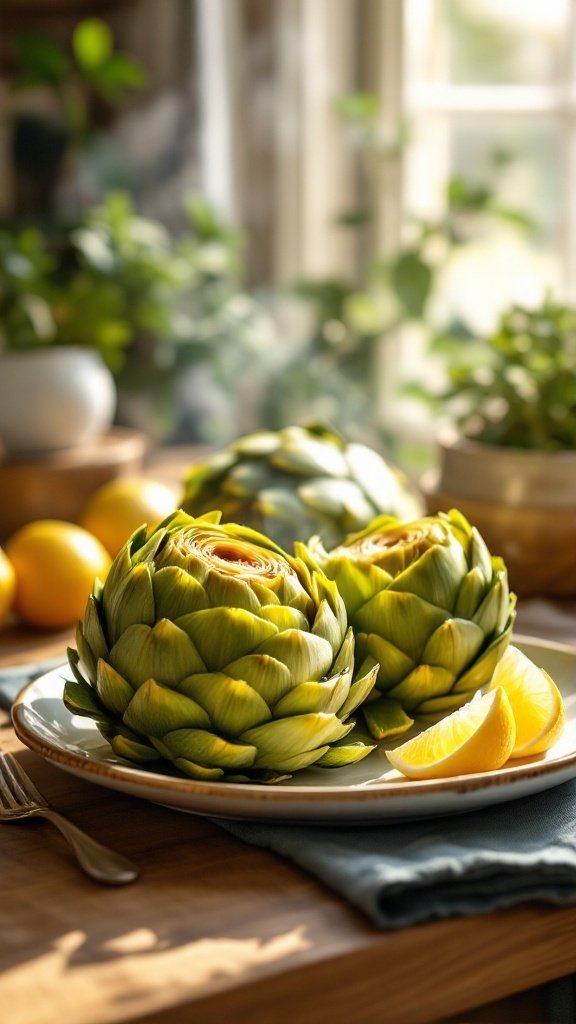
Artichokes are not just delicious; they’re also a powerhouse for liver health. This beautiful green vegetable, as seen in the image, is packed with nutrients that support the liver’s functions. They contain antioxidants, particularly cynarin, which helps stimulate bile production. Bile is crucial for digestion and fat metabolism, making artichokes an excellent choice for anyone looking to promote better liver function.
Not only that, but artichokes are also rich in dietary fiber, which can aid in digestion and help maintain a healthy weight. This is especially important for seniors, as maintaining a balanced diet can support overall health. The vibrant green color and distinct shape of artichokes make them a visually appealing addition to any meal.
Cooking artichokes is simple and can be a fun experience. You can steam them, grill them, or even toss them in salads. Pairing artichokes with a squeeze of lemon, as shown in the picture, enhances their flavor while providing extra vitamin C. So if you’re looking for a tasty and nutritious food to add to your diet, consider incorporating artichokes for their liver health benefits!
Coconut Oil for Healthy Fats
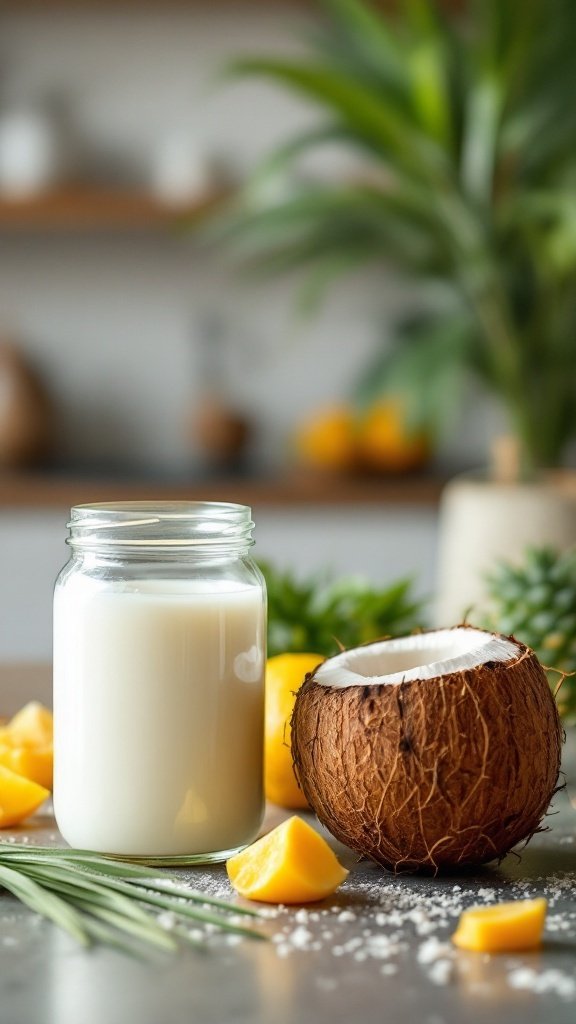
Coconut oil is a fantastic source of healthy fats, perfect for seniors looking to improve their overall health. In the image, we see a jar of creamy coconut oil alongside a fresh coconut and some vibrant mango pieces. This visual perfectly captures the essence of incorporating coconut oil into our diets.
Rich in medium-chain triglycerides (MCTs), coconut oil helps in providing quick energy and may support weight management. For seniors, maintaining a healthy weight is crucial, and using coconut oil in cooking can be a tasty solution. It can replace butter or other oils in recipes, adding a subtle sweetness and unique flavor.
To enjoy coconut oil, you can simply use it in your favorite recipes. For instance, consider sautéing vegetables or using it for baking. A simple recipe could be coconut oil roasted sweet potatoes. Just cube some sweet potatoes, toss them in melted coconut oil, sprinkle with salt, and roast until golden!
Adding coconut oil to smoothies is another great option. Just blend a tablespoon of coconut oil with your favorite fruits and some yogurt for a creamy treat. The image beautifully showcases coconut oil’s versatility and appeal, making it a delightful addition to any senior’s kitchen.
Dark Chocolate for Heart Health
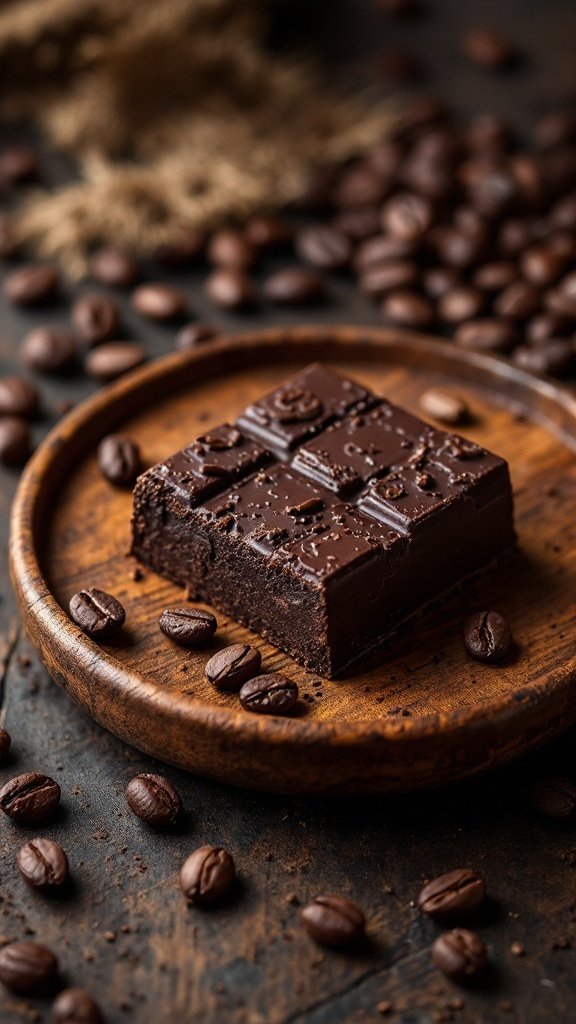
Dark chocolate is not just a treat; it’s also a heart-friendly superfood for seniors. This rich, dark piece of chocolate on a wooden plate surrounded by coffee beans is a delightful reminder of its benefits. It contains antioxidants that help reduce inflammation and improve blood flow.
Heart health is particularly important as we age. Studies suggest that consuming dark chocolate in moderation can lower blood pressure and improve cholesterol levels. This is mainly due to the flavonoids found in dark chocolate, which are great for the cardiovascular system.
For seniors, incorporating a small square of dark chocolate into the daily routine can be both enjoyable and beneficial. Pairing it with nuts or berries can enhance its nutritional value and make for a tasty snack. Remember, it’s all about balance, so enjoy this superfood wisely!
Olive Oil for Healthy Cooking
Olive oil is a staple in many kitchens and for good reason. It’s not just a cooking oil; it’s packed with health benefits. Rich in monounsaturated fats, olive oil can help lower bad cholesterol while raising good cholesterol. This makes it a heart-healthy choice, especially for seniors.
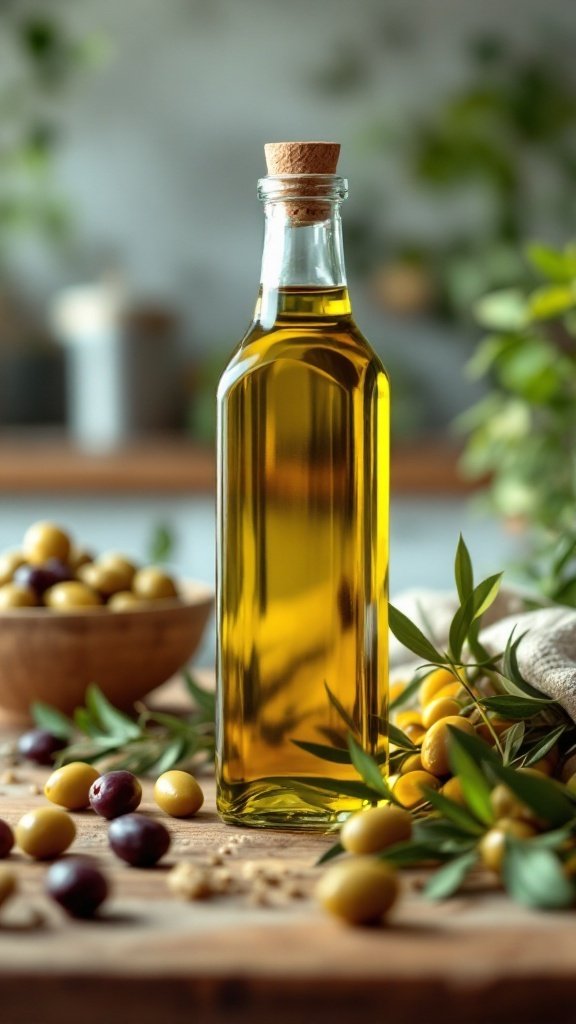
This bottle of olive oil, surrounded by vibrant olives and fresh greenery, showcases the natural beauty of this ingredient. The oil itself is golden and inviting, ready to enhance any dish. Whether you’re drizzling it over a salad, using it for sautéing vegetables, or as a base for marinades, olive oil is versatile.
To incorporate olive oil into your diet, consider making a simple salad dressing. Just mix three parts olive oil with one part vinegar, add a pinch of salt, and a dash of pepper. You can even throw in some herbs for extra flavor.
Not only does olive oil add taste, but it can also help with digestion and inflammation. When you choose to cook with olive oil, you are opting for a healthier way to prepare your meals. So, keep that bottle handy and enjoy the benefits of this superfood!
Cabbage for Nutritional Diversity
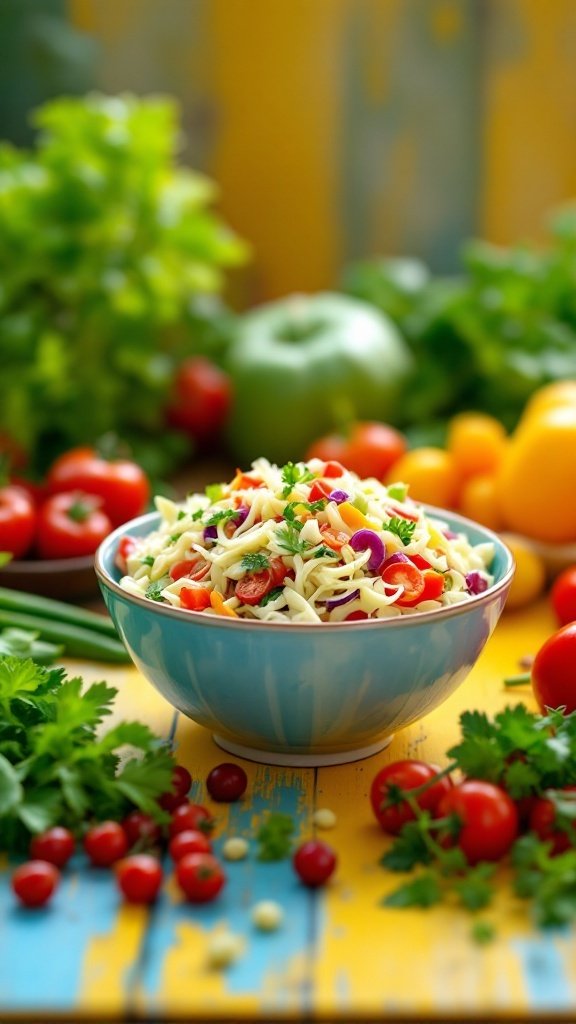
Cabbage is one of those vegetables that packs a punch when it comes to nutrition. It’s not just for coleslaws anymore! In the image, you can see a vibrant bowl of shredded cabbage mixed with colorful vegetables. This visually appealing dish highlights the diversity of nutrients cabbage offers.
Rich in vitamins C and K, cabbage helps support your immune system and bone health. Plus, it’s low in calories, making it a great choice for seniors looking to maintain a healthy weight without sacrificing flavor.
Adding cabbage to your meals is simple. You can toss it into salads, stir-fries, or even soups. For a quick recipe, try mixing shredded cabbage with chopped tomatoes, bell peppers, and a dash of olive oil. Season with salt, pepper, and a squeeze of lemon for a refreshing side dish!
Incorporating cabbage into your diet not only boosts nutritional variety but also adds a nice crunch and flavor to your meals. So why not give it a try? Your taste buds and body will thank you!
This post may contain affiliate links which means I may receive a commission for purchases made through links. I will only recommend products that I have personally used! Learn more on my Private Policy page.
