Staying healthy as a senior doesn’t have to be complicated. Simple lifestyle tweaks can make a big difference in how you feel day to day. From diet and exercise to mental wellness, these tips will help you embrace this stage of life with energy and vitality. Let’s dive into some practical ways to enhance your well-being!
Social Engagement Benefits
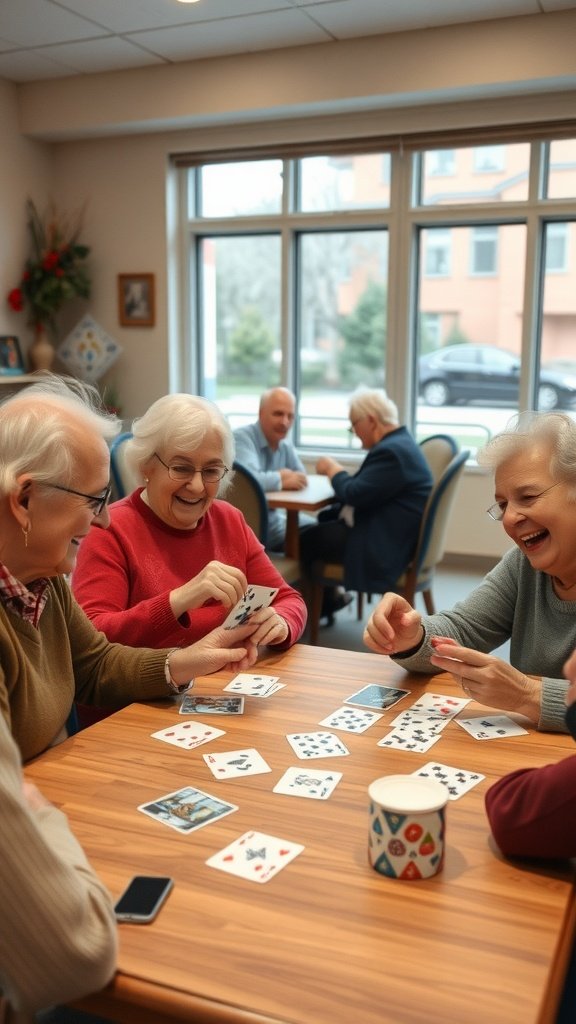
Social engagement plays a big role in maintaining good health as we age. It helps keep our spirits high and our minds sharp. Being active in a community or group not only brings joy but also encourages us to stay physically and mentally fit.
When seniors engage socially, they often find a sense of purpose. Whether it’s participating in group activities or simply spending time with friends, these interactions can lead to improved emotional well-being. Regular social contact can reduce feelings of loneliness and depression.
Additionally, social engagement can motivate seniors to stay active. Joining a walking club or attending fitness classes provides a fun way to exercise. This kind of interaction promotes a healthy lifestyle, which is key to physical health.
Moreover, sharing experiences with others can boost cognitive function. Engaging in conversations, playing games, or learning new skills together helps keep the mind active and engaged. All of this adds up to a richer, more fulfilling life.
Regular Physical Activity

Staying active is key for seniors, and what better way to do it than enjoying a walk together? The image captures a lovely moment of an older couple strolling hand in hand through a beautiful park, surrounded by vibrant autumn leaves. This picturesque scene reminds us that physical activity doesn’t have to be intense; it can simply be a leisurely walk in nature.
Walking regularly offers numerous benefits. It helps improve heart health, enhances mood, and boosts overall mobility. Plus, walking outdoors can connect you with nature, making exercise feel more enjoyable.
To incorporate more walking into your routine, aim for short walks a few times a week. Start with 10-15 minutes and gradually increase the time as you feel comfortable. Whether it’s in a park, around your neighborhood, or even inside a shopping mall, every little bit counts!
Mental Health Awareness

In this section, we focus on the importance of mental health for seniors. The image shows an older woman meditating in a vibrant garden, surrounded by colorful flowers. This serene setting highlights a calming atmosphere, essential for mental well-being.
Meditation and mindfulness practices can benefit seniors by reducing stress and enhancing emotional resilience. Just like the woman in the image, taking a moment each day to pause and reflect can work wonders for mental clarity. Engaging with nature, as she does, can also uplift the spirit and promote relaxation.
Staying connected with family and friends is another vital aspect of mental health. The support network can make a significant difference. Consider organizing small gatherings or virtual meet-ups to keep those connections alive. Just like tending to a garden, nurturing relationships requires time and care.
Routine Health Screenings

Routine health screenings are an important part of staying healthy as we age. Regular check-ups help catch potential issues early, making treatment more effective. In the image, we see two doctors in discussion, likely about a patient’s health. This shows how collaboration among healthcare professionals can enhance care for seniors.
As seniors, it’s essential to know which screenings are recommended. Common ones include blood pressure checks, cholesterol tests, and cancer screenings like mammograms and colonoscopies. These tests can provide valuable insights into your health and help guide your lifestyle choices.
Don’t hesitate to talk with your doctor about your specific health needs. They can help you understand which screenings are suitable for you based on your medical history and lifestyle. Remember, staying proactive about your health is key!
Maintaining a Balanced Diet
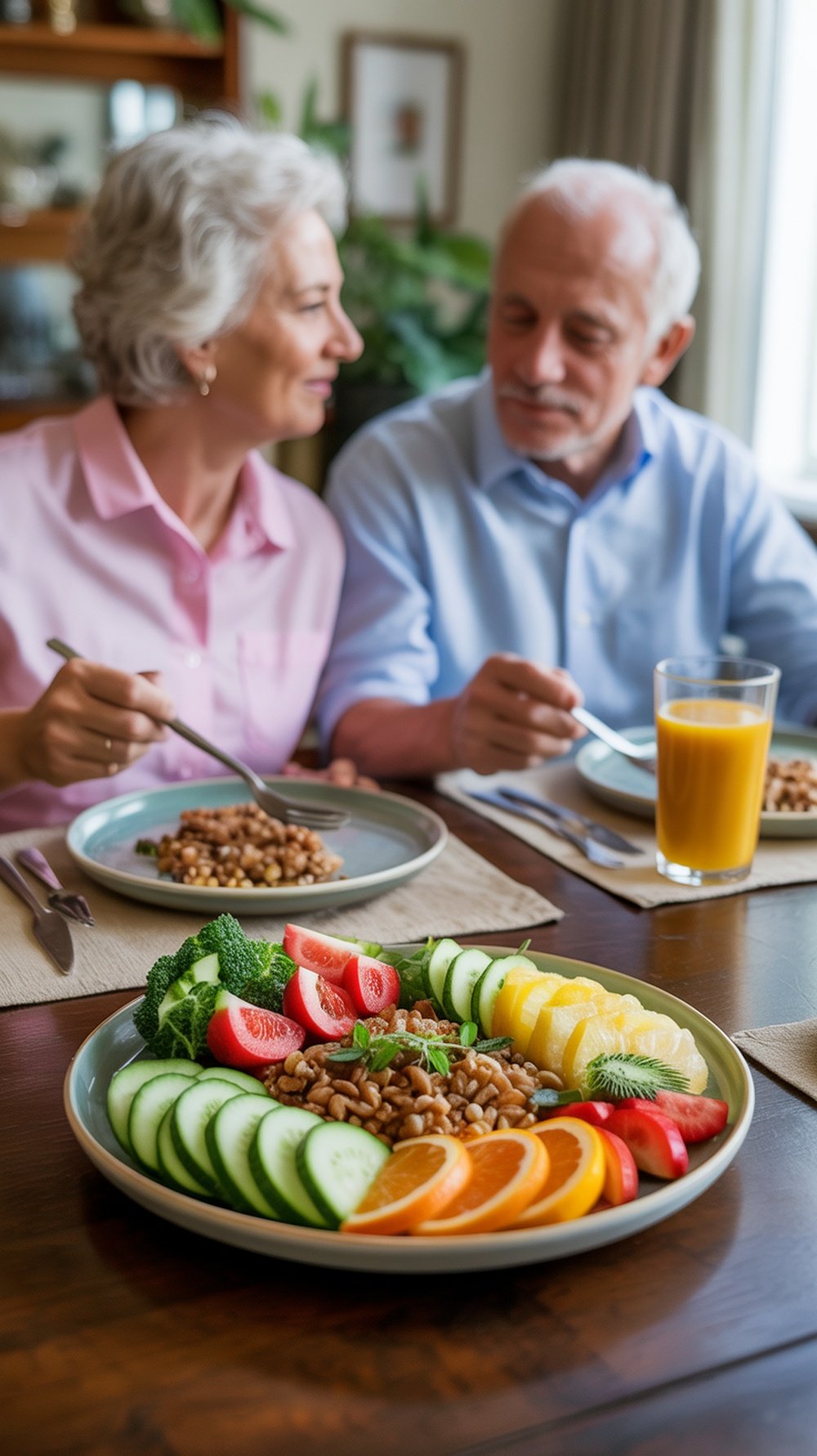
Eating well is essential for staying healthy, especially as we age. The vibrant array of fruits and vegetables in the image highlights just how colorful and appealing a balanced diet can be. Fresh produce like tomatoes, oranges, and broccoli not only looks good but also provides vital nutrients that our bodies need.
A balanced diet includes a variety of foods. The plate in the center is filled with chopped fruits and vegetables, showcasing the importance of including different colors in your meals. Each color often represents different vitamins and minerals. For instance, greens are packed with iron, while oranges offer a boost of vitamin C.
Making simple choices like snacking on fruits instead of processed snacks can make a big difference. Adding nuts and seeds, like those seen in the small bowl, provides good fats and proteins too. A healthy mix can help improve overall well-being and keep your energy levels stable throughout the day.
Consider incorporating meals that are easy to prepare and full of nutrients. A simple fruit salad or a colorful vegetable stir-fry can be a tasty option. Remember, it’s not about restriction but rather about enjoying a wide range of foods that keep your body nourished.
Managing Chronic Conditions

Managing chronic conditions is an important part of senior health. The image shows a gentleman taking a moment to check his blood pressure while using a tablet. This simple act highlights the significance of monitoring health regularly.
For seniors, staying on top of medications is crucial. Keeping a list of medications and their dosages can help avoid mix-ups. In the image, various medicine bottles are visible, reminding us of the importance of organization.
Incorporating technology, like health apps on tablets or smartphones, can make tracking symptoms and medication schedules easier. The man in the photo appears to engage with such technology, showing how it can be a helpful tool in daily health management.
Regular doctor visits and open conversations with healthcare providers also play a key role. It’s essential to discuss any concerns and ensure that the treatment plan is effective.
Lastly, adopting a healthy lifestyle with balanced nutrition and gentle exercise can support overall well-being. Each step taken contributes to a healthier and more active life, making the journey of managing chronic conditions a bit easier.
Importance of Hydration

Staying hydrated is key for everyone, but it’s especially important for seniors. Water helps keep our bodies functioning properly, aids digestion, and keeps our skin looking healthy. In the image, we see a woman pouring refreshing lemon water, which is not just pleasing to the eye but also a great way to enjoy hydration.
Lemon water is a simple and tasty way to increase fluid intake. Adding lemon not only gives it flavor but also provides vitamin C, which can boost the immune system. This can be especially helpful for older adults who might need a little extra support.
It’s essential to keep a water bottle nearby throughout the day. Sipping water regularly can prevent dehydration, which can lead to fatigue and confusion. Sometimes, seniors might not feel thirsty, so setting reminders can help. Making hydration a habit can significantly improve overall health and well-being.
Quality Sleep Practices

In the journey of senior health, sleep plays a big role. The image of a couple peacefully resting together highlights the comfort and warmth that comes with quality sleep. As we age, our sleep patterns can change, making it essential to adopt practices that promote restful nights.
Creating a calming bedtime routine can set the stage for better sleep. Simple activities like reading, listening to soothing music, or practicing gentle stretches can help signal to your body that it’s time to wind down. A cozy, quiet environment is also crucial. Keeping the bedroom dark and cool helps make it easier to fall asleep and stay asleep.
Consider limiting screen time before bed. The blue light emitted by phones and tablets can interfere with your body’s natural sleep cycle. Instead, opt for a relaxing activity that doesn’t involve screens. Also, try to maintain a consistent sleep schedule by going to bed and waking up at the same time every day, even on weekends.
Lastly, don’t underestimate the power of a comfortable mattress and pillows. Sometimes, a little adjustment in your sleeping arrangement can make a significant difference in how well you sleep. Remember, quality sleep isn’t just about hours spent in bed; it’s about the restfulness of that sleep.
Cognitive Health Activities
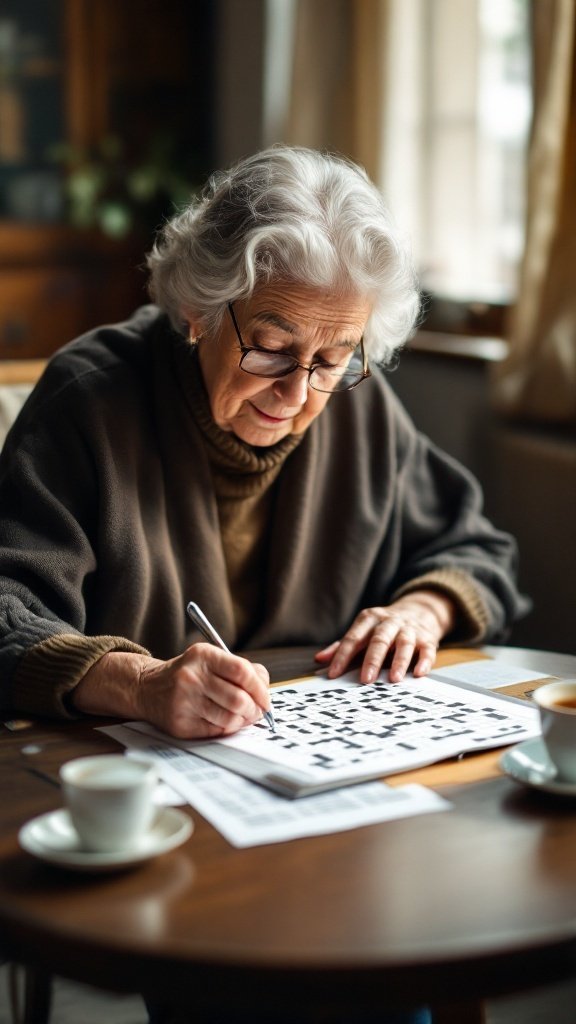
Engaging in cognitive activities is essential for seniors to maintain and improve brain health. These activities can be both fun and beneficial, providing a great way to keep the mind sharp.
In the image, we see a senior working on a crossword puzzle. This is a classic example of a cognitive activity that challenges the brain. Puzzles like these require problem-solving skills, vocabulary knowledge, and critical thinking.
Besides puzzles, there are many other activities seniors can enjoy. Reading books, playing memory games, and even learning a new language can keep the brain active. Social interactions, such as joining clubs or participating in group activities, also play an important role in cognitive health.
It’s important to find activities that are enjoyable. When seniors engage in something they love, they’re more likely to stick with it. So, whether it’s a crossword, a book, or a new hobby, the key is to keep the brain engaged regularly.
Understanding Medication Management
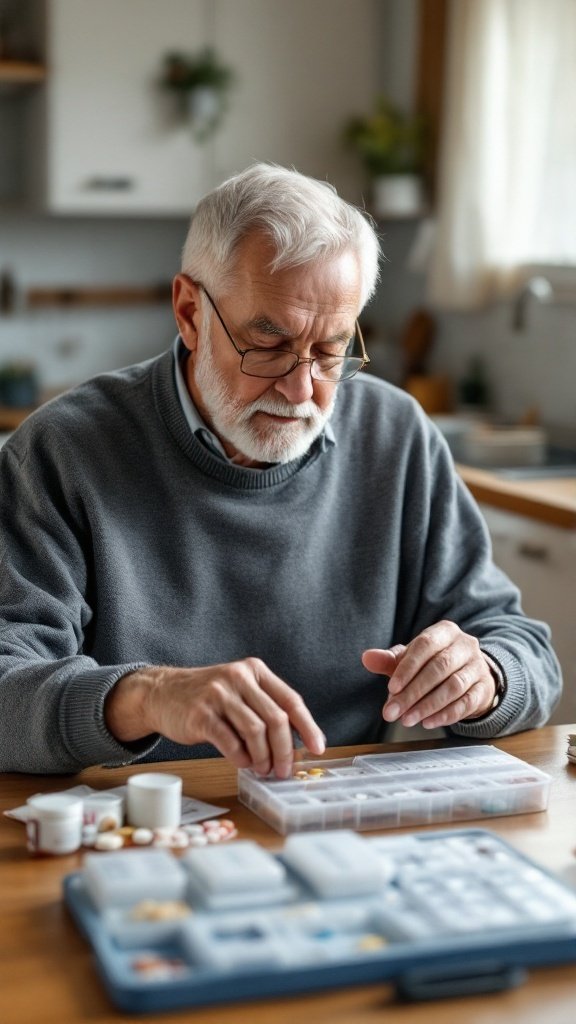
Managing medication is an essential part of staying healthy as we age. In the image, a senior man is carefully organizing his pills into a weekly pill organizer. This simple task can make a big difference in ensuring he takes his medications correctly.
Using a pill organizer is a smart way to keep track of daily doses. It helps prevent mistakes, like taking the wrong pill or missing a dose altogether. Staying organized can lead to better overall health, as it allows for consistent medication intake.
It’s also helpful to set reminders on your phone or use a calendar. This can alert you when it’s time to take your medicine. Some seniors find it useful to involve a family member or friend in this process. They can help with reminders or even manage medications together.
Additionally, keeping a list of all medications, including dosages and schedules, is advisable. This list can be beneficial during doctor visits and can help avoid any potential drug interactions.
Incorporating Flexibility Exercises

Flexibility exercises are key for seniors aiming to stay active and mobile. The image shows two seniors engaged in a stretching routine, which perfectly illustrates the joy of staying flexible together. Stretching not only enhances flexibility but also promotes a sense of companionship.
Incorporating flexibility exercises into your routine can help improve balance and reduce the risk of falls. Simple activities like seated stretches or gentle yoga can be quite beneficial. It’s nice to see how these two individuals are enjoying their time while stretching, making the experience enjoyable.
They are likely benefiting from each other’s support, which is a great reminder that exercising with a partner can boost motivation. Consider inviting a friend or family member to join you for your flexibility exercises. This camaraderie can make the practice more fun and keep you committed.
Fall Prevention Strategies
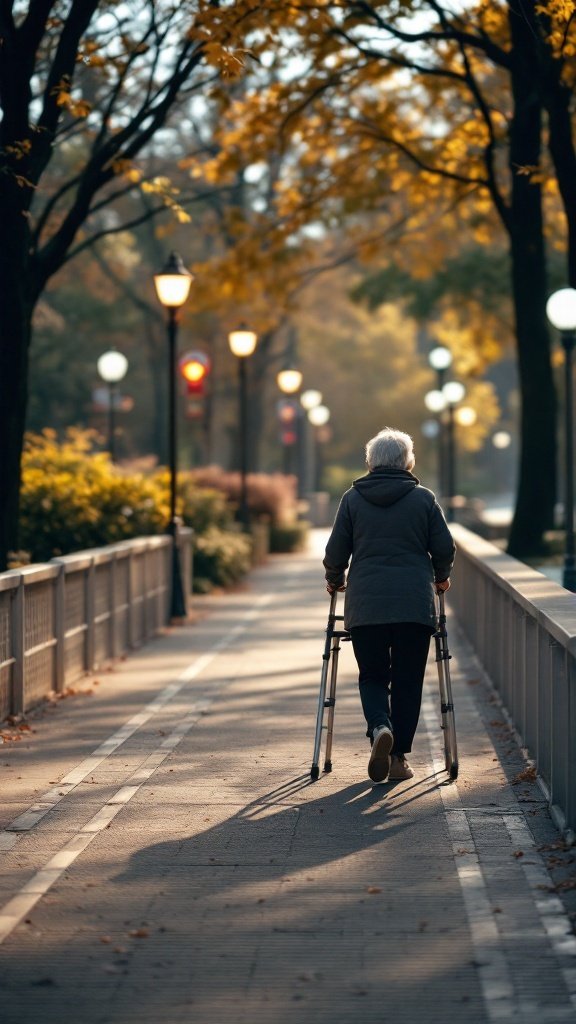
As we age, staying active and safe is essential. The image captures an elderly person walking along a path, using a walker for support. This simple tool greatly helps in enhancing stability and confidence during walks. It’s a reminder that mobility aids can be crucial for preventing falls.
One effective strategy for fall prevention is to keep living spaces clutter-free. This means removing any items that may pose a tripping hazard, like loose rugs or electrical cords. A tidy environment can significantly lower the risk of falls.
Lighting is another important factor. Ensuring that hallways and rooms are well-lit can help seniors see obstacles more clearly. Installing night lights in bedrooms and bathrooms can also provide extra safety during nighttime trips.
Regular exercise plays a vital role too. Simple activities like stretching or balance exercises can improve strength and coordination. Even a daily walk, as seen in the image, can make a difference in overall stability.
Lastly, regular check-ups with a healthcare provider can help monitor any changes in health. Discussing medications and any side effects is crucial, as some drugs can affect balance and coordination. Taking these steps can lead to a healthier, safer lifestyle.
Utilizing Technology for Health
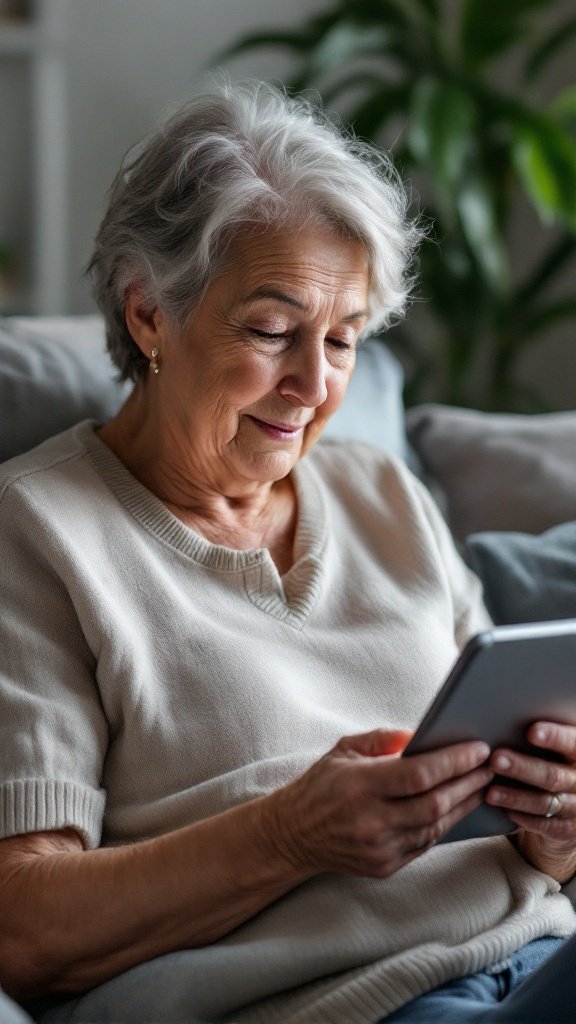
In today’s digital world, technology can play a big role in maintaining senior health. The image shows a thoughtfully relaxed woman, enjoying her time with a tablet. This simple device can be a doorway to numerous health benefits.
Using a tablet, seniors can access a wealth of information about health and wellness. From fitness videos to meditation apps, there’s something for everyone. Staying active is crucial, and tech can make exercise fun and easy.
Telehealth is another amazing feature of modern technology. Seniors can have virtual appointments with healthcare professionals from the comfort of their homes. This can make it much easier to get the medical advice they need without the hassle of traveling.
Social connections are important for mental well-being. Tablets and smartphones can help seniors stay in touch with family and friends through video calls and messaging apps. This keeps loneliness at bay and encourages engagement.
Lastly, health tracking apps can assist in monitoring important metrics like heart rate and medication schedules. This helps seniors take an active role in their health management. Embracing technology can be a fun and rewarding experience for seniors, leading to a healthier lifestyle.
Advocating for Your Health
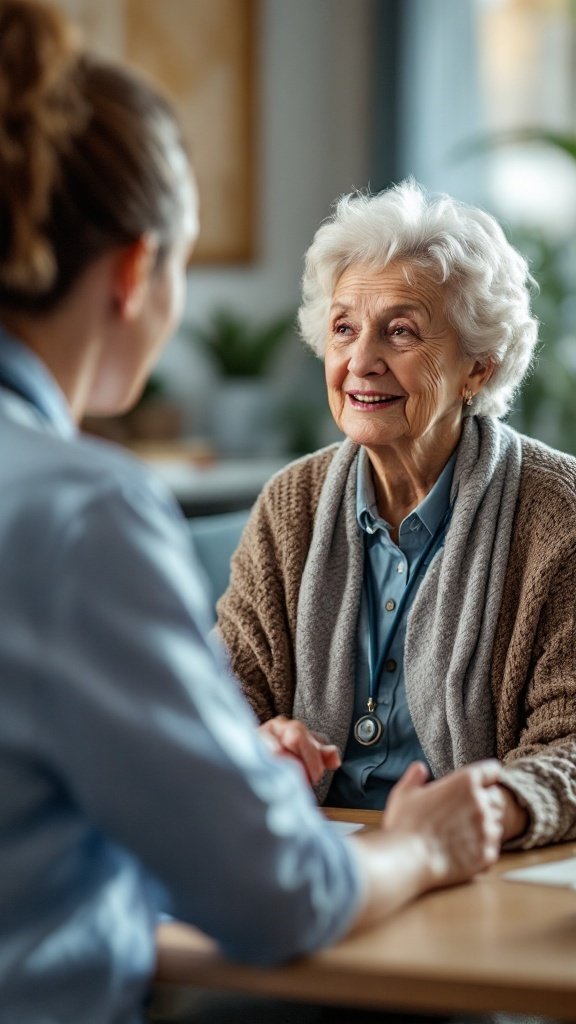
Advocating for your health is an essential part of aging well. In the image, we see a warm interaction between a senior woman and a healthcare professional. This reflects the importance of open communication and building trust in healthcare settings.
It’s vital for seniors to feel comfortable discussing their health concerns. Whether you’re talking about medications, symptoms, or lifestyle changes, having these conversations can help you manage your health better. Remember, you are your own best advocate.
Don’t hesitate to ask questions during your appointments. You deserve clear explanations about your health and treatment options. Having a partner in your care, like the professional in the image, can make a big difference.
Additionally, consider bringing a family member or friend along to your appointments. They can help you remember information and provide support. This collaborative approach to health care can empower you and ensure that your needs are met.
Healthy Weight Management
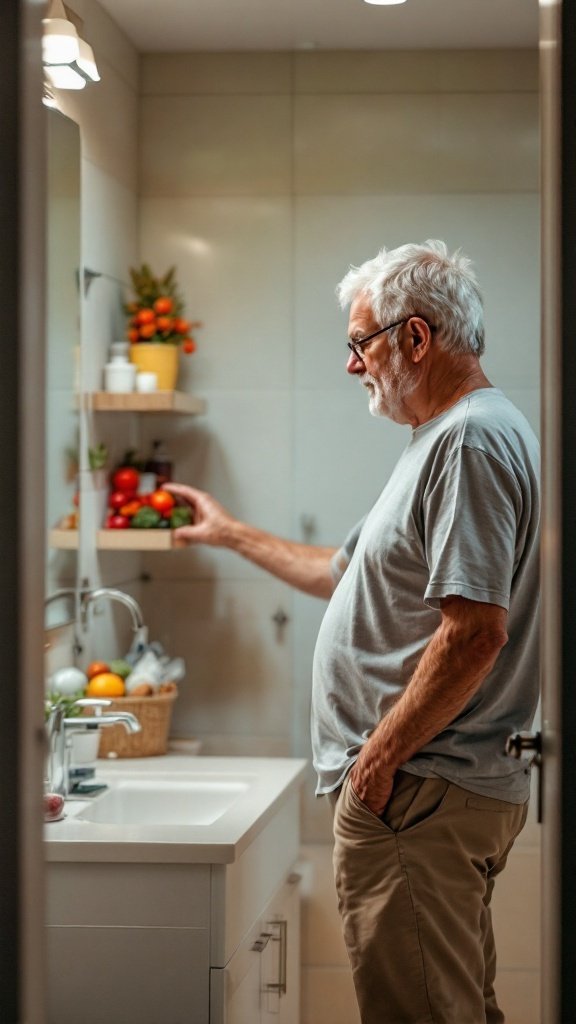
Managing weight is an important part of staying healthy as we age. The image shows an older man thoughtfully choosing fresh produce. This simple act reflects a bigger commitment to a balanced diet. Fresh fruits and vegetables are essential for anyone looking to maintain a healthy weight.
As we get older, our metabolism changes. This means that what worked in our younger years might not be effective anymore. It’s important to be mindful of portion sizes and snack choices. Opting for nutritious options like fruits, vegetables, and whole grains can help keep your weight in check.
Staying active is also key. Regular exercise not only helps with weight management but also boosts mood and energy levels. Simple activities like walking or gardening can make a big difference. The man in the image appears to be focused on making healthy choices, and that’s a great attitude to have!
Remember, weight management isn’t just about counting calories. It’s about building a lifestyle that includes nutritious foods and physical activity. So, next time you’re in the kitchen, think about what you can add to your plate that supports your health goals!
This post may contain affiliate links which means I may receive a commission for purchases made through links. I will only recommend products that I have personally used! Learn more on my Private Policy page.
